
Prints deteriorate through several separate processes, some driven by light, some by chemistry and some by whatever they were stored in. Here are fifteen.
1. Colour Prints Are Made of Dyes
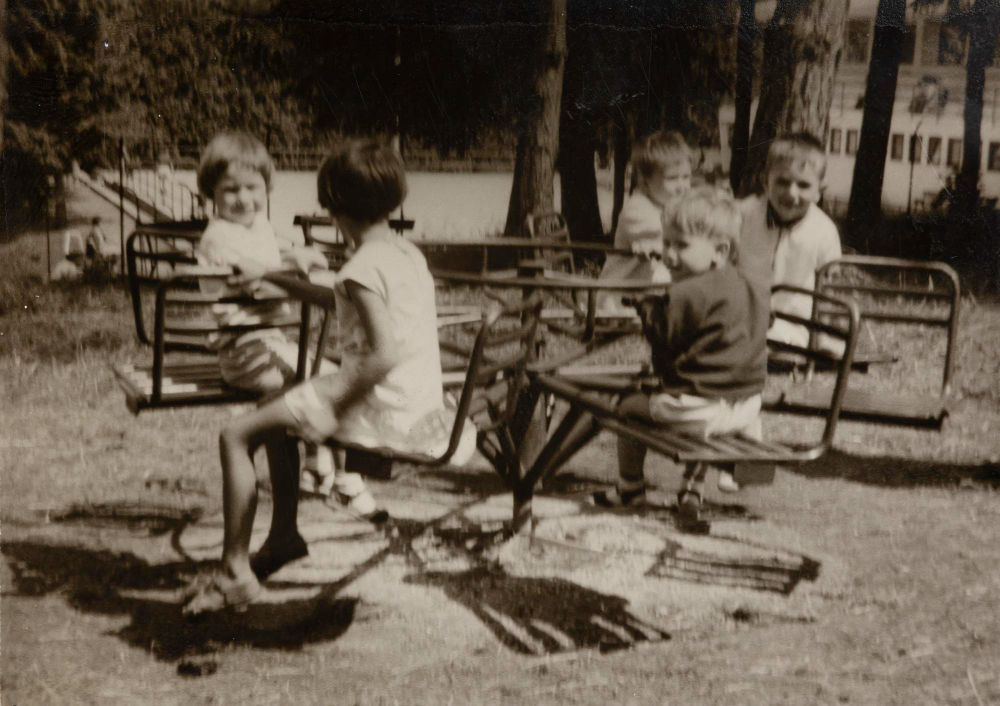
A colour image is built from several dye layers stacked together, and dyes are organic compounds that break down when light and oxygen reach them.
They are inherently less stable. Dye chemistry is the root of most colour fading.
Like our content? Follow us for more.
2. The Layers Fade at Different Rates
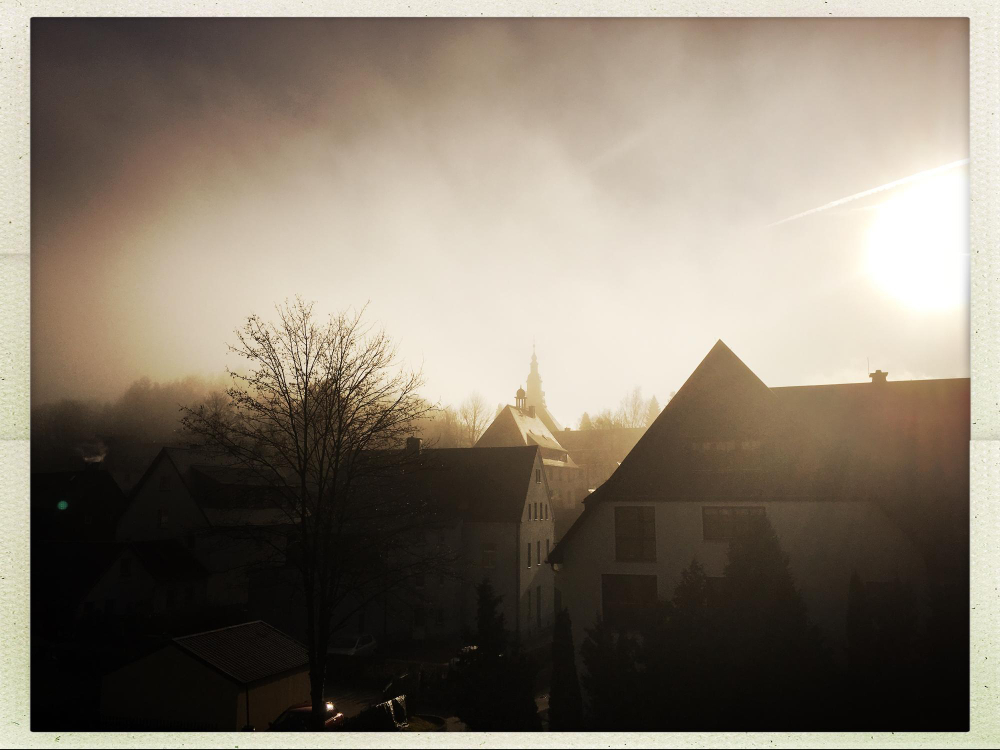
Because each dye has its own stability, one layer outlasts the others – which is why old colour prints shift toward a single overall cast rather than simply going pale.
The colour that remains is the most stable one. Uneven fading is why old prints look tinted.
3. Black and White Is Metallic Silver
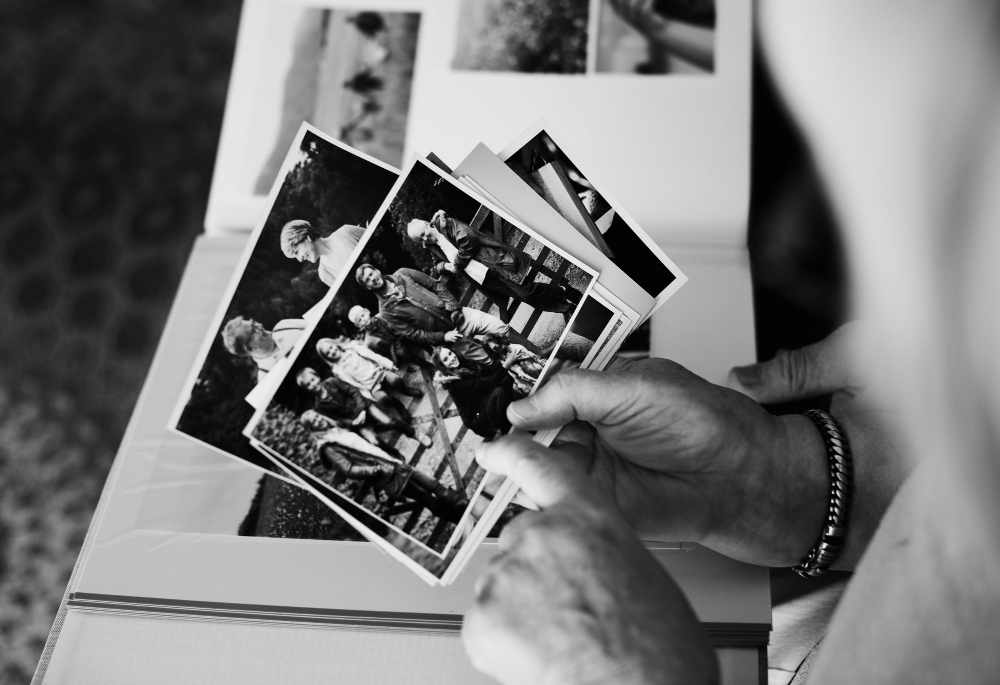
A monochrome image consists of fine particles of silver metal, which is far more stable than any dye and can survive for a very long time.
It is a different material entirely. Silver stability is why the oldest prints look best.
4. Light Is the Main Driver
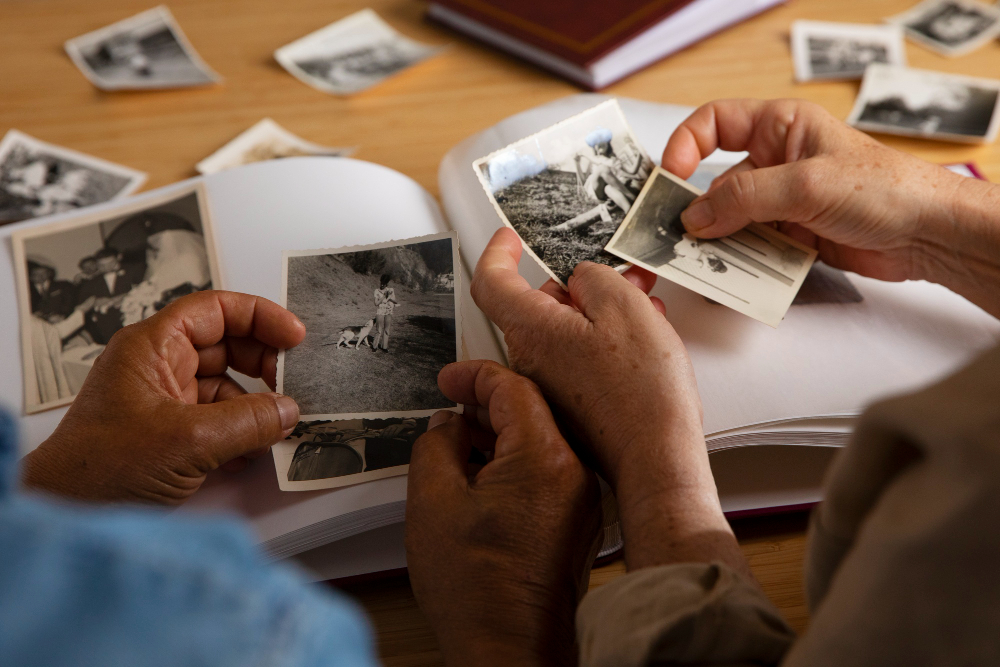
Fading is caused principally by light, which means a print on a wall deteriorates enormously faster than an identical one in a drawer.
Display is the cost. Light exposure is the single largest factor.
5. Ultraviolet Does the Most Damage
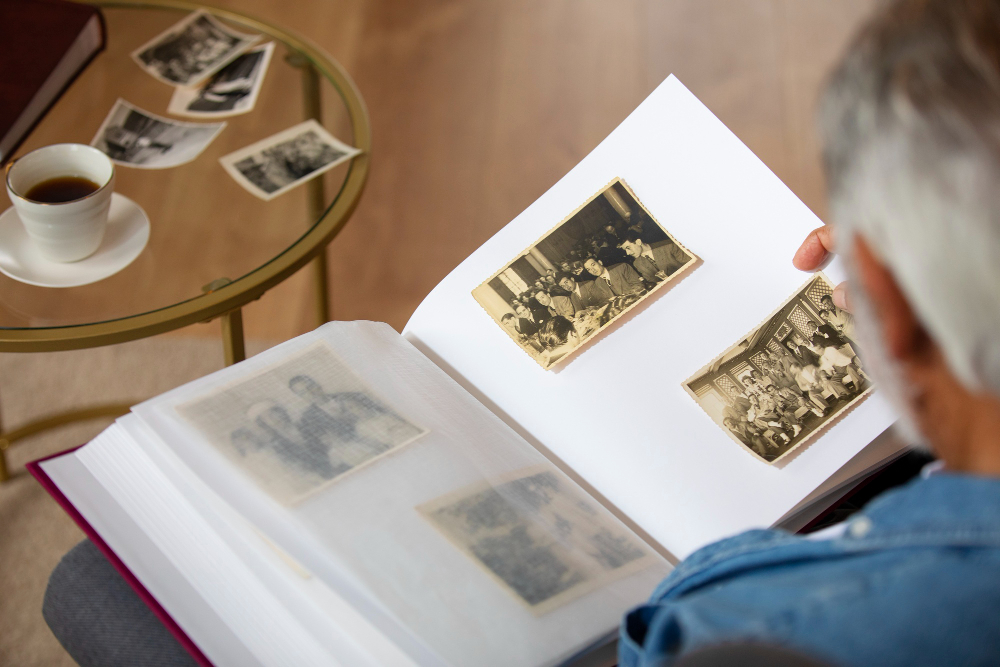
The shortest wavelengths carry the most energy and break chemical bonds most readily, which is why daylight is more damaging than indoor lighting.
Not all light is equal. Ultraviolet is the most destructive part of the spectrum.
6. Heat Speeds Everything Up
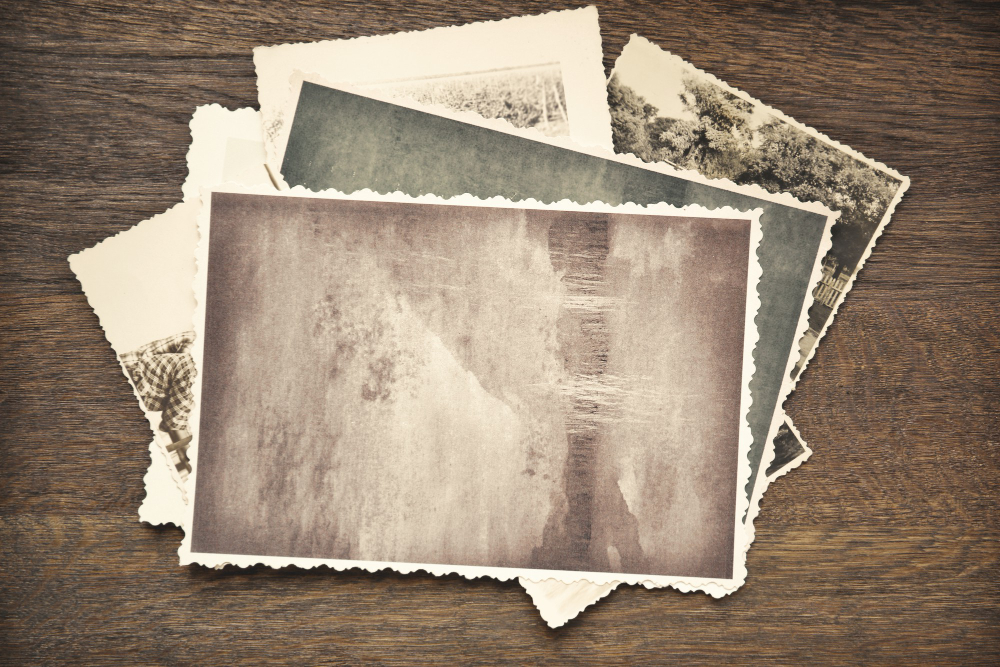
Chemical deterioration proceeds faster at higher temperatures, so prints stored in a loft or near a radiator age substantially faster than those kept cool.
The warmth is the problem. Temperature is why storage location matters so much.
7. Humidity Does Too
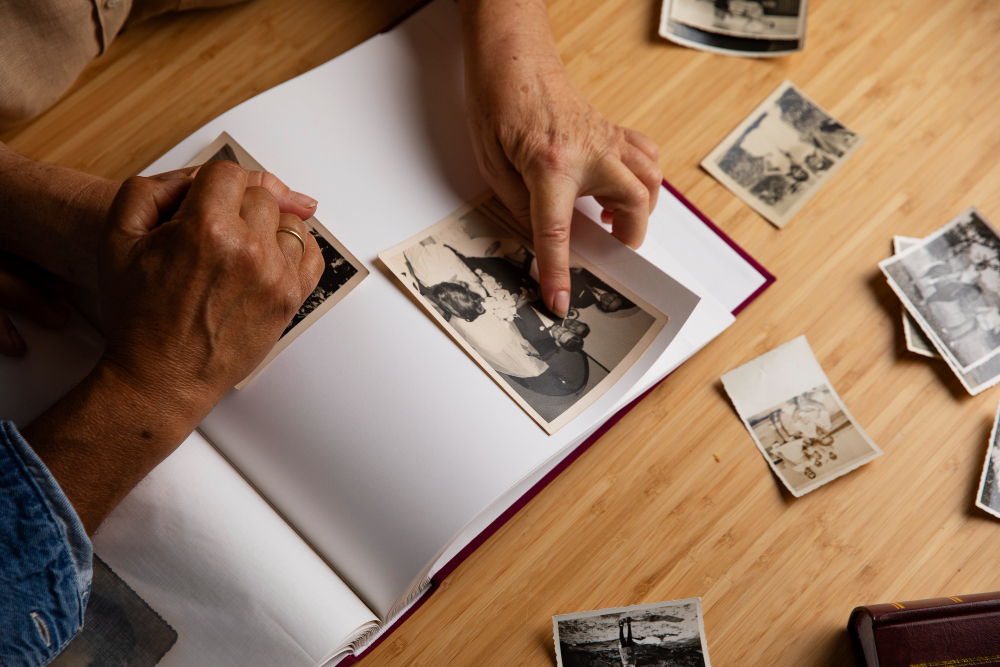
Moisture enables chemical reactions and encourages mould growth, and fluctuating humidity makes prints expand and contract repeatedly.
Damp is worse than dry. Moisture accelerates several processes at once.
8. Leftover Processing Chemicals Keep Working
A print that was not washed thoroughly after processing retains traces of the chemicals used, which continue to react over years and cause staining and fading.
The damage was built in at the start. Residual chemistry is why some prints aged badly from new.
9. The Paper Itself Goes Yellow
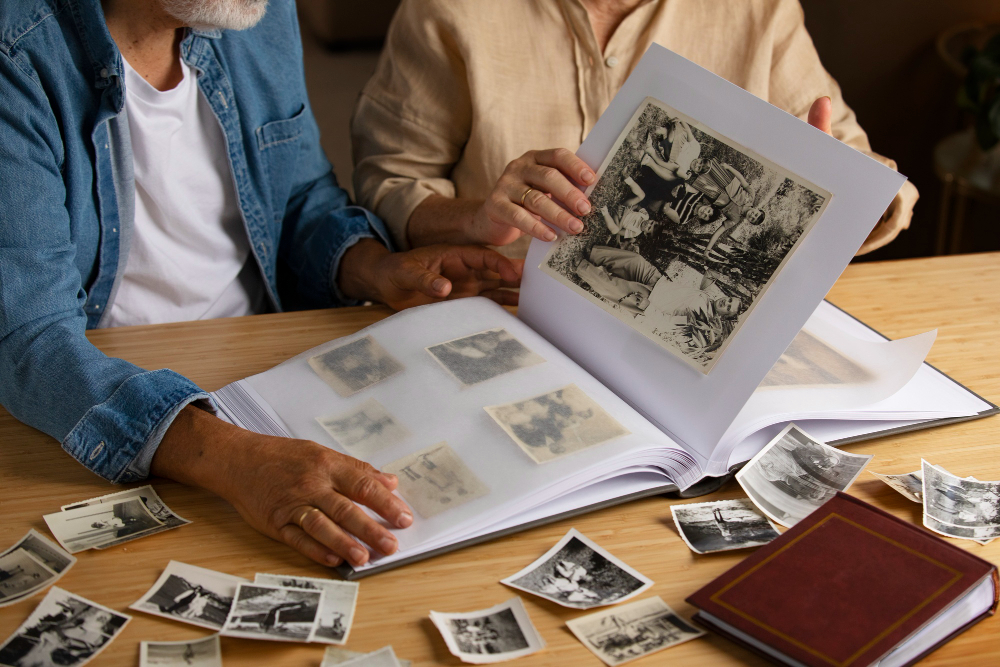
Acidity in the paper base breaks down its fibres and produces yellowing and brittleness independently of anything happening to the image.
The support fails as well as the picture. Paper acidity is a separate process from fading.
10. The Album Can Be the Problem
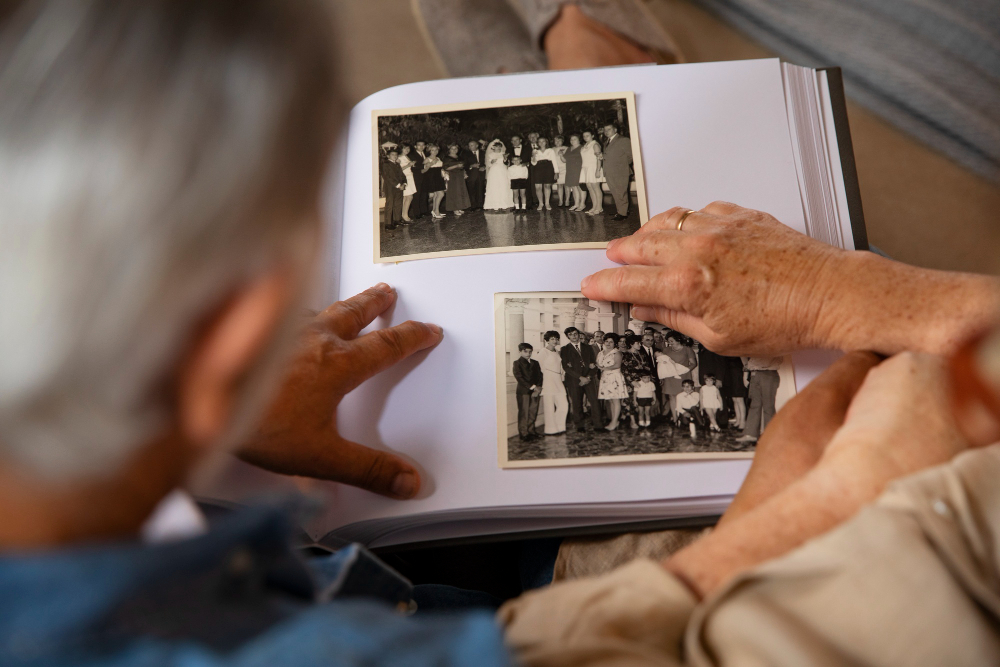
Acidic card, adhesives and the sticky-page albums popular for a period all attack prints, and in the worst cases bond them permanently to the page.
Storage caused the damage. Mounting materials are frequently the culprit.
11. Fingerprints Etch In
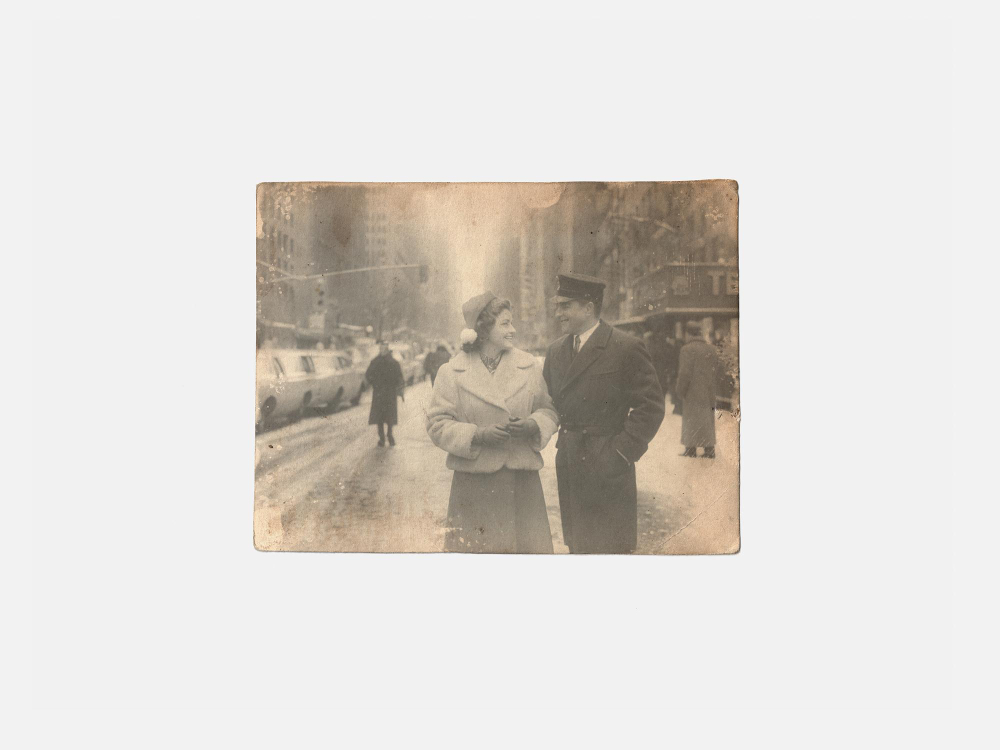
Oils and salts from handling remain on the surface and slowly react with the image, so a print handled at the edges survives better than one held across its face.
The marks appear years later. Handling residue is damage with a long delay.
12. Prints Stick to Glass
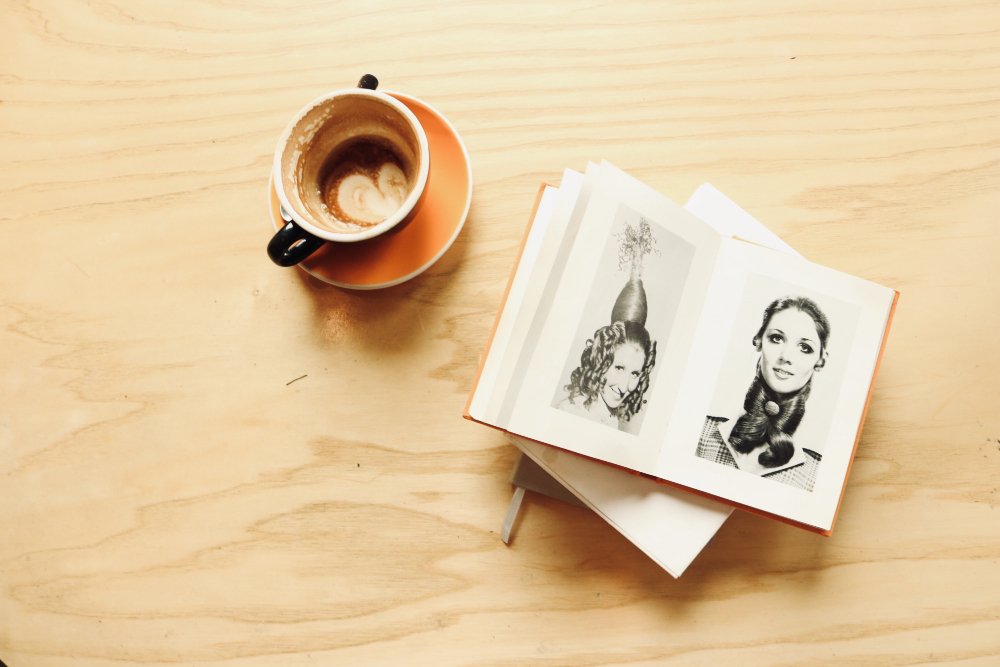
A print pressed against glass in a frame, particularly in damp conditions, can bond to it, at which point separating the two damages the image.
Framing without a gap causes it. Direct glass contact is a common and avoidable loss.
13. Silver Can Come to the Surface
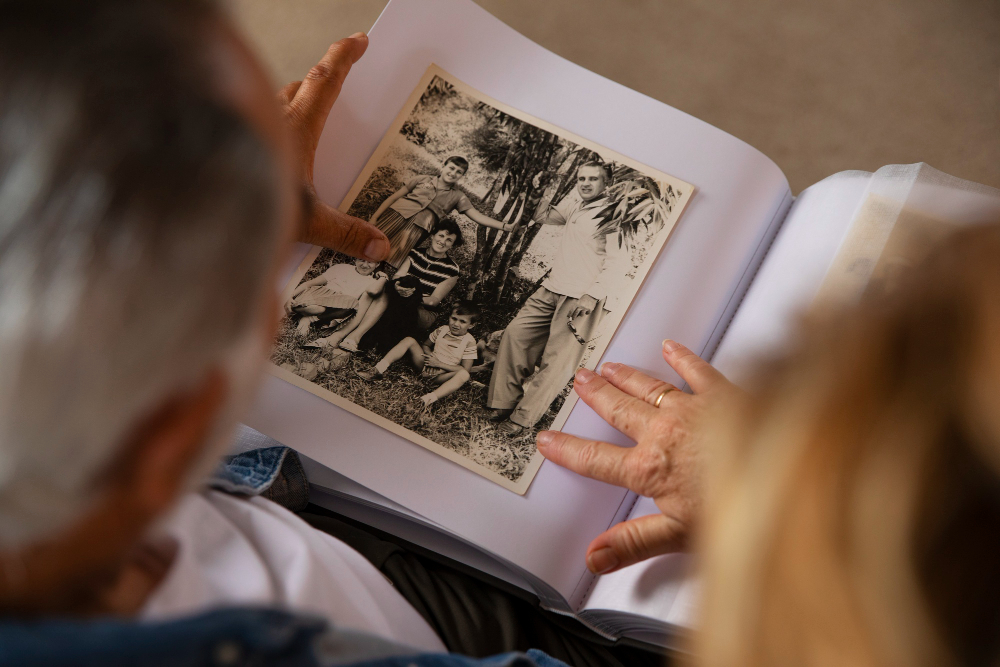
In monochrome prints, silver sometimes migrates and forms a metallic sheen visible in the dark areas at an angle, which is a sign of deterioration rather than dirt.
It looks like a bloom on the surface. Silver mirroring is the characteristic fault of old prints.
14. Copies Can Outlast Originals
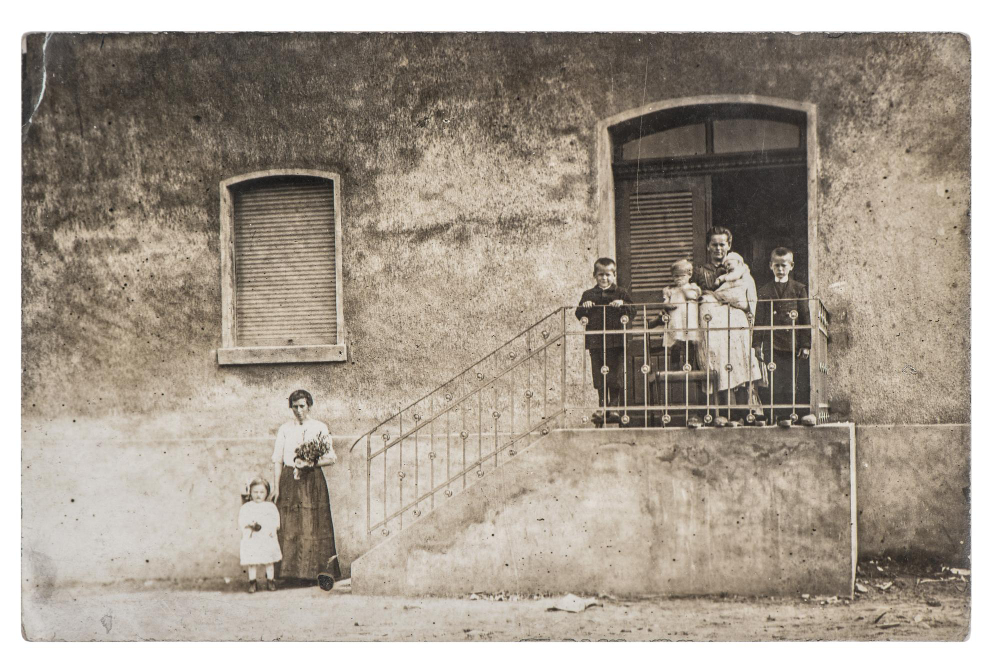
A duplicate made before deterioration set in preserves the image as it was, which is why copying is the standard advice for anything valued.
The information survives even if the object does not. Duplication is the only real protection.
15. Digital Files Fail Differently
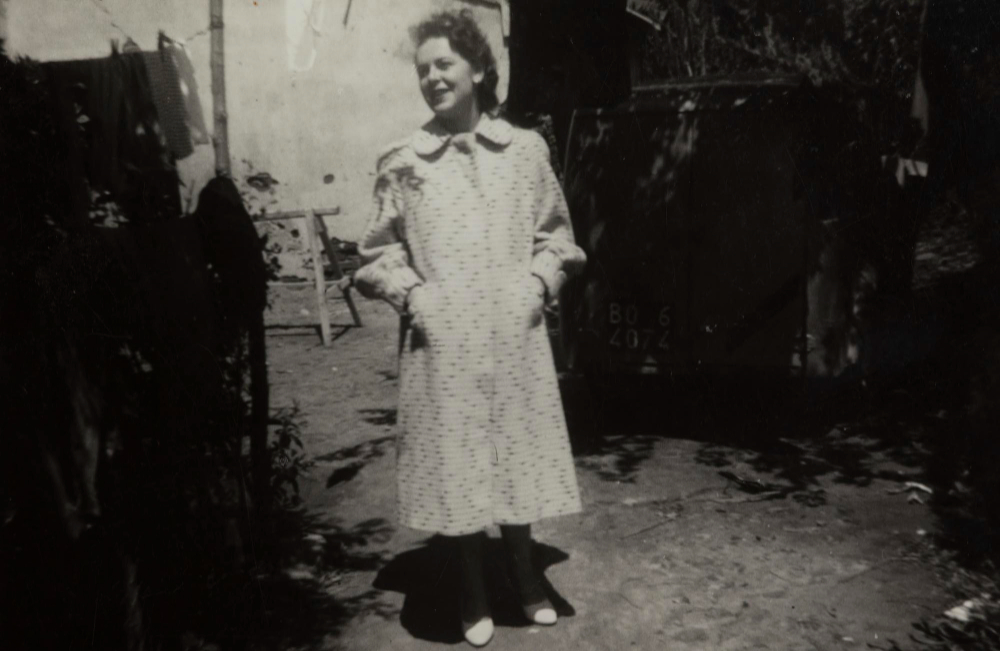
Electronic images do not fade at all, and are lost instead through failed storage, obsolete formats and files nobody can locate – which is sudden rather than gradual.
Neither format is permanent. Different failure modes are why both need attention.
Dye, Silver, Light and Whatever It Was Stored In
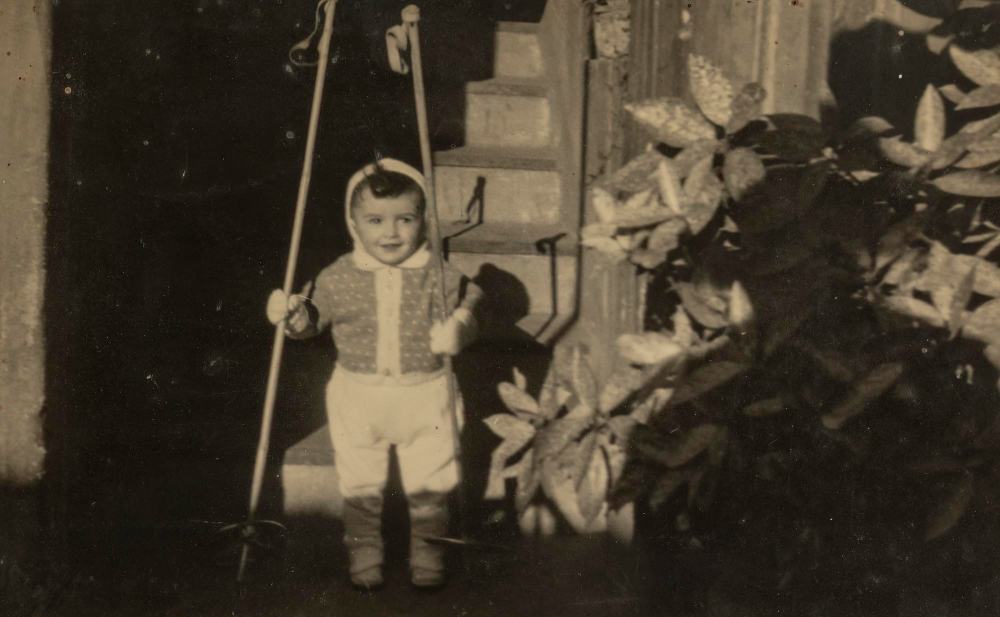
Colour built from dyes that break down at different rates, silver that lasts far longer, light and heat driving the chemistry and albums that attacked the prints they held.
One necessary note: attempting to clean, unstick or flatten a damaged print almost always makes things worse, and prints bonded to glass or album pages need professional handling. Anything truly valued is best copied first and then referred to proper conservation advice.
Like our content? Follow us for more.