

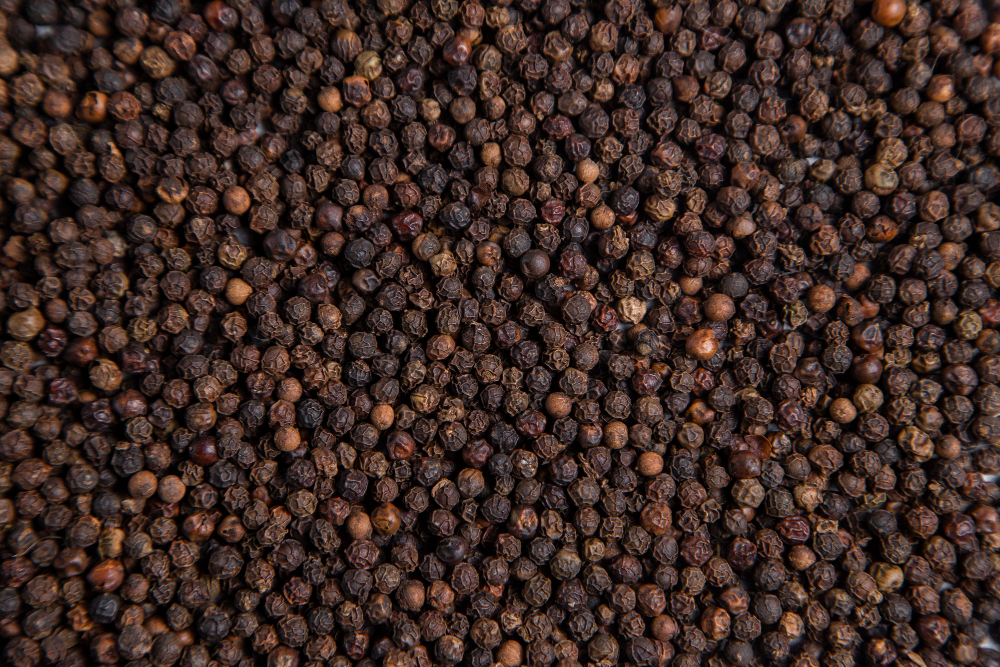
One fruit, several products, and two distinct sensations that most people assume are the same thing. Here are fifteen.
1. It Is a Dried Fruit
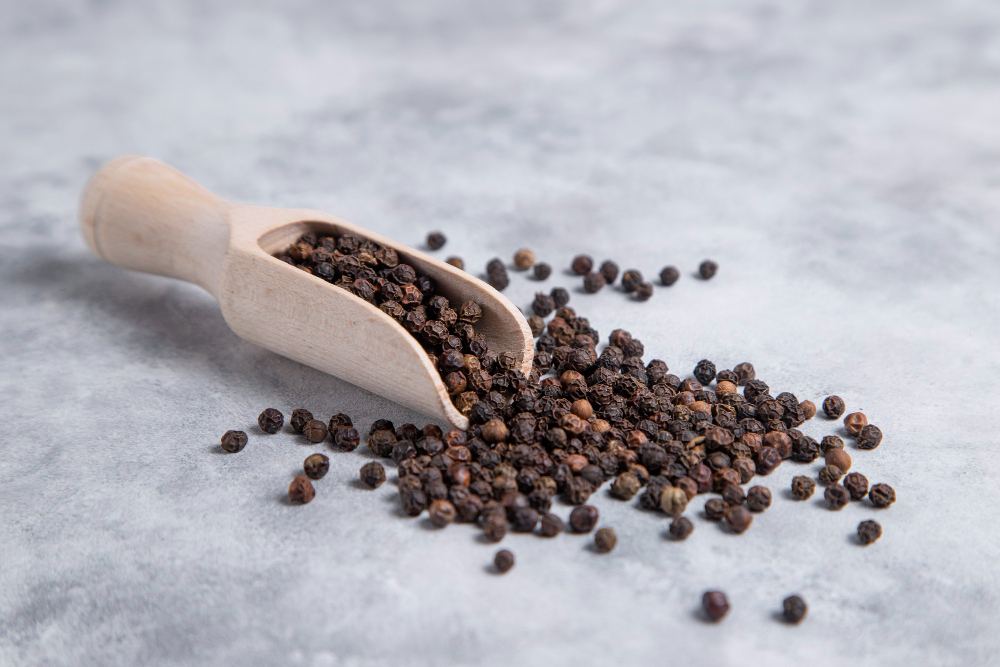
Peppercorns are the fruit of a climbing vine, picked and dried, which is why they wrinkle as they shrink and why the shell is a skin rather than a husk.
It is a berry rather than a seed. Fruit origin explains the structure.
Like our content? Follow us for more.
2. Black and White Are the Same Berry
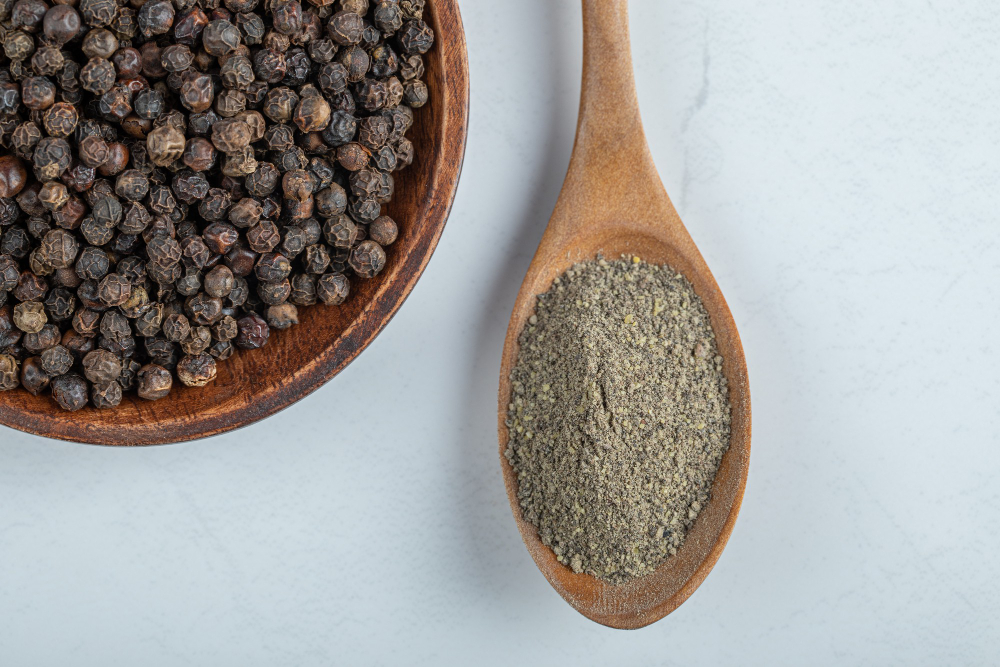
Black corns are picked unripe and dried with the skin on; white corns have the skin removed, usually by soaking before drying.
Nothing is added or bred differently. Processing difference is the entire distinction.
3. Which Is Why They Taste Different
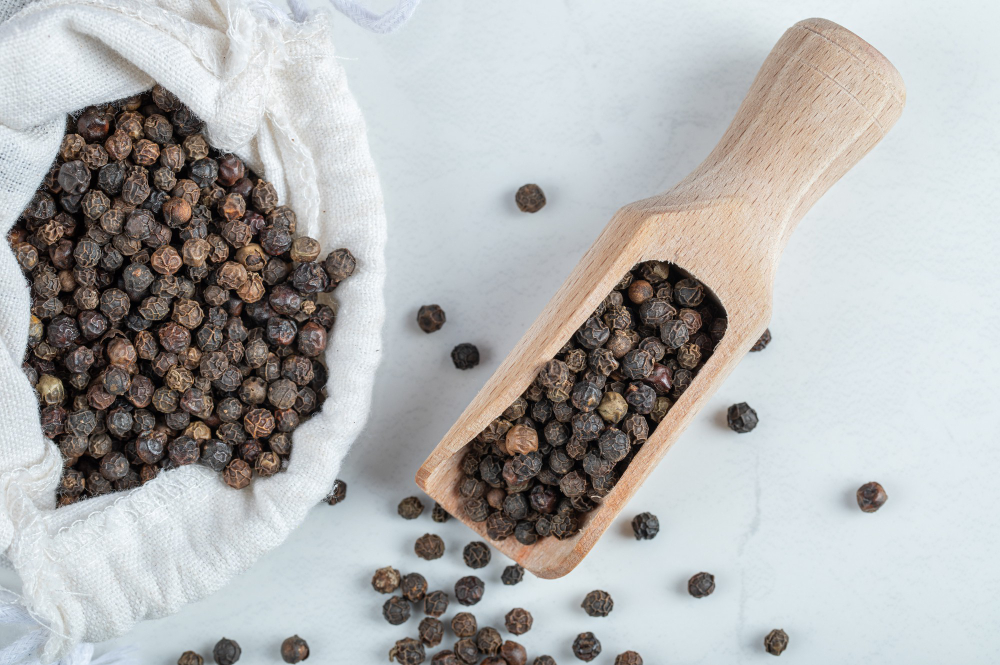
Much of the aromatic content sits in the skin, so removing it produces a milder, differently flavoured spice – and the soaking stage alters it further.
White pepper is not simply paler. Skin removal changes the flavour, not just the colour.
4. The Sting Is Not a Taste
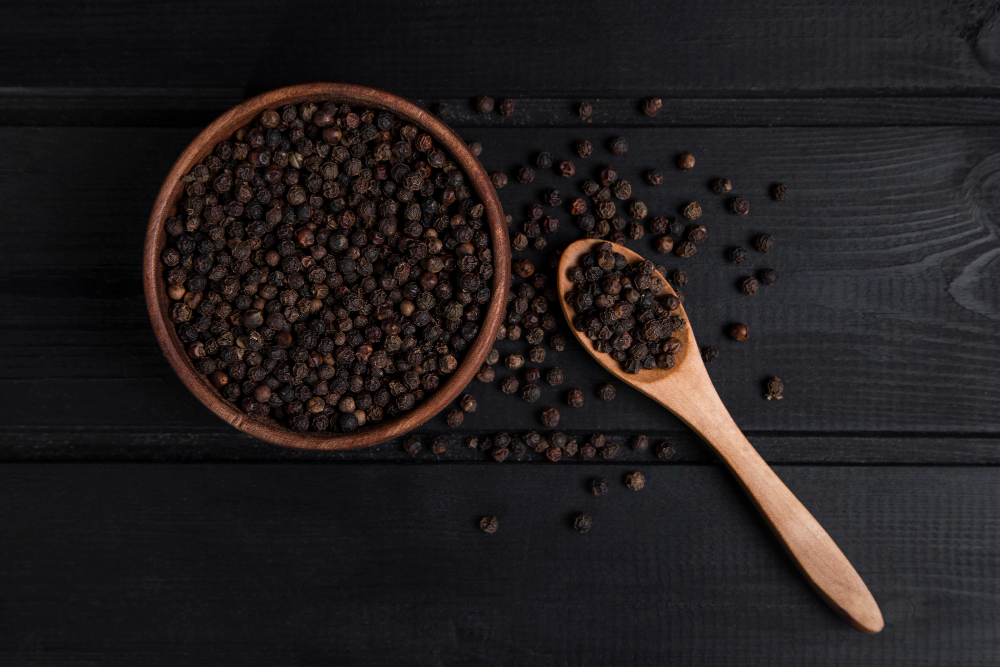
The pungency comes from a compound that stimulates heat and pain receptors rather than taste receptors, so it is felt in the mouth rather than tasted.
No taste bud is involved. Chemical irritation is what the sharpness actually is.
5. The Smell Is Something Else Entirely
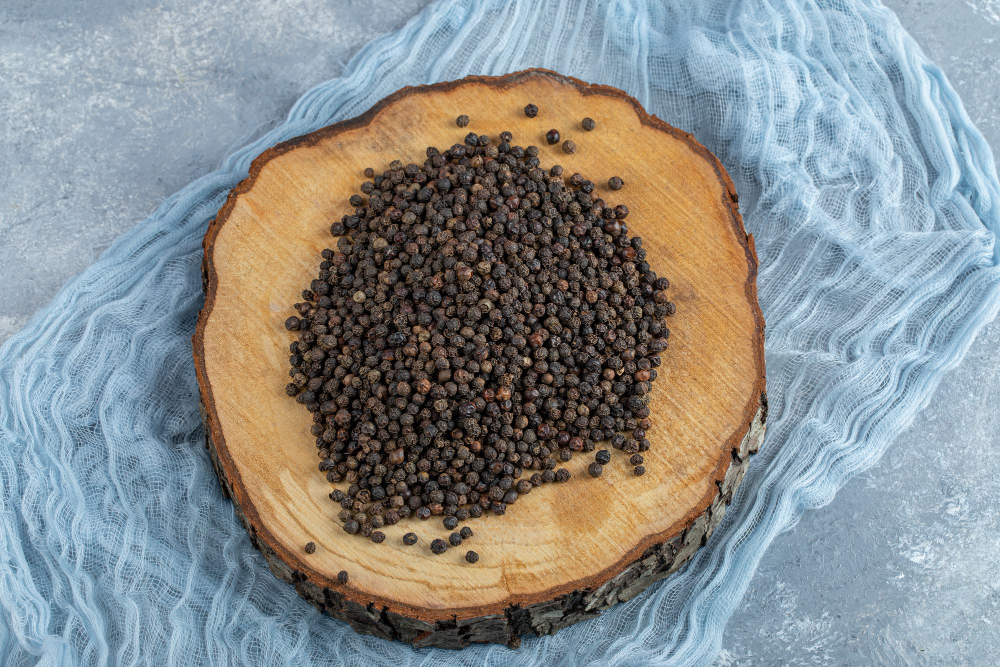
The aroma comes from volatile oils that are separate from the pungent compound, which means pepper delivers two independent sensations at once.
They can be lost separately. Two systems are why pepper is more than heat.
6. Grinding Starts the Clock
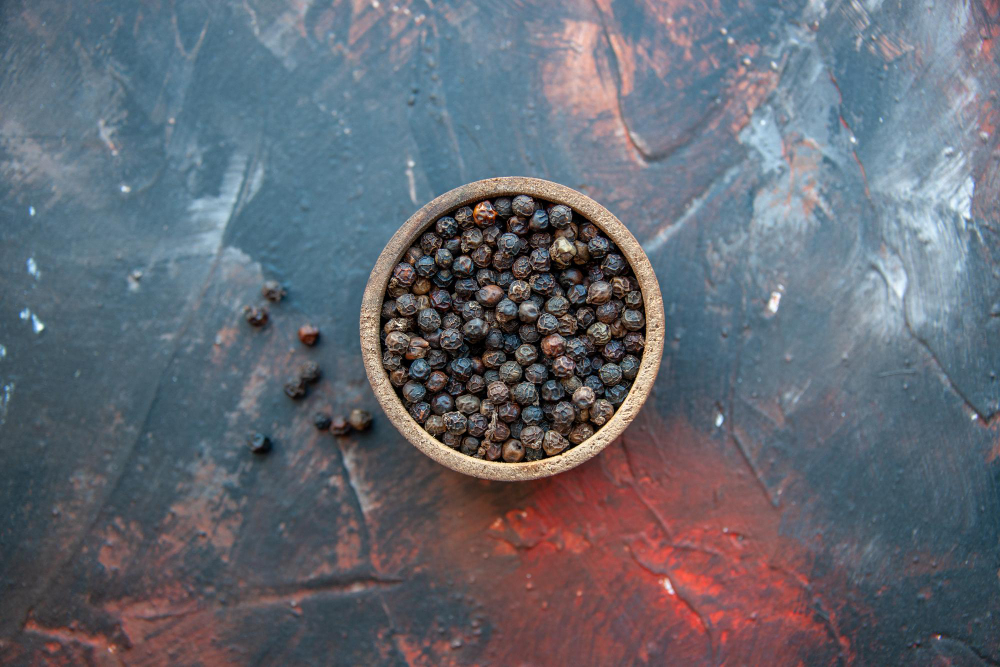
The volatile oils begin escaping the moment a corn is broken, so ground pepper loses aroma steadily while keeping most of its pungency.
It goes flat rather than mild. Aroma loss is why pre-ground pepper tastes one-dimensional.
7. Which Is the Whole Case for a Grinder
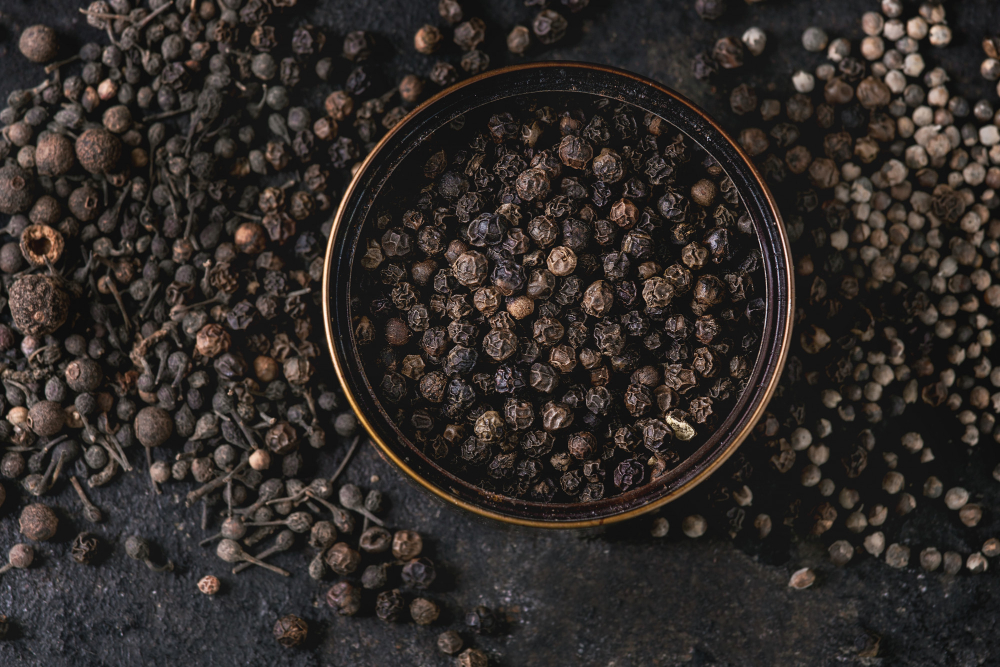
Grinding at the point of use captures the aromatics before they leave, which is a larger difference than most kitchen advice suggests.
The sting survives either way. Fresh grinding is about smell rather than strength.
8. Coarseness Changes Both
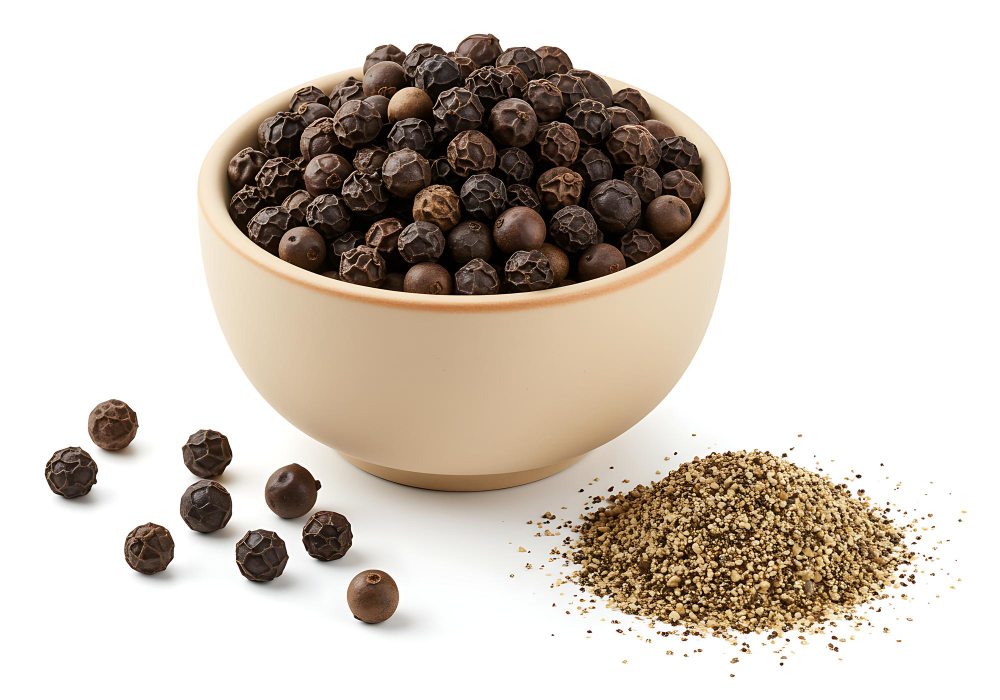
A coarse grind releases slowly and gives occasional bursts; a fine one releases everything at once and distributes evenly.
They are different ingredients in practice. Particle size is a real variable.
9. Heat Removes the Aroma and Keeps the Bite
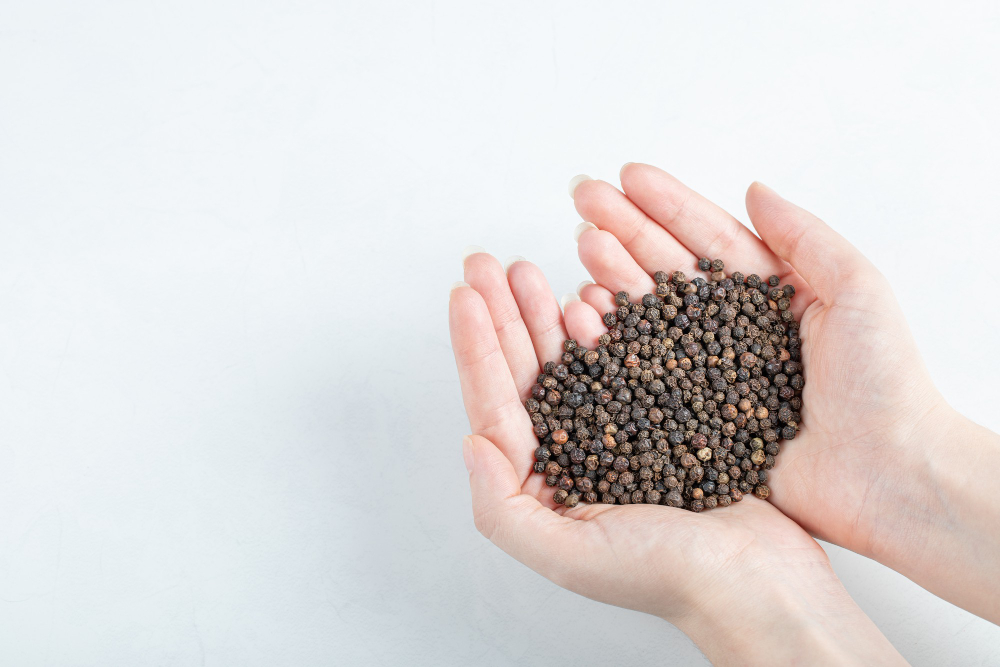
The volatile compounds boil away during cooking while the pungent one is far more stable, so pepper added early contributes sharpness without fragrance.
The two components separate under heat. Differential stability is why timing matters.
10. So Some Goes In Late
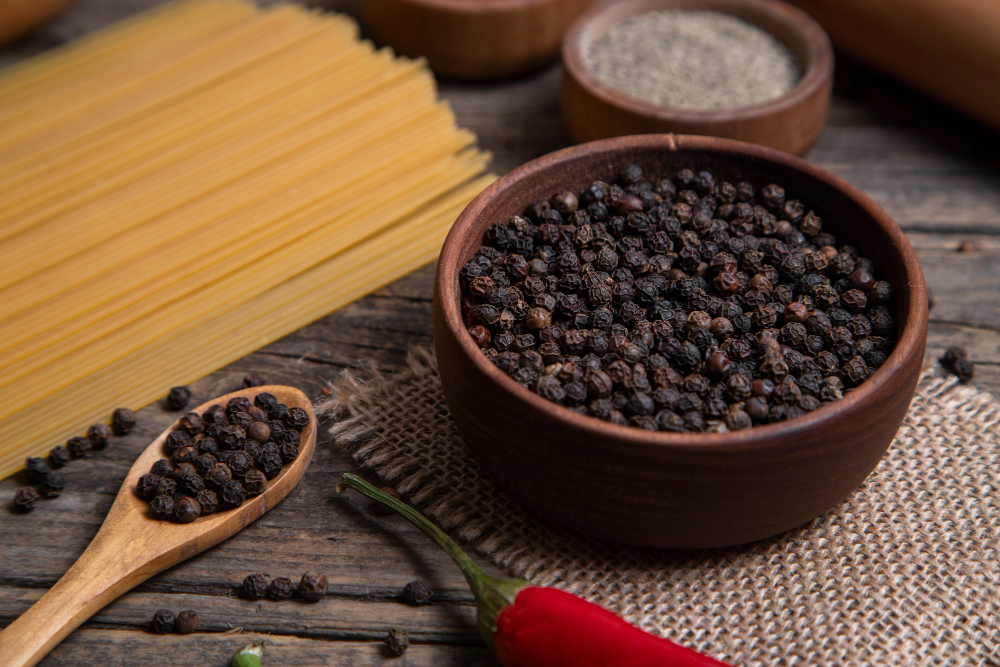
Adding pepper near the end, or at the table, preserves the aromatics that long cooking removes – which is why both approaches are used in the same dish.
It is the same reasoning as with soft herbs. Late addition restores what heat took.
11. Toasting Changes It Again
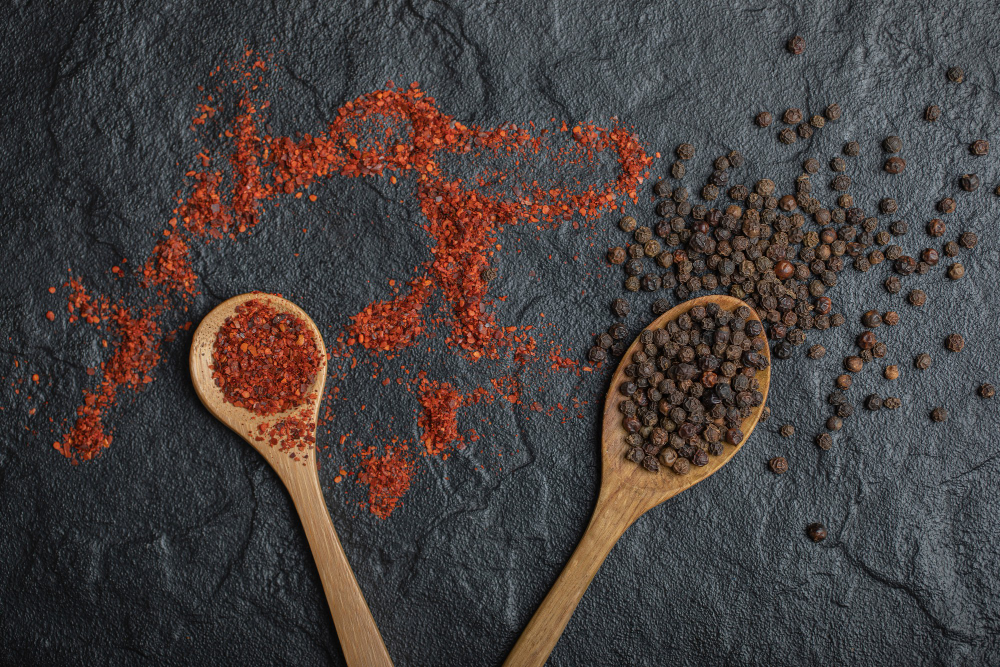
Brief dry heat on whole corns releases and transforms aromatic compounds before grinding, producing a different character from raw corns.
It is a short window. Pre-toasting is an additional decision rather than a step.
12. Green Pepper Was Never Dried
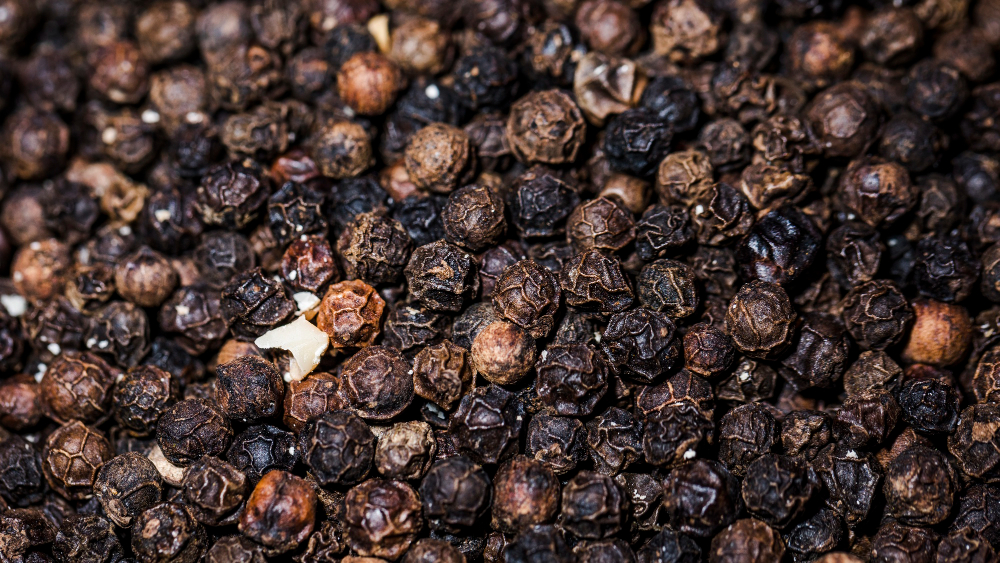
Green corns are the same unripe fruit preserved without drying, usually in brine or by freeze-drying, which keeps them soft and far less pungent.
The pungency develops during drying. Preservation method is why green tastes so different.
13. Other Peppers Are Not Pepper
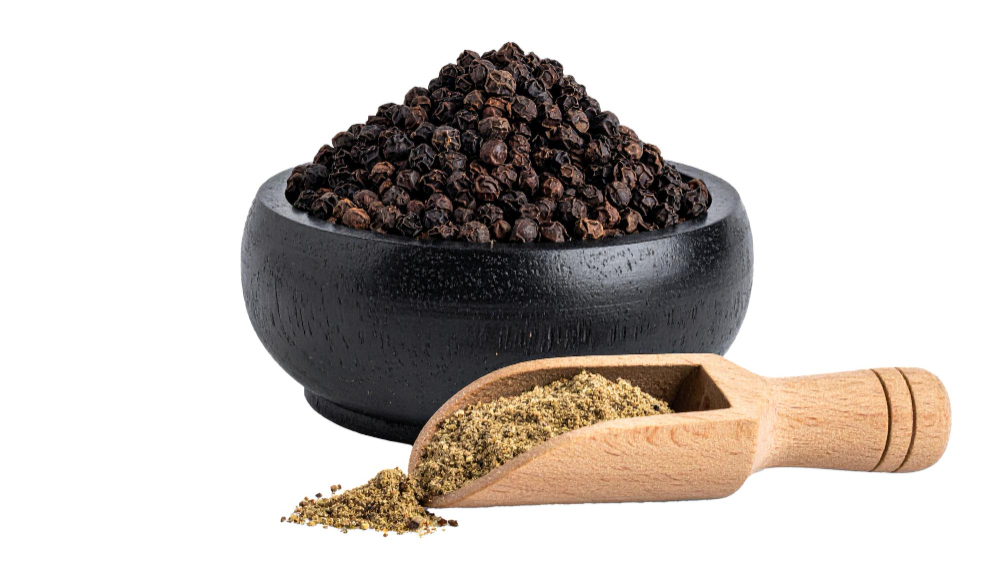
Several spices sold as pepper come from unrelated plants and contain different compounds entirely, despite looking similar and sharing the name.
The name travelled further than the plant. Unrelated species are a common source of confusion.
14. It Was Once Extraordinarily Valuable
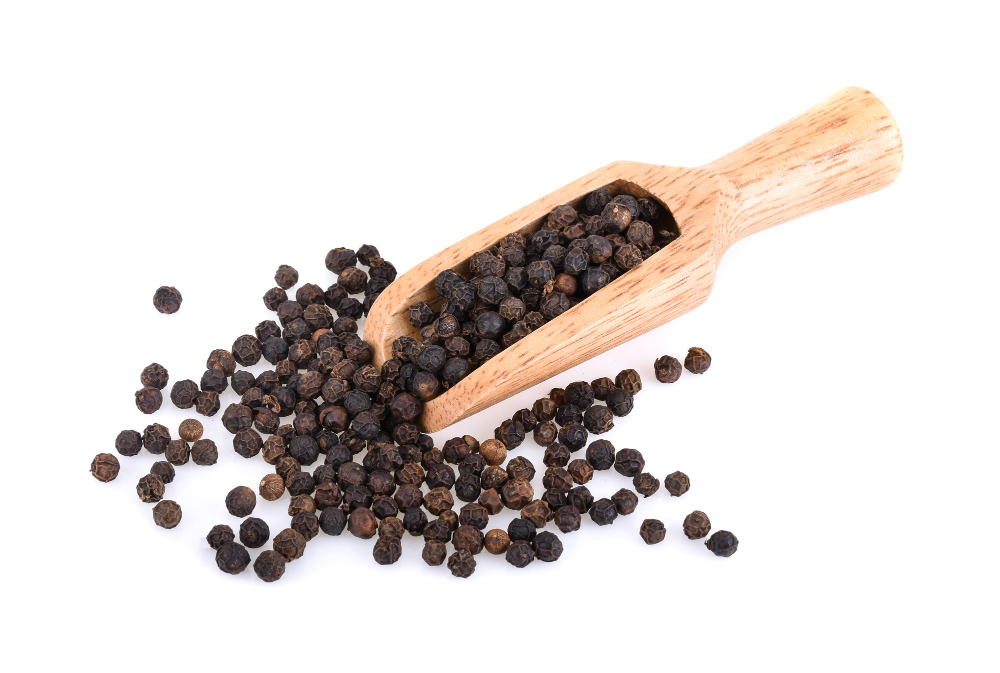
Pepper was among the most valuable commodities traded over long distances, sufficiently so that it functioned as a store of value.
Its cheapness now is the anomaly. Historical value is why it appears so often in trade history.
15. It Loses Strength Slowly But Surely
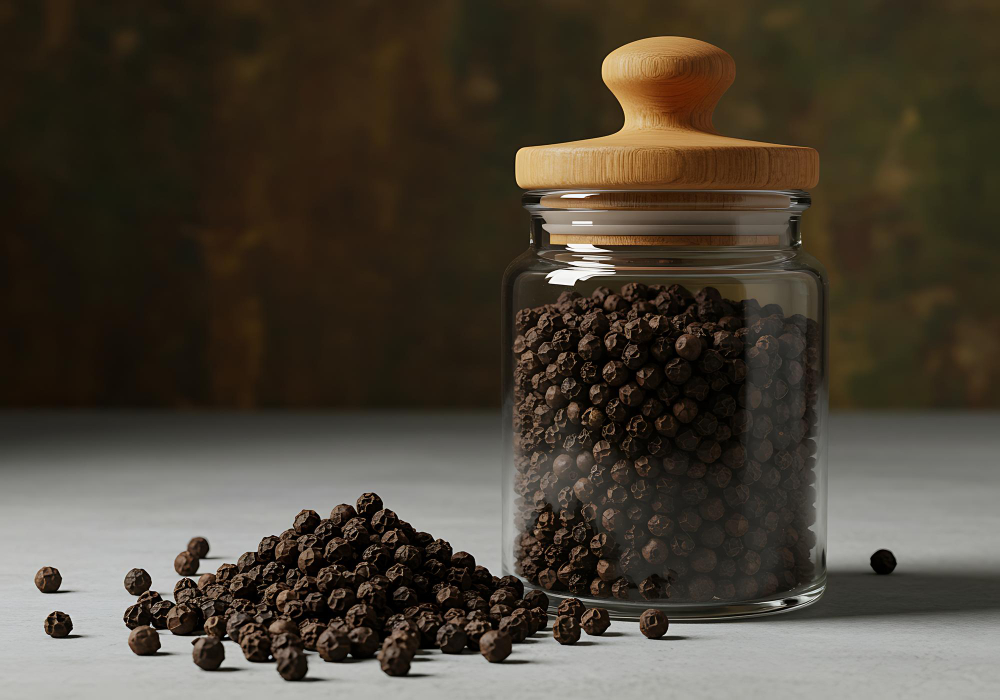
Whole corns keep for a long time and still fade, so old pepper is not spoiled but is noticeably weaker in aroma than fresh.
Nothing goes wrong with it. Gradual decline is why the jar at the back disappoints.
One Berry, Two Sensations
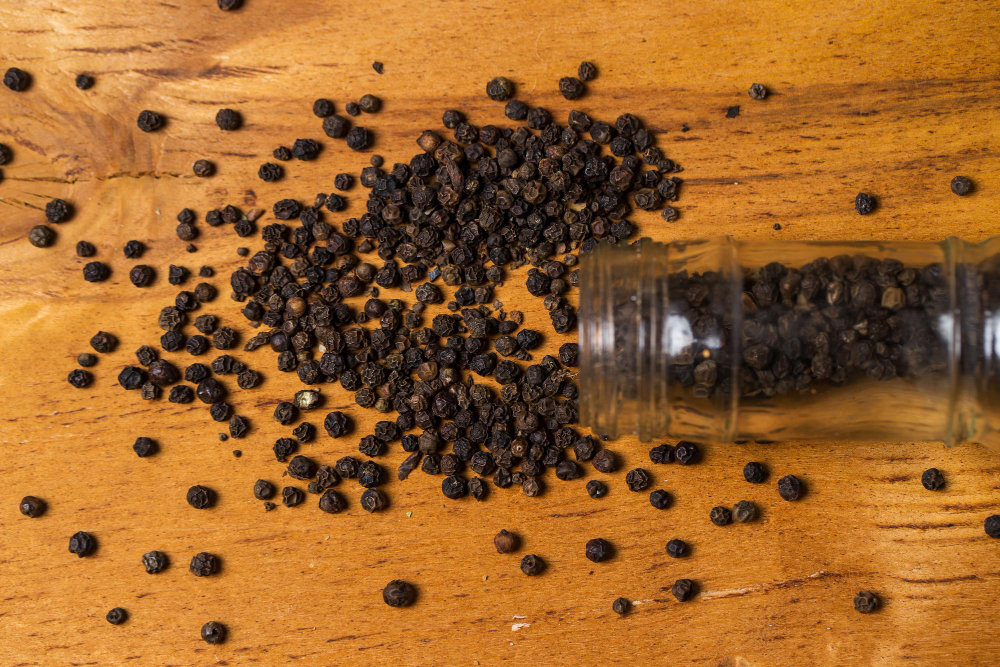
A dried fruit picked unripe, colours that are processing rather than varieties, a sting that is felt rather than tasted and an aroma that leaves the moment you grind it.
The fifth and sixth items together explain the grinder. Pepper delivers a sting and a smell through two separate compounds, and only the smell escapes when it is ground – which is why pre-ground pepper still makes you sneeze and no longer tastes of very much.
Like our content? Follow us for more.
