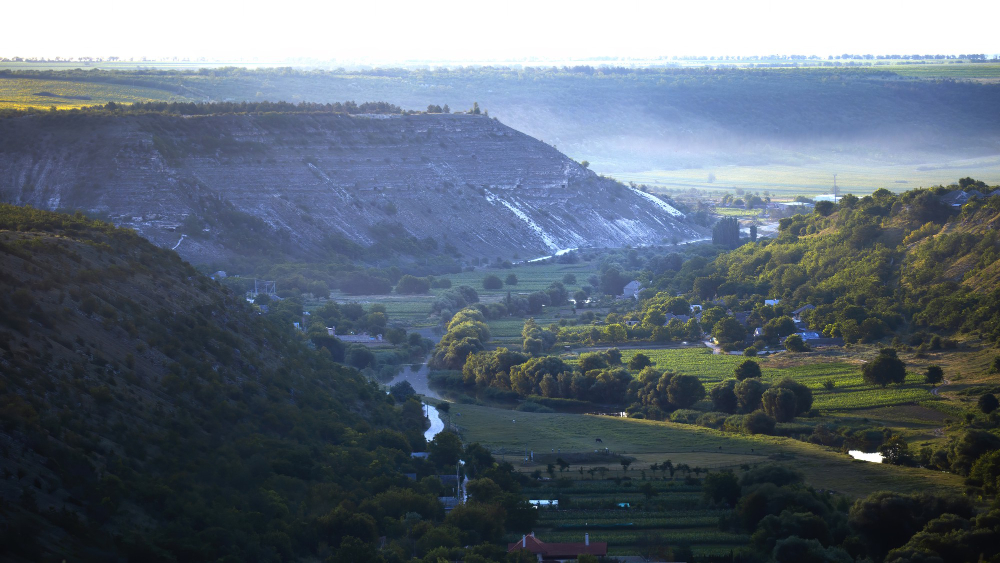
One rock type, unusually pure and unusually porous, produces a landscape unlike anything around it – dry on top, wet underneath and covered in a grassland that only exists because something keeps eating it. Here are seventeen.
1. It Is Made of Creatures
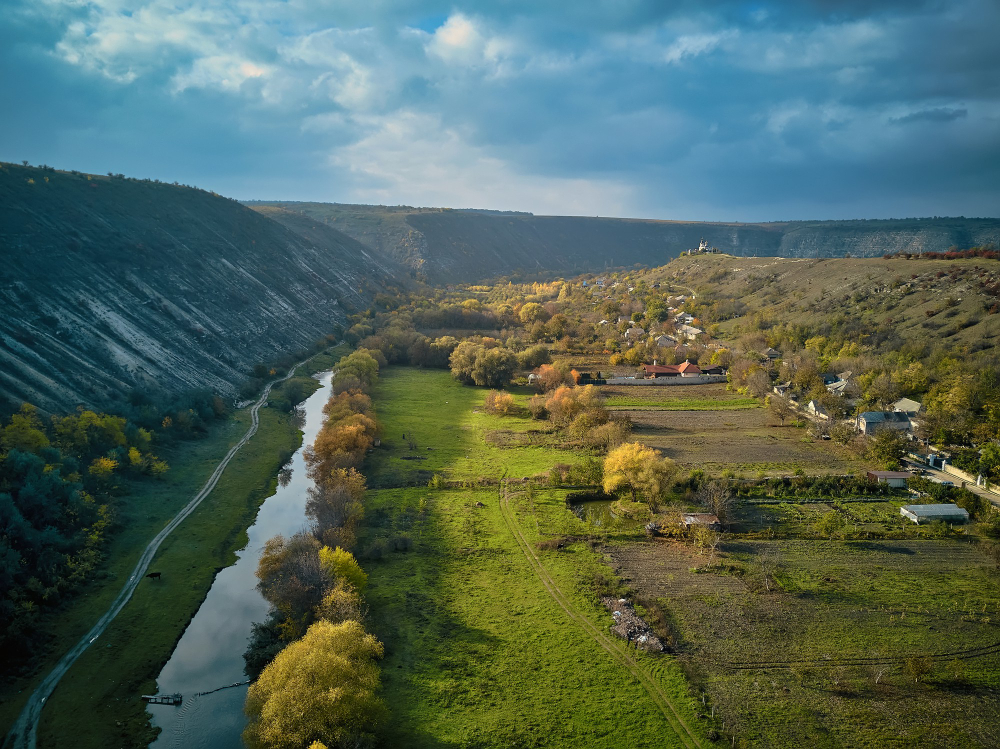
Chalk formed from the remains of countless microscopic organisms settling on a sea floor over an enormous period, which is why it is so fine-grained and so pure.
Almost nothing else is in it. Biological origin is why chalk behaves unlike other rock.
Like our content? Follow us for more.
2. It Holds Water Inside Itself
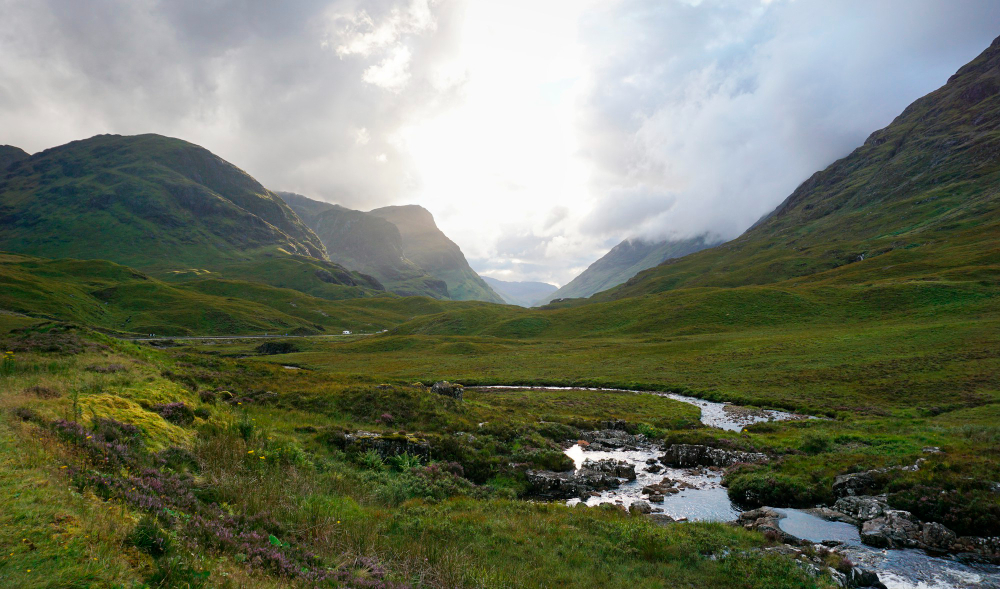
The rock is porous, so water is stored within the body of the stone rather than only in cracks, which makes a chalk mass an enormous reservoir.
It is a sponge rather than a barrier. Porosity is the property everything else follows from.
3. Which Is Why the Surface Is Dry
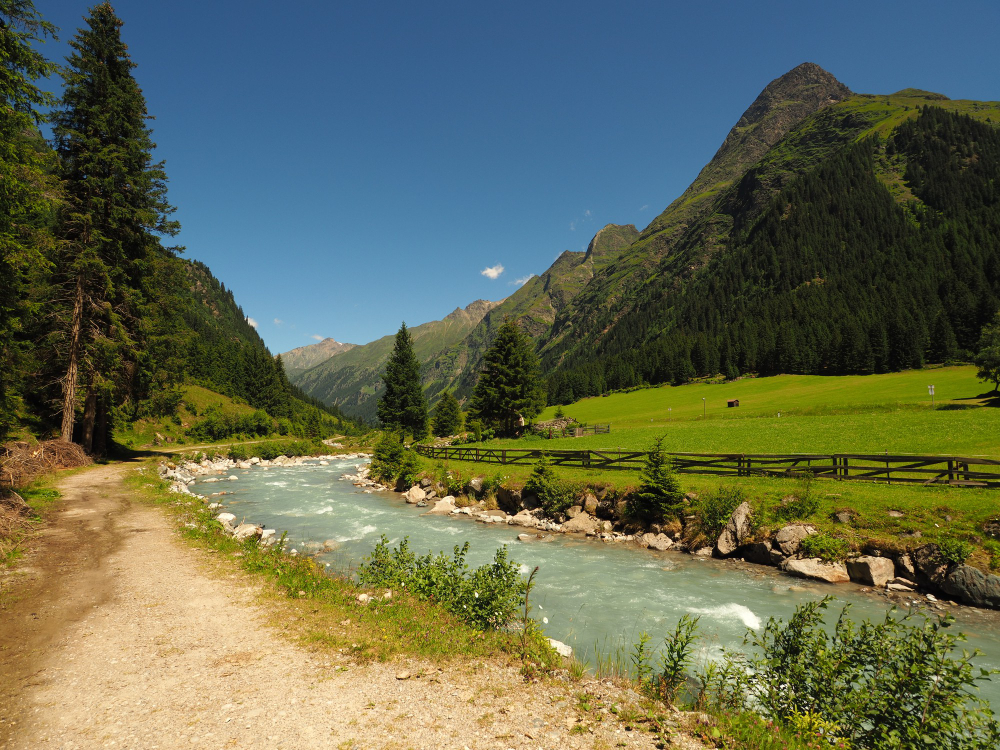
Rain sinks in almost immediately rather than running off, so chalk hills have very few surface streams despite receiving ordinary rainfall.
The water is under your feet. Rapid infiltration is why the tops are so dry.
4. The Rock Is Soft Enough to Dig by Hand
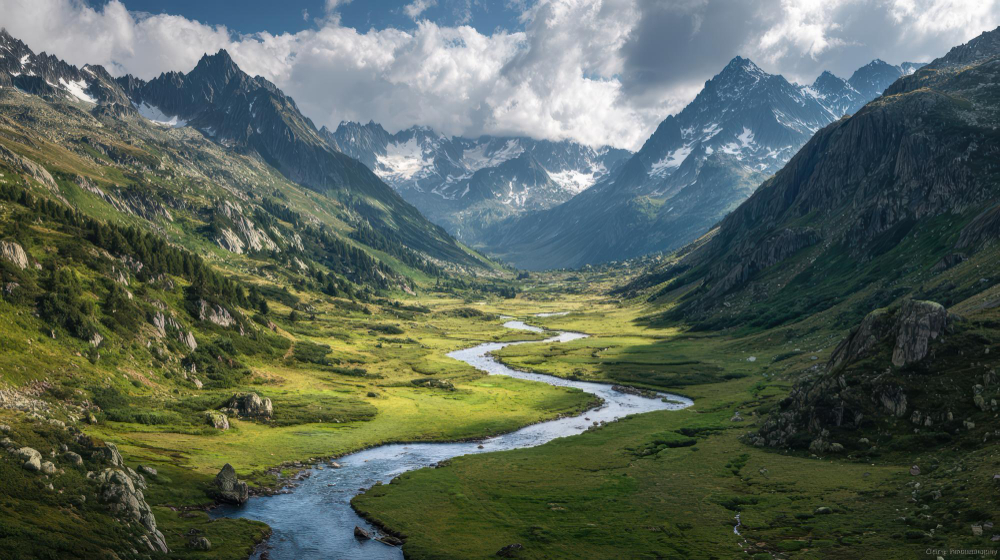
Chalk can be cut with simple tools, which is why it carries an unusual density of pits, shafts, ditches and underground workings dug long before any machinery existed.
Almost no other rock allows that. Workability is why so much was excavated into it.
5. Some Flow Only in Winter
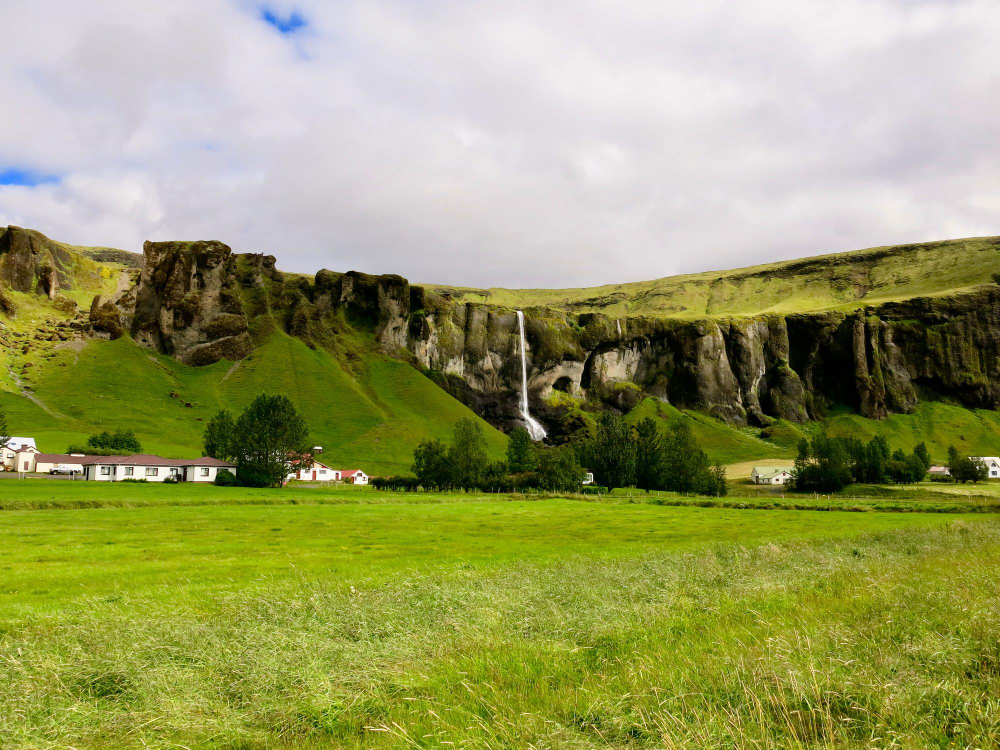
Where the water table rises in a wet season, a stream appears in a valley that is dry for the rest of the year, then vanishes again.
They are predictable rather than mysterious. Seasonal streams track the water table.
6. The Water Arriving Now Fell Years Ago
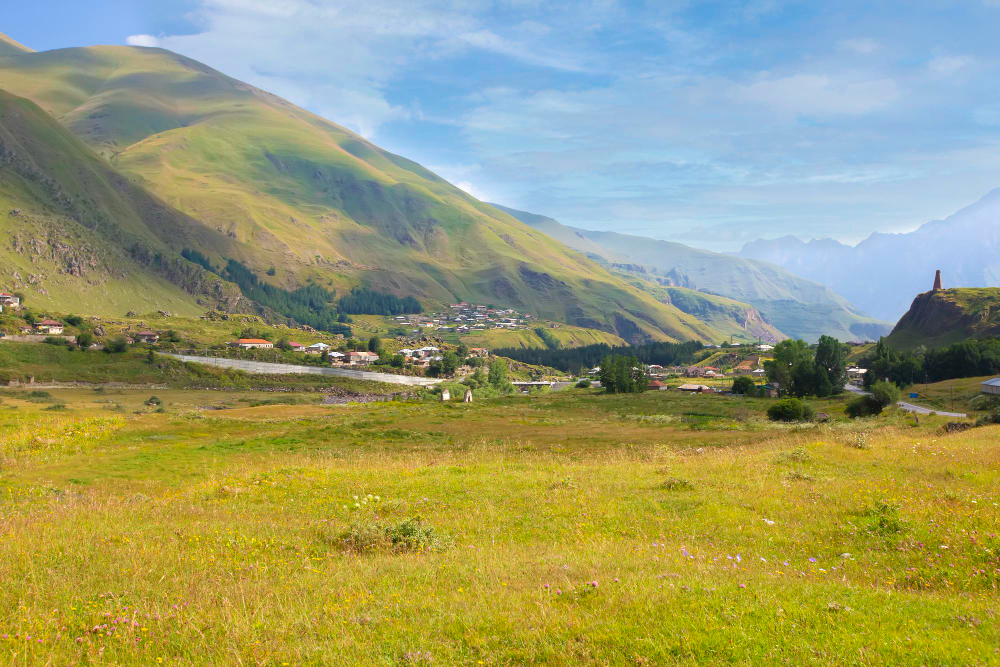
Movement through the body of the rock is slow, so water emerging today entered the ground a considerable time earlier, and the flow reflects conditions over years rather than recent weather.
There is a long lag. Slow transit is why chalk sources are so steady.
7. The Turf Is Short and Springy
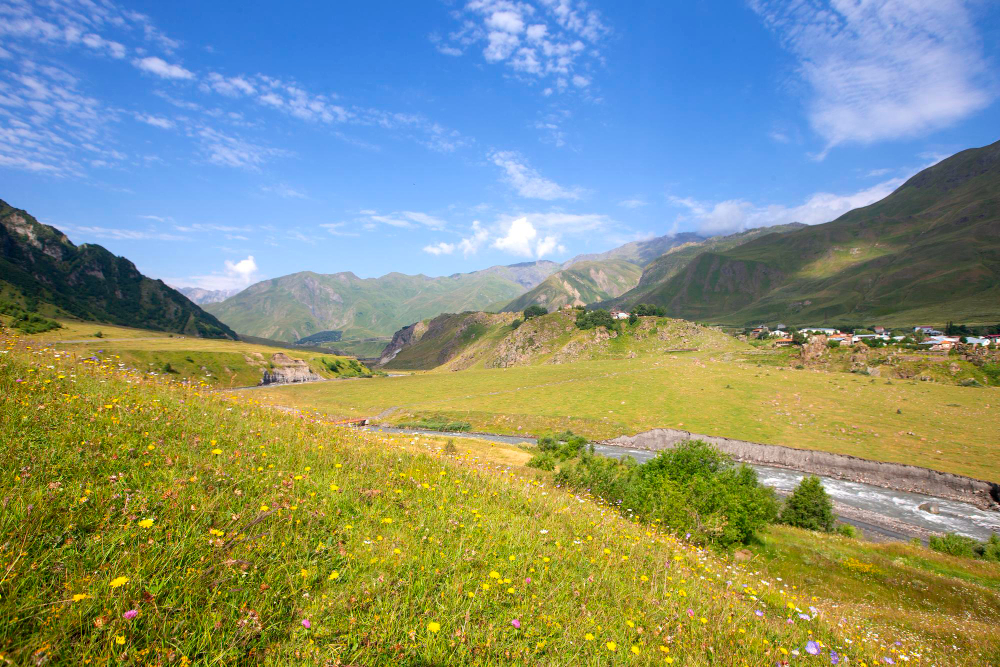
Grazed chalk grassland develops a dense, fine, low sward over thin soil, which feels distinctly different underfoot from ordinary pasture.
Walkers notice it immediately. Springy turf is the surface chalk produces.
8. The Streams Are Extraordinarily Clear
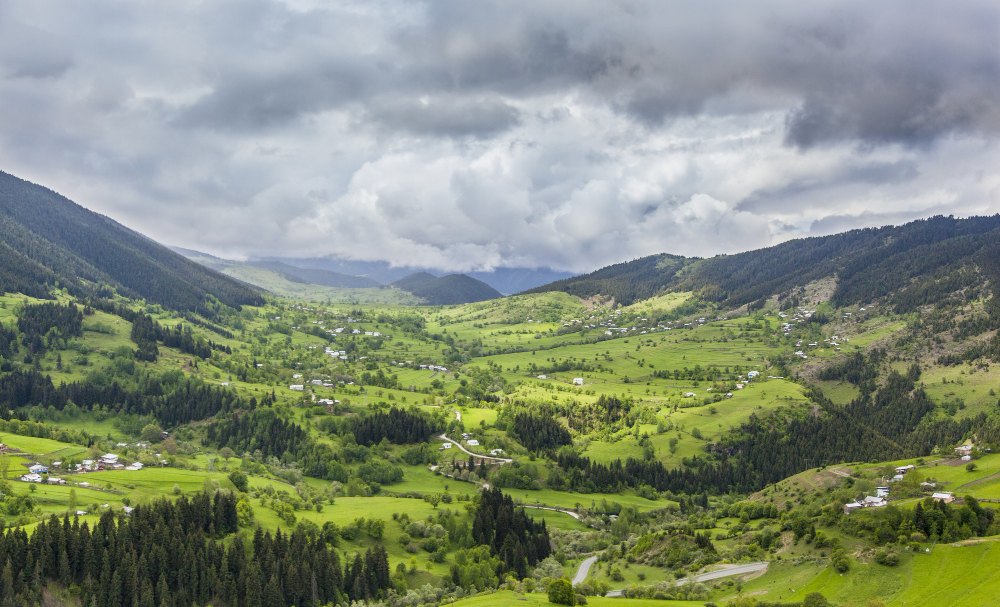
Water filtered through the rock arrives clean, having left its sediment behind, which is why chalk streams are transparent in a way surface-fed rivers never are.
You can see the bed throughout. Filtered groundwater is why the water looks like that.
9. And They Barely Change Temperature
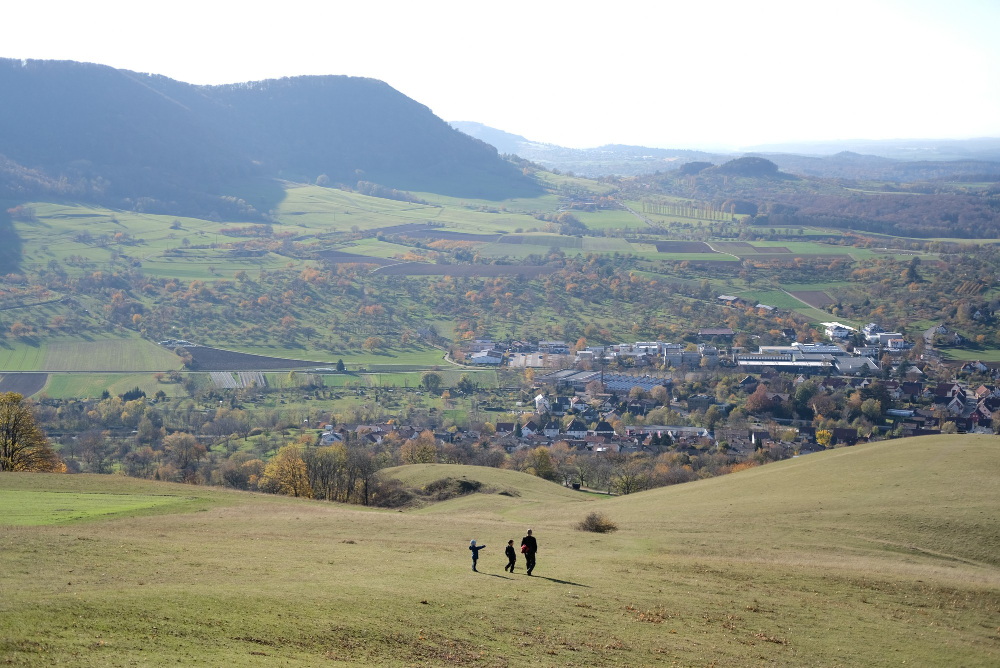
Because the flow comes from deep storage rather than from recent rain, it stays at a steady temperature and a steady level through the year.
They do not flood or dry. Constant conditions make chalk streams a rare habitat.
10. The Hard Lumps Are Flint
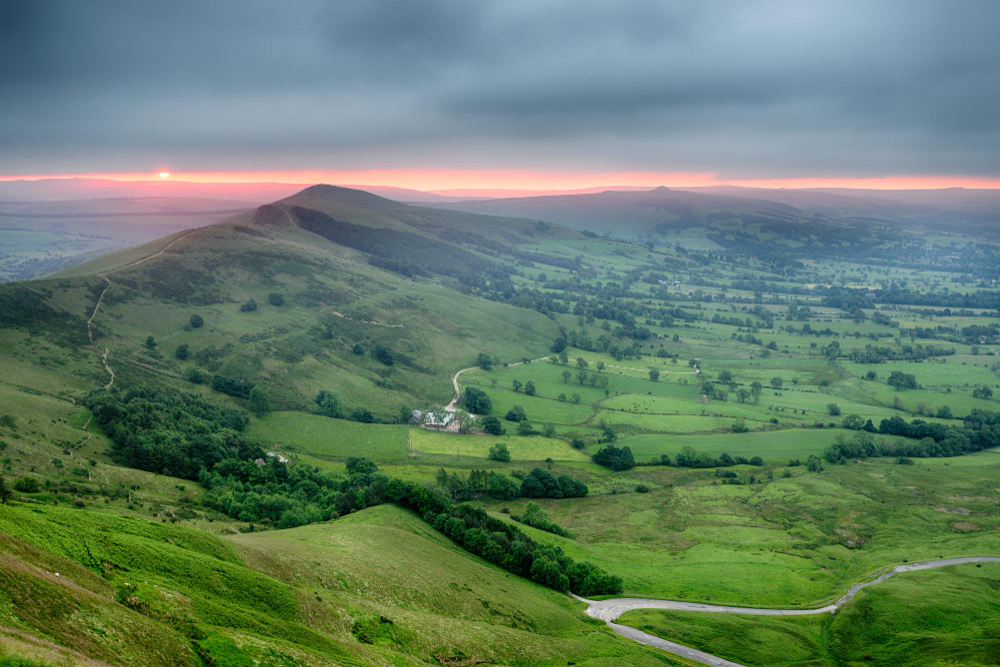
Nodules of extremely hard silica form within the chalk and weather out as the soft rock erodes, littering fields and slopes with stone.
It is the only hard material present. Flint is chalk country only building stone.
11. Which Is Why the Buildings Look Like That
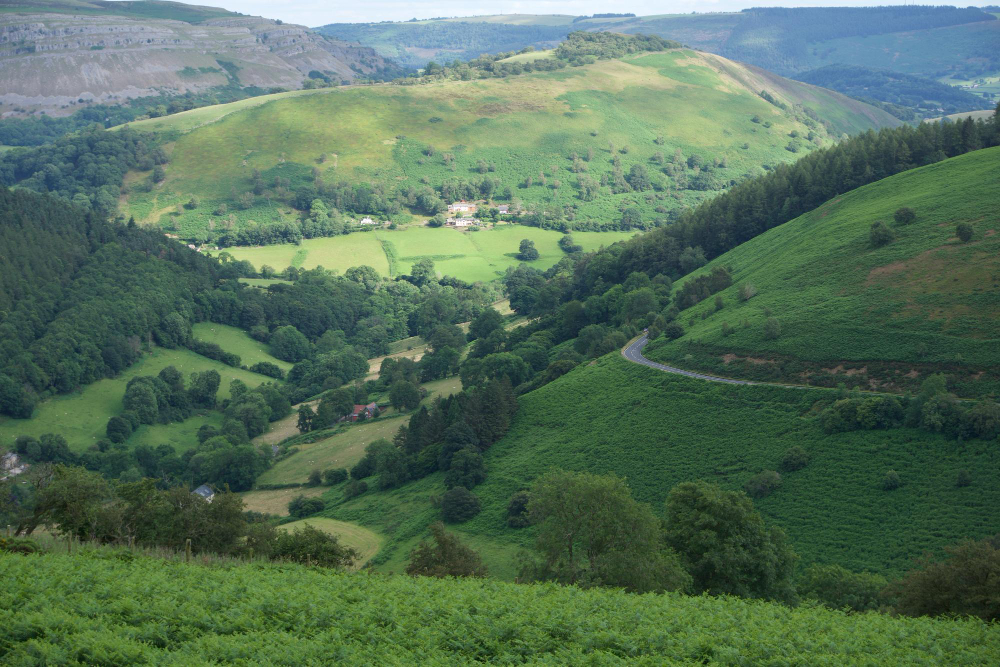
With flint as the available material, walls are built of rounded nodules set in mortar, frequently with brick or stone at the corners where flint cannot form an edge.
The geology is in the architecture. Flint construction is a direct consequence of the rock.
12. The Soil Is Thin and Alkaline
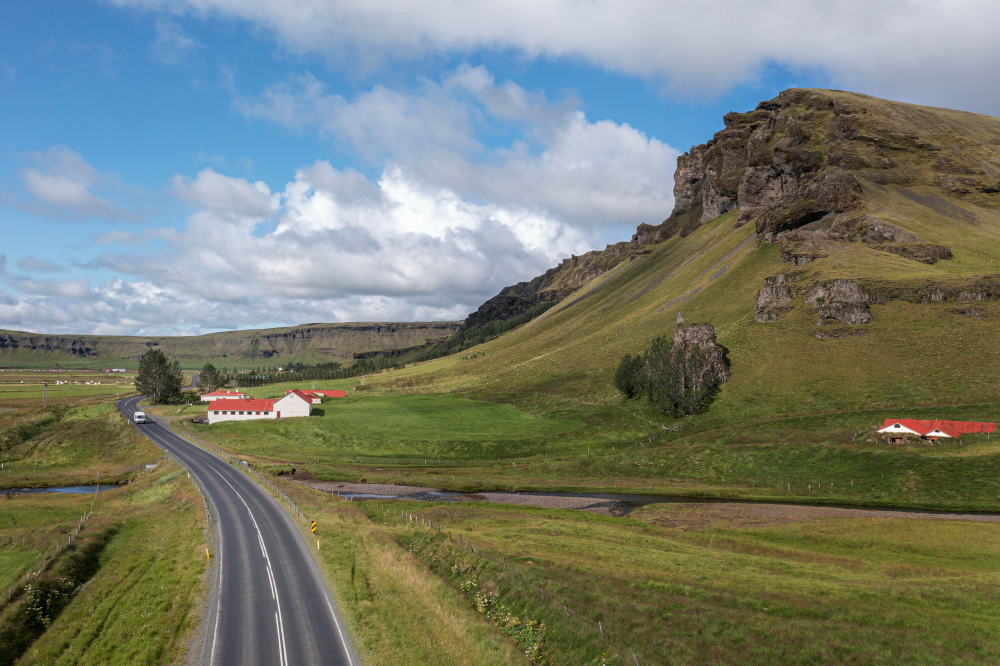
Chalk weathers to very little soil, and what there is drains instantly and is strongly alkaline, which suits an entirely different set of plants from acidic ground.
It is poor by farming standards. Thin alkaline soil is what makes the grassland special.
13. The Grassland Is Exceptionally Rich
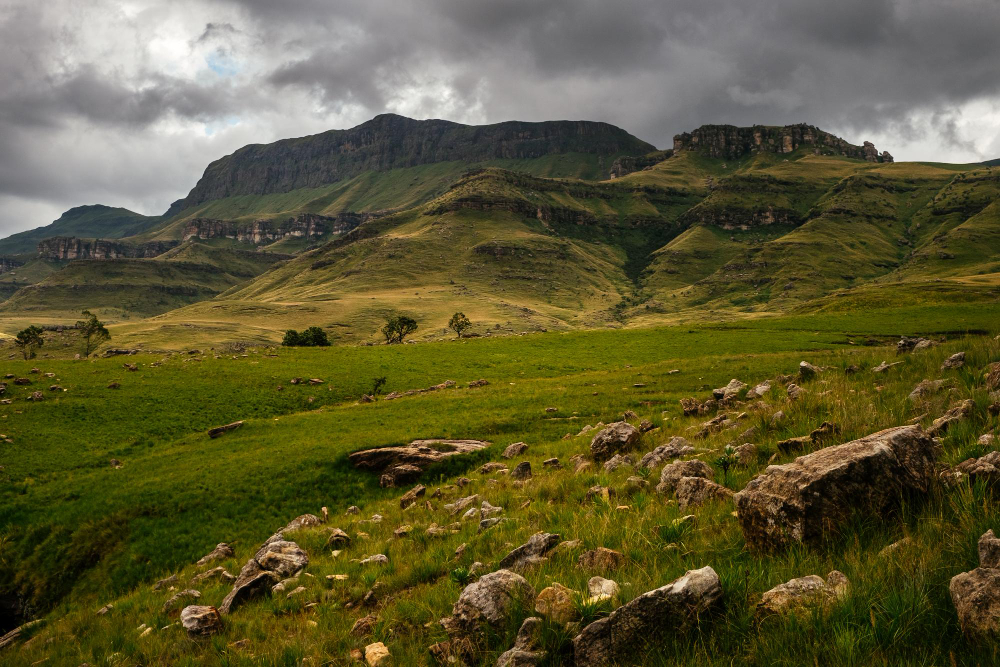
That poor soil supports a very high number of plant species in a small area, because no single vigorous species can dominate where nutrients are scarce.
Poverty produces diversity. Low fertility is the reason for the richness.
14. And It Only Exists Because of Grazing
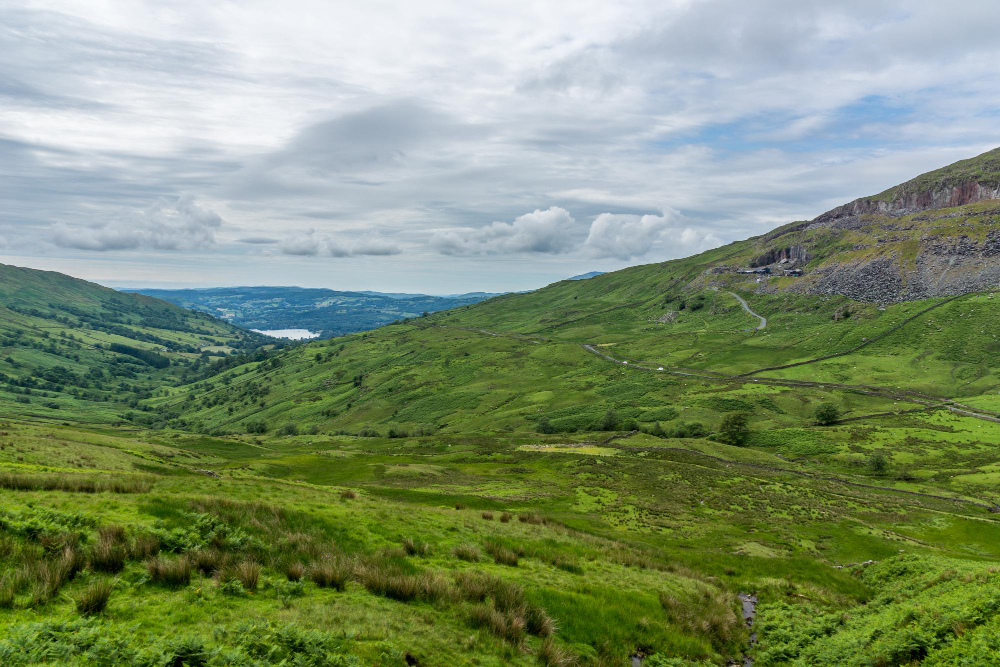
Without animals eating it, chalk grassland is invaded by scrub and becomes woodland within a few decades, taking the flowers with it.
It is a maintained habitat. Grazing dependence is why it disappears when farming stops.
15. The Ridge Has Two Different Sides
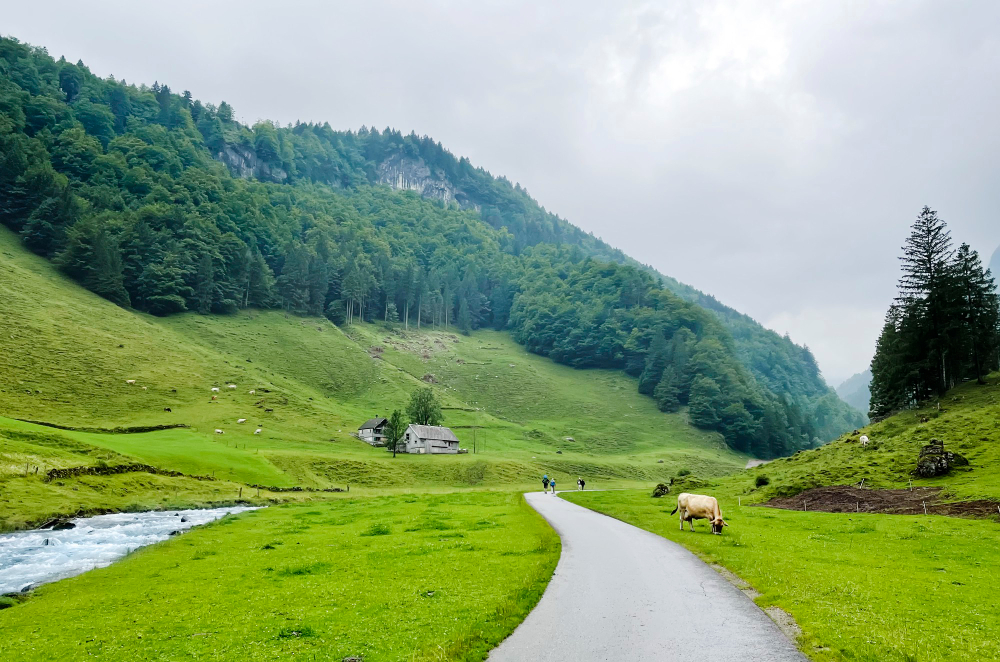
A chalk escarpment is steep on one side and gently sloping on the other, which gives the landscape its characteristic long back and sudden drop.
The asymmetry is consistent. Scarp and dip are the shape of every chalk ridge.
16. People Have Always Used the Tops
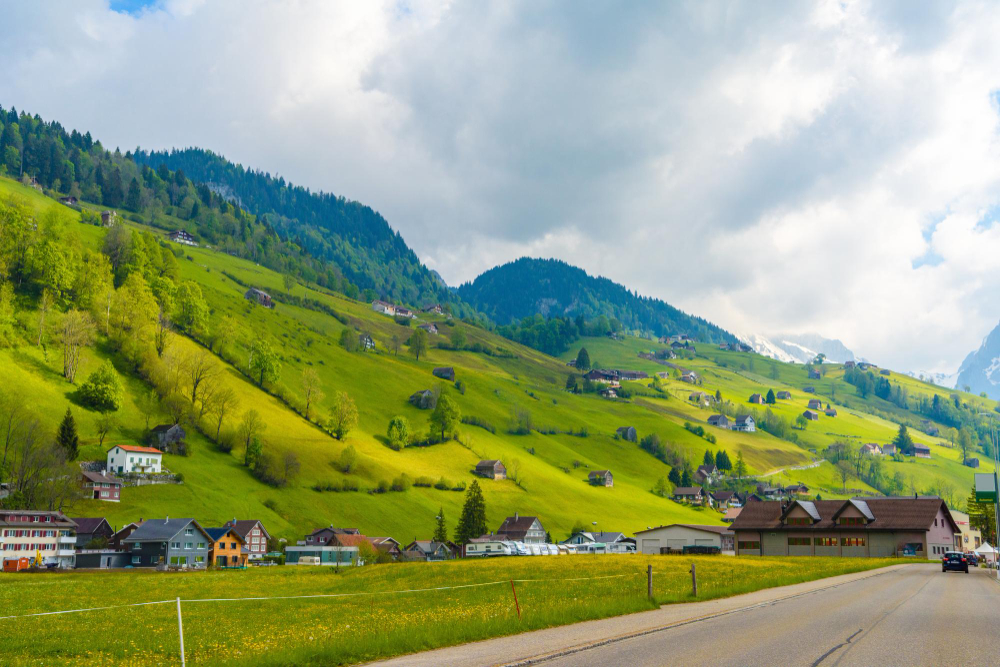
Dry, open, easy to walk and easy to dig, the high ground carries ancient routes, earthworks and figures cut into the turf far more densely than surrounding country.
The rock made it attractive. Concentrated archaeology is chalk being convenient for millennia.
17. And It Ends at the Sea in White Cliffs
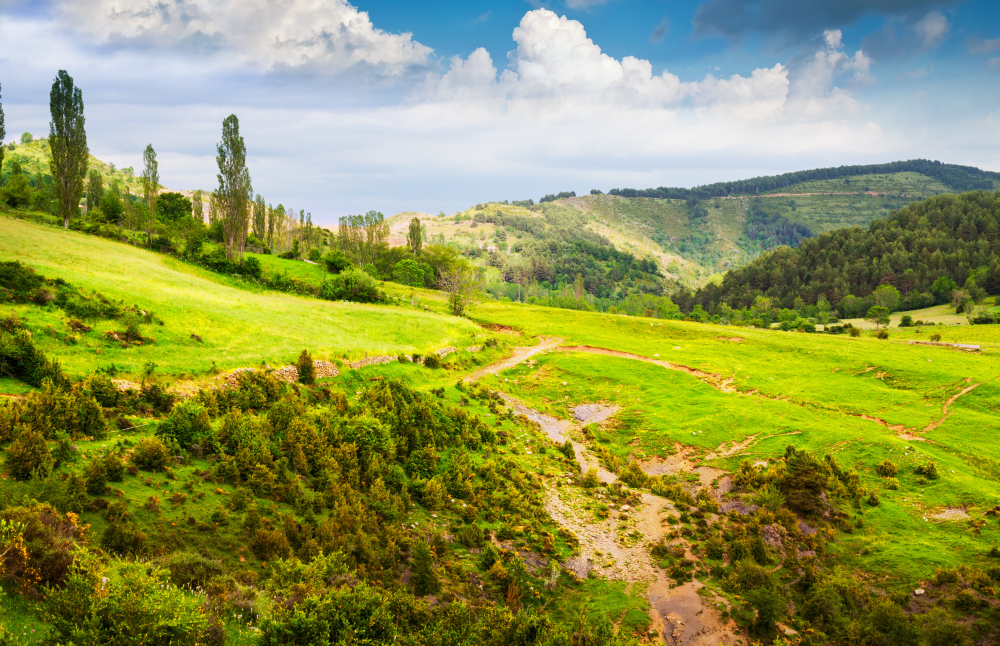
Where chalk meets the coast it erodes into vertical faces rather than slopes, because the rock is uniform and fails by blocks falling away.
There is no gradual transition. Vertical cliffs are how chalk meets the sea.
A Rock That Stores Its Own Rain
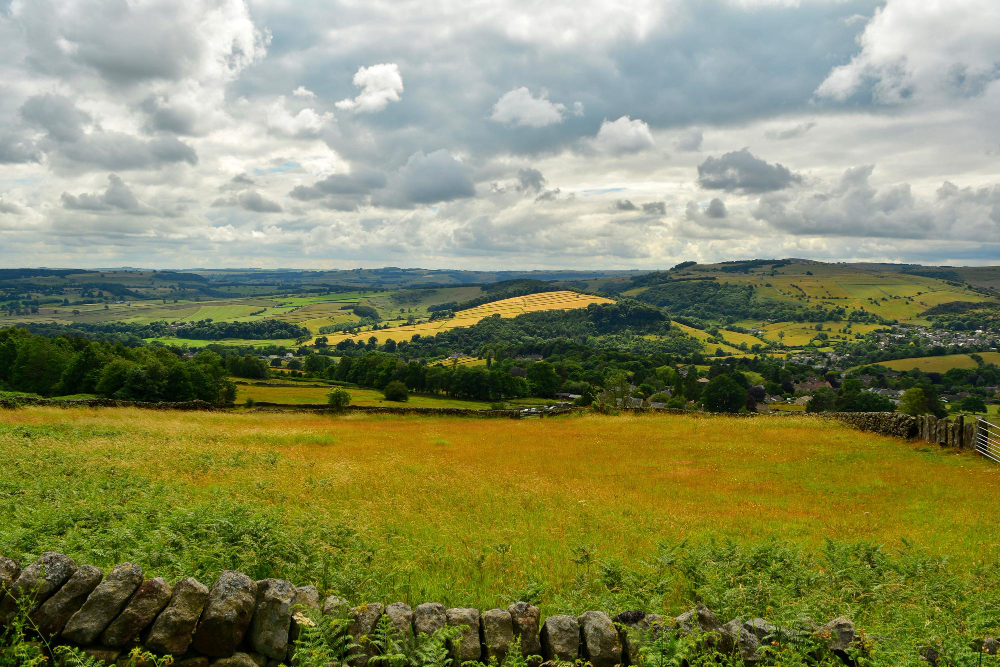
A stone made of creatures, water held inside rather than running off, rock soft enough to dig with a bone, flint as the only hard material and grassland that only survives because something eats it.
Practical notes: chalk cliffs and old quarry faces fail by sudden block collapse with no warning and no visible sign beforehand, which is why the ground at both the top and the bottom is kept clear of; and a chalk slope becomes extraordinarily slippery once wet, in a way that dry chalk gives no hint of.
Like our content? Follow us for more.