It looks like the least interesting substance in the garden. Here are seventeen things it is doing.
1. Half of It Is Not There
Good soil is roughly half solid material and half pore space, split between air-filled and water-filled gaps.
The gaps are not a flaw. They are where almost everything happens.
Like our content? Follow us for more.
2. The Mineral Part Is Ground-Up Rock
Sand, silt and clay are the same thing at three different sizes, produced by rock being broken down over a very long time.
The proportions of the three decide most of how a soil behaves.
3. Particle Size Decides Everything About Water
Sand has large gaps that drain fast, clay has tiny gaps that hold water tightly, and silt sits between them.
This is why a sandy soil dries out in a week and a clay soil stays wet for a month.
4. Clay Particles Carry a Charge
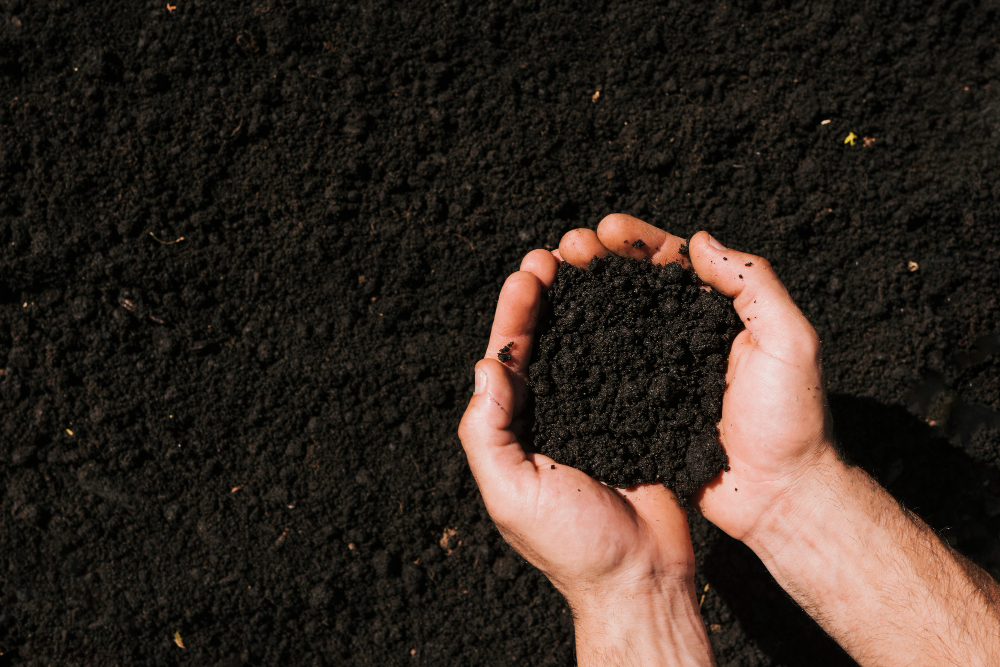
Clay is not just very small; its particles are electrically charged plates that hold onto dissolved nutrients.
This is the main reason clay soils are fertile and pure sand is not.
5. The Crumbs Are the Structure
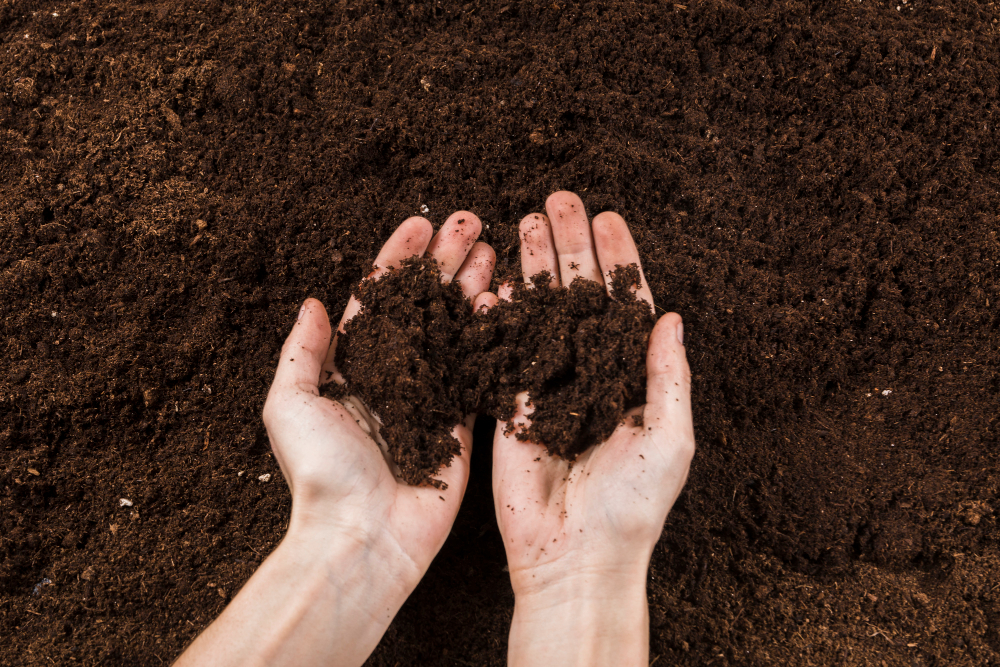
Soil is not loose particles. It is aggregates, small crumbs of particles stuck together, with gaps between the crumbs as well as within them.
Destroy the crumbs and you destroy the drainage, the air supply and the root access at once.
6. Glue Holds the Crumbs Together
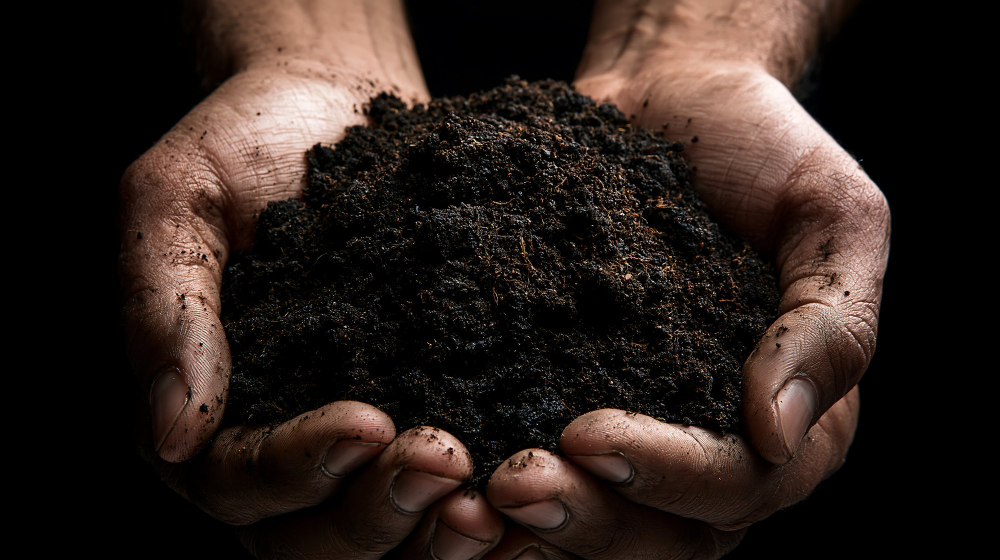
The crumbs are bound by fungal threads, root hairs, bacterial secretions and organic matter, all of it biological.
Soil structure is built by living things and falls apart without them.
7. Compaction Is the Main Damage
Pressure from feet, wheels or machinery squashes the crumbs flat and closes the pores, and the soil cannot rebuild them quickly.
A compacted soil is not short of anything. It has lost its shape.
8. Roots Need Air
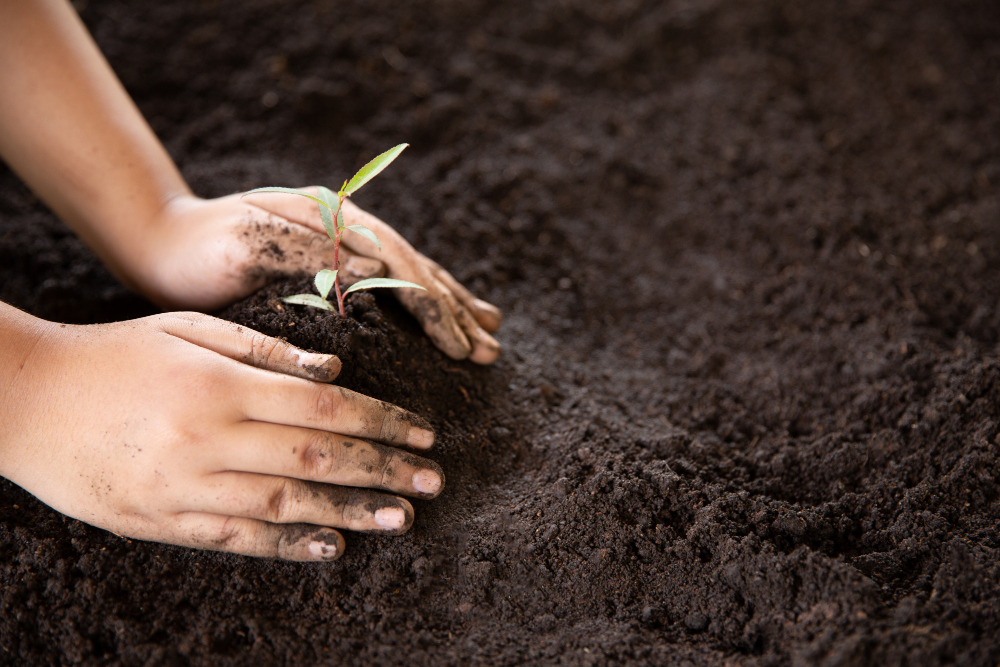
Roots respire, which means they consume oxygen and produce carbon dioxide, and they do it underground.
Waterlogged soil kills plants by suffocation, not by drowning in any direct sense.
9. The Dark Colour Is Organic Matter
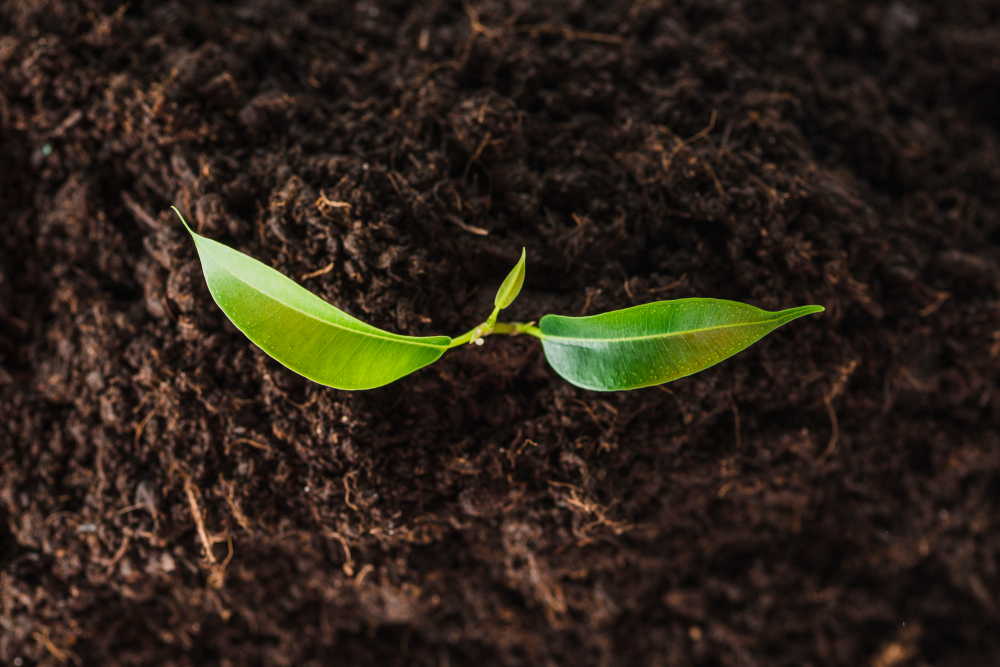
The darker a soil, the more decomposed plant and animal material it usually holds.
That fraction is small by weight and does a disproportionate share of the work.
10. Organic Matter Holds Its Weight in Water
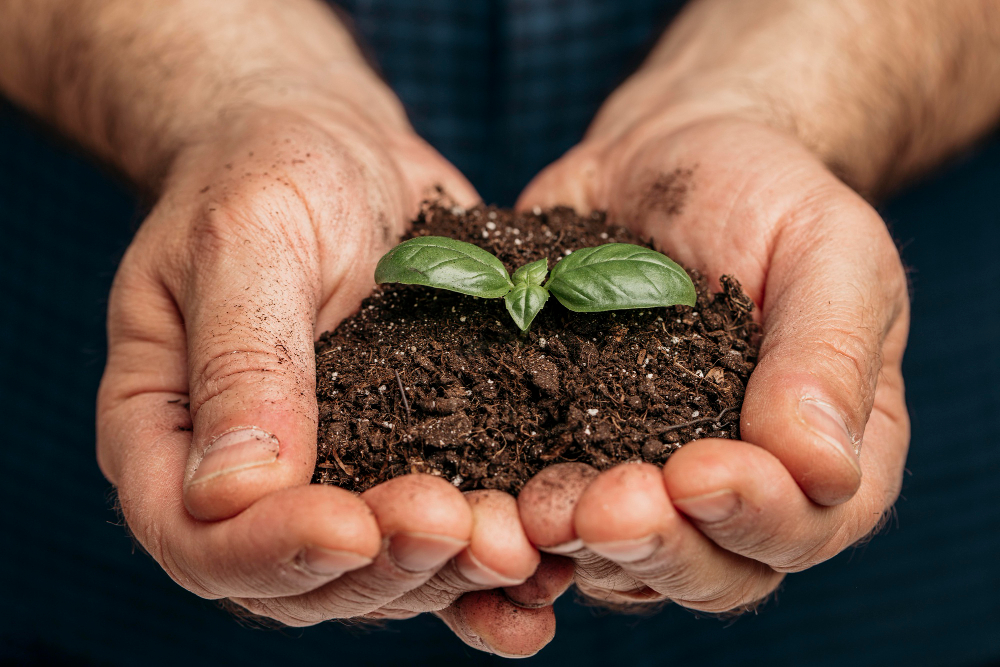
Decomposed material acts like a sponge, holding many times its own weight and releasing it slowly.
A few per cent more of it changes how a soil copes with a dry month.
11. The Smell After Rain Has a Name
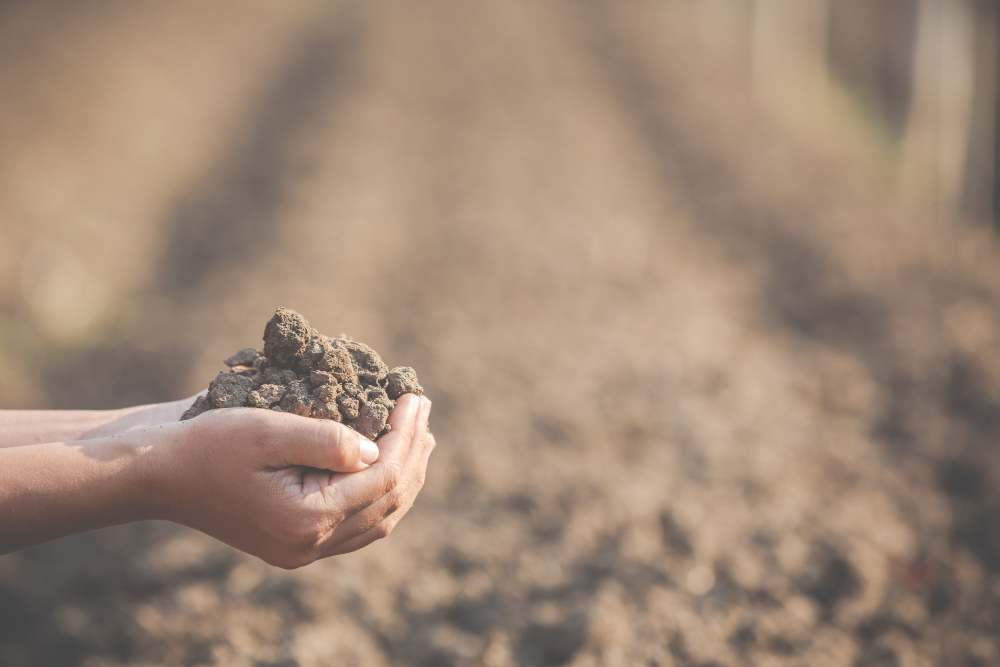
That distinctive earthy smell is geosmin, a compound produced by soil bacteria and released when dry ground is wetted.
Human noses detect it at extraordinarily low concentrations, better than sharks detect blood.
12. Most of the Life Is Too Small to See
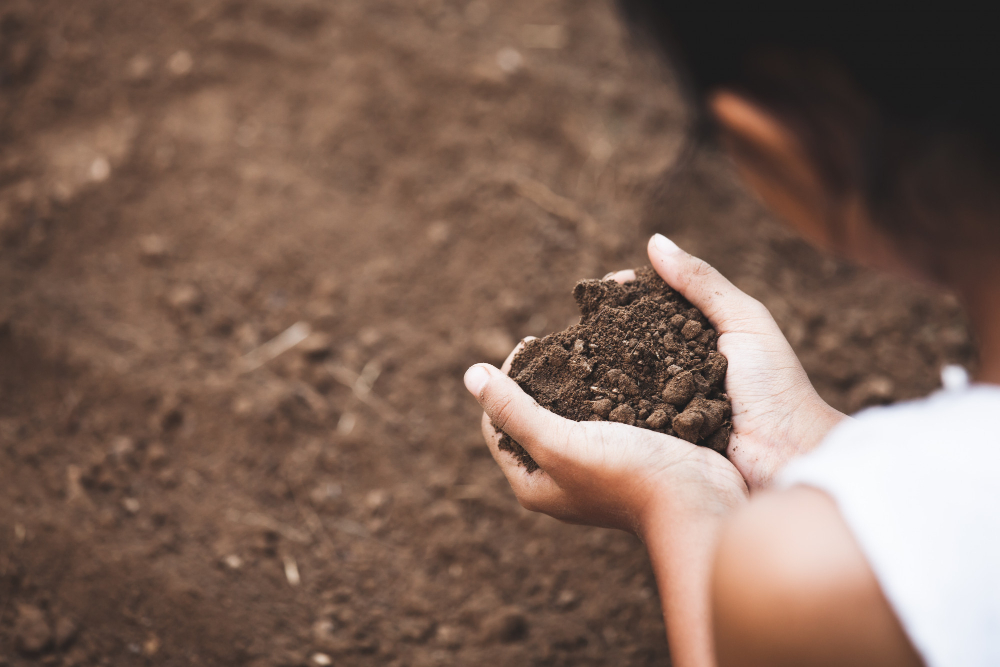
Bacteria, fungi, protozoa and nematodes vastly outnumber anything visible, and a teaspoon can hold billions.
The worms and beetles are the conspicuous minority.
13. Fungal Threads Run Through All of It
Fine fungal filaments thread between particles, binding crumbs and extending the reach of plant roots for water and minerals.
A handful of woodland soil can hold kilometres of them.
14. Nitrogen Has to Be Converted
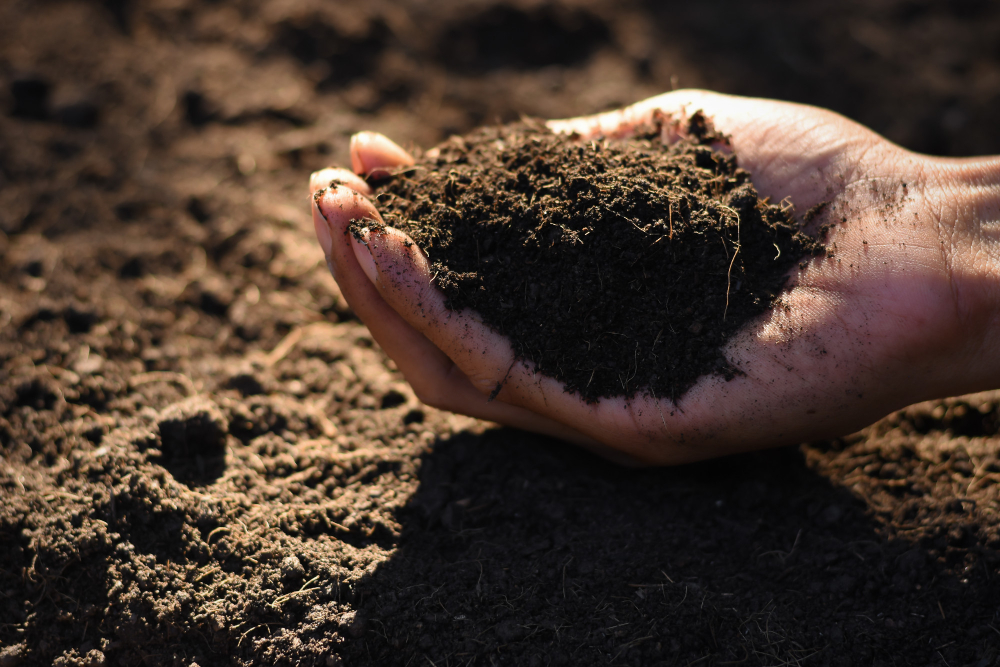
Plants cannot use the nitrogen in air. Soil bacteria convert it into forms roots can take up, and other bacteria convert it back.
Almost all the nitrogen in a plant passed through a microorganism first.
15. It Has Layers and They Are Readable
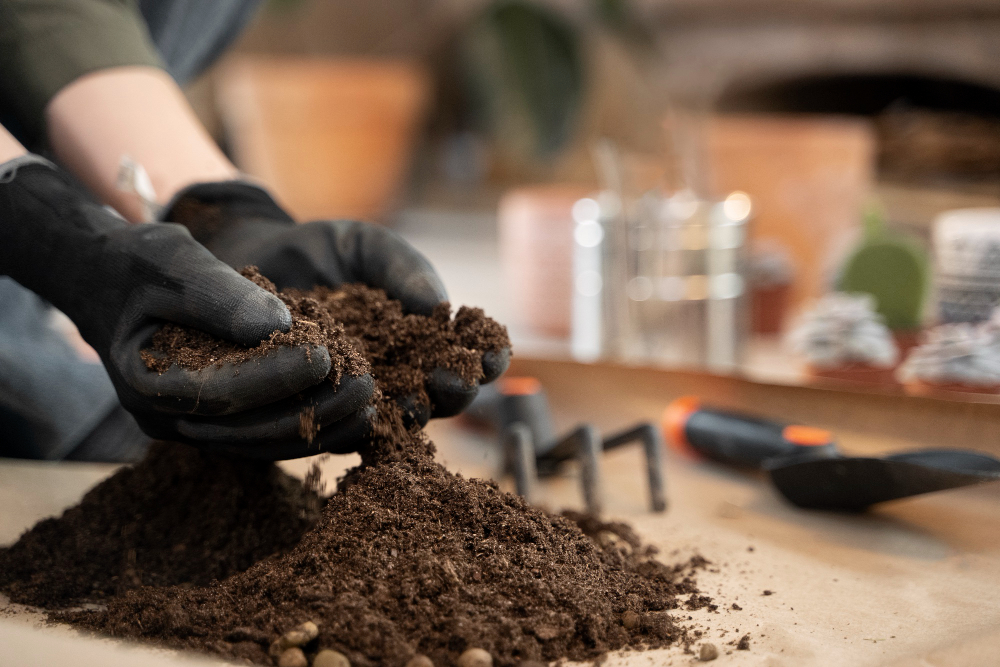
Dig a pit and you see horizons: litter on top, dark topsoil, paler subsoil, then broken parent rock.
The sequence records how the soil formed and how deep the biology reaches.
16. Acidity Controls What Is Available
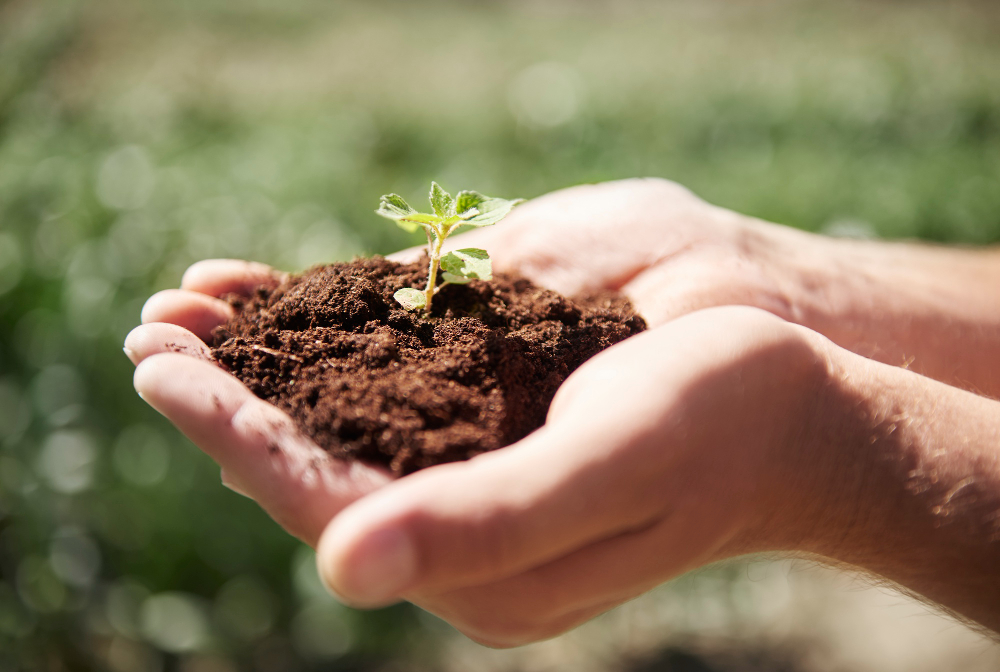
Nutrients can be present and chemically locked up, with availability shifting sharply according to how acid or alkaline the soil is.
A deficient plant is often standing in soil that has plenty of what it needs.
17. It Takes Centuries to Make and Minutes to Lose
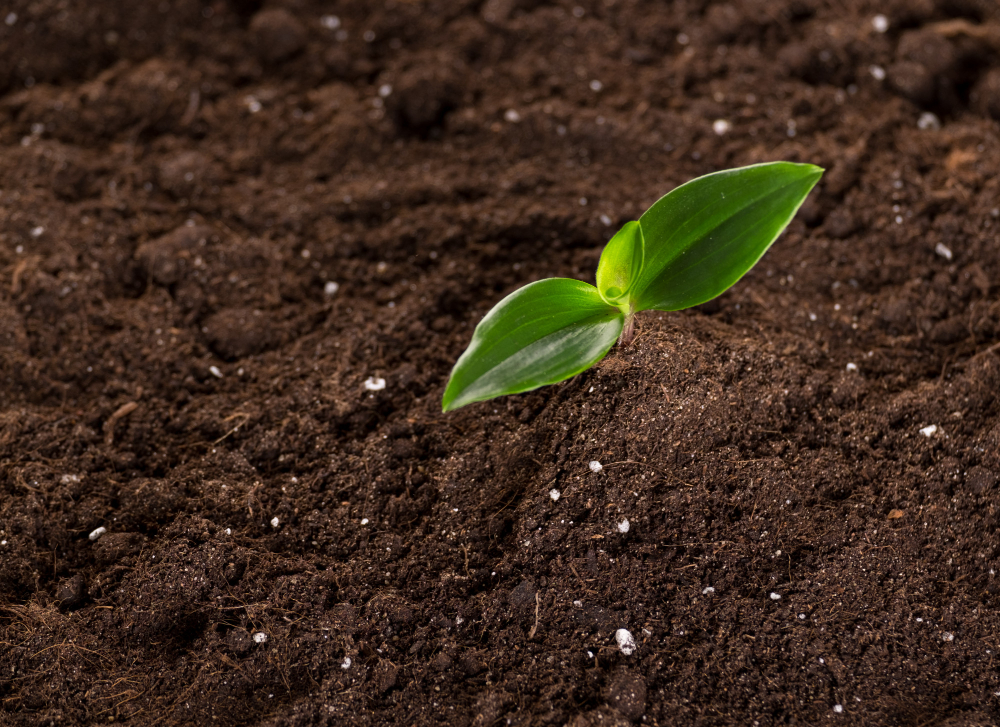
Forming a centimetre of topsoil takes somewhere in the range of a hundred to a thousand years depending on conditions.
A single storm on bare ground can remove it.
Structure, Gaps and Several Billion Things
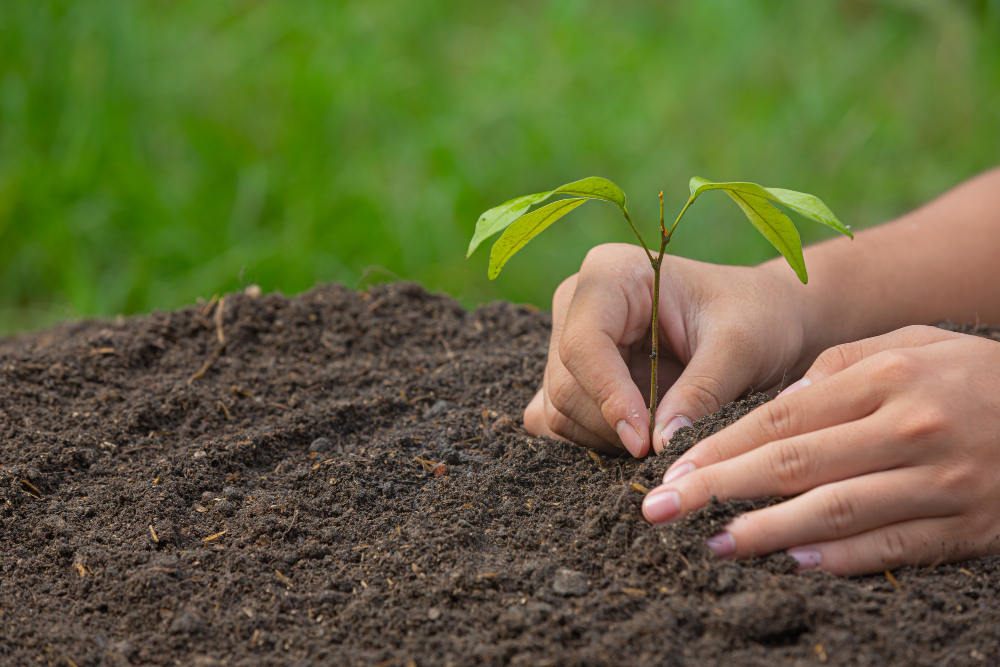
Half of it empty, ground rock in three sizes, charged clay holding nutrients, crumbs built by biology, geosmin after rain, layers you can read and a formation rate measured in centuries.
The fifth item is the one that reframes the rest. Soil is not a quantity of material, it is an arrangement of material, and nearly every way of ruining a soil works by wrecking the arrangement rather than by removing anything from it.
Like our content? Follow us for more.