

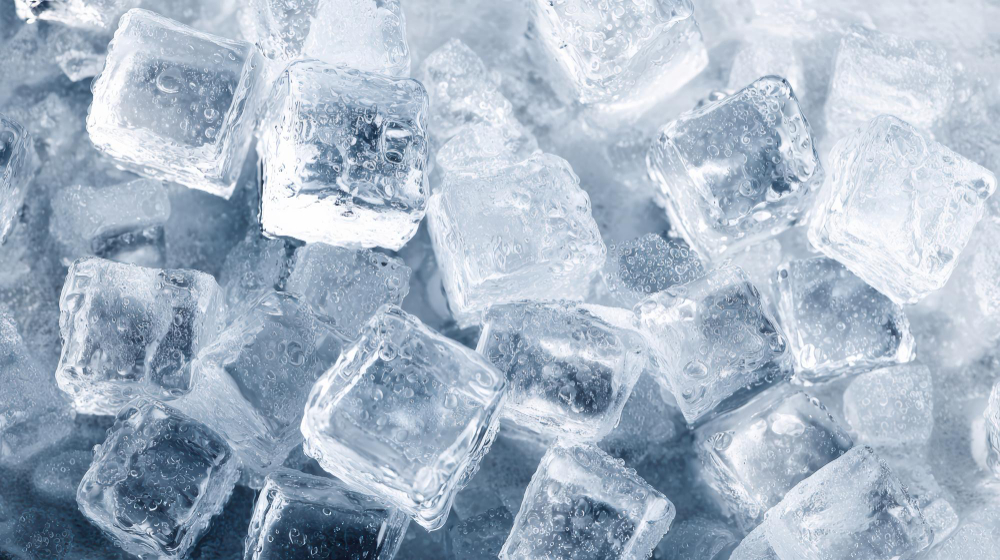
Small, cheap and doing more than it looks like. Here are twelve.
1. Nearly All the Cooling Happens at the Melt
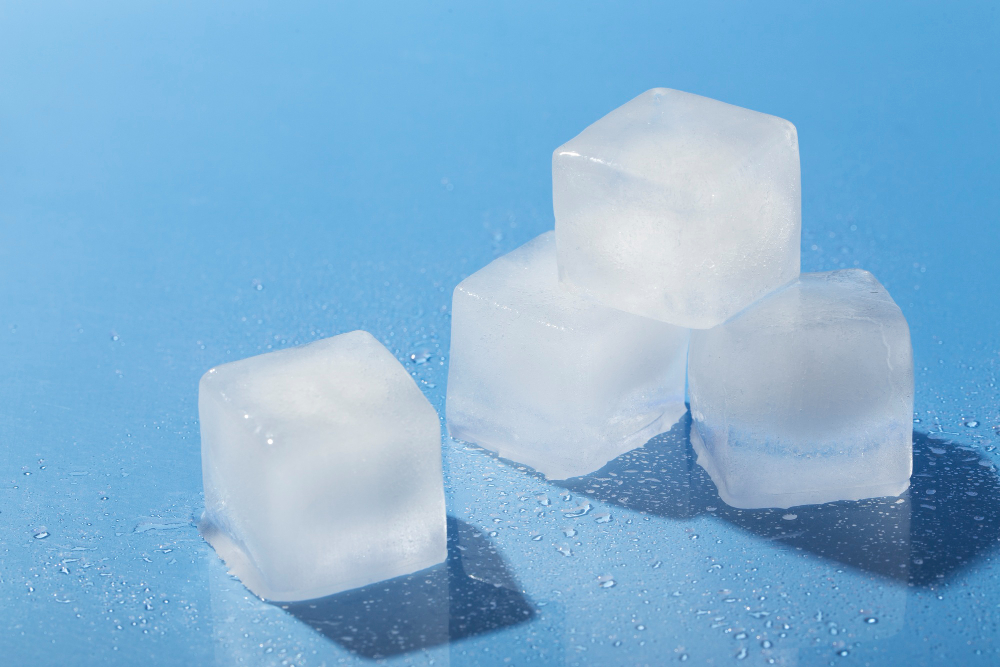
Warming ice from freezer temperature to zero takes a modest amount of energy; converting it to liquid at zero takes many times more.
An ice cube that has not melted has barely cooled anything.
Like our content? Follow us for more.
2. Which Is Why a Drink Stops Getting Colder
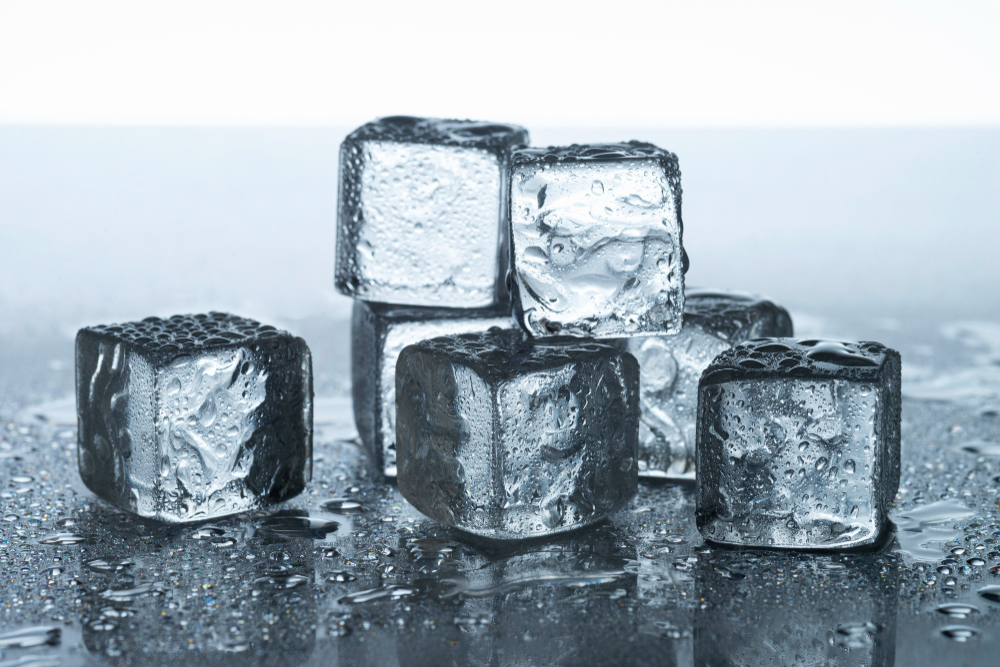
While ice and water are both present, the mixture sits close to zero and stays there until the last of the ice has gone.
Adding more ice to an already iced drink changes how long it stays cold, not how cold it gets.
3. The Cloudiness Is Trapped Air
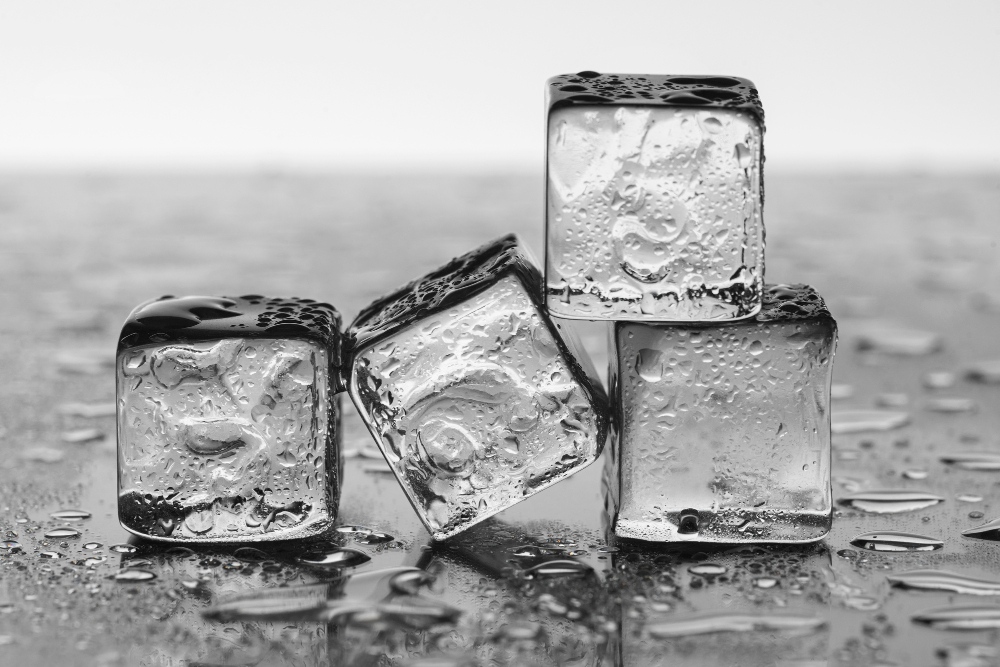
Tap water holds dissolved gases, and as freezing proceeds inward those gases are pushed ahead of the ice front into the centre.
The white core is a concentration of microscopic bubbles, not dirt.
4. Clear Ice Needs the Freezing to Go One Way
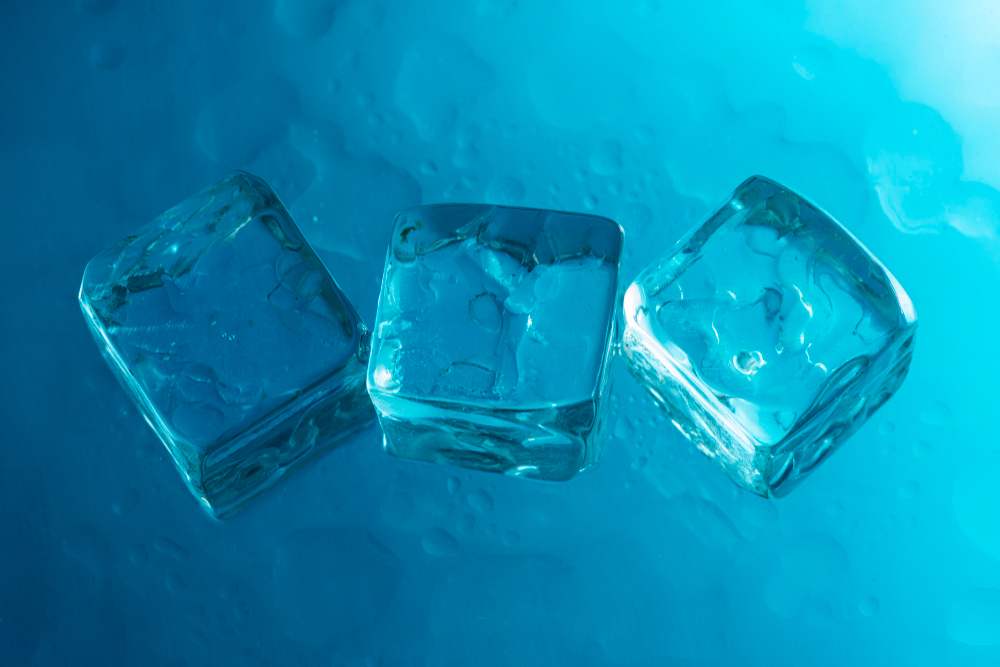
If ice forms from one direction only, the gases and impurities are driven out of the open end instead of being trapped.
This is why bars freeze large blocks from the top down and then cut them up.
5. They Crack Because the Outside Expands First
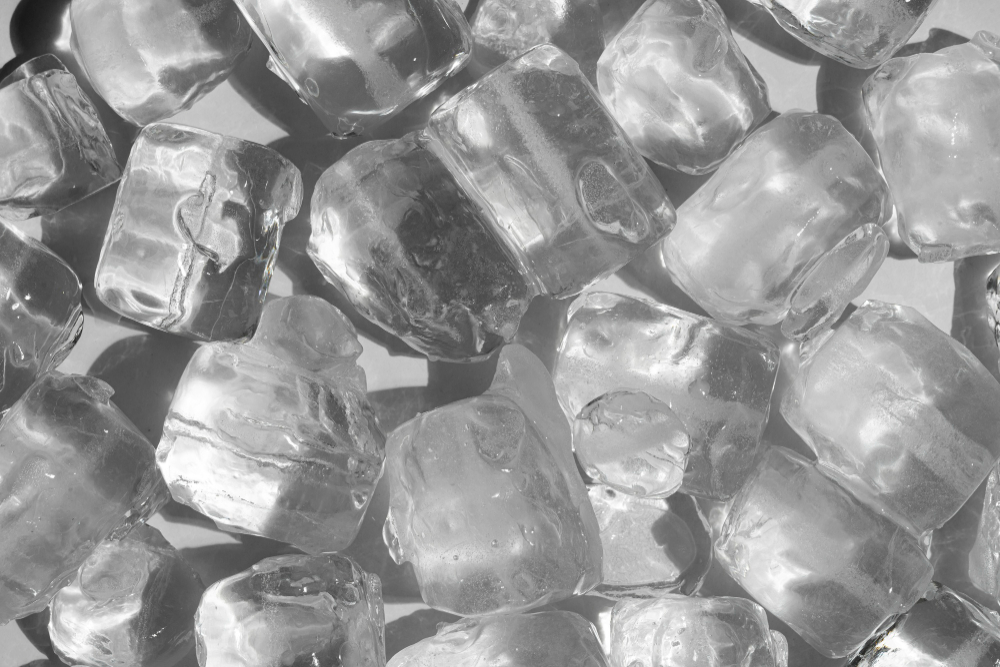
Dropping cold ice into a warm liquid heats the surface rapidly while the core stays cold, and the mismatch splits it.
The crack is thermal stress, and it happens within a second or two.
6. They Shrink in the Freezer Without Melting
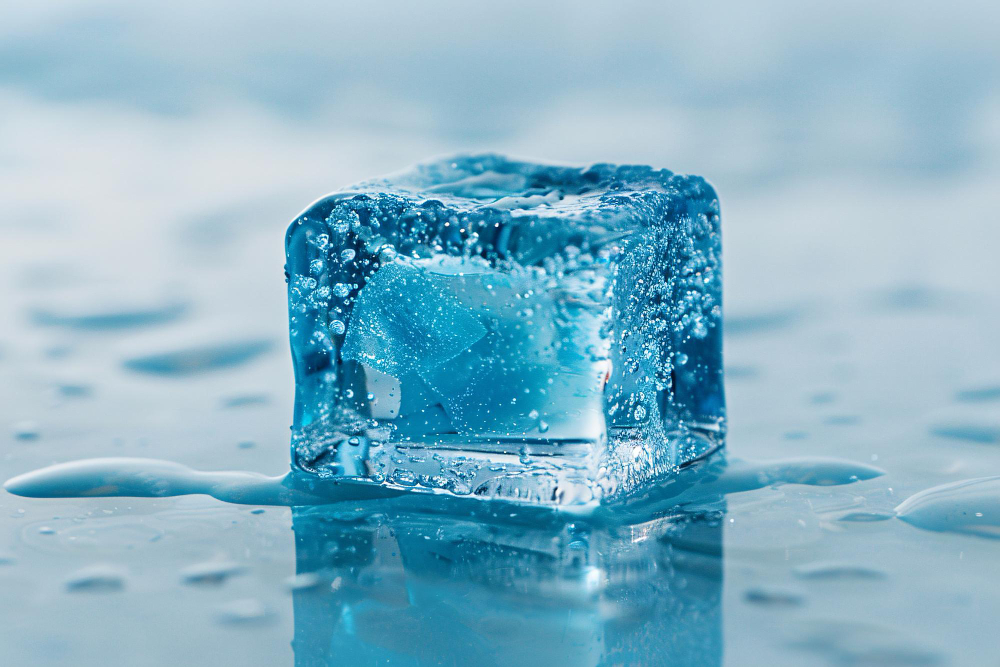
Ice converts directly to vapour at freezer temperatures, so cubes left for weeks become smaller, rounded and hollow-looking.
The same process is what freezer burn on food actually is.
7. They Fuse Together Into One Lump
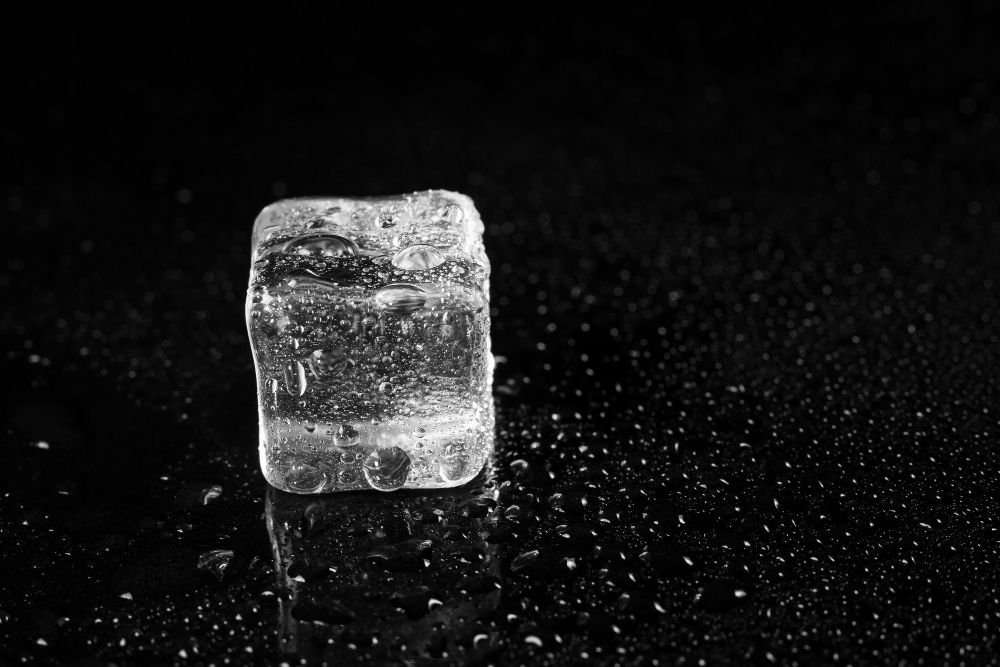
Cubes touching in a bag develop a film of water at contact points which refreezes, welding them.
Every temperature fluctuation in the freezer makes the lump more solid.
8. They Take On the Smell of the Freezer
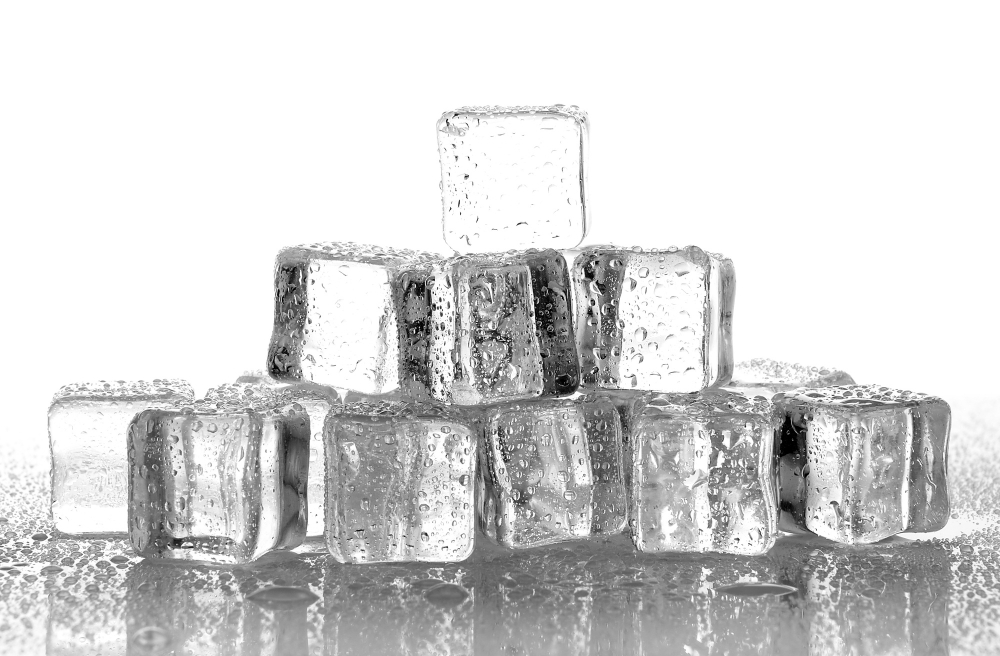
Volatile compounds from uncovered food migrate through the freezer air and are absorbed into the ice surface.
The ice has no flavour of its own, so anything it picks up is all you taste.
9. Crushed Ice Cools Faster and Dilutes More
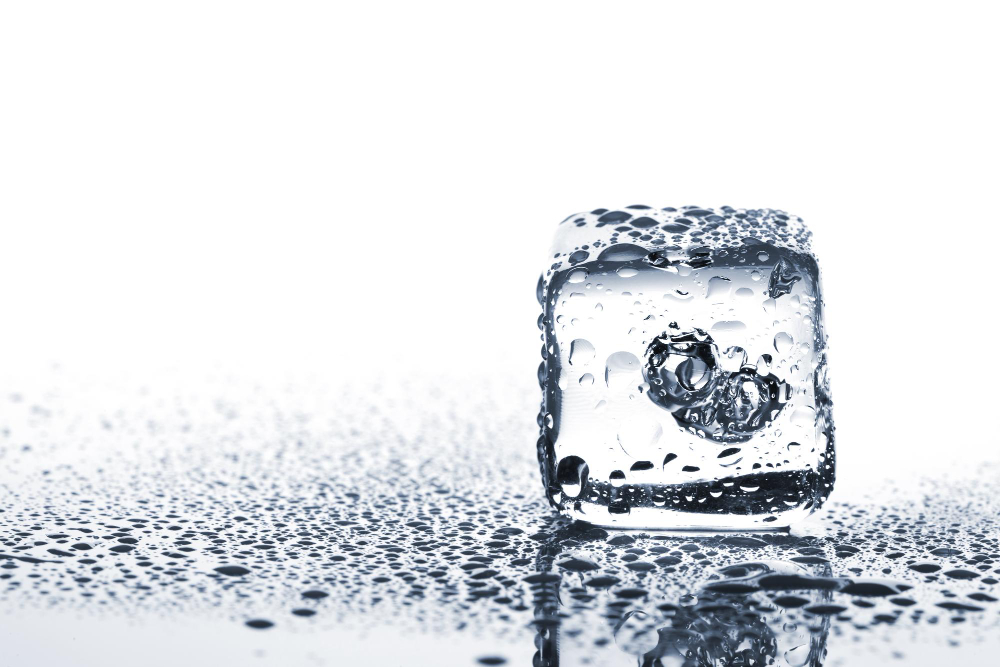
Breaking a cube up multiplies the surface in contact with the liquid, so it melts quickly and cools quickly.
You get a cold drink sooner and a weaker one shortly afterwards.
10. Big Cubes Are the Opposite Trade
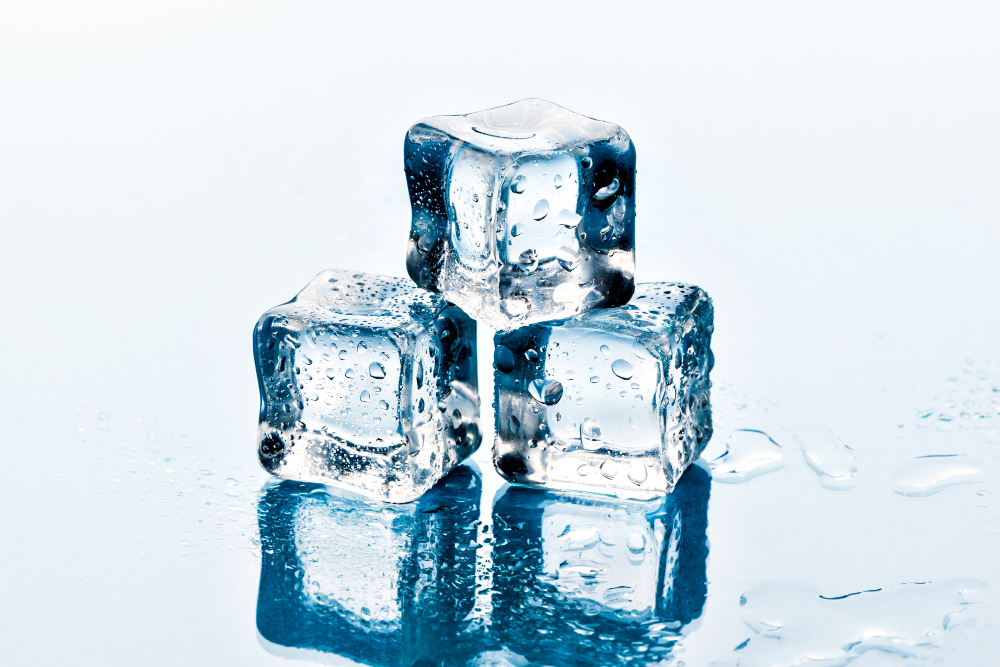
A single large block has far less surface relative to its volume, so it melts slowly and adds little water.
This is the whole reason for the large single cube, and it is not decorative.
11. The Tray Sticks Because Water Got Underneath
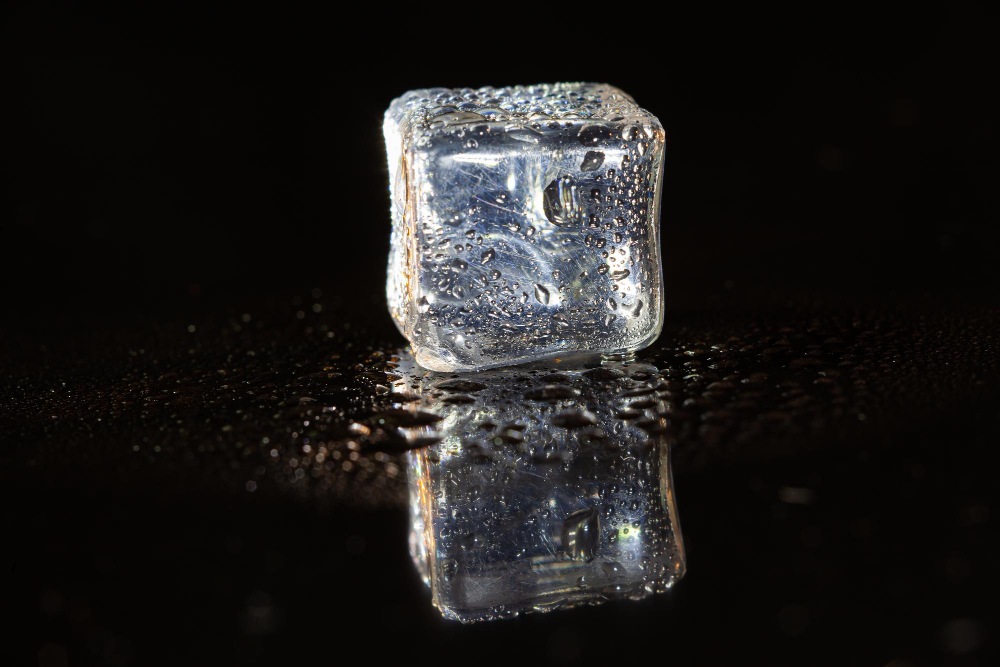
Spilled water freezing between the tray and the shelf, or between compartments, bonds the whole thing in place.
Twisting a rigid tray to break it free is how trays crack.
12. The Last Cube Never Wants to Come Out
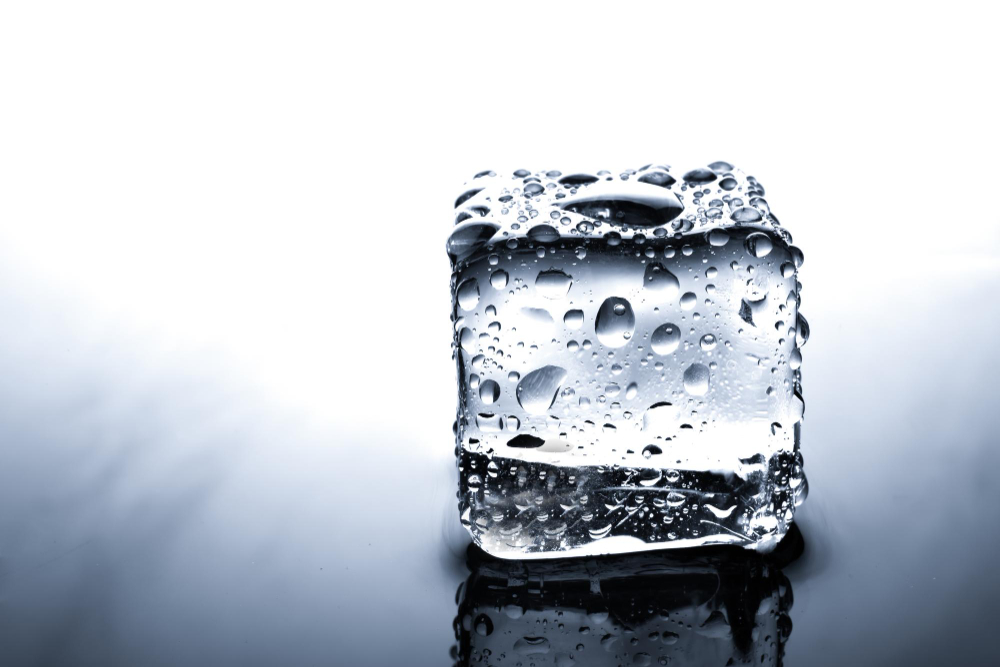
A partly emptied tray has less mass and warms faster at the edges, so the remaining cubes loosen unevenly.
You get two at once or none at all, and rarely the one you were aiming for.
A Small Block Doing Thermodynamics
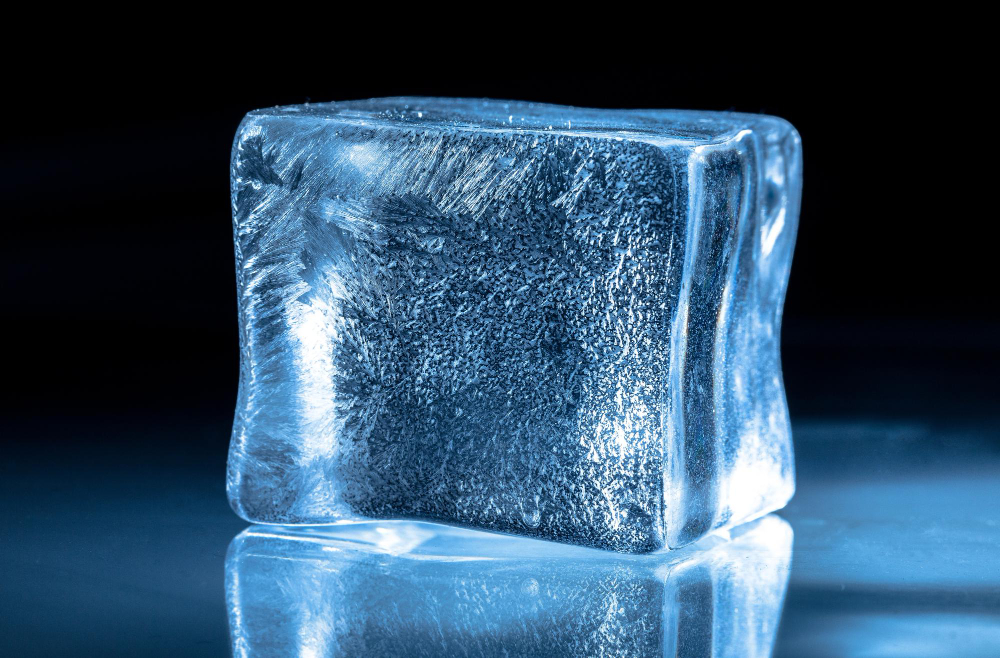
Cooling delivered by melting rather than by being cold, a mixture held near zero, cloudiness made of trapped gas, thermal cracking, slow disappearance without melting and a trade between surface area and dilution.
The first two items together explain the thing people find counter-intuitive. A drink with ice in it cannot get colder than about zero no matter how much ice you add, because the ice and water sit at that temperature while both are present – so more ice buys you duration, not a colder drink.
Like our content? Follow us for more.
