It stopped being alive and it never stopped moving. Here are fifteen.
1. It Is a Bundle of Tubes, Not a Solid
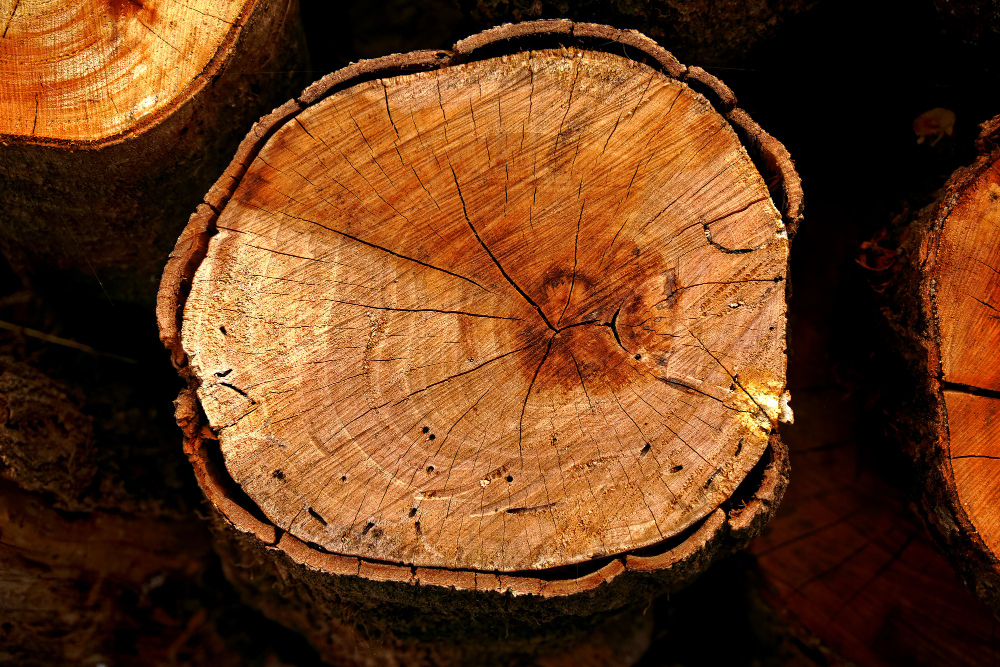
Wood is built from long hollow cells that carried water up the tree, aligned almost entirely along its length.
Every property that follows comes from that one fact about direction.
Like our content? Follow us for more.
2. Which Is Why It Is Enormously Stronger Along the Grain
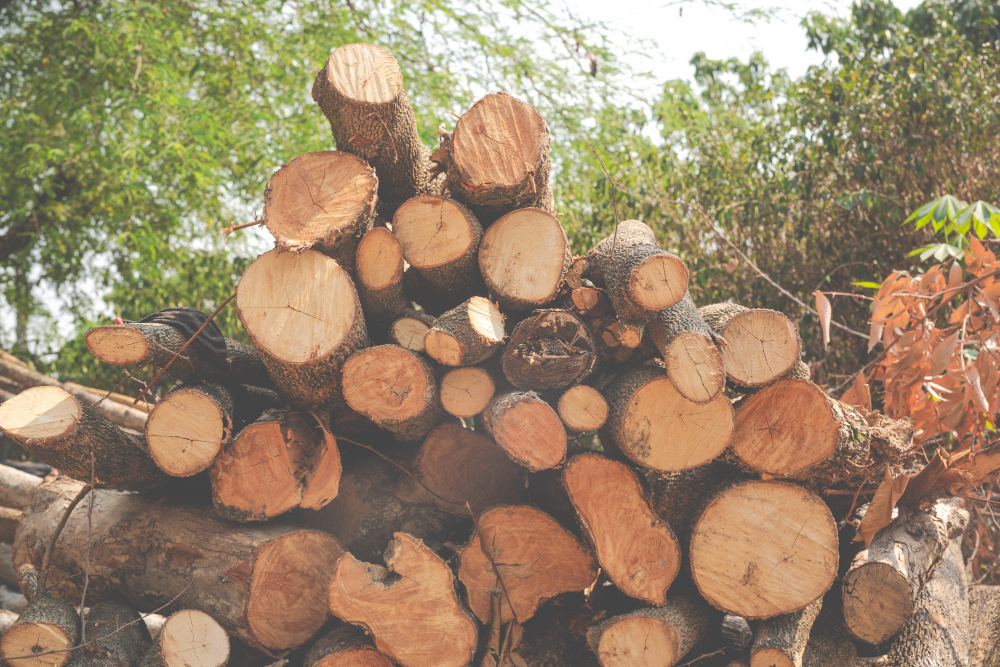
Pulling along the fibres loads them in tension, which they are built for; pulling across them separates them from each other.
A plank is many times stronger one way than the other, and splitting works because of it.
3. It Takes Up and Gives Off Water Continuously
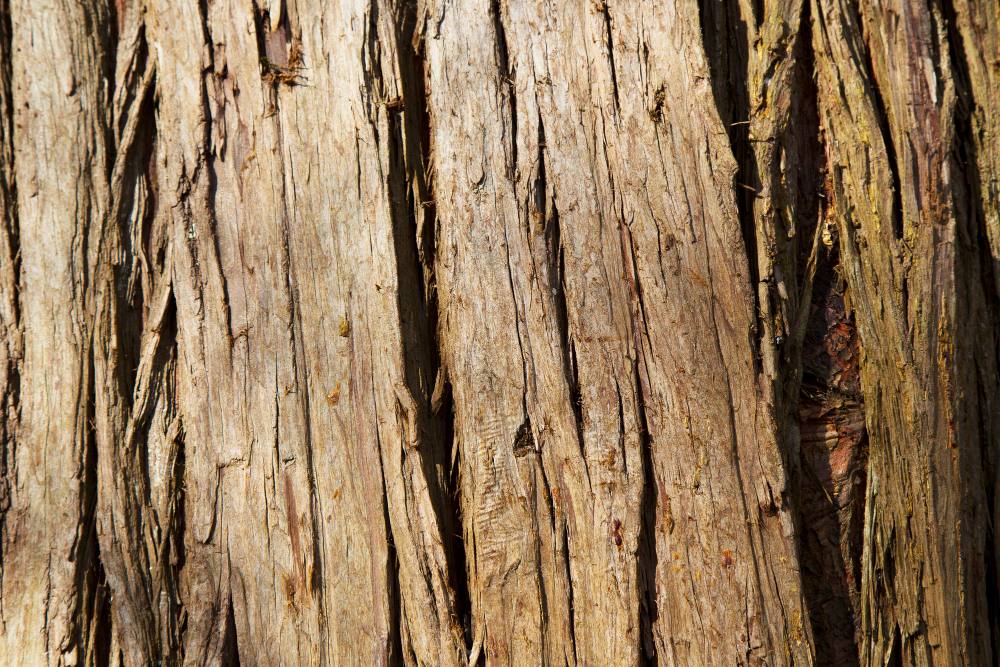
Wood exchanges moisture with the surrounding air until it reaches a balance, and the balance moves whenever the air changes.
There is no dry state it settles into permanently.
4. Seasoning Does Not Stop the Movement
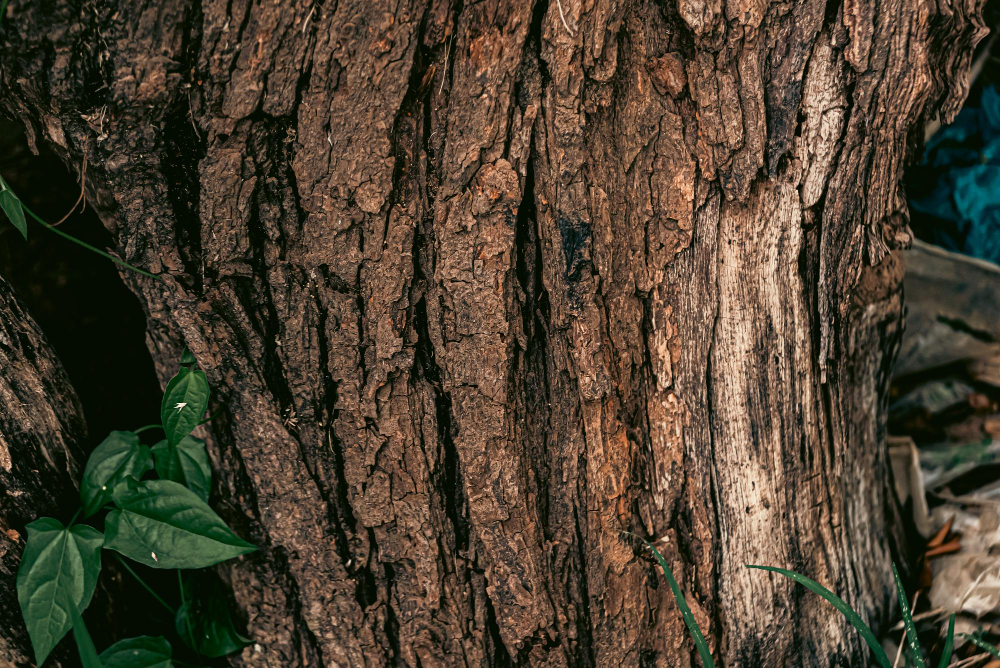
Drying removes the water from inside the cell cavities, which is most of the initial shrinkage and much of the weight.
What remains is water bound in the cell walls, and that fraction keeps cycling forever.
5. It Moves Across the Grain and Barely Along It
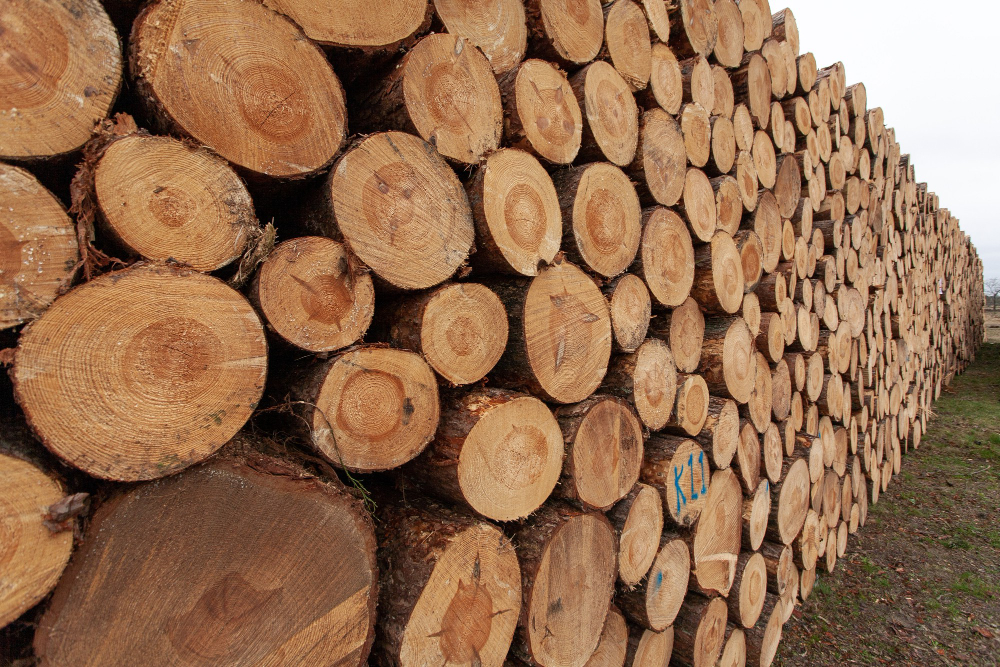
Dimensional change is substantial across the width and almost negligible along the length.
A long board changes width noticeably through the year and length hardly at all.
6. And It Moves More One Way Across Than the Other
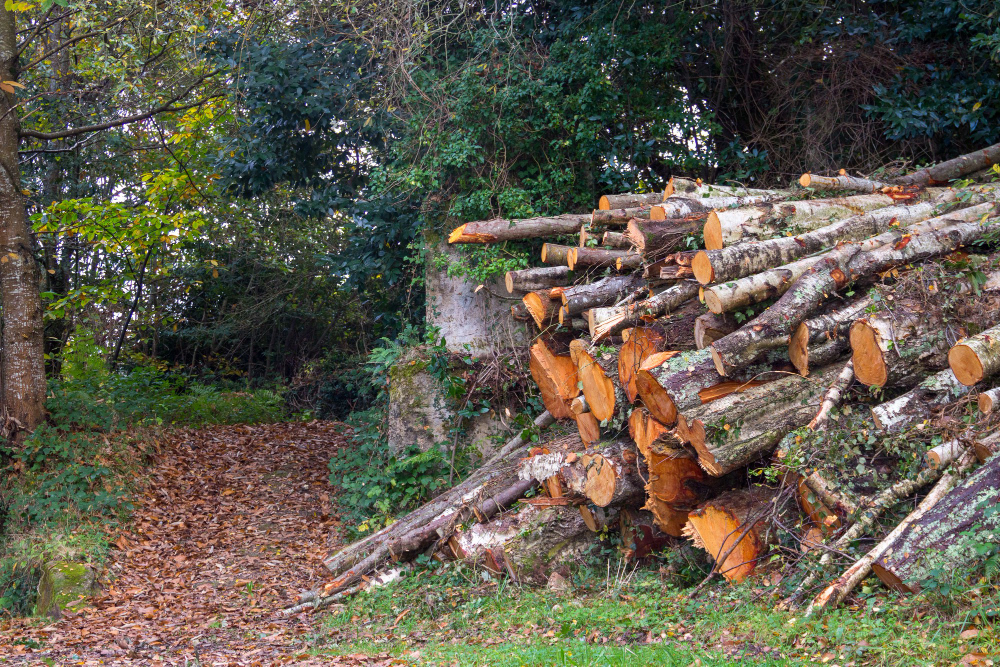
Shrinkage around the growth rings differs from shrinkage towards the centre, typically by about a factor of two.
This unequal movement is why boards warp instead of just getting smaller.
7. Which Is Why the Cut Decides the Behaviour
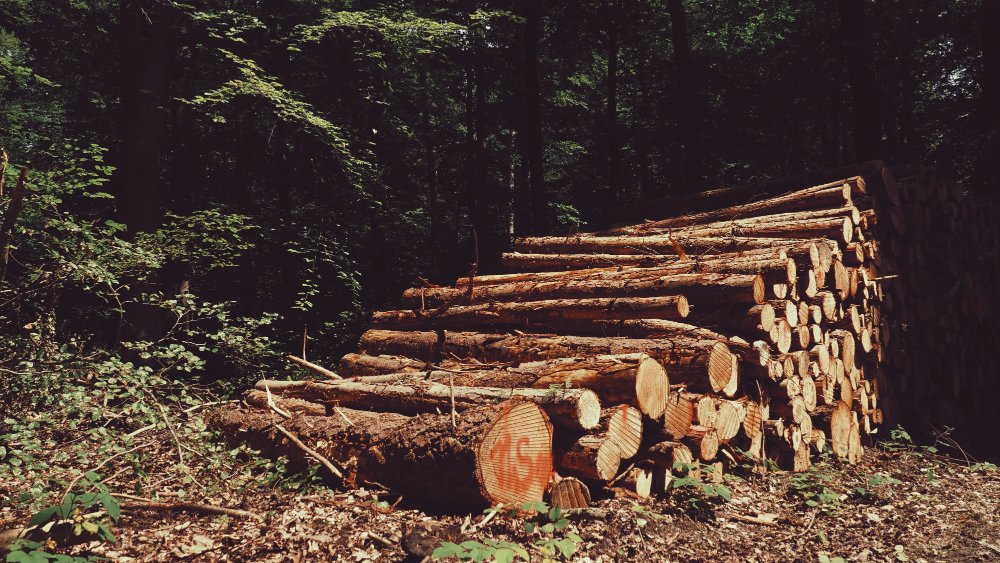
How a board was sawn from the log determines which direction the unequal shrinkage points.
Quarter-sawn boards stay flatter; flat-sawn boards cup, and the cup goes away from the centre of the tree.
8. Doors Stick in Summer for a Reason
Humid air swells the door across its width, and a few millimetres is all it takes.
Planing it in August frequently produces a gap in February.
9. Old Furniture Is Built to Let It Happen
Panels sit loose in grooved frames, tabletops are fixed with fittings that slide, and drawer bottoms float.
Anything that pins wood rigidly across the grain eventually splits it.
10. It Bends Permanently Under Long Loads
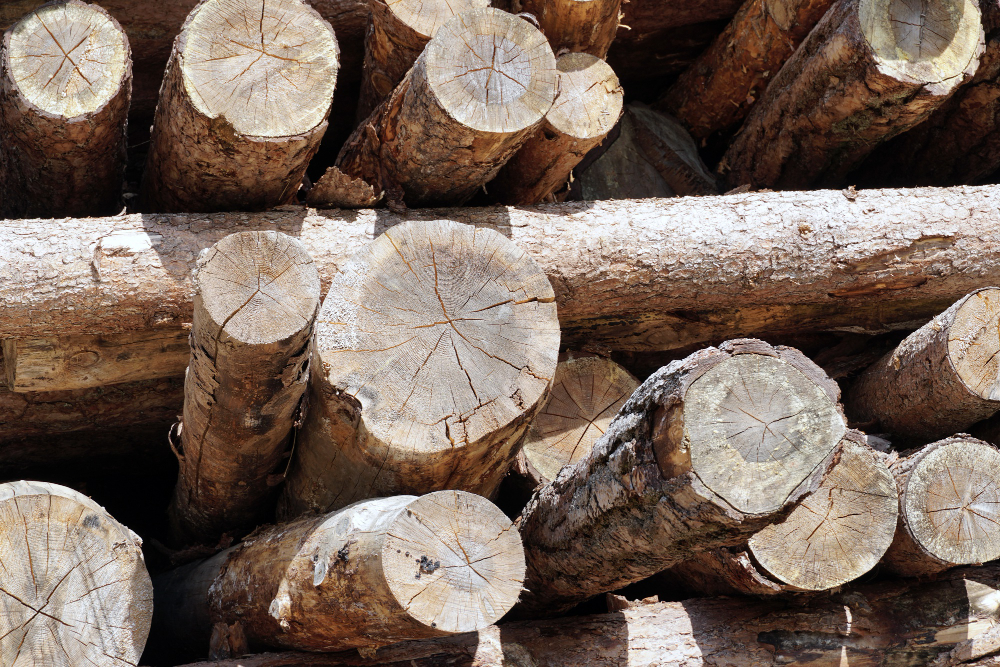
Under sustained weight wood deflects and then keeps deflecting slowly for years, and does not fully recover.
Old shelves and old beams sag because of time under load, not because they were undersized.
11. Steam Makes It Temporarily Bendable
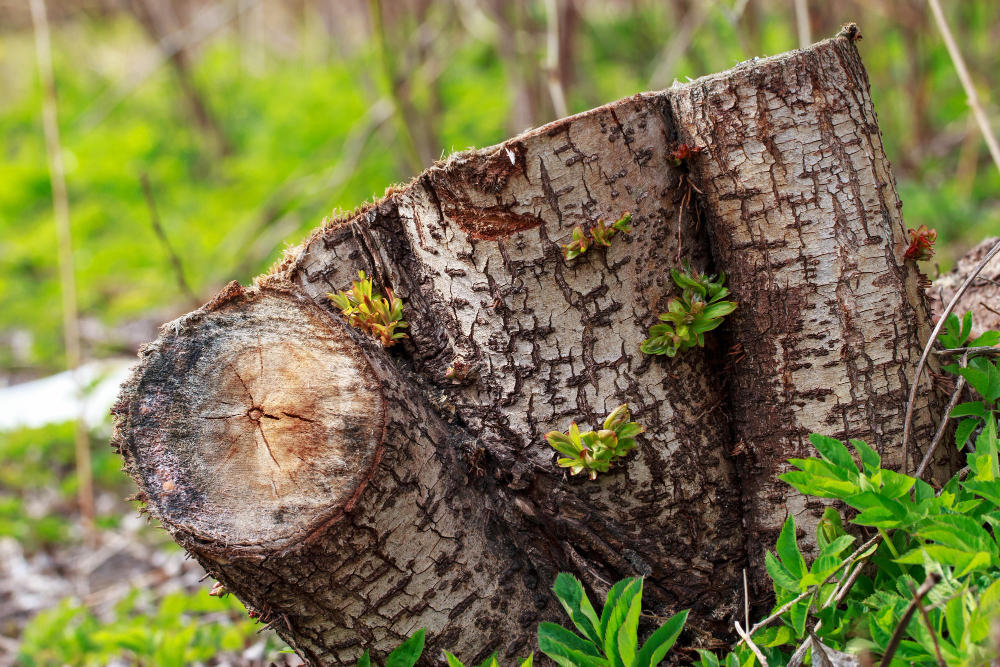
Heat and moisture soften the material binding the fibres, so wood can be bent and will hold the new shape on cooling.
This is how chair backs, barrel staves and boat planks are shaped without cutting.
12. Every Knot Is a Branch the Tree Grew Around
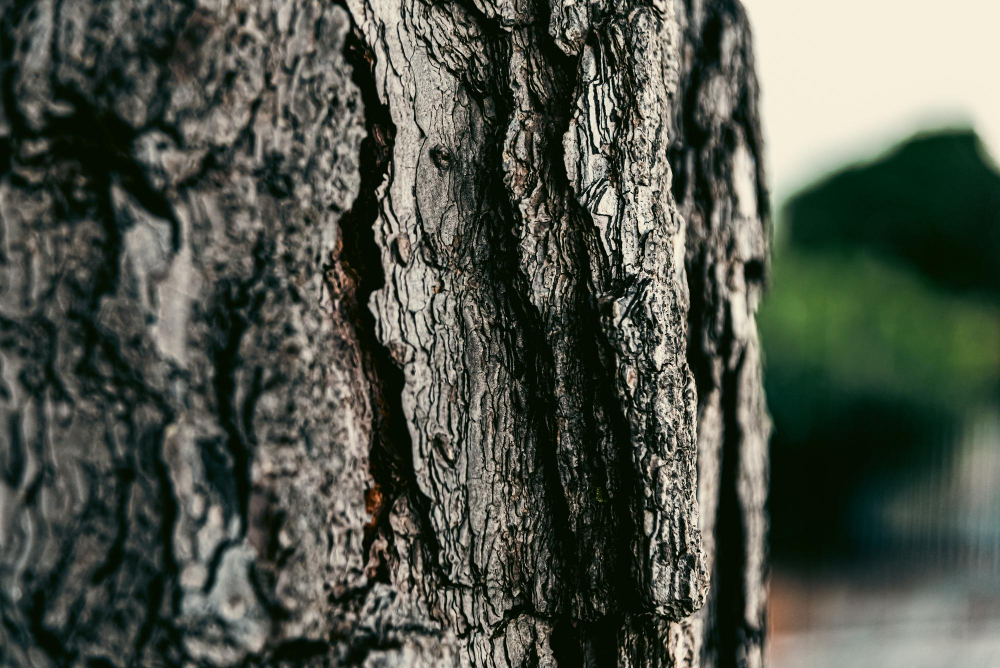
A knot is the buried base of a branch, and the surrounding grain deflects to pass around it rather than running straight.
That deflection is why a knot is a weak point, and why a board will break there first.
13. Heartwood and Sapwood Behave Differently
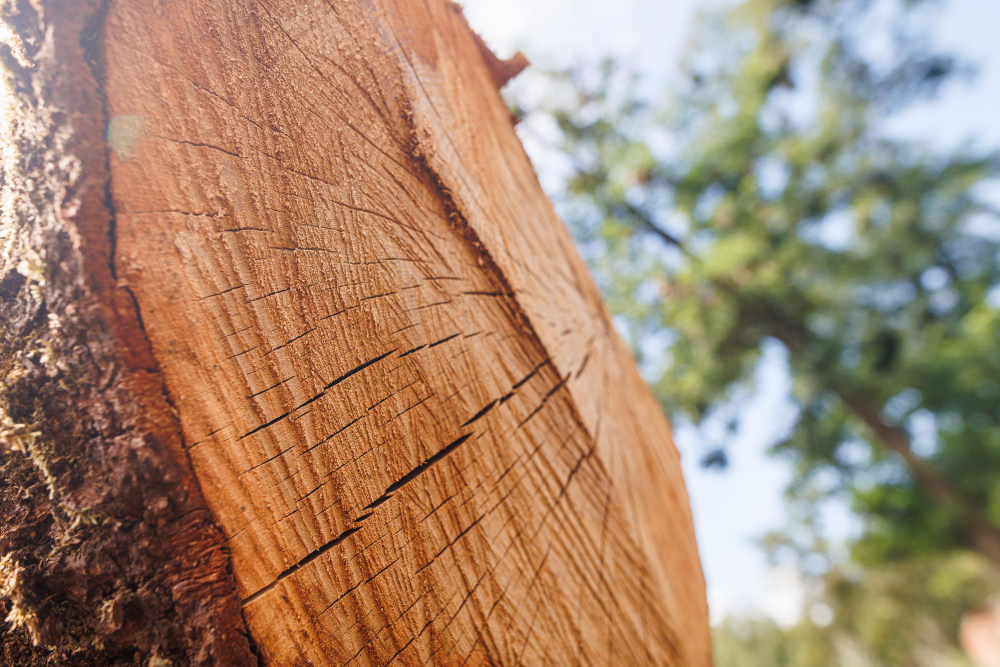
The older inner wood is usually denser, darker and far more resistant to decay than the outer layers.
A board containing both will not weather evenly.
14. It Only Rots When It Is Wet Enough
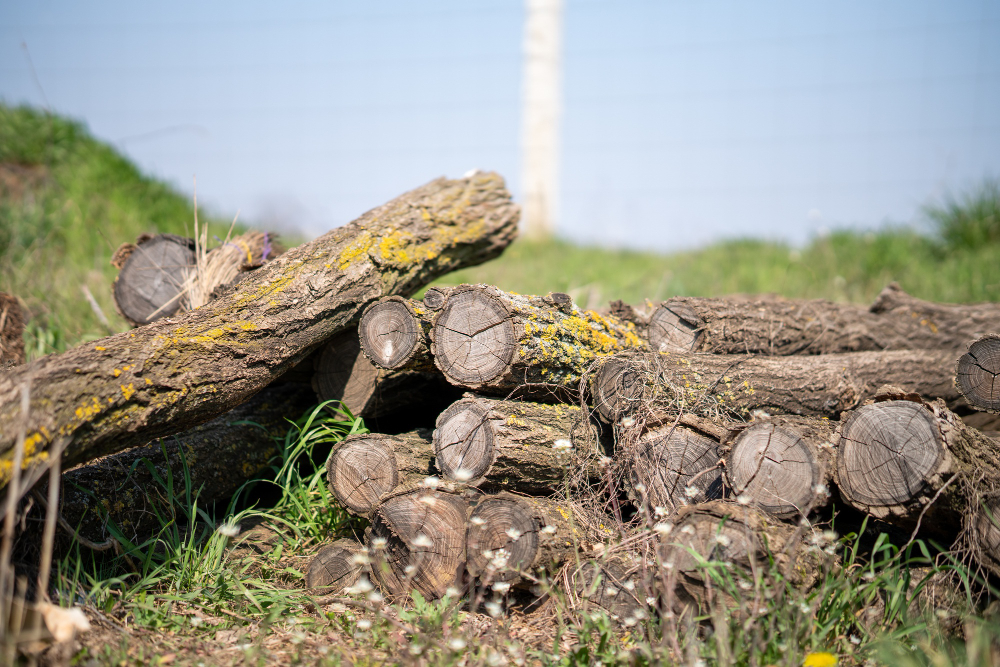
Fungal decay requires moisture above a threshold, so wood kept dry lasts centuries and wood kept wet lasts decades.
Timber that has been permanently submerged can survive for thousands of years.
15. It Goes Grey Outdoors Without Weakening
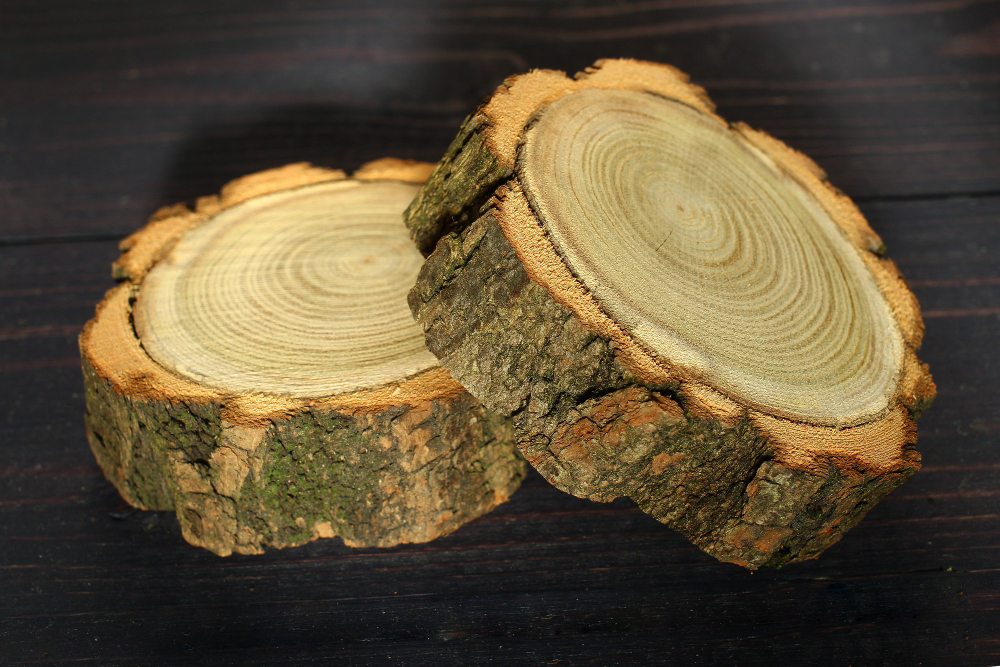
Sunlight breaks down the compound that gives wood its colour, leaving a thin silvery surface layer.
The colour change is a few cells deep and the strength underneath is unaffected.
Tubes, Direction and a Material That Breathes
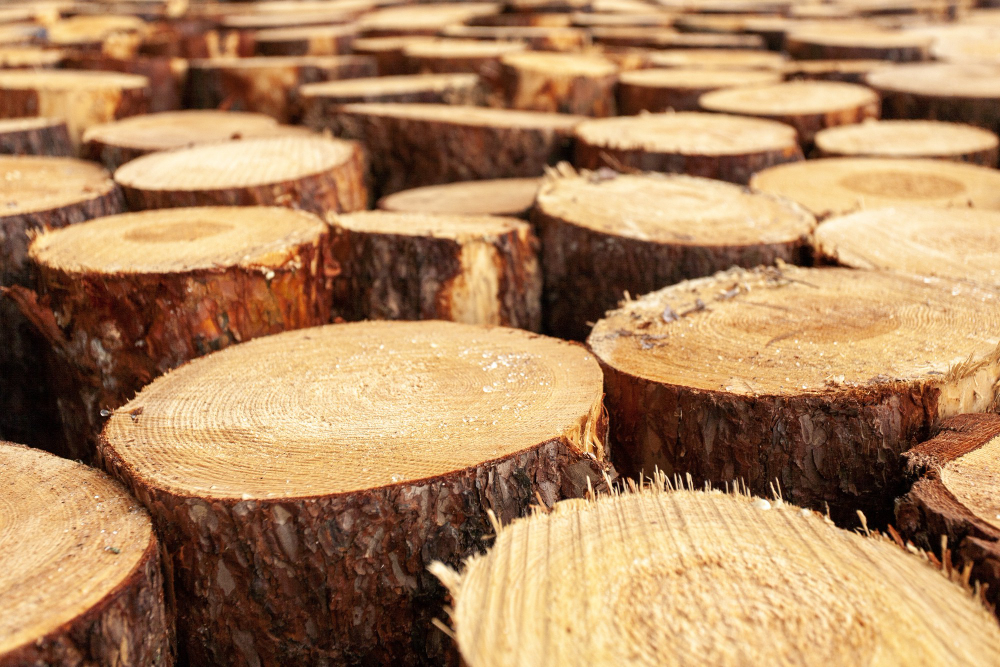
Hollow cells all pointing one way, strength that depends entirely on direction, moisture exchange that never stops, unequal shrinkage that warps boards and buried branches that the grain has to flow around.
The fifth and sixth items together explain nearly every wooden thing that has ever gone wrong. Wood moves a great deal across the grain, almost nothing along it, and unequally in the two across-directions – so a board cannot simply get smaller, it has to distort, and every traditional joint and fitting exists to let that happen without splitting anything.
Like our content? Follow us for more.