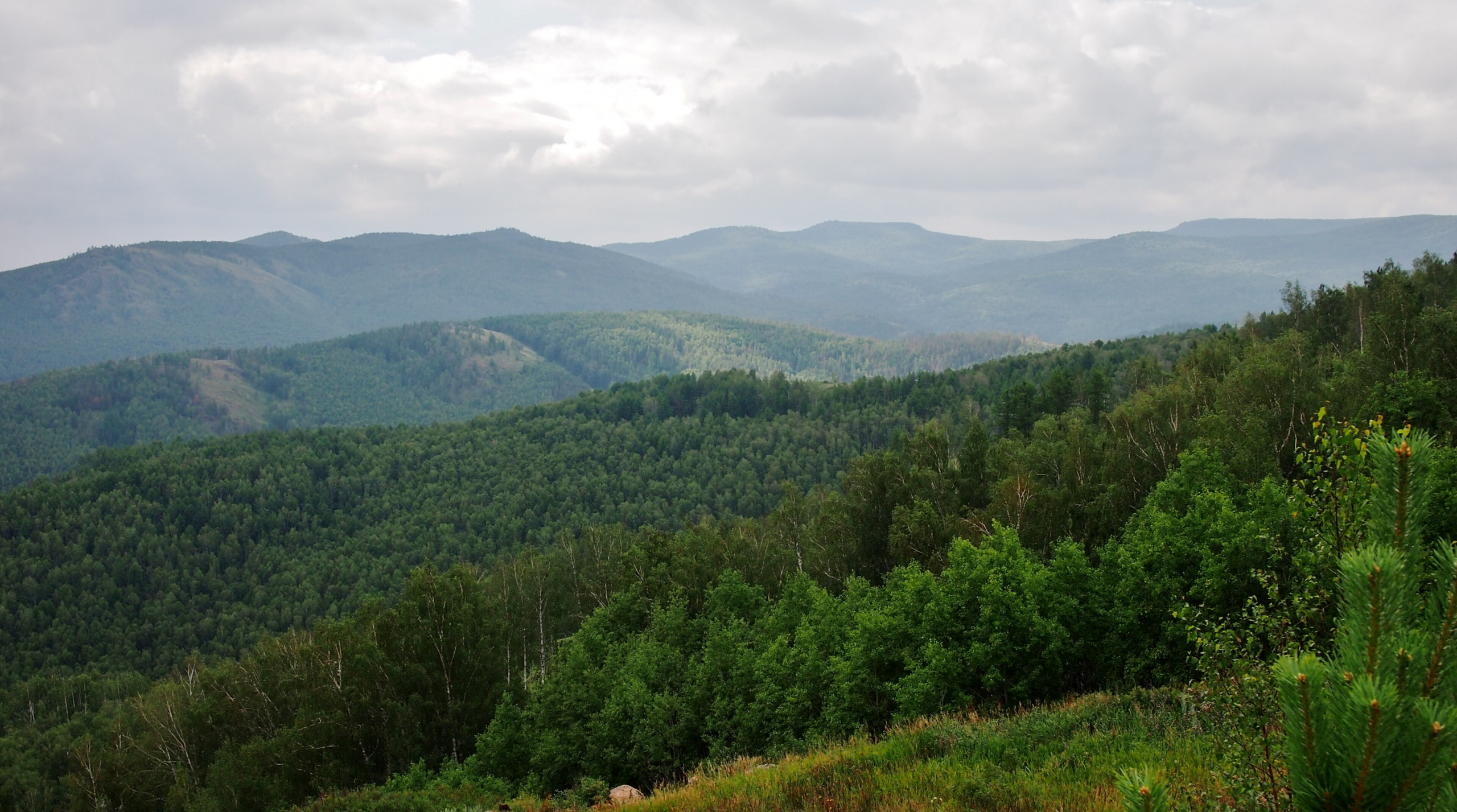
It is one of the most enduring mysteries of the twentieth century, and one of the eeriest. In the winter of 1959, a group of nine seasoned hikers set out across the northern Ural Mountains in what was then the Soviet Union, aiming for a peak whose name, translated from the local language, meant something close to “Dead Mountain.” They never returned. When searchers finally found them, the scene was so strange, and the injuries so inexplicable, that it launched sixty years of speculation, conspiracy theories, and real scientific puzzlement.
The Dyatlov Pass incident, named for the group’s leader, Igor Dyatlov, has everything a great unsolved mystery needs: experienced people behaving inexplicably, physical evidence that seemed to defy explanation, an official investigation that raised more questions than it answered, and a setting of remote, frozen desolation. It has been the subject of countless books, documentaries, and wild theories. And for most of those sixty years, no explanation quite fit all the facts. Then, in 2021, a pair of researchers using modern science and, of all things, animation software from a Hollywood movie, put forward a solution that finally holds together. Here is the story.
The Expedition
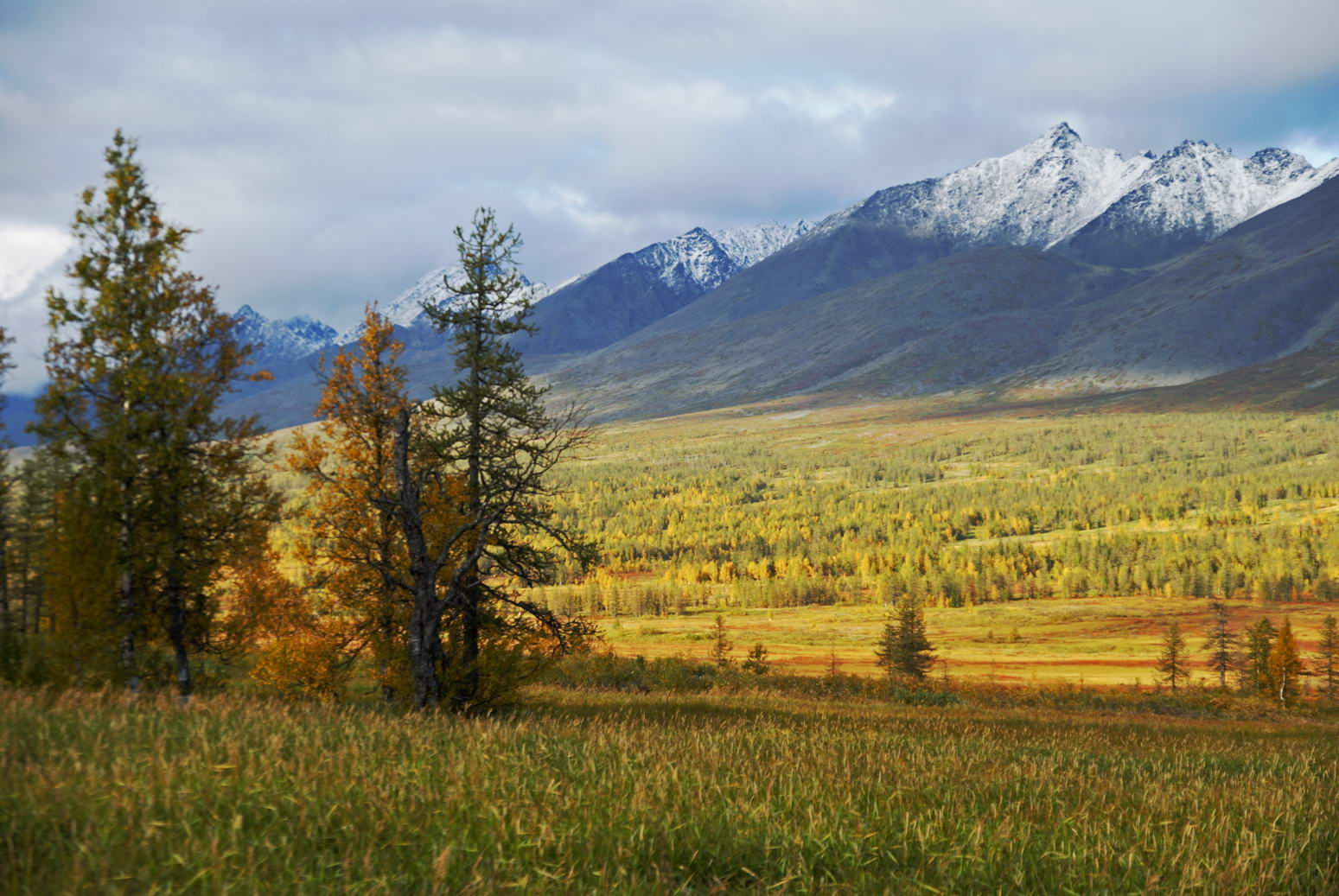
The group consisted of ten experienced ski hikers, mostly students and graduates from a technical institute, led by 23-year-old Igor Dyatlov. In late January 1959, they set out on a challenging winter trek through the Urals, the kind of demanding expedition these were skilled, fit young people well equipped to handle. Early in the journey, one member turned back due to illness — a stroke of luck that would save his life and leave him to mourn his friends for decades. The remaining nine pressed on.
On the night of February 1, 1959, the group pitched their tent on the slope of the mountain the local Mansi people called Kholat Syakhl. This decision — to camp on an exposed slope rather than in the shelter of the tree line below — would later become one of the puzzling details of the case, though the hikers may have had reasonable navigational reasons for it. They settled in for the night. Something happened in the hours that followed that sent all nine of them fleeing their tent into a lethal blizzard, and none of them survived it.
Like our content? Follow us for more.
The Discovery
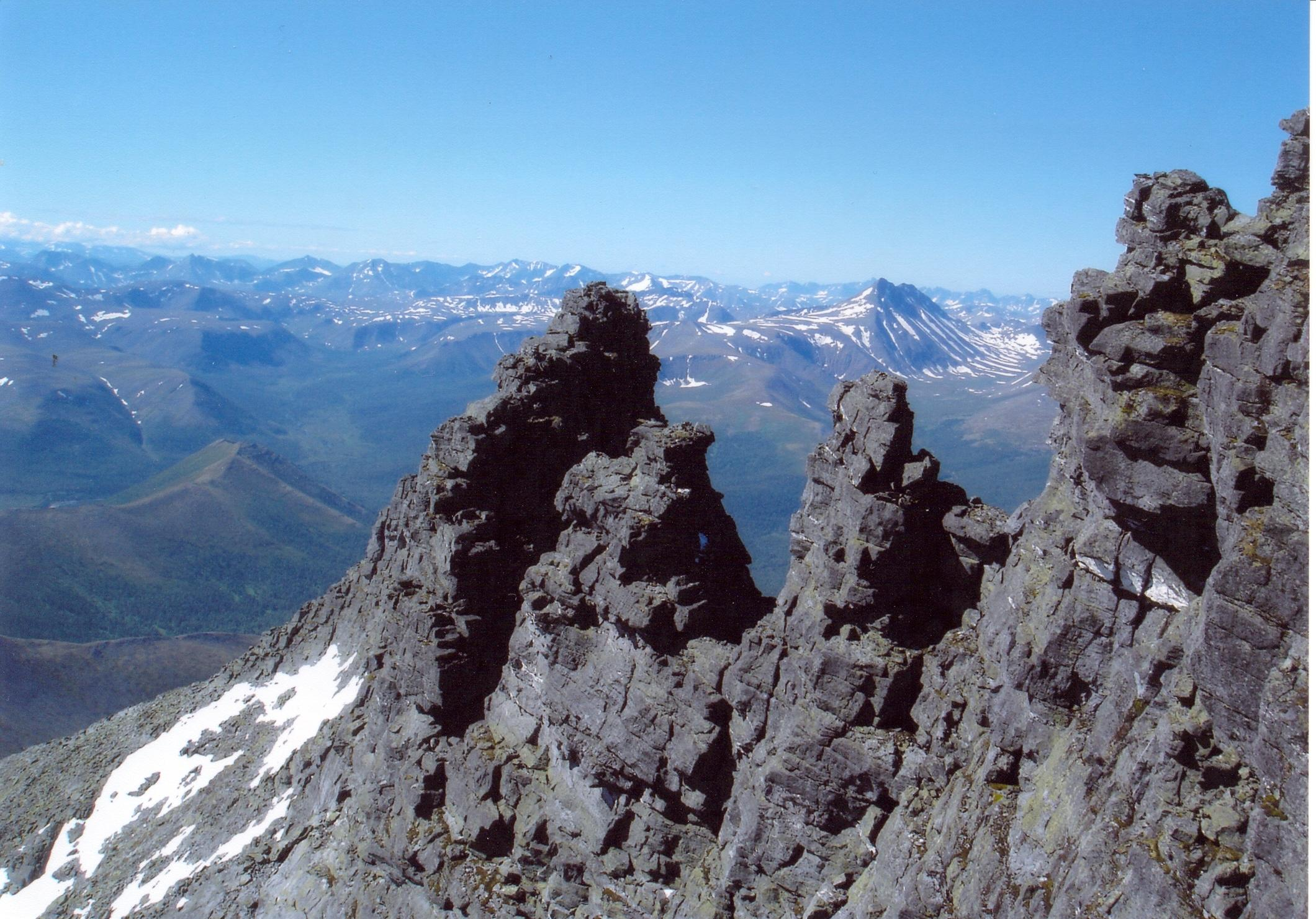
When the group failed to make expected contact, a search was launched, and in late February the searchers found the tent. What they saw was immediately disturbing. The tent was partially collapsed and buried in snow — and it had been cut open from the inside. The hikers had used a knife to slice their way out through the tent wall rather than exiting through the entrance, suggesting a desperate, panicked escape. Their belongings, including their boots and warm outer clothing, were still inside. Whatever drove them out had been terrifying enough that they ran into a subzero blizzard without stopping to dress properly.
The bodies were found over the following weeks, scattered down the slope, and the details only deepened the mystery. The first found had died of hypothermia, some barefoot or in socks, having fled hundreds of meters from the tent toward the tree line. But others, discovered later under deep snow, had suffered severe internal injuries — crushed ribs, a fractured skull — the kind of trauma associated with a major impact, like a car crash, yet with little or no corresponding external wounds. One of the hikers was missing her tongue and eyes, a gruesome detail that fueled decades of lurid theorizing. The Soviet investigation concluded that the hikers had died from a “compelling natural force” they could not identify, and closed the case, sealing the records.
Sixty Years of Theories
The combination of the panicked flight, the fatal injuries without external wounds, and the sealed Soviet files created a perfect vacuum for speculation, and it filled quickly. Over the decades, an extraordinary range of theories emerged to explain what killed the Dyatlov group.
Some were grounded in the plausible: a sudden avalanche, an attack by the Indigenous Mansi people (an idea investigated at the time and found baseless), or a violent storm. Others ventured into the exotic and the paranormal: secret Soviet military weapons tests, infrasound generated by wind producing panic, encounters with a yeti, and, inevitably, extraterrestrials — a theory encouraged by reports of strange lights in the sky seen in the region around that time. The missing tongue and eyes, almost certainly the result of natural decomposition and scavenging animals after death, were seized upon as evidence of something sinister. The avalanche theory was the most sober candidate, but for years it was dismissed by skeptics who pointed to real problems: the slope wasn’t steep enough for a typical avalanche, searchers found no obvious avalanche debris, there was a long gap between the hikers making camp and fleeing, and the injuries didn’t match a normal snow slide. The mystery seemed truly unsolvable.
The Scientists Who Cracked It
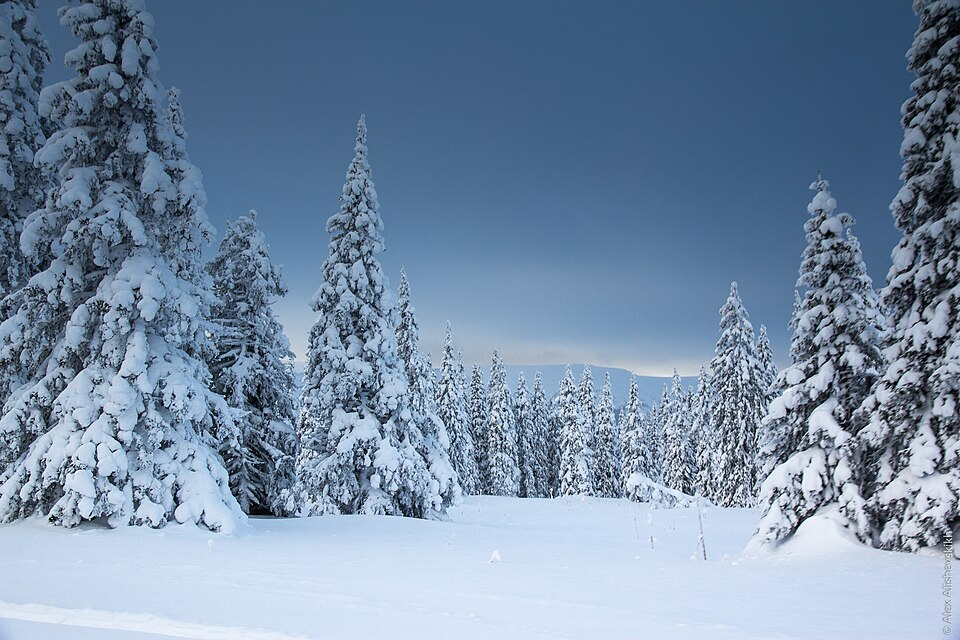
The breakthrough came around 2019 to 2021. After the Russian authorities reopened the case, two scientists — Johan Gaume, head of a snow-avalanche laboratory in Switzerland, and Alexander Puzrin, a geotechnical engineer — took up the puzzle. They set out specifically to test whether an avalanche could actually account for all the strange facts that had led skeptics to reject the idea.
Their conclusion, published in a 2021 study, was that a rare kind of avalanche — a “slab avalanche” — fit the evidence remarkably well once the details were properly modeled. Here’s their reconstruction. To pitch their tent on the slope, the hikers cut into the snow, making a flat platform beneath an overhanging slab of hard, compacted snow. Overnight, strong katabatic winds — cold air rushing downhill — deposited more and more snow onto the slab above them. After a number of hours (explaining the puzzling delay), the added load caused the slab to fracture and slide, a relatively small but heavy block of hard snow descending onto the tent. The researchers also found that the slope was actually steeper than earlier reports had claimed, once its true local angle was measured. A slab of dense snow landing on hikers lying in their sleeping bags could deliver exactly the kind of severe crushing injuries — broken ribs, skull fractures — seen in the victims, without necessarily leaving external wounds.
Filling In the Final Picture
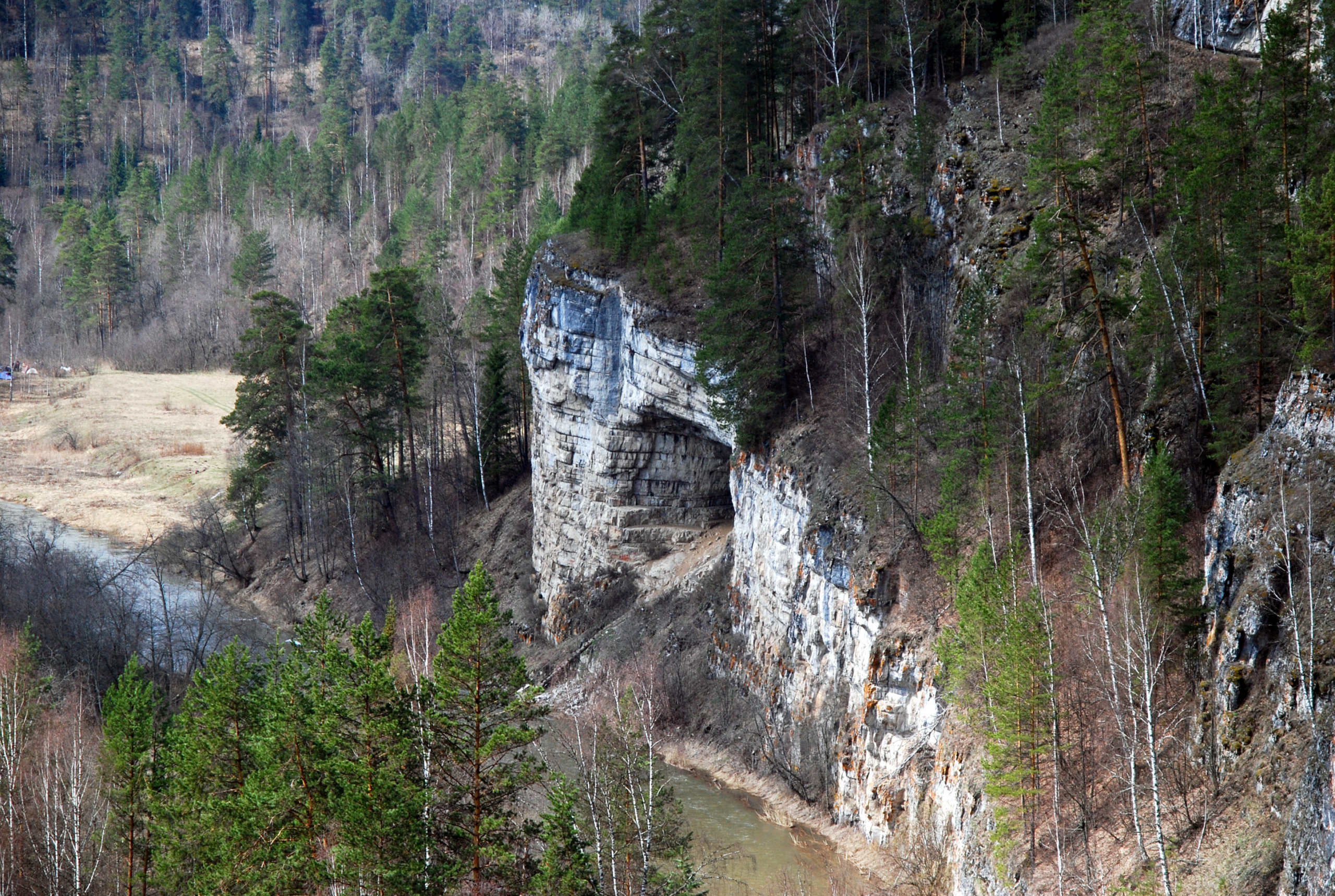
The slab-avalanche model, combined with what’s understood about hypothermia, assembles the whole tragic sequence into something that finally makes sense. Woken by the sudden, violent impact of the snow slab, injured and terrified and fearing a larger avalanche was coming, the hikers cut their way out of the buried, collapsed tent and fled downhill toward the shelter of the trees, as avalanche-safety instinct would dictate — abandoning their boots and clothing in the panic and the dark.
Away from the tent, in the killing cold, the situation became unsurvivable. Some died of hypothermia in the open. Others, the injured ones, succumbed to their trauma. A well-documented and eerie phenomenon of severe hypothermia called “paradoxical undressing,” in which the freezing person feels a sudden false sensation of heat and removes their clothing, may account for some of the group being found partially undressed. The bodies found later under snow, in a ravine, had likely fallen or been covered, and the missing soft tissues were the work of time, water, and scavengers, not violence. To be clear, the 2021 study doesn’t claim to explain every last detail with certainty — some questions remain, and it presents a compelling, physics-based scenario rather than absolute proof. But for the first time, a single natural explanation accounts for the panicked flight, the delay, the modest slope, the scarce debris, and above all those baffling injuries.
Why the Mystery Endures Anyway
Even with a solid scientific answer in hand, the Dyatlov Pass incident retains its grip on the imagination, and probably always will. Part of that is the sheer eeriness of the human details — the slashed tent, the barefoot flight into the blizzard, nine capable young people dead on a mountain called Dead Mountain. A tidy explanation involving snow mechanics doesn’t fully dispel the horror of imagining that night.
Part of it, too, is that mysteries are more fun than solutions, and the decades of yeti and alien and secret-weapon theories have given the case a rich mythology that a physics paper can’t simply erase. People are attached to the enigma. But there’s something valuable in the resolution nonetheless: nine real people died real deaths, and their families lived with sixty years of lurid speculation about what happened to them. The scientific answer restores a kind of dignity to the story — no monsters, no conspiracies, just an unlucky group of skilled hikers caught by a rare and deadly quirk of mountain snow, reacting as best they could to a terrifying situation in the dark. The mystery is solved. It’s just that some mysteries are so haunting that even the answer can’t quite lay them to rest.
Like our content? Follow us for more.