

It is loudest before it boils, and the switch never measures the water. Here are fifteen.
1. The Element Heats the Water, Not the Kettle
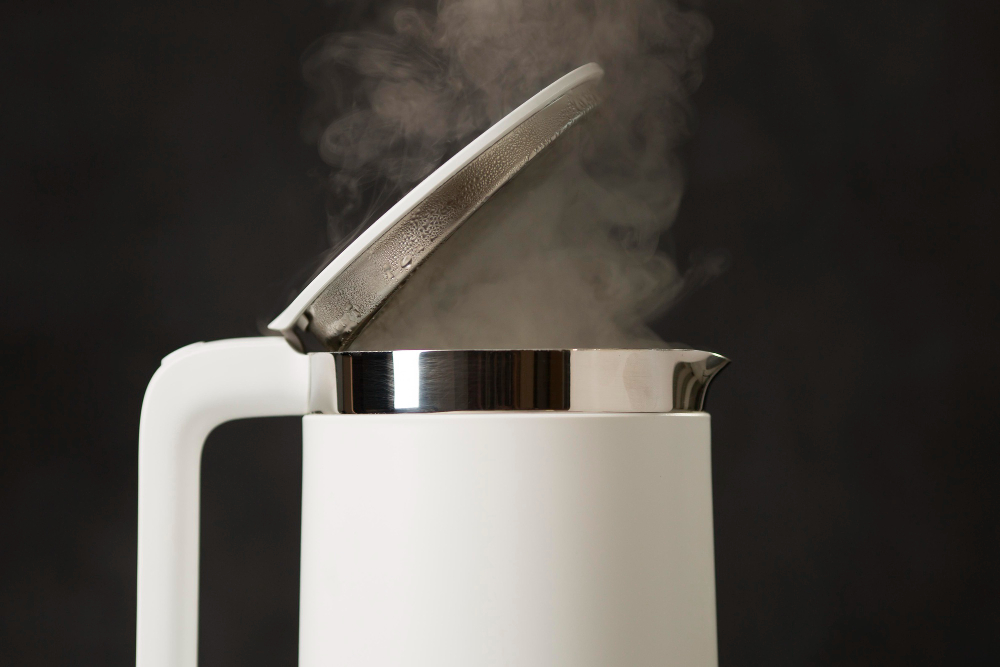
In an electric kettle the heating element is immersed in the water, or bonded directly to the base plate the water sits on.
There is no hot surface transferring heat through anything else. Essentially all of the energy goes into the water it is touching.
Like our content? Follow us for more.
2. Which Is Why It Beats a Pan on a Hob
A pan on a hob loses a great deal of heat to the air around the flame or the ring, and to the pan itself and the kitchen.
An immersed element has almost nowhere else to send its heat, which is why a kettle is one of the few appliances that is close to fully efficient at what it does.
3. The Water Stirs Itself
Water heated at the bottom becomes less dense and rises, cooler water drops to take its place, and a circulation establishes itself within seconds.
Nothing mixes it and nothing needs to. This is also why the top of a kettle is hot long before the heating has finished.
4. The Noise Is Not Boiling
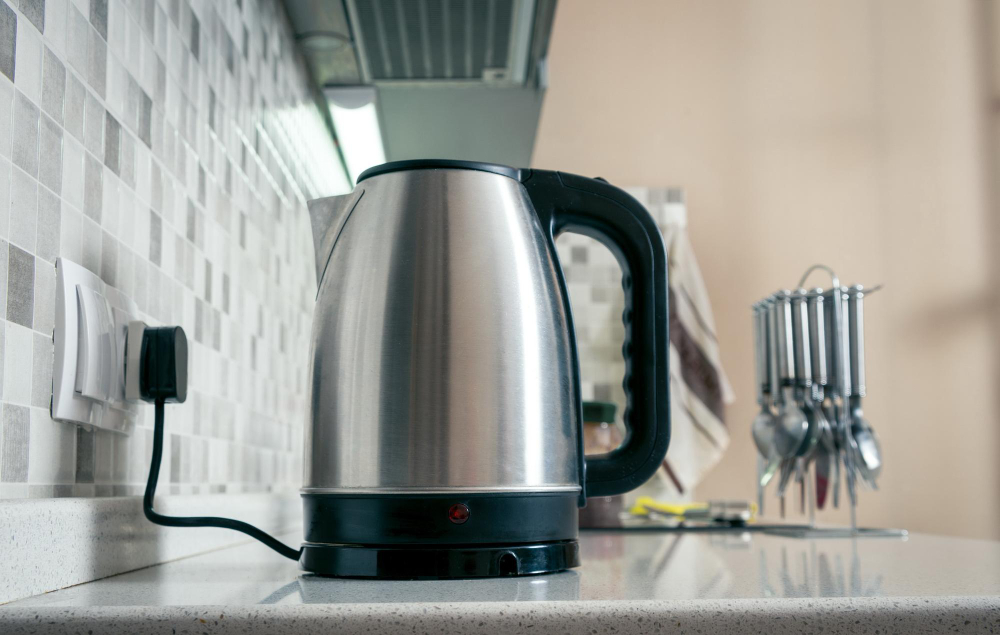
The familiar rising roar happens well before the water boils. Small bubbles form on the hottest part of the element, where the metal is far hotter than the surrounding water.
They detach, rise into cooler water a few millimetres up, and collapse. Each collapse is a tiny sharp implosion, and the roar is millions of them.
5. And It Goes Quiet Just as It Boils
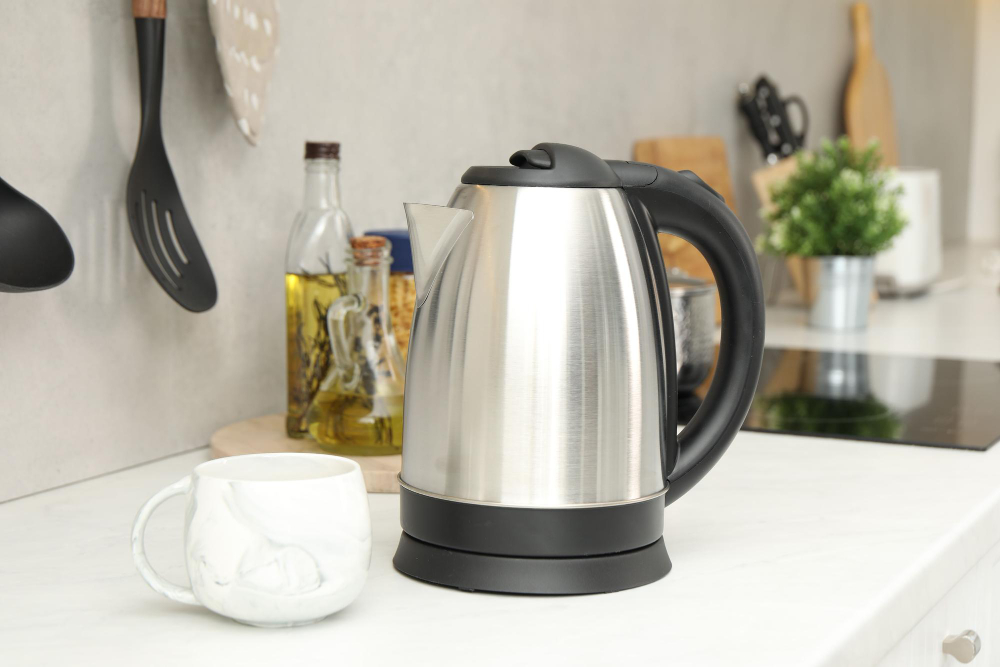
Once the whole body of water reaches boiling temperature, there is no longer any cooler water for the bubbles to collapse into.
They survive all the way to the surface instead. The violent collapsing stops, the sound drops to a softer rolling, and that change in tone is the most reliable indication that it is actually boiling.
6. The Switch Is Not a Thermometer
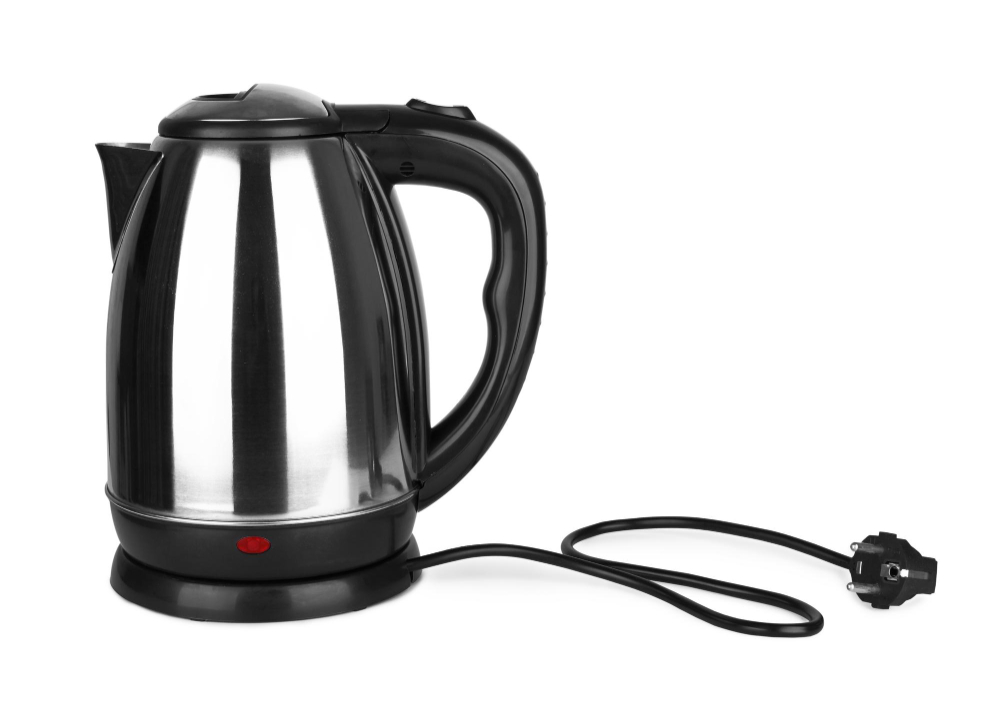
Nothing in a domestic kettle measures the temperature of the water. There is no sensor in the body of the liquid at all.
The cut-off is mechanical and it is triggered by something else entirely, which is the subject of the next two items.
7. It Is a Metal Disc Being Hit by Steam
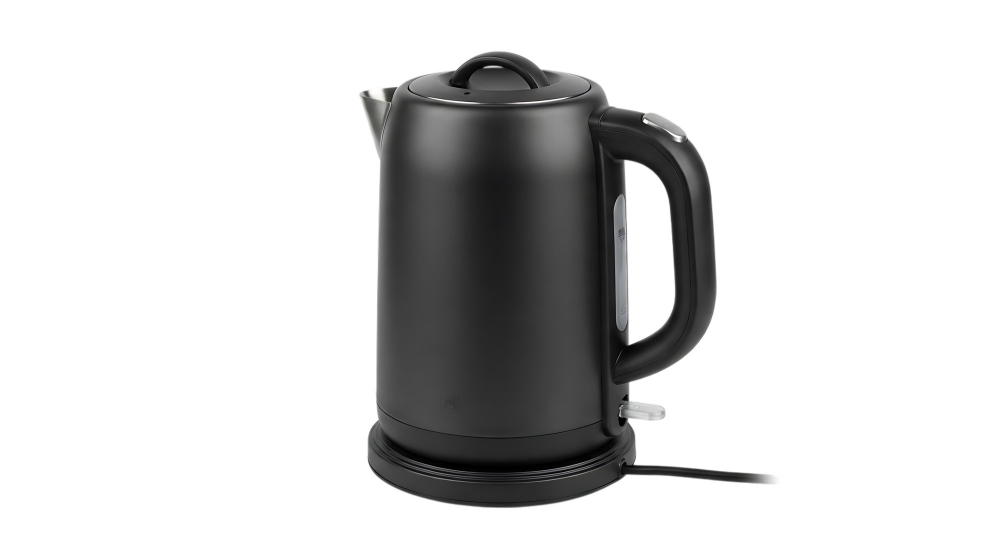
Inside the handle or the base is a small disc made of two different metals bonded together. The two expand by different amounts when heated, so the disc deforms.
At a set temperature it snaps suddenly into a dished shape, and that movement throws the switch. It is a purely mechanical trigger with no electronics.
8. And the Steam Reaches It Through a Tube
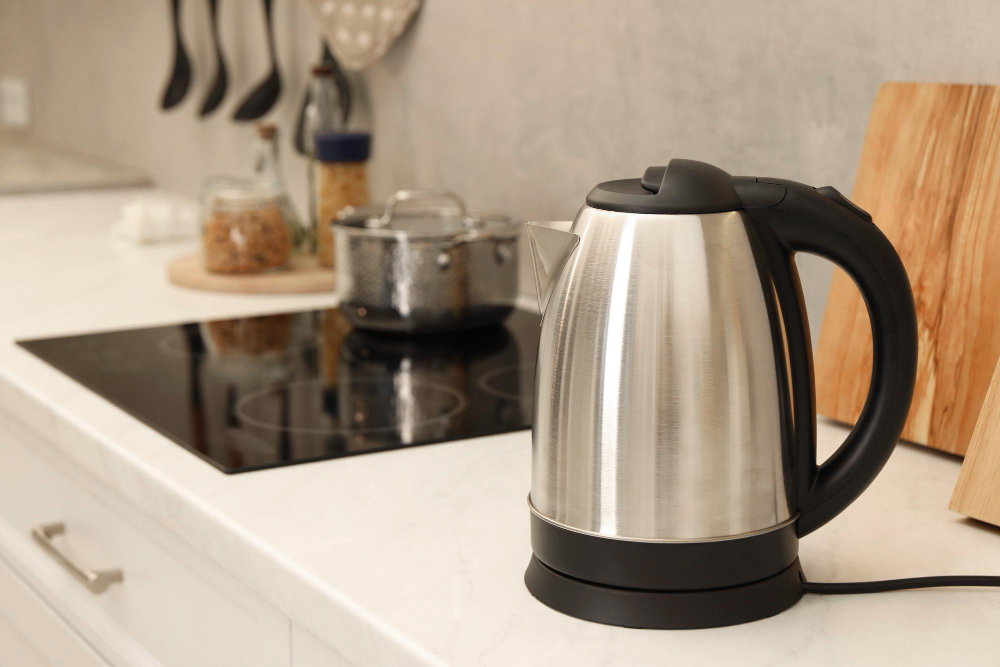
Steam leaving the water is channelled down a narrow passage, usually hidden inside the handle, that leads directly to that disc.
So the kettle switches off when enough steam is produced to heat the disc. It is detecting the output rather than the condition.
9. Which Is Why an Open Lid Stops It Working
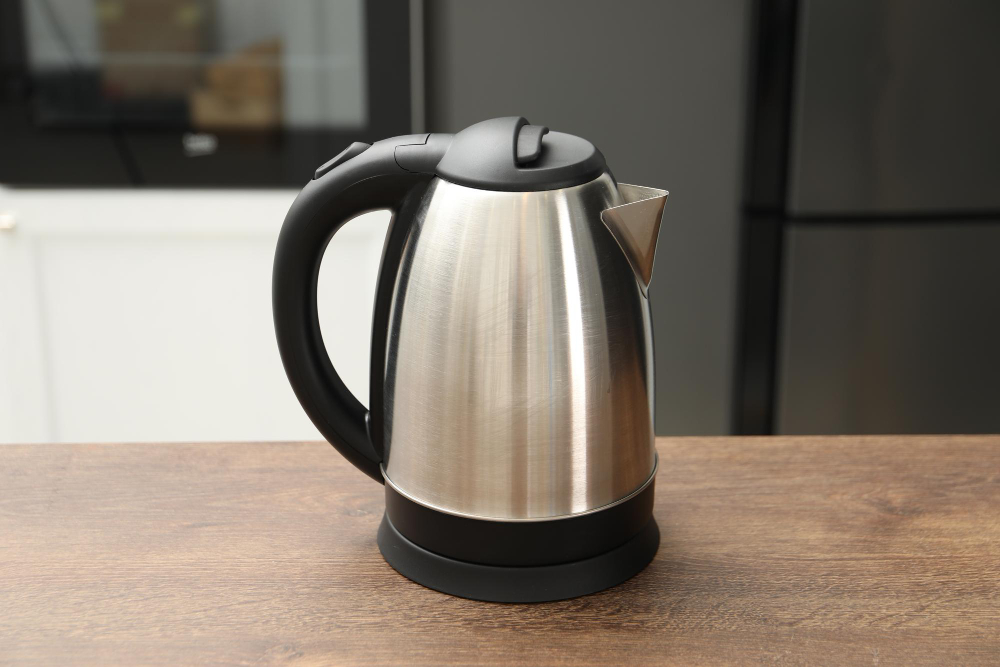
If the lid is not closed, steam escapes into the room instead of going down the tube, and the disc never reaches its switching temperature.
The kettle then boils indefinitely, and the only thing that eventually stops it is a separate backup cut-out protecting the element. A kettle left to boil dry relies on that backup rather than on the normal switch.
10. The Scale Forms Where It Is Hottest
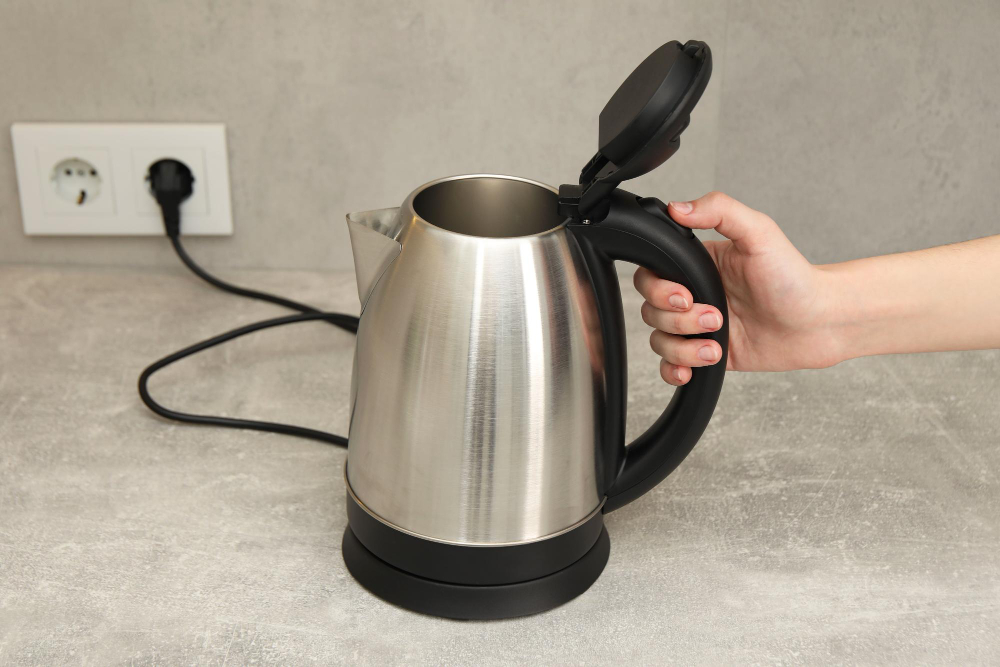
The minerals dissolved in water are held in solution in a form that breaks down when heated, releasing a solid that comes out of the water.
That happens fastest at the hottest surface, which is the element itself. Scale is therefore not a general coating; it builds up preferentially on precisely the component that matters.
11. And It Insulates the Thing It Grows On
A layer of mineral deposit between the element and the water is a poor conductor of heat.
The element has to run hotter to push the same heat through it, which makes the kettle slower, makes the element work harder and shortens its life.
12. A Scaled Kettle Is Noticeably Louder
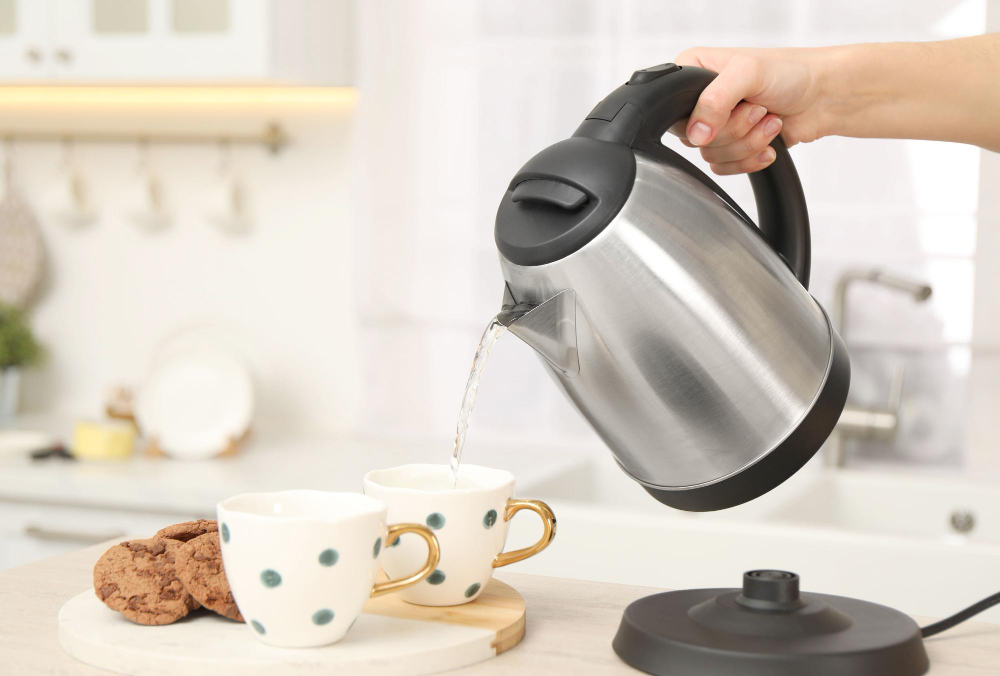
A rough, porous deposit gives bubbles far more places to form than smooth metal does, so many more of them form and collapse.
The characteristic increasing racket of an old kettle in a hard-water area is a direct audible measure of how much scale is on the element.
13. Acid Dissolves It Because of What It Is
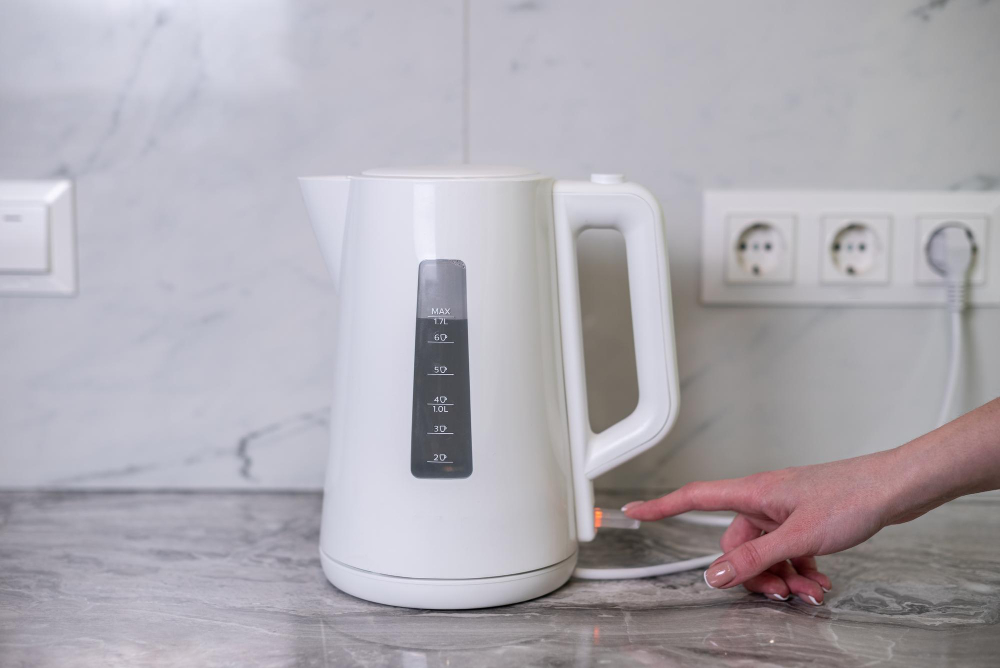
The deposit is a carbonate, and carbonates react with mild acids, breaking down and releasing carbon dioxide.
This is why the fizzing happens, and it is also why the deposit is unaffected by scrubbing or by detergent, which are not acids and have nothing to react with.
14. The Minimum Fill Mark Is About the Element
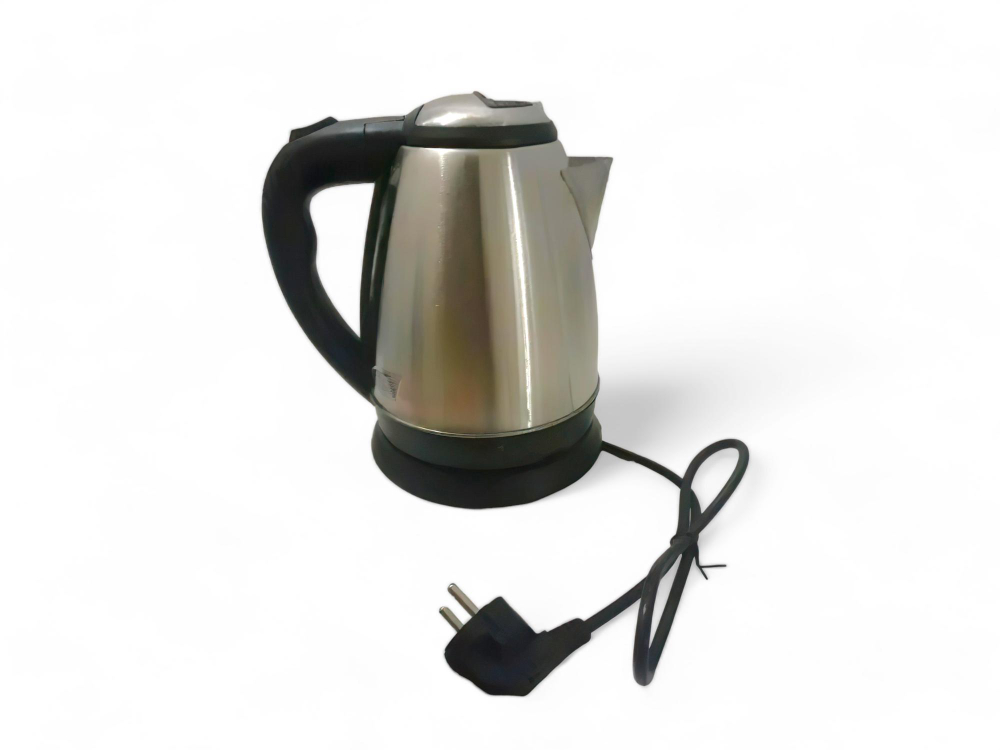
The lower line is not a suggestion about saving electricity. It marks the least water needed to keep the element fully covered.
An element running in air rather than water has nowhere to send its heat and overheats almost immediately, which is why the mark is a limit rather than a hint.
15. It Is One of the Most Power-Hungry Things You Own
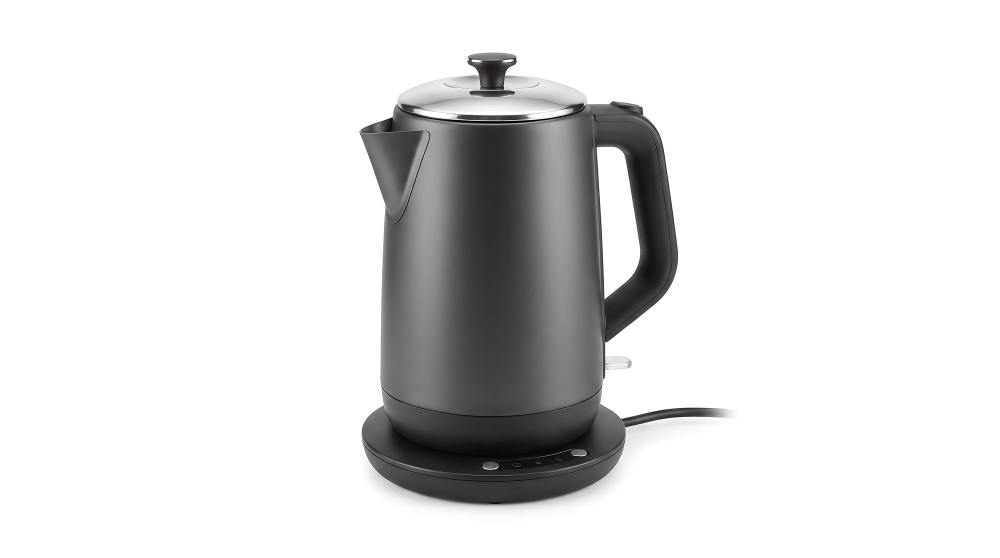
A kettle draws more power while running than almost anything else in a normal house, frequently more than everything else put together.
It gets away with it because it runs for two minutes. The reason it is wired and fused the way it is has nothing to do with how often it is used and everything to do with that brief enormous draw.
Two Minutes of Very Hard Work
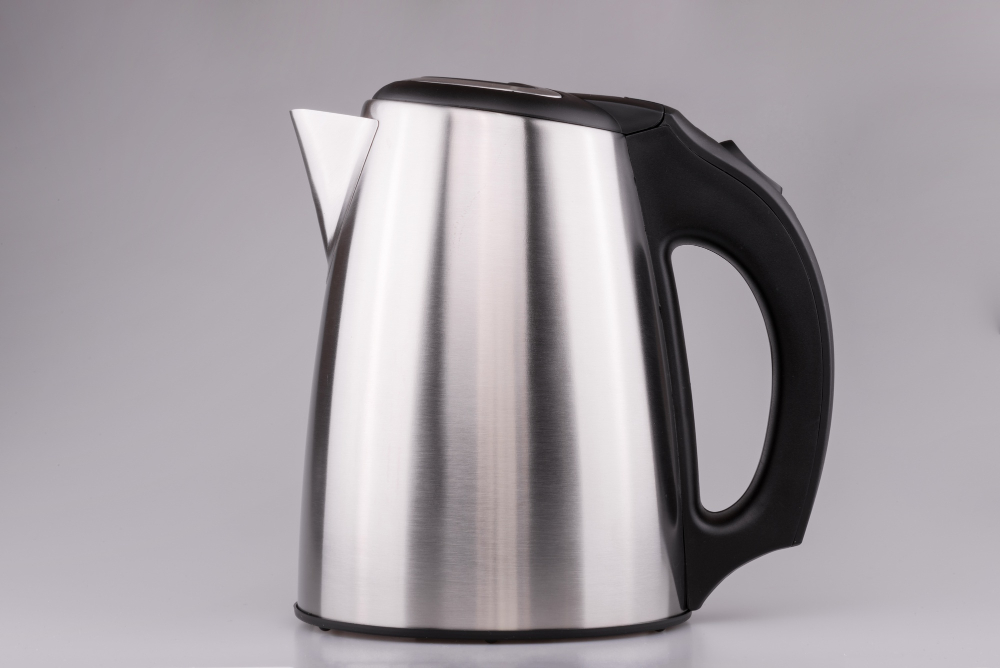
An element with nowhere else to send its heat, water that stirs itself, a roar made of collapsing bubbles that stops when the boil starts, a switch triggered by steam rather than temperature, and scale growing on the one part that must not be insulated.
The fourth and fifth items together explain a sound everybody knows and nobody questions. The roar is bubbles forming on the element and collapsing in the cooler water just above it – so when the whole kettle finally reaches temperature there is no cool water left to collapse into, the bubbles survive to the surface, and the kettle goes quiet at the exact moment it starts boiling.
Like our content? Follow us for more.
