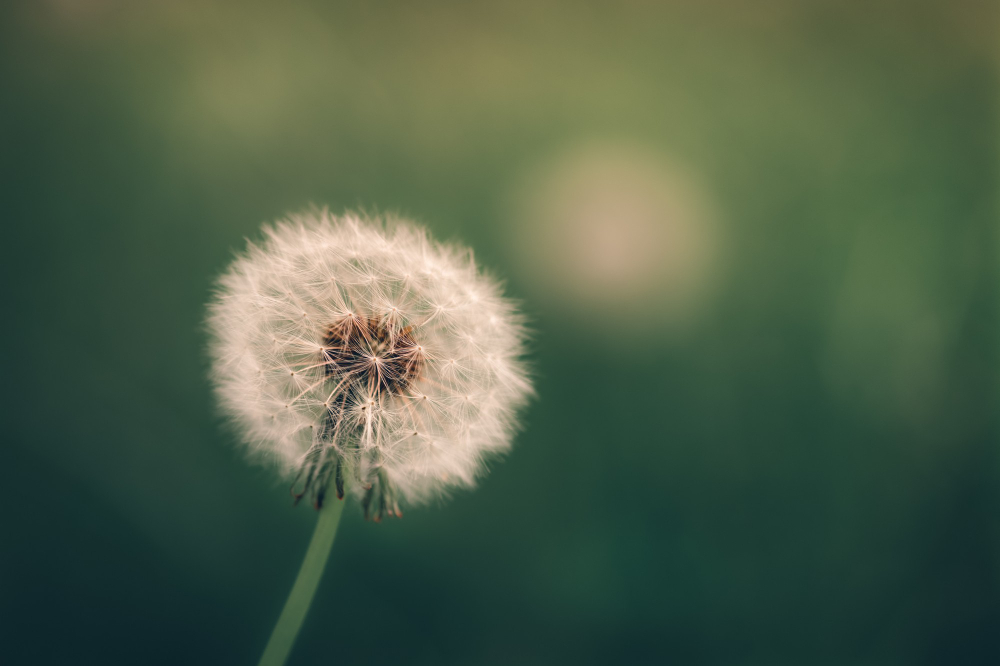
That one yellow flower is two hundred flowers, and most dandelions are clones. Here are ten.
1. One Flower Is Two Hundred Flowers
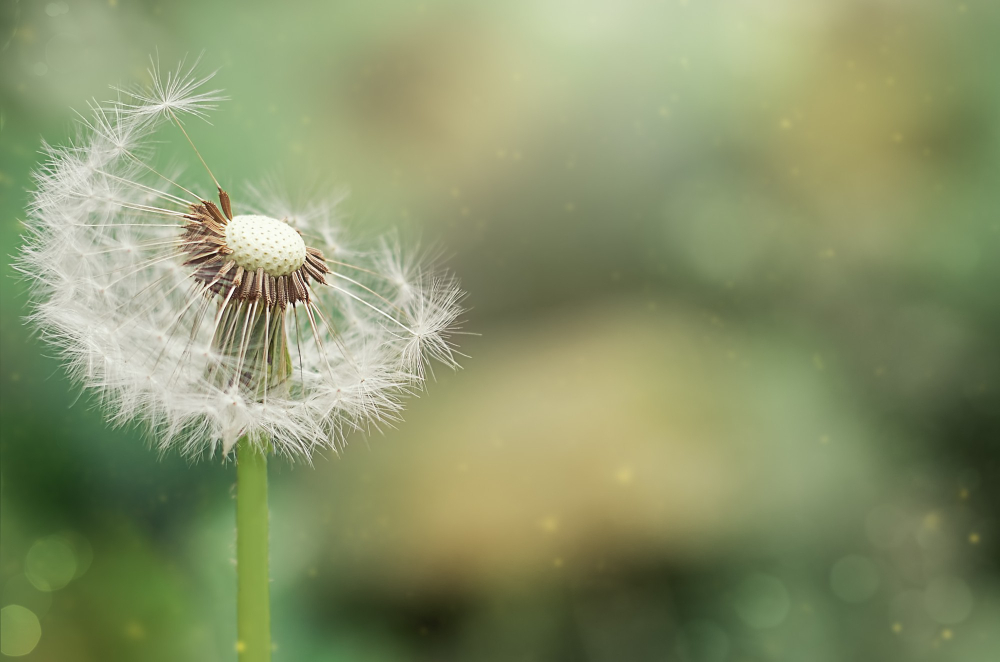
The yellow head is not a flower with many petals. It is a dense cluster of up to around two hundred individual flowers, each one complete, each with a single strap-shaped petal and its own reproductive parts.
This is the defining feature of the whole family it belongs to, which is one of the largest families of plants on earth, and it is why the yellow surface looks striped rather than petalled when you look closely.
Like our content? Follow us for more.
2. Which Is Why the Seed Head Is a Sphere
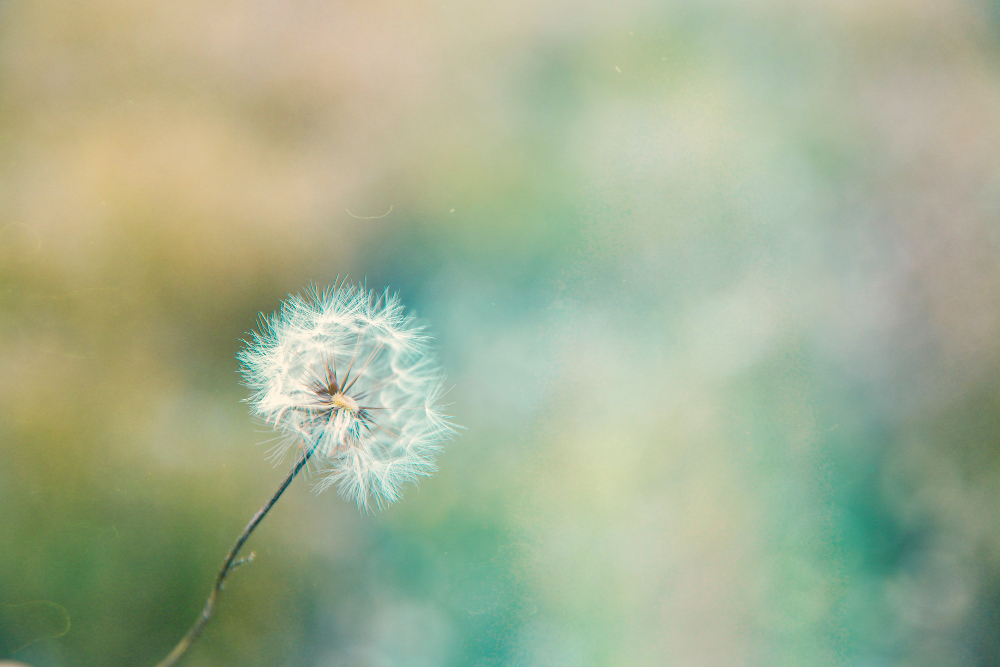
Each of those individual flowers produces exactly one seed, and each seed sits at the end of its own stalk radiating from the common base.
The resulting arrangement is close to geometrically perfect, because every stalk is the same length and they are packed at even angles. The famous sphere is not a structure the plant builds; it is simply what two hundred equal radii produce.
3. It Makes Seed Without Being Pollinated
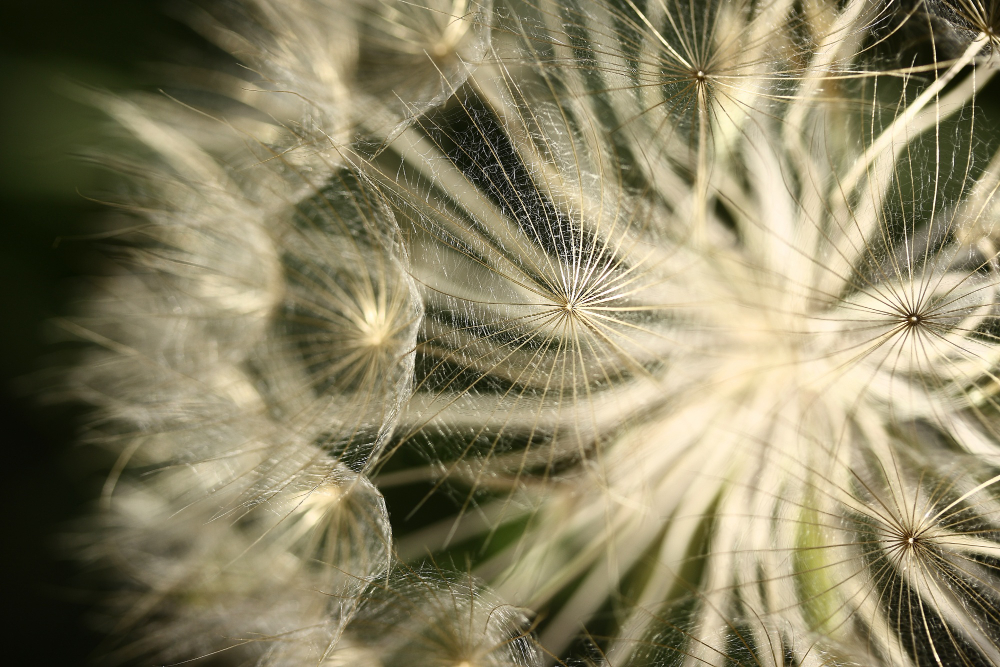
Most dandelions reproduce by a process that produces viable seed from the parent’s own tissue, with no pollen involved and no genetic contribution from anywhere else.
Which means the seed is not the product of two parents. It is a copy, and the plant does not require an insect, a neighbour or any particular weather to set a full head of them.
4. So Almost Every Dandelion Is a Clone
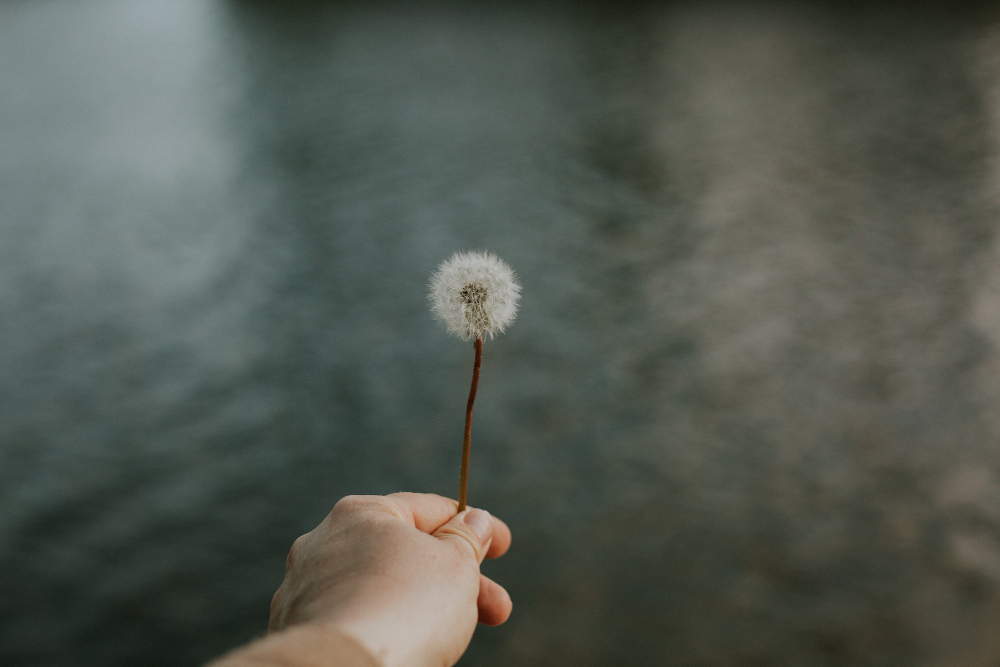
A single plant produces offspring genetically identical to itself, and those offspring do the same, so a lawn can hold thousands of plants representing a handful of distinct lineages.
It also means a successful lineage spreads without dilution. Whatever made the parent able to live in a particular place is passed on unchanged, which is a large part of why they are so good at thin soil, paving cracks and mown grass.
5. Which Makes the Species Almost Impossible to Define
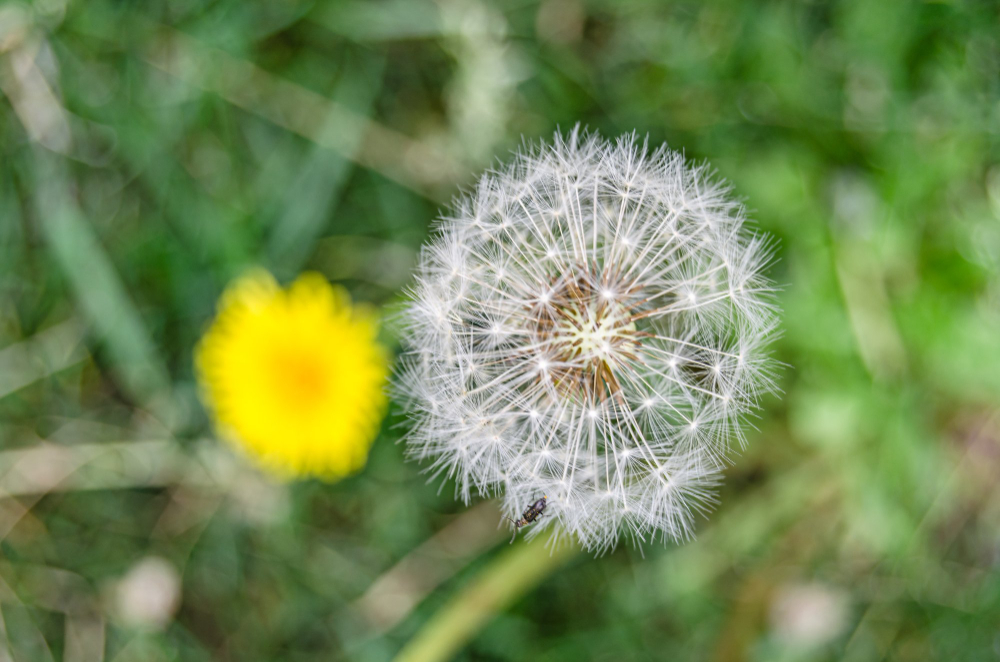
Because the lineages do not interbreed, each one accumulates its own small differences and persists as a distinct population, and botanists can distinguish hundreds of them.
The number of recognised microspecies runs into the hundreds, and whether they are species at all is a long-running and unresolved argument. The commonest plant in the country is also one of the hardest to name.
6. The Root Goes Deeper Than the Plant Is Tall

A single thick taproot drives straight down, frequently to a depth several times the height of the visible plant, with very little branching.
Which is why it survives drought that kills shallow-rooted neighbours, why it reappears in the same spot year after year, and why pulling the top off achieves nothing at all.
7. And It Regrows From a Piece of It
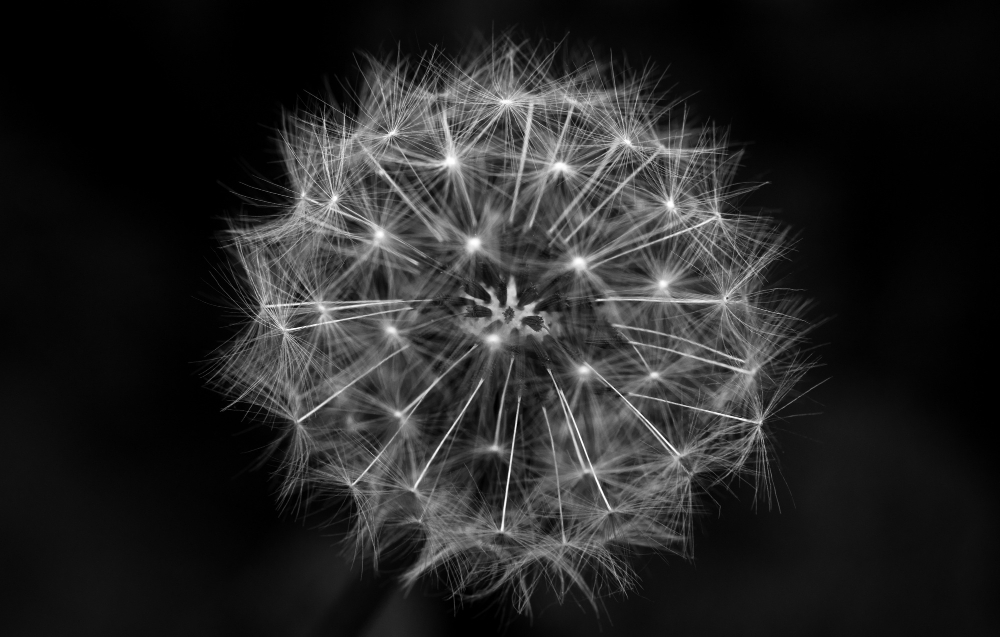
A taproot broken off below ground will generate new shoots from the remaining fragment, and a single root cut into several pieces can produce several plants.
So the plant’s response to being damaged is to multiply, which is an unusual and effective strategy and the reason it is regarded as it is by anybody maintaining a lawn.
8. The Stem Is Hollow and Full of Latex
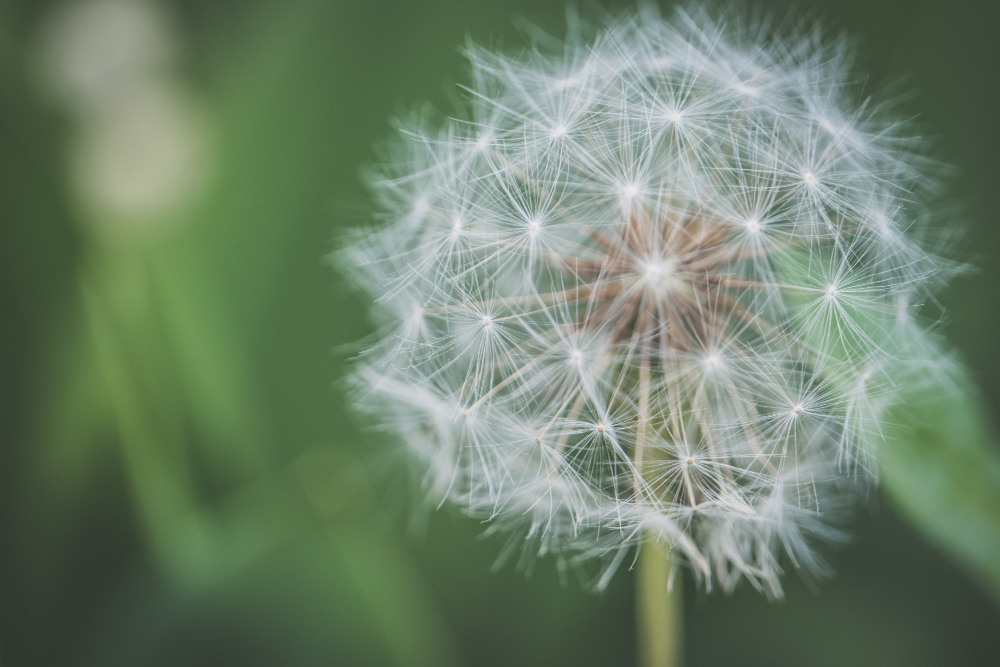
The flower stalk is a single hollow tube with no leaves on it, and breaking it releases a white sticky fluid that darkens and stains.
That latex contains bitter compounds, and the most likely explanation for it is deterrence: an animal that bites through a stem gets a mouthful of something unpleasant and sticky, and learns.
9. It Opens and Closes on a Schedule
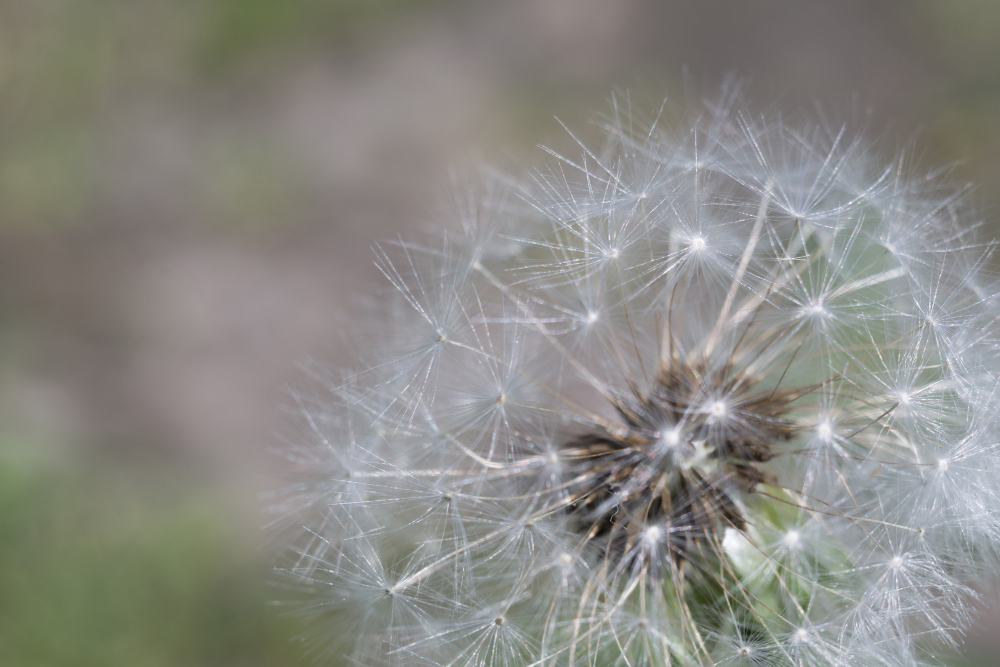
The head opens in the morning and closes in the late afternoon, and closes again in rain or heavy cloud, and does so by the base of each individual flower changing shape rather than by anything folding.
The seed head does the same thing. A sphere caught in rain closes back up into a tight bundle, which keeps the whole arrangement dry and intact until conditions improve, and reopens afterwards.
10. It Is One of the First Things Available Each Year
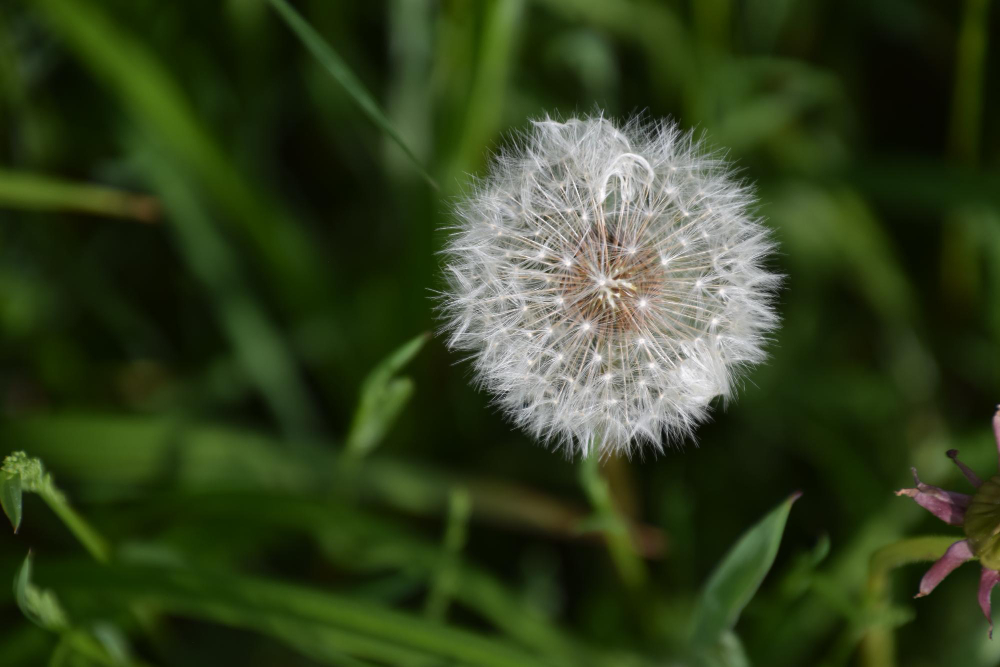
Dandelions flower very early, flower again later, and flower abundantly, at a point in the year when very little else is open.
Which makes them a significant early resource for a wide range of insects, and it is the single strongest argument anybody makes for leaving them alone. The plant everybody treats as a failure of maintenance is, for several weeks, one of the few things open for business.
Two Hundred Flowers and No Pollination Required
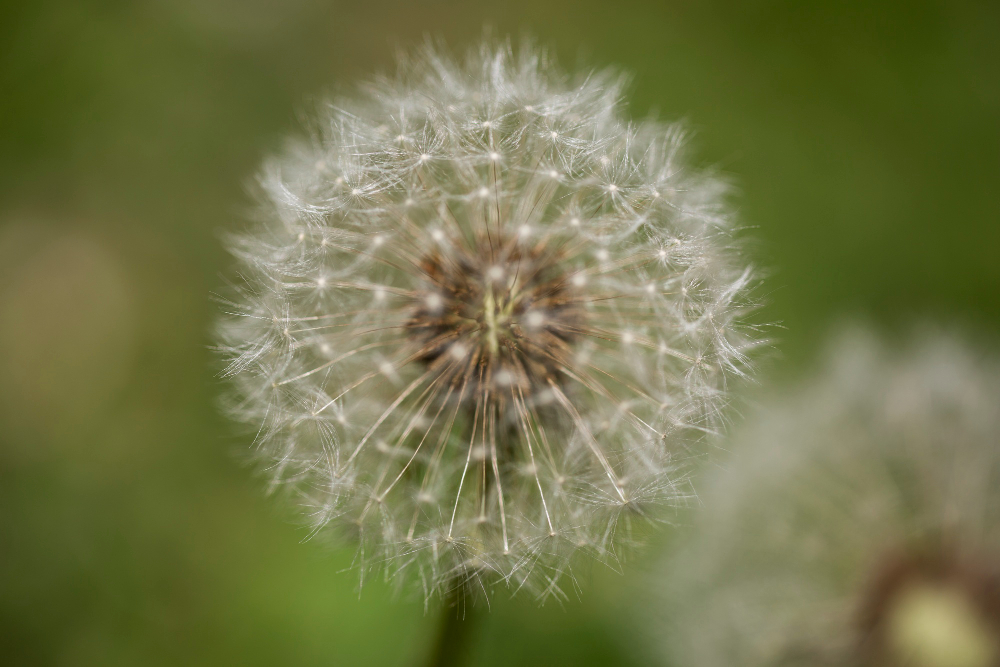
A composite head of up to two hundred complete flowers, a sphere produced by two hundred equal radii, seed set without pollen, lineages that never interbreed, and a taproot that multiplies when it is broken.
The third and fourth items together are the ones that reframe it. A dandelion sets a full head of viable seed without any pollination at all, so every one of those seeds is a copy of the parent – which means the thousands of plants in a field are not a population so much as a few hundred individuals repeated over and over again.
Like our content? Follow us for more.