1. It Begins in the Dark

The chorus is not a response to sunrise. The first singers start well before it – in some seasons more than an hour before – when it is properly dark and there is no sign of the sun at all.
Which rules out a great deal immediately. Whatever the birds are doing, they are not reacting to light arriving, because the earliest of them begin when there is none. They are anticipating it.
2. The Order Is Reliable Enough to Tell the Time By
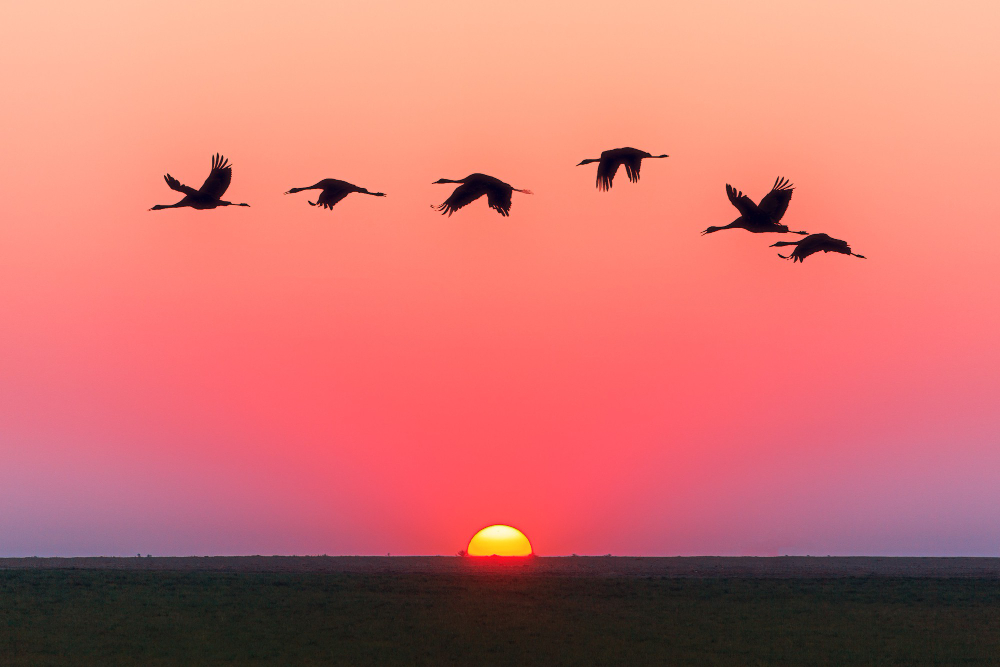
The species do not all start together. They come in sequence, one after another, and the sequence is remarkably consistent – the same species first, the same ones in the middle, the same ones last, morning after morning and year after year.
People who know the local birds can estimate how far before sunrise it is purely from which voices are present, to within a reasonable margin. The chorus is less like a crowd and more like an orchestra coming in by section.
3. And the Order Tracks the Size of Their Eyes
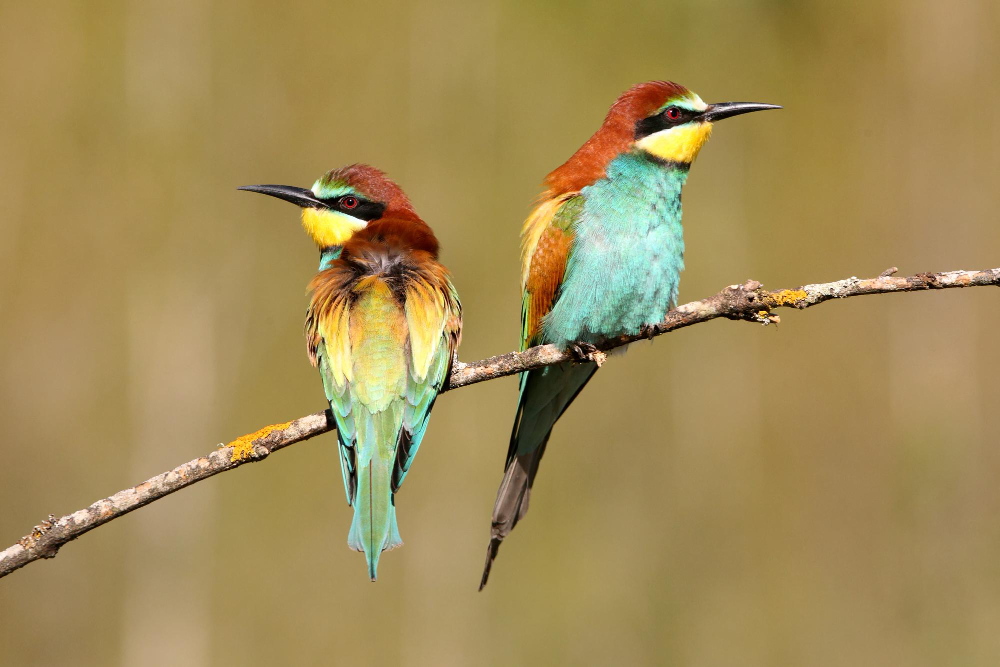
This is the finding that makes the sequence intelligible, and it is a very satisfying one. Measure the eye size of each species relative to its body, then rank them. The ranking predicts the order they start singing in.
Big-eyed species begin earliest, small-eyed species last. A larger eye gathers more light, so it reaches a usable image at a lower light level, and each species appears to start when it can see well enough to be reasonably safe doing so. The chorus is a light meter, read out in sequence.
4. Nobody Has Settled Why It Is Dawn at All

Here is the awkward part. It is obvious that birds sing, and reasonably obvious what the song is for. It is not at all obvious why so much of it is packed into the single least convenient part of the day.
Dawn is cold, it is the time of greatest hunger after a night without food, and it is too dark to do anything else. A bird singing then is spending energy it has not yet replaced. There are five main explanations in circulation, each with evidence behind it, and the honest position is that several are probably true at once.
5. Explanation One: It Is Time That Cannot Be Spent Feeding Anyway
The cheapest explanation is that dawn song is scheduled into a slot that is useless for anything else. Finding food requires seeing it, and in near-darkness the hunting is poor.
On this account the bird is not sacrificing feeding time to sing; it is using the one part of the day in which feeding is inefficient. The prediction is that the chorus should shrink as food becomes harder to get, and in general it does – hungry birds sing less at dawn and get on with eating sooner.
6. Explanation Two: Sound Travels Much Further at That Hour
The early morning is the stillest part of the day, and the established position is that song broadcast then reaches considerably further than the same song at noon.
Which would be reason enough on its own: the same effort, several times the audience. This is the most widely repeated explanation and it is well supported, though it is not sufficient by itself, because it does not explain why some species exploit the window and others barely bother.
7. Explanation Three: It Proves You Survived the Night
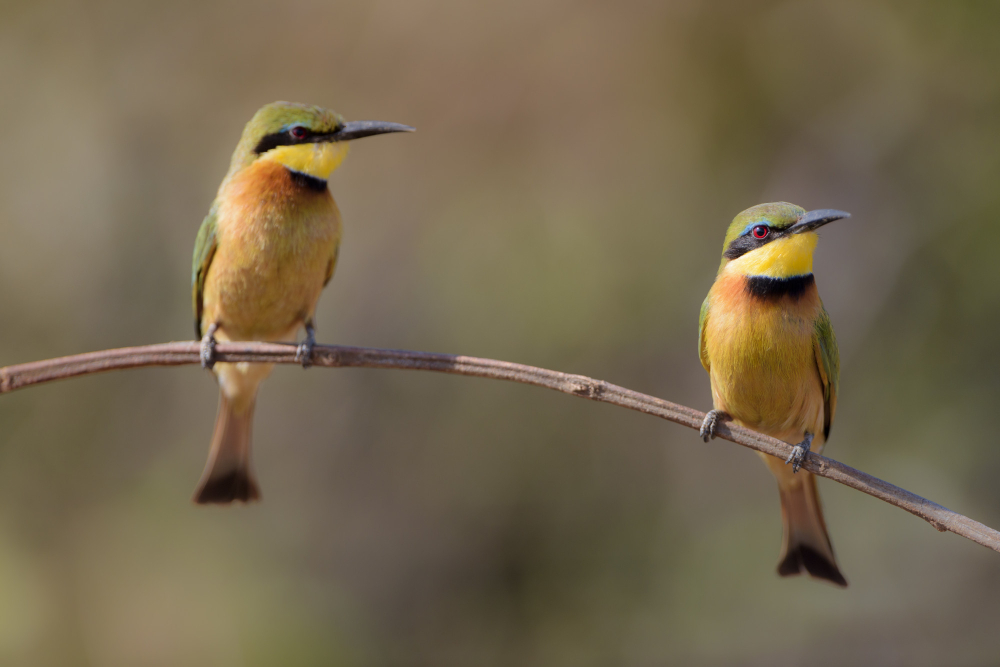
Night is when small birds die – of cold, of hunger, of predation while roosting. Singing loudly at first light is a public announcement that you are still there, and that you came through in good enough condition to make a lot of noise on an empty stomach.
That makes it what the literature calls an honest signal: it is expensive, so it cannot easily be faked. A bird in poor condition cannot produce a strong dawn performance, which is precisely what makes a strong one worth listening to.
8. Explanation Four: The Vacancies Appeared Overnight
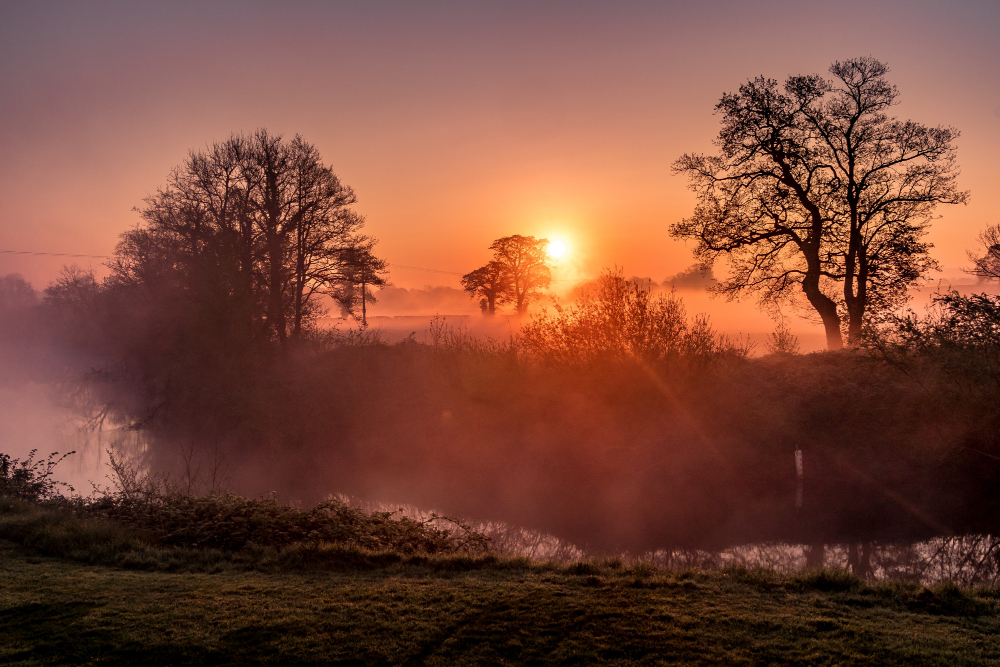
Those overnight deaths leave gaps. A territory whose holder did not survive is suddenly available, and the birds without territories are looking for exactly that.
So dawn is when the map is redrawn, and the singing is both a claim and a survey. A holder sings to say the place is still occupied; a floater listens for the silence that means it is not. On this account the chorus is an auction held at opening time.
9. Explanation Five: It Is Timed to When Females Are Fertile
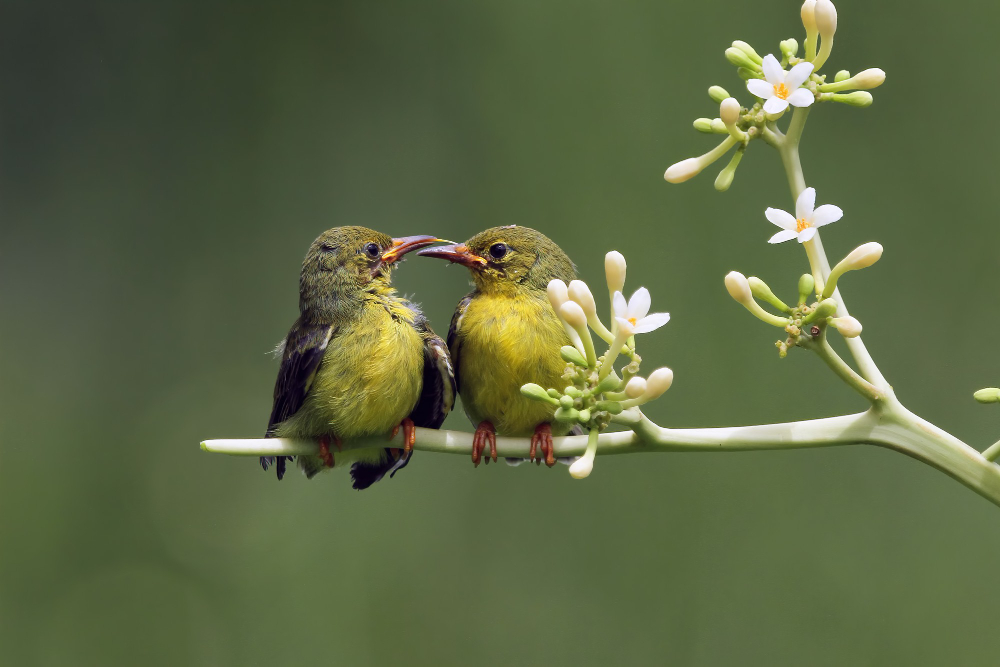
In several species the female is most fertile in the early morning, which gives dawn song a much more specific target than general advertisement.
The supporting evidence is that dawn singing in those species rises and falls with the female’s fertile period rather than simply with the season, which is hard to explain by acoustics or by hunger and is quite easy to explain by this.
10. Most of It Is Males, Saying Two Things at Once
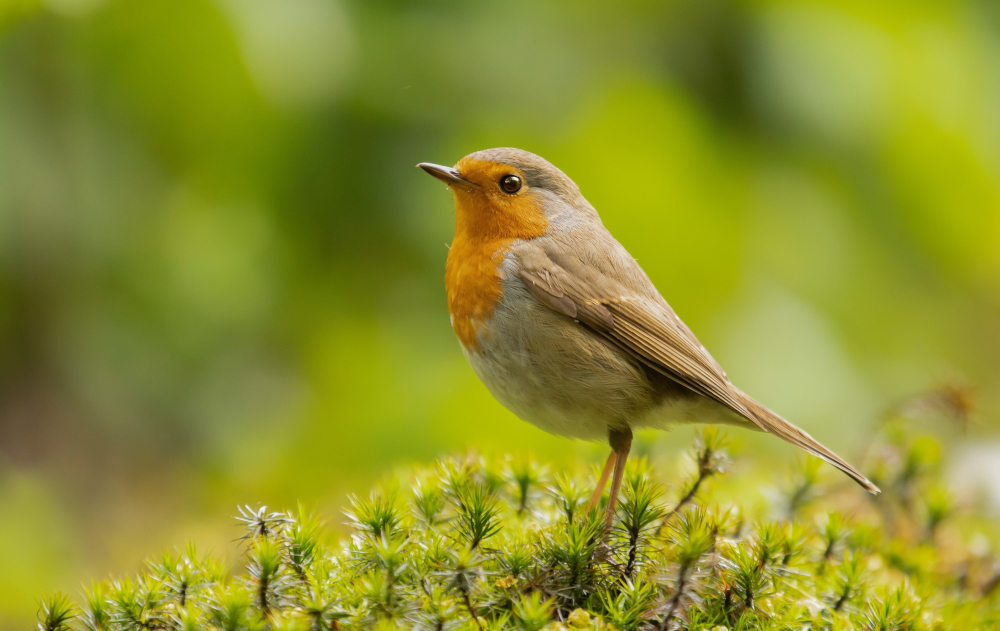
The great majority of the loud, structured, repeated song in a dawn chorus comes from males, and it is doing two jobs simultaneously with the same broadcast.
Outward, it tells other males that the ground is taken. Inward, it tells females what sort of bird is holding it. The same performance has to work as a threat and as an advertisement, which is a considerable design constraint and goes a long way to explaining why song is as elaborate as it is.
11. The Whole Thing Is Over Quickly
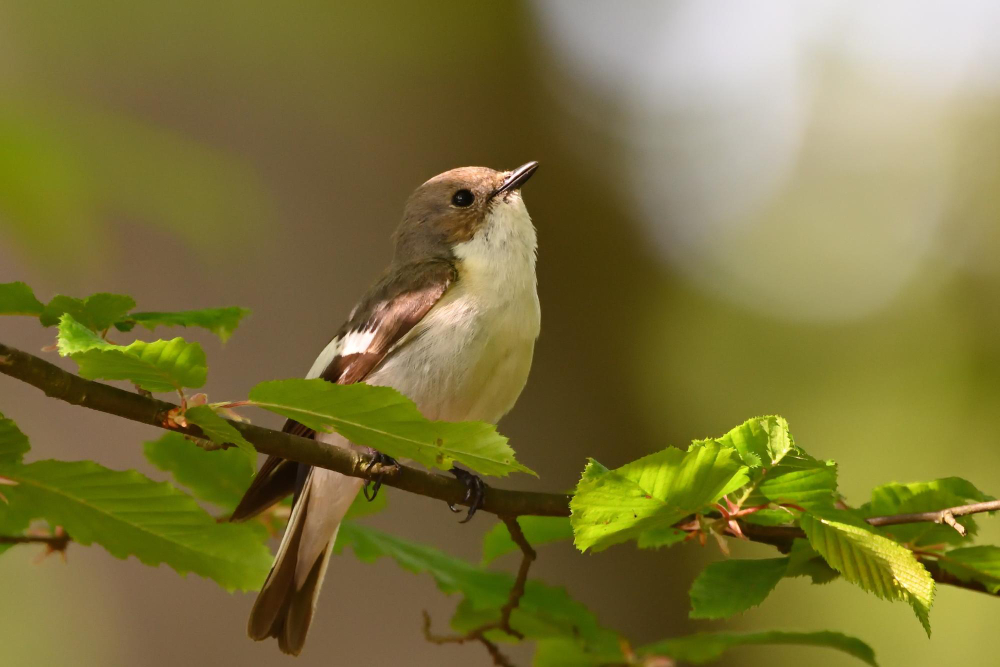
It is not a morning-long event. The chorus builds, peaks and collapses, and the intense part is frequently finished within an hour or two of starting.
After that the birds disperse to feed and the soundscape drops to a fraction of its peak. Anybody who has gone out to listen half an hour too late has found a quiet wood and concluded there was nothing happening, when the entire event had already been and gone.
12. It Peaks in Spring and Then Stops Almost Overnight

The seasonal shape is steep. It builds through late winter and early spring, reaches a peak, and then – once the territories are settled and the breeding is under way – falls away sharply.
The drop surprises people every year. A wood that was deafening in May can be close to silent in July, and nothing has gone wrong: the song had a job, the job is finished, and continuing to broadcast would be a cost with no return.
13. A Great Deal of the Song Is Learned, Not Inherited
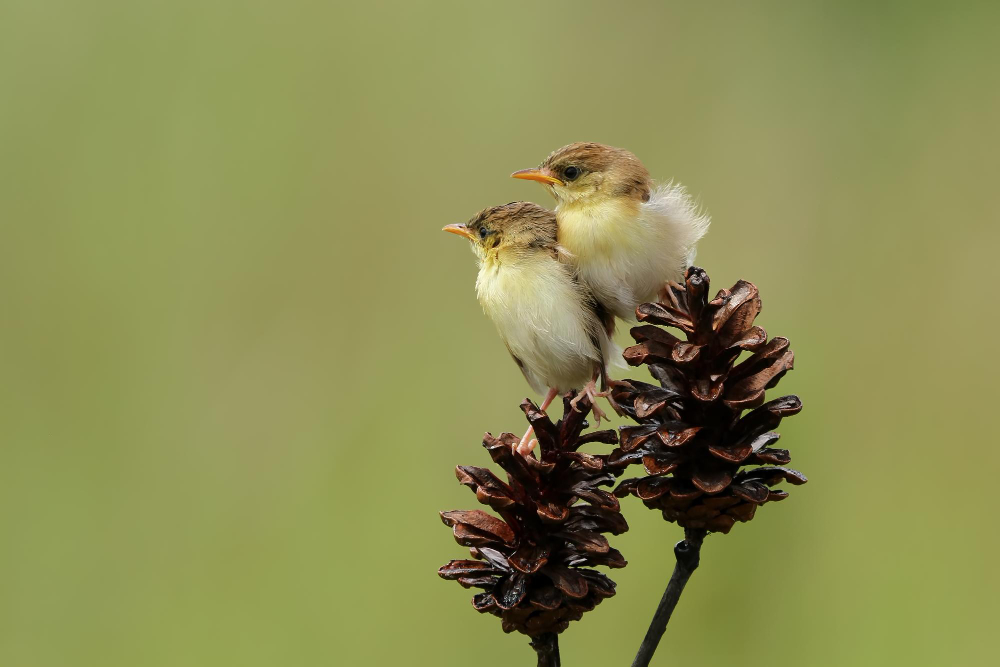
The assumption is that a bird hatches knowing its song. For many of the species in a dawn chorus, that is not the case. They hatch with a rough template and learn the actual performance by listening to adults during a limited window early in life.
A young bird raised without hearing adults of its own kind produces something recognisable but wrong – the broad shape is there and the detail is not. The song is transmitted culturally, from one generation to the next, by ear.
14. Which Is Why Birds Have Regional Accents
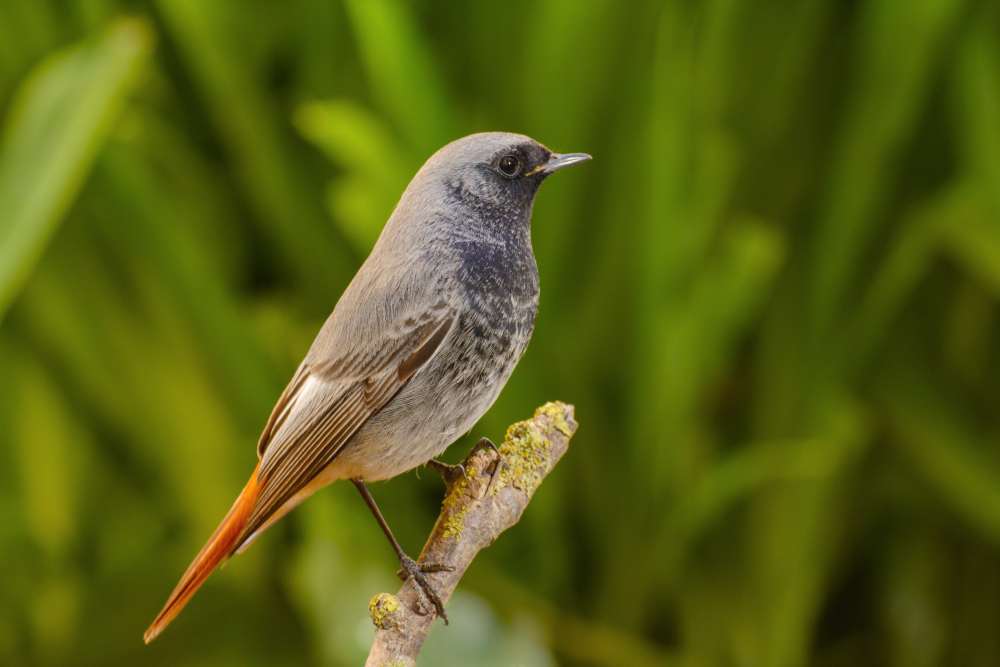
Learned song drifts. Small variations get copied, copied variations accumulate, and populations separated by distance end up singing measurably different versions of the same species’ song.
These are dialects in a reasonably strict sense: consistent within an area, different between areas, and transmitted by learning rather than inheritance. Somebody with a good ear can place a bird geographically, and in some species the boundaries between dialects are surprisingly sharp.
15. City Birds Sing Higher, and the Reason Is Traffic
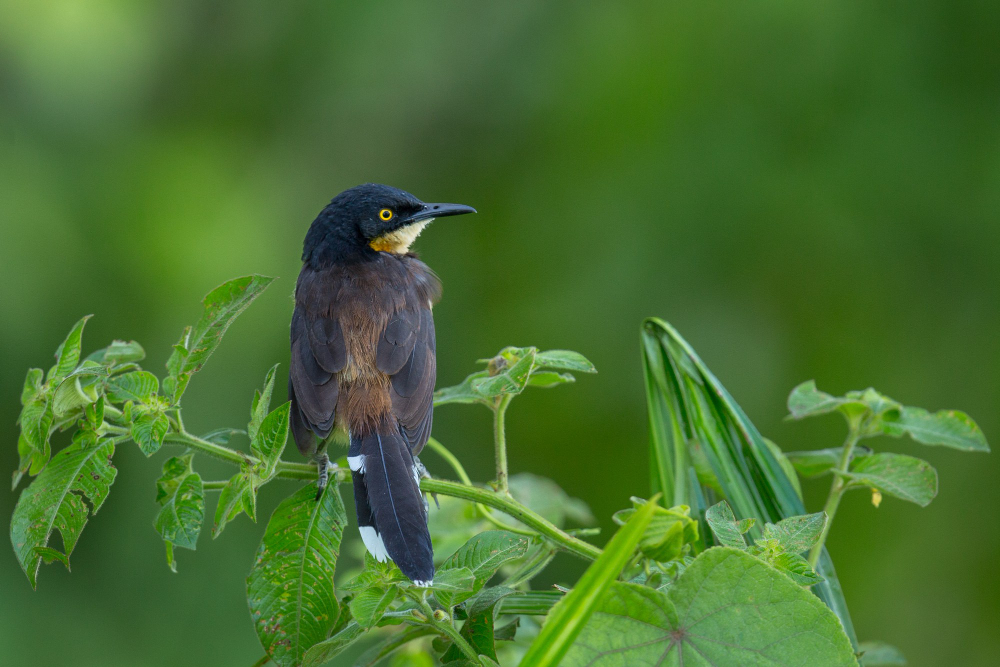
Urban populations of several species sing at a measurably higher pitch than rural populations of the same species. It is consistent, it has been documented repeatedly, and the explanation is competition for acoustic space.
Traffic and machinery produce a great deal of low-frequency noise, which masks the lower part of a bird’s song. Raising the pitch lifts the song clear of the interference. It is not a small adjustment made by individuals in the moment – the urban populations differ, which means the environment has shifted what the local song is.
16. Artificial Light Moves the Whole Schedule
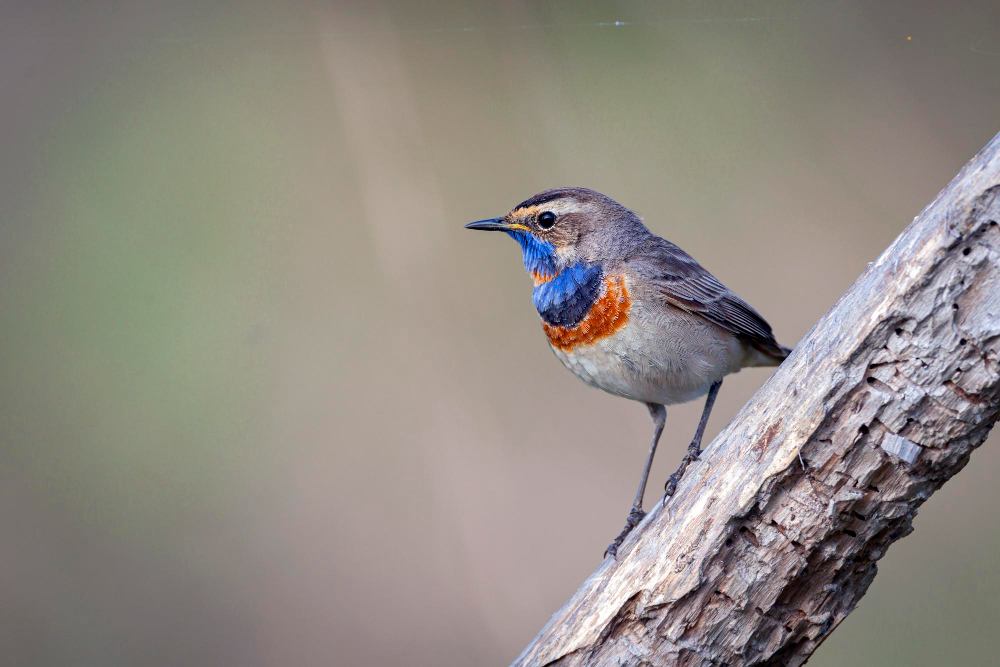
Given that the start time is governed by light, it follows that putting light where there was none moves the start time, and it does. Birds in lit areas begin singing earlier – in some cases dramatically earlier.
In the most extreme cases the chorus has been pulled so far forward that it has detached from dawn altogether, and a bird singing loudly in the middle of the night is frequently reported as something strange or ominous when it is a bird doing exactly what the third item predicts, on a light level that has lied to it.
An Orchestra That Comes In by Eye Size
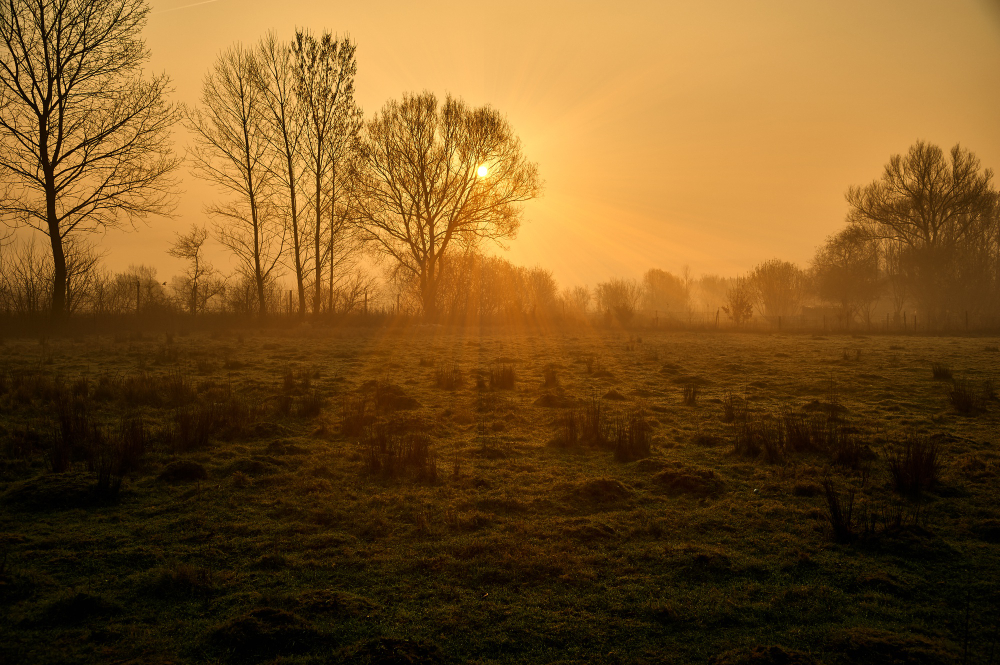
Starting in full darkness, in an order predicted by how much light each species needs, for at least five different reasons at once – spare time, better acoustics, proof of survival, overnight vacancies and a narrow fertile window – and all of it over within a couple of hours.
The third item is the one worth taking outside. The order the species arrive in is not tradition or temperament – it is optics. Rank the local birds by eye size relative to body size and you have the running order, because a bigger eye reaches a usable image at a lower light level and each species waits until it can see well enough to risk being conspicuous. The chorus is a light meter being read aloud.