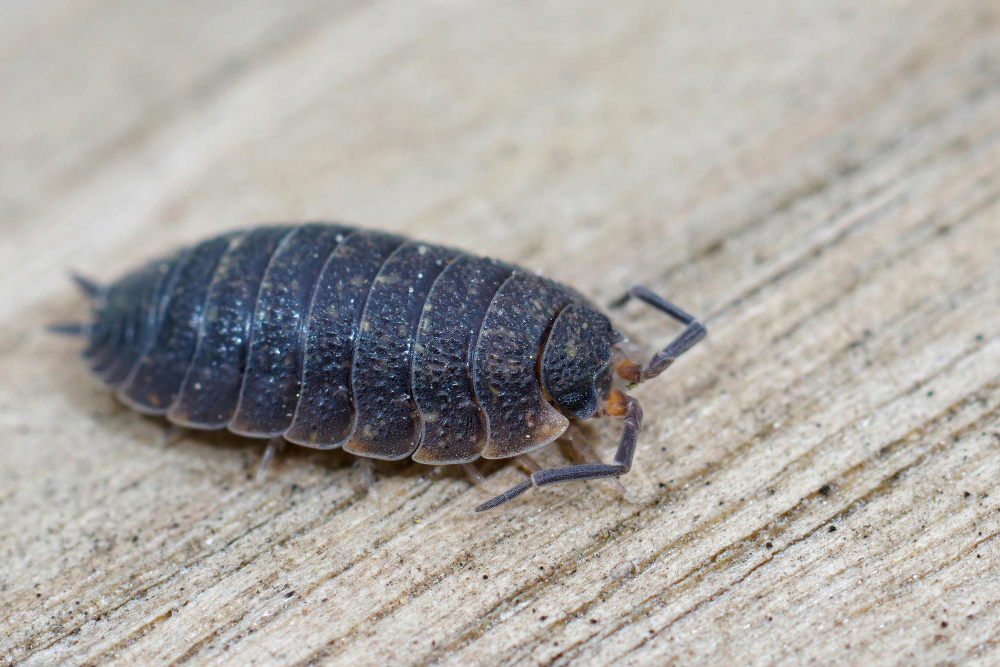
A crustacean with gills that drinks through its back end and moults in halves. Here are twelve.
1. It Is Not an Insect
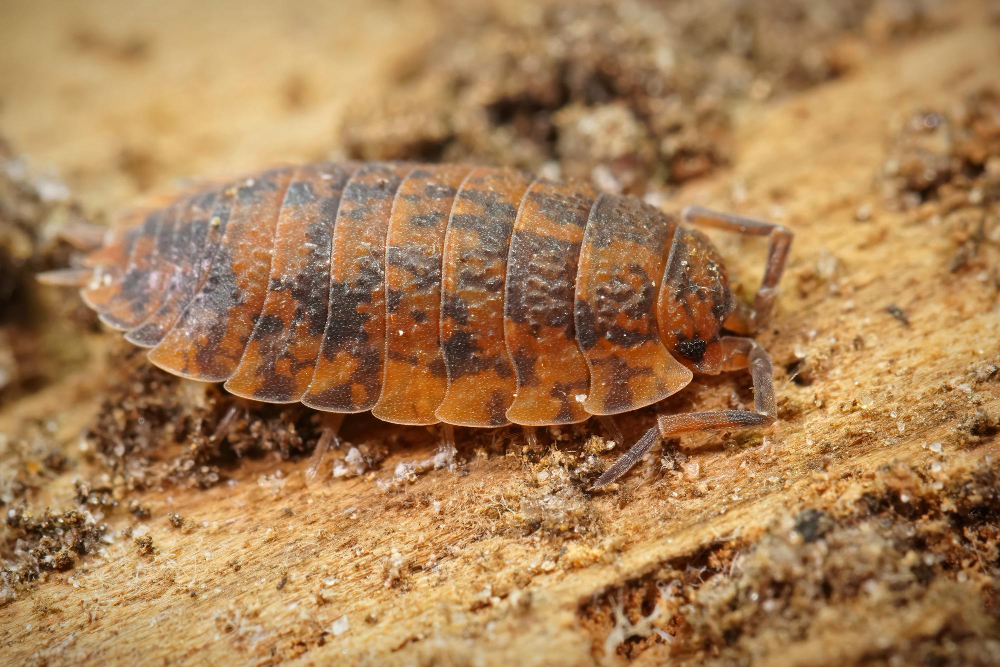
Almost everybody files it with the beetles and the earwigs, and it does not belong there. It is a crustacean – the same broad group as crabs, lobsters, shrimps and the things in rock pools.
Which is not a technicality. Insects have six legs, three body sections and a pair of antennae; this has fourteen legs, a segmented armoured back and two pairs of antennae, one of which is tiny. It is a sea creature’s close relative living under a plant pot, and almost everything odd about it follows from that.
Like our content? Follow us for more.
2. Which Means It Has Gills
The underside carries a set of flattened plate-like limbs that are not used for walking. They are respiratory structures derived from the swimming limbs of its marine relatives, and they work by gas exchange across a wet surface.
They have to stay wet to function. In the most terrestrial species they are partly modified into internal air passages, which is a real step toward breathing air, but even those retain the requirement for moisture. The animal is breathing with equipment designed for water, in the air, and getting away with it only just.
3. And No Waterproofing Whatsoever
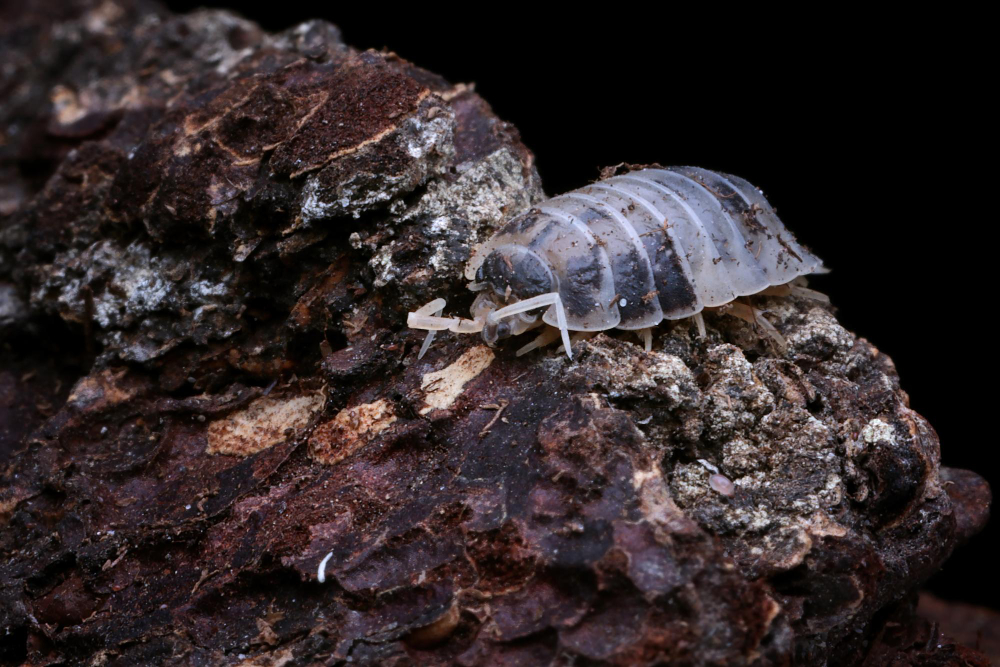
An insect’s outer shell carries a thin waxy layer that seals water in. It is one of the main reasons insects conquered dry land so comprehensively. The woodlouse does not have it.
So water leaves it continuously, through the whole surface, at a rate that would kill it within hours in open air on a warm day. It has the armour of a land animal and the permeability of an aquatic one, which is a combination that only works somewhere permanently damp.
4. So It Has to Live Underneath Something
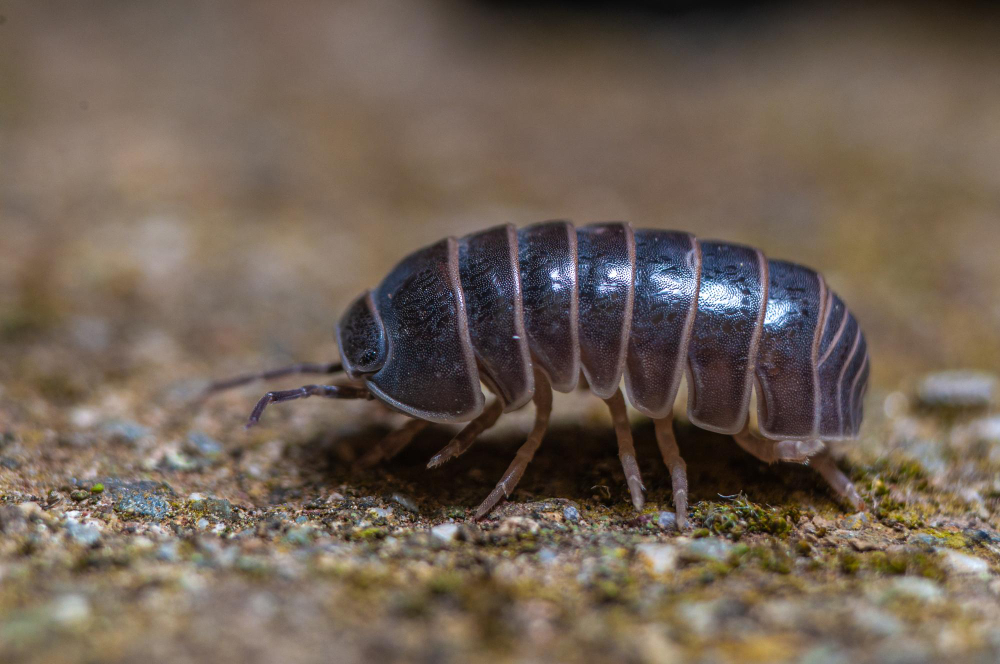
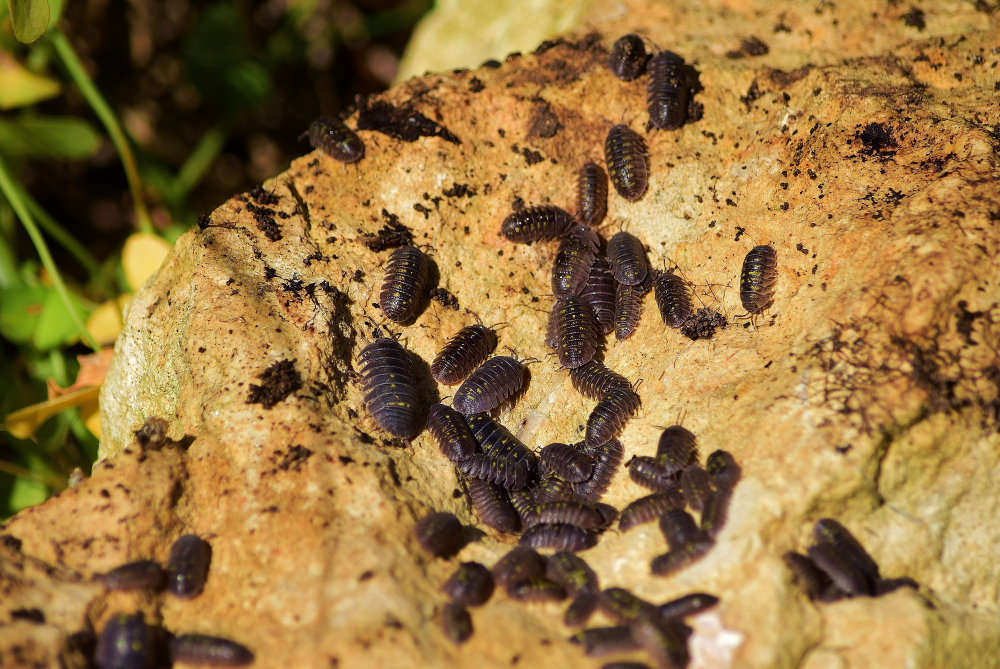
This explains the entire life. It is found under logs, stones, bark, pots, paving slabs, leaf litter and the rims of things, and never in the open in daylight.
The behaviour is not shyness. It is an active search for high humidity, and the animal is extremely good at it: put woodlice in a chamber with a damp end and a dry end and they will aggregate at the damp end within minutes, by moving faster in the dry air and slowing down in the wet. It finds the right place by being restless in the wrong one.
5. Fourteen Legs, in Seven Identical Pairs
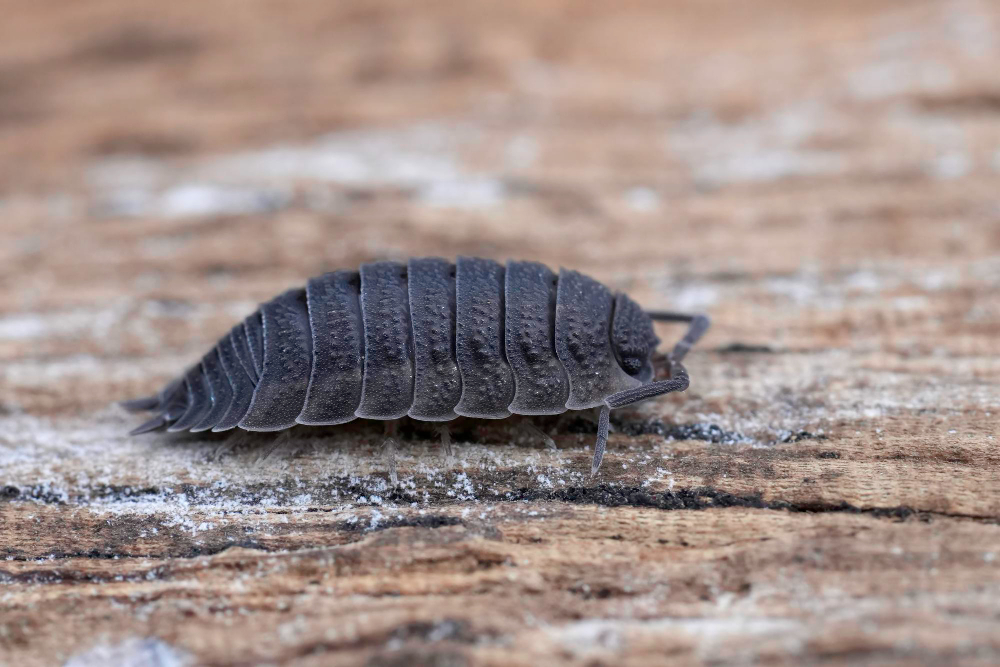
Count them sometime. There are seven pairs, all broadly the same, on seven broadly similar body segments, with nothing specialised for grabbing, digging or swimming.
This repetition is the ancient arrangement – a row of near-identical segments each carrying a near-identical pair of limbs – and it is why the animal looks like something from a much earlier period. It has not concentrated its functions into a few specialised appendages the way an insect or a crab has.
6. It Drinks Through Its Back End
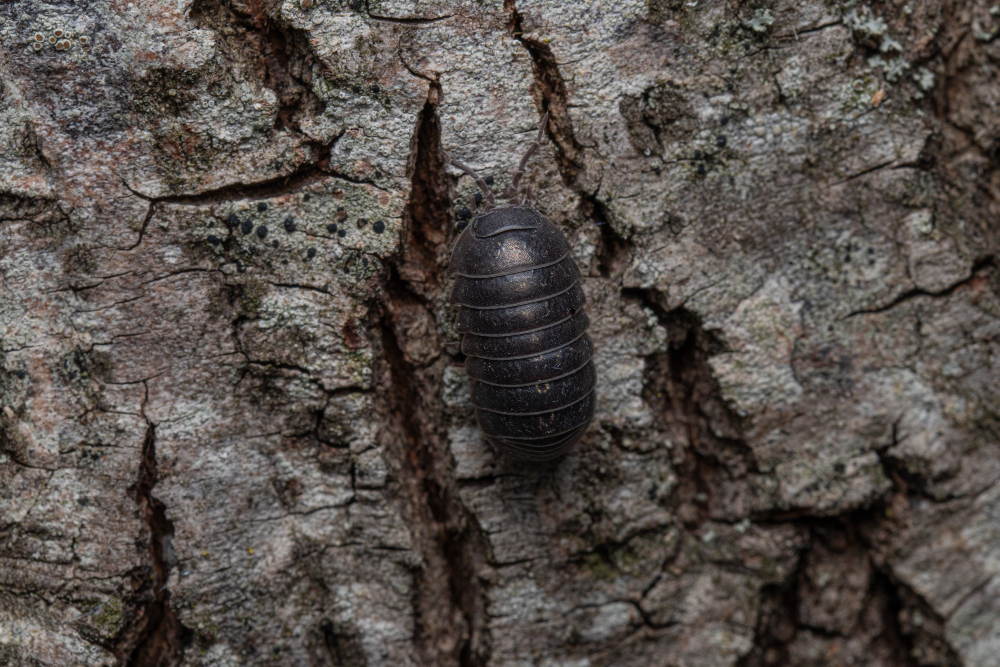
This is the one that stops conversations. At the rear of the body are two small projections which are held together to form a fine channel, and water drawn into that channel travels forward along the underside by capillary action to the gill plates.
So water is taken on board at the tail and conducted to the breathing apparatus without going near the mouth. It can also drink conventionally, and it can absorb water from the surface it is sitting on. But the back-end route is real, it is the principal supply to the gills, and it is the arrangement a sea creature improvises when it has to stay wet out of water.
7. It Breathes Out Through Its Shell, as a Gas
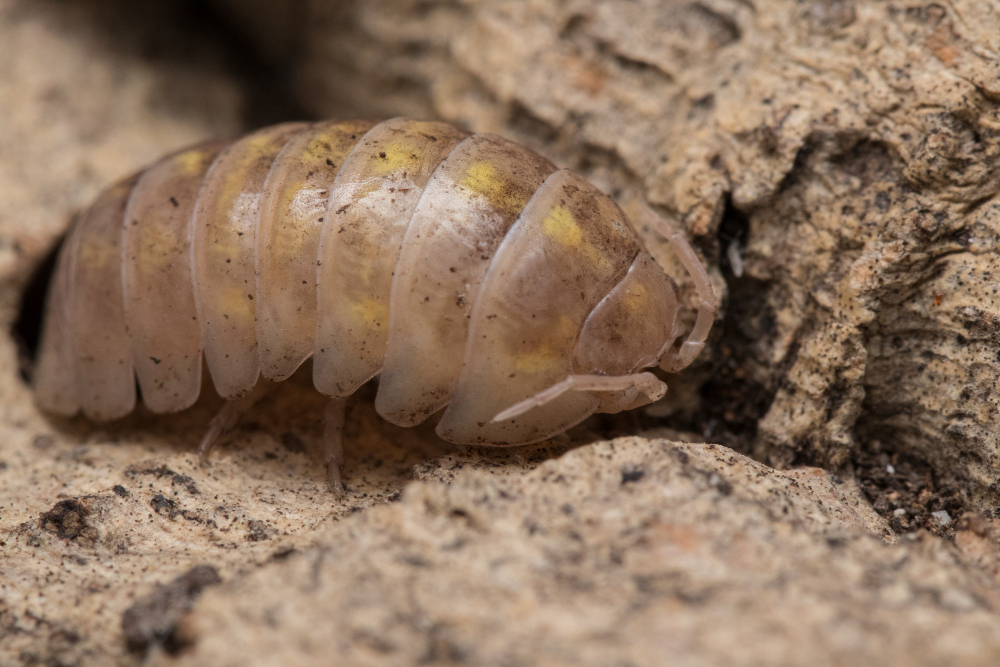
Almost every land animal converts its nitrogen waste into something safe and dissolves it in water to get rid of it, which costs water. The woodlouse does not bother.
It releases ammonia directly as a gas, straight out through the surface of its body, in periodic bursts. This is extremely unusual among land animals and it is a water-saving measure: no fluid is spent on excretion at all. It is also why a handful of woodlice has a faint sharp smell, and why a large colony under a damp log smells quite distinctly of something.
8. It Moults in Two Halves, Days Apart
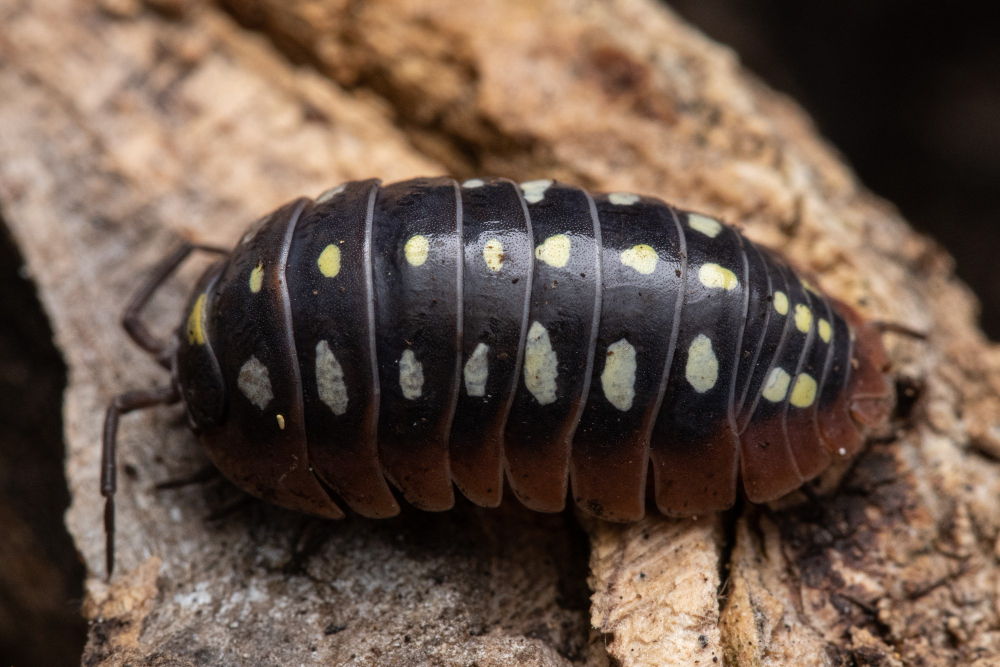
A hard-shelled animal that grows has to shed its shell, and most of them do it in one go, emerging entirely soft and entirely vulnerable. The woodlouse splits the job.
The back half comes off first. Then, typically one to three days later, the front half follows. Which means a moulting woodlouse is frequently two visibly different colours at once – one end pale and new, the other end dark and old – and is never completely unarmoured at any point. It is the sensible way to do it and remarkably few animals have arrived at it.
9. The Young Are Carried in a Pouch Underneath
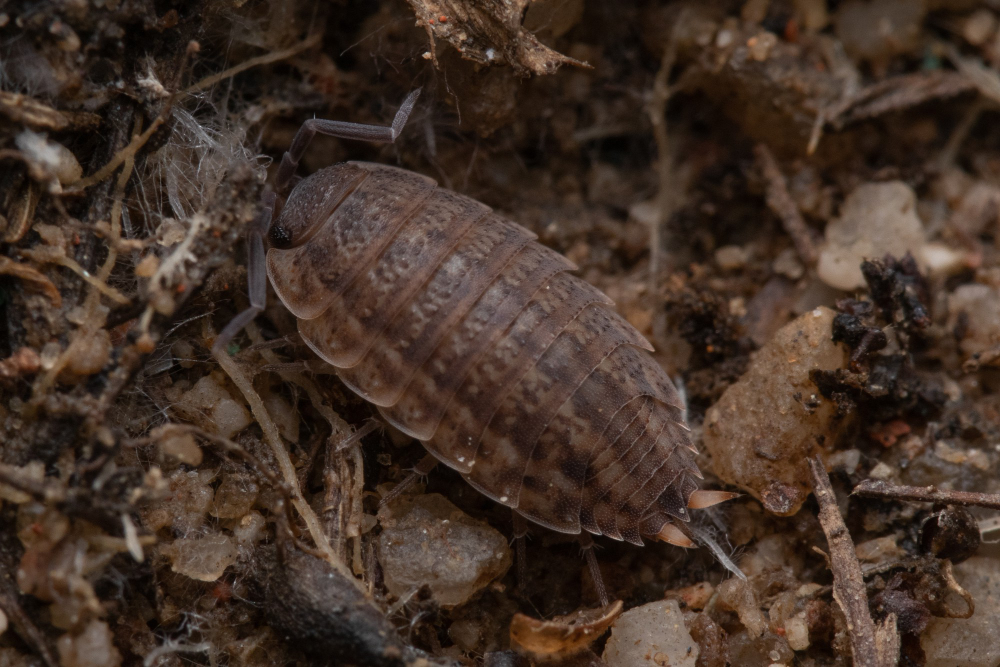
The female carries her eggs in a fluid-filled chamber on her own underside, formed by overlapping plates that grow across to enclose it. The eggs develop inside it, in liquid, surrounded by her body.
It is effectively a portable rock pool. The young crustacean’s development requires water, the animal lives on land, and the solution is to carry the water around. A female with a brood looks swollen and pale underneath and is carrying what may be dozens of them.
10. And They Emerge as Miniature Versions, Not Larvae
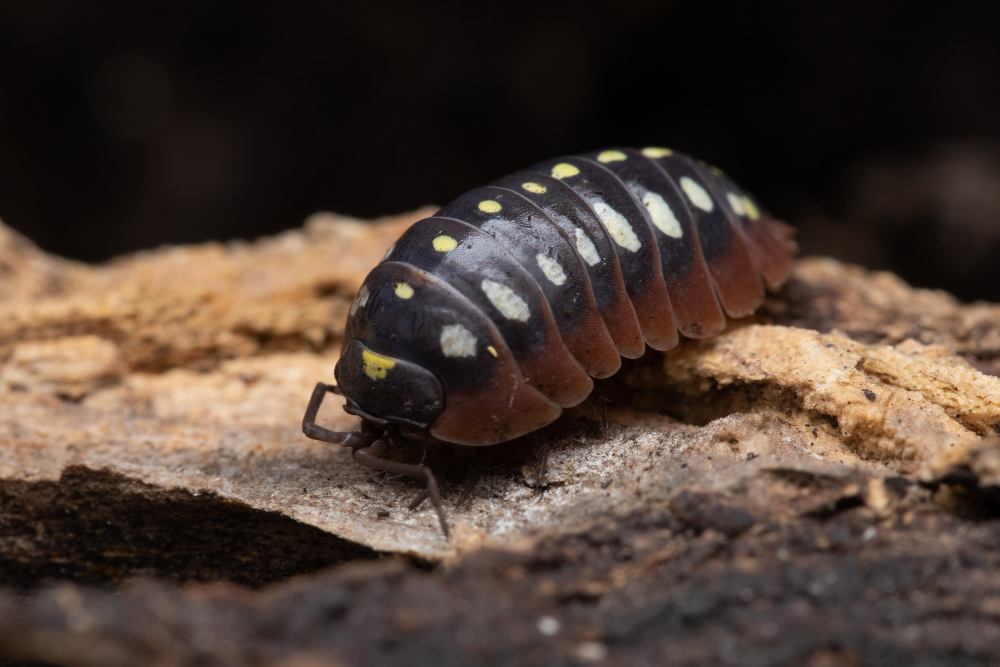
Nothing hatches into a swimming larval stage and nothing undergoes a transformation. What leaves the pouch is a tiny, white, fully formed woodlouse that walks away and does the same things its mother does.
The only difference is that it is short of the last pair of legs, which arrive at the next moult. Compare that with the enormous reorganisations that insects and amphibians go through and it is a strikingly direct way of doing it: small and complete, straight out of the pouch, with nothing left to become.
11. It Eats Its Own Droppings, on Purpose
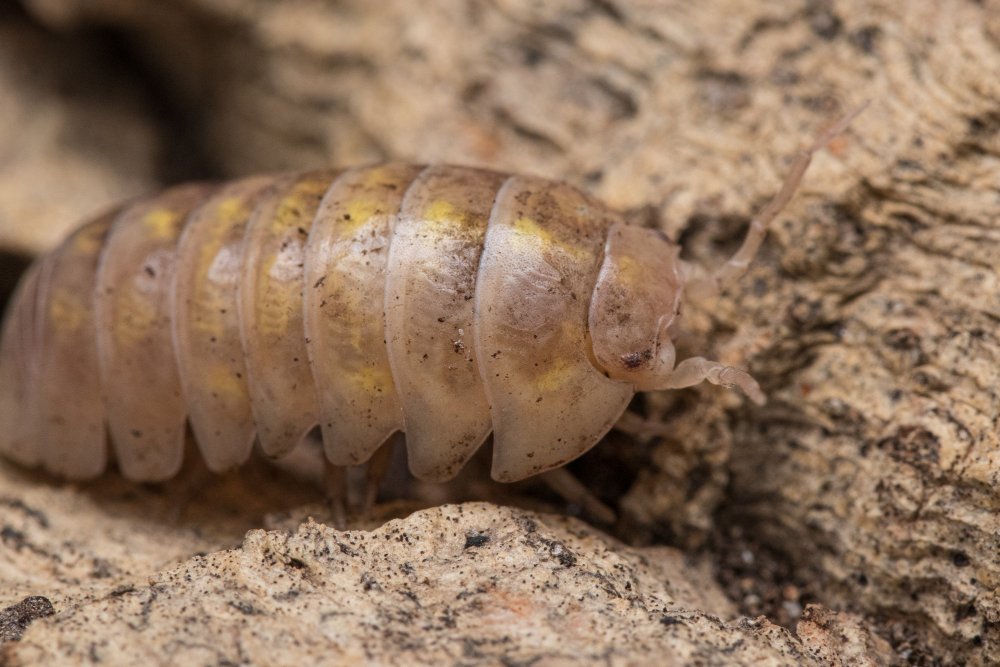
It feeds on dead plant material, rotting wood and leaf litter, which is poor food that takes a great deal of processing. It then eats its own droppings, and this is not a mistake or a scarcity measure.
Two things are recovered on the second pass. The first is copper, which it needs in unusual quantities because its blood pigment is copper-based rather than iron-based, and which is scarce in dead leaves. The second is its own gut microbes, which are lost at every moult and have to be re-established. The droppings are a supplement and a starter culture.
12. Only Some of Them Can Roll Into a Ball
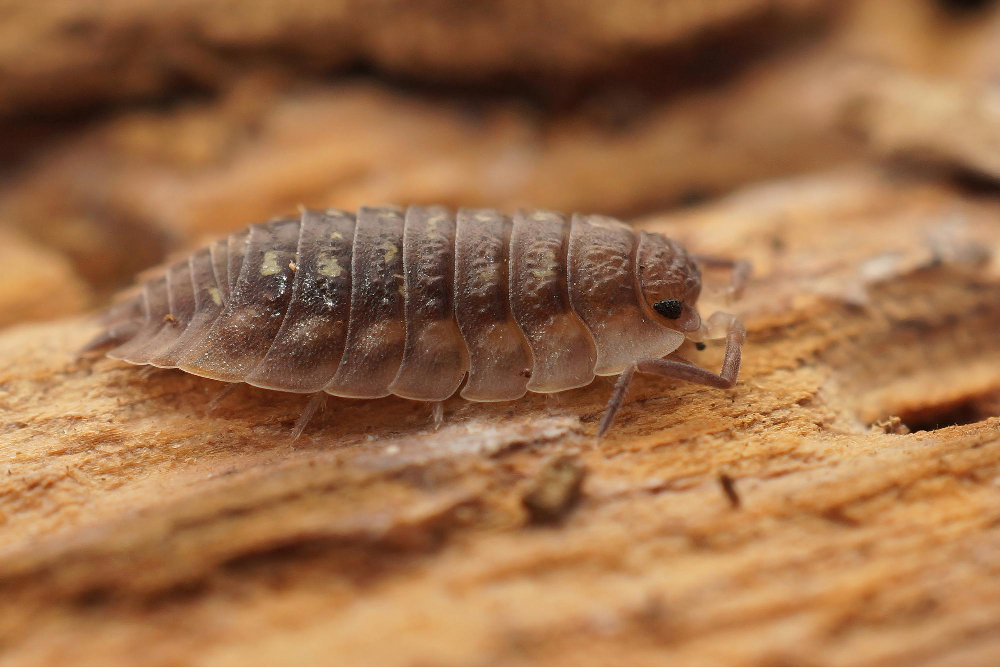
The ball-rolling trick is the famous one, and most species cannot do it. The great majority can only flatten themselves against a surface and tuck their legs in, which looks half-hearted because it is.
Proper enclosure into a sealed sphere, with the armour meeting all the way round and nothing exposed, requires a specific body shape and specific overlapping plates, and it is confined to one group. To complicate things, some millipedes roll into balls too and are routinely mistaken for the woodlouse version. If the ball is perfectly closed and very smooth, it is worth a second look at how many legs came in with it.
A Sea Creature Living Under a Flowerpot
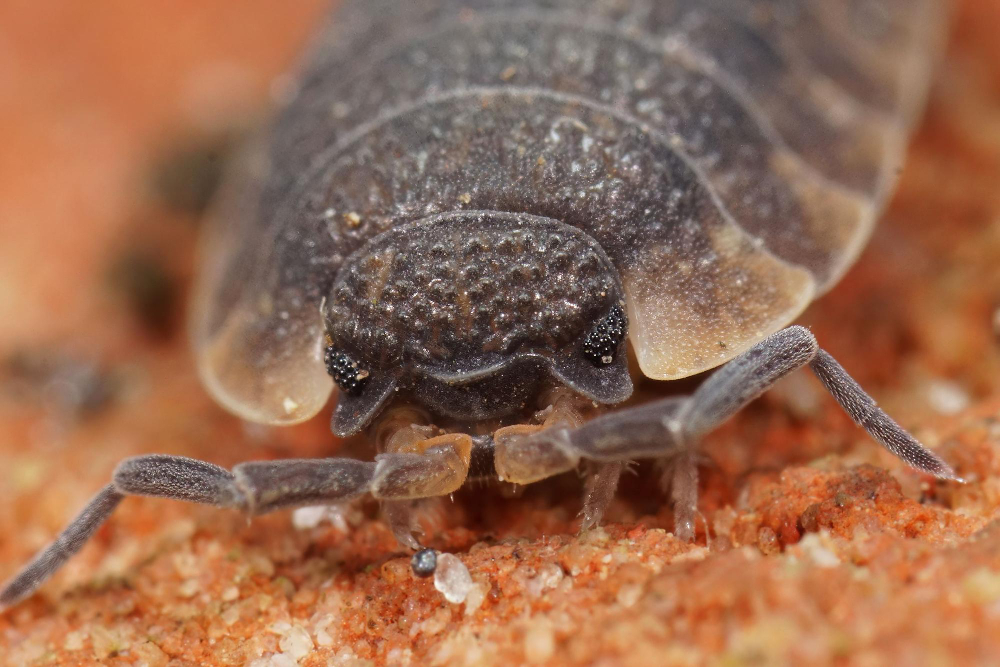
A crustacean rather than an insect, breathing through gills that must stay wet, with no waterproofing at all, taking water on board at the tail, voiding ammonia as a gas to save fluid, shedding its shell in two halves days apart, and carrying its eggs in a pouch of water underneath.
The eighth item is the one that deserves more attention than it gets. Every hard-shelled animal that grows has the same problem: the shell has to come off, and while it is off the animal is defenceless. Almost all of them accept that and do it in one go. The woodlouse sheds the back half, waits a day or three, and then sheds the front half – so it is never without armour, and for those few days it is visibly two colours, pale at one end and dark at the other.
Like our content? Follow us for more.