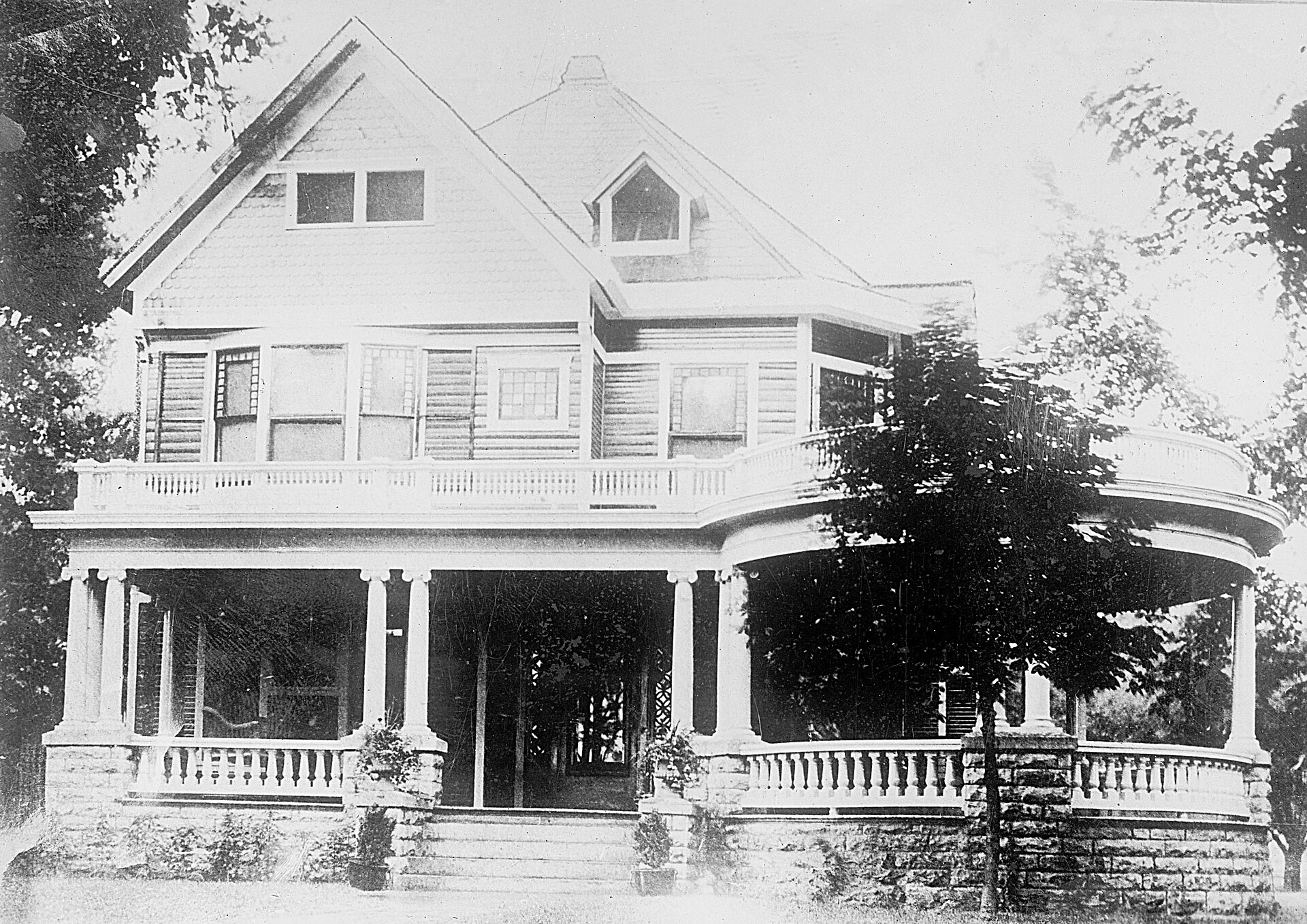
The porch is the most sentimentalized piece of American architecture there is, and the sentiment has made it almost impossible to discuss accurately. The standard account says that Americans turned inward, stopped talking to their neighbors, moved to the back yard and let the porch rot.
That account has the chronology backwards. The porch did not disappear because the social life on it ended. The social life on it ended because the porch stopped being the most comfortable place in the house, and it stopped being that for reasons that can be traced to specific pieces of equipment arriving in specific decades.
What the Porch Was Actually For
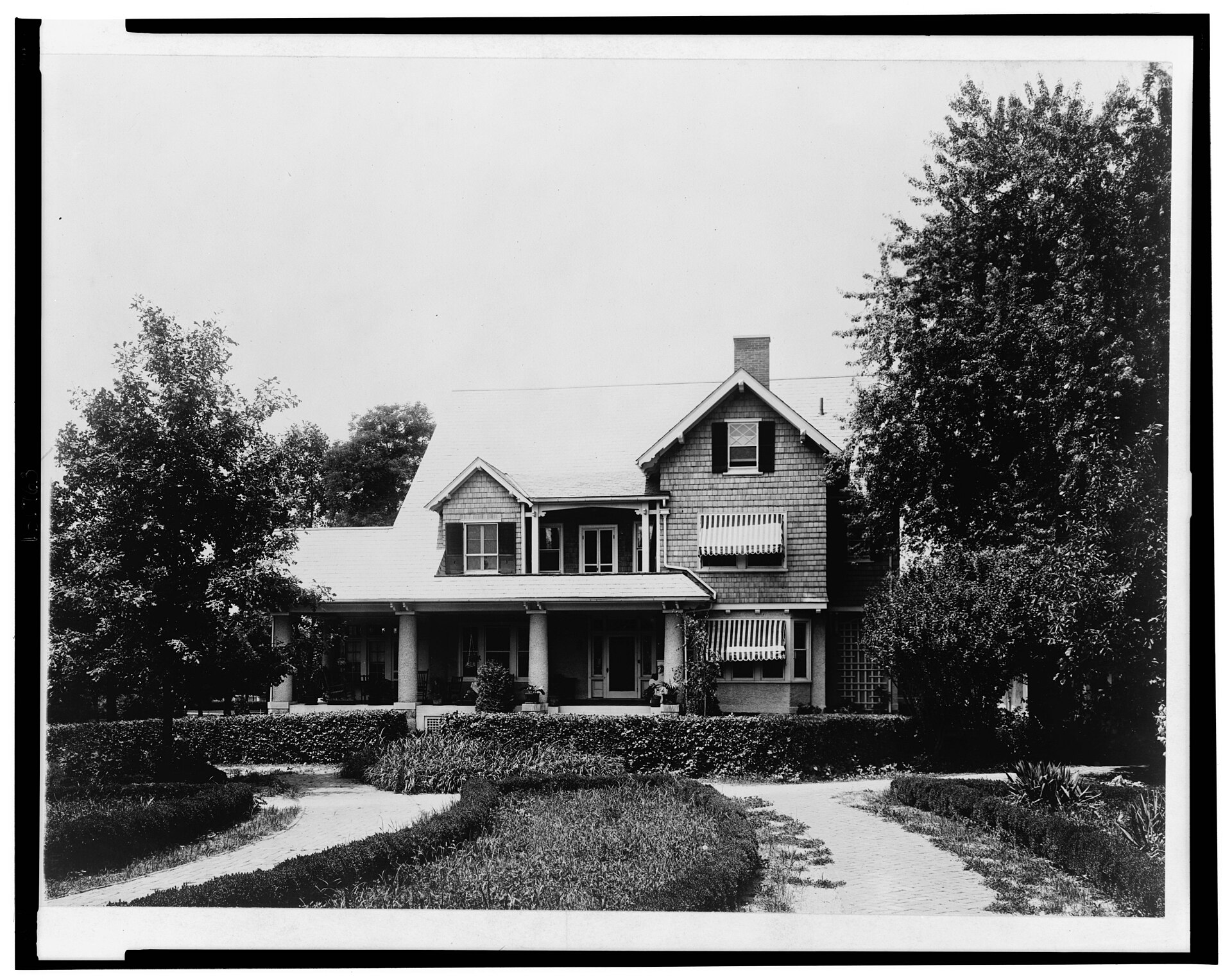
Before anything else, it is worth being clear that the porch was not built as a social amenity. It was built as climate control, and the social use was a by-product of the fact that it worked.
A deep roofed porch along the front of a house does several things at once in a hot climate with no mechanical cooling. It shades the front wall and the front windows through the hottest part of the day, which keeps the interior measurably cooler. It creates a transitional space that is outdoors in terms of air movement but sheltered from sun and rain. And because it is raised and open on three sides, it catches whatever breeze exists, which on a still evening in August is the difference between bearable and not.
That is why the porch is deepest and most universal in the South and in the humid middle of the country, and shallower or absent in cold dry regions. It was a response to heat. In a house where the kitchen had a wood or coal range running most of the day, the interior in summer was close to unbearable, and the porch was where the family went because it was the coolest square footage they owned.
The conversation with passers-by happened there because that was where people already were.
Like our content? Follow us for more.
The First Machine: The Electric Fan, Then the Window Unit
The first thing that undercut the porch was the arrival of a cheaper way to move air.
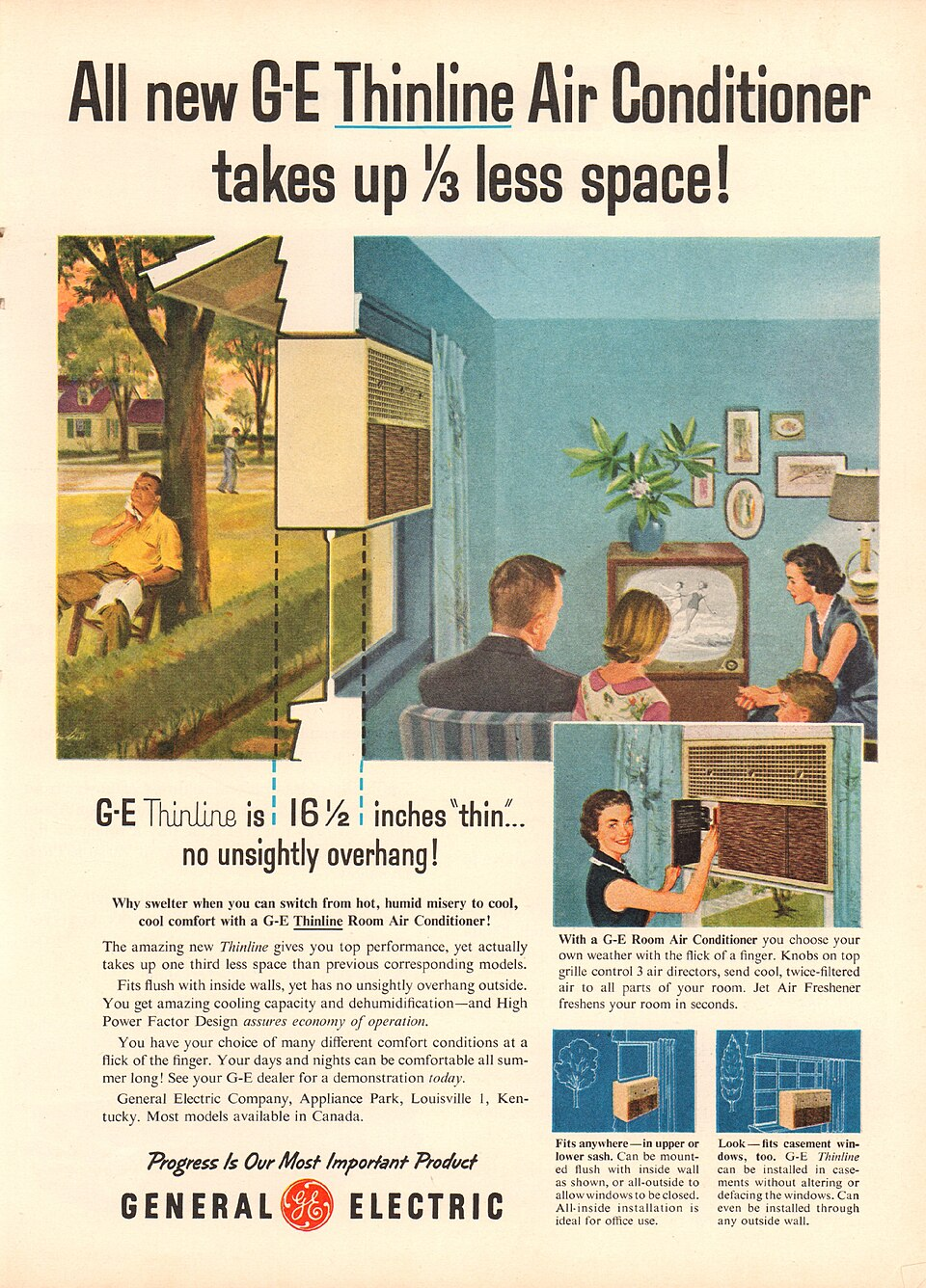
The electric fan put a breeze indoors on demand, which removed part of the porch’s advantage. But the decisive piece of equipment was the room air conditioner – the window unit – which became affordable for ordinary households in the postwar decades and spread with remarkable speed through exactly the hot and humid regions where the porch had been most essential.
The effect was immediate and total. Once a bedroom or a living room can be cooled to a comfortable temperature at the flick of a switch, the coolest place in the house is no longer the porch. It is indoors. And the porch instantly becomes what it had never been before: a hot place you have to go out to.
This is the part that the sentimental account inverts. Families did not abandon the porch and then install air conditioning to compensate. They installed air conditioning, and the porch became the worse option on the same afternoon. Nobody made a decision about community. They made a decision about temperature, several million times, independently.
And there is a second-order effect that mattered just as much. A window unit or a central system only works if the building is sealed. Air conditioning rewards a tight envelope with the windows shut, and a house with the windows shut has no relationship with its porch at all. The porch had been an extension of a ventilated interior. Sealing the interior cut it off.
The Second Machine: The Car, and What It Did to the Front of the House
The second machine attacked the porch from the street side.
A porch depends on there being something worth watching and somebody worth talking to in front of it, at a distance and a speed that permits conversation. A sidewalk with people on it supplies that. A road with cars on it does not. As traffic volumes and speeds rose, the front of the house went from being the sociable side to being the loud side, and sitting there went from pleasant to tiring.
But the car did something more structural than making noise. It took over the front of the lot.
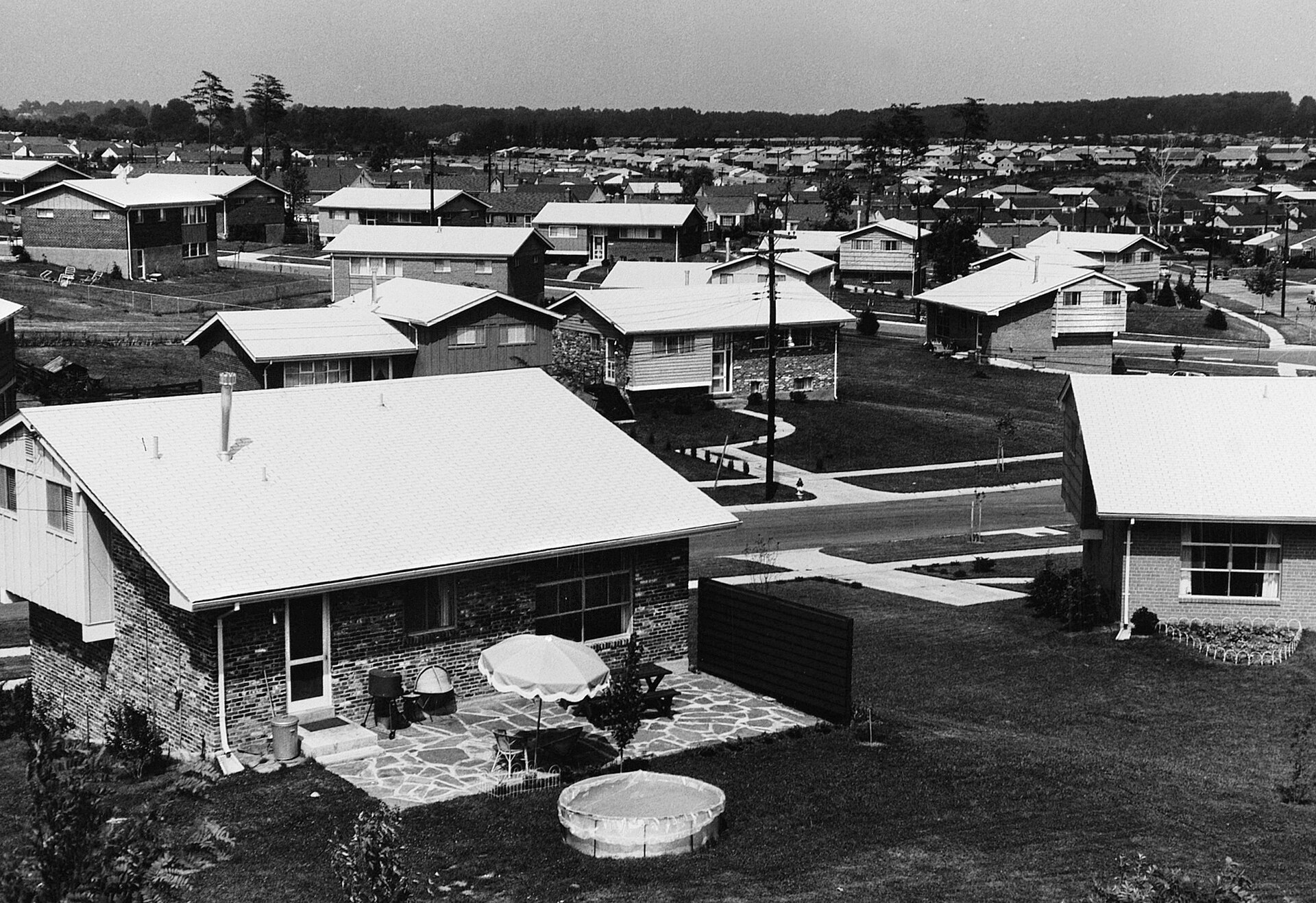
In a pre-automobile house the front was the formal face and the circulation was pedestrian: a walk from the sidewalk to the steps to the porch to the front door. Once every household had one car and then two, the front of the property had to accommodate a driveway, a curb cut, and eventually a garage. The garage started out detached and behind the house, moved to the side, and then came forward until it was the dominant element of the front elevation with the front door tucked beside it.
Once the garage is at the front, the family does not use the front door. They arrive by car, pull into the garage, and enter the house through it. The front walk becomes decorative. The front door becomes the thing the mail carrier uses. And a porch attached to a door nobody enters by is pure cost.
That is the quiet mechanism by which the porch was deleted from the plan. It was not removed because it was unloved. It was removed because the circulation route it served had been relocated to the other end of the building.
The Zoning Rule: Setbacks and the Loss of the Street
The third cause is the one almost nobody knows about, and it may be the most decisive of the three, because it made the porch useless even where it survived.
A porch only functions socially if it is close enough to the sidewalk for speech. Somewhere around twenty or twenty-five feet, a person on a porch and a person on the sidewalk can talk without raising their voices or committing to an interaction. Beyond that distance the exchange becomes a shout, which is a different and much more effortful social act, so people stop doing it.
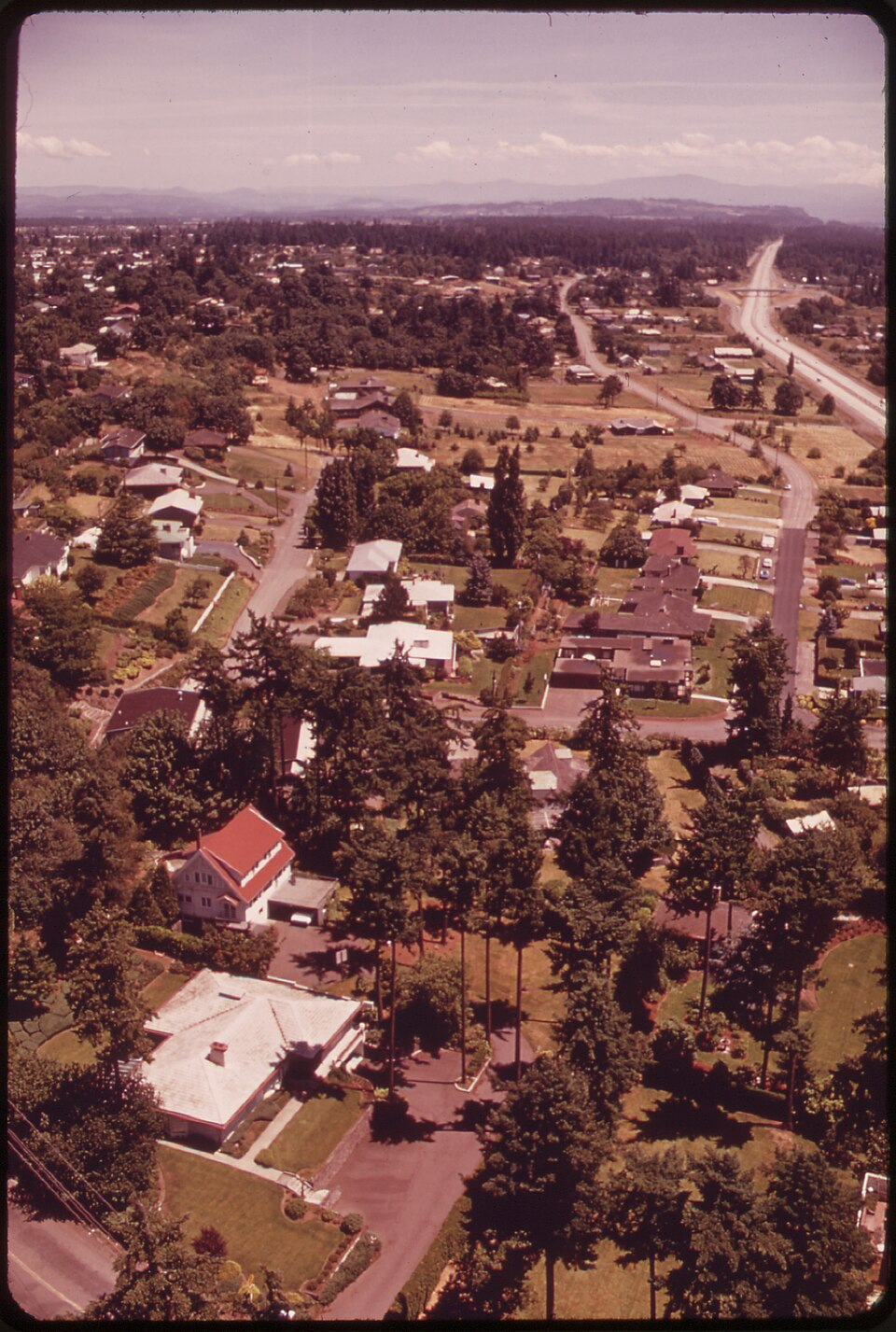
Postwar zoning codes, written to produce light, air and an orderly low-density pattern, mandated minimum front setbacks that were frequently much larger than the older pattern – and sometimes two or three times as large. A house pushed thirty-five or forty feet back from the street, with a lawn between, has a porch that is out of conversational range of anybody passing. The porch is still there. It just cannot do its job.
Stack that with the frequent omission of the sidewalk itself, and the porch is now a platform facing an empty lawn and a road. Combine it with the garage-forward elevation and the sealed air-conditioned interior, and there is no reason for it to exist in the drawing at all.
These rules were not aimed at porches. Nobody wrote a setback requirement in order to suppress neighborly conversation. But the effect was to make the one piece of American domestic architecture that depended on proximity illegal to build at a proximity that worked.
Why Television Is the Wrong Culprit
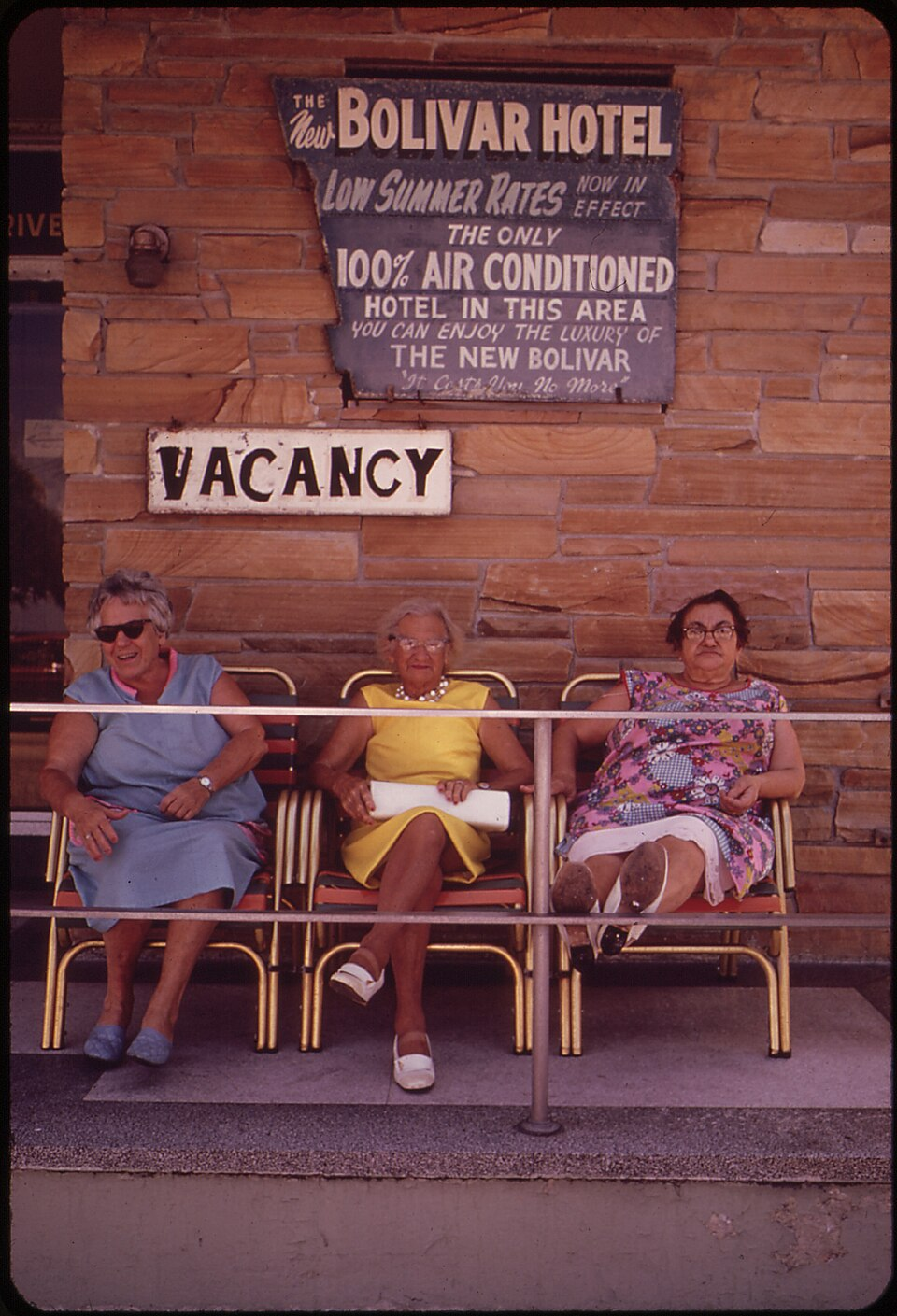
Television gets blamed for this more than anything else, and it is worth explaining why the timing does not support it.
The standard story is that the family moved indoors to watch the evening broadcast and never came out. There is something to the observation that the living room with a television in it becomes the gravitational center of the house in the evening. But television arrived in American homes over roughly the same period as the window air conditioner, and the regional pattern tells you which one mattered.
If television were the cause, the porch should have declined at a similar rate everywhere, because programming was national. Instead the porch declined fastest and most completely in exactly the hot humid regions where mechanical cooling made the largest difference to indoor comfort, and lingered longest in milder places and in older housing stock where the building already had a usable porch and no garage out front.
Television explains why people stayed in a particular room. Air conditioning explains why the indoors became the comfortable option in the first place. One is a destination and the other is a precondition, and the precondition came first.
The Evidence From the Rebuild
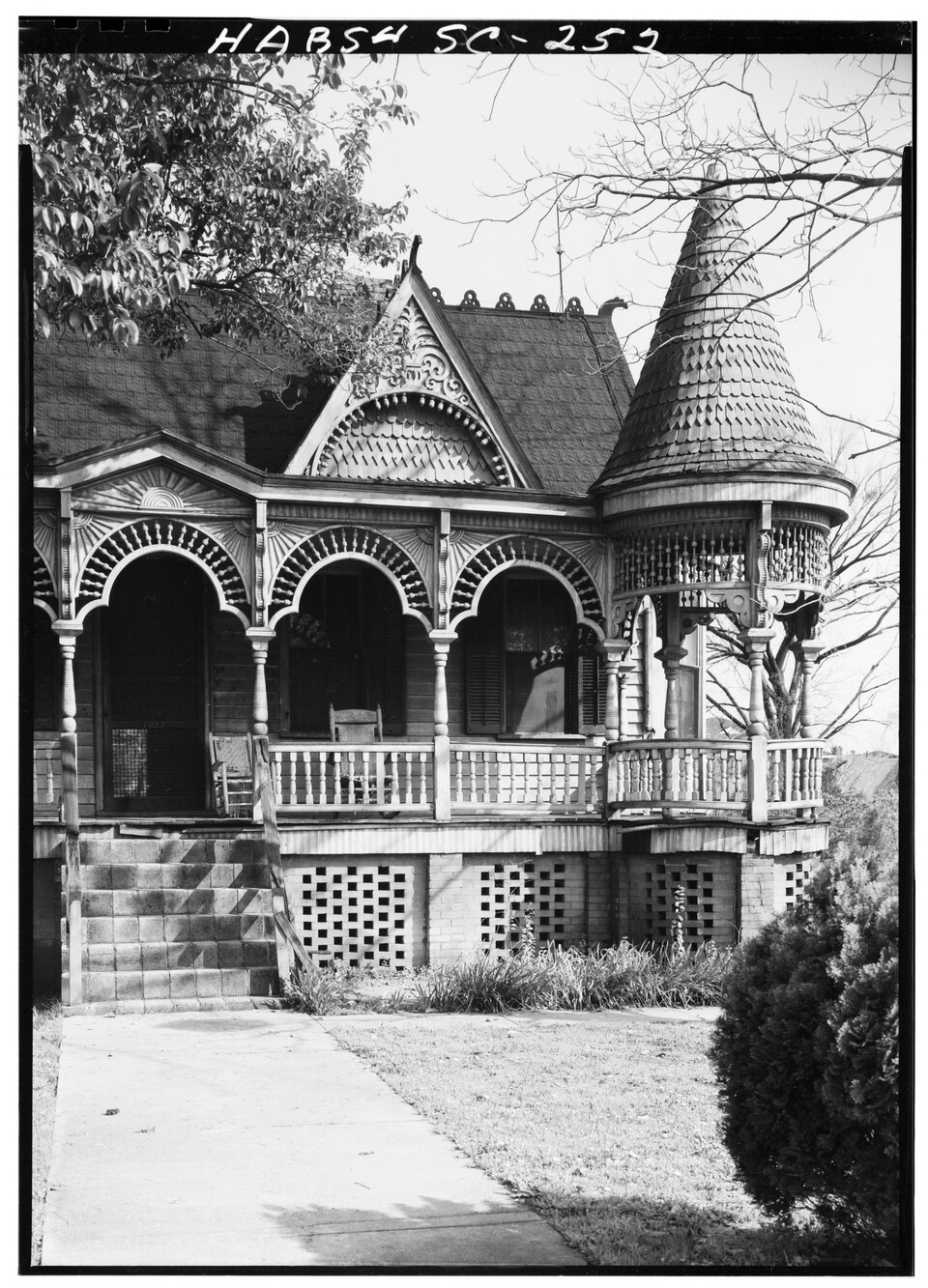
There is a useful natural experiment in the fact that the porch came back – sort of – starting in the 1990s, as a deliberate architectural revival. New developments were built with full-width front porches, deep enough to sit on, on houses explicitly marketed on the promise of a sociable street.
What happened next is the single best piece of evidence for the argument above. In developments where the porch was rebuilt but the setback stayed large, the sidewalk was absent and the garage still dominated the front, the porches were not used. They became display features, furnished and photographed and empty. In the small number of developments that also pulled the houses forward, put the garage at the back on an alley, and built a continuous sidewalk, the porches got used immediately and heavily.
The porch was never the active ingredient. The geometry was. Build the platform without the proximity and you get a stage with no audience; restore the proximity and people sit down on it within a season, air conditioning or not.
The Honest Summary
So the American front porch was not a casualty of changing manners. It was a piece of passive cooling equipment that became redundant when mechanical cooling arrived, attached to a front door that stopped being used when the garage moved to the front of the house, facing a street it was pushed too far back from to talk to.
Three changes, none of them about community, each sensible on its own terms, and jointly fatal.
What the revival proved is that the behavior was never lost. Put a seat within speaking distance of a sidewalk that people walk on, and Americans will sit on it and talk to whoever goes past, exactly as they did in 1915. The porch did not take the habit with it when it went. It only took the distance.
Like our content? Follow us for more.