

Nothing Is Freezing and Your Brain Is Not Involved
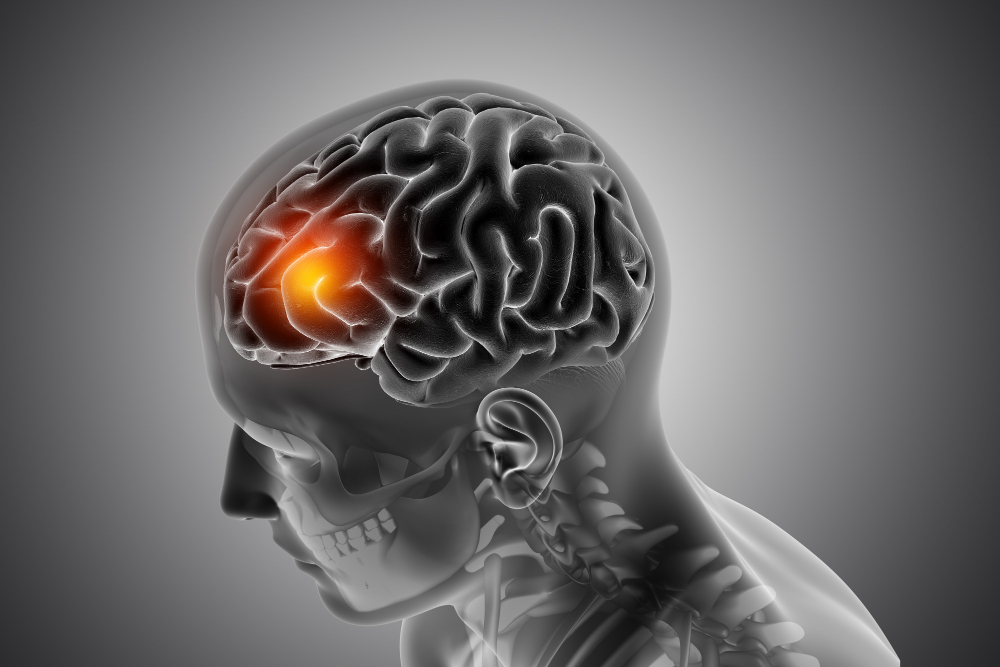
The name is wrong in every particular, which is worth getting out of the way first. Your brain does not get cold, no tissue freezes, nothing is injured and no damage of any kind occurs.
Brain temperature is held within a very narrow range and is extremely well defended. A mouthful of cold food does not move it, and could not – the brain sits inside a skull, behind a great deal of insulating tissue, supplied by blood arriving from the whole body. One ice cream does not touch it.
What is cold is a small patch of the roof of your mouth, a couple of centimetres of soft tissue. Everything that follows happens because of what that patch does when it is chilled suddenly, and none of it is happening in your head.
Like our content? Follow us for more.
The Pain Is Not Where the Cold Is
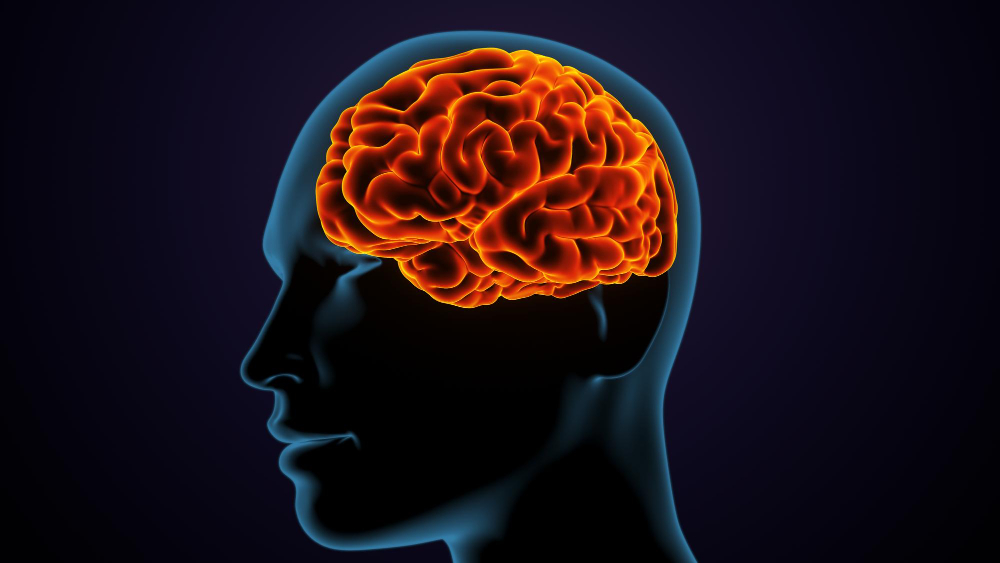
Here is the fact the whole subject turns on, and almost nobody notices it while it is happening: the cold is in your mouth and the pain is in your forehead.
Stop and locate it next time. The sensation is above and behind the eyes, in the temples or across the brow – several centimetres from the only part of you that is actually cold, and separated from it by bone.
Nothing in your forehead has been cooled. Nothing there has been touched. There is no reason for that part of your head to be reporting anything at all, and yet that is where you feel it, reliably, in everybody who gets it.
Which Makes It One of the Clearest Cases of Referred Pain There Is
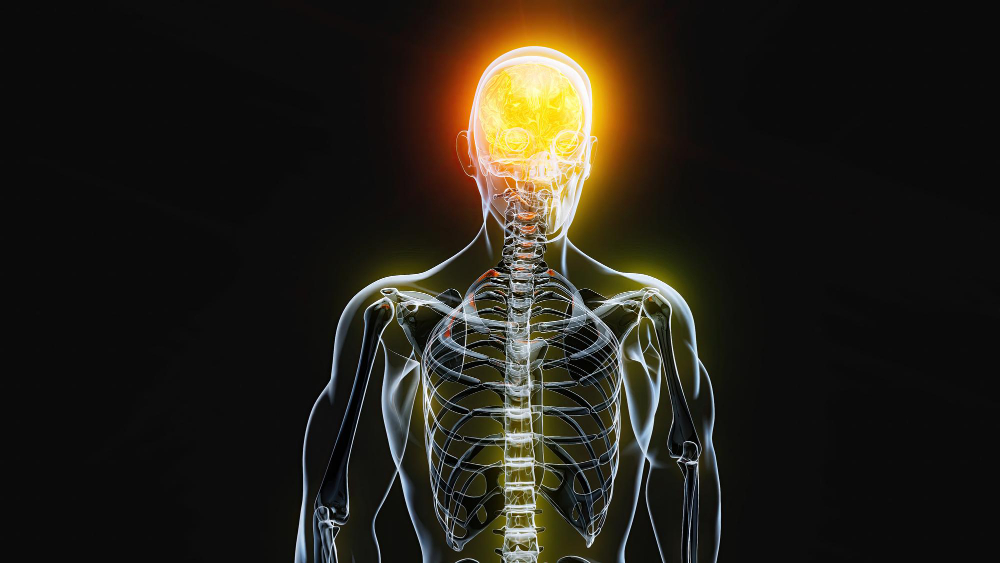
The explanation is that the nervous system does not have a separate private line from every square centimetre of you.
A single large nerve serves the roof of the mouth and also serves the skin of the forehead and the lining around the front of the skull. Signals from both arrive at the same place by the same route, and at some point they are travelling together in the same bundle.
Which means the brain has to work out where a signal came from, and it does that by inference rather than by having the answer handed to it. When a strong unusual signal arrives from the palate branch, the destination is ambiguous, and the interpretation lands on the forehead – partly because that is where signals on that pathway more usually originate, and partly because the brain has far more practice mapping sensation on skin than inside a mouth.
So you have a sensation that is real, is consistently located, and is in the wrong place. That is referred pain, and this is the version of it everybody has personal experience of.
What Is Actually Happening to the Blood Supply
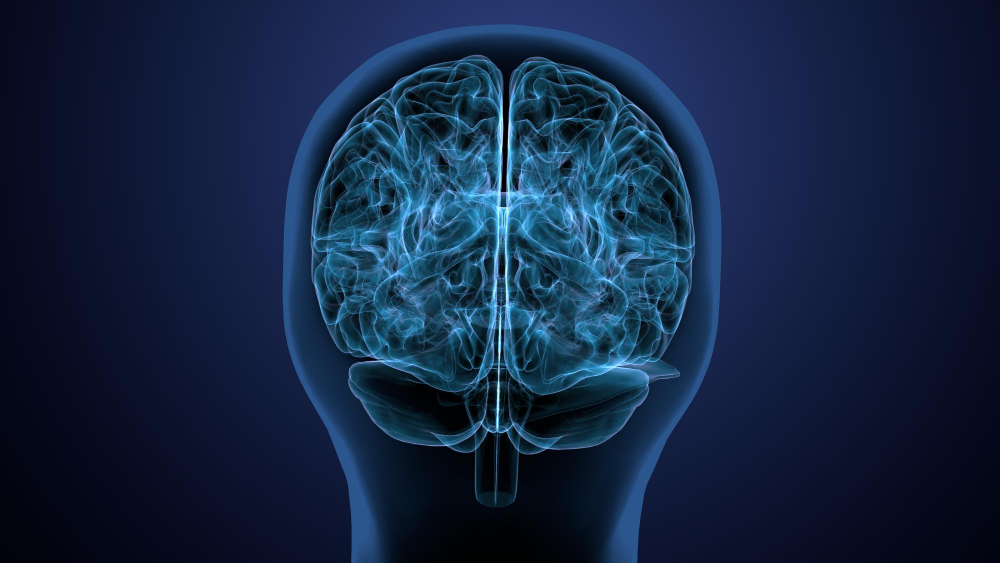
Applying something very cold to the palate produces a rapid response in the blood vessels underneath it, and that response is the source of the signal.
The sequence appears to be constriction followed by a sharp rebound. The vessels narrow when chilled, as vessels do, and then open up again quickly and substantially – and it is the rapid opening rather than the cold itself that correlates with the pain.
Work using ultrasound to measure blood flow in the arteries at the front of the brain during induced attacks found flow rising as the pain began and falling again as it faded. The timing lined up closely enough to point at the vessel response as the trigger, with the stretch or the pressure change in the vessel wall generating the signal that the nerve then carries.
It is worth being careful here: this is the leading account rather than a closed case, and the detail of exactly what the nerve ending is responding to is not fully settled.
It Has to Be Fast
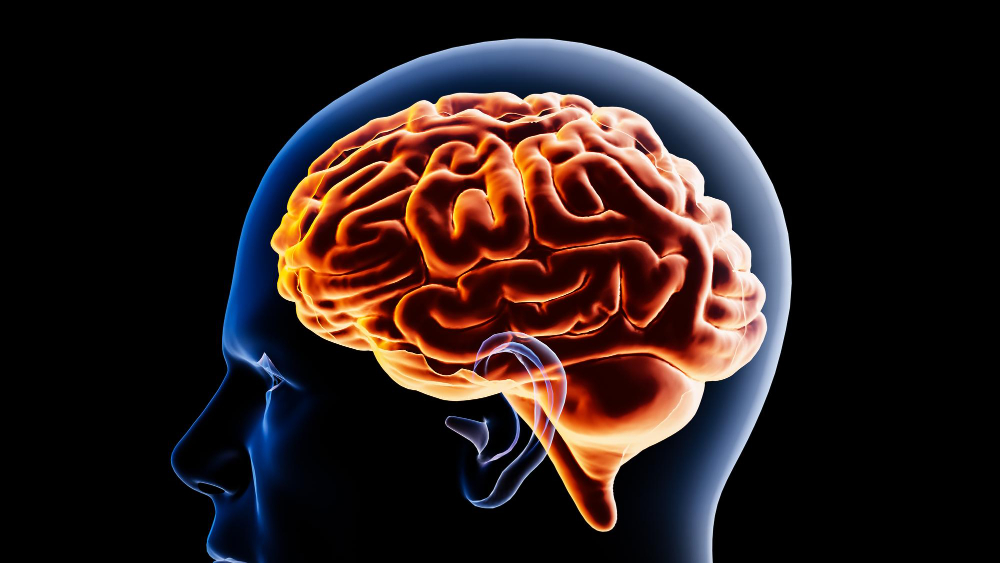
The reason you can eat something cold all afternoon without this happening is that the stimulus has to arrive quickly to work at all.
A small amount, taken slowly, warmed in the front of the mouth and swallowed, produces nothing. What produces it is a large cold mass pressed against the palate suddenly – a big spoonful of ice cream, a long pull on an iced drink, a mouthful of crushed ice – with no interval for anything to equalise.
Which tells you the vessels are responding to a rate of change rather than to a temperature. Chill them gradually and they accommodate it. Chill them abruptly and you get the constriction-and-rebound that produces the pain.
It is also why this has an obvious and universally discovered solution that nobody needed to be taught: everybody who has had it twice has worked out for themselves that it depends on how fast they eat, and adjusted.
Thirty Seconds and Gone
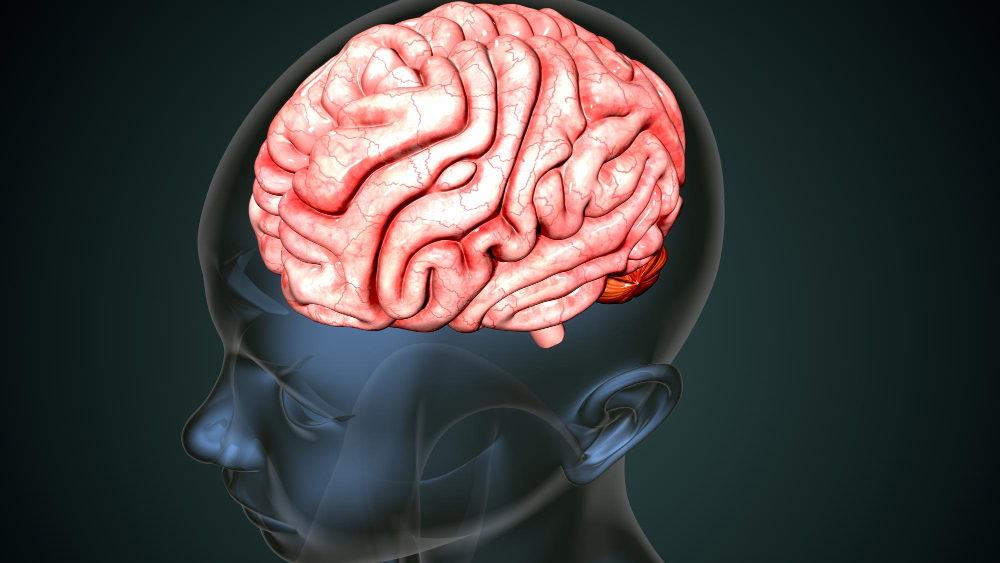
The duration is remarkably consistent and remarkably short. It builds within a few seconds of the stimulus, peaks quickly, and is over inside about half a minute – a minute at the outside.
And it leaves nothing behind. No soreness, no tenderness, no residual ache, no sensitivity afterwards. The sensation stops completely and the state before and after are identical.
That is an unusual profile for a pain. Most pain either persists while whatever caused it is still there, or fades gradually as tissue recovers. This arrives at full strength, holds briefly and vanishes – which is consistent with its being generated by a transient mechanical event in a blood vessel rather than by any kind of injury.
Some People Never Get It, and Who Does Is Not Random
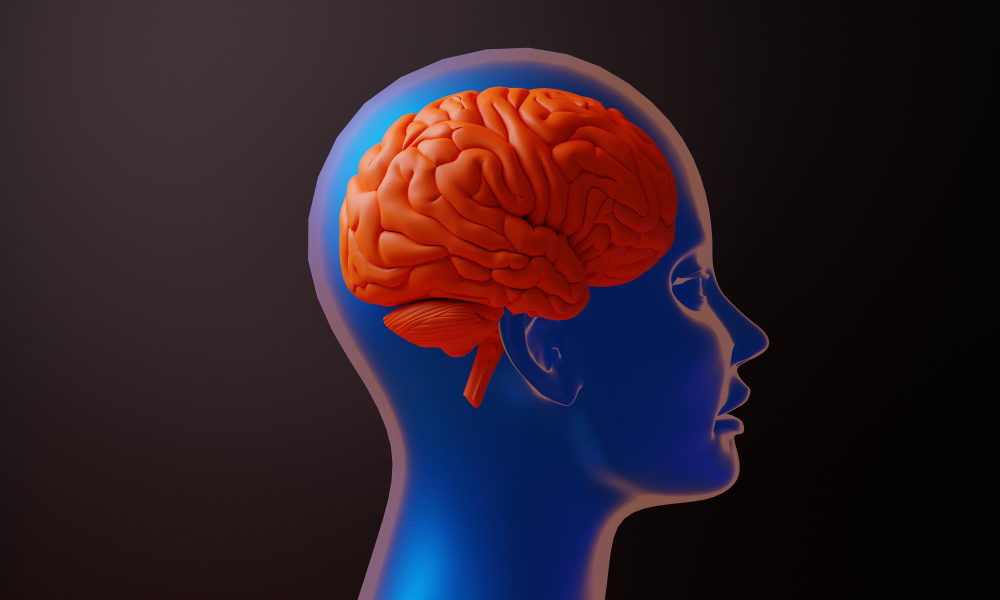
Roughly a third of people experience this, which means a substantial majority of the population either never has or has it so rarely that they do not recognise the description.
That variation is not evenly spread. People who get migraines are considerably more likely to get cold-stimulus headaches as well, and to get them more readily, which has been noted often enough to be taken seriously as a clue about what is going on in both.
The suggested link is a general difference in how readily the blood vessels in that region respond and how readily the nerve pathway reports it – a nervous system that is more reactive in that specific way would produce both. It is a reasonable idea and it is not established.
Which means a perfectly ordinary disagreement about ice cream – some people simply do not believe the rest of us – is a real difference between two groups of nervous systems rather than anybody imagining anything.
It Is One of the Only Headaches You Can Order on Demand
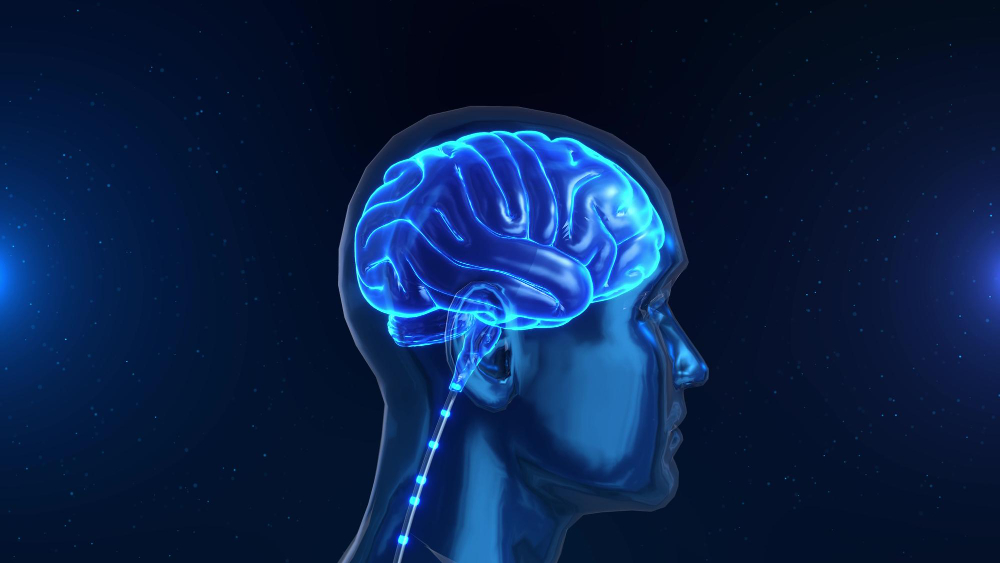
There is a practical reason researchers pay attention to something this trivial, and it is a good one: almost nothing else in this field can be switched on at will.
Headache is extremely difficult to study. It arrives unpredictably, it cannot be induced in a volunteer without using drugs or other interventions that change several things at once, and by the time somebody is in a position to be measured the episode is frequently over.
This one can be produced in a laboratory in under a minute, in a willing volunteer, with a cold drink. It starts on cue, it has a clear beginning and end, it is harmless, it leaves no trace and it can be repeated. For anybody trying to measure what happens to blood flow during a headache, that combination is close to unique.
So the most frivolous pain a human being can experience has become a serious experimental tool, for no reason other than that it is the only one that will turn up when asked.
Why It Might Be There at All
The honest answer is that nobody is certain, and the available suggestions are speculative rather than demonstrated.
The most frequently offered idea is that the vessel response itself is useful and the pain is a by-product. Blood heading toward the brain passes close to the back of the mouth, and chilling that region could cool it. A rapid widening of those vessels in response to cold would push more warm blood through quickly, limiting any drop – and on that reading the pain is simply the cost of a protective reflex overreacting to a stimulus no animal encountered until somebody invented ice.
That is plausible and it is unproven, and it is worth saying that not every physiological response has a purpose. Some are consequences of how the machinery is assembled rather than adaptations in their own right.
Which leaves a satisfying summary. Something cold touches your palate, vessels constrict and rebound, a shared nerve reports it, your brain assigns it to your forehead, and half a minute later there is no evidence it ever happened – and the whole sequence exists because nothing in human history before the last few centuries was ever that cold and that available.
Like our content? Follow us for more.
