

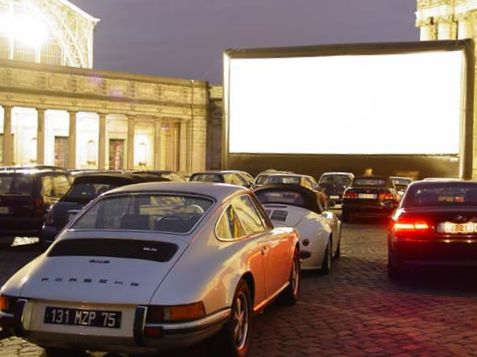
A playground under the screen and ground built in waves. Here are eleven.
1. The Sound Came From a Metal Box You Hung on Your Own Window
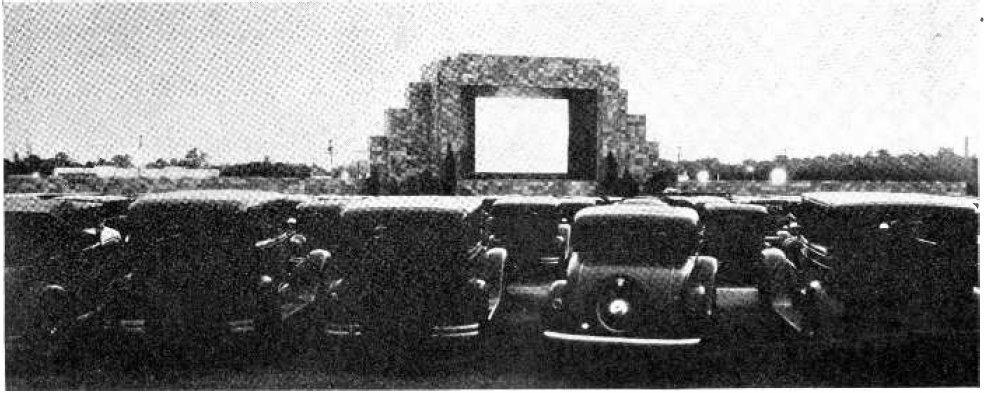
A speaker on a cord hung from a post beside each space, you unhooked it, hooked it over the glass, and the audio for the entire film came out of one small mono unit inside the car.
The speaker is the detail everybody remembers and it was the format’s biggest technical weakness – tinny, single-channel and frequently broken. It was solved eventually by broadcasting the soundtrack on a low-power FM signal to the car radio, which is how the surviving drive-ins work and why they now sound better than they ever did.
Like our content? Follow us for more.
2. You Drove Away With the Speaker Still Attached to Your Window
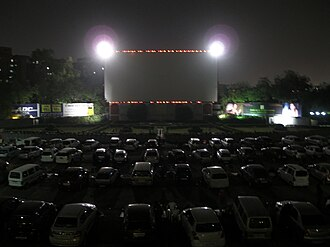
It happened constantly, it made a specific and unmistakable noise, and every operator kept a stock of replacement cords and a sign reminding people.
The sign existed at essentially every drive-in in America, which tells you the frequency. A torn-out speaker was a routine operating cost rather than an incident, and some operators charged for it while most simply absorbed it.
3. The Ground Was Built in Waves on Purpose
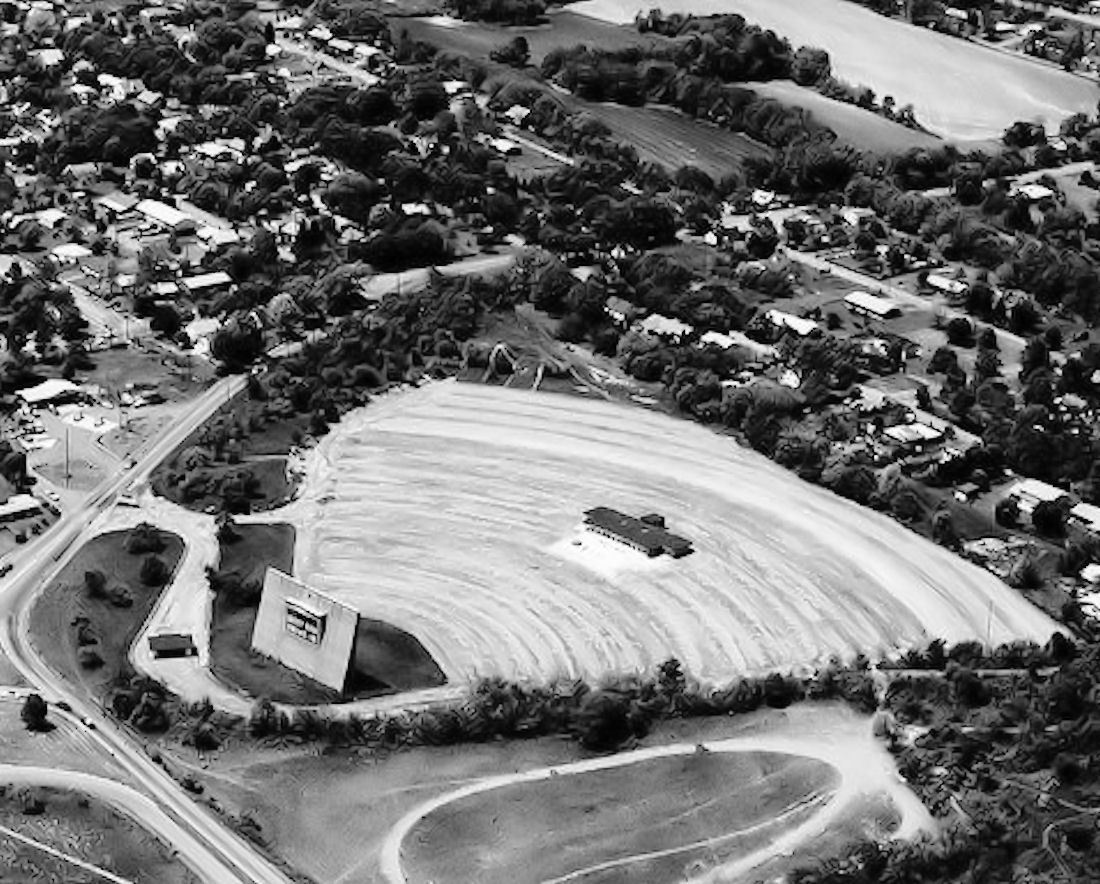
The parking area was graded into a series of low ramps so that each row’s front wheels sat higher than its rear, tilting every car upward toward the screen.
It is the one piece of real engineering in the whole format and it is invisible once you are parked. Without the ramps, sightlines fail within three rows, and the geometry of the ramp spacing against the screen height is the thing that determined how many cars a site could sell to.
4. Children Came in Pyjamas and Were Expected to Fall Asleep

The second feature started late, families brought bedding, and small children were put down in the back seat or in the cargo area partway through.
This was the format’s actual commercial proposition and it is frequently misremembered as incidental. A drive-in sold an evening out to households with small children and no babysitter, which no indoor cinema could do, and that was the market.
5. There Was a Playground Directly Under the Screen
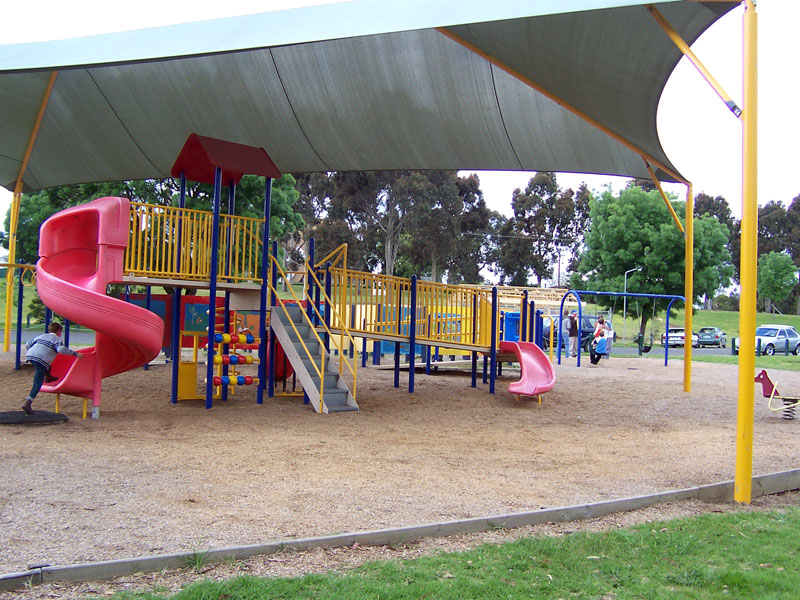
Swings, a slide and a roundabout were installed on the ground beneath the screen tower, and children played there before dusk while parents waited in the cars.
It is the single most surprising surviving photograph of the format for anybody who did not experience it. The playground existed because the show could not start until dark, which in midsummer meant an hour or more of waiting with children already in the car.
6. The Concession Stand Was the Entire Business

Admission barely covered the operation. The money was in the building in the middle of the lot, and the intermission was engineered to drive traffic to it.
The countdown reel, the dancing refreshments and the stated interval length were all built for this single purpose. A drive-in was a food business with a film attached, and the surviving sites are the ones that understood that.
7. The Film Did Not Start Until It Was Actually Dark
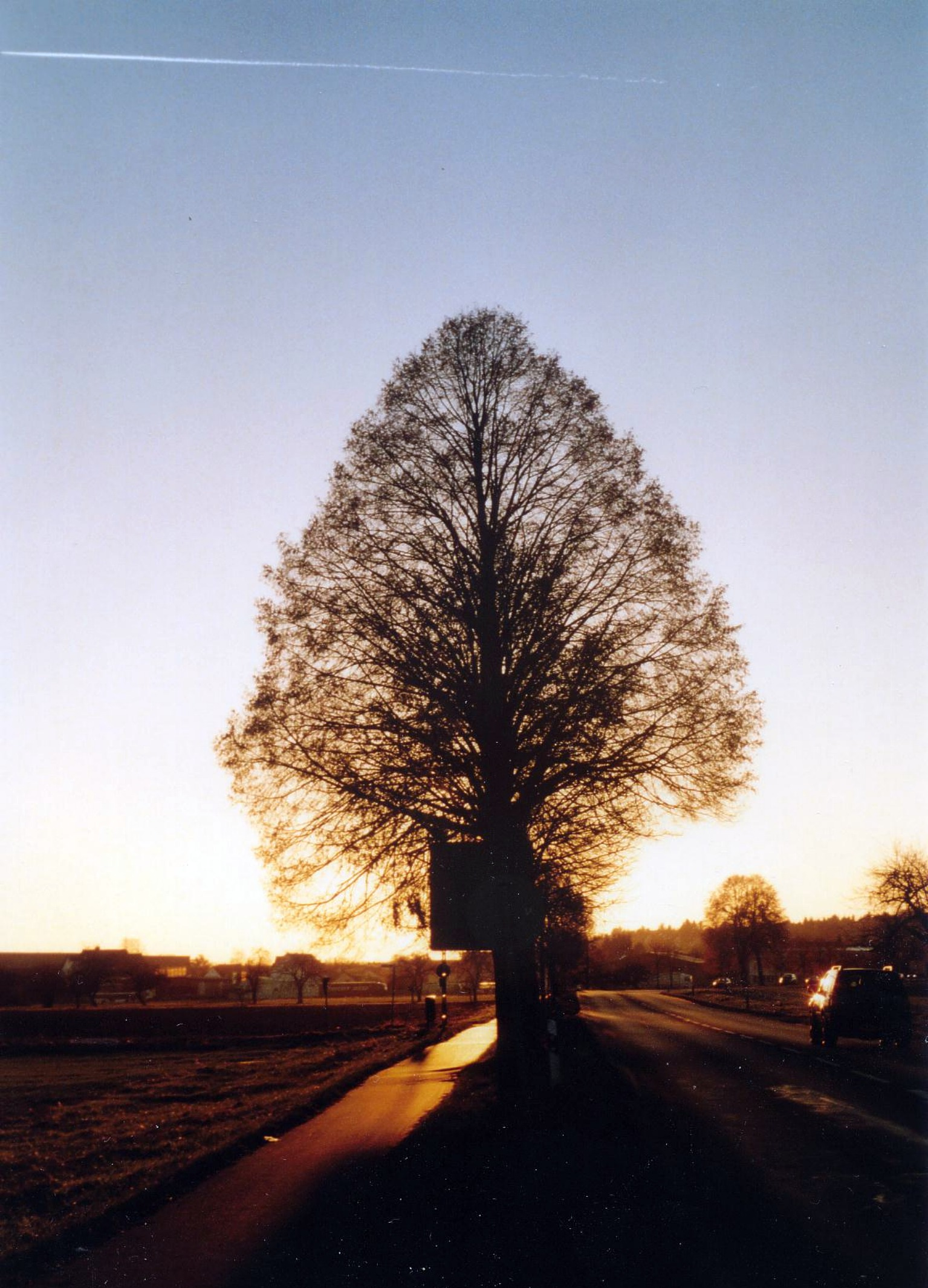
Projection onto an outdoor screen requires darkness, so the programme was governed by sunset rather than by a clock, and the advertised time moved through the season.
That constraint shaped everything – the late finish, the two-feature programme, the pyjamas, the playground and the format’s near-total absence from winter operation in most of the country. It is also why drive-ins were a summer business in a way no indoor cinema has ever been.
8. A Single Ticket Bought Two Films and Nobody Expected the Second to Be Good
The double feature was standard, the second film was cheaply acquired, and a substantial share of the audience left or fell asleep during it.
The economics are worth understanding: the second feature cost the operator very little and extended the evening, which sold more food. It also created a real market for low-budget films that had nowhere else to play, and an entire stratum of American cinema exists because drive-ins needed something to show at eleven o’clock.
9. People Paid for Fewer Passengers Than They Brought
Pricing was per person or per car depending on the site, and where it was per person the number in the trunk was a recognised part of the transaction.
Operators knew, and responded with per-car pricing, carload nights and in some cases a torch at the gate. The arms race was good-natured and it is the most consistently reported memory of the format after the speaker.
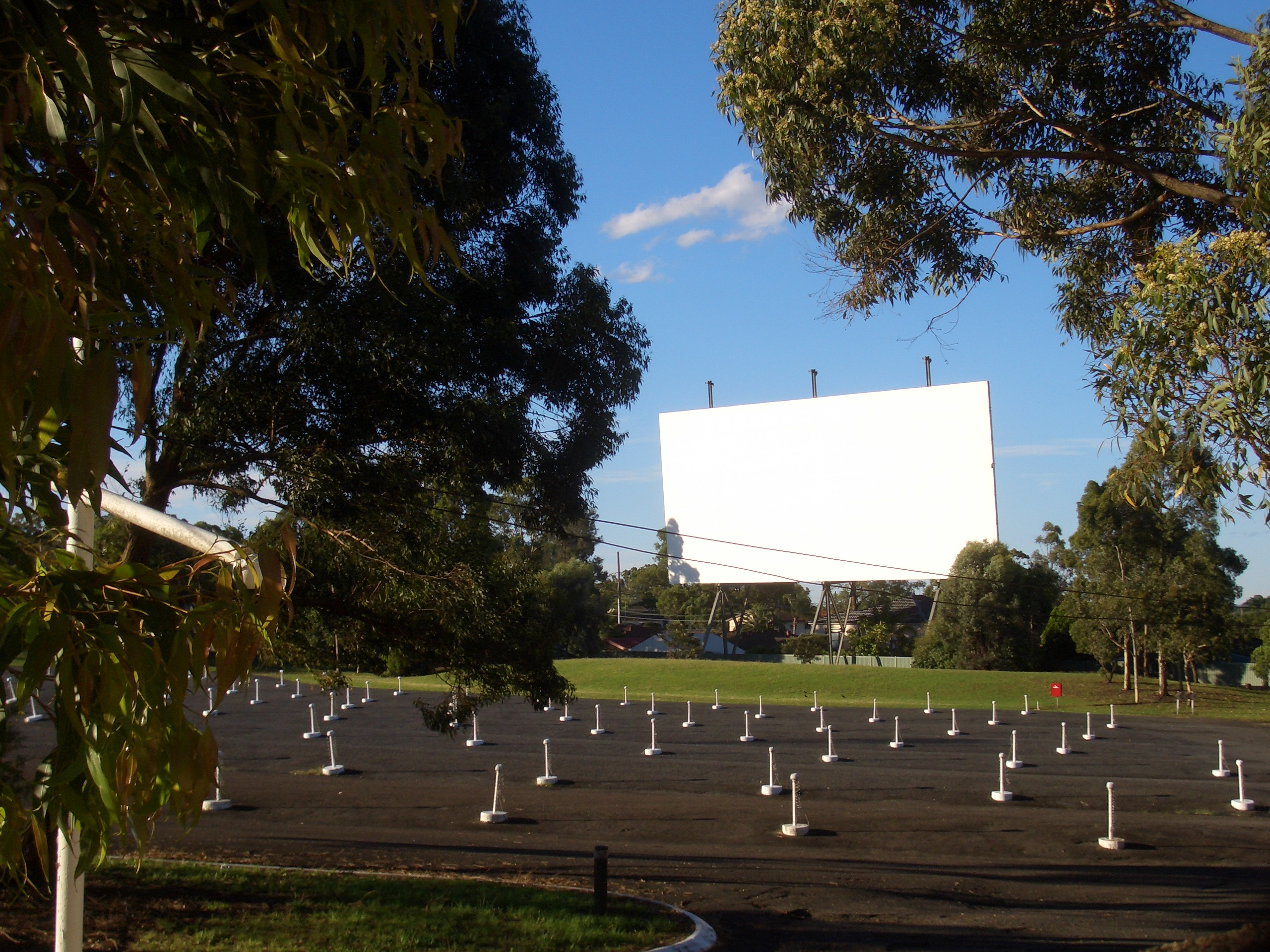
10. The Screen Was Enormous, Freestanding and Mostly Held Up by Nothing Much
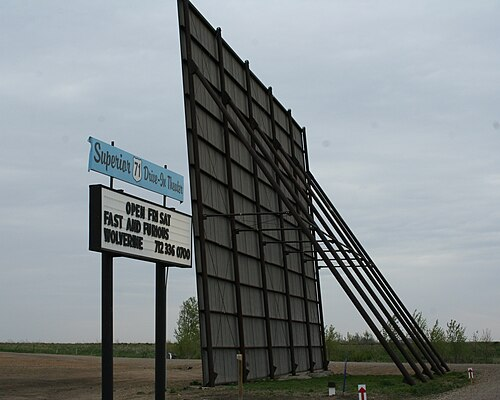
Screen towers were built as large flat structures of timber or steel and sheet, standing in open ground, with the projection surface facing one way and a bare frame behind.
They are the reason so many closed drive-ins are still identifiable from the road decades later. The tower is expensive to demolish and useless for anything else, so a great many were simply left, and the surviving ones are the clearest ruins of a vanished American business.
11. The Land Was Worth More Than the Business Almost From the Beginning
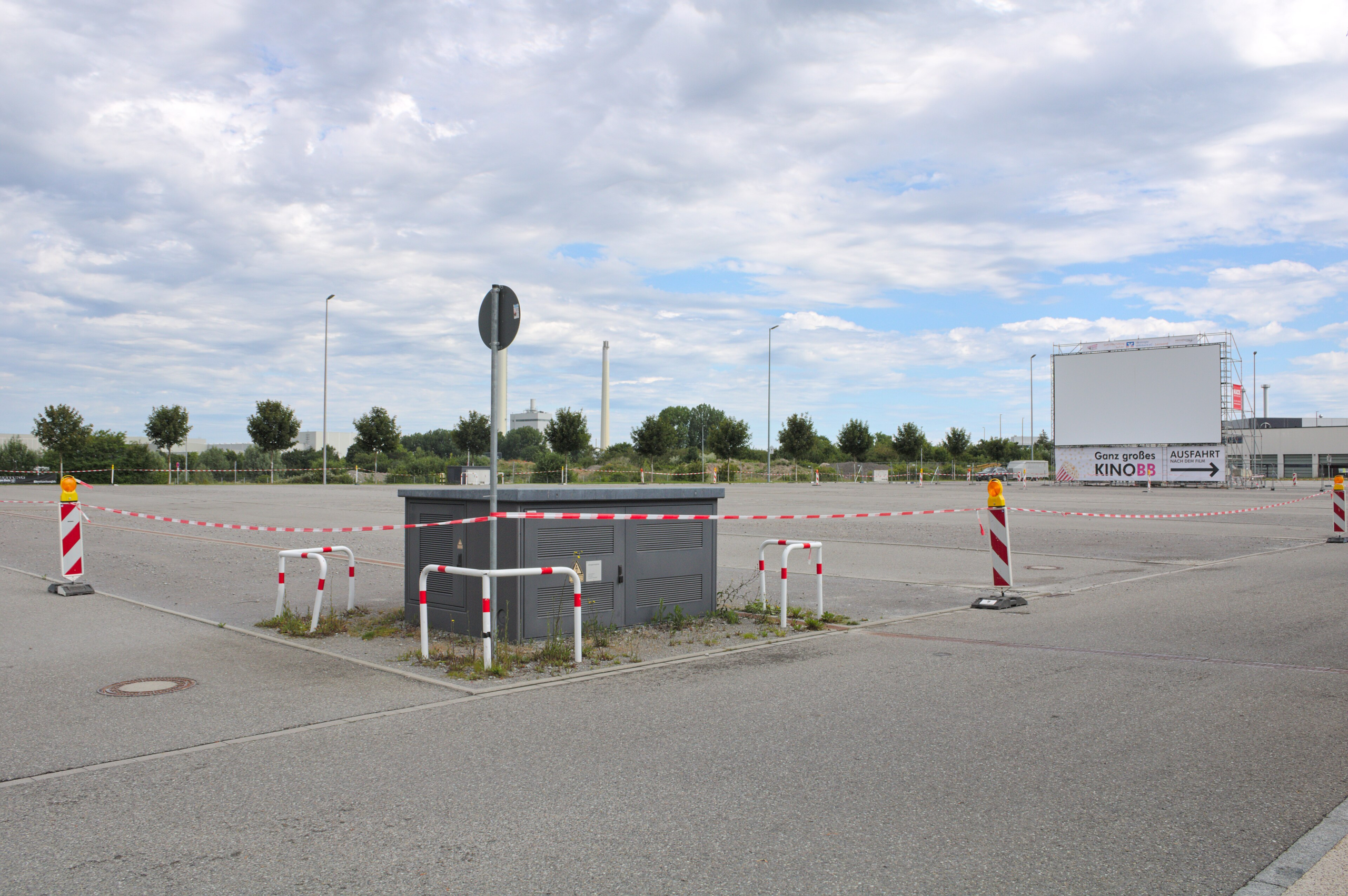
A drive-in needs several acres of flat ground with road access, on the edge of a town, which is the exact description of the most valuable development land in postwar America.
That is the real reason the format collapsed, and it was not television, not home video and not multiplexes – those made the comparison worse but the comparison was always unfavourable. A site open for a few hours a night, a few months a year, sitting on land a retail developer wanted, has a limited life whatever happens to the film industry.
A Food Business on Development Land
Two things explain the drive-in better than nostalgia does.
The first is that it was a concession business. Admission covered the operation and the profit was in the building in the middle of the lot, which is why the intermission was engineered, why the double feature existed, and why the whole evening was built to be long. A film was the thing that held people in one place for four hours next to a counter selling food.
The second is the land. The format requires several flat acres with road access on the edge of a town, which is precisely the most valuable development land in postwar America, and it generates revenue for a few hours a night for part of the year. That comparison was unfavourable from the start and got worse every year as the towns grew outward. Television, home video and the multiplex all made it harder, but none of them is the reason – a site whose land is worth more than its business will eventually be sold, whatever is playing.
What kept the survivors alive is the thing the format was always best at: it remains the only way to take small children to a film without arranging anything.
The screen towers are still standing in a surprising number of places, visible from the road, facing nothing. They are the cheapest thing to leave and the hardest thing to miss.
Like our content? Follow us for more.

