A boy in the pit, a grease pencil and your shoe as a deposit. Here are fourteen.
1. The Pins Were Reset by a Machine and Before That by a Boy in the Pit
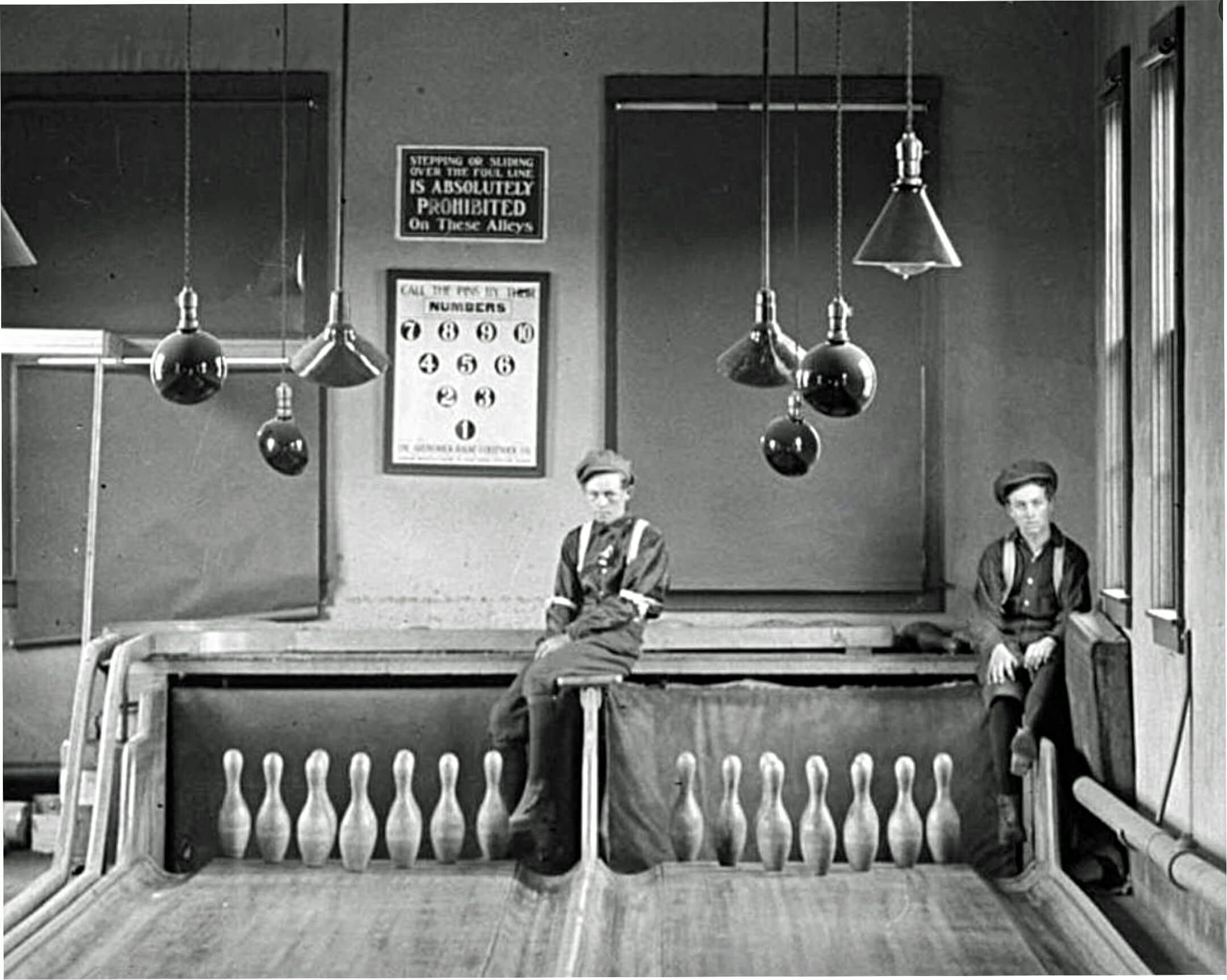
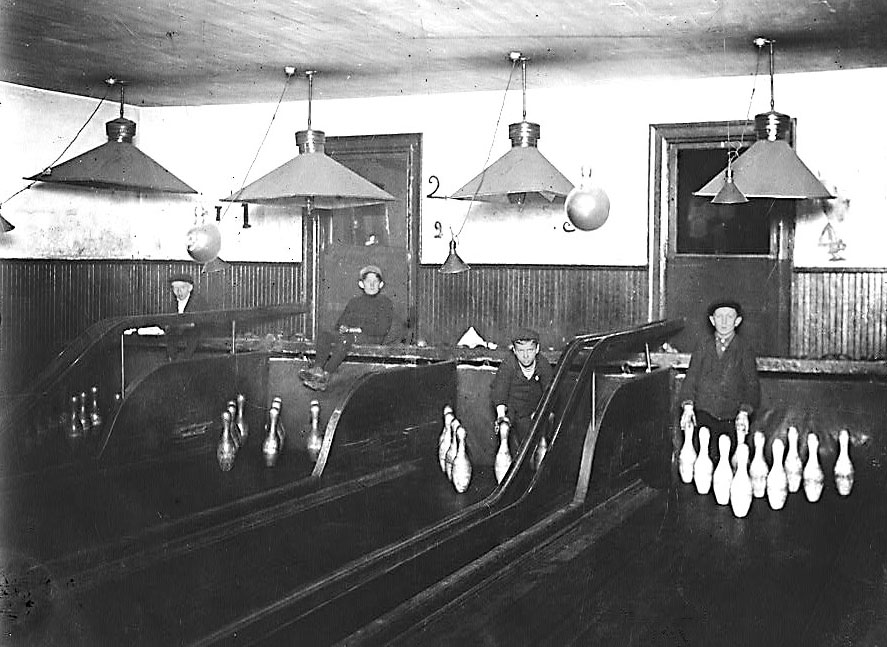
Automatic pinsetters were standard by 1973, but within living memory the job had been done by a boy sitting above the pit who dropped down, cleared the deadwood, reset ten pins by hand and rolled the ball back.
The pit boy is the single most physically demanding job in the history of American leisure and it was done by teenagers for tips and a small hourly rate. Automation eliminated it entirely within about a decade, which is one of the fastest and most complete replacements of a human occupation anywhere on these lists.
Like our content? Follow us for more.
2. Scoring Was Done With a Pencil on an Overhead Projector Sheet
Each lane had a grease pencil and an acetate sheet on an overhead projector, and somebody in the group kept score in the frames by hand for everybody to see.
Hand scoring required every regular bowler to know the rules properly, including how a strike carries forward and why the tenth frame has three boxes. Automatic scoring arrived and within one generation almost nobody could compute a game, which is a small clean example of a skill disappearing because a machine absorbed it.
3. The League Was the Business and Open Play Was the Overflow
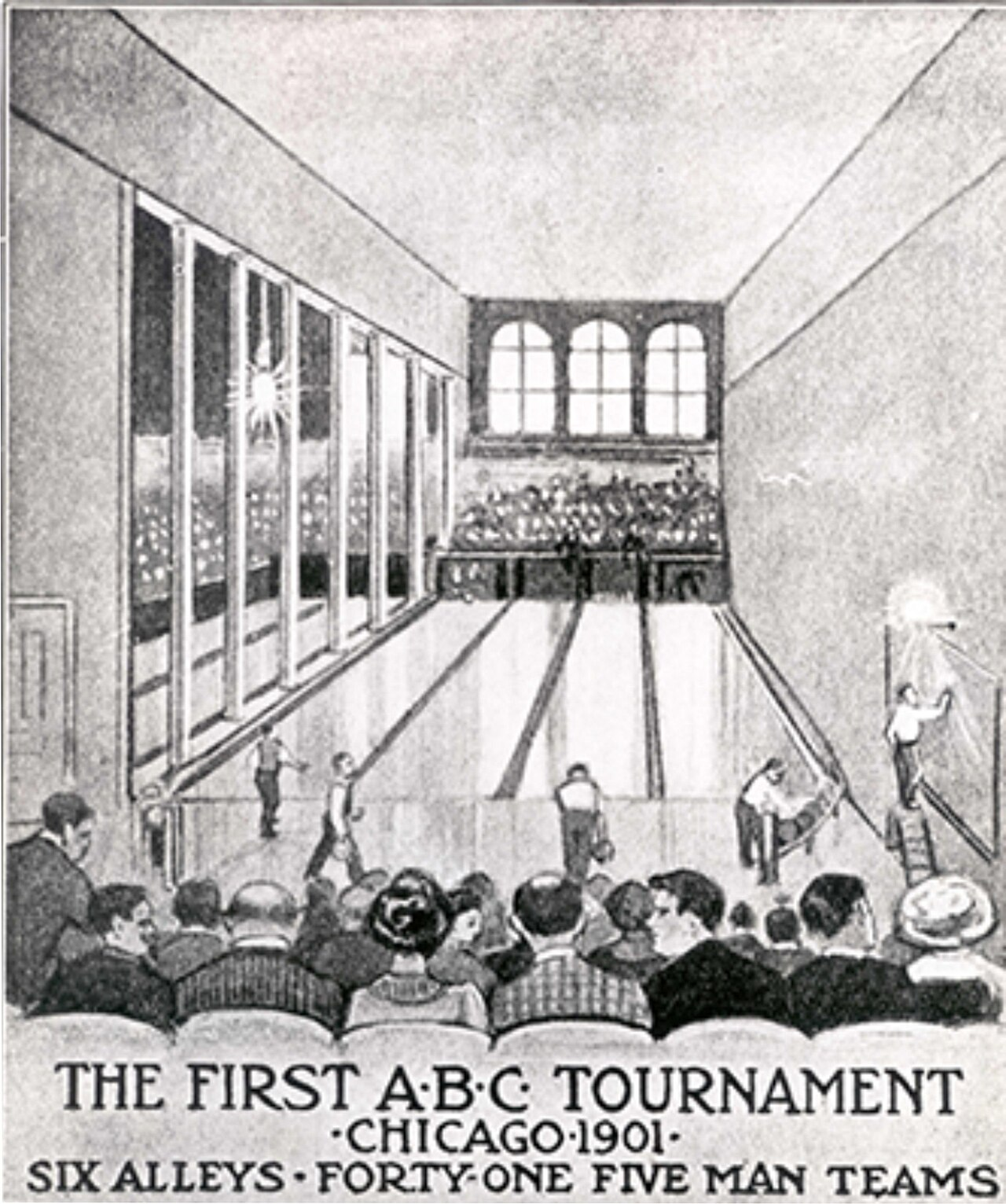
Weeknights were booked solid by organised leagues – factory teams, church teams, trade teams, women’s afternoon leagues – with fixed rosters, handicaps, standings and a season.
League income was predictable, pre-paid and filled the building on the nights nobody else wanted, which is the economics of the whole industry. The collapse of league participation, far more than any change in the game, is what closed American bowling centres.
4. Every Team Had Matching Shirts With the Sponsor on the Back
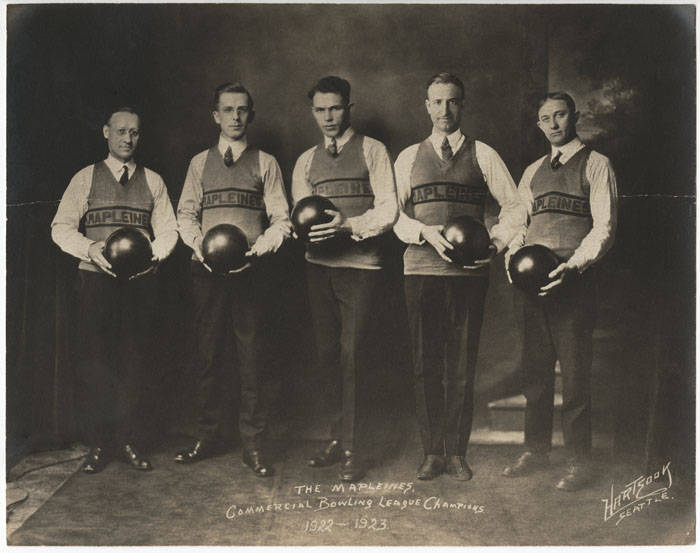
Rayon or polyester shirts, embroidered or chain-stitched with the team name and the sponsoring business, worn weekly and kept for years.
The sponsor is the part that matters. A local business paid the team’s fees in exchange for its name across a bowler’s shoulders every Tuesday for a season, which made the league a working piece of local commercial infrastructure rather than a pastime.
5. Smoking Was Permitted Everywhere Including on the Approach
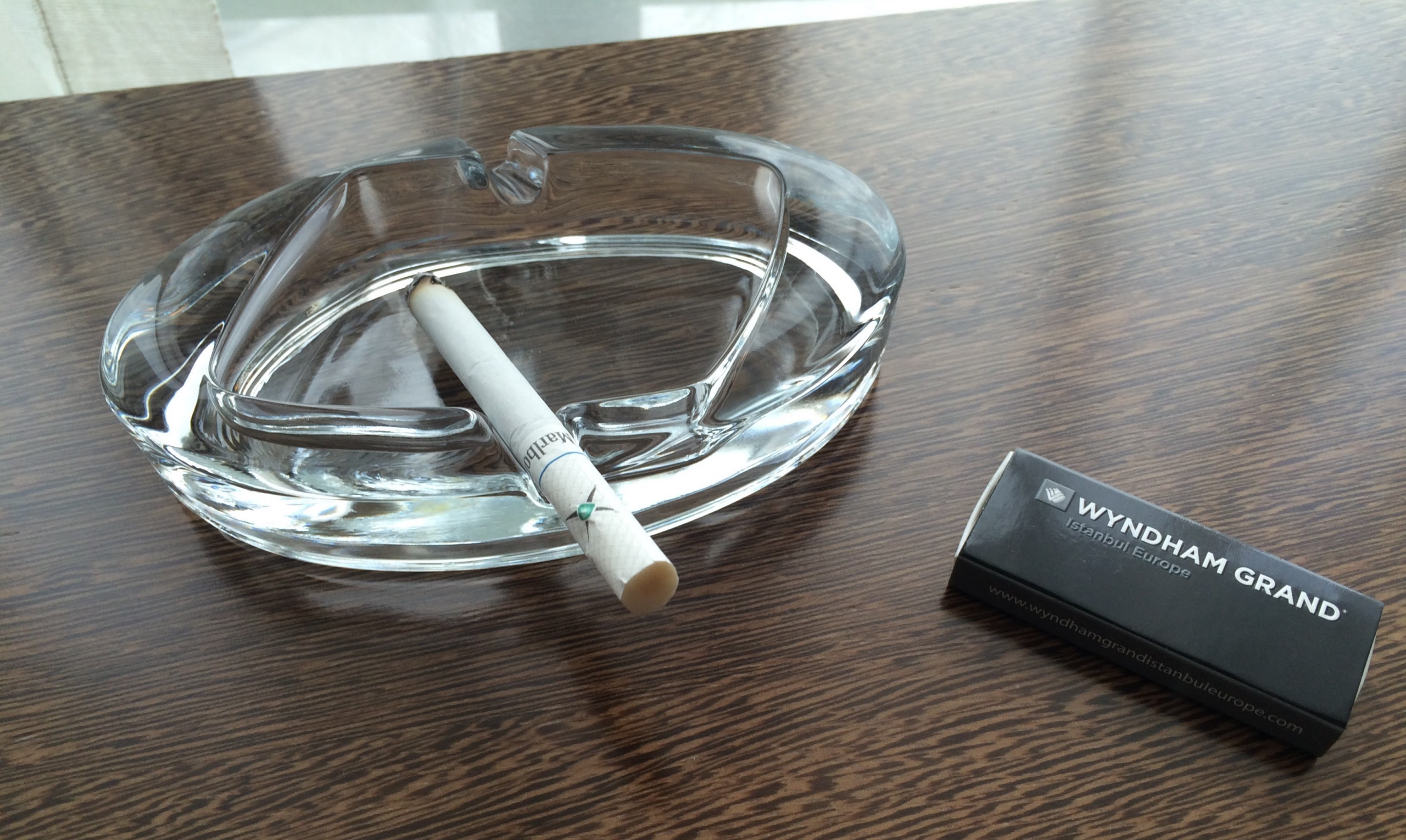
Ashtrays were built into the seating at every lane, the air was visibly thick by nine o’clock, and bowlers smoked between frames without leaving their seats.
The bowling centre was among the very last American indoor public spaces to go smoke-free, and the reason is the same occupational reframing that ended it everywhere else. Anybody who bowled in that era remembers the ceiling tiles.
6. There Was a Cocktail Lounge With No Windows Attached to the Lanes
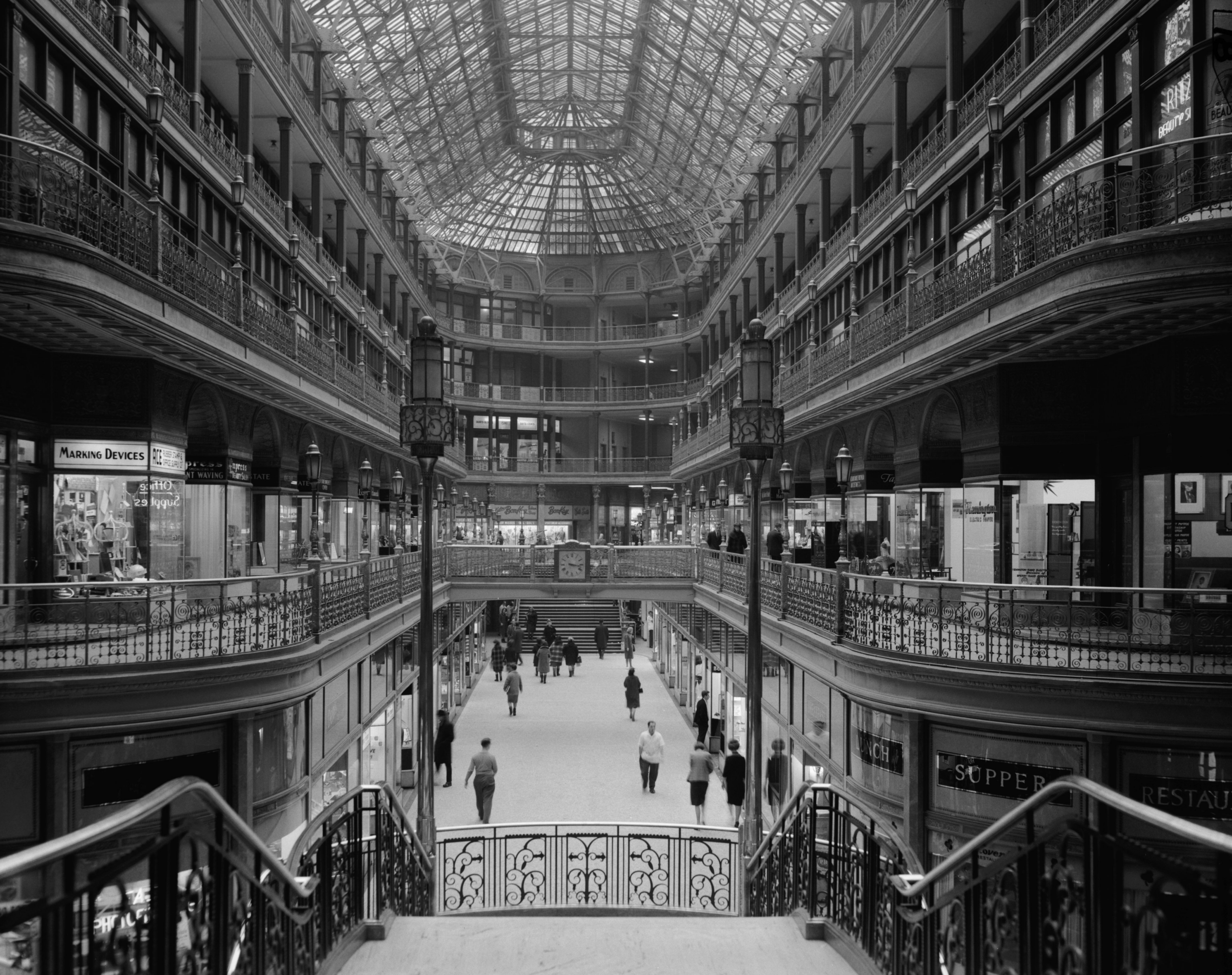
A separate dimly lit bar, usually with its own entrance, operated alongside the lanes and frequently kept longer hours than the bowling did.
The lounge was a substantial share of revenue and it is why so many bowling centres were built with one. It also explains the building’s characteristic shape – a long low shed for the lanes with a windowless box bolted to the front.
7. The Balls Were House Balls and Nobody Had Their Own
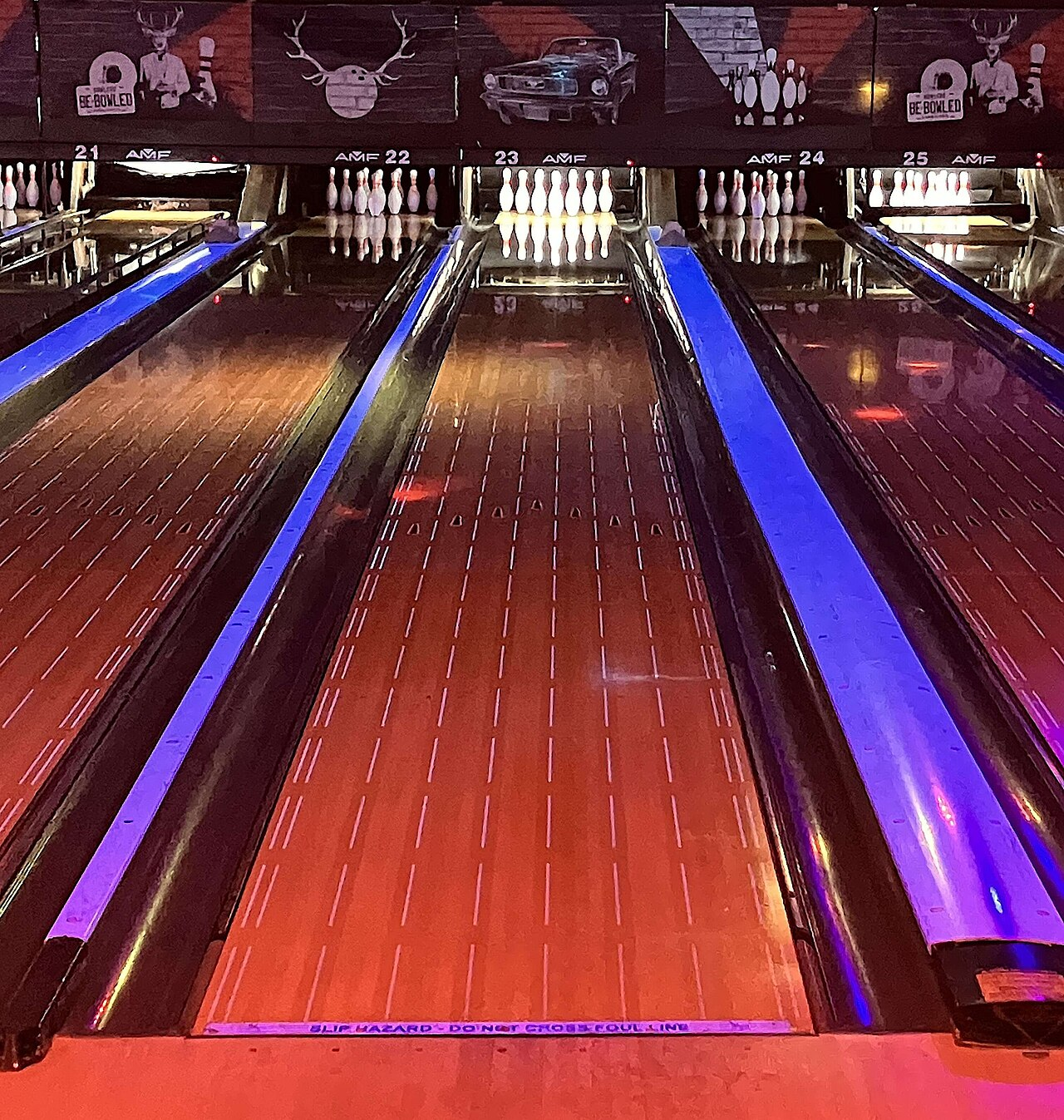
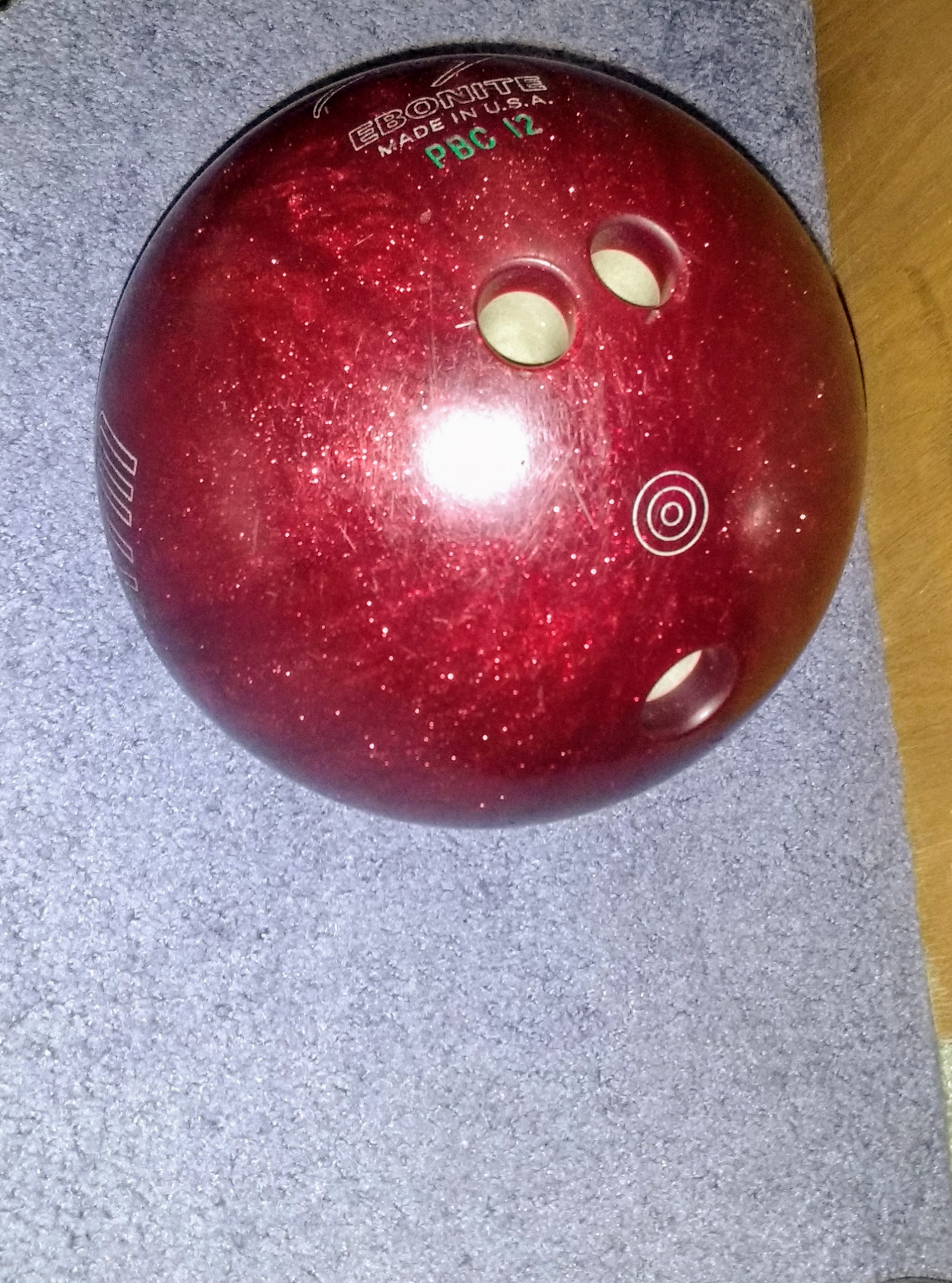
Racks of chipped, mismatched, conventionally drilled balls stood by the lanes, and the ritual of finding one that fit your hand was part of arriving.
Custom-drilled personal equipment was a serious bowler’s purchase and nothing else. The modern pattern of casual players arriving with their own gear barely existed, and the house rack was how most Americans actually bowled.
8. The Shoes Were Rented and Sprayed and Handed Over a Counter
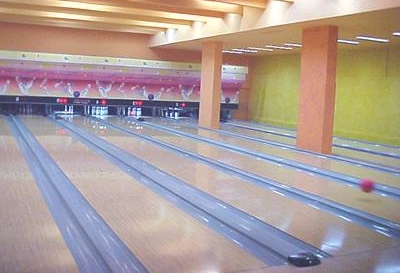
A counter at the front held hundreds of pairs in numbered pigeonholes, each pair sprayed from an aerosol between users, exchanged for a shoe of your own as a deposit.
Taking a customer’s shoe as security is a detail that stops people now and it was simply how the rental worked. It also meant nobody walked out in the rentals, which is the only enforcement anybody needed.
9. A Child Could Be Left There for Three Hours
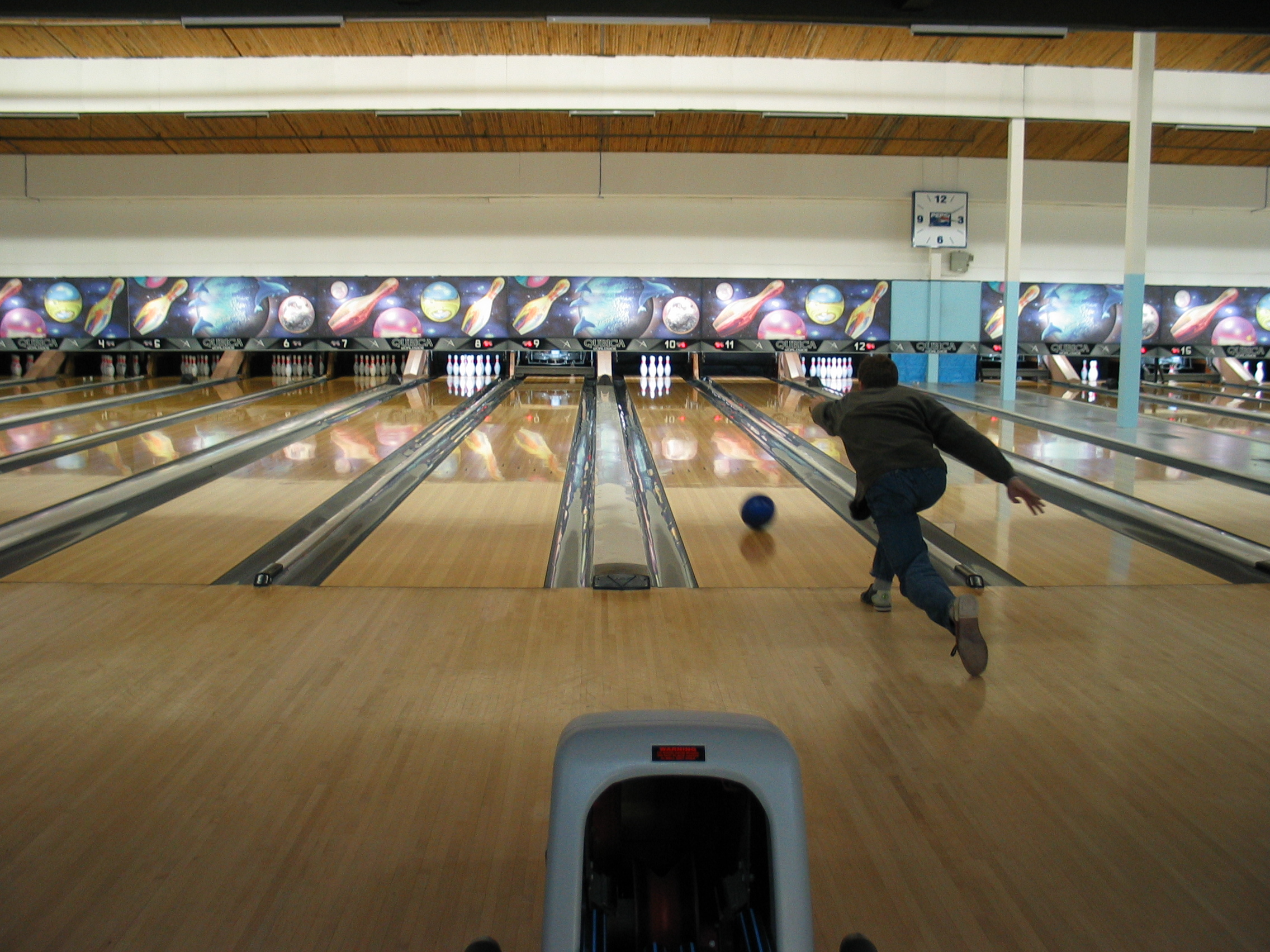
Children came with a parent on league night, were given coins and sent to the arcade, the snack bar and the lanes at the far end, and were collected at the end of the session.
The bowling centre worked as informal childcare for an entire generation of American league bowlers, and it worked because the building was enclosed, staffed and visible. It is one of the few places on any of these lists that was deliberately designed to contain unattended children.
10. The Snack Bar Served One Specific Thing Nobody Could Explain
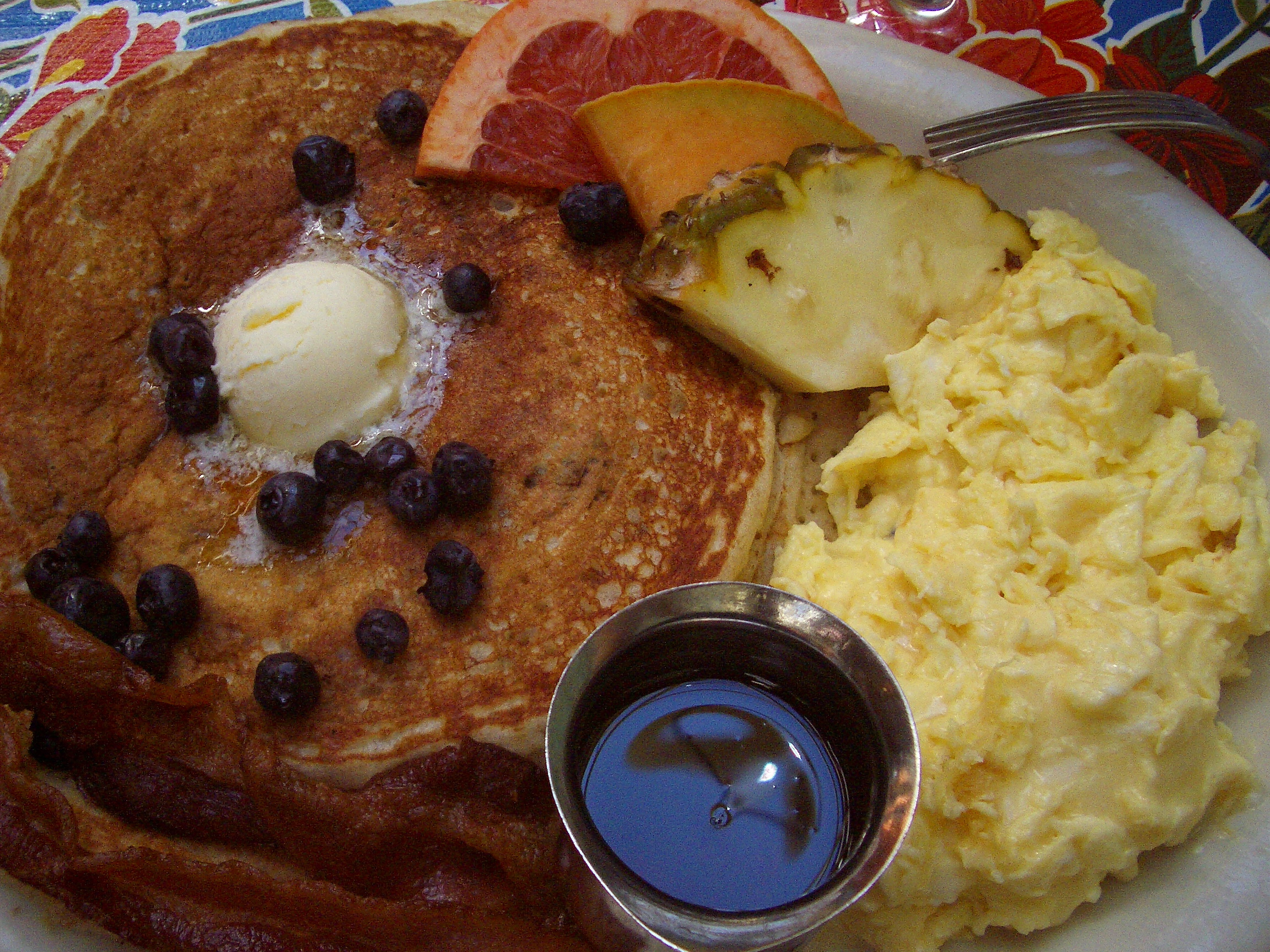
A grill behind the counter produced a short, idiosyncratic menu – a particular sandwich, a particular basket of fried food – that varied from centre to centre and was fiercely defended by regulars.
Bowling centre food is a recognised American regional cuisine in its own right, varying by city and by owner, and the reason it persists is that it was never a chain product. It was whatever the proprietor decided to cook.
11. The Building Was Enormous, Single-Storey and Built on the Edge of Town
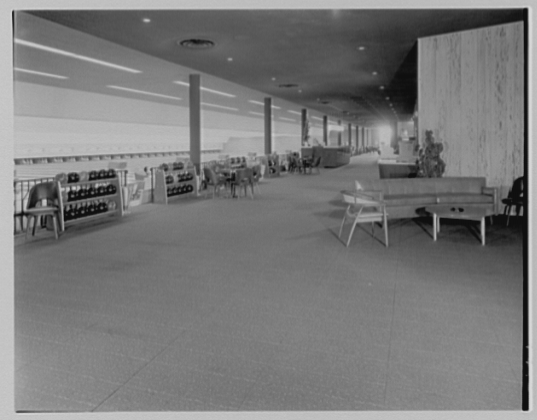
Thirty or forty lanes under a long low roof, with a parking lot, on an arterial road, in a structure with almost no other possible use.
That footprint is why so many closed centres became churches, carpet showrooms and self-storage. A column-free single-storey shed of that size on a main road is extremely valuable and almost impossible to repurpose as anything requiring daylight.
12. Nearly Every American Town Had One and Now It Does Not
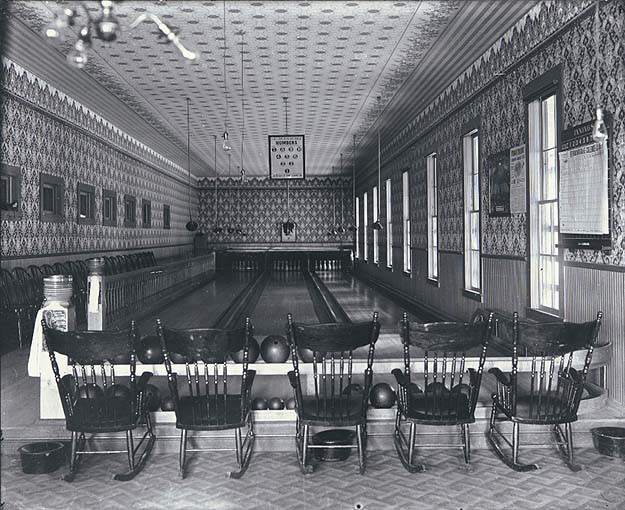
Participation was mass, the number of centres was very large, and the sport reached a share of the American population that is difficult to credit now.
Thousands of centres have closed, and the cause is the league rather than the game. Leagues required a fixed commitment on the same night for a whole season from the same people, which is precisely the thing that stopped being possible as working hours, family schedules and the structure of the American week changed.
13. The Lane Was Oiled by Hand and the Pattern Was a Local Secret
The approach and the first stretch of each lane were dressed with oil applied by hand with a wick or a cloth machine, and the quantity and the pattern were set by whoever did it.
That dressing decides how a ball hooks, which means the house pattern was the single biggest variable in play and was effectively unregulated. Regulars learned their own building and were measurably worse elsewhere, and modern computerised oiling to a published specification removed the home advantage along with the mystique.
14. What Closed Them Was the Calendar, Not the Sport
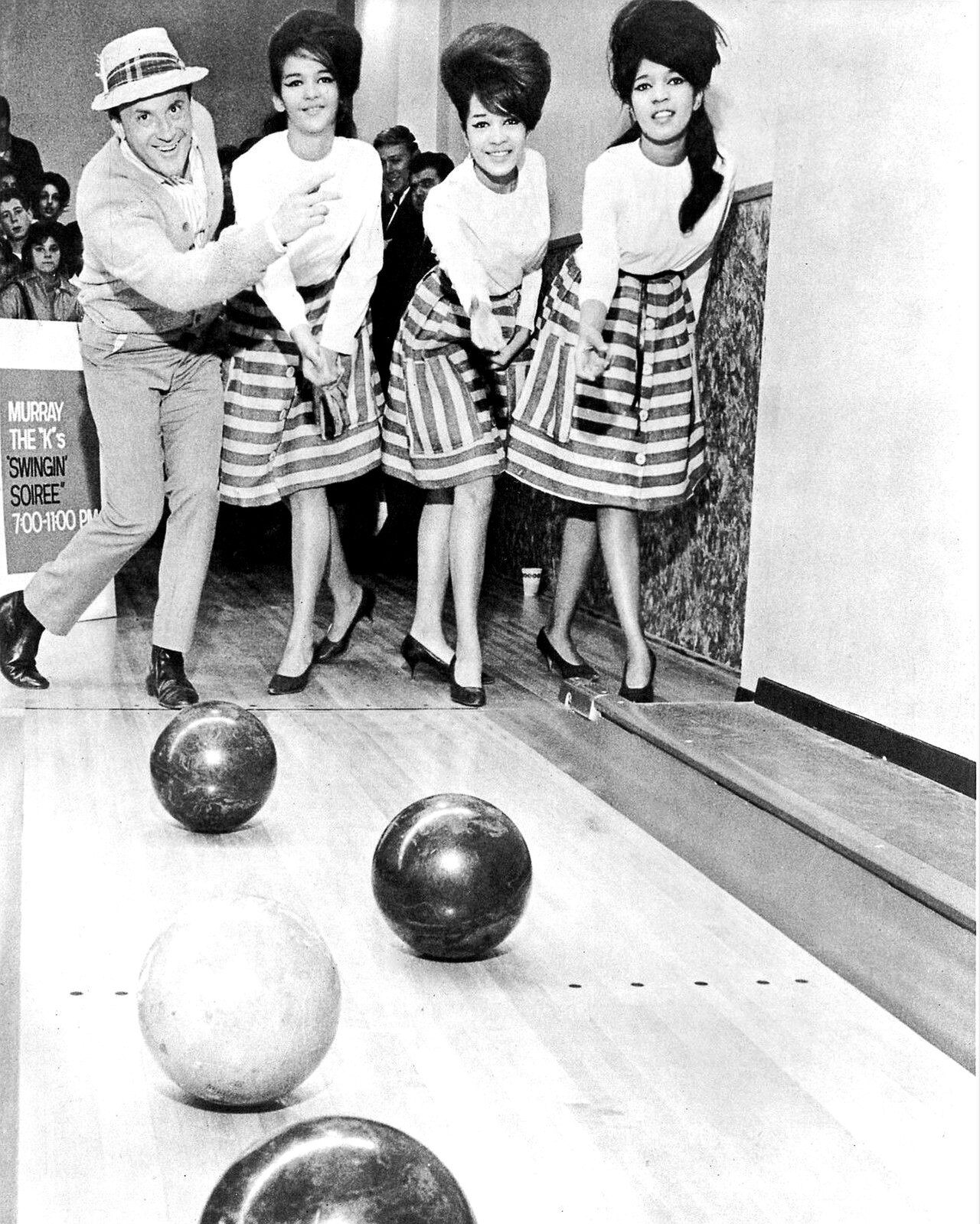
Read the list again. The league night, the sponsor’s shirt, the standings, the season, the fixed roster and the childcare arrangement that made it possible.
Bowling itself did not become less popular – casual participation held up reasonably well. What collapsed was the ability of a large number of adults to commit to the same evening every week for thirty weeks, and with it went the pre-paid, predictable income that filled those buildings on a Tuesday. The lanes were fine. The Tuesday was the problem.
The Tuesday Was the Problem
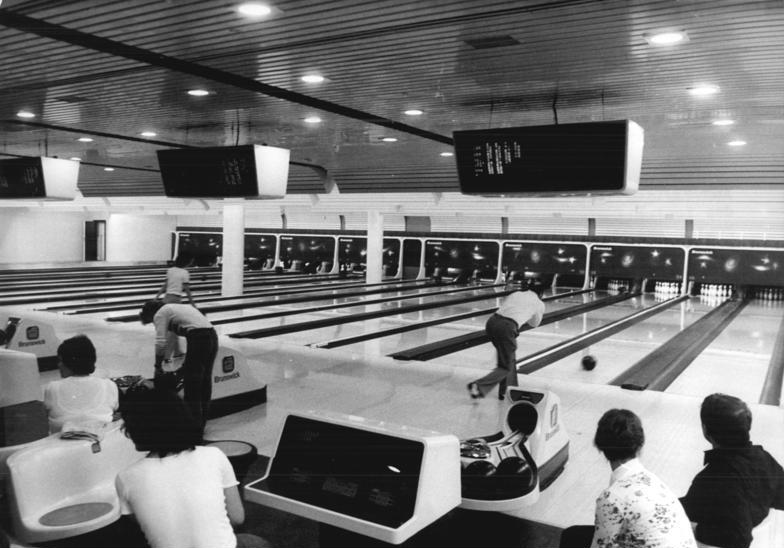
The American bowling centre was not a sports venue with a bar attached. It was a subscription business, and the subscription was the league.
That is the whole economic story. A league filled a building on a weeknight with a known number of people who had paid in advance and would return on the same evening for an entire season. The sponsor covered the fees, the lounge took the bar spend, the snack bar took the food, the children were occupied at the far end, and the operator knew in September what October would look like.
Everything else on the list follows from it: the matching shirts, the standings, the handicap system, the house balls, the rental counter and even the location on an arterial road with a parking lot big enough for forty cars arriving at the same minute.
And when it went, it did not go because Americans stopped enjoying bowling. Casual play held up. What disappeared was the ability of forty adults to commit to the same night, every week, for thirty weeks – which requires predictable working hours, a stable local workforce and a week with a fixed shape. The sport outlived the schedule that paid for the building.
The buildings are the easiest closed business in America to spot from a car. A long low shed on a main road with a windowless box on the front, now selling carpet.
Like our content? Follow us for more.