

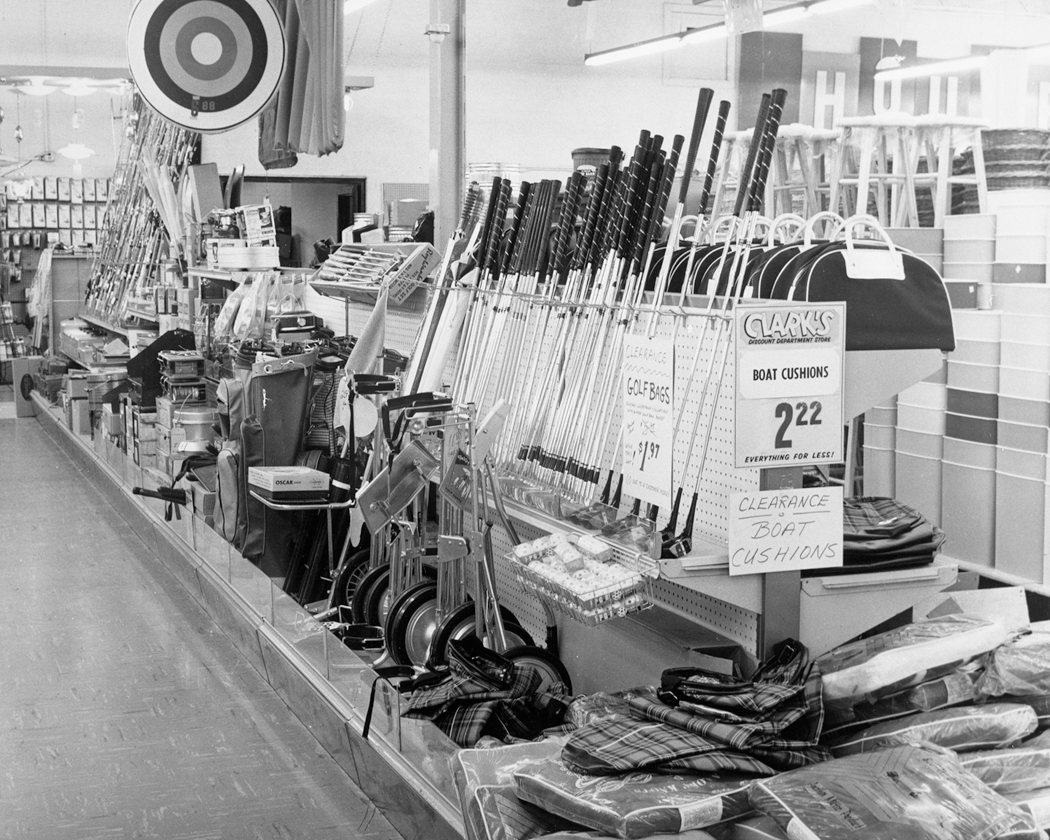
The sporting goods shop of 1968 was a general store for everything a person did outdoors or on a field, run by somebody who had done most of it, with a workbench in the back and a gun rack on the wall.
It was built on three conditions that have each gone separately: equipment expensive enough to be worth repairing, expertise that existed nowhere except behind the counter, and prices nobody could check from anywhere else.
Here are ten things that were entirely ordinary in that shop and have since been regulated, automated, or made commercially pointless.
1. Rifles and Shotguns Stood Unlocked in an Open Rack
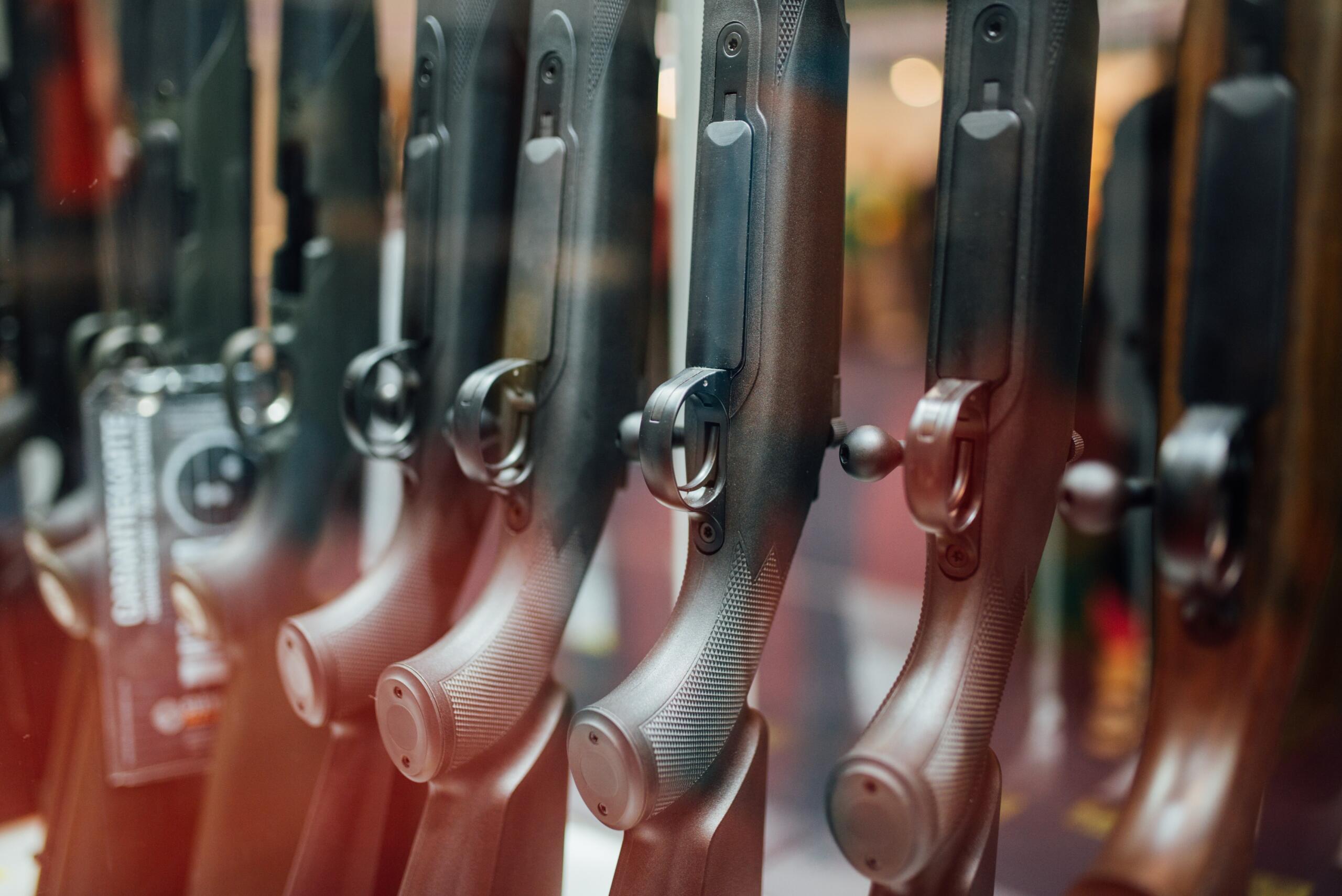
The gun wall in a 1968 sporting goods shop was a wooden rack behind or beside the counter, and in a great many shops the long guns were not secured to it. A customer could lift one down, shoulder it, and work the action while the clerk watched from six feet away. Ammunition sat on an open shelf.
The Gun Control Act was signed in October 1968 and it is the hinge the whole subject turns on. It created the federal firearms licence regime as it now operates, ended mail-order sales to individuals, and imposed the record-keeping that made the casual gun wall untenable. Within a few years the racks had locking bars, the handguns had moved into cases, and the clerk had a bound book to fill in.
Like our content? Follow us for more.
2. The Clerk Had Played the Sport
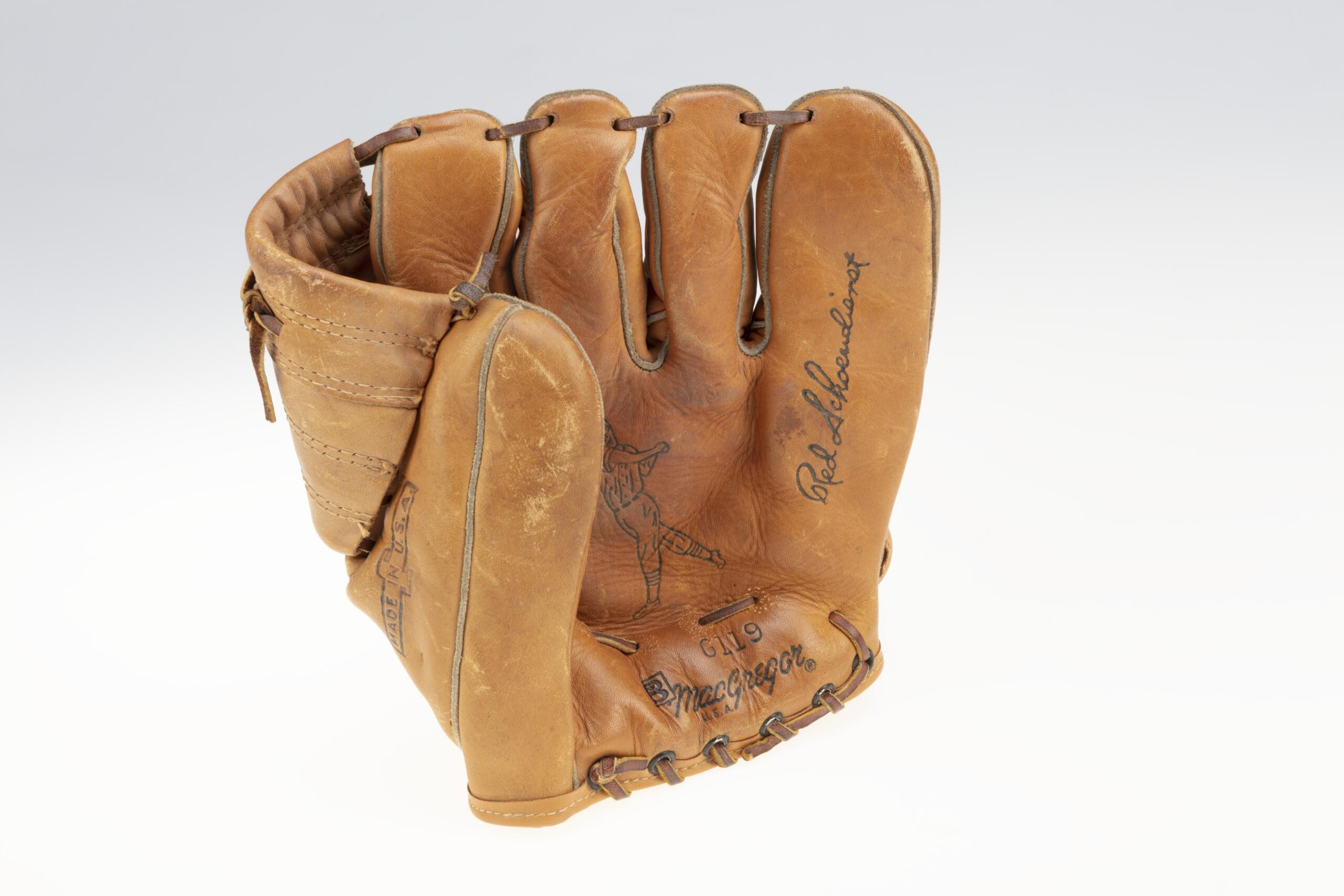
Staffing a sporting goods shop meant hiring people who knew the equipment because they had used it. The man selling you a baseball glove had caught with one for fifteen years, could tell you why the web pattern mattered for an infielder, and would break it in for you behind the counter while you waited.
This was not a service add-on; it was the whole business model, because the alternative sources of information did not exist. There was no review site, no forum, no video of somebody demonstrating the difference. The knowledge lived in the shop and you went there to get it. Specialist independents that survive now survive almost entirely on this, which is why they are concentrated in running, cycling and fly fishing rather than in general sport.
3. Everything Was Repaired on the Premises
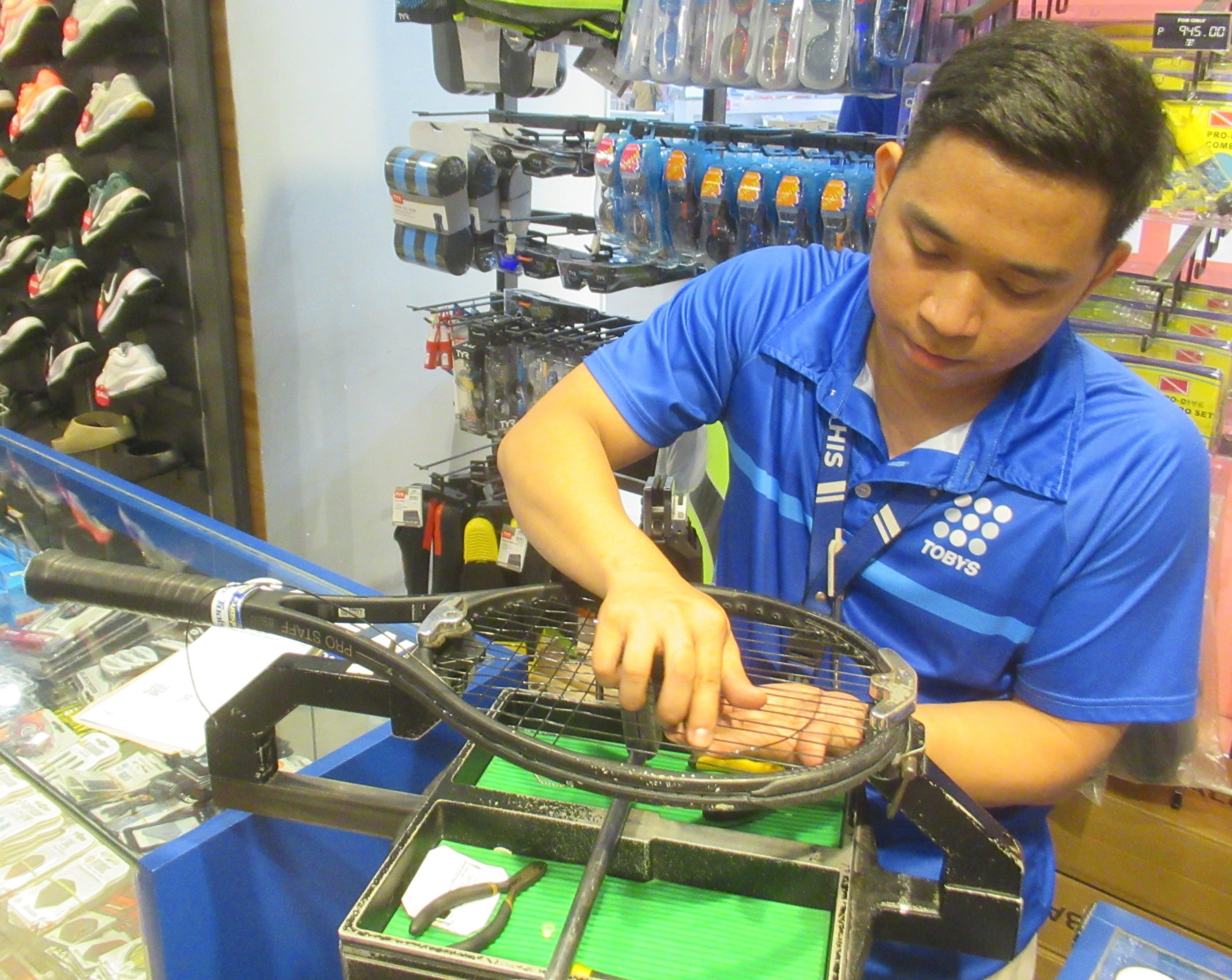
The back room had a workbench. Hockey skates were sharpened, tennis rackets were restrung by hand on a drop-weight machine, baseball gloves were relaced, ski bindings were adjusted and tested, and bicycle wheels were trued. The turnaround was usually overnight and the charge was small.
Repair capacity assumed equipment worth repairing, and in 1968 it was – a good racket cost a meaningful fraction of a week’s wages and was expected to last years. The relationship inverted as manufacturing costs fell. A modern entry-level racket costs less than a professional restring, so the restring does not happen and the racket is replaced, which has removed the reason for the bench and the person who stood at it.
4. Tennis Rackets Were Wood and Lived in a Press
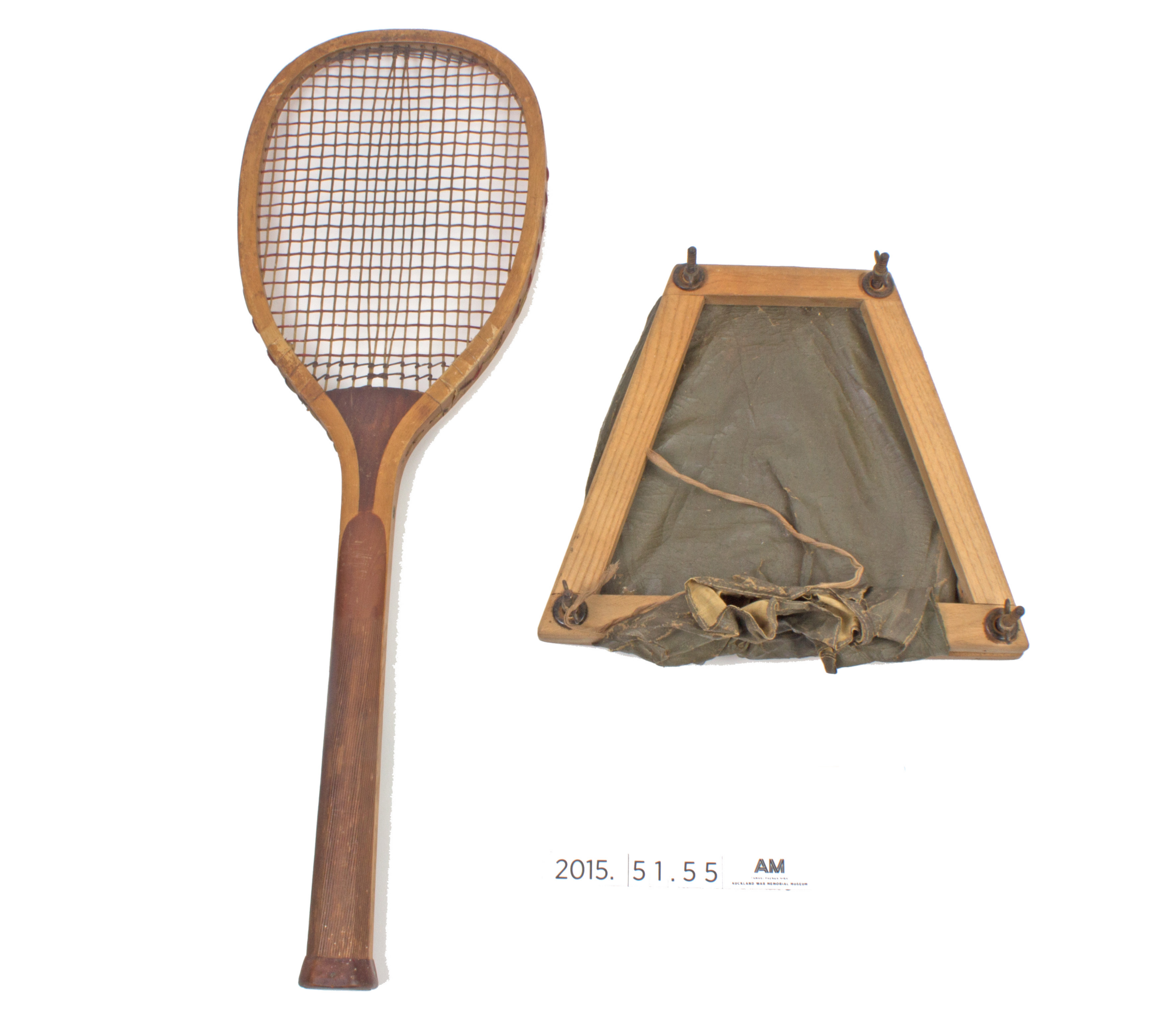
A wooden racket left loose in a cupboard warped. Every racket was sold with or alongside a press – a wooden or metal frame with four wing nuts that clamped the head flat – and the discipline of pressing it after every match was taught to every beginner as part of owning one.
Metal rackets had arrived and the oversized aluminium frame that broke the game open was a few years away. By the mid-1980s wood was finished at every level. The press went with it, and an entire piece of routine equipment maintenance that every tennis player in the world performed daily simply stopped existing inside about fifteen years.
5. Football Helmets Were Sold to Children With No Certification
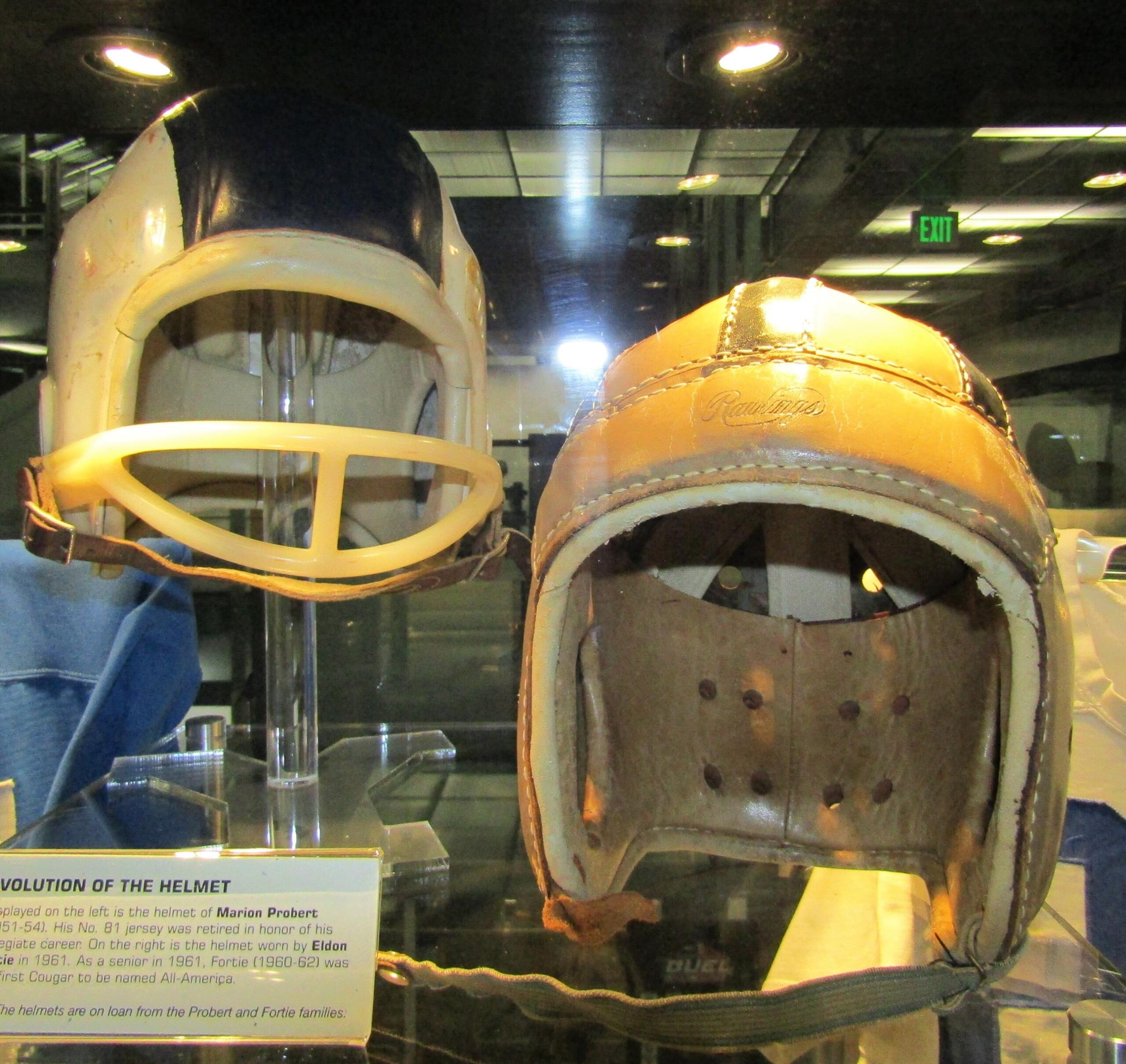
A boy’s helmet in 1968 was a plastic shell with a suspension of webbing straps inside and a single-bar facemask. There was no impact standard, no certification sticker, no fitting protocol, and no expiry date. It was selected by head circumference and whether it looked right.
The voluntary helmet standard that governs the category was established in 1973 and certified helmets reached the shelves through the latter half of that decade. Everything that now accompanies a helmet sale – the certification mark, the reconditioning cycle, the recertification date, the warning label, the fitting – postdates 1968 entirely. A helmet bought that year carried no information about how much protection it offered because nobody had agreed on how to measure it.
6. Skis Were Wood or Metal and the Bindings Were an Open Question
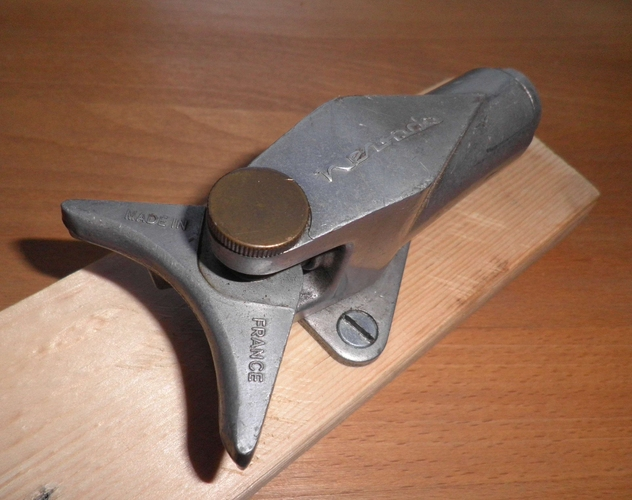
Release bindings existed and worked variably. Shop adjustment was done by feel and by the customer’s own account of their weight and ability, and a reasonable number of skiers simply ran them tight because a pre-release on a steep pitch was frightening.
The spiral fracture of the tibia was the characteristic skiing injury of the era and the statistics on it are stark. Standardised release-force testing, the calibrated jig on the shop counter, the DIN setting written on the ticket and the liability-driven paperwork the customer signs all arrived through the 1970s. Lower-leg fractures fell by roughly ninety percent across the following decades, and the shop bench is a substantial part of the reason.
7. Sneakers Were Canvas, Cheap, and Not a Category
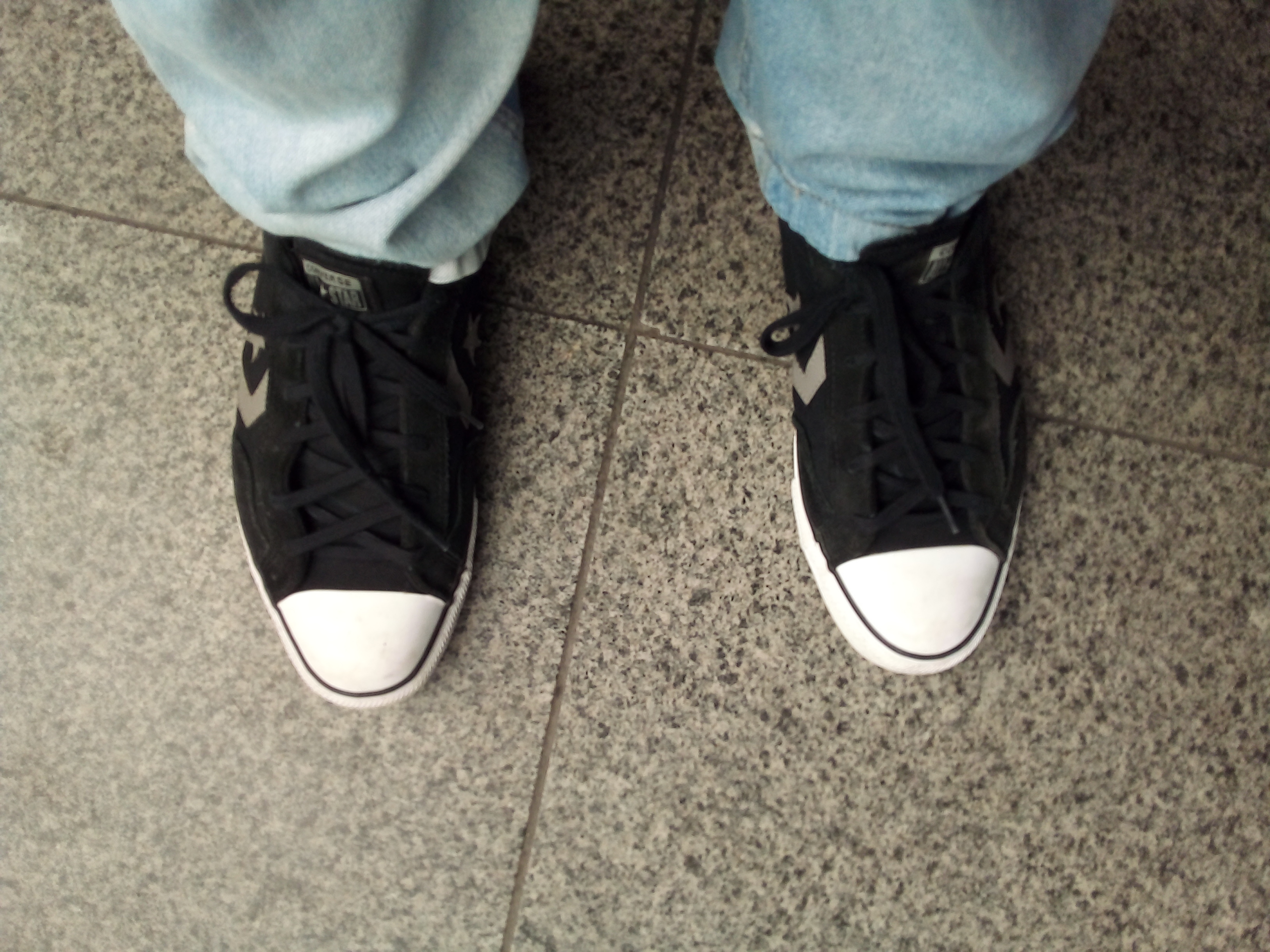
The shoe wall in 1968 held canvas basketball shoes with a flat rubber sole, a few leather models, and a rack of baseball and football cleats. There was no running shoe section because mass-participation running did not yet exist, and there was no cushioning technology to explain.
The running boom of the 1970s created the athletic shoe as a consumer category, and what followed – cushioning systems, stability classification, gait analysis, the shoe as fashion object – rebuilt the entire front of the shop. In 1968 footwear was a modest corner of a sporting goods store. It is now, in most of the surviving chains, the majority of the floor and the majority of the margin.
8. Nobody Was Wearing Any of It Casually
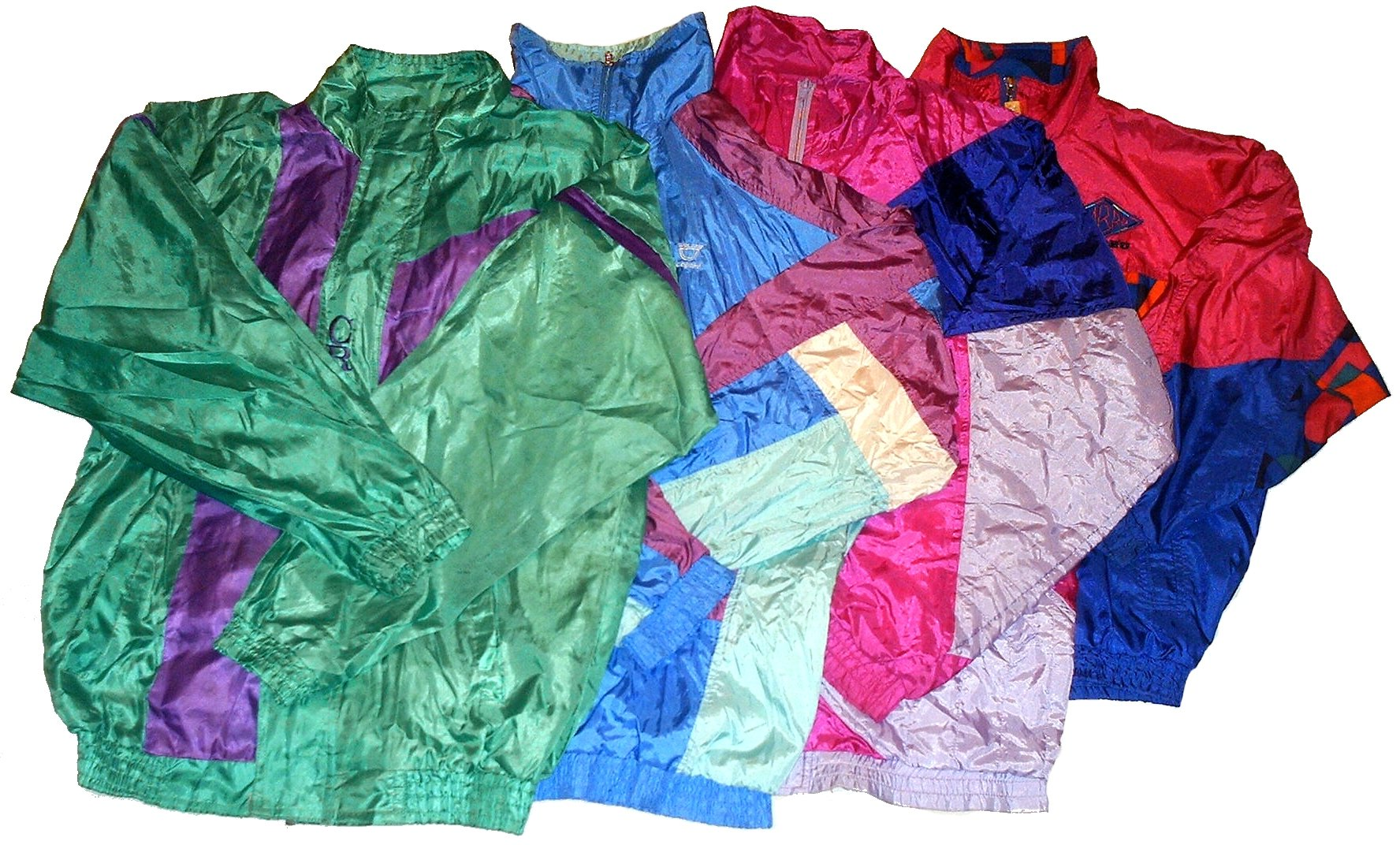
Sporting goods in 1968 were bought by people who played the sport. A team jersey was worn by the team. A tracksuit was worn to train. The idea that the general public would buy athletic apparel to wear to the shops or the office did not exist as a market and the shops were not laid out for it.
Licensed merchandise and athleisure are the two developments that changed the industry’s economics more than anything on the equipment side. A modern sporting goods retailer sells a very large volume of clothing to people with no intention of playing anything, which subsidises the equipment business and has quietly changed who the shop is actually for.
9. The Hunting and Fishing Counter Was the Anchor
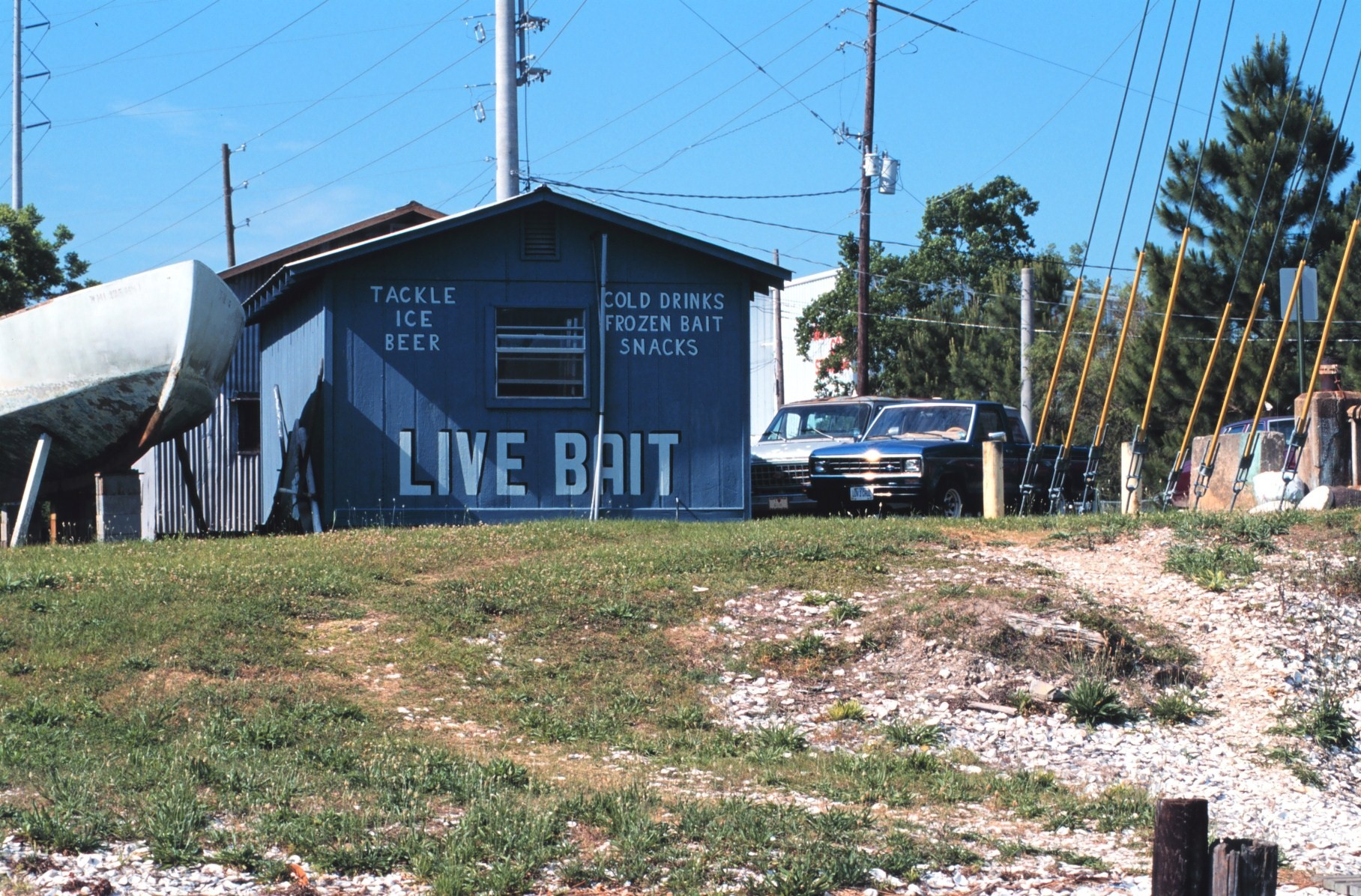
In most of the country the general sporting goods shop was first a hunting and fishing shop. Licences were sold at the counter, the bait fridge hummed in the corner, the fly-tying materials occupied a cabinet, and the seasonal calendar – opening day, the deer season, ice-out – governed the year’s trade.
Participation in both activities has declined substantially as a share of the population, and licence sales moved online. What was the anchor department in 1968 is now either the entire business of a specialist or a modest aisle in a big-box store. The general shop that served both the deer hunter and the little league parent from one counter is the format that largely did not survive.
10. You Could Not Find Out What Anything Cost Anywhere Else
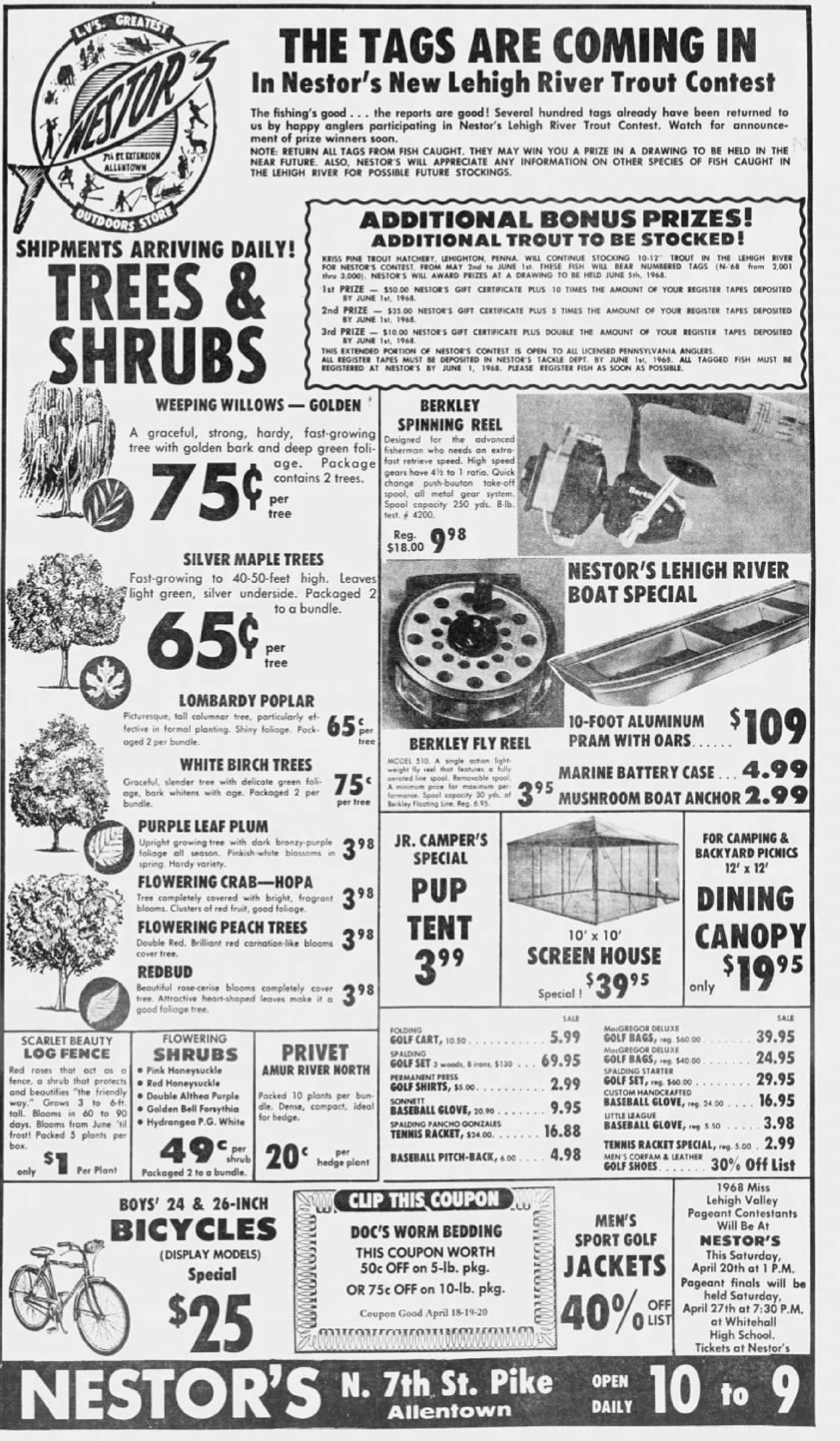
Price discovery in 1968 meant driving to the next town. A customer knew what the shop charged and possibly what one competitor charged, and beyond that had nothing. Manufacturers published suggested retail prices and shops largely held them, and a knowledgeable buyer’s advantage came from knowing the product, not the price.
Catalogue retailers put modest pressure on this and the big-box category applied far more from the 1980s. What finished it was the ability to stand in the shop holding the item and see every price in the country on a screen. The independent’s margin, the service, the bench and the clerk who had played the sport were all funded by the price opacity, and they went in roughly the order the opacity did.
What Replaced It
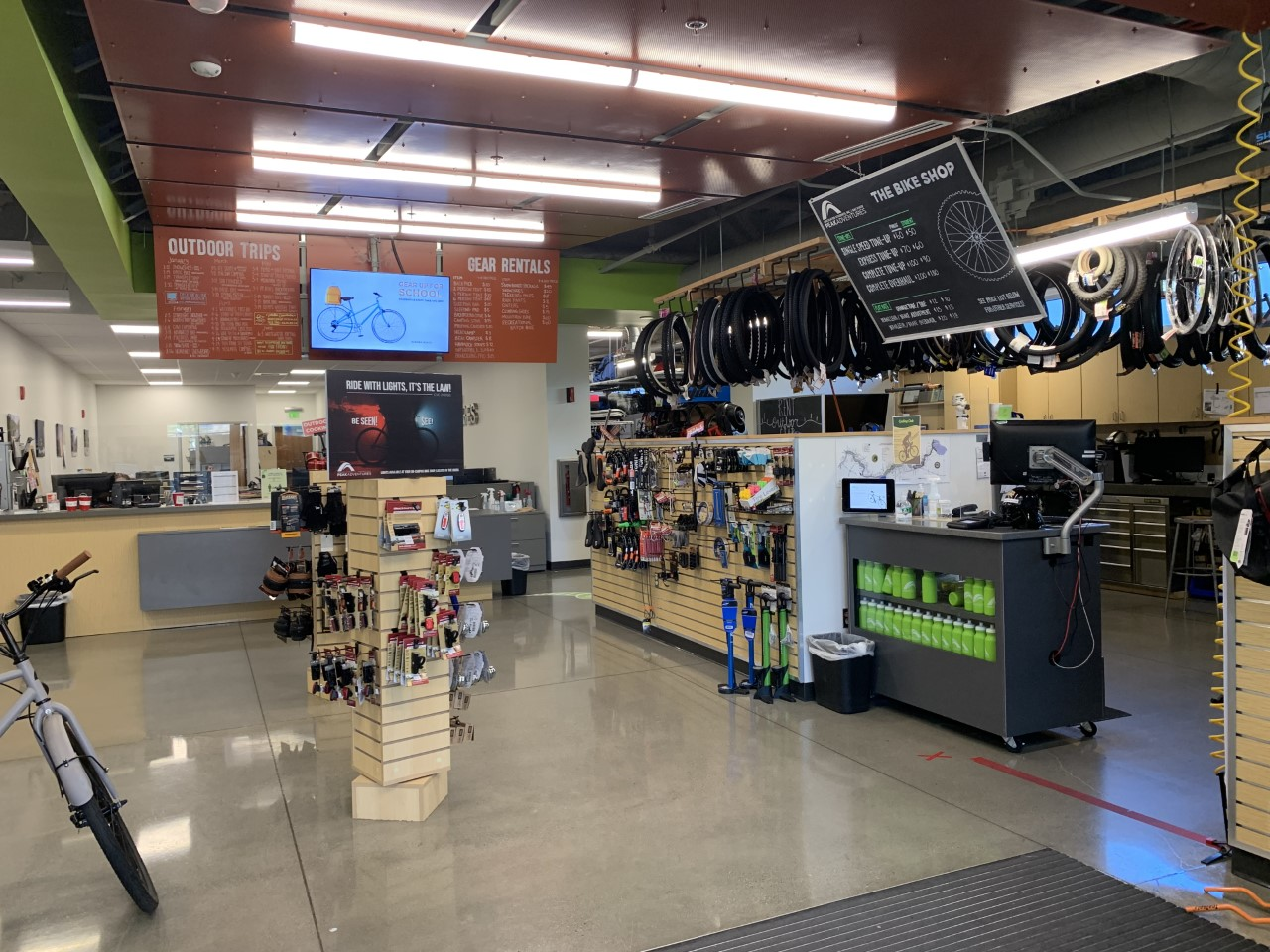
The surviving formats are the two ends. The big-box retailer won on price, range and footwear, and the specialist independent won on the one thing that could not be commoditised – somebody who knows the sport, measuring you for the thing you are about to buy.
The format that lost was the middle: the general shop with a counter for every sport, which depended on being the only source of both the equipment and the knowledge within thirty miles.
What is genuinely gone, rather than relocated, is the bench. Equipment got cheap enough that repair stopped making sense, and when the repair went, the reason to have an experienced person on the premises all day went with it. That is a smaller loss than the shopfront and a more permanent one.
If you were taken to buy your first glove, somebody behind a counter probably worked it over with a mallet and oil before handing it to you.
What was the shop called, and what was the first thing you ever saved up for in it?
Like our content? Follow us for more.

