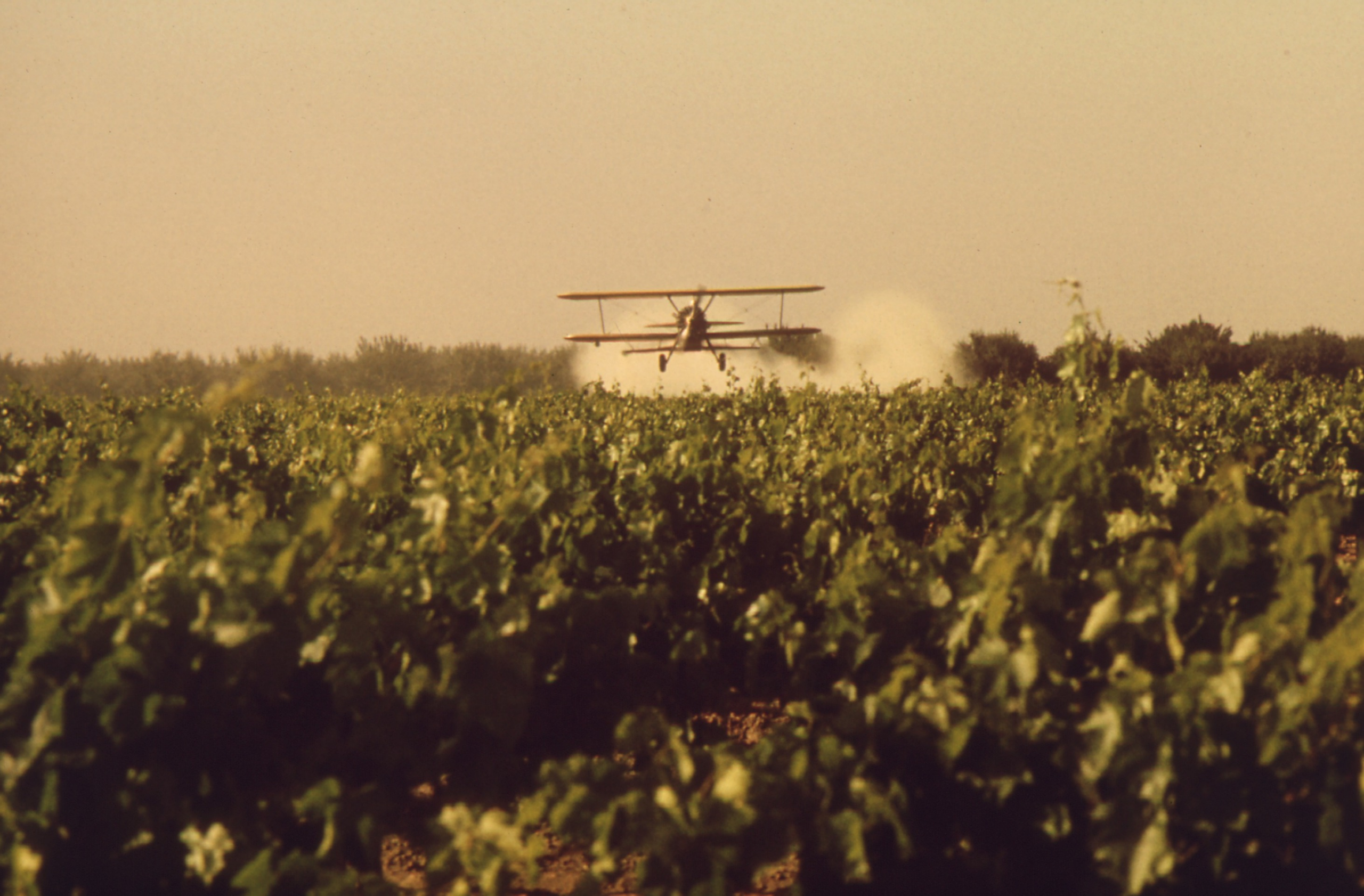
Agricultural flying in 1965 was done by one man in a converted military trainer, a few metres above a crop, pulling up at every hedge, turning hard and coming back, fifty times a field.
He loaded the chemical himself at a grass strip with no gloves, flew from first light until the wind got up, and the thing most likely to kill him was a wire he could not see.
Here are twelve things that were ordinary in agricultural aviation in 1965, and what each one became.
1. The Aircraft Were War Surplus Trainers With the Front Seat Taken Out
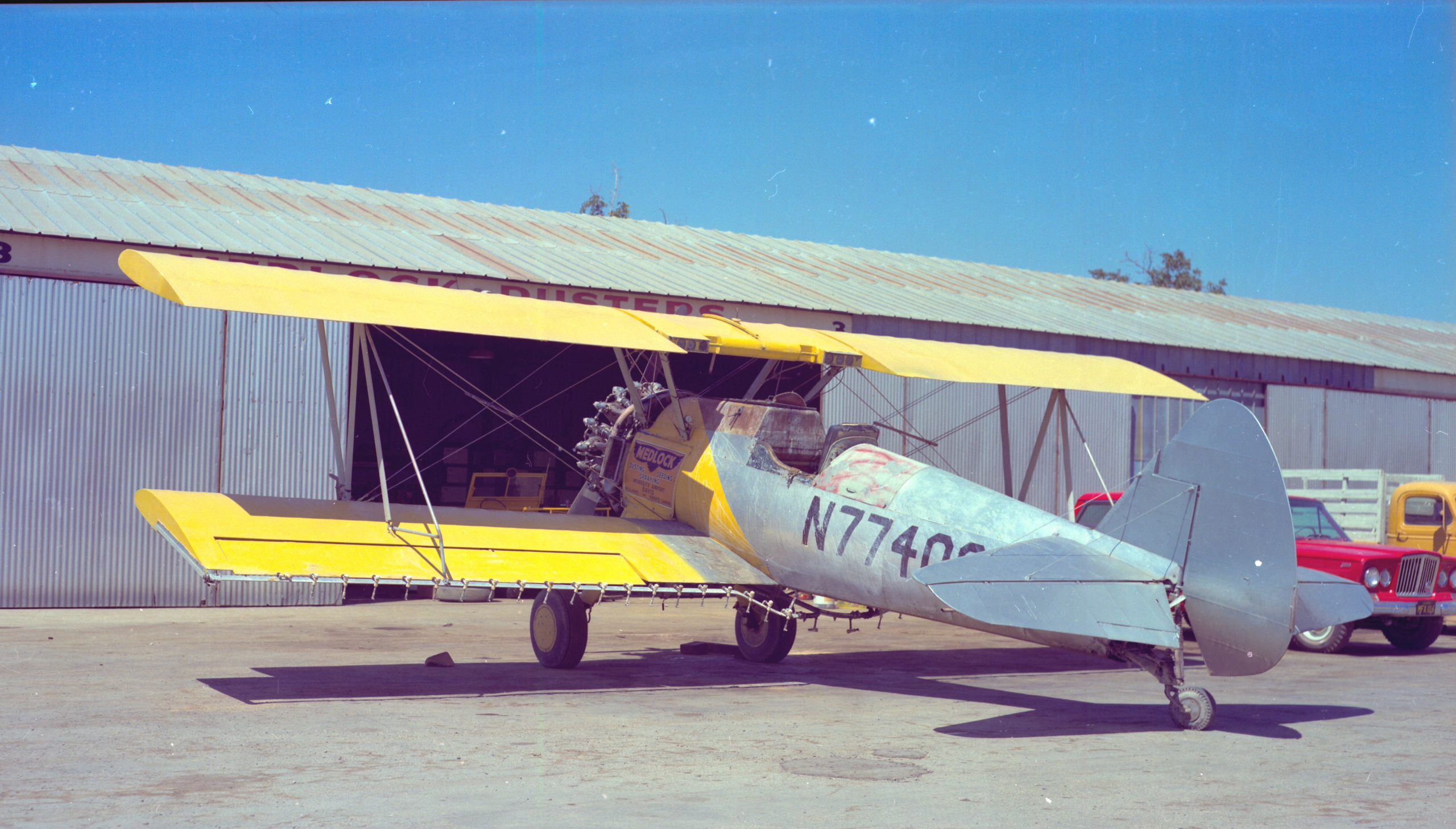
The standard machine for much of the period was a surplus military biplane trainer, bought cheaply, with the forward cockpit removed and replaced by a hopper for the load. It had been designed to teach pilots to fly, not to carry a ton of chemical ten feet above a crop.
Purpose-built agricultural aircraft changed everything. They were designed around the job: the pilot sits high and behind the hopper with good visibility, the cockpit is a steel cage with a crash structure, the fuel is behind the firewall away from the cockpit, and the airframe is stressed for the loads. The conversion-of-a-trainer era ended through the 1960s and 1970s, and the accident figures fell with it.
Like our content? Follow us for more.
2. The Pilot Sat in Front of the Hopper With the Load Behind Him
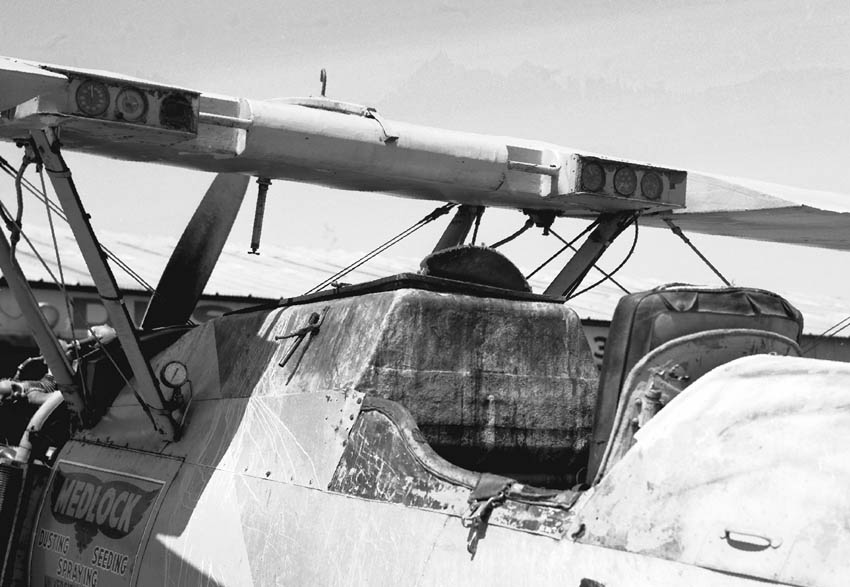
In a converted trainer the pilot was frequently positioned with the tank ahead of or around him, which in any sudden stop put a large mass of liquid and a fuel tank between him and the way out.
Cockpit survivability became the central design principle of the purpose-built machines. The modern layout puts the hopper ahead of the pilot acting as a crumple structure, the pilot in a reinforced cage with a five-point harness and a helmet, and the exit clear. Agricultural aviation remains hazardous; the proportion of accidents that are survivable changed enormously.
3. The Work Was Done Below Treetop Height, All Day
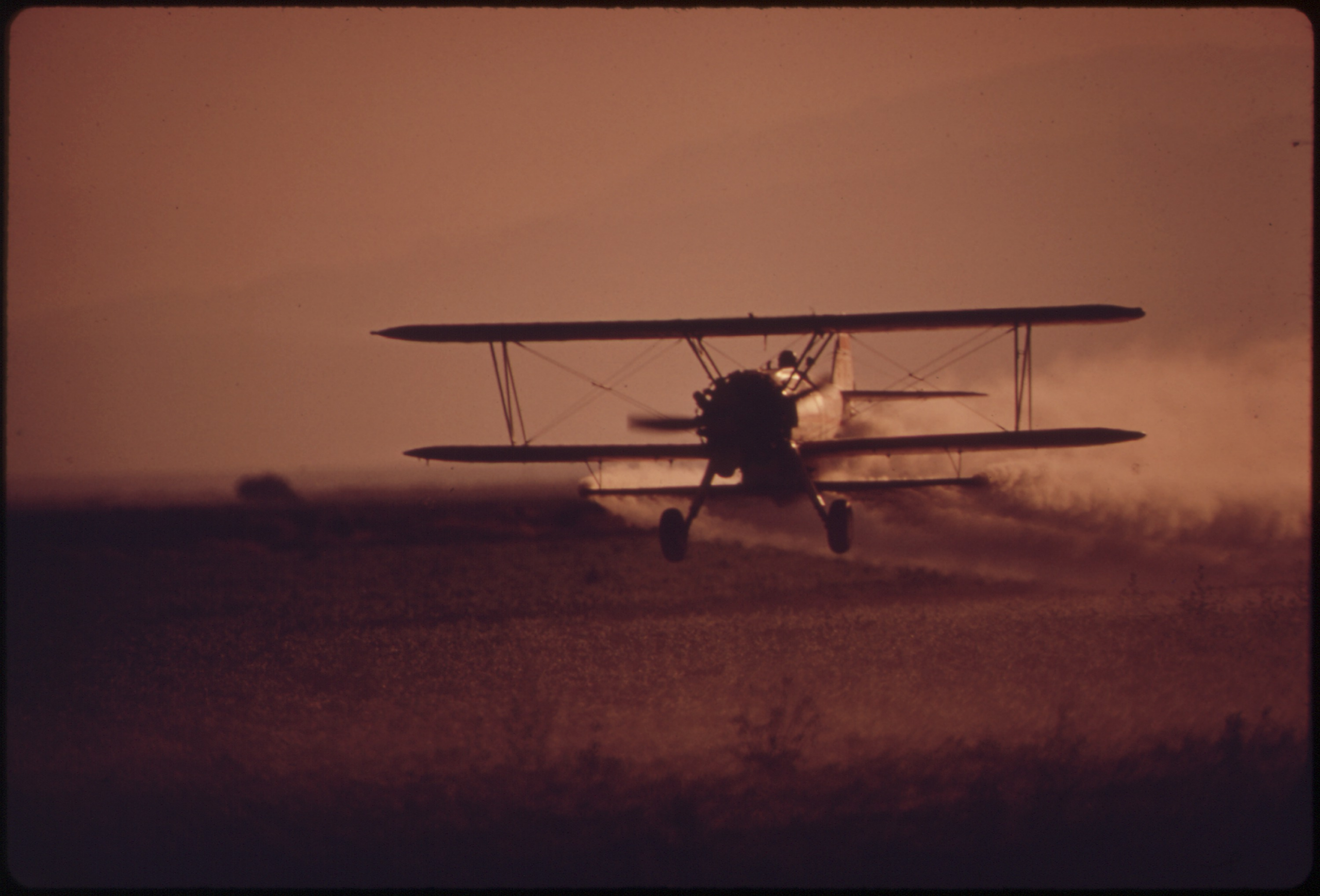
Effective application meant flying a few metres above the crop, pulling up at the end of each run to clear a hedge, a fence, a line of trees or a building, turning hard and coming back the other way. A single field might be fifty passes.
The altitude has not changed because the job will not allow it – a higher pass drifts and does not deposit where it should. What has changed is everything around it: aircraft with better climb performance and handling, pre-flight survey of obstructions, satellite guidance that flies the swath accurately so the pilot can watch outside rather than track his own line, and in a growing share of work, unmanned aircraft doing the pass with nobody aboard at all.
4. Wires Were the Thing That Killed People, and Still Are
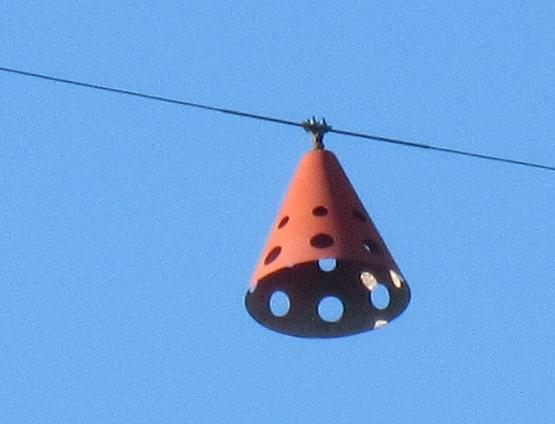
Power and telephone lines crossing fields are nearly invisible from the air at low level, particularly in haze or low sun. Striking a wire at working height is frequently not survivable, and wire strike has been the characteristic accident of the industry since it began.
The responses have been incremental and partial: aerial survey of hazards before the job, marker balls on lines over known operating areas, wire-cutting equipment fitted to the airframe, and increasingly mapped obstruction databases loaded into the cockpit. Wire strike remains a leading cause of fatal agricultural aviation accidents, which is why the obstruction survey is the part of the job experienced pilots talk about most.
5. Chemicals Were Handled With Bare Hands on the Strip
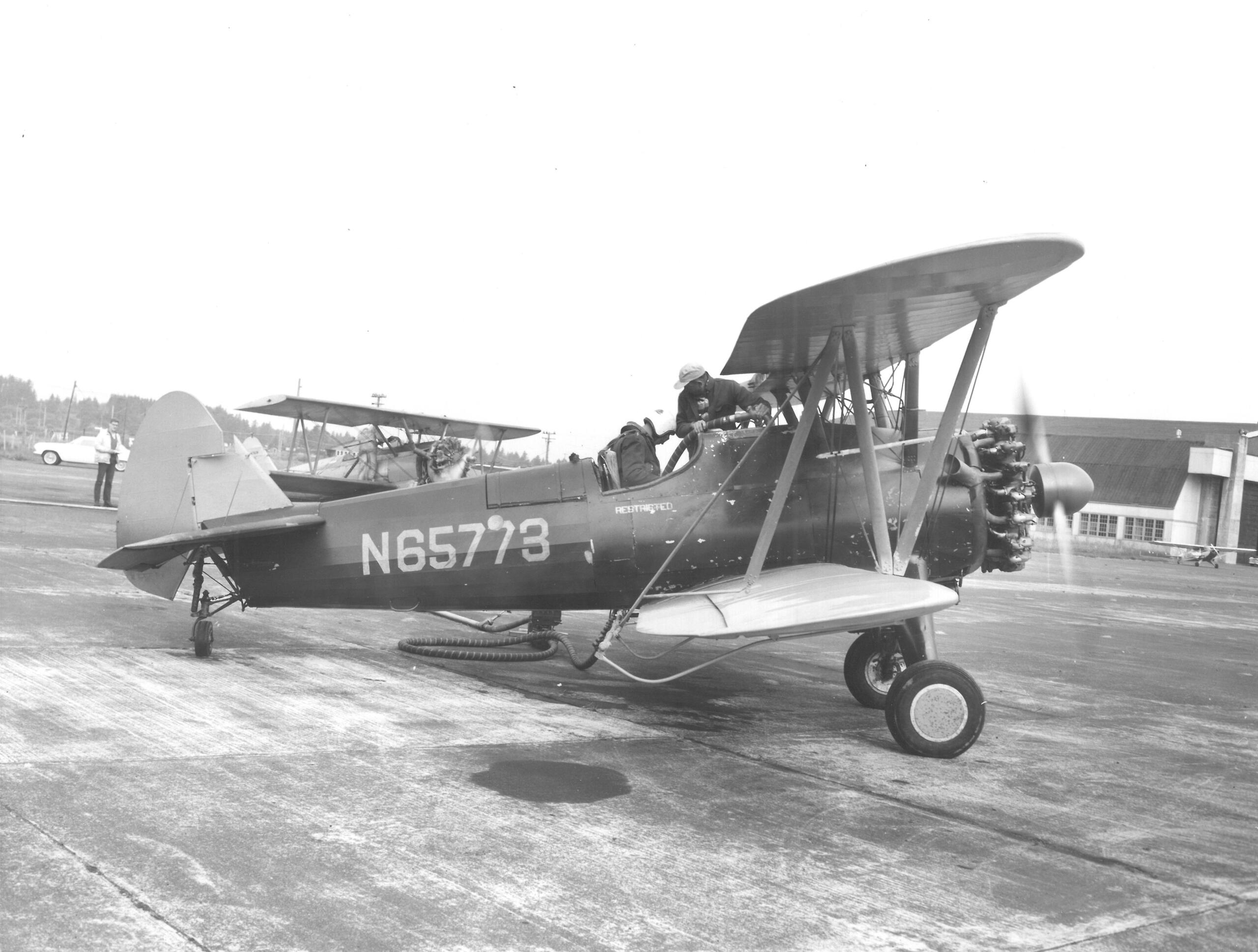
Loading was done at a field strip by the pilot and a ground crew, pouring and mixing concentrate into the hopper, frequently with no gloves, no respirator and no washing facilities beyond a jerry can. Spray drifted back over the strip and over the people on it.
This is included as occupational history. Several compounds in widespread agricultural use in that period were later restricted or prohibited, and handling requirements – closed transfer systems, personal protective equipment, decontamination facilities, exposure monitoring and licensing of applicators – were built up over the following decades. Anybody with that work history should be discussing it with their own doctor rather than with an article.
6. Drift Onto Neighbours Was Dealt With Informally or Not at All
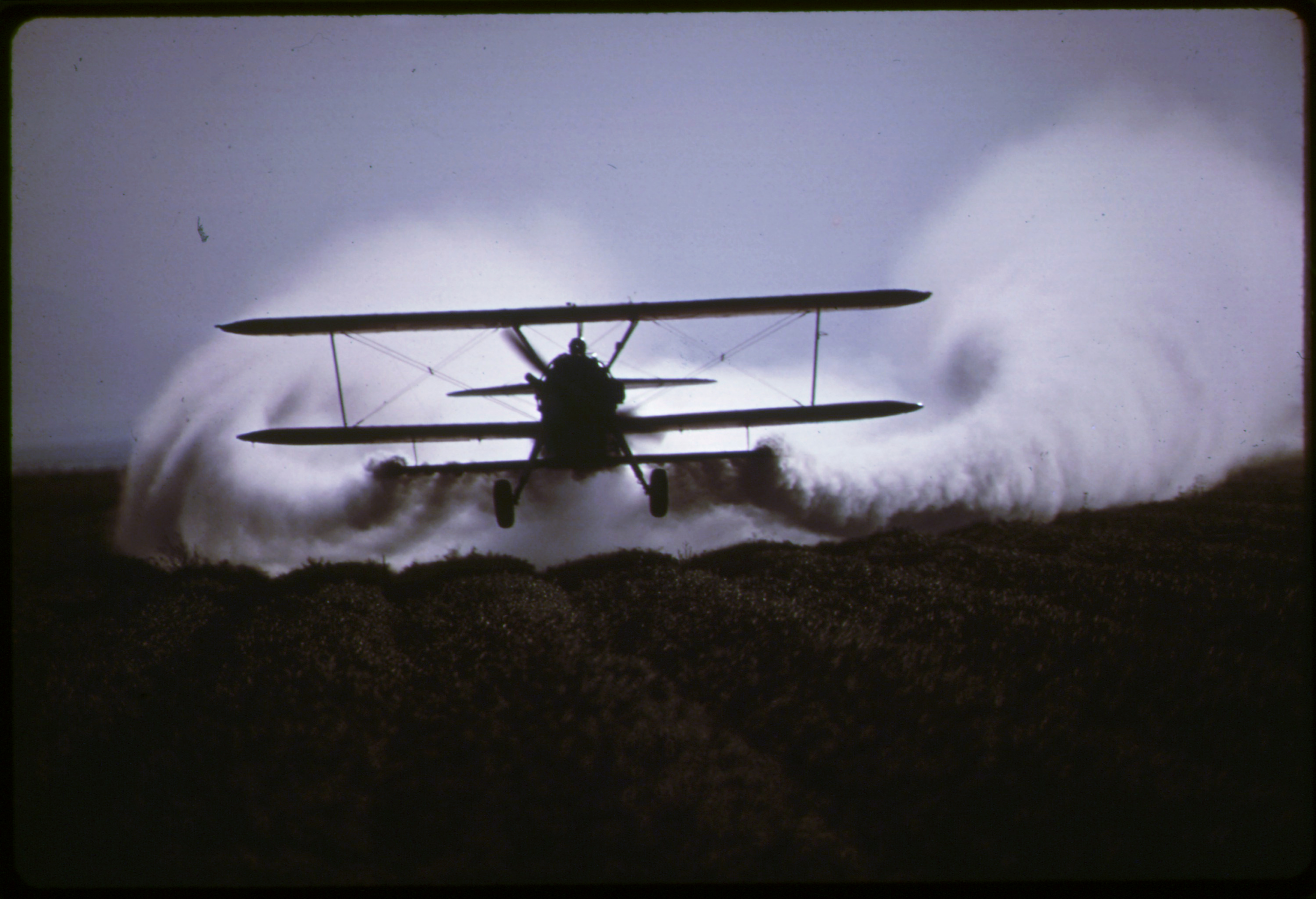
Spray that crossed a boundary onto another farm, a garden, a school or a waterway was a matter for a conversation between neighbours. There was no buffer zone requirement, no notification, no record of what had been applied where, and no mechanism for complaint beyond the local.
Drift management is now a substantial regulatory area: buffer zones around water, dwellings and sensitive sites, restrictions by wind speed and temperature inversion, mandatory record-keeping of every application, notification requirements in many jurisdictions, and nozzle and droplet-size specifications designed to reduce drift at source. It is also still one of the most common sources of dispute in rural areas.
7. The Pilot Was Frequently Unlicensed for the Work He Was Doing
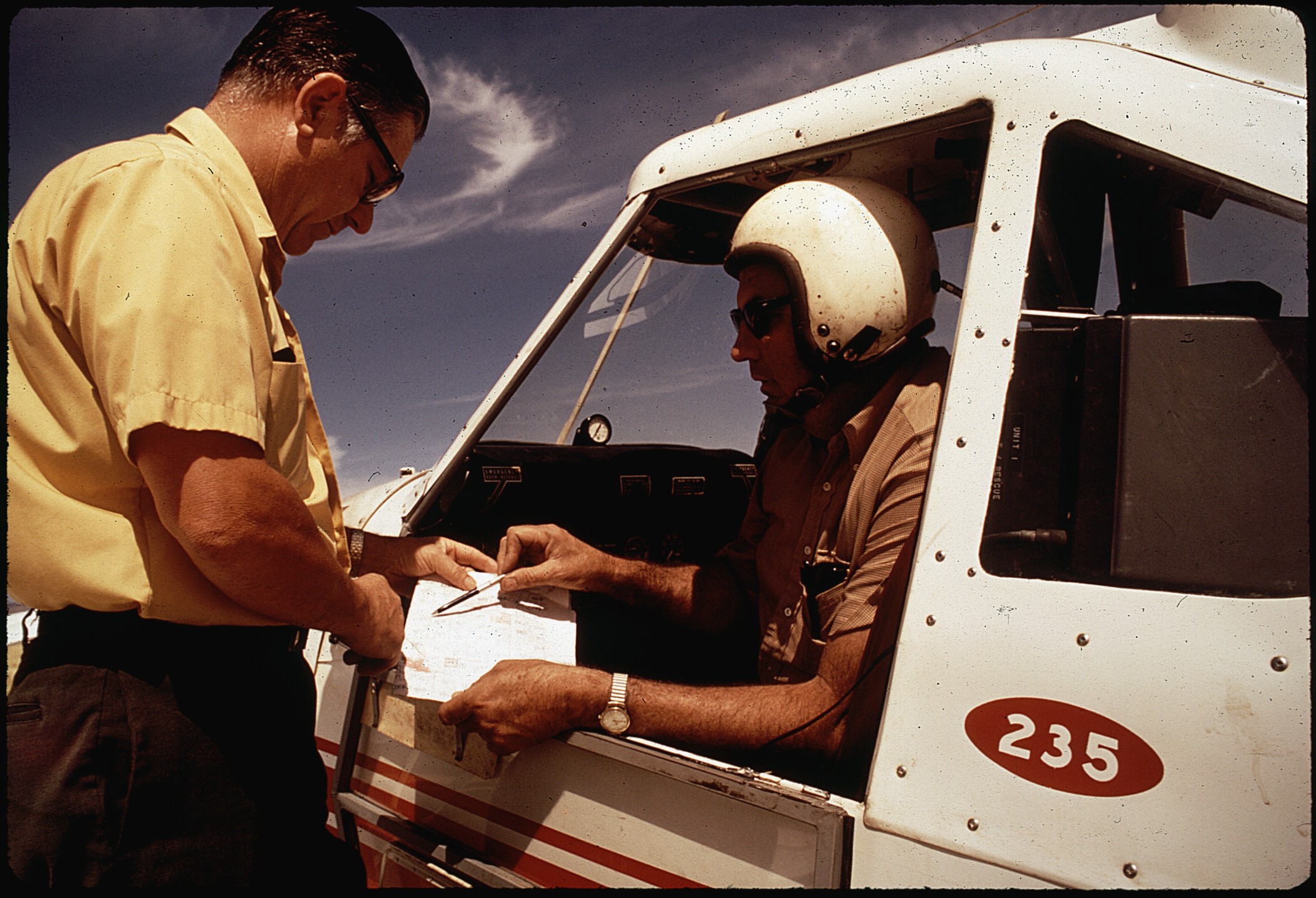
Holding a pilot’s licence was required; specific training and certification for agricultural operations frequently was not, or was minimal. A great many operators learned the work by doing it, taught by somebody who had learned it the same way.
Agricultural pilot certification is now a specific qualification with required training, and applicators are separately licensed for the chemicals they handle. The informal apprenticeship persists in a better form – a new agricultural pilot still learns from an experienced one, because the skills that matter most are judgement about terrain, obstruction and wind, and those are not taught in a classroom.
8. Hours Were Dictated by the Weather and Ran From First Light
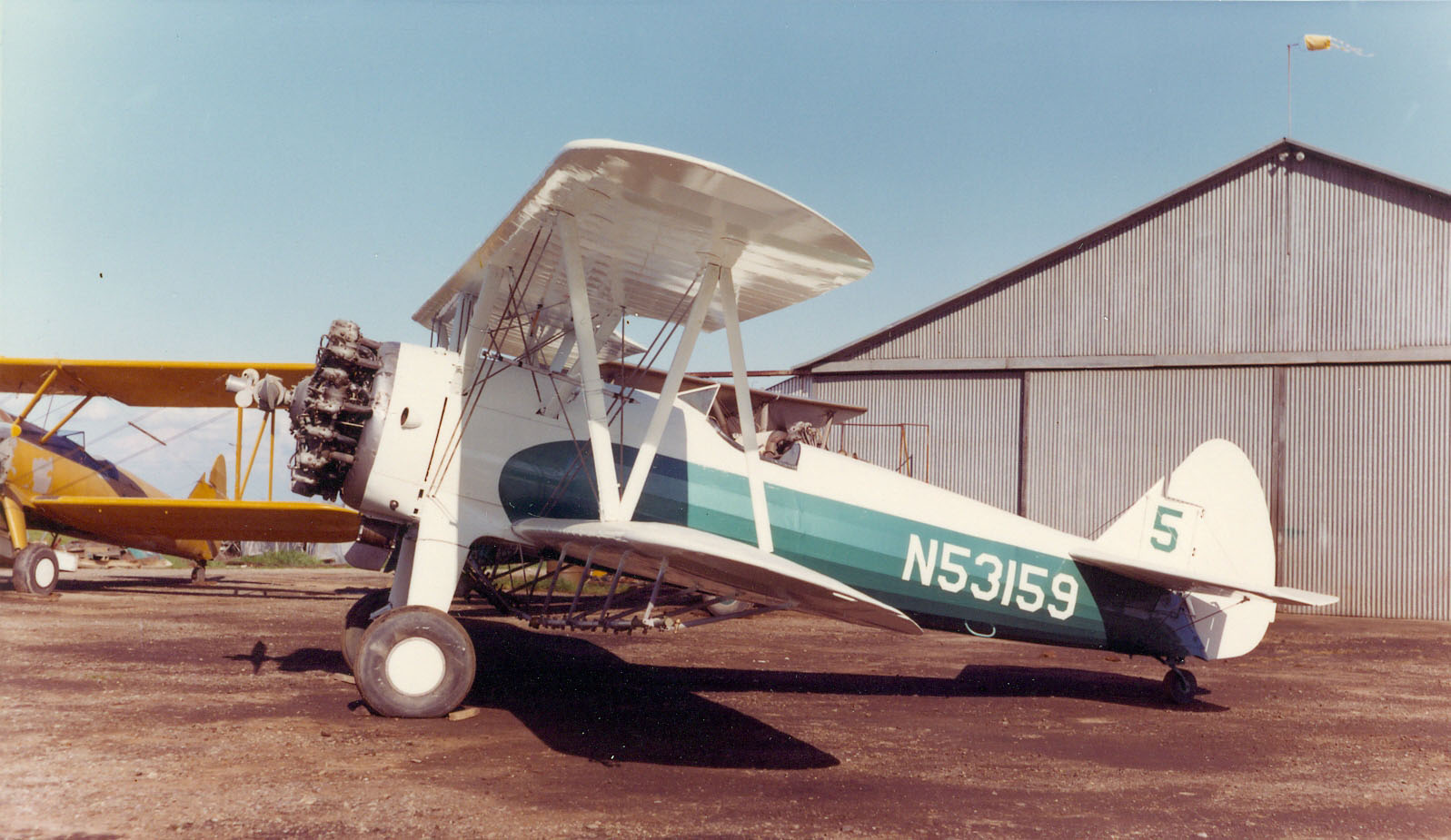
Spraying needs still air, so work started before dawn and ran until the wind got up, then resumed in the evening. In season a pilot might fly many hours a day across both windows for weeks without a day off.
Flight and duty time limits apply to agricultural operations in most jurisdictions, and fatigue is recognised as a contributory factor in the accident record. The weather windows are unchanged, which means the pressure is unchanged – the crop has to be treated within a few days and there are only so many still mornings, which is the structural reason the industry has always pushed hours.
9. The Strip Was a Field With a Windsock
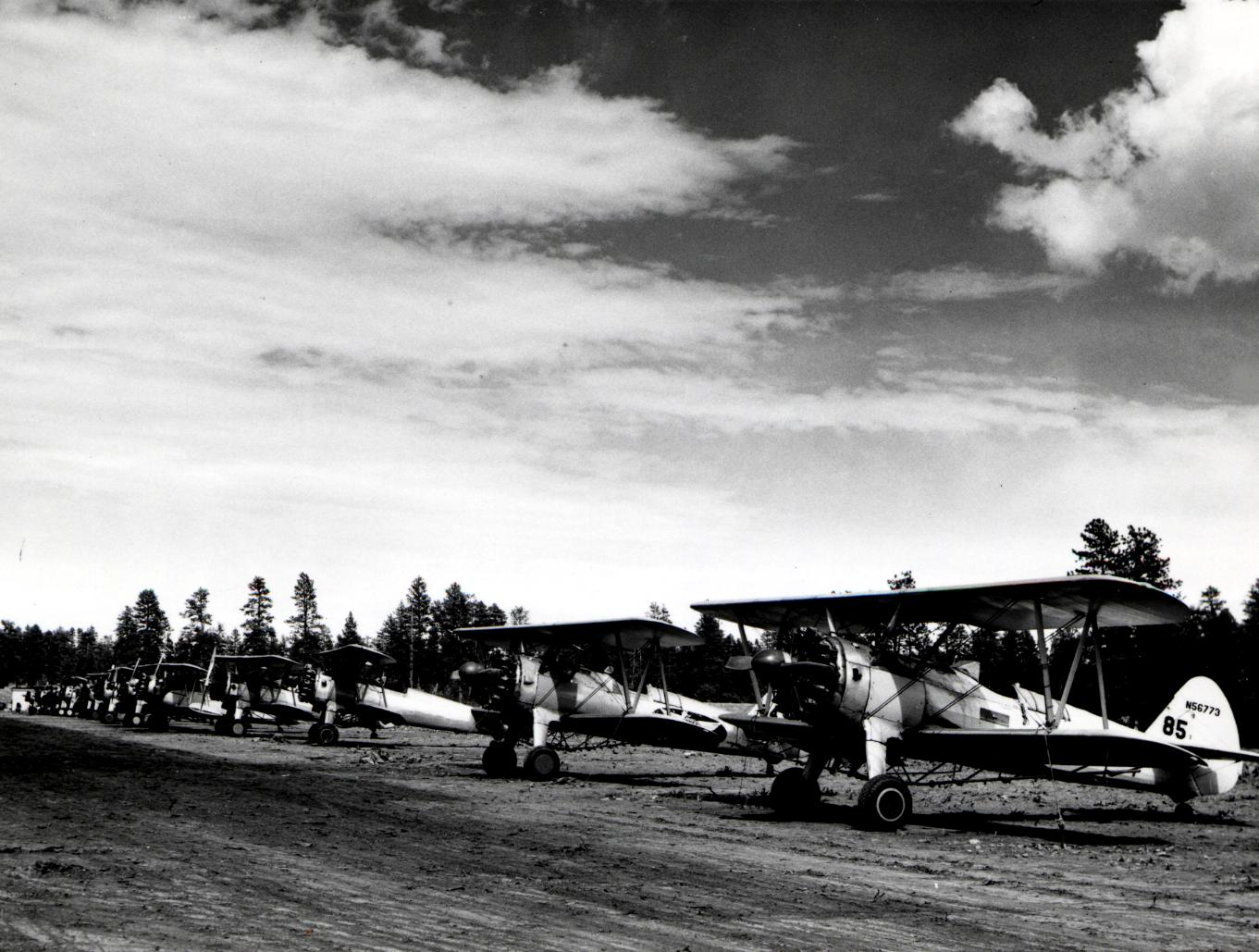
Operations ran from a grass strip beside the job – a cut field, a farm track, a stretch of road – with fuel in drums, the chemical on a trailer, and a windsock on a post. There was no fire cover, no fuel quality control and no surface maintenance beyond mowing.
Licensed agricultural airstrips, fuel handling standards, fire extinguishers on the loading site and defined loading area layouts are now the norm for commercial operators. The farm strip has not disappeared and is a genuine part of the industry’s economics, but it operates under requirements that did not exist, and the fuel in open drums in particular is long gone.
10. Navigation Across the Field Was a Man With a Flag
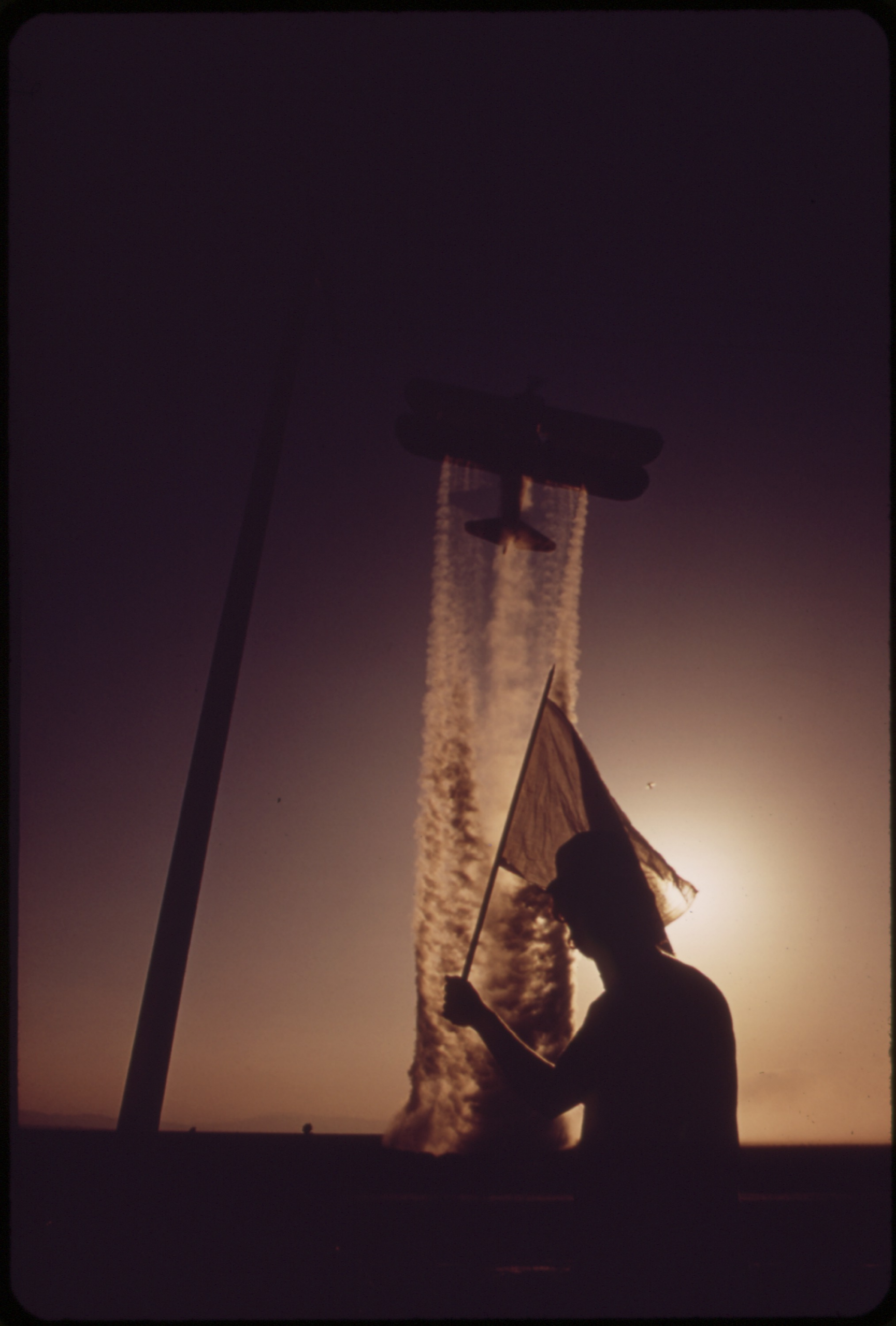
Keeping the passes evenly spaced across a large field was done by flaggers – people standing at the field edge holding a marker, who moved along by the width of one swath after each run so the pilot had something to aim at. The flagger stood in the open, downwind, and was sprayed on every pass.
Flagging was replaced first by paper or foam markers dropped from the aircraft, then by ground-based light systems, and finally by satellite guidance which displays the swath line to the pilot directly and records exactly where the aircraft has been. The job of standing in a field being sprayed repeatedly so that somebody could find their line has been abolished entirely, and it is difficult to think of a working practice on any of these lists that deserved it more.
11. It Was Treated as Glamorous and the Statistics Said Otherwise
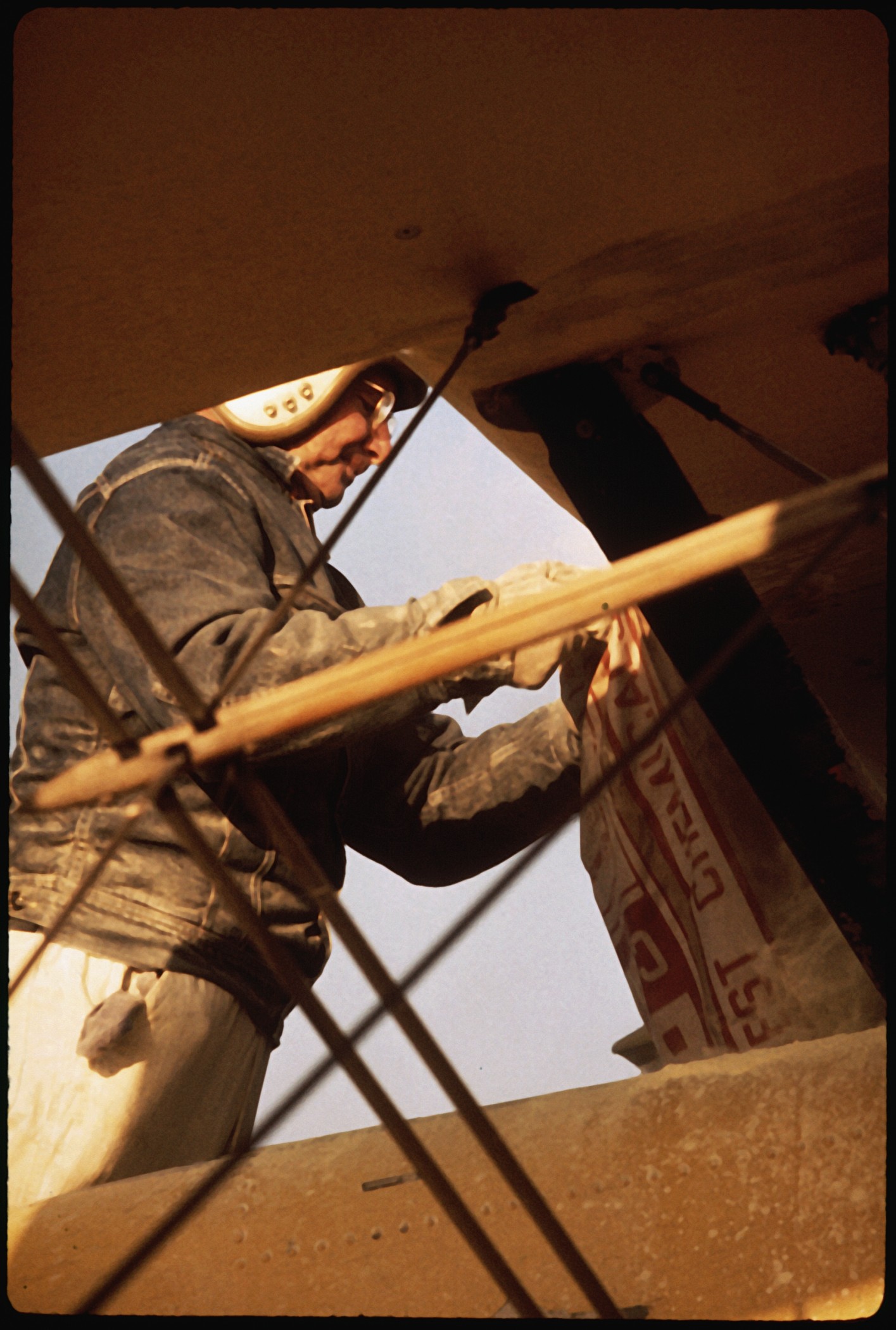
Agricultural flying had a romantic reputation – the independent operator, the skill at low level, the surplus warbird. The reality was among the highest fatality rates in civil aviation, and the industry’s own publications of the period discussed it openly.
The fatal accident rate has fallen very substantially through purpose-built aircraft, better training, obstruction mapping, harnesses and helmets. It remains considerably more dangerous than most flying and the industry does not pretend otherwise. The romance faded with the biplanes, which most pilots in the business regard as an entirely reasonable trade.
12. Nobody Expected the Pilot to Become Optional
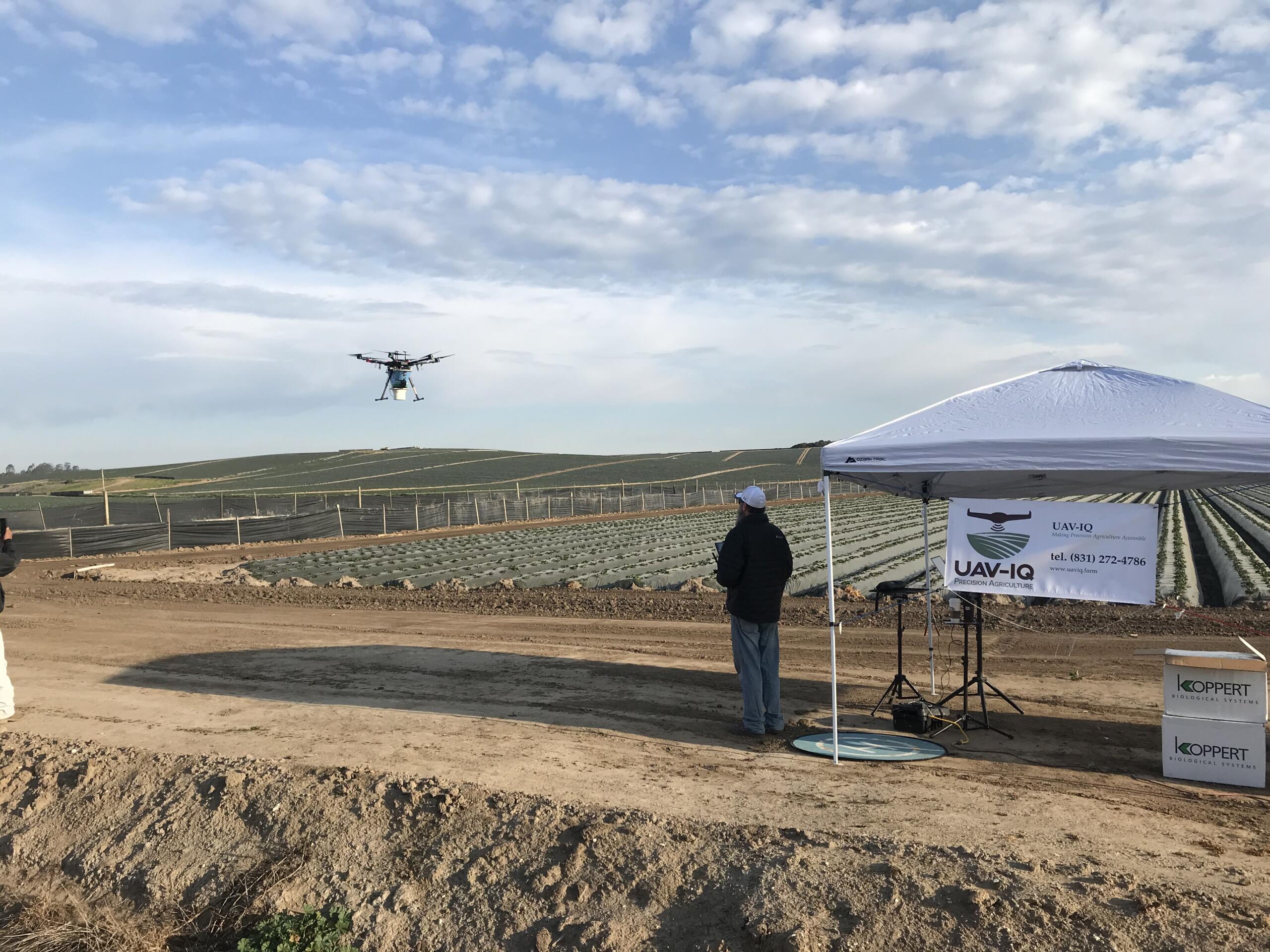
In 1965 the aircraft and the pilot were the only way to treat a large area quickly. Ground equipment could not cover the ground fast enough and could not work on wet soil, which is why aerial application existed.
Unmanned aircraft have moved into the work rapidly over the past decade, and in some crops and regions they now carry a meaningful share of application. They are slower per hectare, carry less, and are far cheaper to operate and risk nothing when they hit a wire. The large fixed-wing operator remains unbeatable on big acreage, but the part of the job that was always most dangerous – low, slow, close to obstructions, on small irregular fields – is exactly the part being handed to machines with nobody in them, which is the best possible outcome for a trade whose characteristic accident has not changed in a century.
The One Hazard That Will Not Go Away
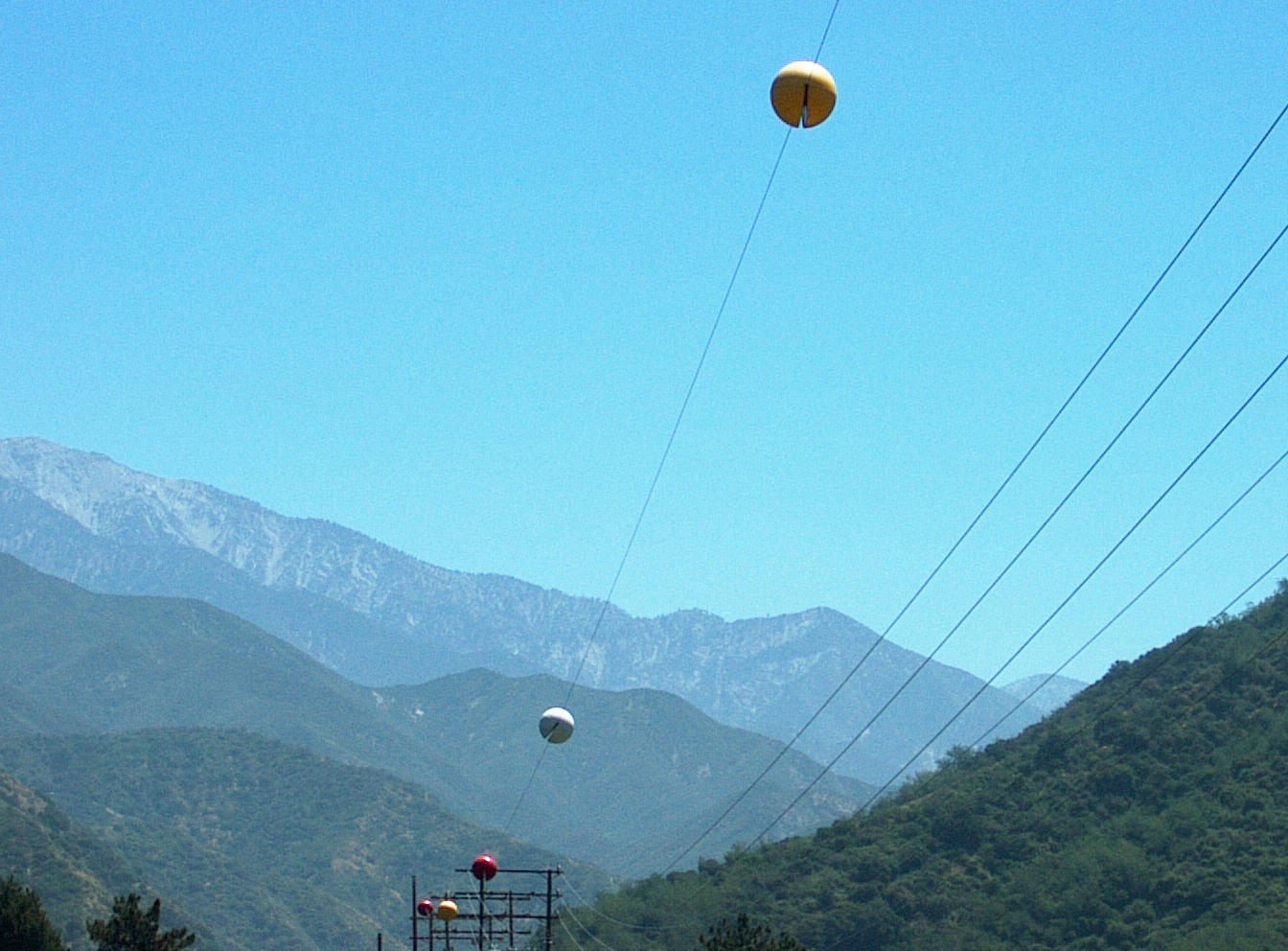
Almost everything on this list has been engineered out. The aircraft is purpose-built with a survivable cockpit. The pilot wears a harness and a helmet. The chemicals are handled in closed systems by licensed applicators. The hours are limited, the strips are regulated, the drift is controlled and the swath is flown by satellite guidance.
The wire is still there.
A conductor strung across a field is thin, grey, unlit, and set against a background of ground clutter at exactly the height the work requires. It does not show up well in haze or against low sun, and the aircraft is at an altitude and a speed that leaves no time to react. Marker balls help where they exist, obstruction databases help where the data is current, and wire cutters help in some impacts and not others. None of it solves the problem.
That is why the arrival of unmanned aircraft in this particular trade is more significant than it looks. Every other improvement over sixty years made the accident more survivable. Removing the pilot from the aeroplane is the first one that makes the accident irrelevant.
It is an unusual ending for one of these lists – a dangerous job being made safe not by better equipment but by nobody being in it.
If you grew up on a farm, you remember standing at the edge of the field watching one of these work, and being told to stay well back.
What did it look like coming over the hedge, and did you know the pilot?
Like our content? Follow us for more.