Almost all of them are descriptions, not decorations. Here are seventeen.
1. A Trade Name Means the Trade Was There
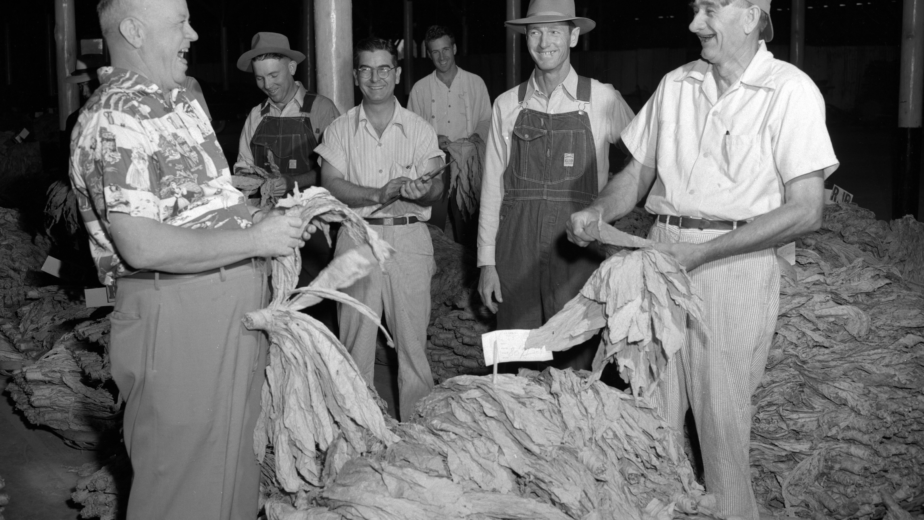
Streets named for tanners, bakers, coopers, dyers, weavers or smiths are recording an actual concentration of that work.
Crafts clustered, partly for supply and partly because they were kept together deliberately.
Like our content? Follow us for more.
2. The Unpleasant Trades Are Downhill and Downwind
Tanning, dyeing, butchery and anything involving waste were sited below the town and away from the prevailing wind.
Find those names and you have found the low end of the old settlement.
3. A Gate Name Means a Wall, Even If Neither Survives
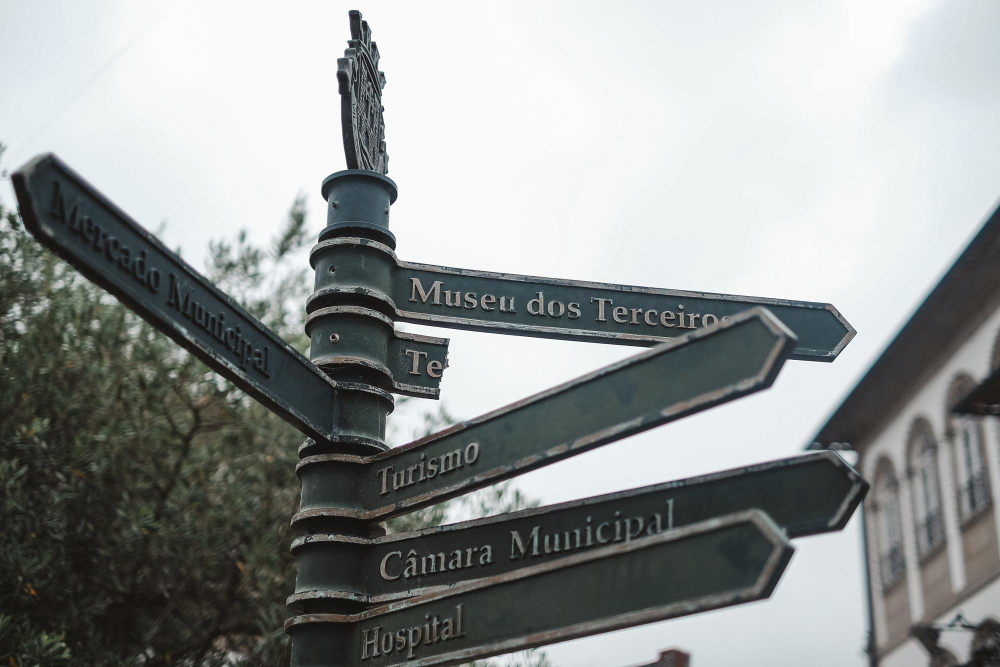
Streets ending in gate, bar or port usually mark an entrance through a defensive circuit.
The wall may have gone in the eighteenth century and the name did not.
4. But Some Gates Are Not Gates at All
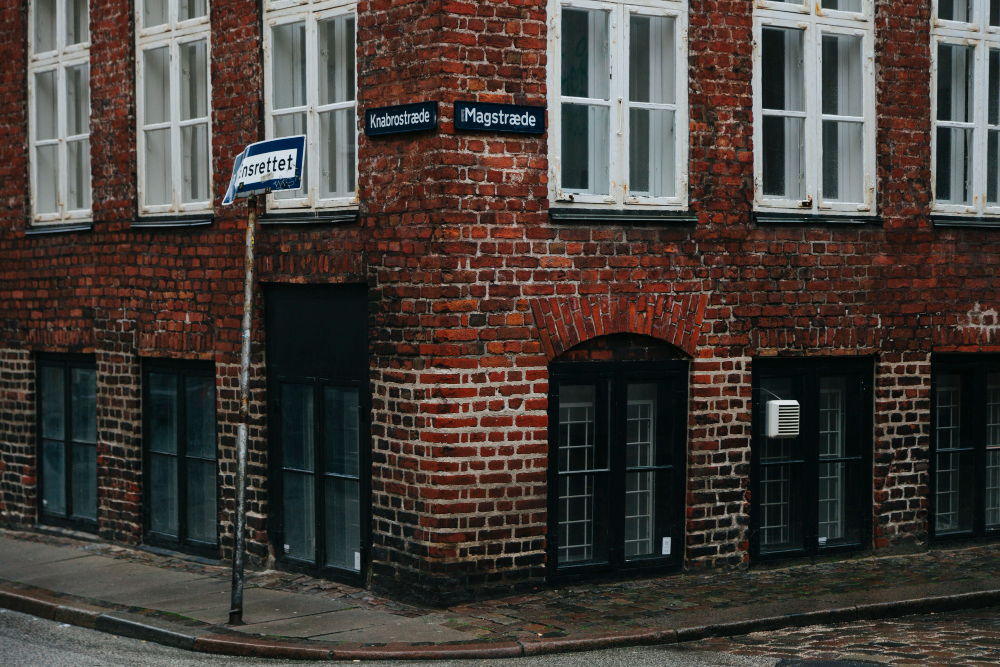
In areas of Scandinavian settlement, the same ending frequently derives from an old word for a street or way.
Two identical-looking names can mean opposite things depending on where you are standing.
5. A Market Name Records What Was Sold on That Spot
Corn, hay, sheep, butter, fish, horse and cloth markets each occupied a designated place, named accordingly.
The trading has usually stopped and the widening of the street where it happened is often still visible.
6. A Widening Is Itself Evidence
Where a street bulges into a rough triangle or a long oval, that shape is frequently an infilled market place.
The buildings standing in the middle were put up on what was open ground.
7. Water Names Survive the Water
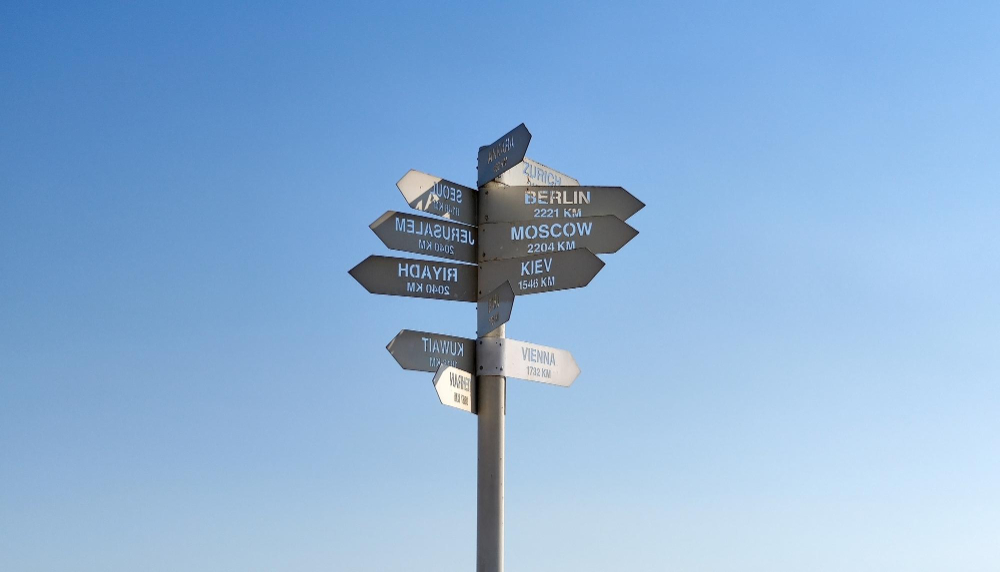
Names containing well, spring, ford, brook, bourne or bridge record water that has since been culverted or diverted.
A street called a ford is telling you where the crossing was before anybody built anything.
8. Religious Names Outlive the Institution
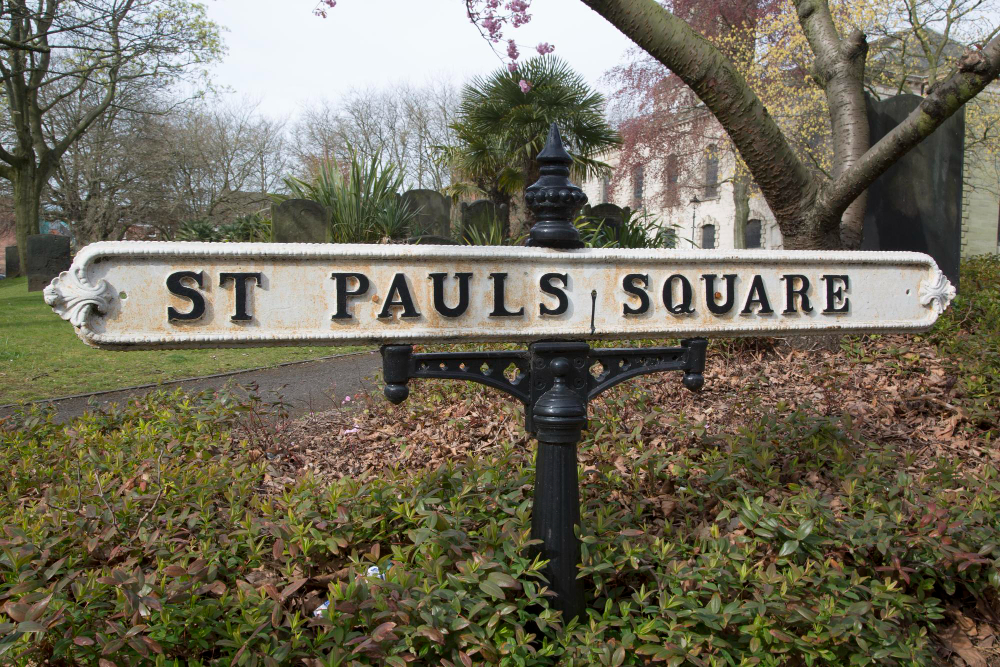
Abbey, priory, friars, chapel and saints’ names mark holdings that in many countries were dissolved and sold off centuries ago.
The street name is often the last thing left of a large complex.
9. A Field Name Marks the Edge of the Old Town
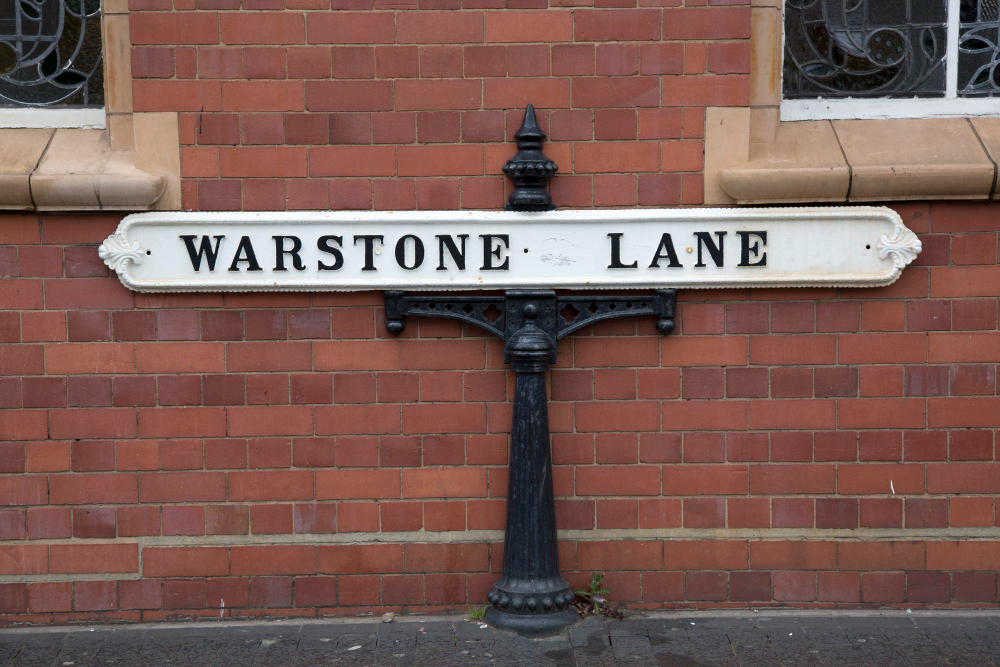
Streets named for a croft, a close, a mead or a particular field were built across farmland, and the name came with the ground.
That line is where the town stopped before it expanded.
10. Back and Little Mean Exactly What They Say
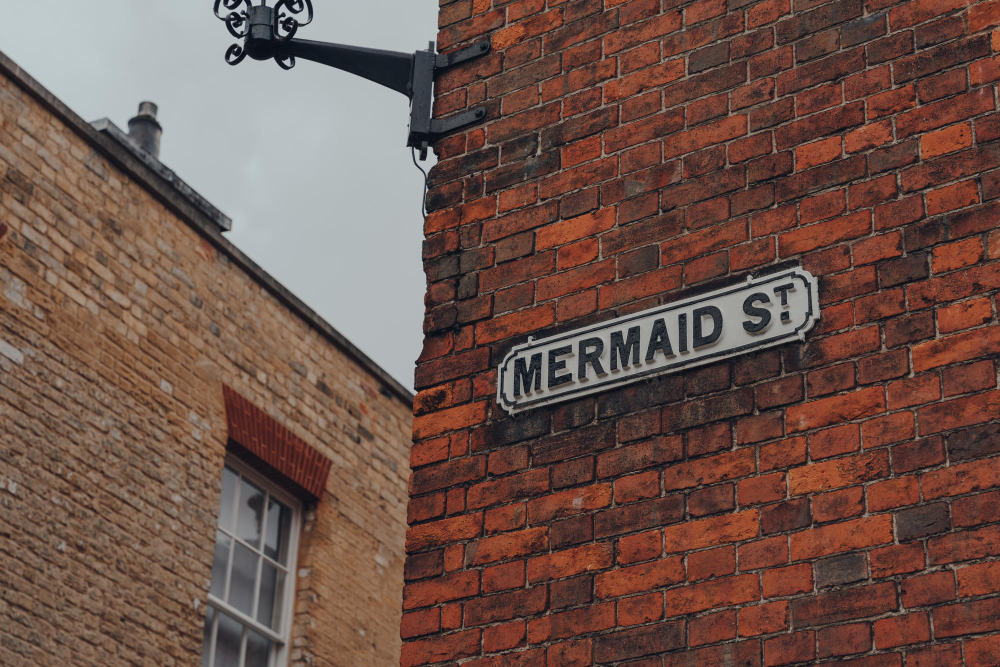
A back lane ran behind the main frontages, serving the rear of plots, and it is usually narrow and irregular.
Its survival shows the medieval plot pattern even where every building has been replaced.
11. Dead Straight With a Grand Name Means Planned
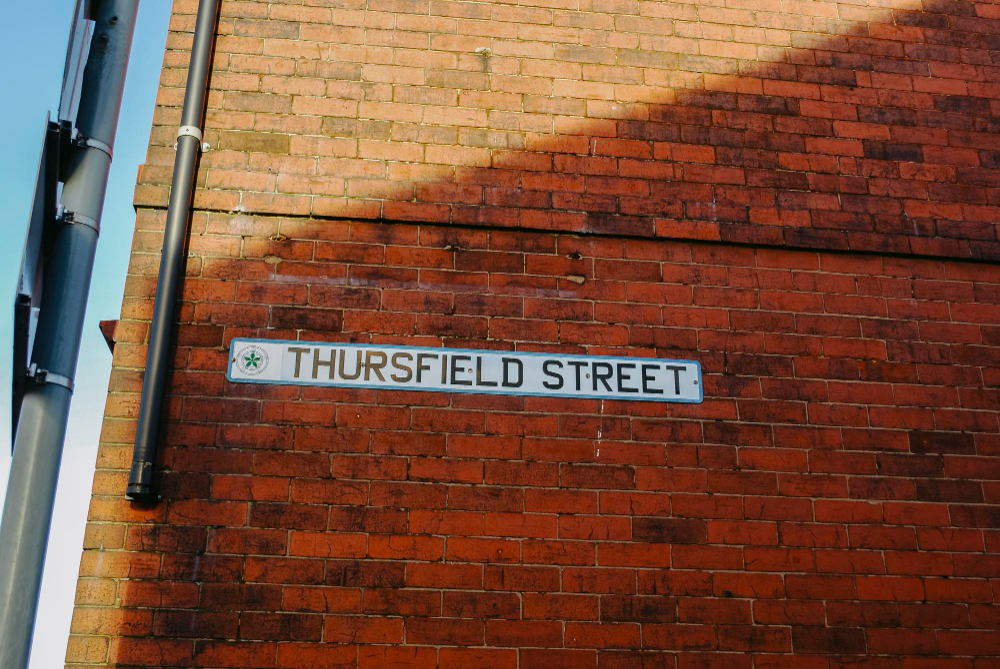
A long straight street with a formal name, arriving at a set-piece building or a square, was laid out at once.
Planned streets bear owners’ names, royal names and improvement-era names rather than trade names.
12. Names in Themed Sets Date the Development
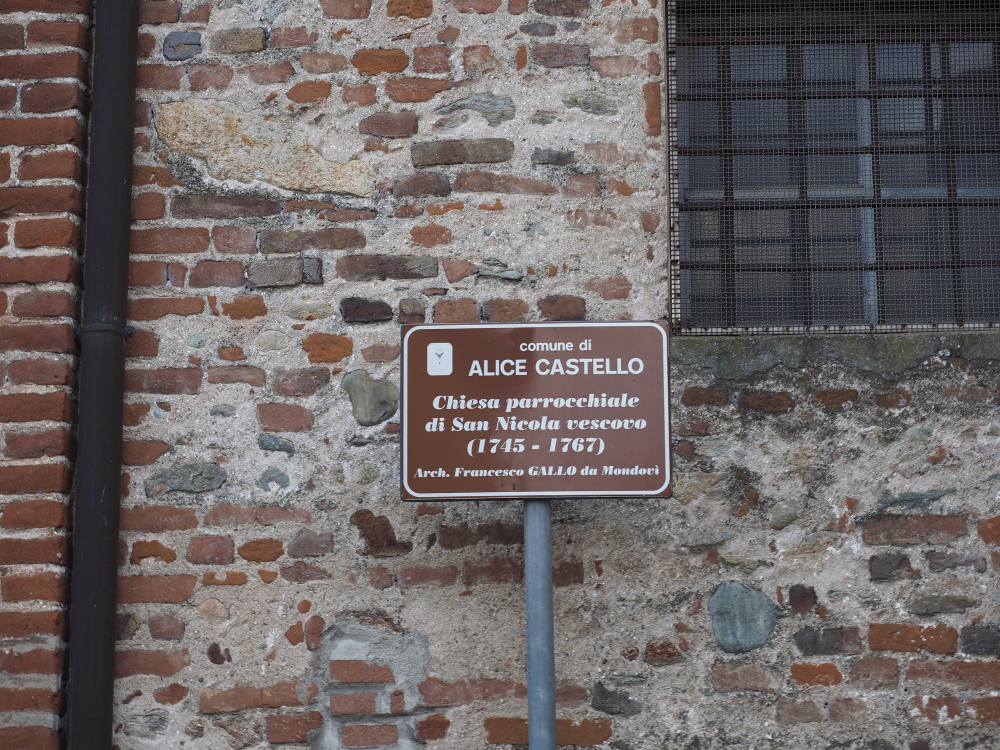
A group of streets named for battles, poets, trees, counties or colonial territories was almost always built as one scheme.
Establish when that theme was fashionable and you have dated the estate.
13. A Personal Name Is Usually the Landowner
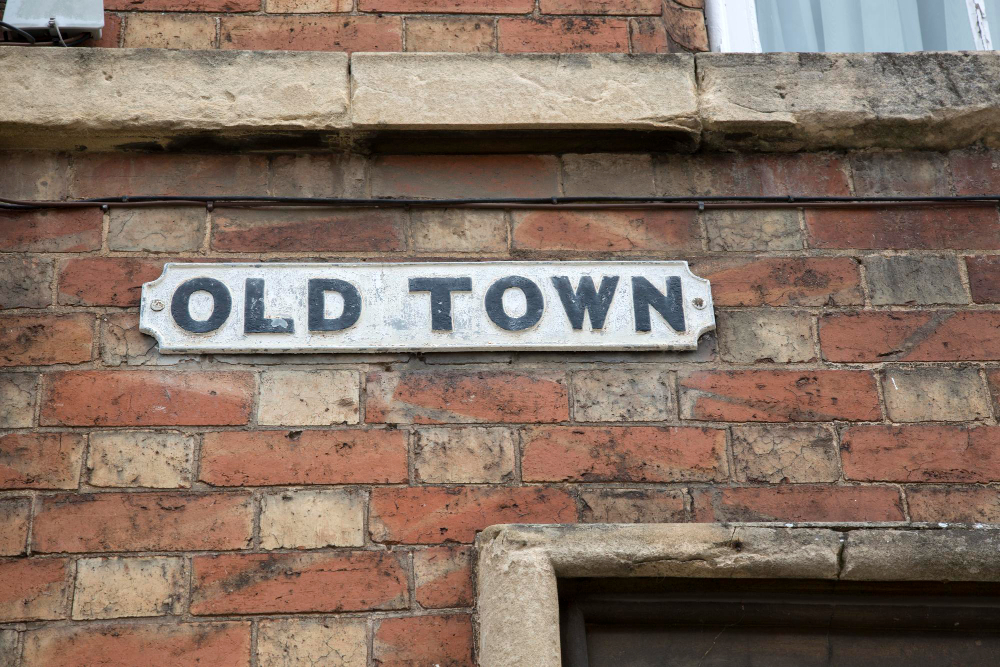
Streets carrying a surname most often record whoever owned and released the land rather than any local hero.
Their family names, house names and titles frequently appear together across neighbouring streets.
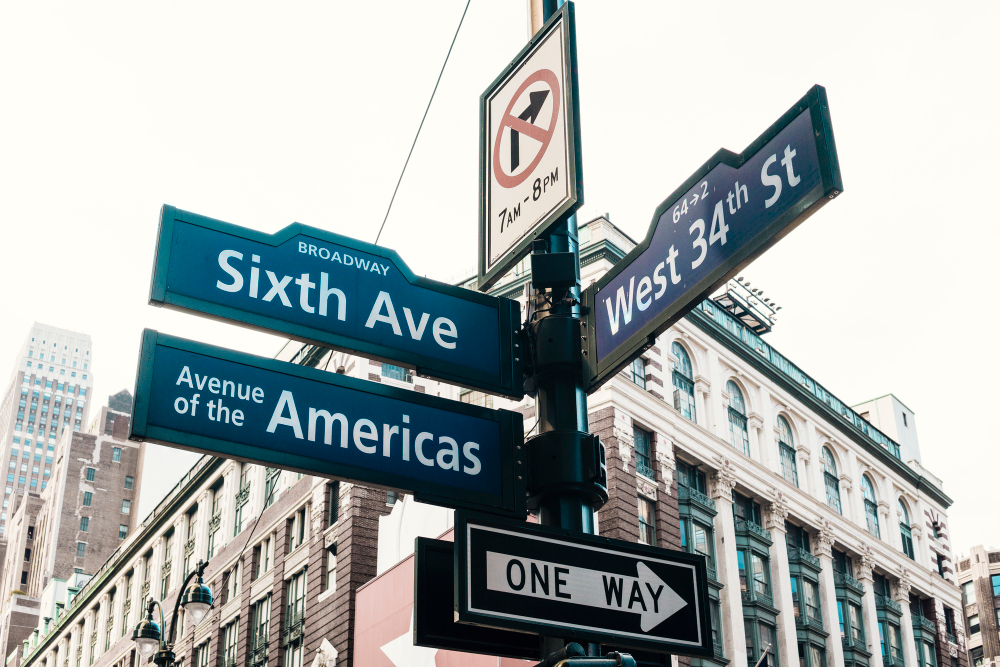
14. A Numbered or Lettered Grid Is a Deliberate Rejection of All This
Numbered streets and lettered avenues were adopted specifically to be navigable without local knowledge.
It is a system designed for strangers, which is a statement about the town’s ambitions.
15. Some Names Were Changed Because They Were Too Rude
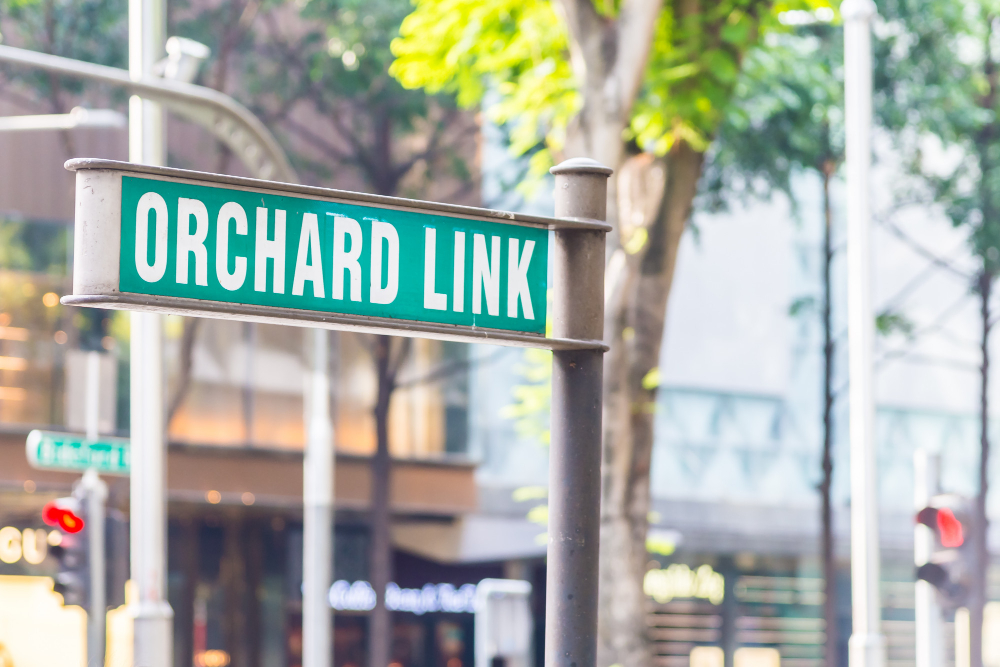
A number of medieval streets carried extremely direct names describing what went on in them, and were quietly renamed.
The replacement is usually a bland saint’s name or a colour, and the older form survives in records.
16. A Repeated Name Across Many Towns Means a Shared Institution

High, Church, Mill, Station, Castle and Market recur everywhere because almost every town had the same handful of fixed points.
Station names are datable: no street was called that before the railway arrived.
17. The Oldest Names Are Usually the Least Descriptive
Names that mean nothing obvious in the modern language are often the oldest, having been worn down over centuries.
A name you cannot parse has usually been in use longer than the ones you can.
Signs That Are Really Descriptions
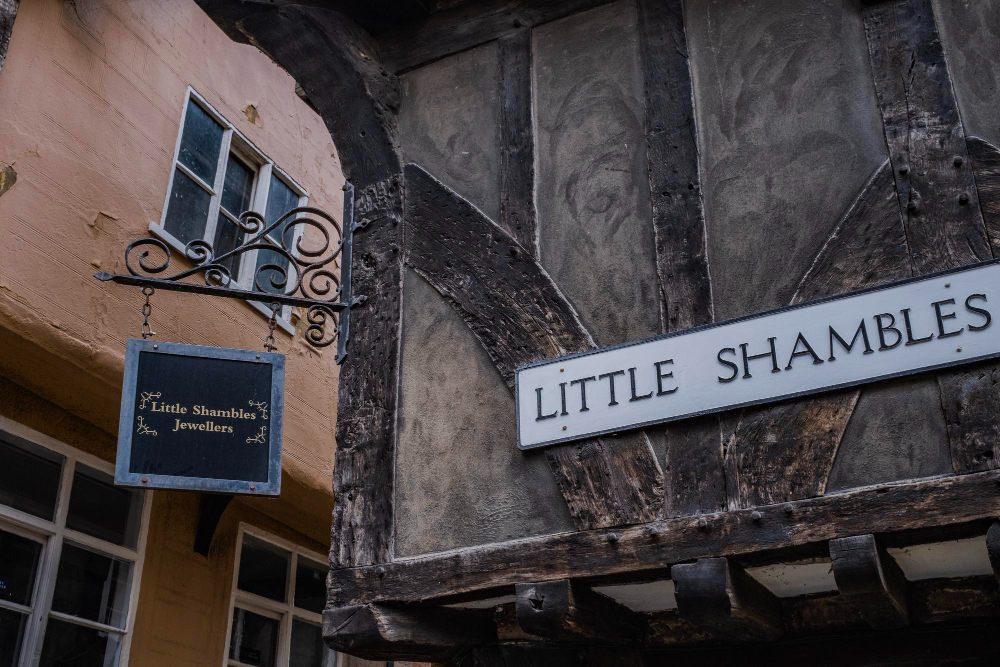
Trades recorded where they clustered, gates without walls, markets without trading, water that has been buried, landowners’ surnames and names too old to parse.
The sixth item is the one you can check on any walk. Where a street suddenly widens into a triangle or a long oval and then narrows again, with a block of buildings sitting oddly in the middle, you are almost certainly looking at a market place that was gradually built over – the street kept the shape of the open ground long after the open ground was gone.
Like our content? Follow us for more.