

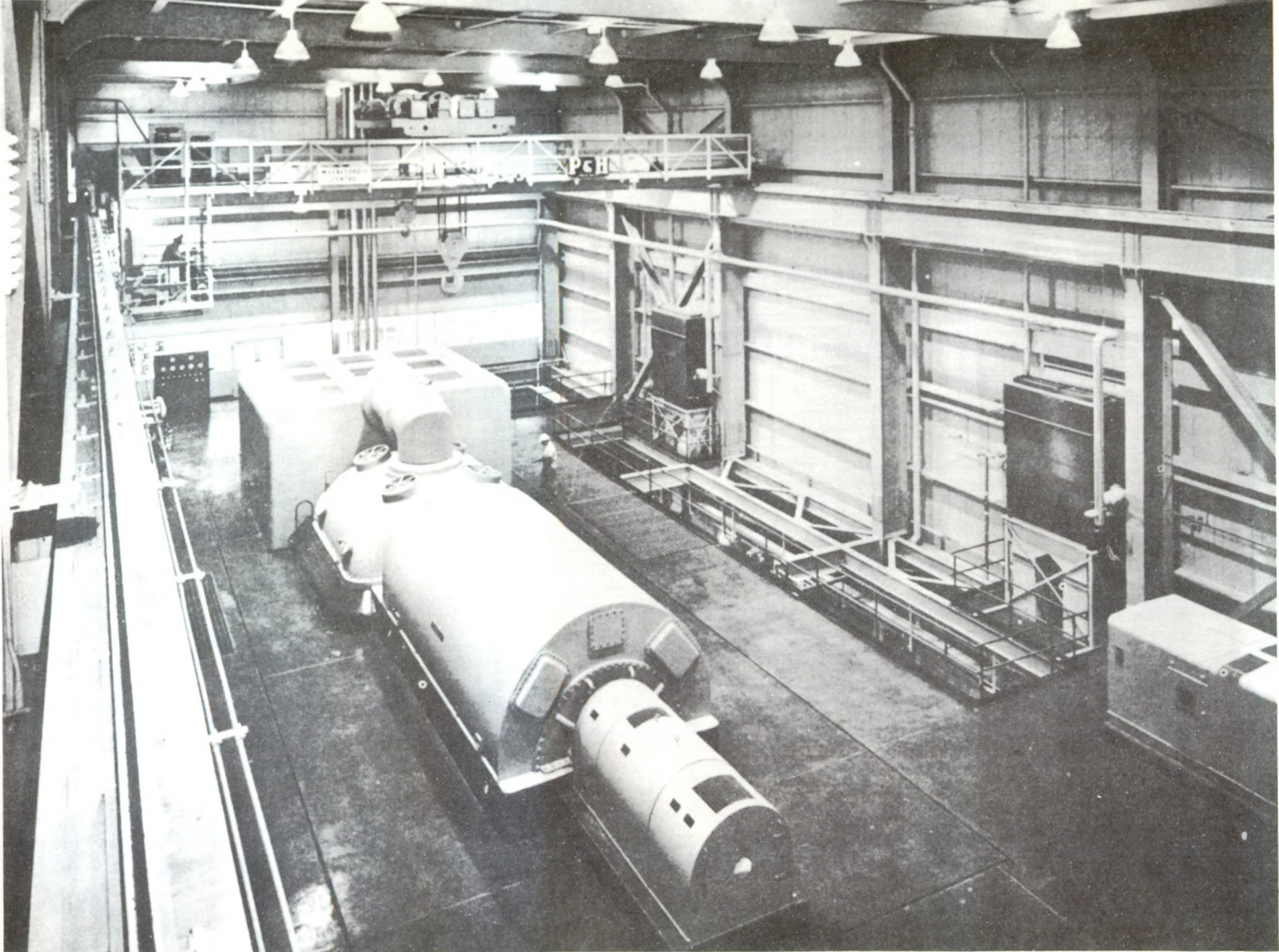
In 1965 a coal-fired power station was the largest thing in its district, burned trainloads of coal a day, employed hundreds of people across a dozen trades, and was controlled from a wall of dials read by men who knew what normal looked like.
It lagged its pipework in asbestos, cleaned its boilers by sending men inside them, dumped its ash beside the site, put its cooling water back in the river warm, and solved the problem of what came out of the chimney by building the chimney taller.
Here are seventeen things that were ordinary in a power station in 1965, and what each one became.
1. Coal Arrived by the Trainload and Was Moved by Men With Shovels
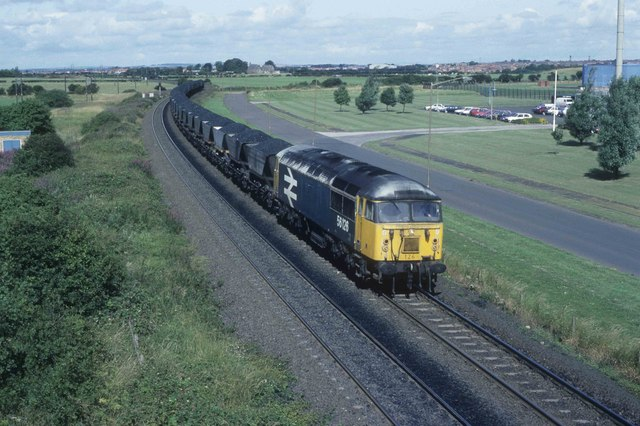
A large coal-fired station burned trainloads a day. Wagons were tipped, coal went onto conveyors, and where it jammed, bridged or froze in the wagon, men went in with shovels and bars to free it. Frozen wagons in winter were cleared by hand, sometimes with steam lances.
Mechanical wagon tipplers, vibrators, thaw sheds and enclosed conveyor systems removed most of it, and the modern equivalent is monitored rather than attended. Clearing a blockage in a coal handling plant is now a permit-controlled task with the conveyor locked out, because the characteristic accident was somebody freeing a jam on a belt that then started.
Like our content? Follow us for more.
2. Coal Dust Covered Everything and Was Its Own Hazard
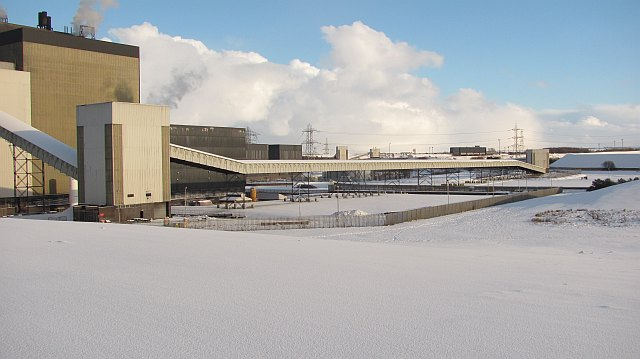
Coal handling generates dust at every transfer point, and in a 1965 station it accumulated on structures, in ducts and on floors. It is combustible in a layer and explosive in suspension, and it was also simply breathed all day by the people working in it.
This is included as occupational history. Dust suppression by water spray, enclosed transfer points, extraction and housekeeping requirements that treat accumulation as a hazard are now standard, and respiratory protection is required where exposure remains. Anybody with that work history should raise it with their own doctor rather than with an article.
3. Asbestos Lagged Every Pipe and Every Boiler
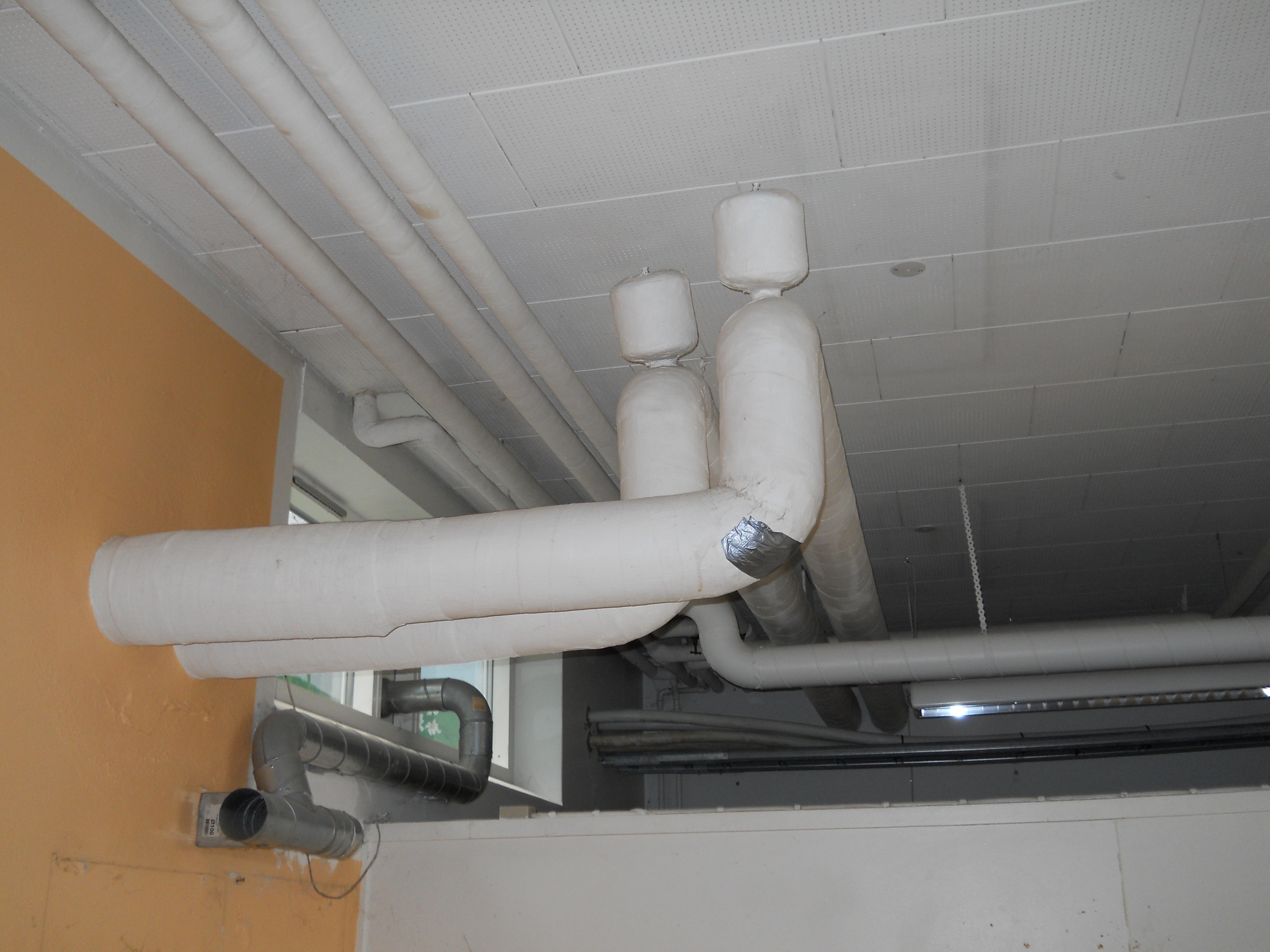
Steam pipework, turbines, boilers and ducts were insulated with asbestos throughout. Laggers mixed and applied it, fitters cut through it to reach joints, and everybody else worked in the same spaces while they did.
This is likewise occupational history. Power station workers of that era were among the occupational groups with substantial exposure; the material was prohibited for new work and removed over the 1970s and 1980s, and surviving plant carries registers and management plans. Anybody with that work history should be discussing it with their own doctor rather than with a list.
4. The Control Room Was Hundreds of Dials and Four Men Reading Them
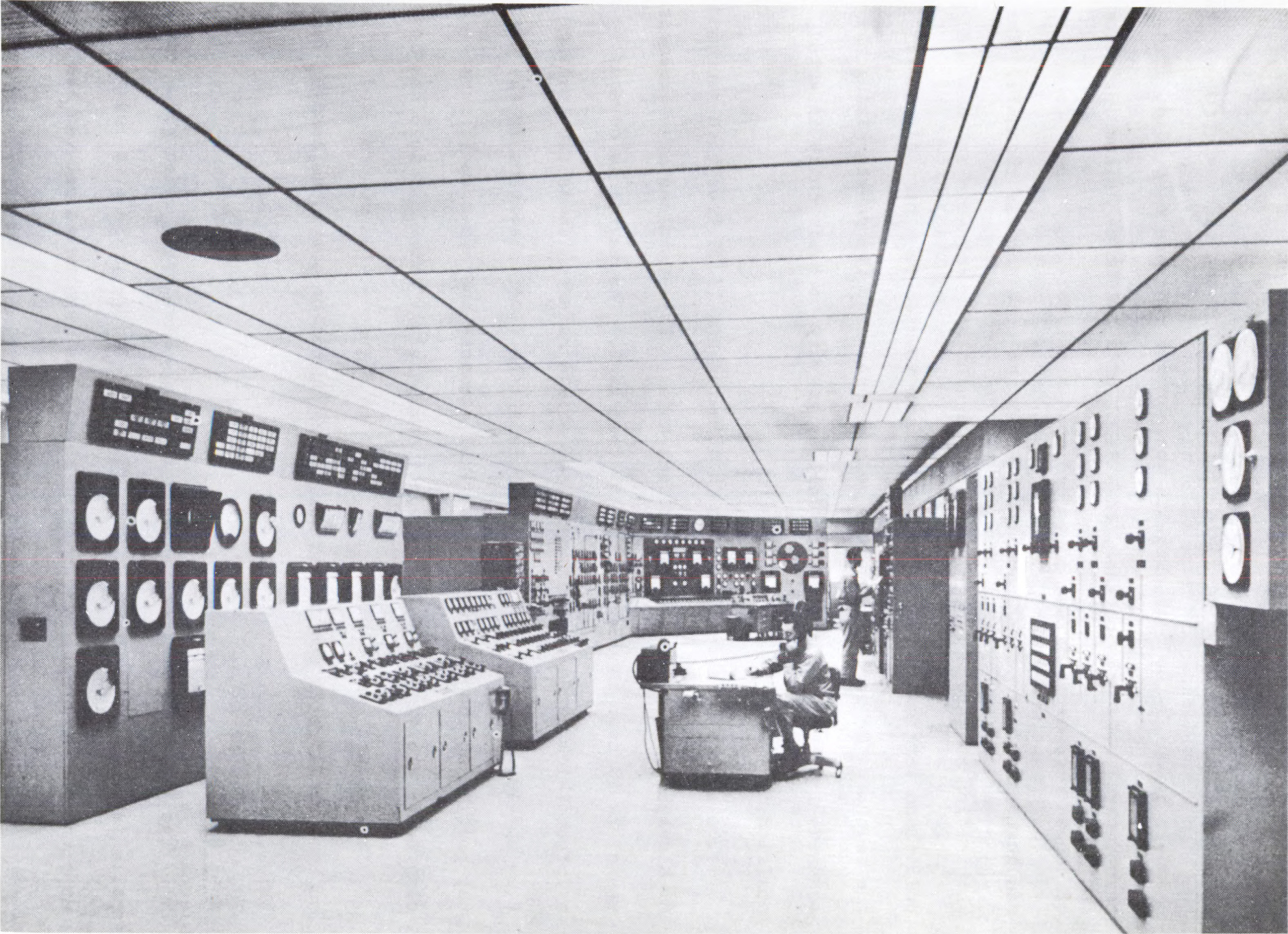
Plant was controlled from a wall of analogue instruments – pressure, temperature, flow, level, output – read continuously by operators who knew what normal looked like and spotted a problem by noticing a needle in an unfamiliar place.
Distributed control systems replaced the wall with screens, alarms and trends, and a modern unit is run by far fewer people with far better information. What the old arrangement produced was a particular kind of expertise – pattern recognition across a hundred instruments at a glance – which was genuinely valuable and is genuinely gone, and which the industry spent years trying to encode into alarm management after it discovered that screens with a thousand alarms are worse than a wall of dials.
5. Noise in the Turbine Hall Was Beyond Measurement at the Time
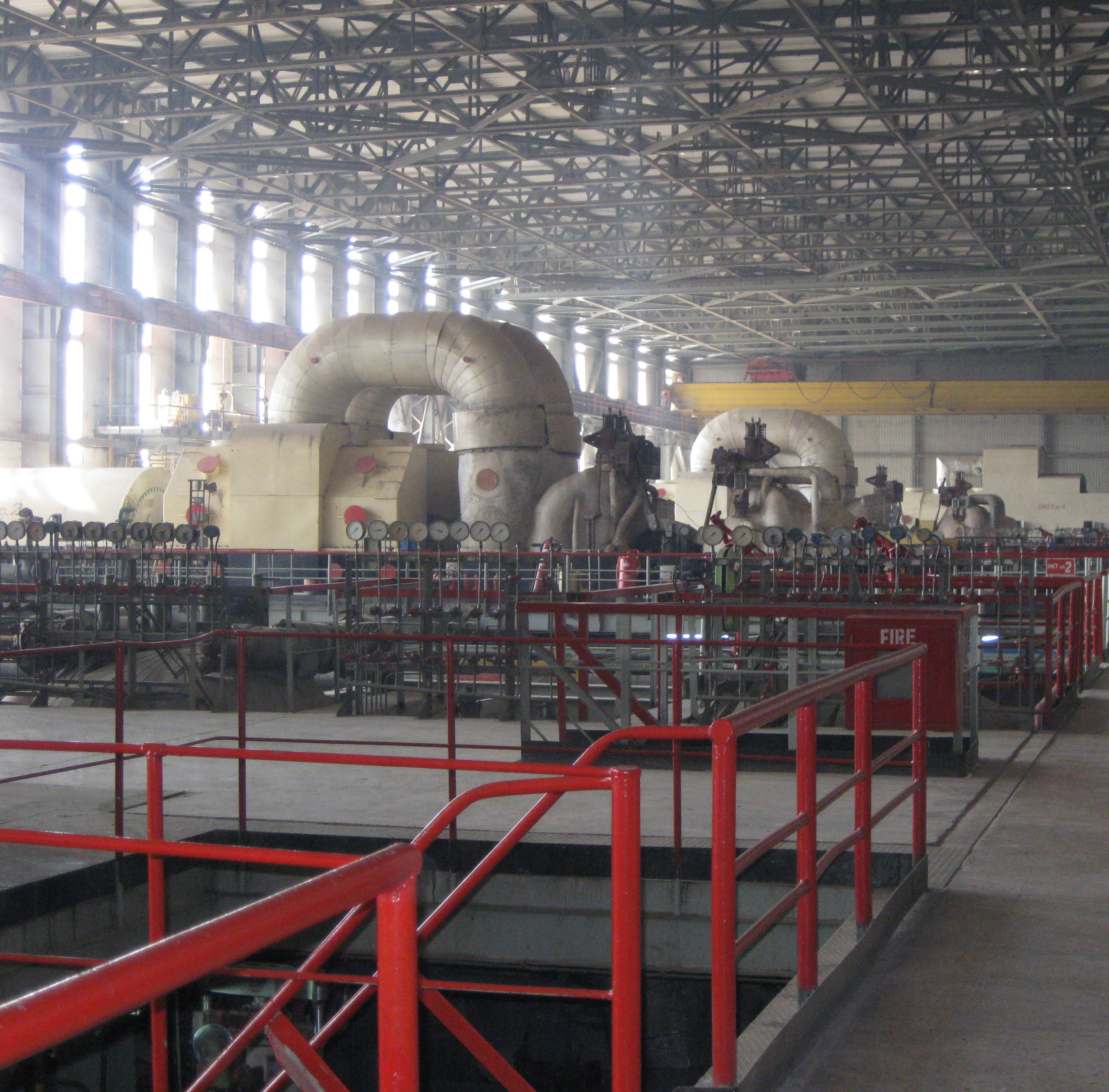
A turbine hall with several machines running is one of the loudest industrial environments there is, and hearing protection in 1965 was limited and inconsistently used. Communication was by hand signal and shouting into an ear.
Hearing conservation programmes with measured exposure, mandatory protection, audiometric testing and acoustic enclosure around the worst sources arrived with the workplace regulation of the following decade. The generation that worked turbine halls before that lost their hearing comprehensively, which is the same sentence that appears in the shipyard, the mill and the foundry.
6. Boiler Cleaning Meant Going Inside It
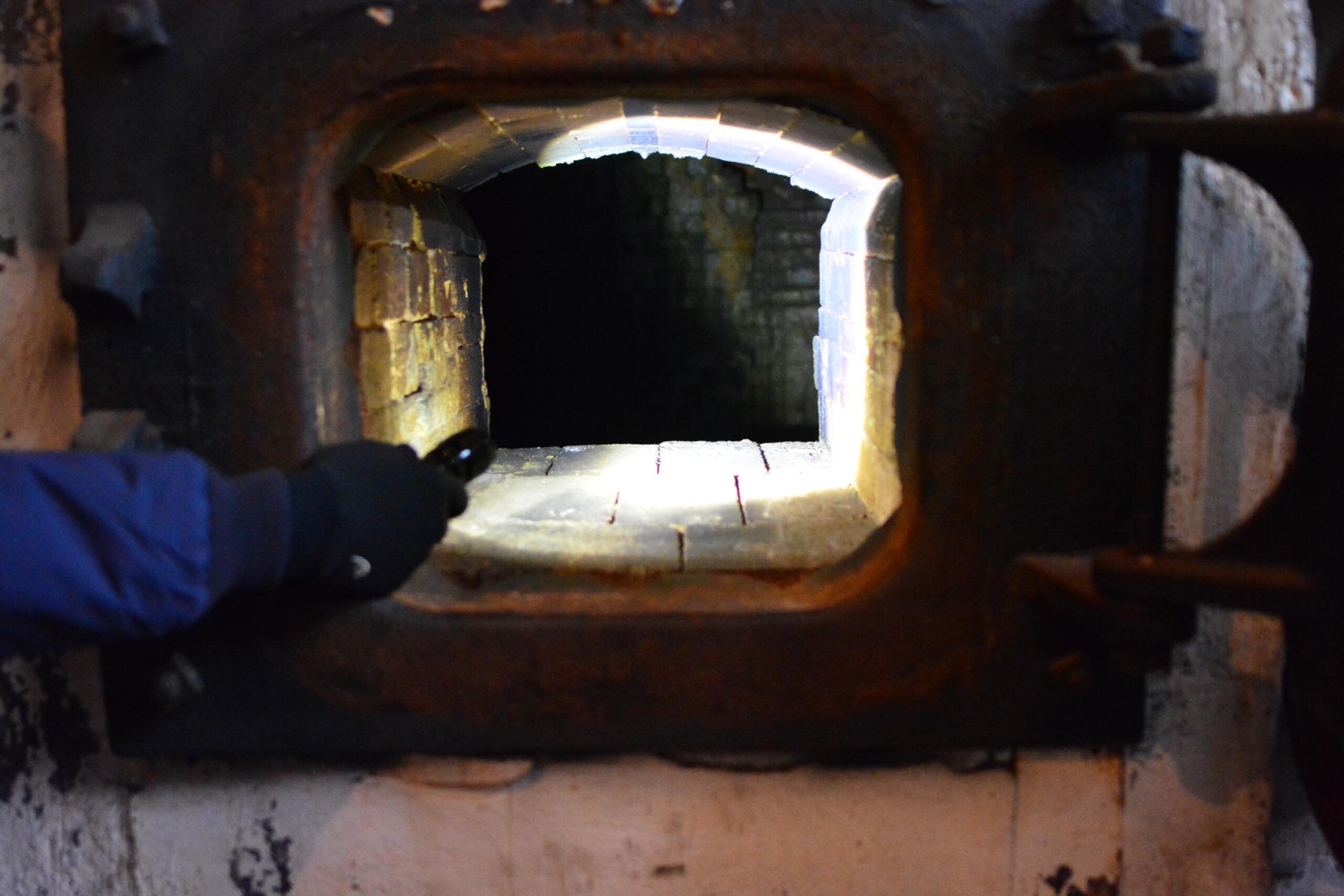
Outages involved men entering the boiler and the ducts to remove deposits, inspect tubes and make repairs – confined spaces, residual heat, dust, poor light and in some cases residual gases, accessed through small openings with a rope and a torch.
Confined space entry is now among the most heavily controlled activities anywhere, with permits, gas testing, forced ventilation, standby persons, rescue arrangements and defined entry times. The reason the controls are as detailed as they are is that confined space fatalities characteristically kill the rescuer as well as the original casualty, which happened repeatedly in exactly these spaces.
7. The Station Had Its Own Fire Brigade, Railway and Workshops
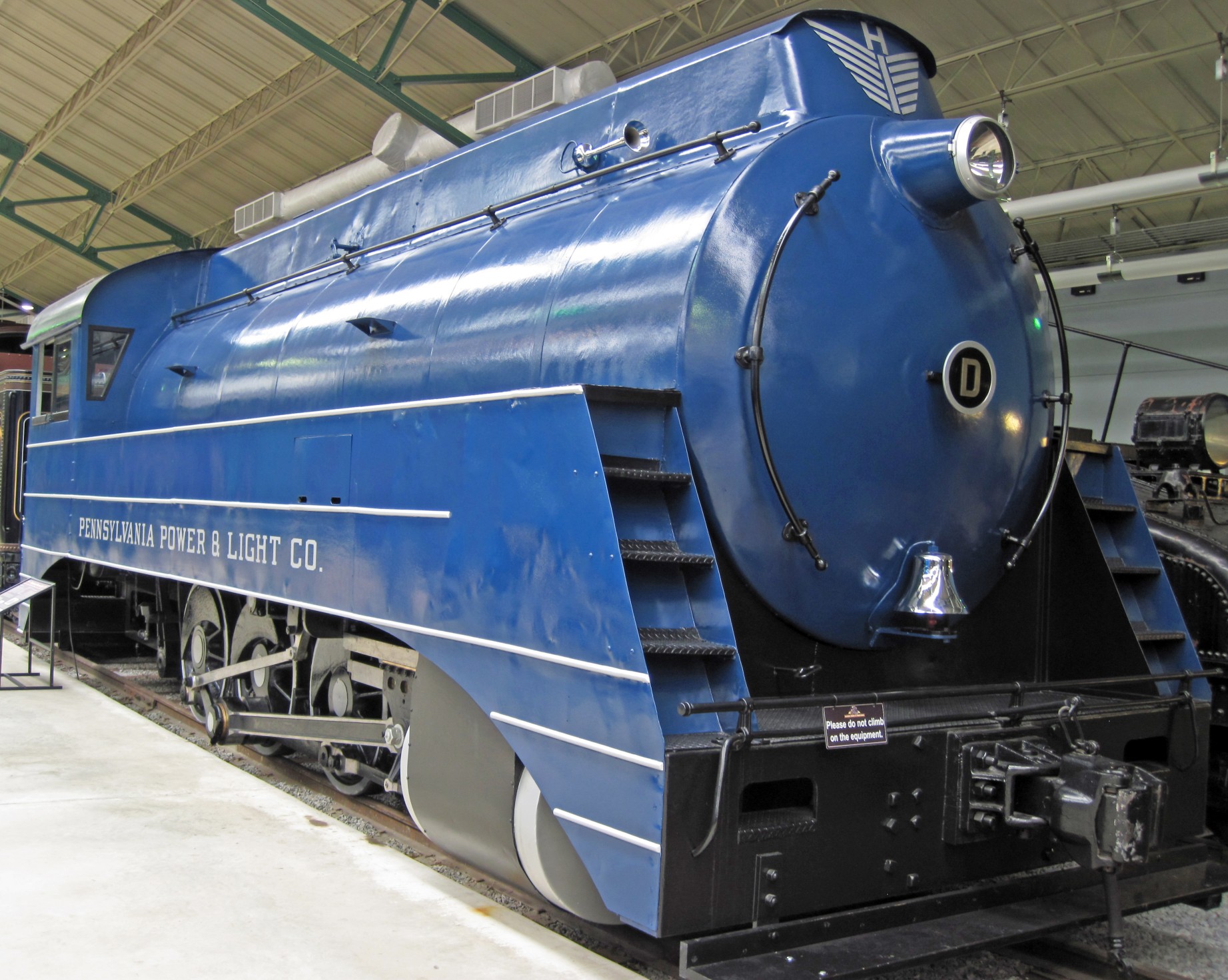
A large station was a self-contained industrial site with its own locomotives and sidings, machine shop, pattern shop, electrical workshop, fire crew, ambulance room and canteen, employing a wide range of trades who never touched a generator.
Contracting out through the 1980s and 1990s removed most of those functions from the station’s own payroll, which is why employment figures in the industry fell faster than the work did. The integrated station as a community of trades, with its own apprenticeships, is the thing that ended rather than the generation of electricity.
8. Ash Was Dumped and the Dust Blew Across the District
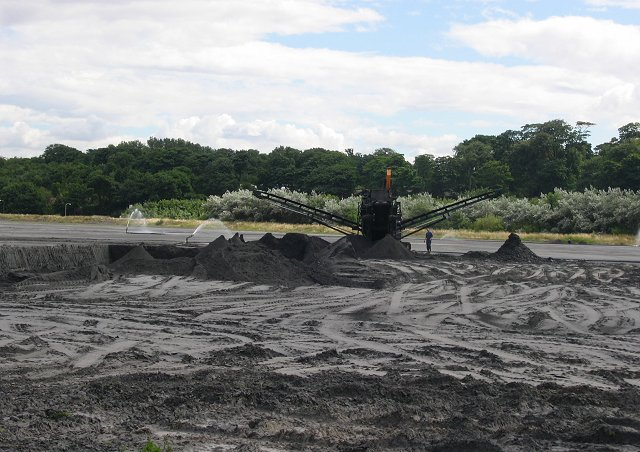
Pulverised fuel ash was produced in enormous quantities and disposed of in lagoons and tips near the station. Dry ash blew, lagoons leaked, and the surrounding area lived with it as a condition of the station being there.
Ash is now largely a product rather than a waste – used in cement, concrete and construction fill – and what is disposed of is managed under controls on dust, leachate and restoration. The historic tips are a known legacy issue and several have been remediated. The change came from a combination of environmental regulation and the straightforward discovery that somebody would buy the material.
9. Nobody Measured What Came Out of the Chimney
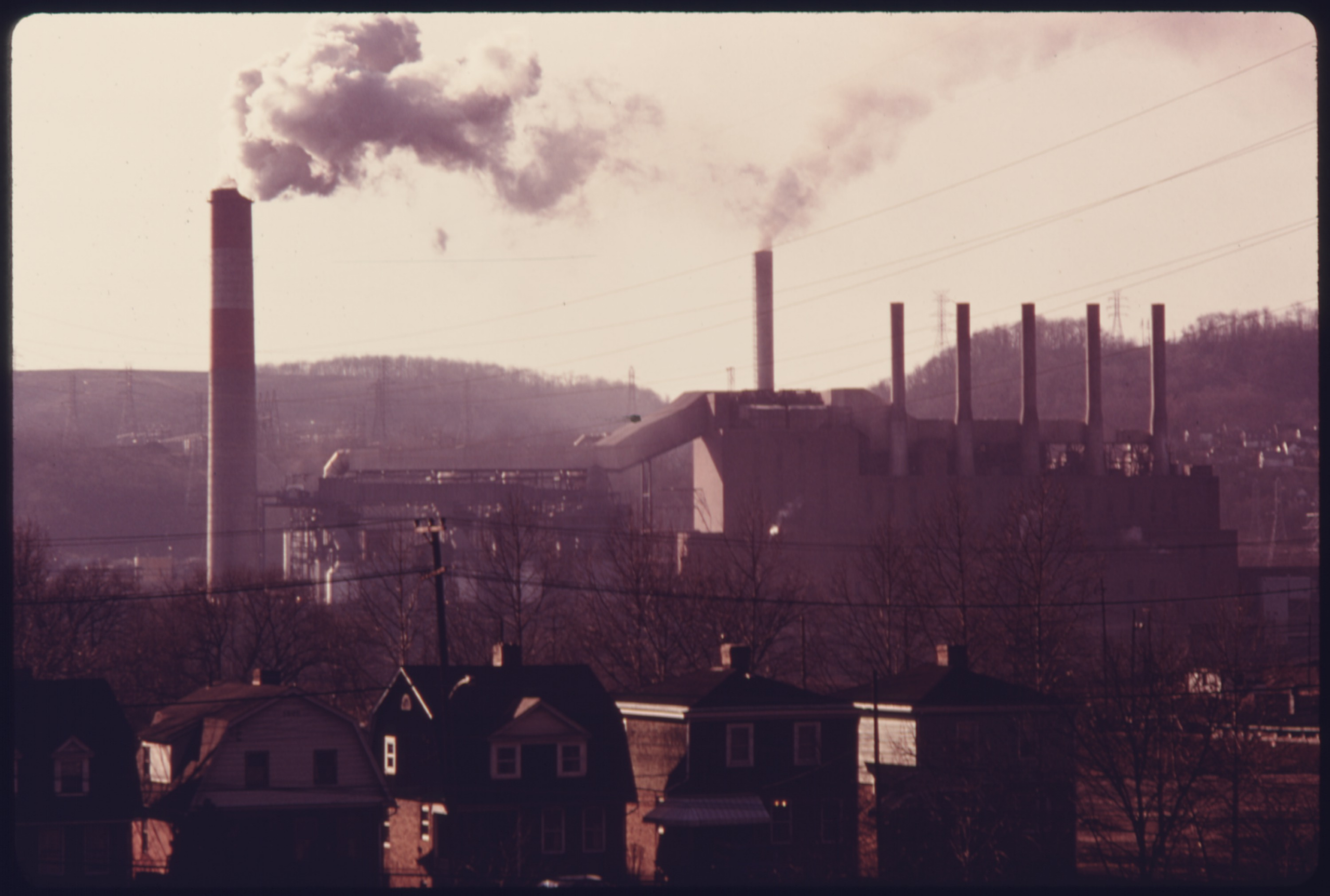
Emissions monitoring in 1965 was minimal. Chimneys were built taller specifically so that what left them was diluted before it reached the ground – a strategy explicitly adopted on the reasoning that dispersal solved the problem.
Tall stacks moved the deposition rather than removing it, which became clear as acid deposition was traced across national borders in the 1970s and 1980s. Flue gas desulphurisation, low-nitrogen-oxide burners, electrostatic precipitators and continuous emissions monitoring followed, and emissions of sulphur and particulates from the sector fell by very large proportions over subsequent decades. It is one of the clearest cases anywhere of a solution – build it taller – turning out to be a relocation.
10. Cooling Water Went Straight Back Into the River
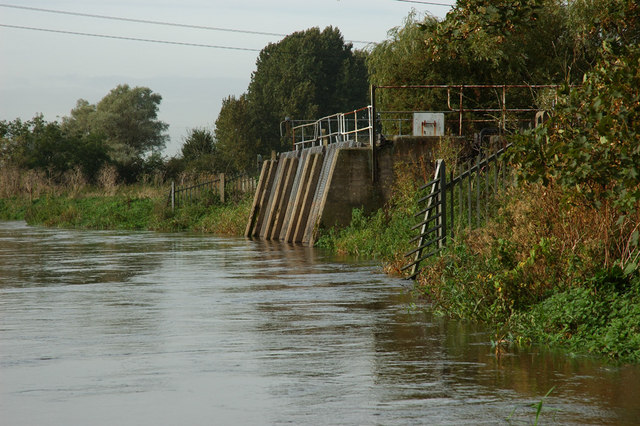
Once-through cooling drew enormous volumes from a river or estuary and returned it warmer, with effects on the ecology downstream that were not studied and not regulated.
Thermal discharge limits, intake screening to protect fish, and the widespread adoption of cooling towers that reject heat to the air instead changed this substantially. The cooling tower – the hyperboloid shape that became the visual symbol of the industry – is in large part a response to the limits of putting warm water back into a river.
11. Shift Work Ran Continuously and Rotated Fast
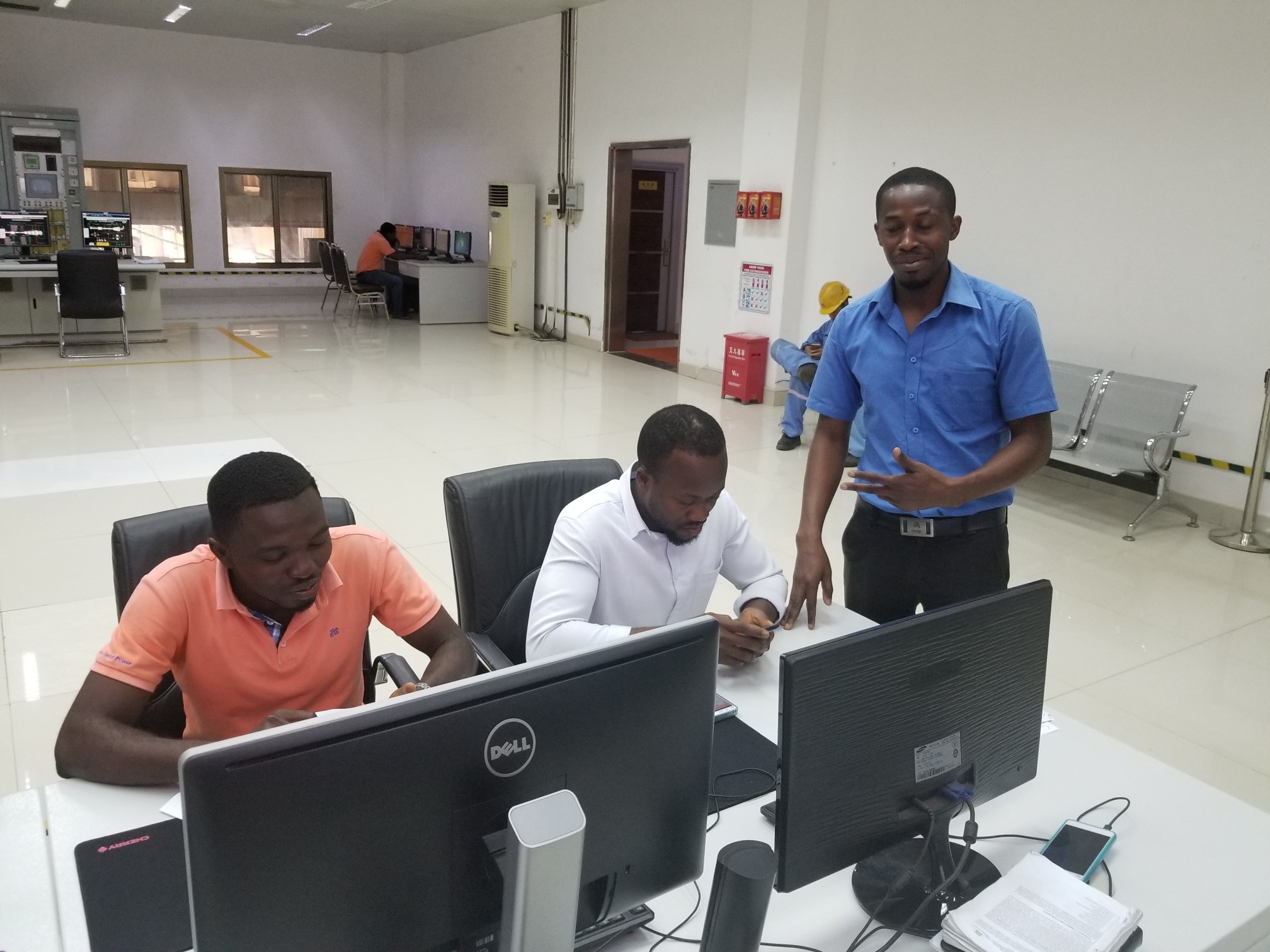
The station never stopped, so the staff rotated through days, afternoons and nights on a fast cycle, with the social and physiological consequences that pattern produces. The communities around stations organised around it in the same way mill and mining towns did.
Shift rotation is now designed around sleep research, with forward rotation, longer cycles and managed recovery, and fatigue is treated as a safety issue in an industry where a tired operator is a serious matter. The underlying requirement – that somebody is always there – has not changed and will not.
12. Promotion Ran From the Bottom Through a Long Apprenticeship
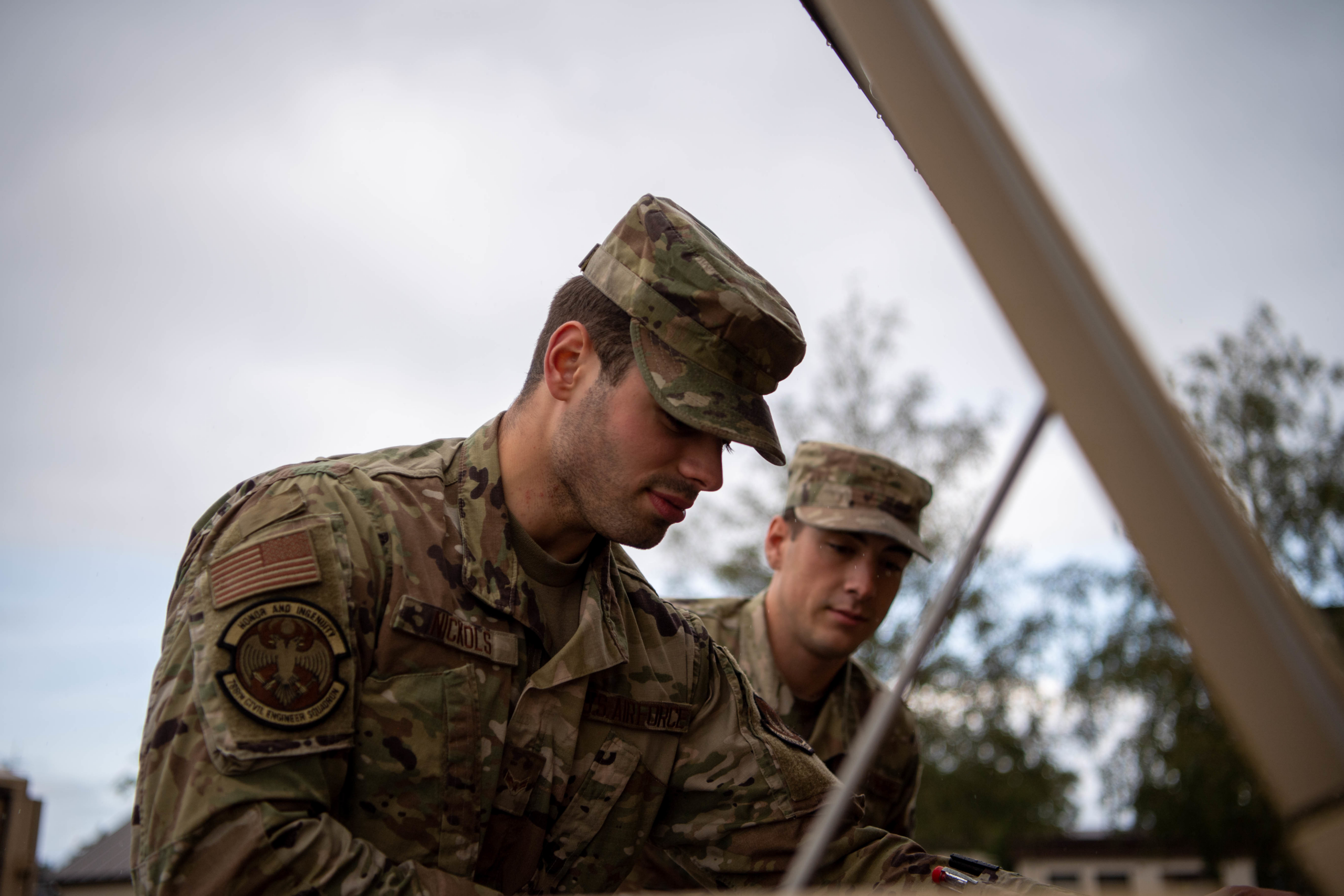
A boy joined as an apprentice fitter, electrician or instrument mechanic, served years, and progressed through the plant over a career, with operators frequently coming from the trades. The station trained its own and people stayed for decades.
Apprenticeship in the energy sector contracted sharply with privatisation and contracting out, and the resulting skills gap is a recurring theme in industry workforce planning. Several utilities have rebuilt apprenticeship programmes deliberately over the last two decades, having discovered what the shipyards and the mills discovered first: a training pipeline that exists as a by-product of doing the work cannot be switched off and on.
13. The Station Was the Biggest Employer and the Town Knew It
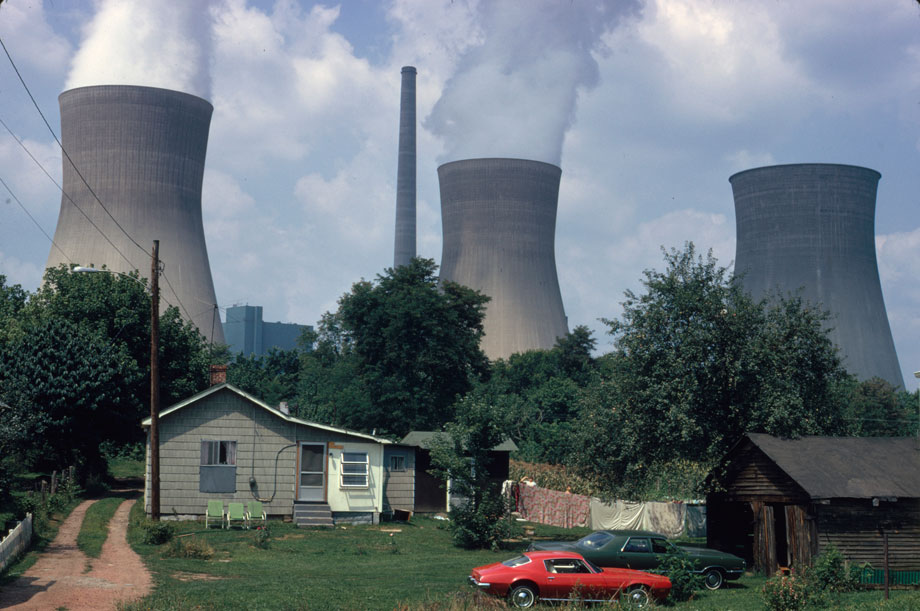
A large station employed many hundreds of people drawn from the surrounding area, and the cooling towers were visible from everywhere. The station’s shift pattern, its sports club, its social club and its apprenticeships structured a substantial part of local life.
Closures of coal-fired capacity have removed that from a great many places, and the demolition of cooling towers has become a public event that people travel to watch and that local residents frequently object to. What replaced the employment, where anything did, is almost always fewer people – a modern gas plant of comparable output runs with a small fraction of the staff.
14. Load Was Matched by Hand and by Telephone
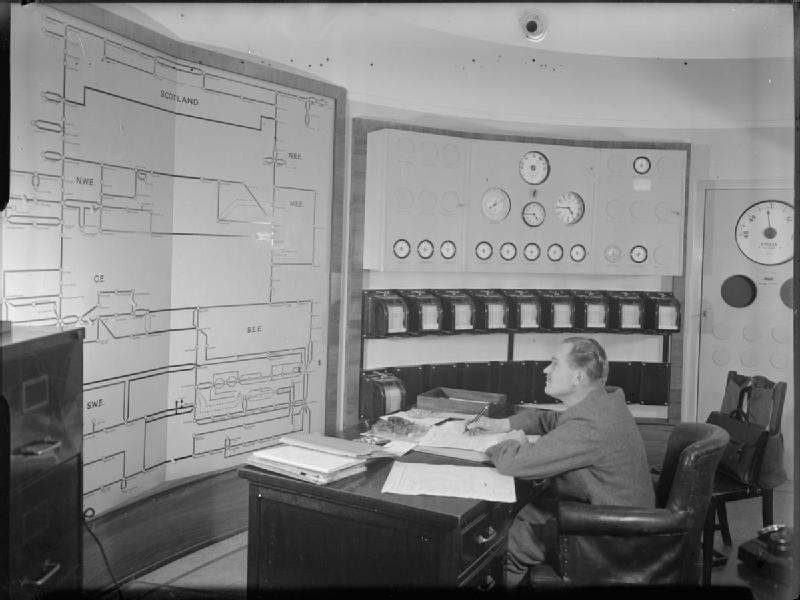
Balancing generation against demand across a network was done by control engineers watching frequency and telephoning stations to bring plant on or off. Operators knew the shape of the day – the morning rise, the evening peak, the pickup after a popular television programme ended.
Automated dispatch, market mechanisms and fast-responding plant have replaced most of the telephoning, and the system is now balanced to the second by systems rather than by a conversation. The television pickup is real and is still planned for in some networks, which is one of the few places where a human behaviour pattern is still an explicit input to grid operation.
15. Safety Was Exhortation and a Poster
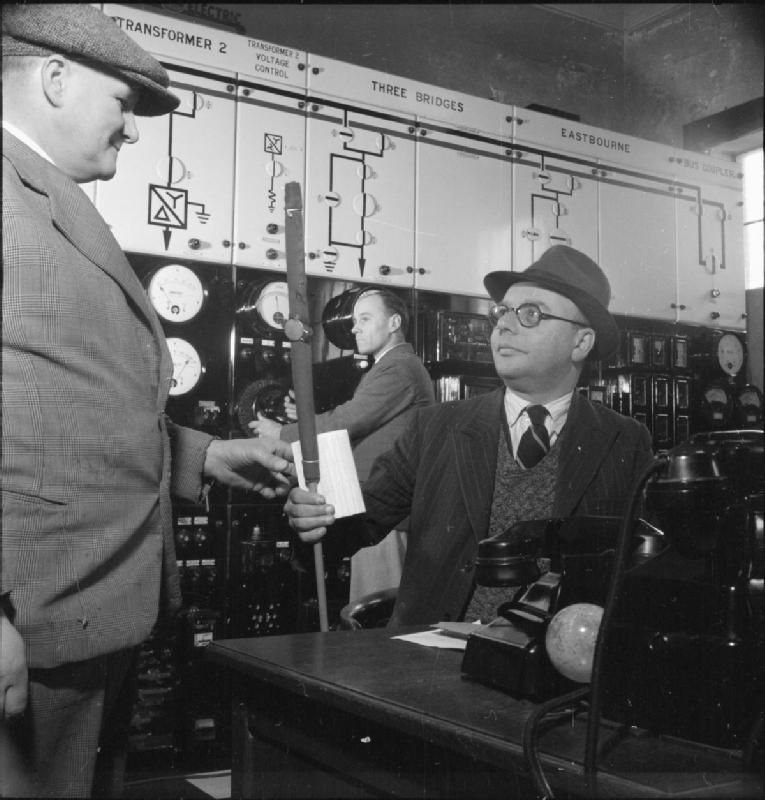
The safety culture consisted largely of signs, a committee, and an award for accident-free days, which created an incentive not to report. Production came first in a plant whose output was a public obligation.
Permit-to-work systems, formal risk assessment, lockout and isolation procedures, stop-work authority and independent inspection replaced it over the following decades, and the energy industry is now among the more rigorous on process safety. As everywhere else in this series, the change came from incidents and the reports written afterwards rather than from anybody’s good intentions.
16. Nobody Imagined the Coal Stations Would Close
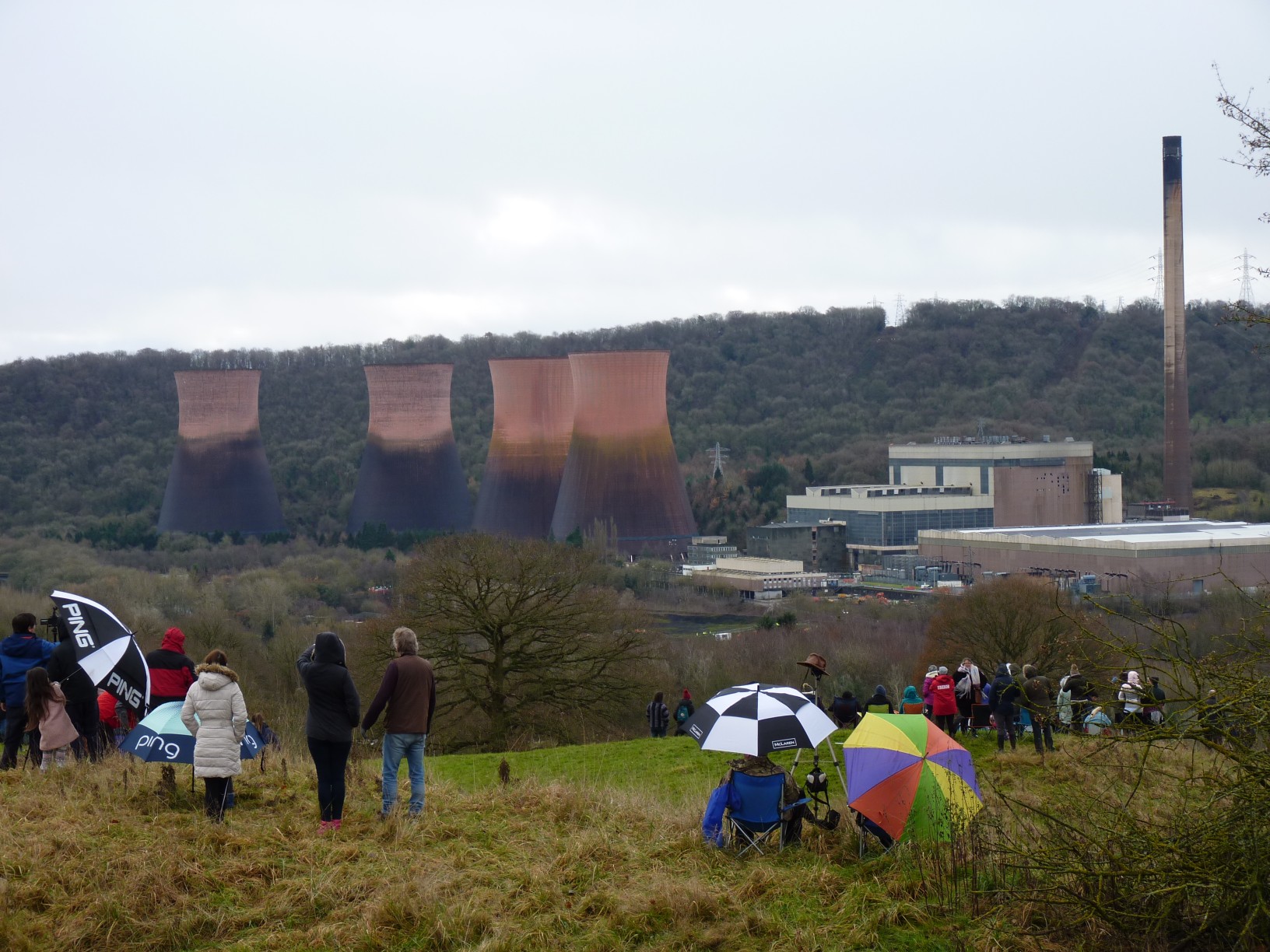
In 1965 coal-fired generation was the backbone of electricity supply, capacity was being built, and the assumption was continued expansion. Stations were designed for operating lives measured in decades.
Coal generation has been substantially or entirely retired in a great many developed economies over the last two decades, displaced by gas, nuclear, wind and solar and driven by emissions policy and by economics. The stations that defined whole districts have been demolished, and the sites redeveloped. The people who built and ran them did exactly what the country asked of them for forty years, which is worth saying plainly in any account of why the buildings came down.
17. The Cooling Towers Became the Thing People Mourned
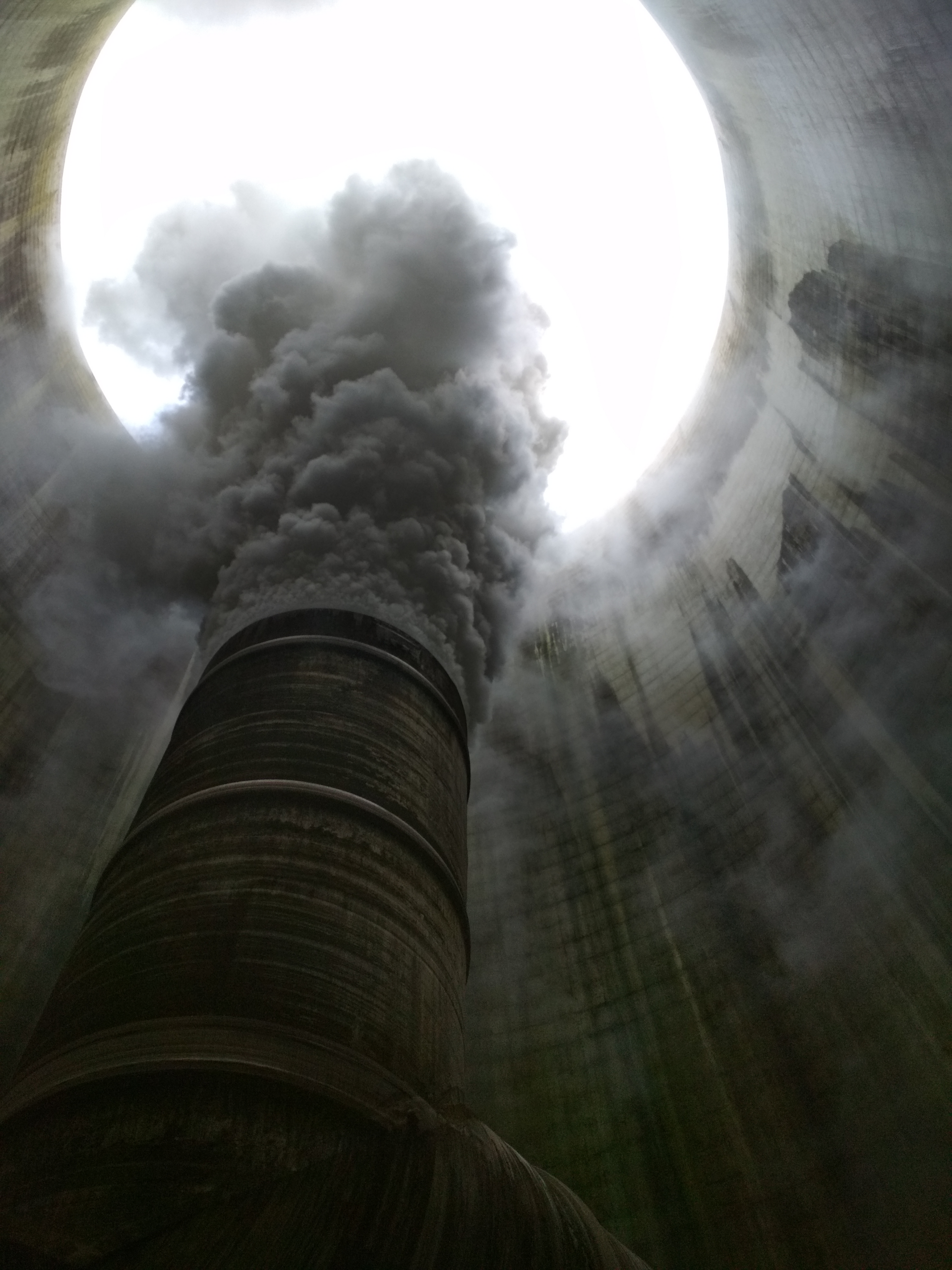
The hyperboloid concrete cooling tower was designed as the cheapest shape that would do the job – a shell that is structurally efficient, requires minimal material, and draws air through by natural convection without fans.
They were disliked when built and are widely missed now, which is a common fate for large industrial structures. A number have been retained as landmarks or listed for their engineering significance, and their demolition draws crowds and petitions in roughly equal measure. They are also a near-perfect illustration of a shape arrived at by pure engineering that turned out, entirely by accident, to be beautiful.
The Chimney Is the Whole Story
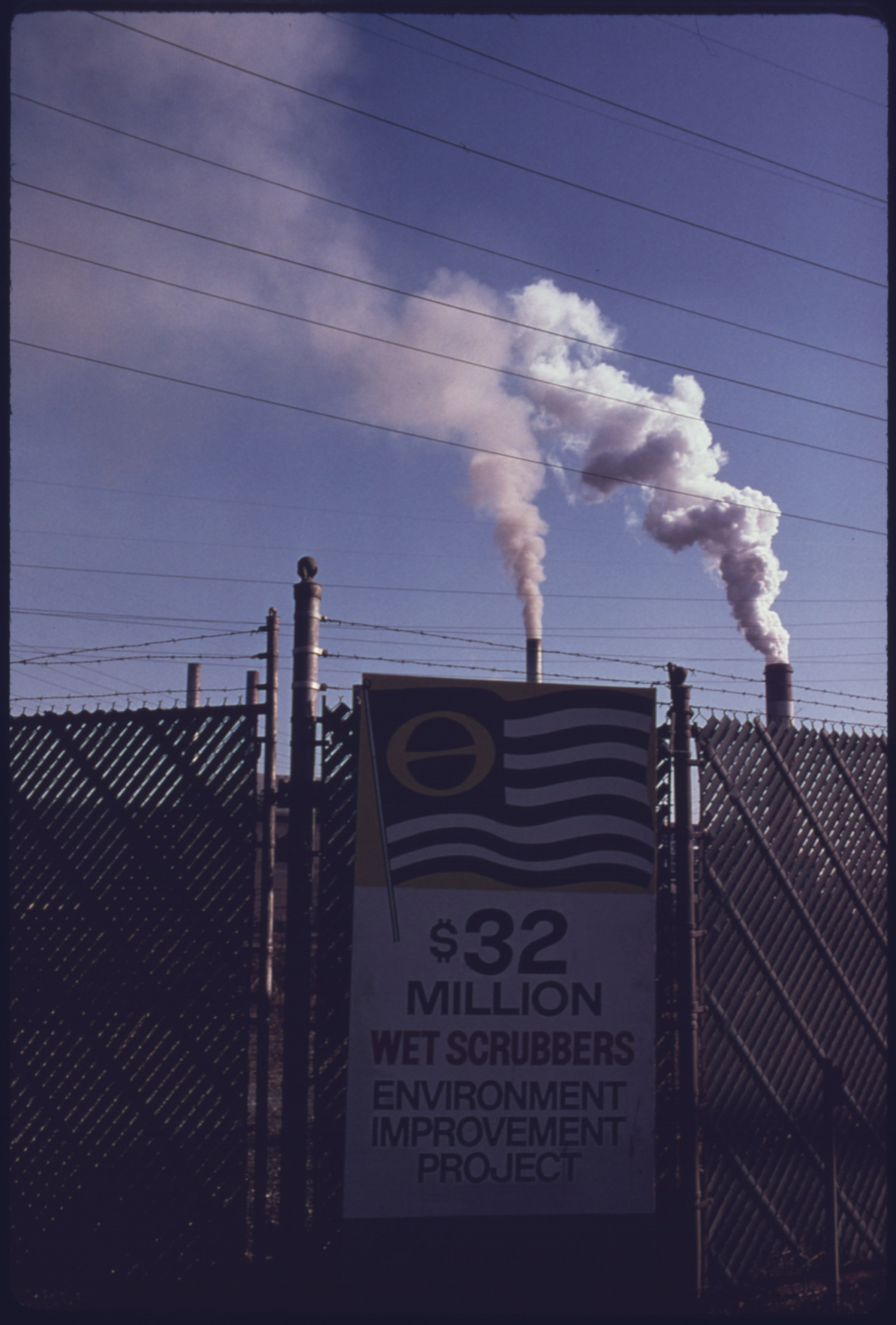
If one item on this list explains the rest, it is the tall stack.
The reasoning behind it was not stupid and was not cynical. Emissions at ground level around a station were a visible, immediate, local problem – soot on washing, smog in the valley, people coughing. Building the chimney taller demonstrably fixed that, because what came out was carried away and diluted before it reached anybody. The measurements at the station fence improved. The complaints stopped.
What nobody was measuring was where it went instead, and the answer turned out to be hundreds of miles downwind, into other people’s forests and lakes and frequently other people’s countries. Tracing that took decades and a great deal of argument, and it produced the first serious international agreements on air pollution.
The lesson the industry took from it is the one that runs through everything that followed: a solution that moves a problem outside the boundary of what you are measuring is not a solution, and you will find out eventually.
Every subsequent control – the precipitators, the scrubbers, the low-emission burners, the continuous monitoring, the ash being sold rather than tipped, the cooling towers instead of the river – is an application of that single correction. Measure further out than the fence.
If you grew up near one, the towers were the thing you navigated home by, and you probably watched them come down.
Which station, and what is on the site now?
Like our content? Follow us for more.
