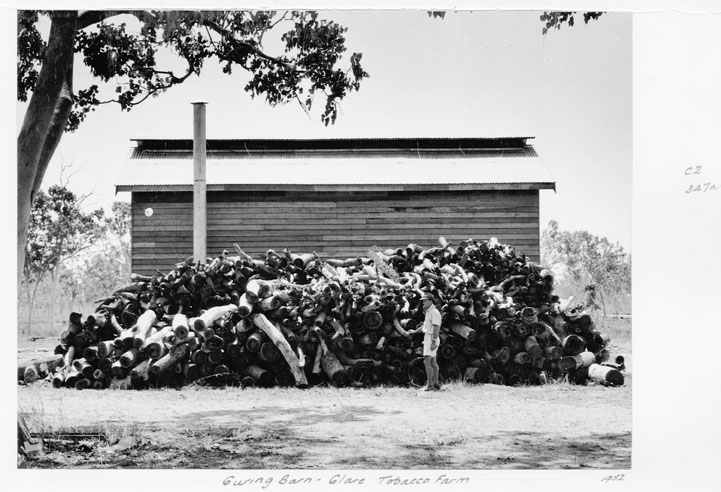
In 1958 a tobacco farm ran on hand labour supplied largely by the family. Every leaf was pulled by hand, five or six times through the season as the plant ripened from the bottom up, and the crop was cured in a tall barn over a wood fire that somebody had to sit with through the night.
A family could live on a very few acres, the right to grow at all came with the land as a quota, and the whole year’s work was sold in a few seconds per pile by an auctioneer chanting down a warehouse floor.
Here are fourteen things that were ordinary on a tobacco farm in 1958, and what each one became.
1. The Whole Family Worked It, Including the Children
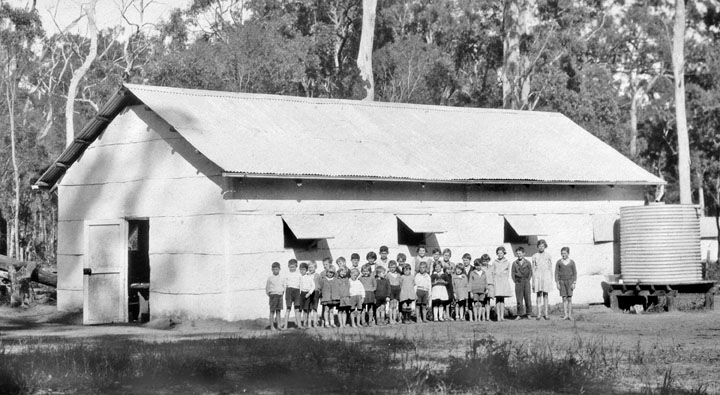
Tobacco is one of the most labour-intensive crops there is, and a family farm supplied that labour from the family. Children worked from the age they could carry a handful of leaves – priming, handing, stringing and looping – alongside their parents and whoever had been hired for the season.
Child labour on family farms sits inside agricultural exemptions that remain considerably broader than in other industries in many jurisdictions, and work by minors in tobacco specifically has been the subject of sustained campaigning. Mechanisation removed most of the hand work, which did more to end children in the field than any rule did.
Like our content? Follow us for more.
2. Every Leaf Was Picked by Hand, One Pass at a Time
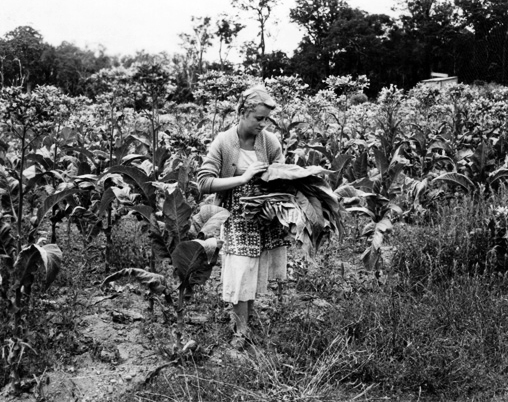
Tobacco does not ripen all at once. The leaves mature from the bottom of the plant upwards, so the crop was primed – the ripe lower leaves pulled by hand, the field left, and the whole thing done again a week later, five or six times through the season.
Mechanical harvesters and the shift to varieties and methods that allow a single cut changed the labour requirement enormously. Priming by hand still happens for some types and in some places. The repeated bending in heat, with a stooping gait along a row, is the posture the work is remembered for and the reason the backs of that generation are what they are.
3. The Barn Was Fired With Wood and Somebody Sat Up With It All Night
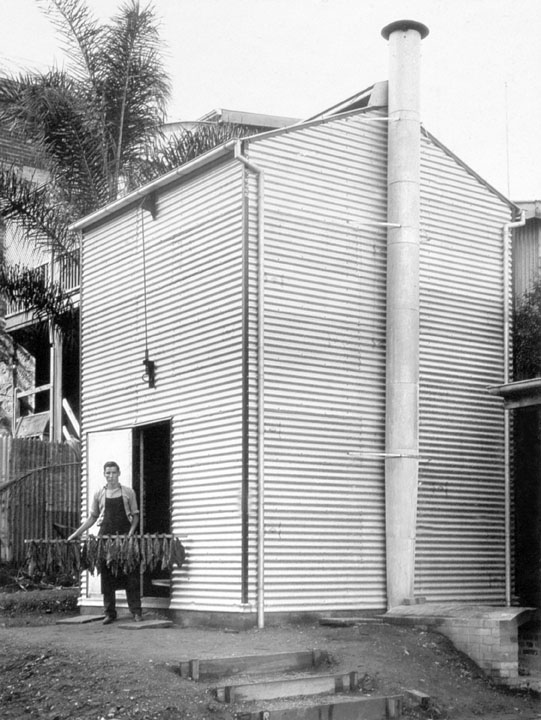
Flue-cured tobacco was hung in a tall barn and cured by heat from a wood or coal fire, carried through metal flues along the floor. The temperature had to be raised on a schedule over several days, and somebody stayed with the barn through the night to keep the fire right.
Oil and then gas burners with thermostats replaced the fire, and bulk curing barns with forced air and controlled schedules replaced the hanging barn entirely. Barn fires were common and destroyed the crop and sometimes the barn, and sitting up with a curing barn is the thing older growers describe first when asked what the season was like.
4. Green Tobacco Sickness Was Routine and Had No Name on the Farm
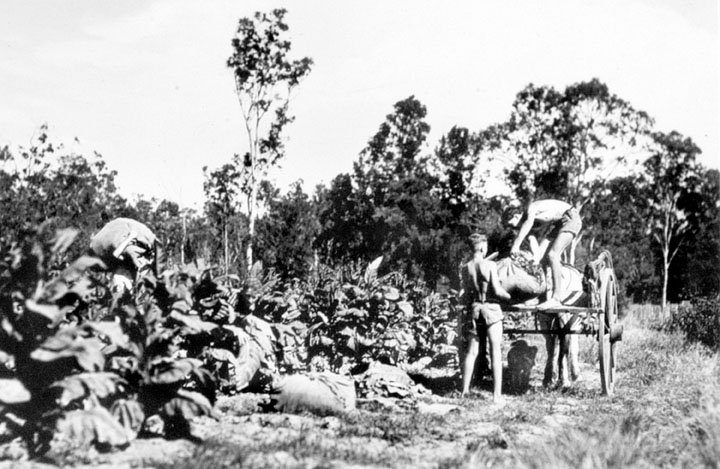
Handling wet tobacco leaves transfers nicotine through the skin, and workers who spent a morning in a dew-covered field became ill – the workforce knew the pattern, knew it passed, and treated it as part of the job.
This is included as occupational history. The condition is now recognised, named and studied, and the preventive measures – waterproof clothing, waiting for the crop to dry, washing – are published by agricultural health bodies. Anybody who works with the crop or is concerned about an exposure should be getting that from a doctor or an occupational health service rather than from an article.
5. Pesticides Were Mixed and Applied With No Protection at All
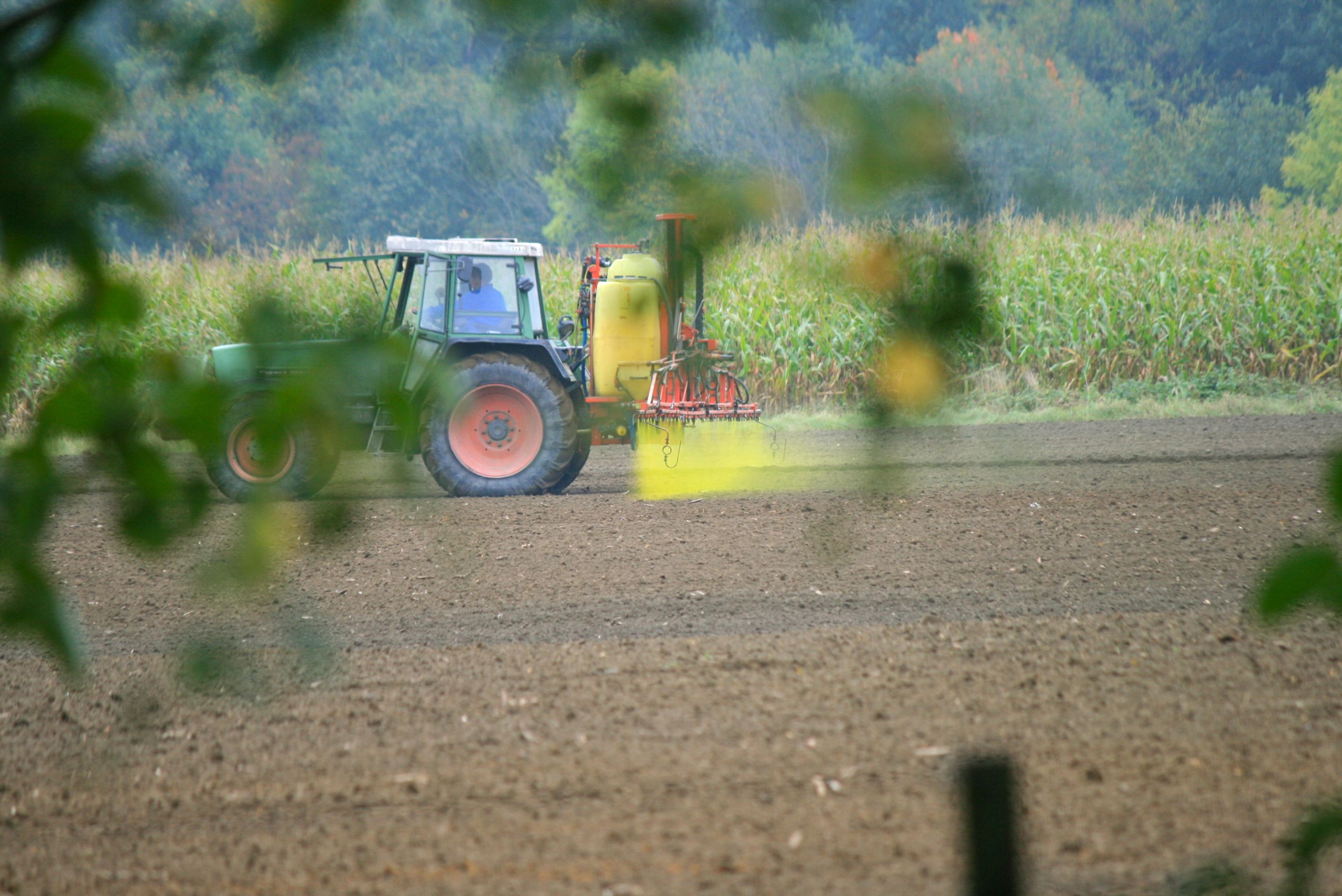
Spraying was done by hand or from a tractor, with concentrate mixed in the open, frequently without gloves, respirator or protective clothing, and re-entry into treated fields happened whenever the work required it.
Registration systems, re-entry intervals, protective equipment requirements, applicator licensing and the withdrawal of several compounds used in that period have each changed this substantially. This is noted as occupational history; nothing here is guidance, and anybody with that exposure history should raise it with their own doctor.
6. The Crop Was Sold at Auction by a Man Chanting Too Fast to Follow
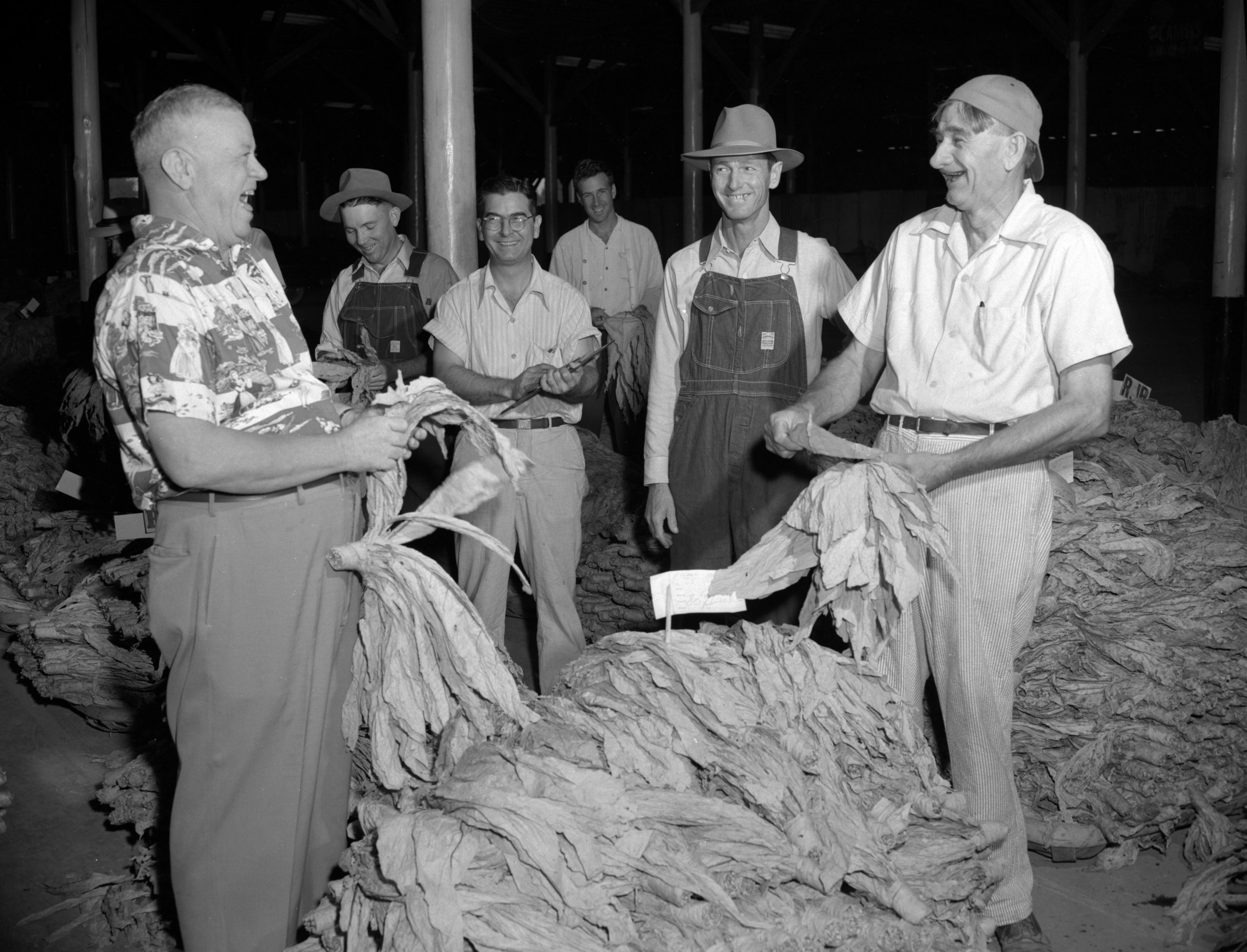
Cured leaf was graded, tied into hands or packed, and laid out in long rows on a warehouse floor. An auctioneer walked the rows chanting, buyers walked with him, and a crop that had taken a year sold in a few seconds per pile.
The auction system was replaced over the following decades by direct contracting between growers and manufacturers, which gives the grower a known price before planting and removes the auction floor entirely. The warehouses closed. The chant is preserved mostly in recordings, and the loss of the auction is remembered in tobacco country as the moment the business stopped being local.
7. A Family Could Live on a Very Few Acres
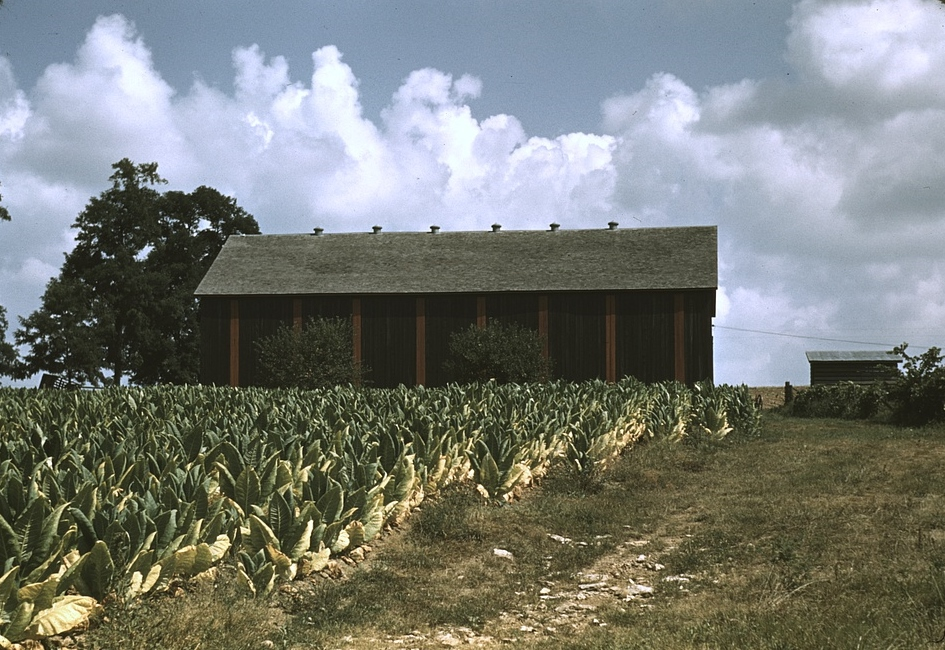
Because the crop was high value per acre and intensely hand-worked, a small allotment supported a household in a way no other row crop could. Farms of a handful of acres were viable, which is why tobacco country had so many small farms close together.
Consolidation into far fewer, far larger operations followed mechanisation and contracting. The small farm that supported a family on five acres is the thing that has gone, and the social structure of those districts went with it – which is the same story as the dairy farm and the country elevator, arriving for the same reasons.
8. The Allotment System Decided Who Could Grow It at All
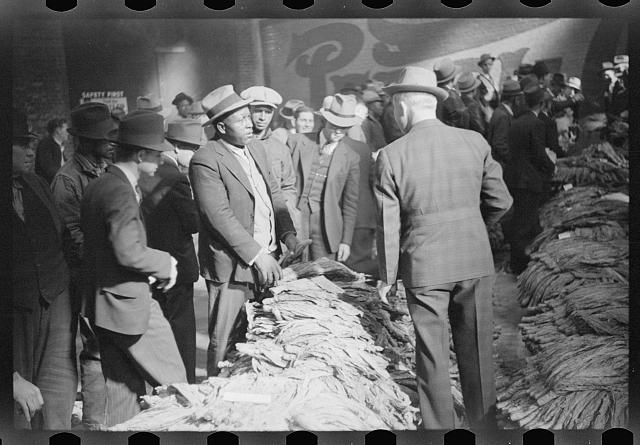
Production was controlled by a quota system attached to the land, limiting how much any farm could grow. An allotment was an asset, it was rented and traded, and it governed the entire structure of the industry for decades.
The quota system was ended in the mid-2000s with a buyout paying holders out over several years. Production immediately consolidated into fewer and larger operations in the best growing areas, and a great many small growers left the crop entirely. It is one of the clearest cases anywhere of a regulatory structure holding an industry’s shape in place, and of what happens when it is removed.
9. Mules Did the Work Before Tractors and Overlapped With Them
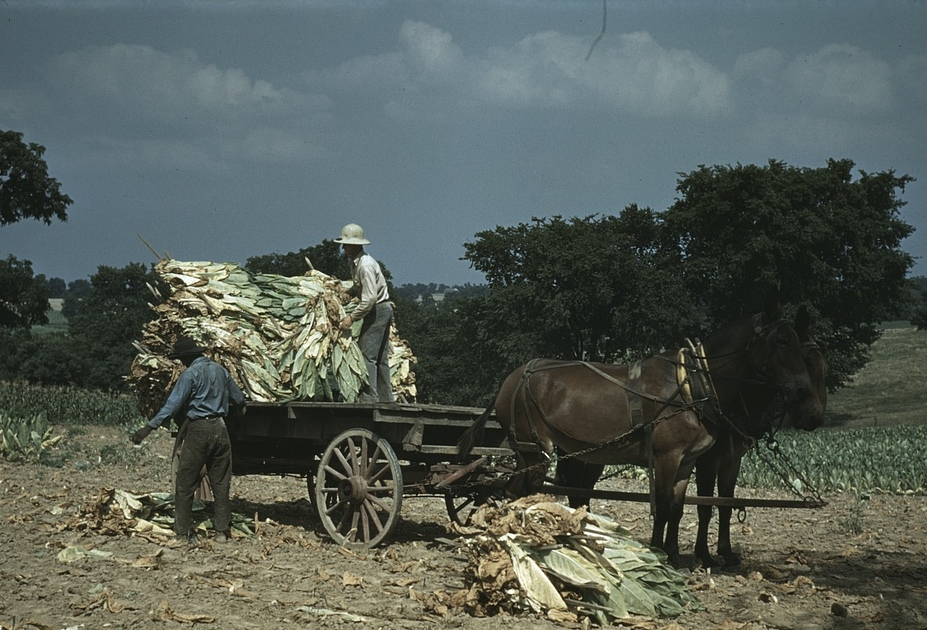
Tobacco ground was worked with mules well into the period, because the rows were close, the fields were small and sloping, and a mule turns in less space than a tractor. Many farms ran both.
Small tractors and purpose-built high-clearance machines finished the transition. The overlap is longer than people assume and the reason is geometric rather than sentimental – the crop’s row spacing and the terrain suited an animal, and the machinery had to be redesigned before it could compete.
10. Hired Labour Came From the Same Few Miles and Was Paid in Cash
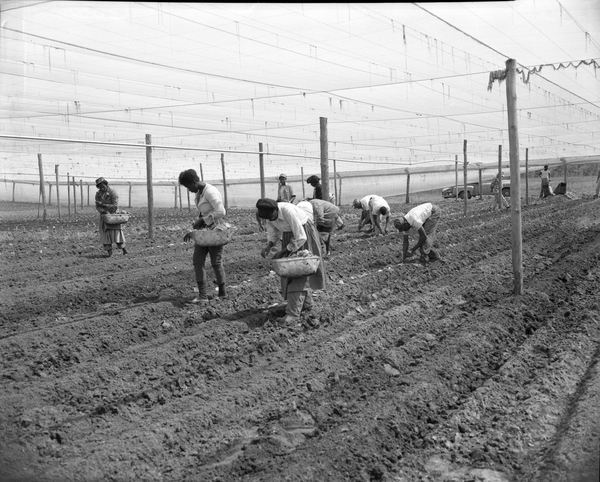
Beyond the family, the season was worked by neighbours, by seasonal crews and in much of the region by Black labourers under arrangements – sharecropping, tenancy and day work – that were deeply unequal and legally and socially enforced as such.
That system was dismantled by the civil rights legislation of the 1960s, by mechanisation removing the demand, and by the migration of millions of people out of the rural South. The labour that remained was increasingly migrant, and conditions for migrant agricultural workers are a live rather than a historical subject. No account of the crop in 1958 is honest without this, and no account of it now is honest without the second part.
11. Everybody Grew It and Almost Nobody Questioned It
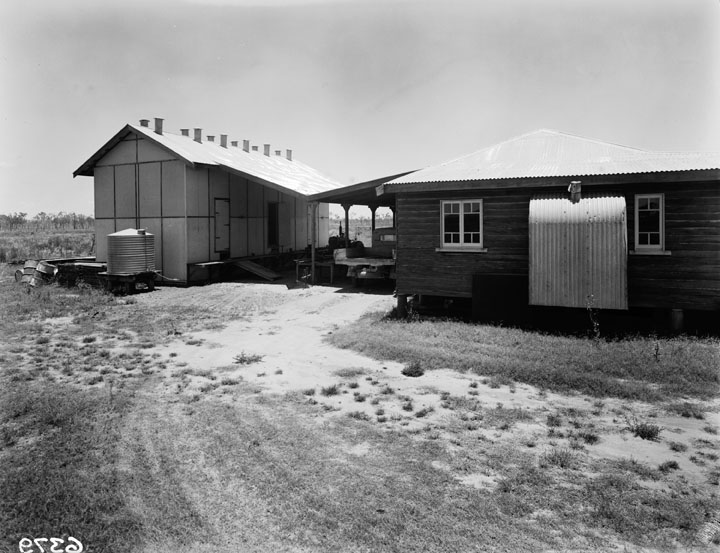
In 1958 tobacco was a mainstream agricultural commodity, supported by government programmes, grown by hundreds of thousands of families, and regarded in the growing regions as the respectable backbone of the rural economy.
The health evidence published from the 1950s onward, and the regulation, litigation and collapse in consumption that followed, changed what the crop meant entirely. This is stated as the economic and social history of a farming community. The health questions themselves are well documented elsewhere and are not the subject here, and this file makes no health claim in any direction.
12. The Barn and the Field Shaped the Whole Year
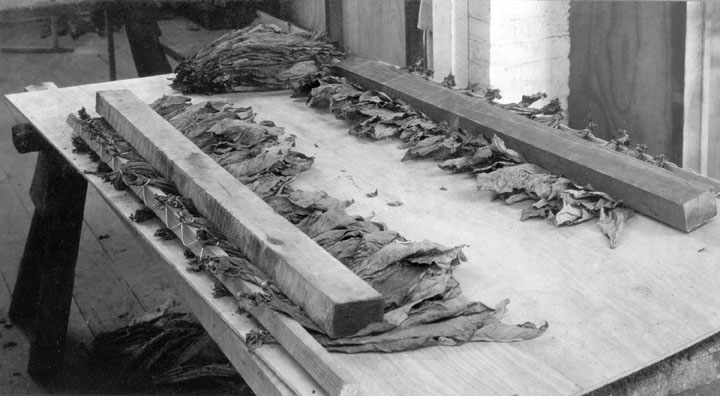
The calendar was fixed and relentless: beds sown under canvas in late winter, transplanting in spring, topping and suckering through the summer, priming across weeks, curing through nights, grading in the autumn, market in the winter. There was no part of the year without work in it.
Mechanisation compressed almost every stage, and contracting removed the market season. What the old calendar produced was a community whose entire year ran on the same schedule – school terms, church events, holidays and social life all arranged around it – and the disappearance of that shared rhythm is what people from those districts describe when they say the place changed.
13. The Knowledge Was Held Entirely in People’s Heads
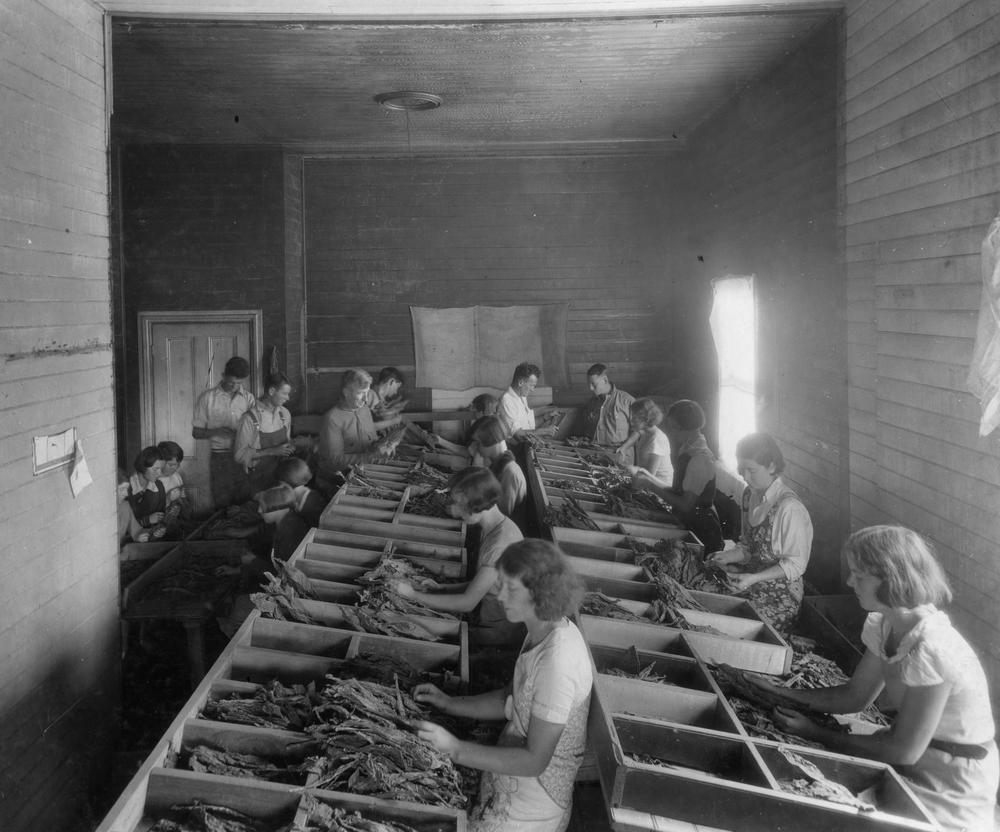
Judging when a leaf was ripe, how a barn was running from the smell and the feel of the air, what a grade was worth, when to stop the fire – all of it was learned by doing it beside somebody who knew, over years, and none of it was written down.
Controlled curing, published grading standards, contracted specifications and agricultural extension research replaced most of it with measurement. The judgement survives among growers who still do it, and it is the part that cannot be transferred to anybody who has not stood in the barn – which is true of every craft in this series and is why each of them was lost rather than handed on.
14. Nobody Expected the Buyers to Stop Coming
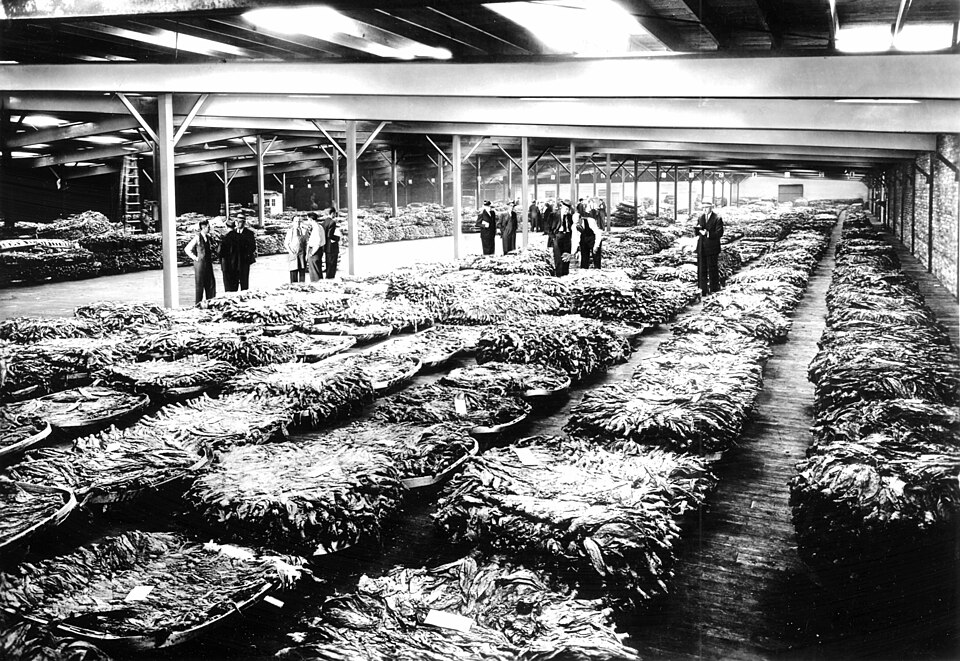
The warehouse auction, the allotment, the family farm and the local buyer were the permanent structure of the business, and a grower in 1958 planned a lifetime around them.
All four went within about fifty years – the auction to contracting, the allotment to the buyout, the family farm to consolidation, and the local buyer to global sourcing. The districts that depended on the crop have been dealing with the consequences ever since, and the barns standing empty in the fields across those states are the most visible record of it anywhere.
What Took the Structure Apart
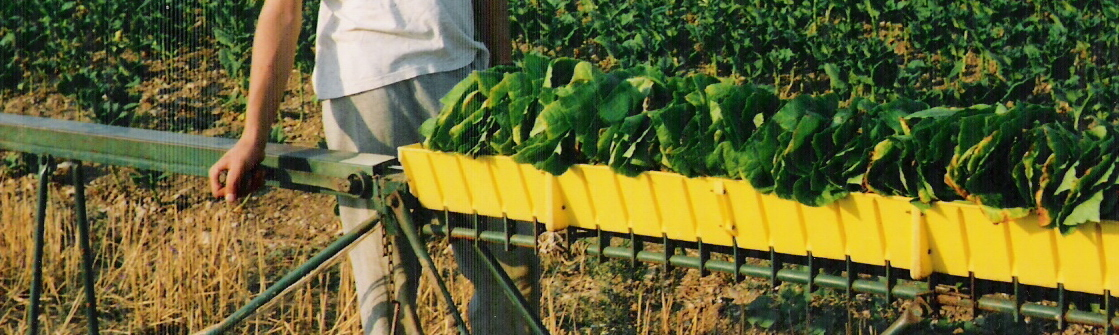
Four things went, and they went in an order that matters.
Mechanisation came first and removed the hand labour that the whole social structure rested on – the family in the field, the hired crews, the children. That ended a great deal of extremely hard work and it also removed the reason a small farm could compete, because the advantage of a small holding was that it had hands on it.
Then the auction went, replaced by contracts agreed before planting. That is better for a grower’s certainty and it moved the relationship from a local warehouse to a corporate purchasing department.
Then the quota system was bought out in the mid-2000s, and production immediately concentrated into the best land in the hands of the largest operators.
And underneath all of it, consumption fell, which is the thing nobody in 1958 was planning for.
What is left in those districts is a landscape full of empty curing barns, which are among the most distinctive vernacular farm buildings anywhere and are falling down at a rate that local preservation groups cannot match. They are the clearest physical evidence of an agricultural system that supported an enormous number of small households and does not exist any more.
If your family grew it, the night in the barn and the smell of the curing are what you remember before anything else.
Which county, and is the barn still standing?
Like our content? Follow us for more.