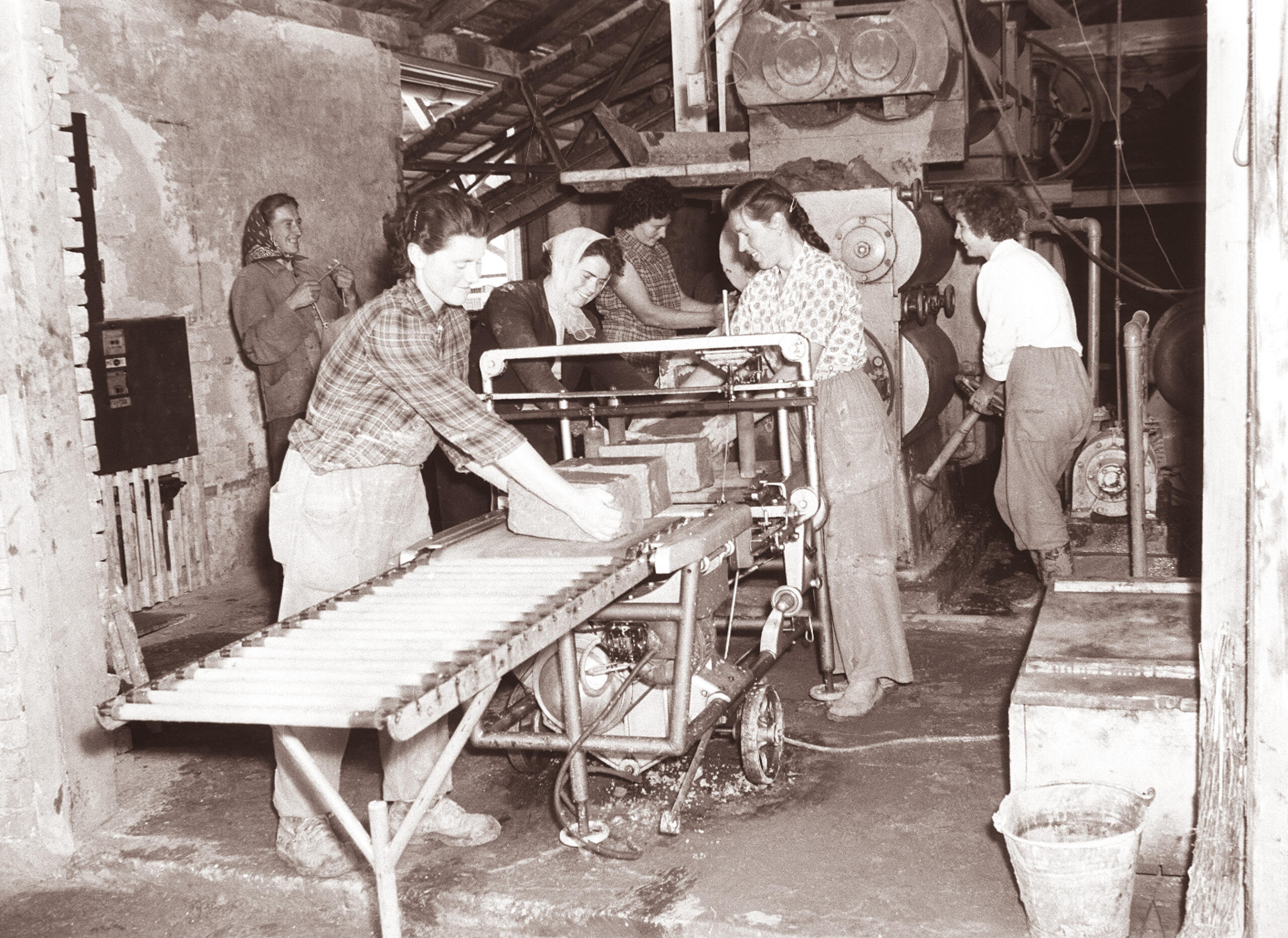
In 1960 a brickworks dug its own clay from a pit beside the kilns, dried the green bricks in open sheds for weeks depending on the weather, and fired them in a kiln that had not been out for years and was fed by men walking across the top of it.
The temperature was judged by a fireman reading the colour through a peephole. Every brick was carried by hand. And when the clay in the pit ran out, the works closed.
Here are fifteen things that were ordinary in a brickworks in 1960, and what each one became.
1. The Clay Was Dug Out of the Ground Beside the Works
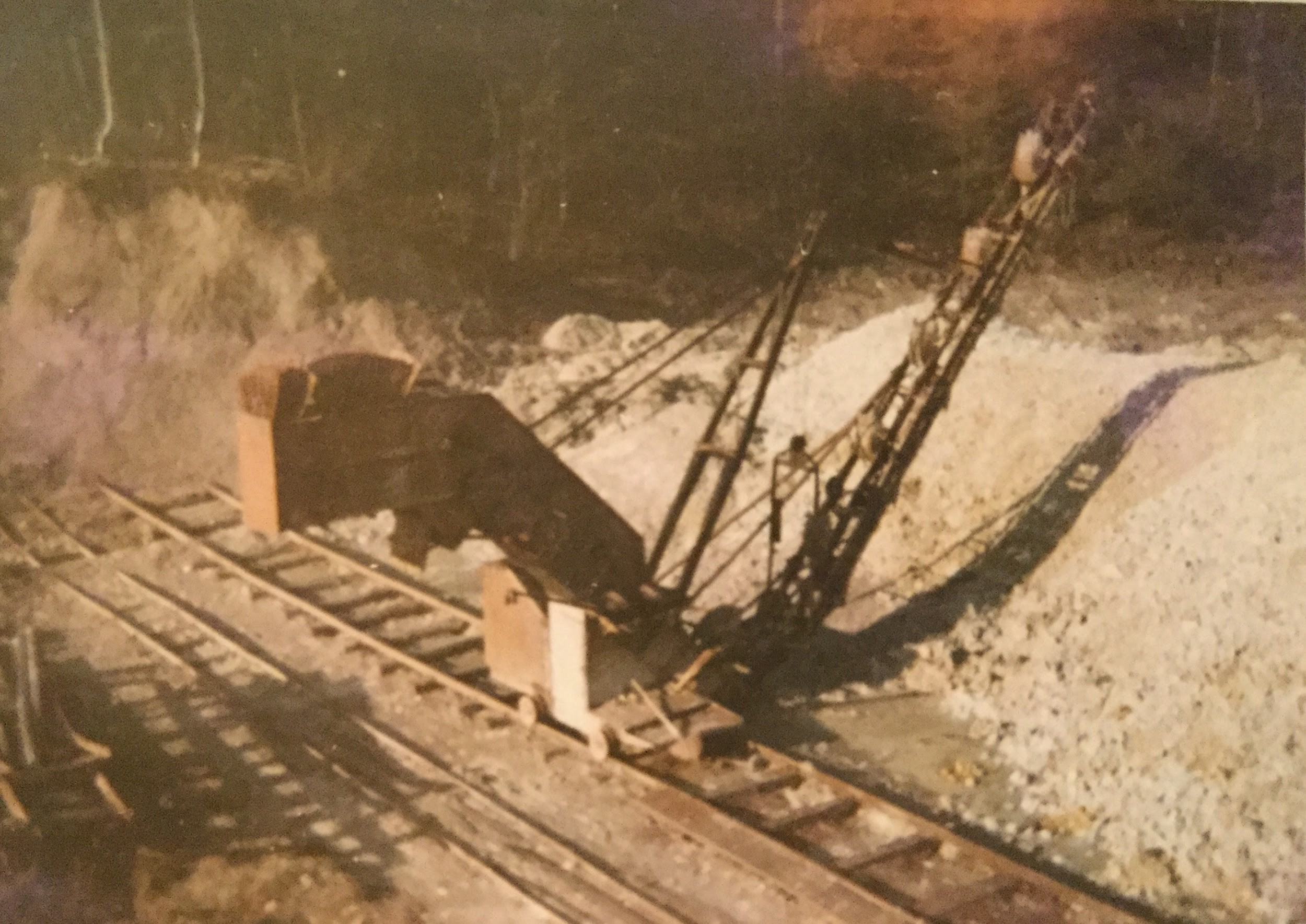
A brickworks sat on its own clay. The pit was next to the kilns, the clay was dug and carted a few hundred yards, and when the pit was worked out the works closed – which is why brickworks are scattered across the landscape wherever the right clay happened to be.
Those pits are now the most visible legacy of the industry. Worked-out clay pits became lakes, nature reserves, landfill sites, fishing waters and in a great many cases housing. The works went when the clay did, and consolidation into a small number of very large plants on the best deposits followed better road transport.
Like our content? Follow us for more.
2. Bricks Were Still Being Made by Hand in Some Yards
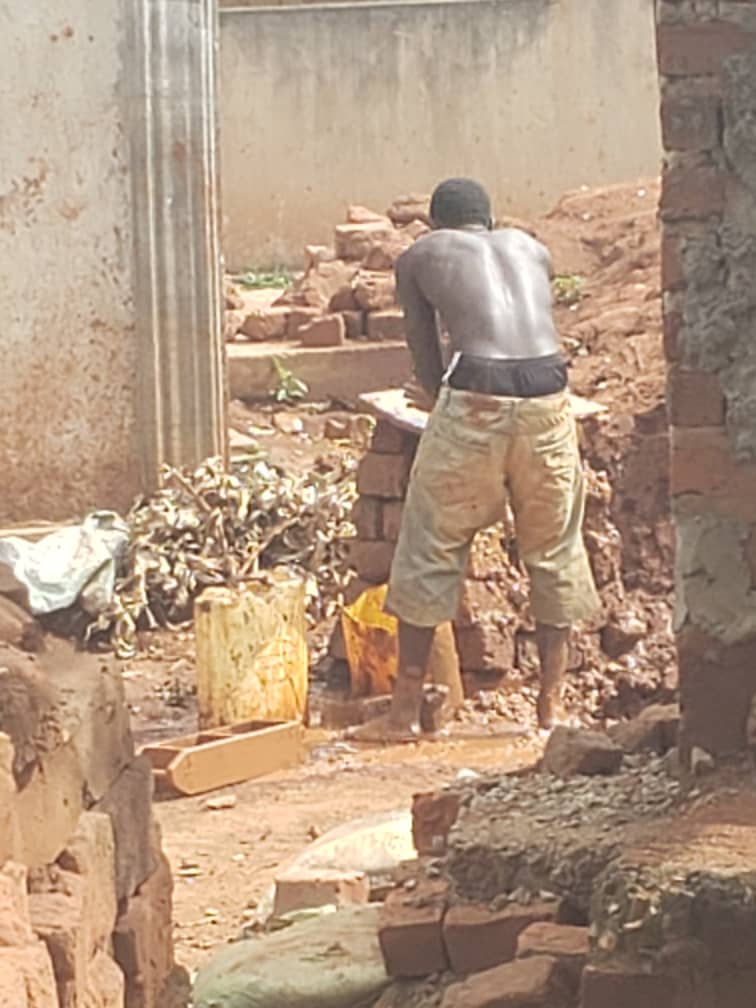
Hand moulding – throwing a clot of clay into a sanded wooden mould, striking off the surplus with a wire or a stock, and turning the green brick out onto a pallet – was still practised in 1960 in smaller yards and for specials.
Extrusion and wire-cutting, and then high-pressure soft-mud machines that imitate the hand process, took the volume. Hand-made bricks are still produced for conservation work and for premium facing because they look different – slightly irregular, with a sanded face and a soft arris – and that irregularity is now a selling point rather than a limitation.
3. Green Bricks Were Dried in Open Sheds and the Weather Decided Everything
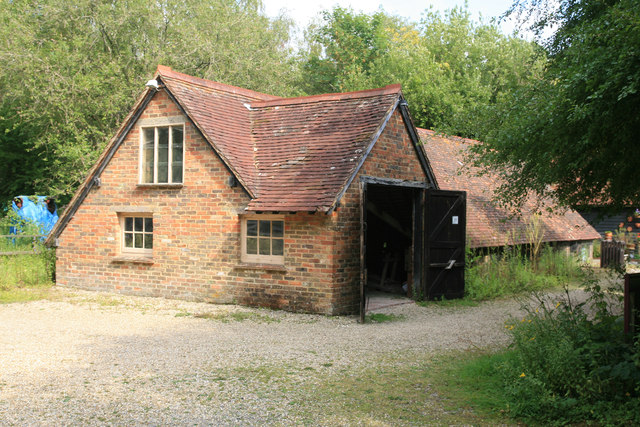
An unfired brick has to be dried slowly before it goes in the kiln, or it cracks or explodes from trapped steam. Drying was done in long open-sided sheds called hacks, stacked to let air through, taking weeks and entirely dependent on the weather.
Heated tunnel driers with controlled temperature and humidity, frequently using waste heat from the kilns, reduced drying from weeks to about a day and removed the weather from the process. That is the single change that let brickmaking become a continuous year-round industry rather than a seasonal one.
4. The Kiln Was Fired Continuously and Walked Round the Building
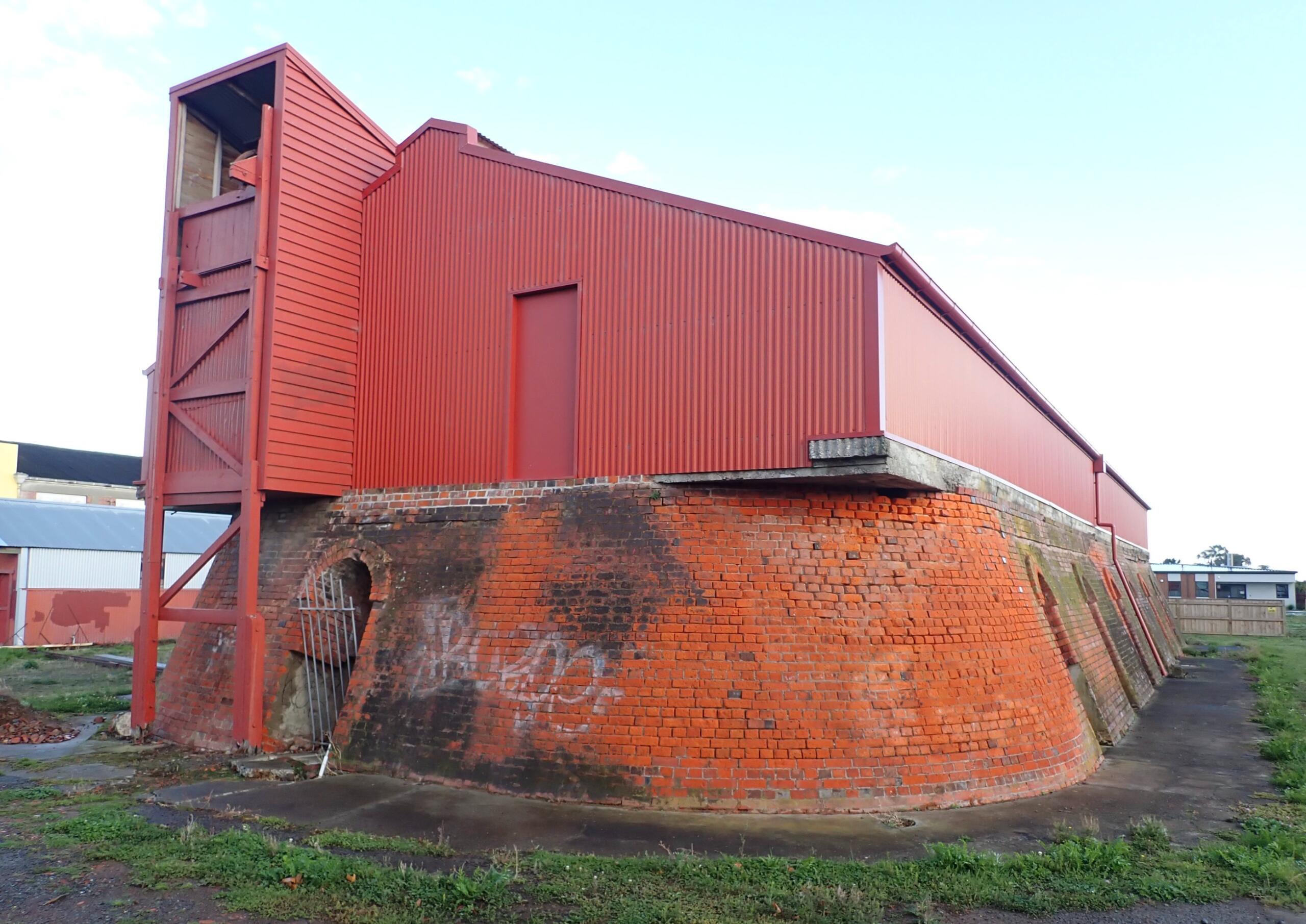
The continuous kiln – a ring of chambers through which the fire was moved progressively while chambers ahead of it preheated and chambers behind it cooled – ran without stopping for years. Fuel was fed through holes in the crown by men walking the top of the kiln in the heat.
It is a brilliant piece of thermal engineering, because the incoming air is preheated by the cooling bricks and the exhaust preheats the green ones, which recovers most of the heat. Modern tunnel kilns move the bricks through a stationary fire instead, on cars, with the same heat-recovery principle and far better control. The men walking the kiln top feeding fuel into holes is the job that went.
5. Firemen Judged the Kiln by Colour and by Eye
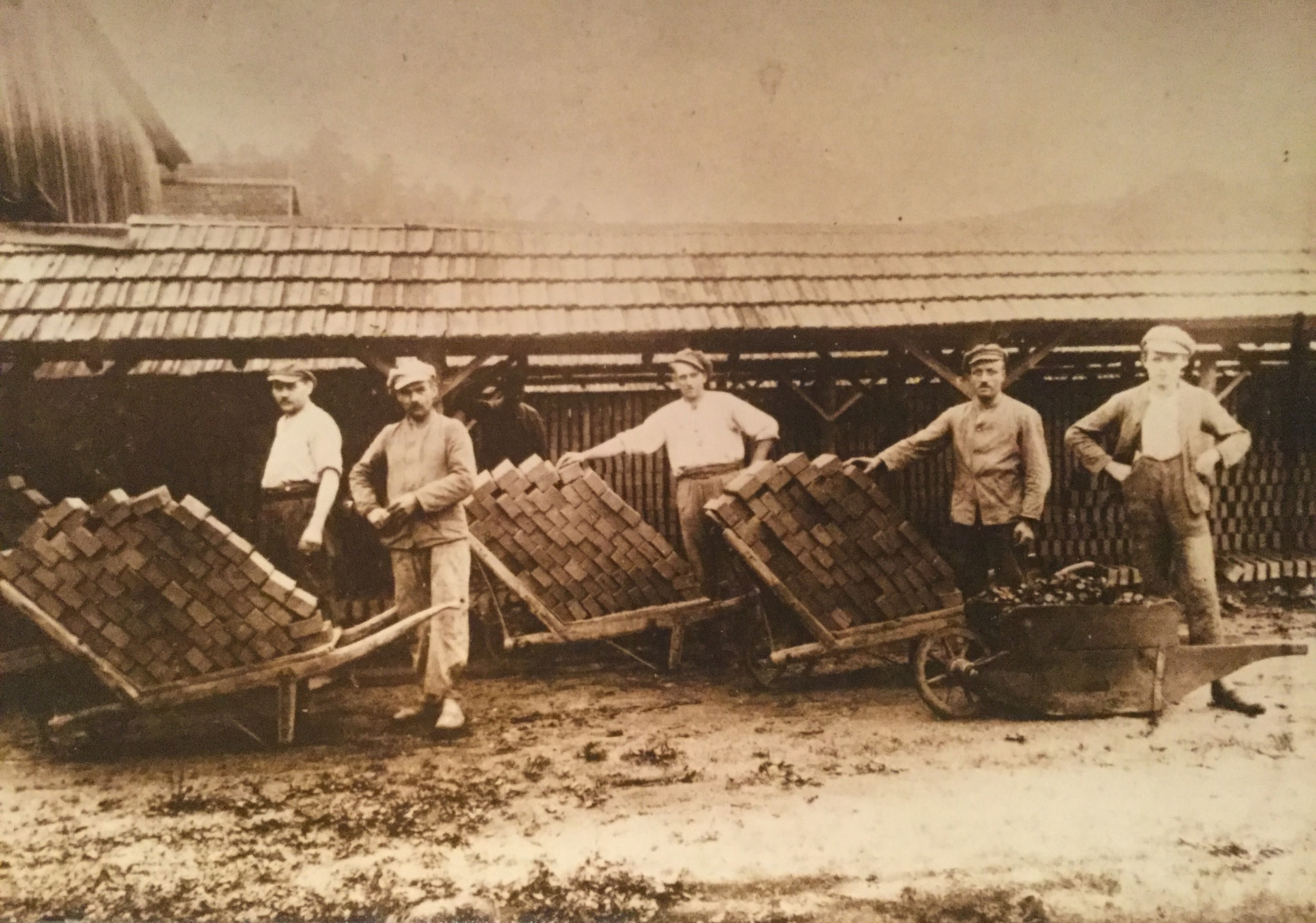
Temperature control was a fireman’s judgement – reading the colour of the fire and the bricks through peepholes, timing the advance of the fire round the kiln, and deciding when a chamber was done. An error ruined thousands of bricks.
Thermocouples, continuous logging and computer control replaced the eye, and the consistency improved enormously. Colour judgement of a kiln is a genuine skill that took years and was essentially impossible to transfer except by standing beside somebody, and it has gone completely – which is unusual, because most of the judgement skills in this series survive in a reduced form.
6. Everything Was Carried, Stacked and Loaded by Hand
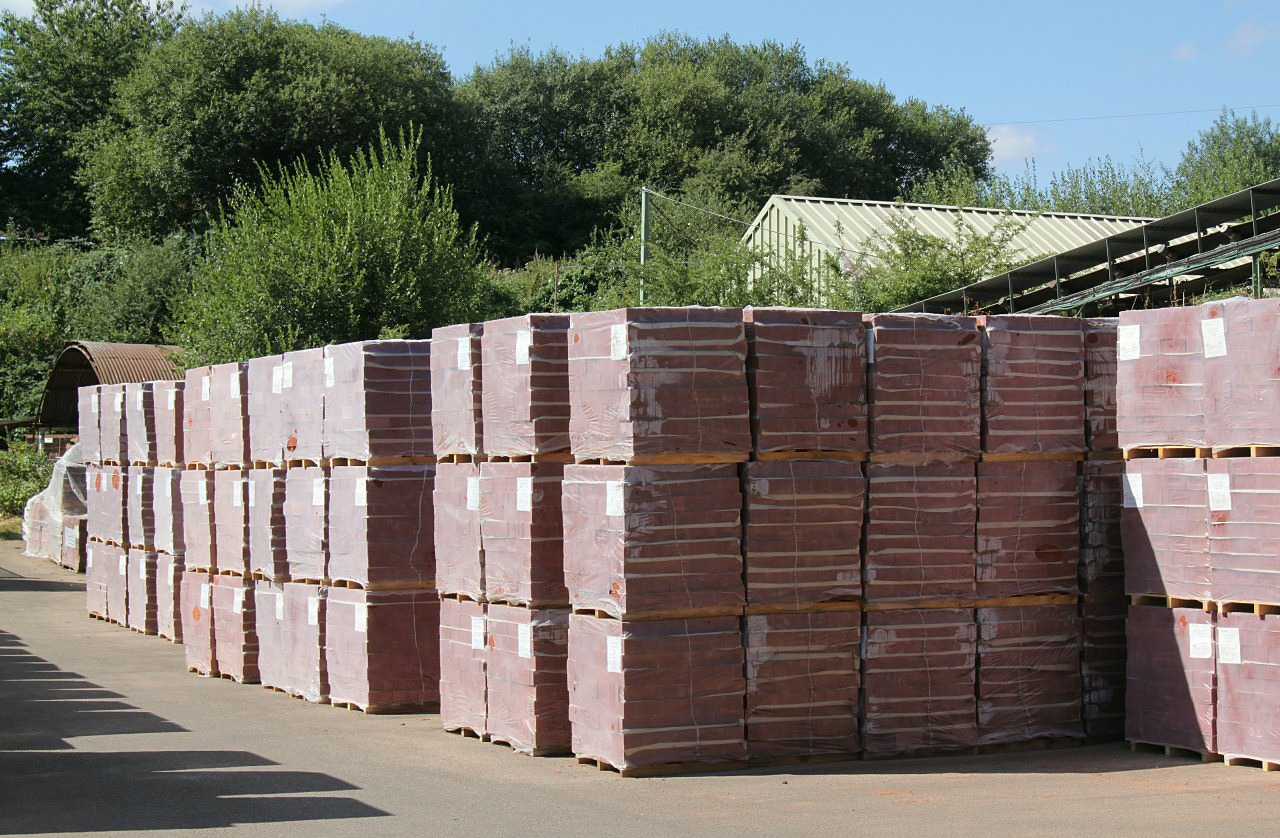
Green bricks to the hacks, dried bricks to the kiln, fired bricks out of the kiln and onto a lorry – every movement was a person picking up bricks. A skilled loader handled many thousands a day, carrying them several at a time against the chest or on a hod.
Mechanical setting, de-hacking machines, pallets, strapping and forklifts removed essentially all of it. Brick handling was one of the heaviest sustained manual jobs in any industry, and the arithmetic – the weight of a brick multiplied by several thousand a day for forty years – explains the condition of the men who did it.
7. The Kilns and the Yard Were Hot, Dusty and Unventilated
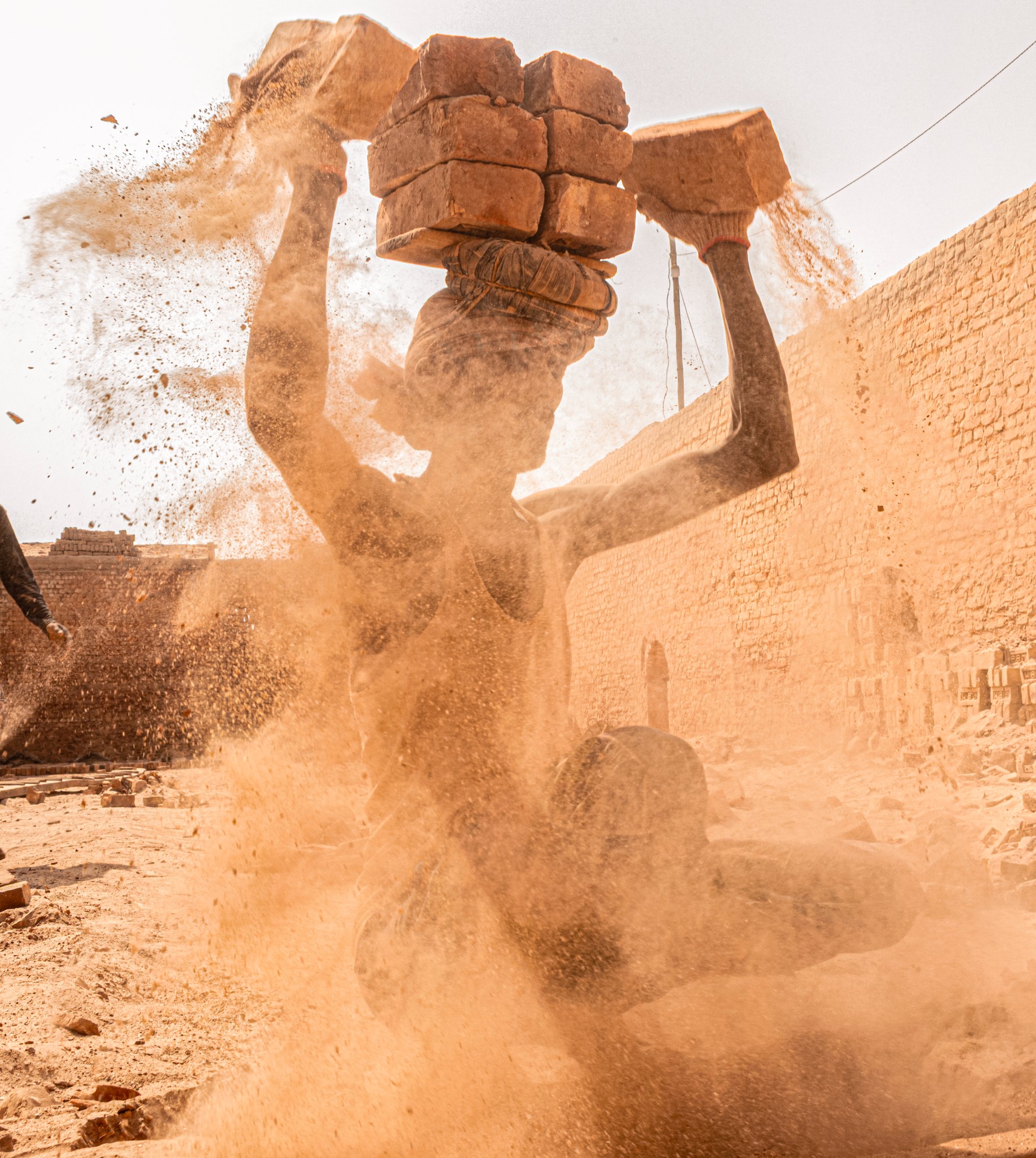
Drawing a kiln means going into a chamber that has been cooling for a day or two and is still extremely hot, to carry out bricks. The yard was full of clay dust, coal dust and ash, and nobody wore anything.
This is included as occupational history. Heat stress management, respiratory protection, dust suppression and mechanical handling have between them removed most of the exposure, and the hot work of drawing a kiln by hand does not exist in a modern plant. Clay and silica dust exposure is regulated and controlled. Anybody with that work history should raise it with their own doctor rather than with an article.
8. Brick Sizes Varied by Region and Were Not Standardised
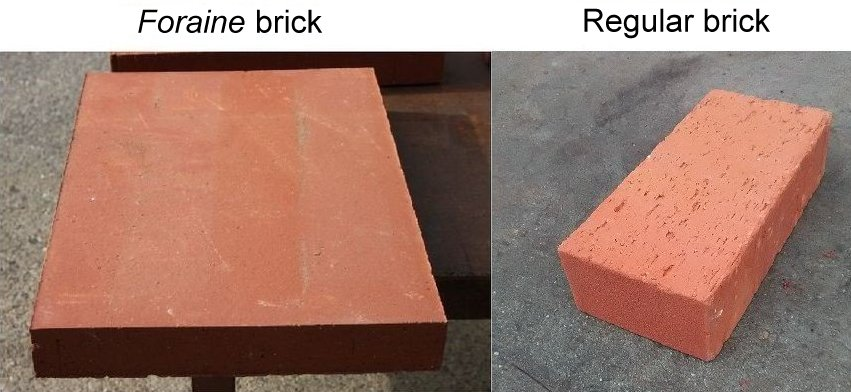
Local brick sizes differed, because a brick’s dimensions had grown out of what one hand could lift and what local practice had settled on, and a bricklayer working with bricks from a different district had to adjust his coursing.
Standardisation to a national size, with defined coursing and mortar joint, made bricks interchangeable and is the reason a modern bricklayer can work anywhere. It also makes matching a historic wall genuinely difficult, because the original bricks are the wrong size for anything currently made, which is why conservation work frequently requires specially produced bricks or reclaimed ones.
9. Colour Came From the Clay and the Fire, Not From a Specification
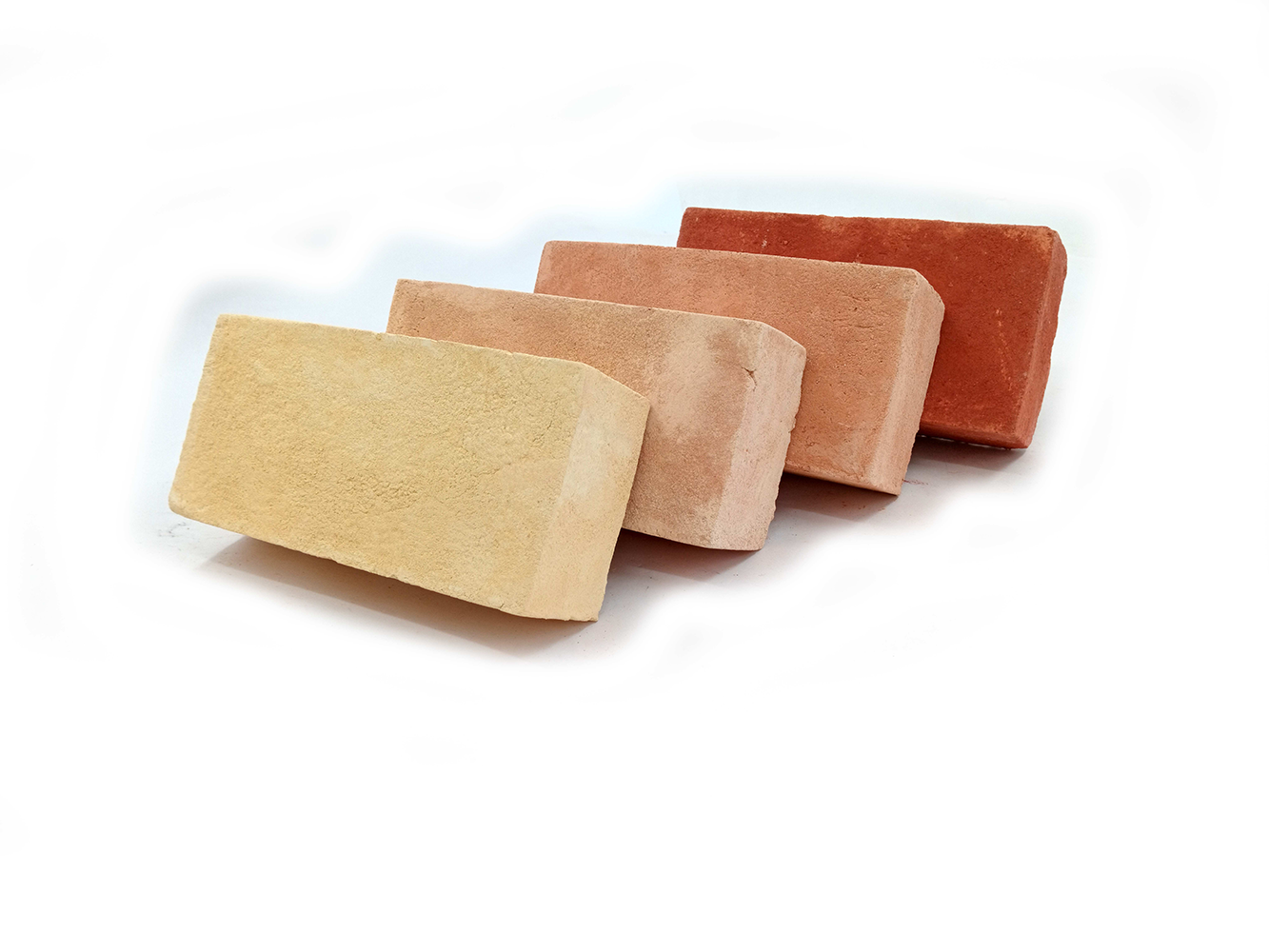
A brick’s colour is a product of the minerals in the clay – iron content in particular – and of the atmosphere and temperature in the kiln. Each works produced a characteristic colour, which is why regional architecture looks the way it does.
Controlled firing, blending of clays, added pigments and surface treatments now produce a specified colour to order, consistently, anywhere. The regional palette that made a town’s buildings look like that town is a consequence of local clay, and it ended when the local works closed and bricks began arriving from several hundred miles away.
10. Children and Women Did a Great Deal of the Work, Historically
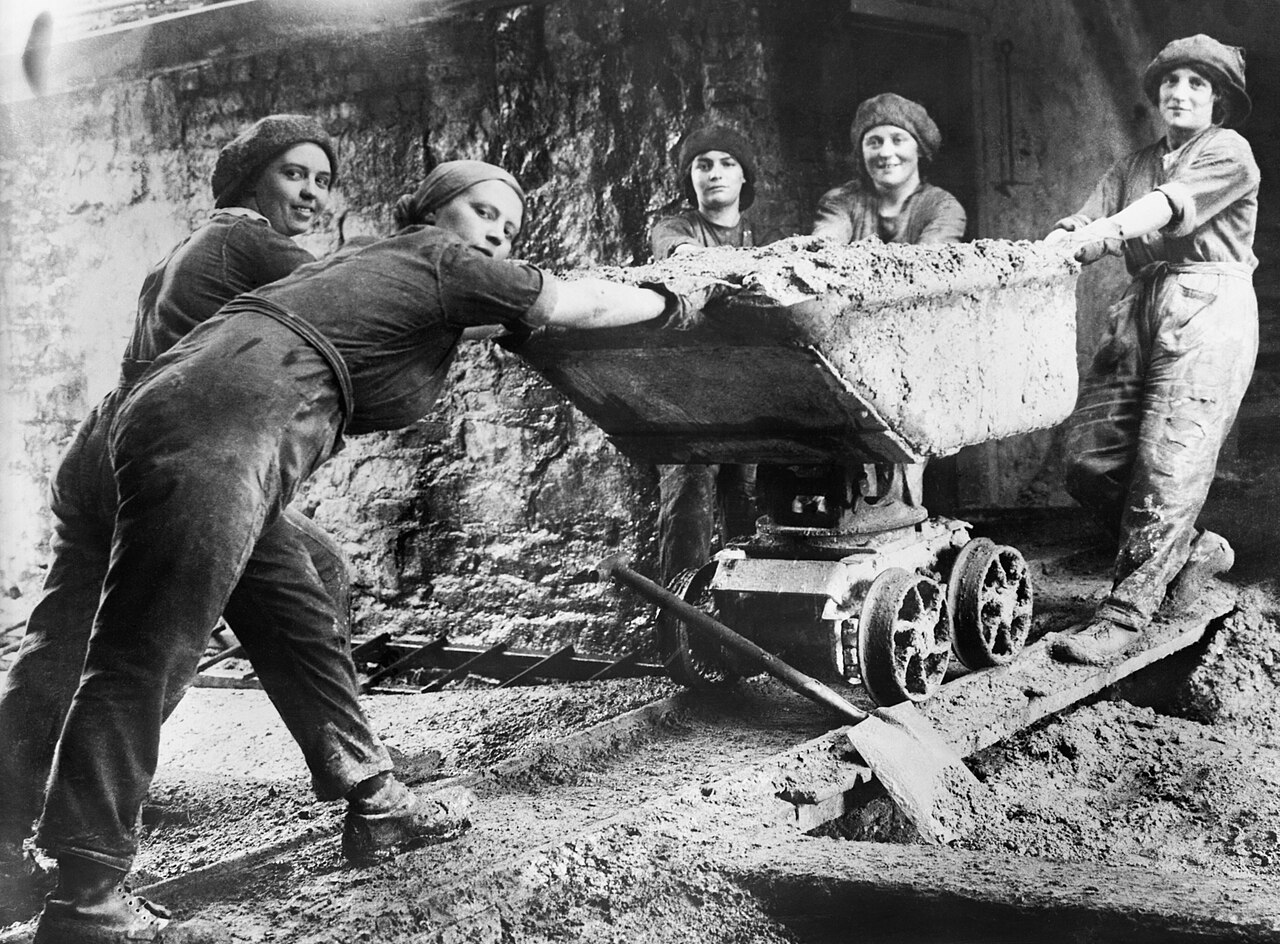
Within living memory of a 1960 brickyard, women and children had done much of the carrying, moulding and hacking – brickyard labour was among the heaviest work done by women and children anywhere, and it was the subject of nineteenth-century inquiry and legislation.
Factory and child labour legislation ended it well before 1960, and mechanisation removed the demand. The brickyard girls of the nineteenth century are reasonably well documented because the inquiries recorded them, and the work they describe – carrying wet clay and bricks all day in bare feet – is among the harder things in the industrial record to read.
11. The Works Smelled, Smoked and the Neighbours Lived With It
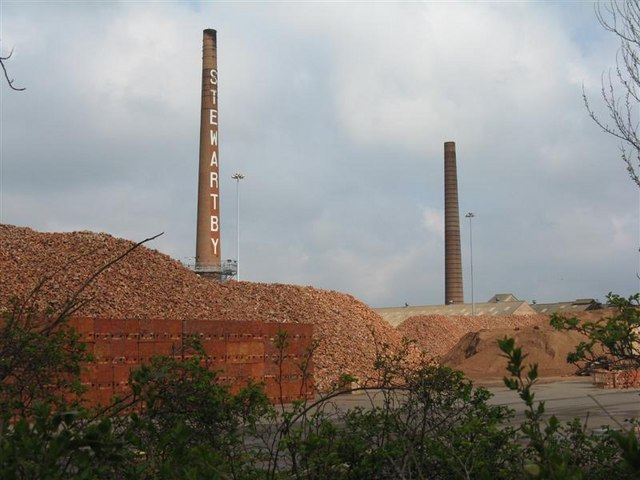
Coal-fired kilns produced smoke continuously, and brick firing releases sulphur and fluorine compounds from the clay. Communities beside brickworks lived in the smell and the fallout, and the brick towns were known for it.
Flue gas scrubbing, cleaner fuels, emissions monitoring and relocation of production to fewer and better-controlled plants transformed this. The characteristic smell of a brickworks is one of those things that people who grew up near one remember instantly and that essentially no longer exists.
12. Nobody Expected Brick to Stay
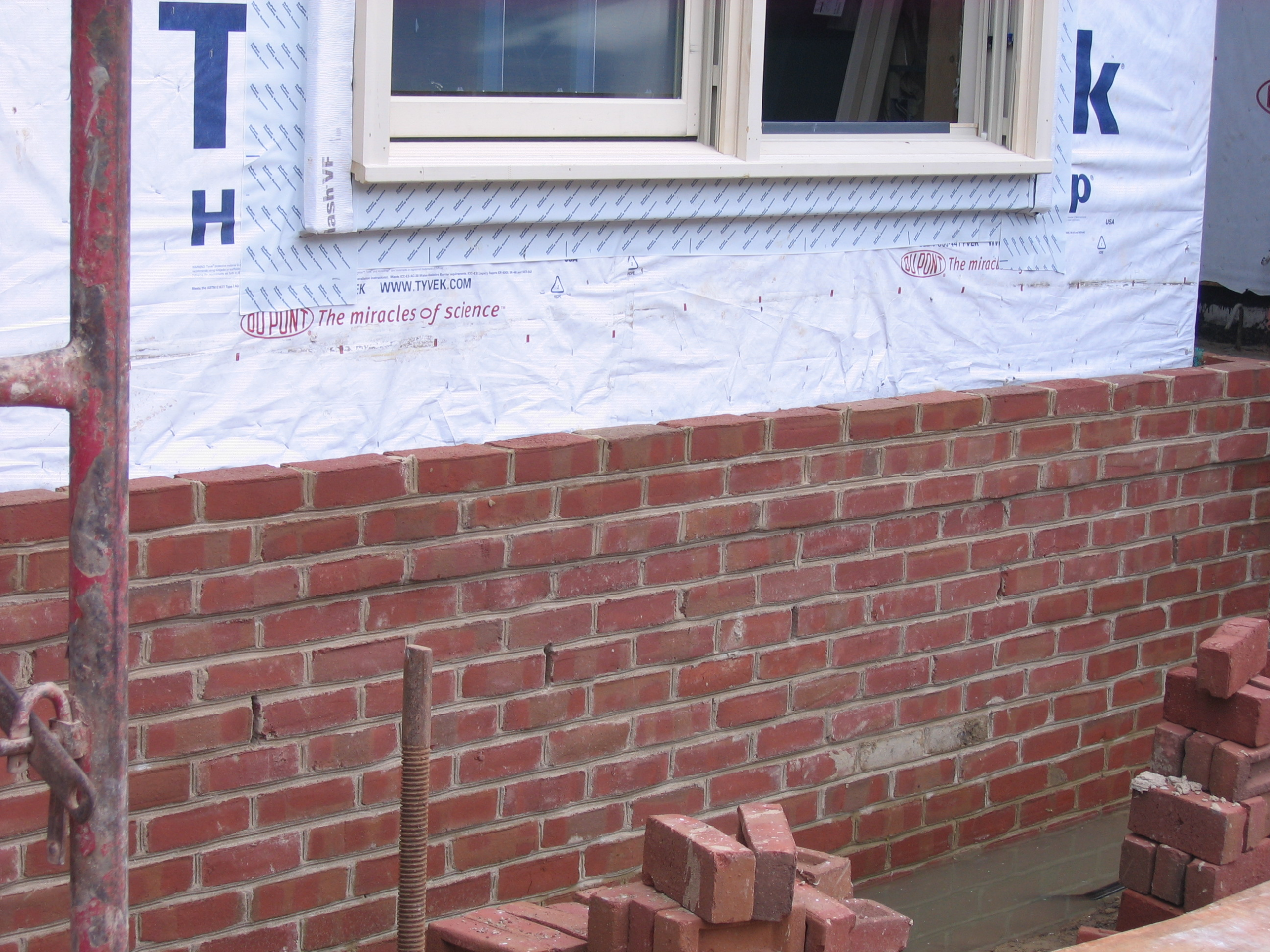
By 1960 concrete, steel and glass were taking the buildings that would once have been brick, and brick was becoming a cladding – a single skin hung on a frame rather than a structural wall.
Brick survived precisely by becoming cladding, and the facing brick market is substantial. It survived because people like how it looks and because it weathers well, needs no maintenance and lasts a century – which is a better set of arguments than almost any other traditional material managed. The industry is far smaller in plants and employment and produces enormous volumes from very few sites.
13. The Chimney Was the Landmark and Then It Came Down
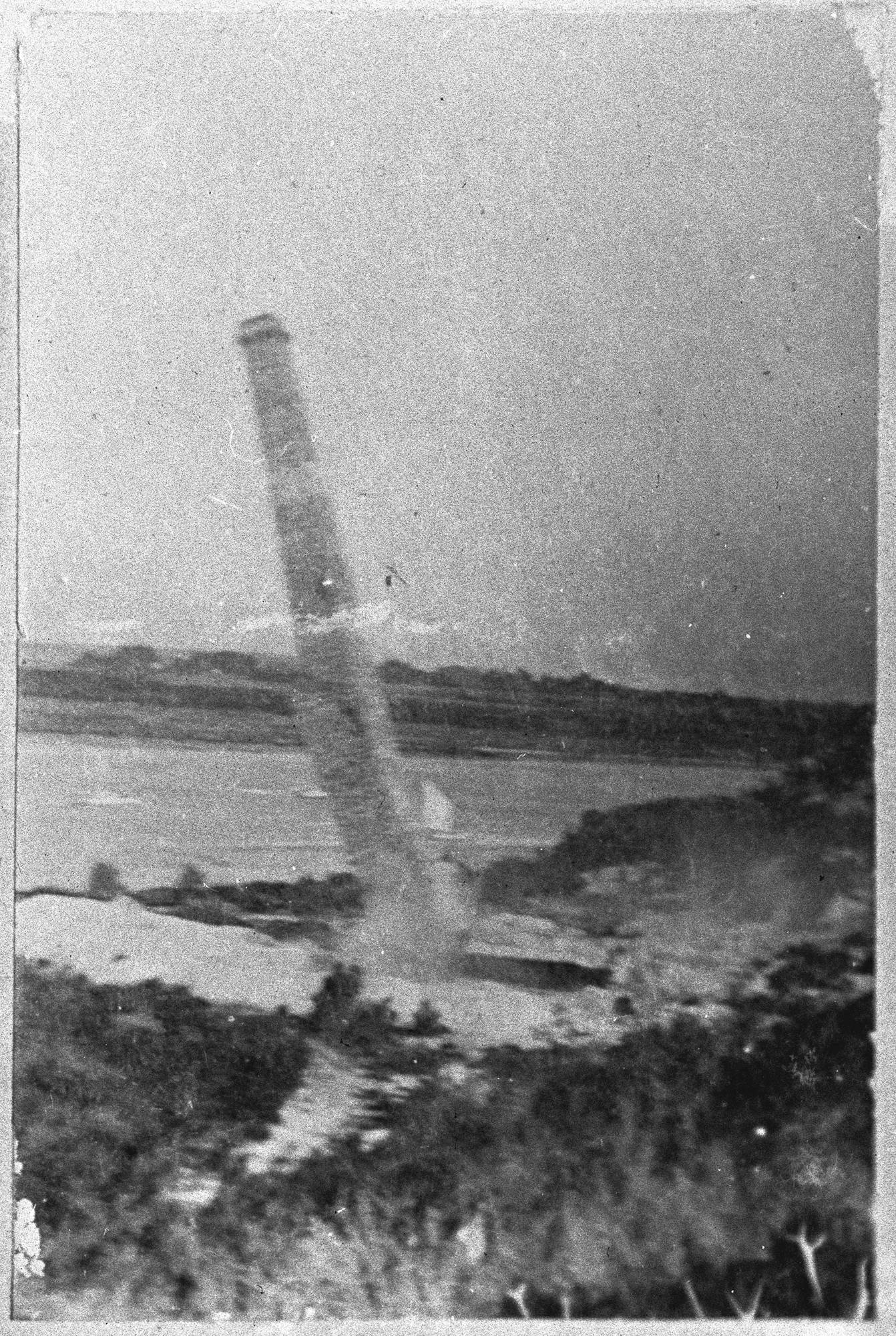
A brickworks announced itself with a tall chimney, visible for miles, and in many districts several of them. They were navigation marks, they were in every photograph of the town, and they were the first thing to go when a works closed.
Demolition of industrial chimneys became a local event that people turned out to watch and frequently objected to, which is the same pattern as the cooling towers. A small number have been retained as landmarks or listed. The skyline of the brickmaking districts changed completely within about two decades and the pits are the only large-scale evidence left.
14. Nobody Measured the Energy It Took
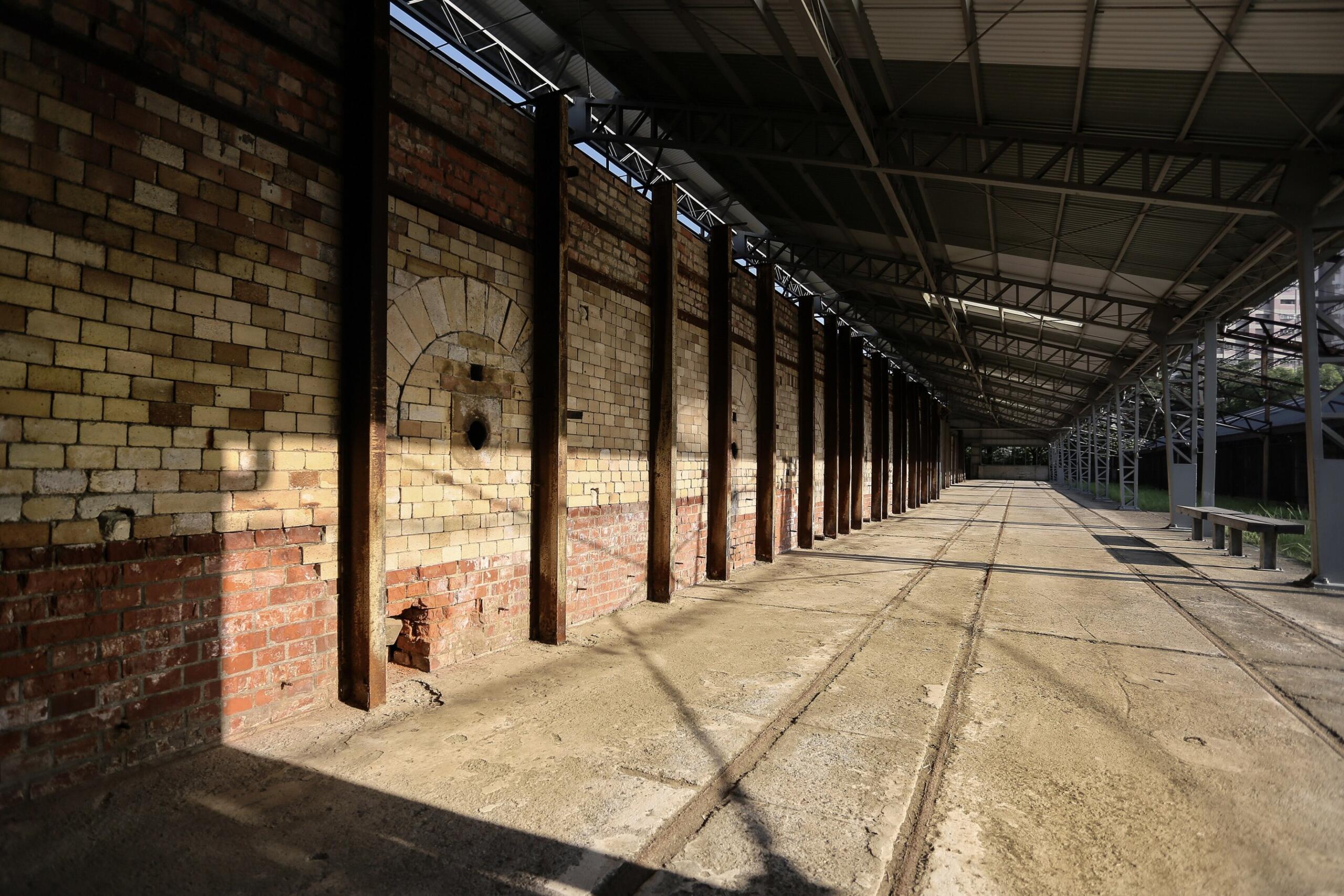
Firing a brick means holding clay at around a thousand degrees for hours, and in 1960 the fuel was coal and the cost of it was simply a cost of doing business.
Energy is now the dominant cost and the dominant environmental question in brickmaking, and the industry’s decarbonisation problem is the same one glassmaking has – a process that requires very high temperatures is not easily electrified at scale. Heat recovery, fuel switching and alternative firing are all being pursued. The continuous kiln’s heat-recovery principle, worked out in the nineteenth century, turns out to have been the right instinct a very long time before anybody had a reason to care.
15. The Bricks Are Still There and That Is the Point
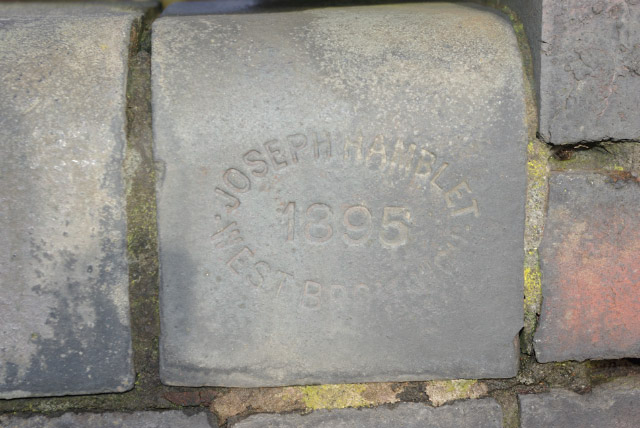
A fired brick is close to permanent. The bricks made in a 1960 works are in walls now, and the bricks made in 1860 are in walls beside them, and both will outlast everything built this century in lighter materials.
Which is why reclaimed brick is a real market, why demolition is increasingly a recovery operation rather than a disposal one, and why the most durable product of all these vanished industries is this one. The works is gone, the pit is a lake, the chimney came down and the men are gone – and the actual output is still standing in several million walls, doing exactly what it was made to do.
The Kiln Was Right All Along
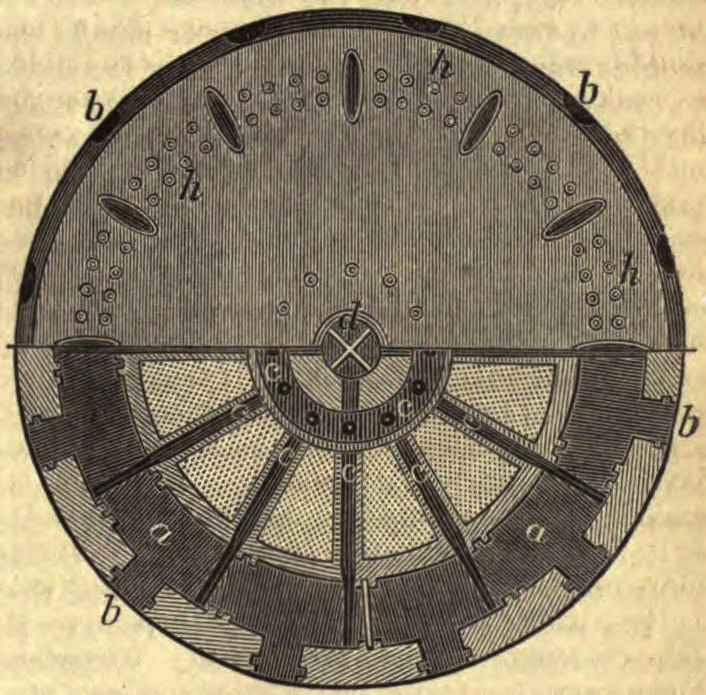
The most interesting thing in a nineteenth-century brickworks is the kiln, and it is interesting for a reason that only became obvious much later.
A continuous kiln works by moving the fire round a ring of chambers rather than heating and cooling one chamber repeatedly. Air drawn in passes first over the bricks that are cooling, picking up their heat, and arrives at the fire already hot. The exhaust from the fire passes over the chambers ahead, drying and preheating the green bricks before they are fired.
Almost nothing is wasted. The heat that would be thrown away by cooling one batch is used to warm the next, and the design does it passively, with no machinery, by exploiting the fact that the fire moves and the bricks do not.
That is heat recovery, and it was worked out by people whose motivation was the price of coal rather than anything we would now call efficiency. Modern tunnel kilns use exactly the same principle with the arrangement reversed – the fire stays still and the bricks move through it – and the thermal logic is identical.
Which is the useful thing to take from this list. The industry’s hardest current problem is the energy required to hold clay at a thousand degrees, and the most effective answer available is a nineteenth-century one that was adopted for entirely different reasons and has simply never been improved on.
If you grew up near a brickworks you remember the chimney and the smell, and the pit is probably a lake now.
Which works was it, and what is on the site today?
Like our content? Follow us for more.