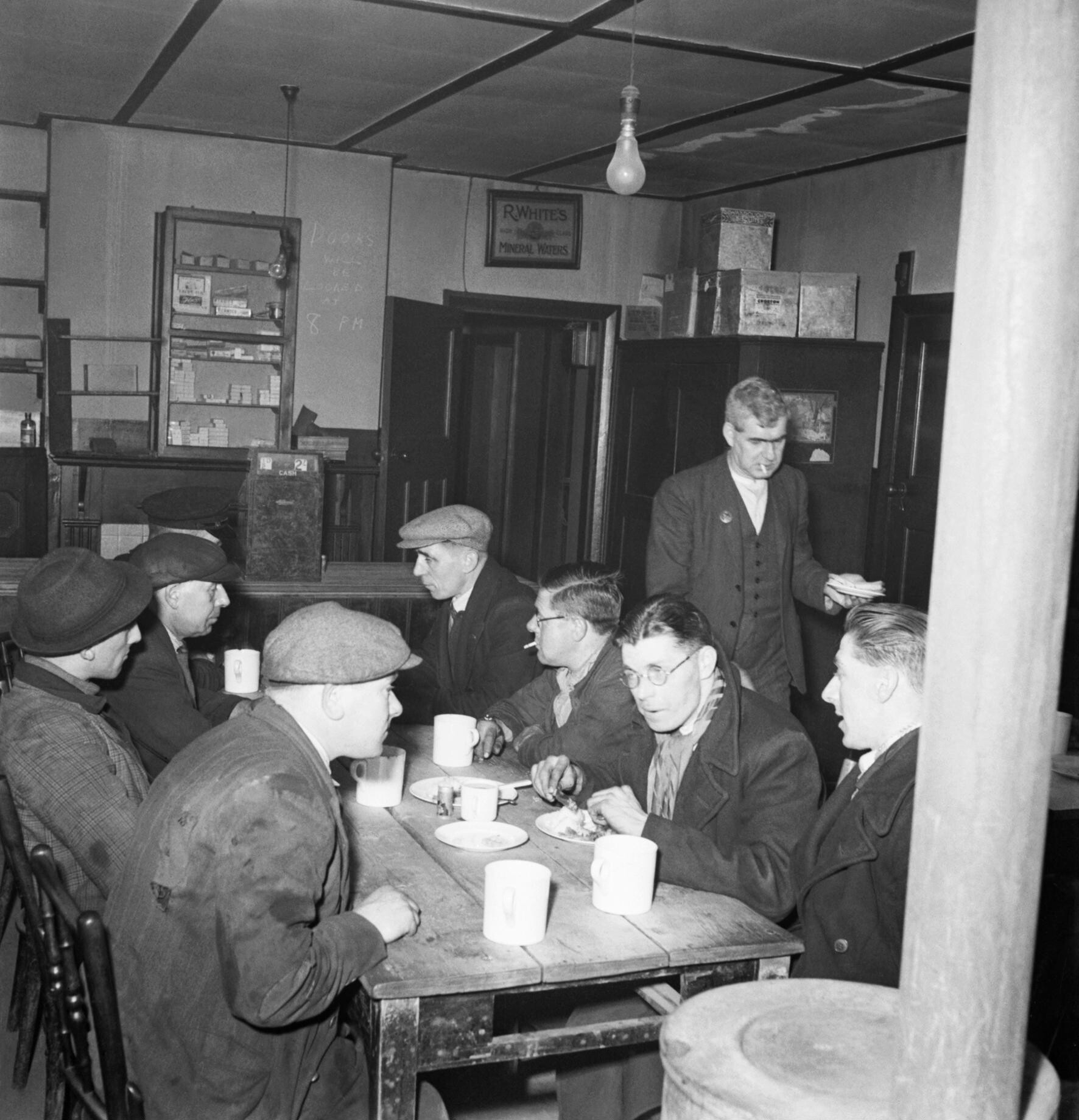
In 1965 the main routes were lined with cafes open around the clock, because long-distance drivers worked through the night in unheated lorries with no power steering and needed somewhere to stop at three in the morning.
The yard mattered more than the food. There were beds upstairs. The proprietor knew everybody and would keep a message for a driver passing through in two days. And everything a driver knew about the road ahead, he had learned from somebody else sitting at the next table.
Here are ten things that were ordinary at a transport cafe in 1965, and what became of each one.
1. It Was Open All Night Because the Lorries Were Moving All Night
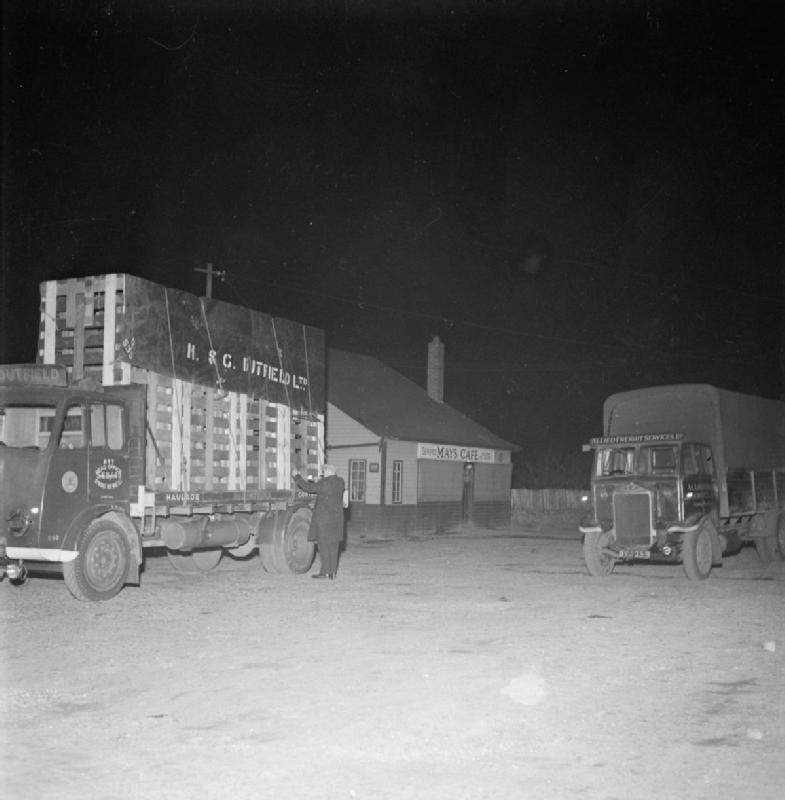
Transport cafes ran around the clock on the main routes, because long-distance drivers worked through the night and needed somewhere to stop, eat and sit down at three in the morning.
Motorway services, fuel station forecourts and all-night chains replaced them, with far longer opening and far less character. The all-night cafe existed because of how driving hours were then organised, and when those hours were regulated and the routes moved to motorways, the geography of where a driver stops changed completely.
Like our content? Follow us for more.
2. Drivers’ Hours Were Whatever the Driver Decided
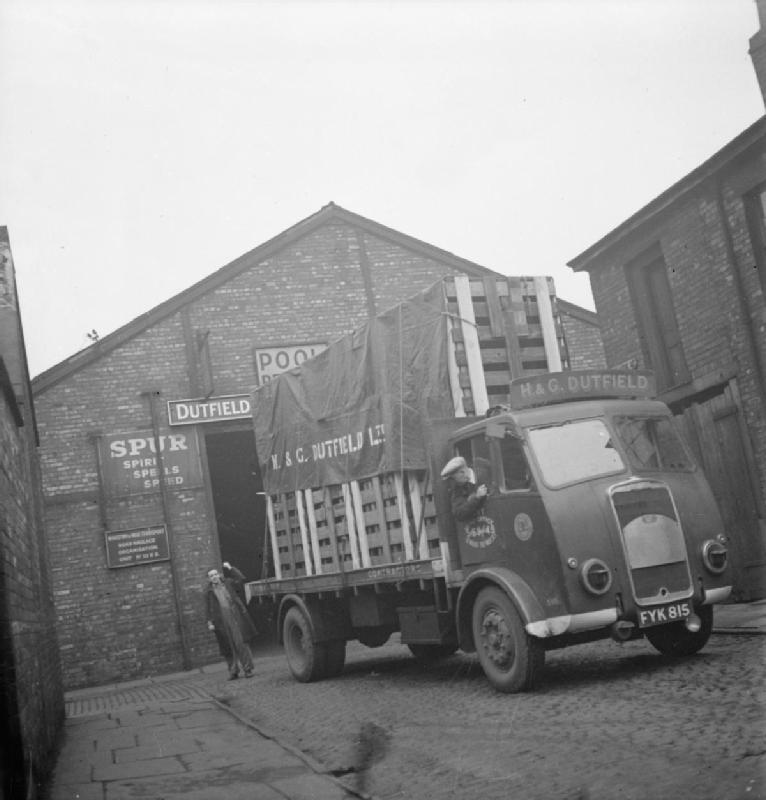
Limits on driving time existed on paper and were weakly enforced, and the practical position was that a driver drove until the job was done, with the cafe as the place to stop when he judged he had to.
Tachographs, enforced daily and weekly limits, mandatory rest periods and digital recording transformed it. The cafes were where drivers slept in cabs in the yard, and the whole culture of the road – the long shifts, the pills some drivers took to stay awake, the accidents – belongs to a period before any of that was measured. This is stated as history; nothing here is a description of any practice anybody should follow.
3. The Parking Was the Business
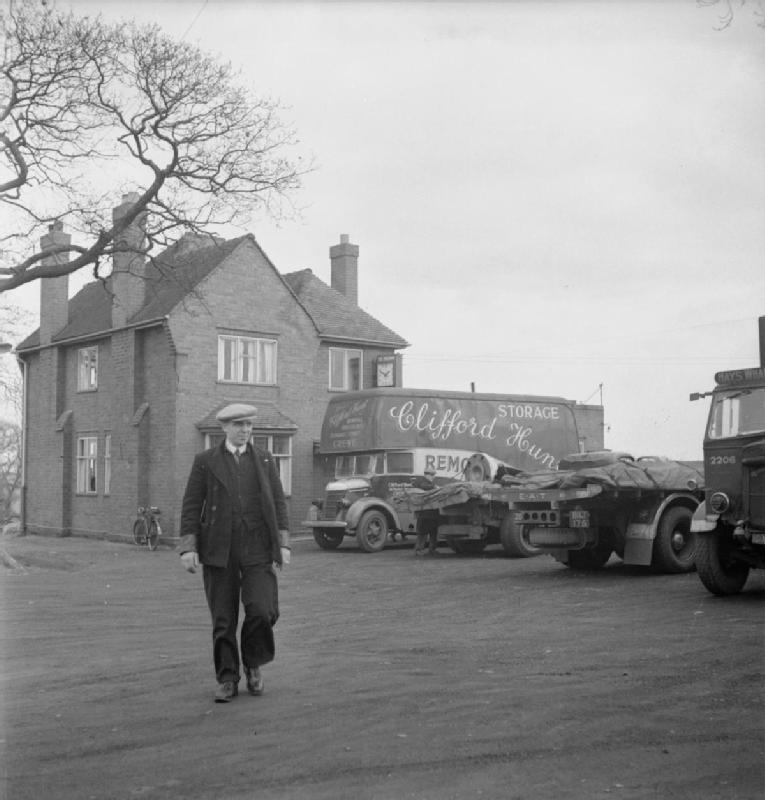
A cafe lived or died on whether an articulated lorry could get in, turn round and get out, and the yard mattered more than the food.
Still true of any truck stop and the constraint has tightened as vehicles have grown. A great many cafes closed not because the food got worse but because the vehicles got longer and the yard that worked in 1965 did not work in 1985.
4. The Food Was Enormous, Cheap and Exactly the Same Everywhere
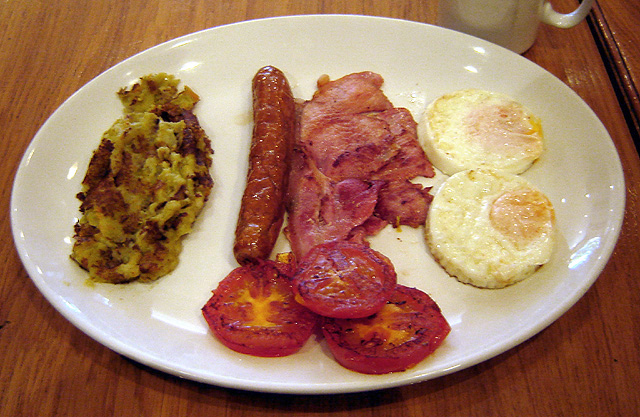
The menu was a fry-up, pies, chips, stew, bread and butter and tea, in large portions, at prices set for people spending their own money every day of the week.
Chain catering, franchised outlets and far wider choice replaced it. The consistency was the point – a driver on an unfamiliar route knew precisely what he would get and what it would cost, which is the same promise the chains later made and charged more for.
5. The Tea Came in a Mug the Size of a Small Bucket
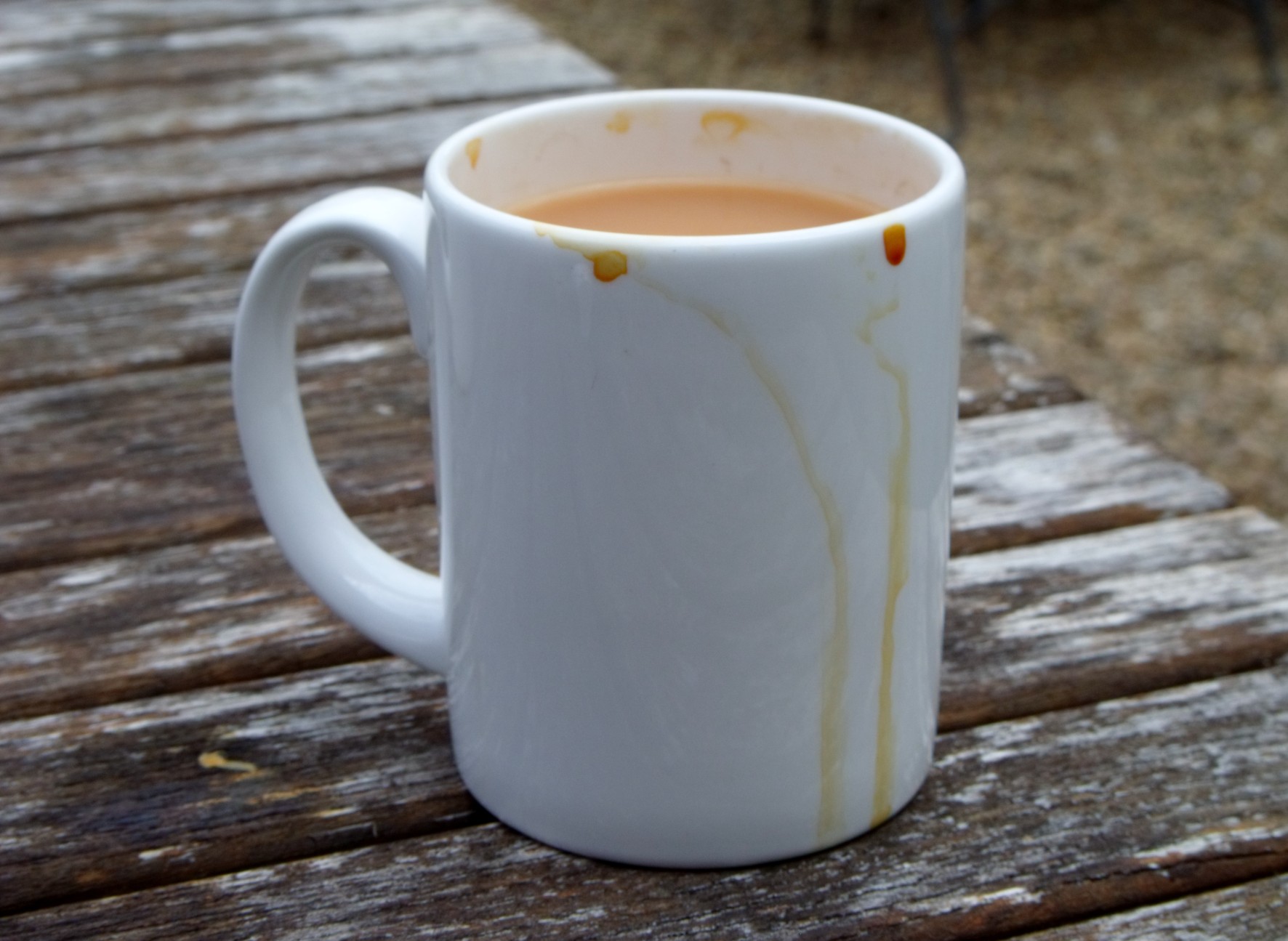
Tea was made in bulk, strong, stewed, served in heavy mugs, and refilled, and it was the single most important item on the menu.
Still available and no longer the default. The quantity was functional rather than indulgent, because a driver stopping once in five hours was not going to get another chance, and the mug was heavy because it had to survive being thrown into a crate.
6. The Information Network Ran Through the Cafes
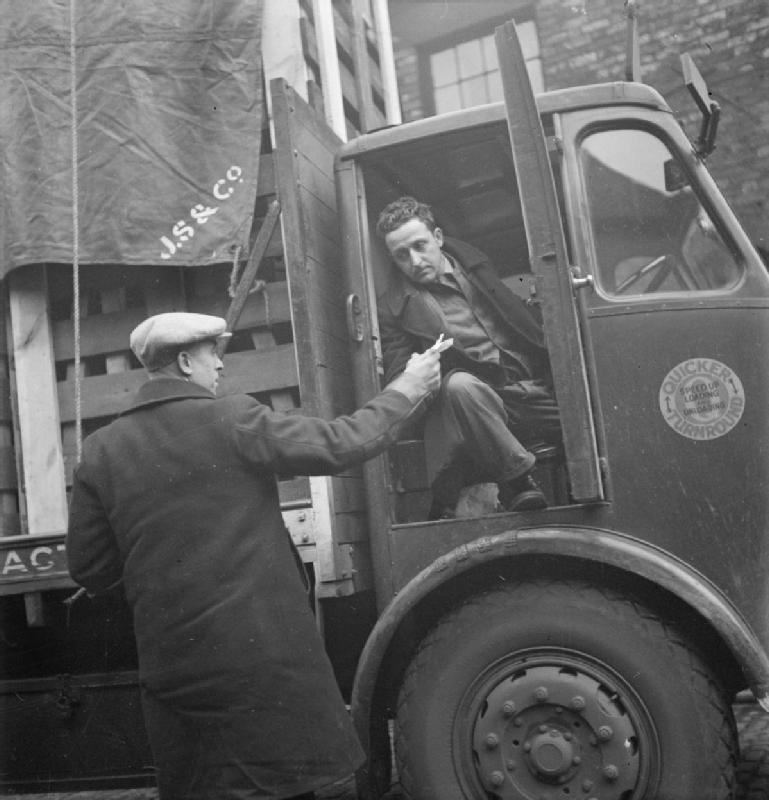
Before radio communication or any traffic information, drivers learned about road closures, weather, police activity, delays and which depots were paying what by talking to each other in cafes.
Traffic information, mobile telephones, satellite navigation and telematics replaced the function entirely. The cafe was a genuine information exchange with real commercial value, and the knowledge was held collectively by people who met only because they had all stopped at the same place.
7. There Were Beds Upstairs
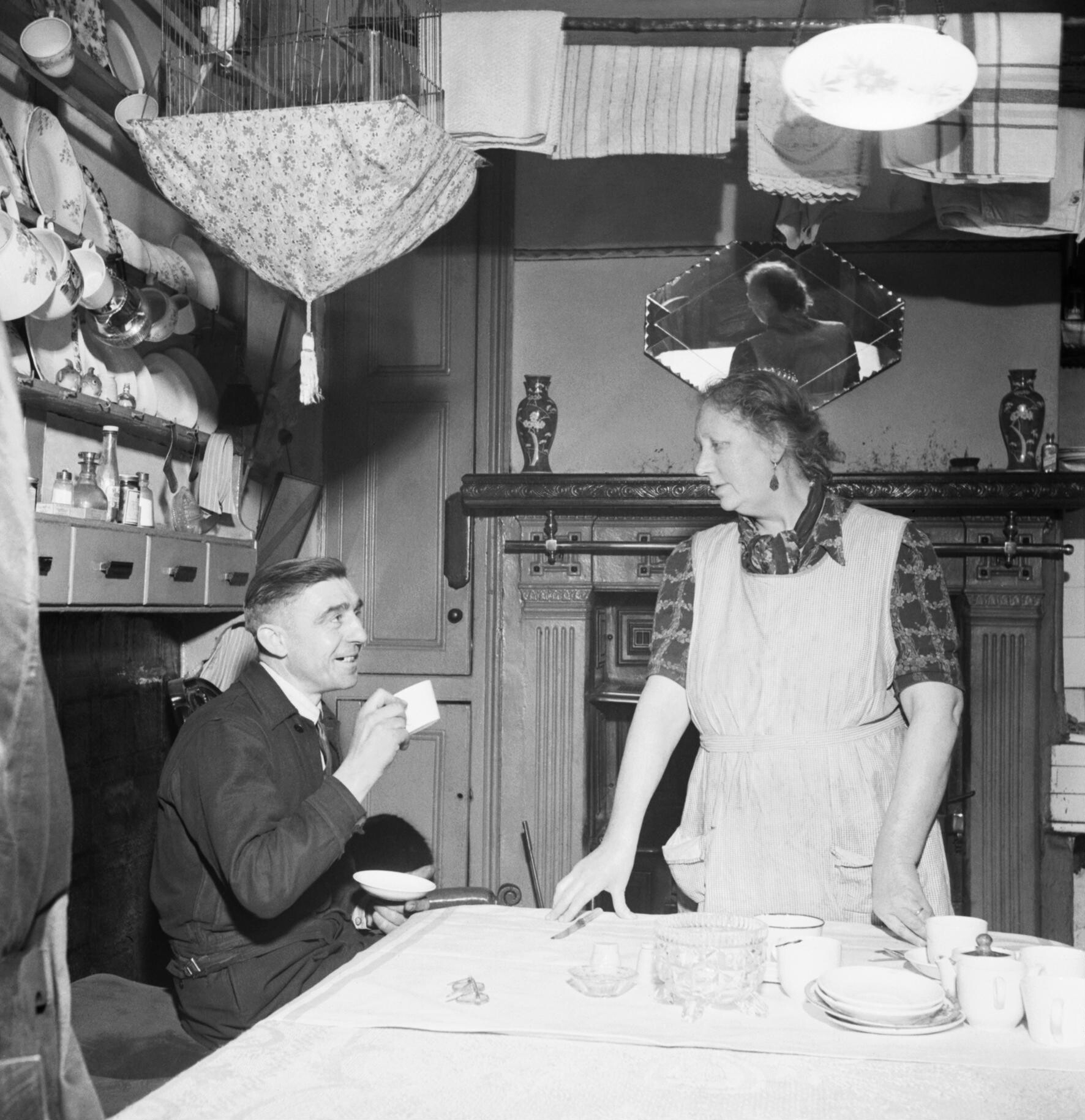
Many cafes offered cheap accommodation – a bed in a shared room above the cafe – for drivers who needed a night off the road, booked by turning up.
Sleeper cabs made it unnecessary for most drivers, and accommodation standards would not permit most of what was offered. The combination of a cafe downstairs and dormitory beds upstairs was close to universal on the long routes and has disappeared almost entirely.
8. The Lorries Were Unheated, Slow and Hard Work to Drive
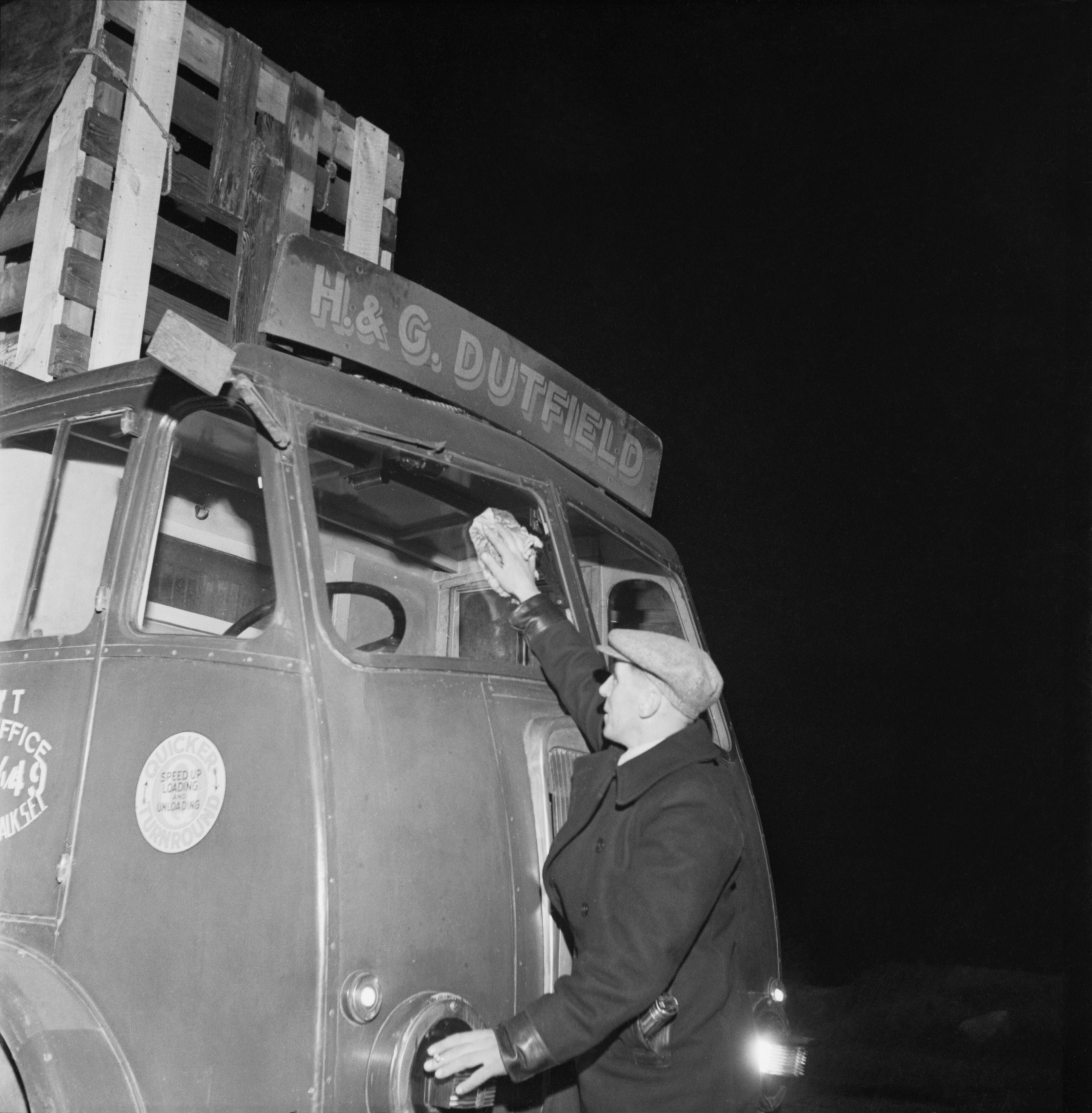
Vehicles had minimal heating, no power steering, crash gearboxes requiring double declutching, poor brakes and cabs that transmitted every vibration in the road.
Modern vehicles are quiet, powered, air-conditioned, automatic and comfortable. The cafe stop was partly about getting warm and getting out of a vehicle that was genuinely punishing to spend ten hours in, which is a large part of why it mattered so much more than a modern driver’s break.
9. The Proprietor Knew Everybody Who Came Through
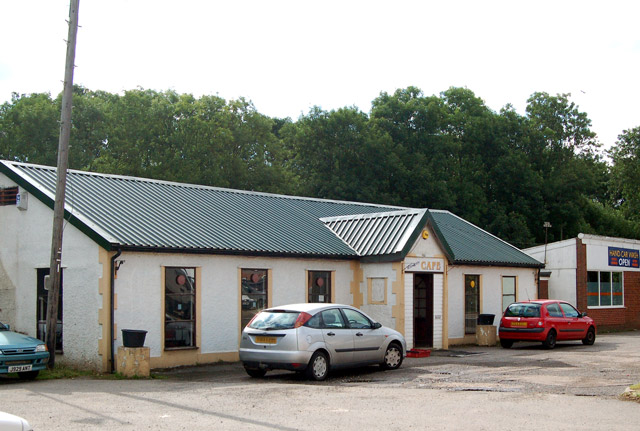
Cafes were owned and run by families who recognised the regulars, kept messages for them, extended credit, and in many cases knew the routes better than anybody.
Chain operation replaced the proprietor. The ability to leave a message for a driver you knew would pass through in two days was a real service in a period with no other way of reaching somebody on the road, and the cafes functioned as an informal postal system for the trade.
10. The Motorway Killed Them by Moving the Road
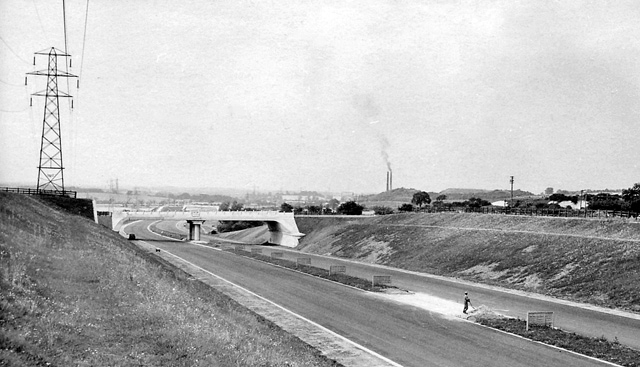
Cafes were sited on the main routes because that was where the traffic was, and their entire value was being in the right place.
New motorways took the traffic onto a parallel alignment a few miles away with controlled access, and a cafe that had been perfectly placed for forty years found itself on a quiet road with no customers. The buildings survive in large numbers along old trunk routes, frequently derelict or converted, and the pattern of where they stand is a map of where the traffic used to go.
The Road Moved and Took Everything With It
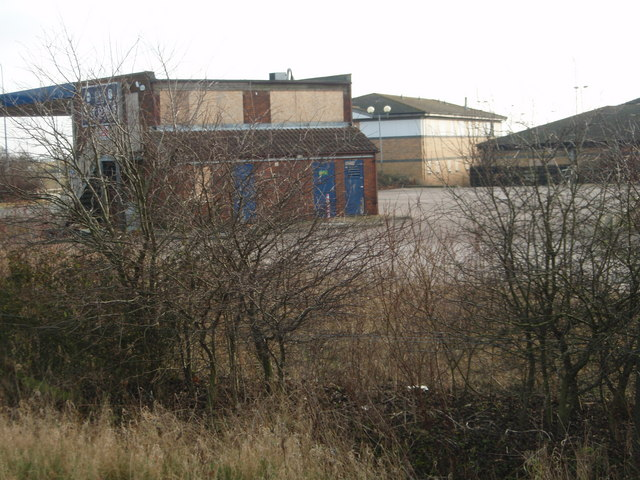
The transport cafe did not fail at anything. It was simply left behind by a few miles.
Every one of these places existed because of where it was. A cafe on a main route, at roughly the right interval along it, with a yard an articulated lorry could use, was perfectly positioned – and being perfectly positioned was the entire business. The food was adequate, the prices were keen and the welcome was genuine, and none of those was the reason it worked.
Then motorways were built, usually on a new alignment a few miles from the old road, with access only at junctions. The traffic transferred almost overnight. A cafe that had served the main route for forty years was suddenly on a quiet road carrying local traffic, with no passing trade at all, and nothing it could do about it – you cannot move a building to the new road, and the new road’s catering was awarded to operators under a concession before it opened.
So they closed, in large numbers, over about two decades, and the ones that survived did so by being near a junction or by finding a different trade.
The buildings are still there. Anybody driving an old trunk road will pass them – low single-storey buildings set back behind a large expanse of cracked concrete, sometimes derelict, sometimes a tyre depot or a car dealer or a house, almost always with a yard far too big for whatever is using it now.
That yard is the tell. It was sized for lorries that have not stopped there in forty years, on a road that was the main route before somebody drew a line a few miles to the east, and it is the clearest physical record anywhere of a piece of infrastructure being moved and an entire small industry being stranded by it.
If you drove for a living then, you will know the names of the cafes on your route and which one did the best breakfast.
And if you pass a low building with an enormous concrete yard on an old main road, that is what it was.
There is one more way to spot them, which is the sign brackets. A transport cafe needed to be visible to a driver at night from several hundred yards, so the signs were large, high and lit, bolted to steel brackets on the roadside face of the building. The signs came down when the business went. The brackets, bolted through brick and painted over several times, are usually still there.
Like our content? Follow us for more.