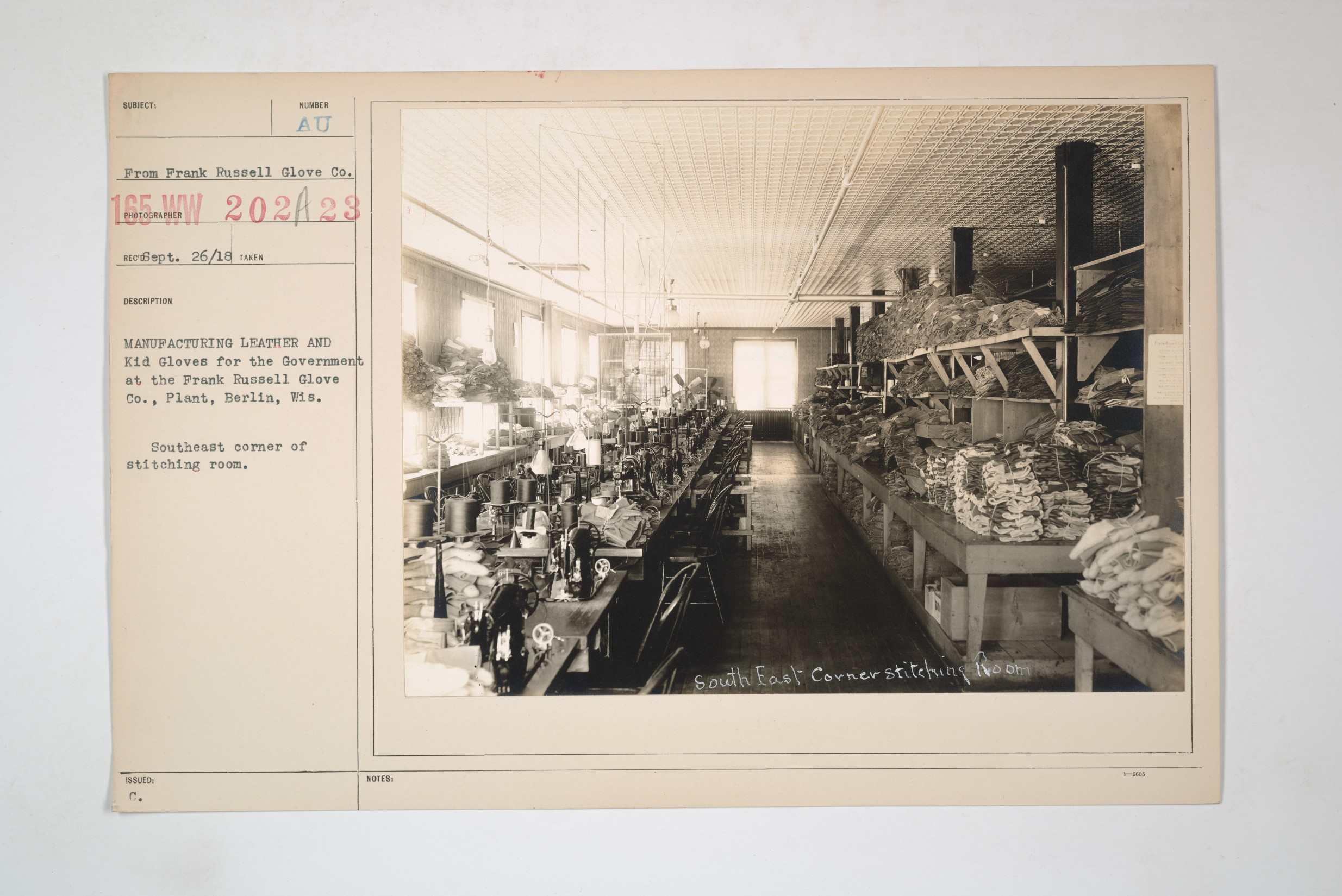
In 1960 a glove began with a cutter stretching a skin by hand to find out how much give it had and in which direction, because a glove must stretch across the hand and not along the fingers.
Each pair was assembled from a dozen or more small pieces, sewn on machines built to produce a seam with no ridge inside it, and then pulled onto a heated metal hand and pressed into shape.
And the sizes were taken in inches round the knuckles, which is still how good gloves are sized.
Here are twelve things that were ordinary in a glove factory in 1960, and what became of each one.
1. The Leather Was Stretched by Hand Before Anything Was Cut
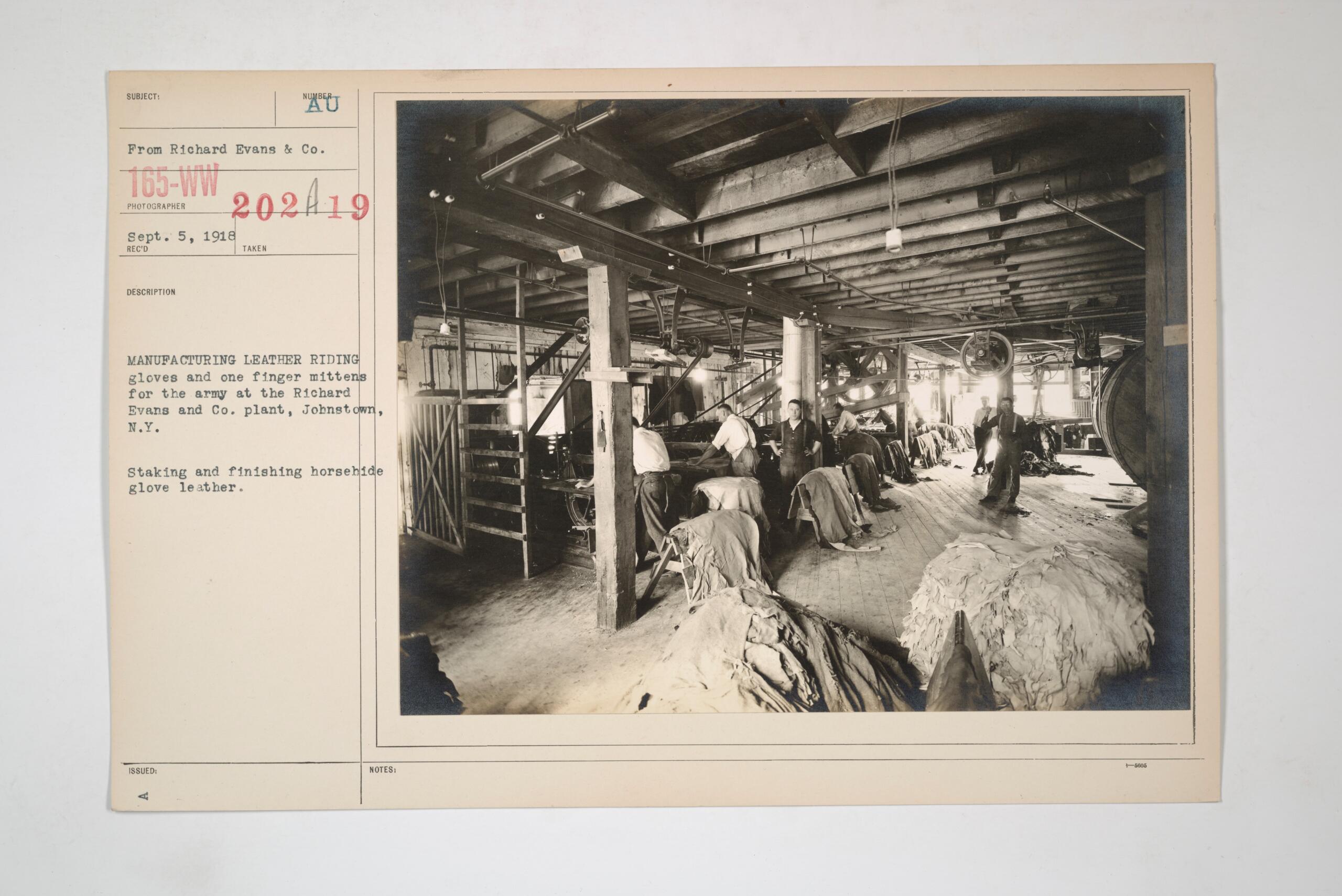
A glove has to stretch across the hand and not along the fingers, so the cutter first worked the skin by hand and by tension to establish exactly how much give it had and in which direction, before any pattern touched it.
Machine cutting from graded hides with measured properties replaced most of it. This operation has no equivalent in other clothing manufacture, and it is the reason glove cutting was regarded as the most skilled job in the leather trades – the cutter was reading a material that varies across a single skin and deciding where each piece could come from.
Like our content? Follow us for more.
2. Every Hide Was Different and the Cutter Had to Read It
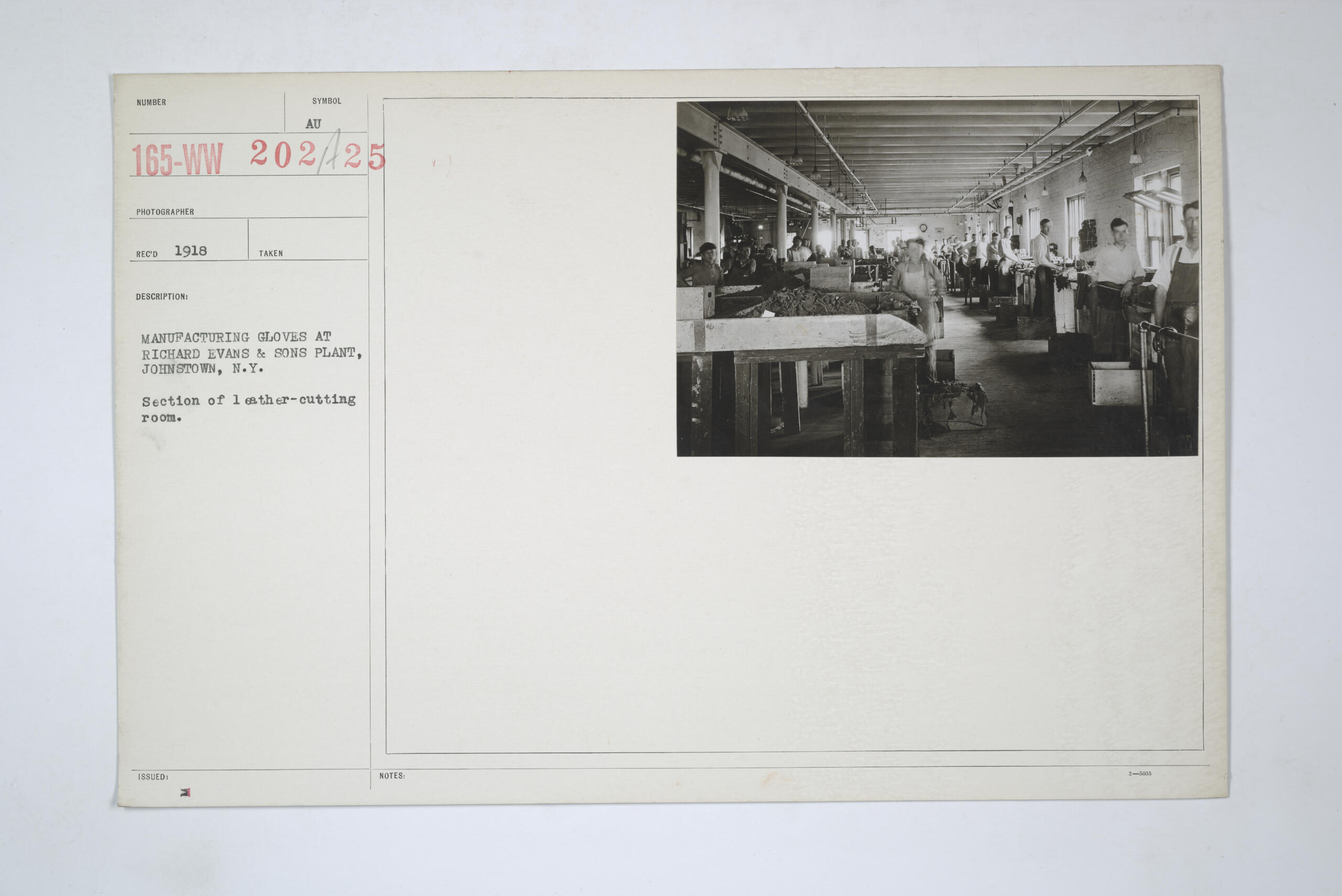
Skin varies in thickness, stretch and flaw across its area, so laying out glove pieces meant placing each one where the material suited it, with the stretch oriented correctly, avoiding faults and wasting as little as possible.
Scanning and nesting software now does the layout for machine cutting. A good cutter got significantly more pairs out of a skin than a poor one, the difference went straight to the margin, and the judgement took years to acquire and could not be written down.
3. The Pieces Were Tiny and There Were a Lot of Them
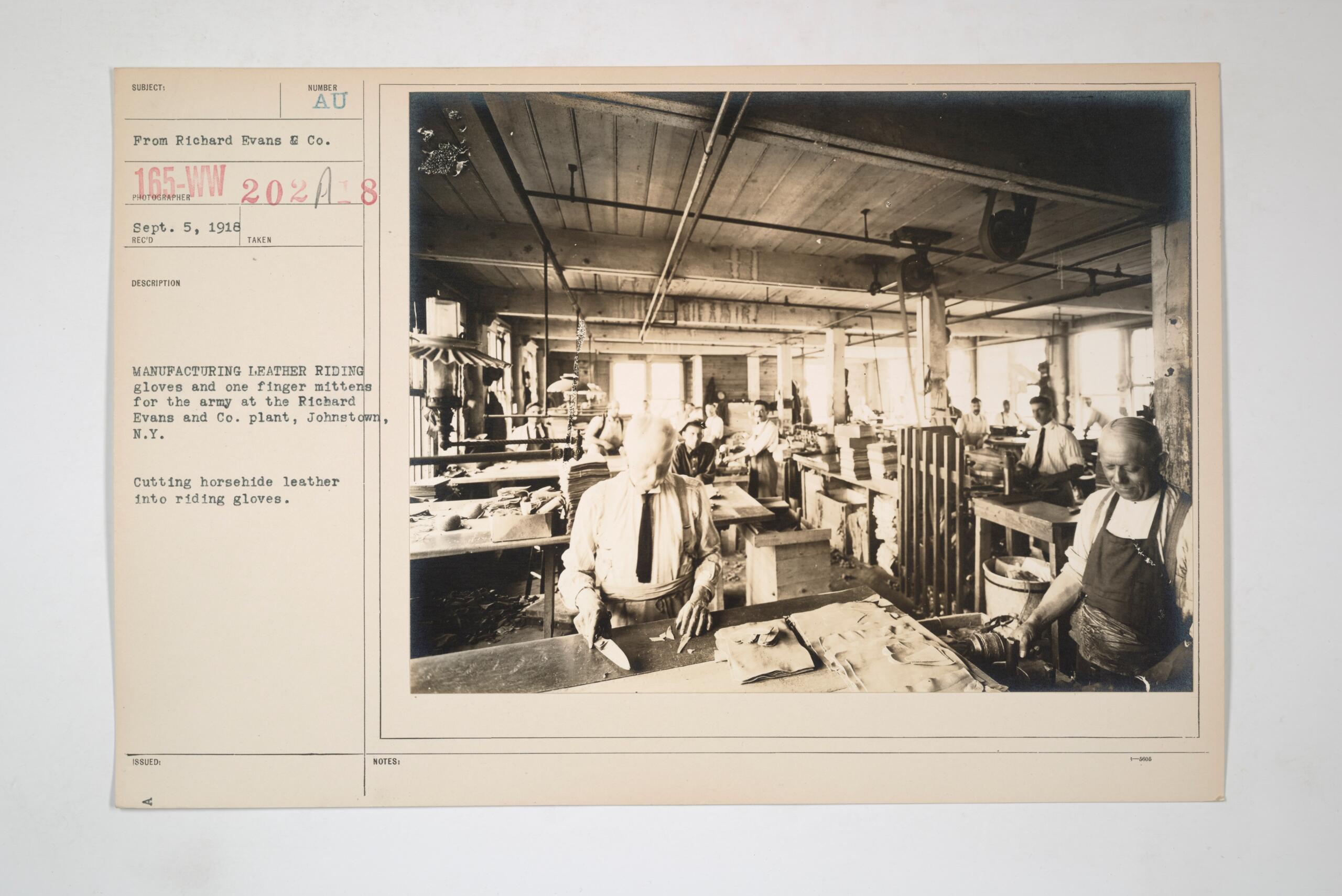
A pair of gloves is assembled from the trank, the thumbs, the fourchettes that form the sides of the fingers and the quirks at the base of them – a dozen or more small pieces per hand, each cut precisely.
Simplified patterns and moulded constructions reduced the piece count for everyday gloves. The traditional construction exists because a hand is a complex shape and the fourchettes are what allow a flat material to wrap fingers that move independently, which is a genuinely elegant solution to a hard three-dimensional problem.
4. Sewing Was Done on Machines Built for Nothing Else
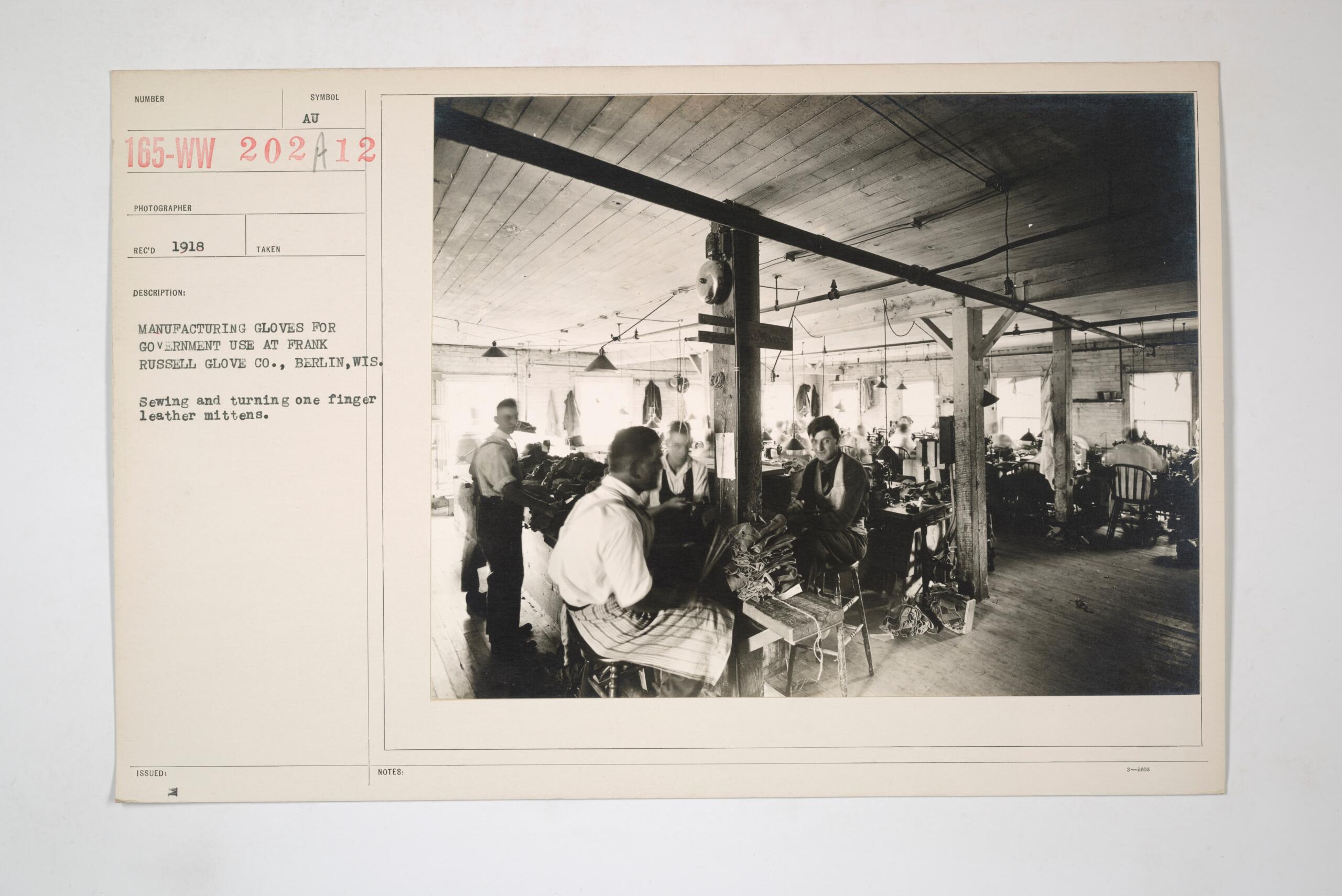
Glove seams were sewn on specialist machines – some producing a seam with the edges butted rather than overlapped, so there is no ridge inside against the finger – operated by women who did one seam type all day.
Those machines are still made in small numbers for the surviving trade. The butted seam is the detail that distinguishes a well-made glove: a conventional seam inside a finger is felt immediately, and avoiding it requires a machine that exists for that purpose alone.
5. The Gloves Were Shaped on Heated Hands
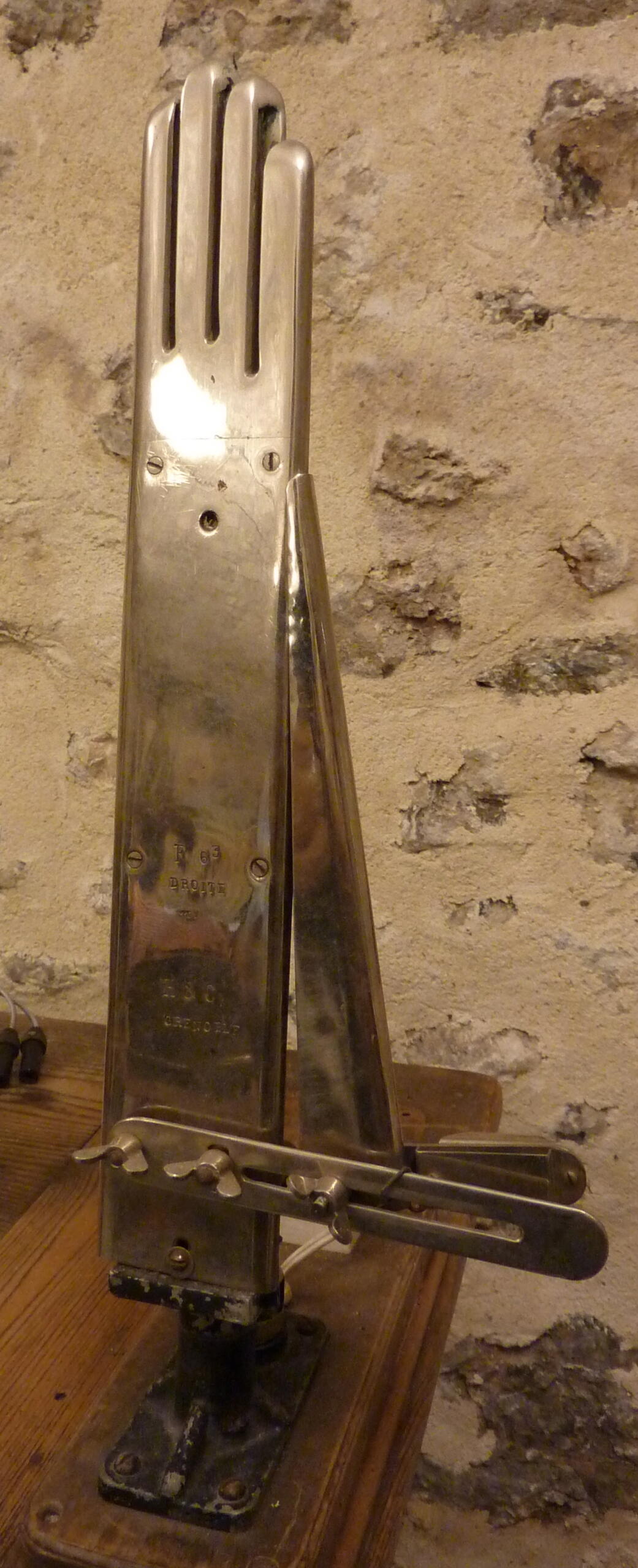
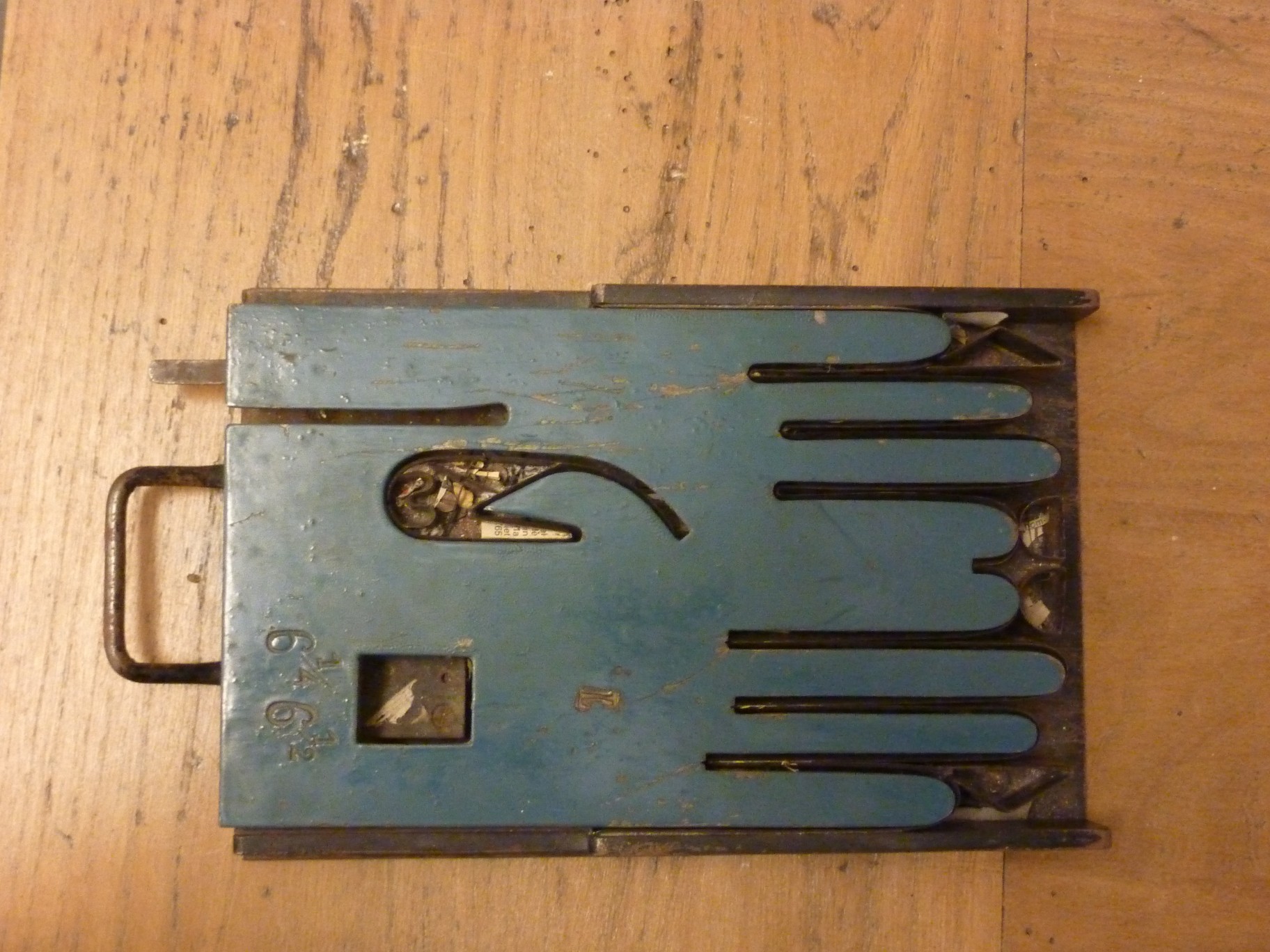
After sewing, each glove was pulled onto a heated metal former in the shape of a hand and pressed, which set the leather into shape and gave the finished article its form.
Still done, with controlled heating. The formers are a genuinely striking object – rows of metal hands, warm, in sizes – and a factory full of them is the image people remember from any photograph of the trade.
6. Sizing Was Measured in Inches Round the Knuckles
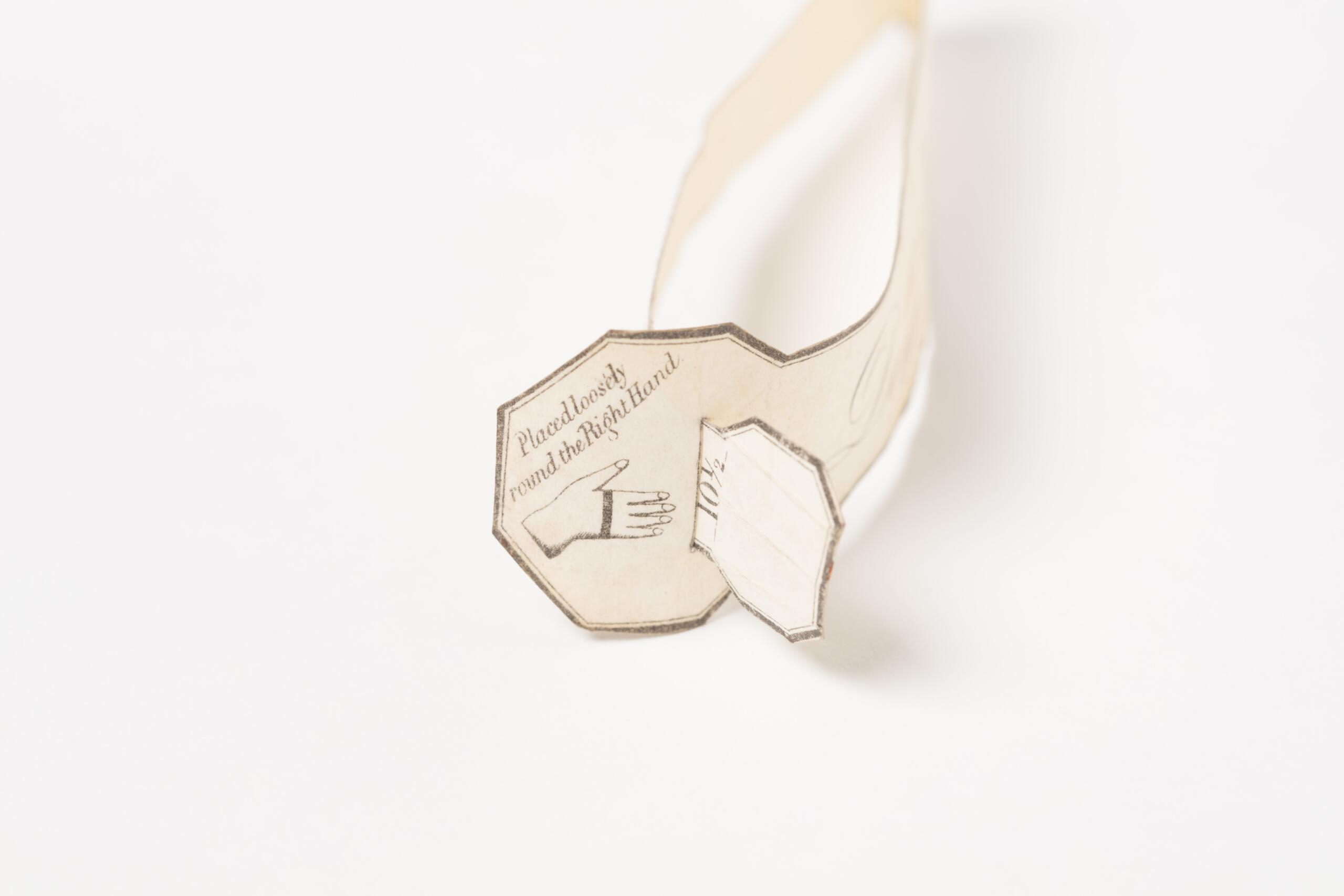
Glove sizes were taken by measuring the circumference of the hand at the knuckles in inches, with the number corresponding directly to that measurement, and fittings in half sizes were routine.
The system survives for quality gloves and has been largely replaced by small, medium and large elsewhere. It is one of the few surviving sizing systems that is a direct physical measurement rather than an arbitrary number, which makes it considerably more useful than most clothing sizing.
7. Everybody Wore Them and That Was the Whole Market

Gloves were ordinary daily dress for adults, worn for propriety as much as for warmth, and a person owned several pairs for different occasions.
The convention dissolved from the 1960s onwards along with hats, and the market contracted to warmth, work and sport. The trade did not lose to a competitor or a material – it lost to a change in what people considered necessary to wear, which is the same ending as the corset trade and arrived at about the same time.
8. The Work Went Out to Women at Home
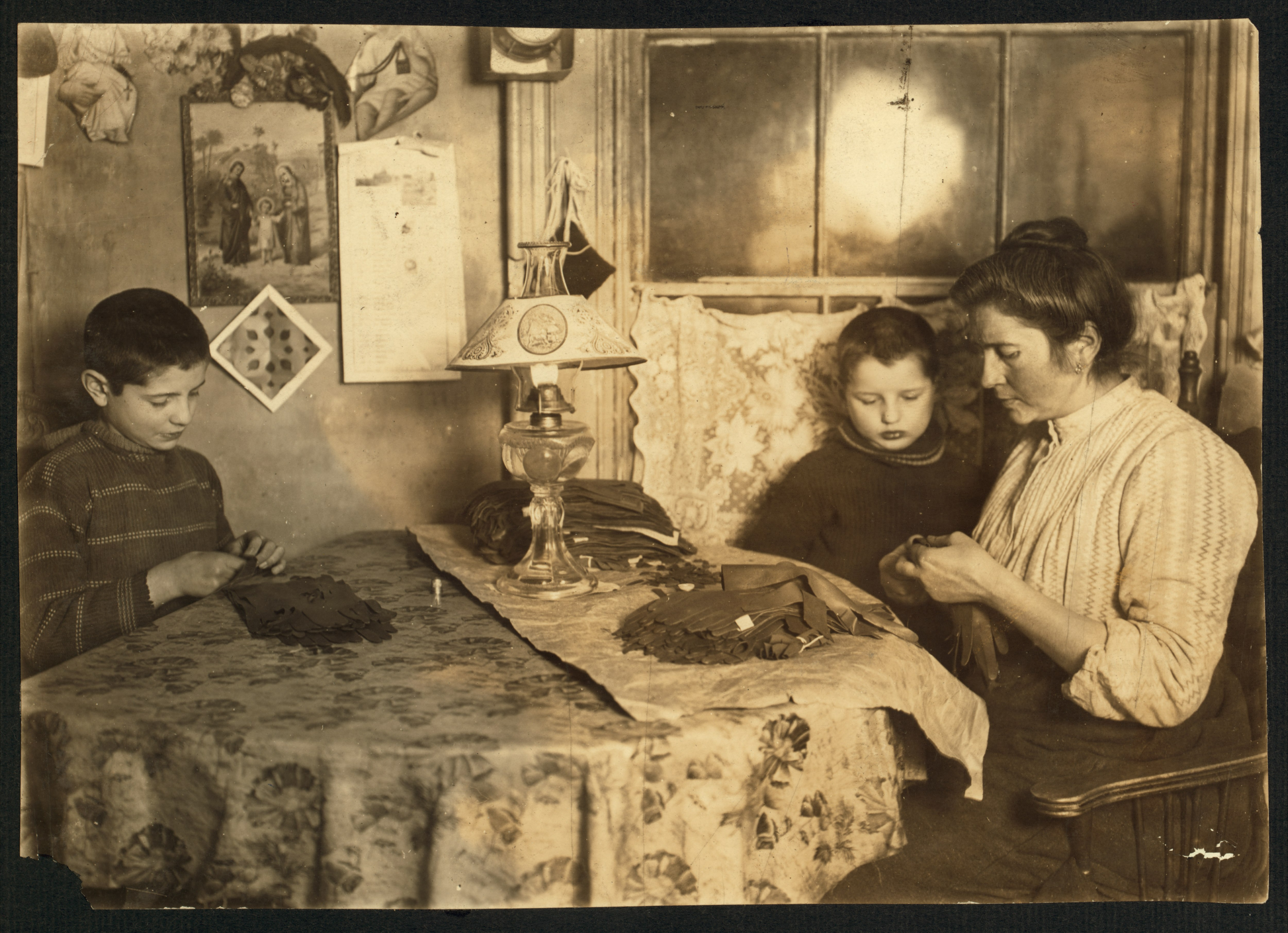
Much sewing was done as outwork, with cut pieces delivered to women who sewed them at home, were paid by the pair, and returned finished work for collection.
Factory consolidation and then relocation ended the domestic arrangement. The structure is identical to the chain trade and the toy trade – material supplied, output bought by the unit, no security, no separation of home and work – and it recurs in this series because it was the standard way of getting skilled handwork done cheaply.
9. The Trade Was Concentrated in a Few Towns and Had Been for Centuries

Glove making clustered geographically, with the tanners, cutters, machinists, formers and finishers in the same small area, in trades passed down through families over generations.
Imports ended it, and the specialist suppliers went first as always. A handful of makers survive producing high-quality gloves, frequently in the same towns, and in several cases in buildings that have made gloves continuously for well over a century.
10. Dress Gloves Were a Serious Product With Serious Rules
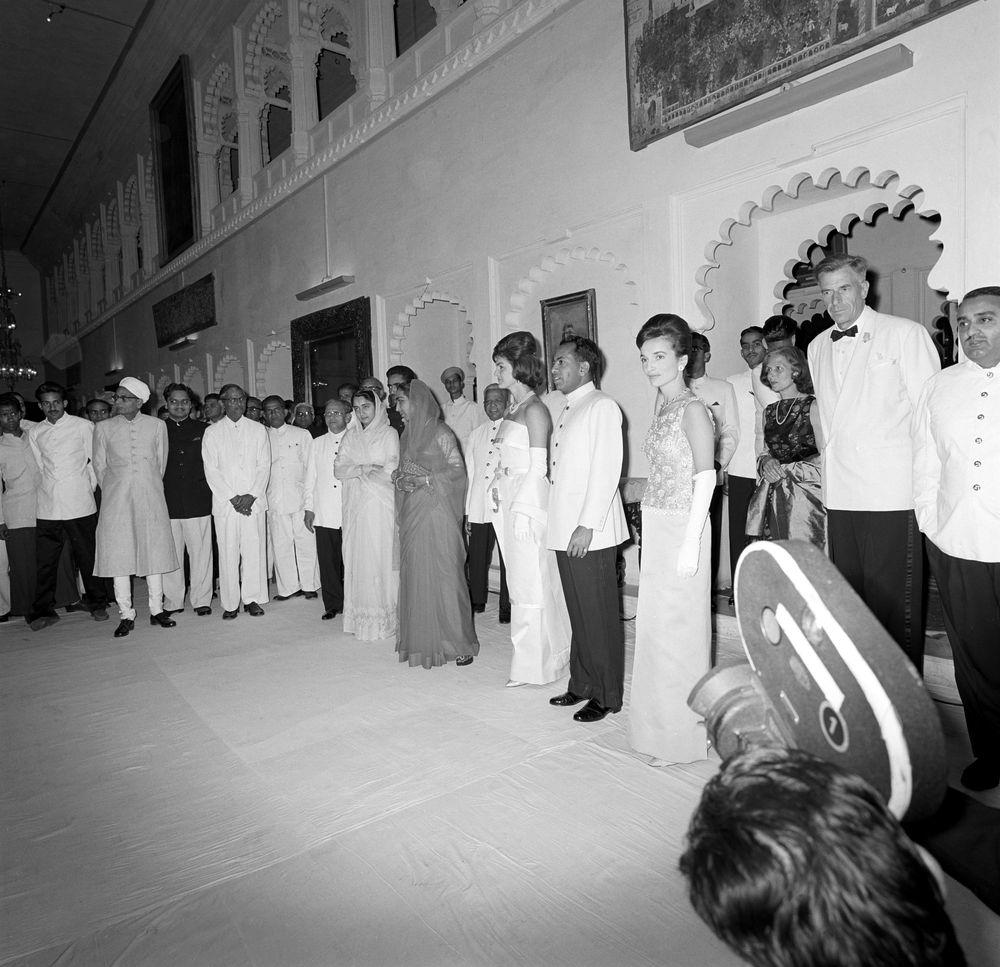
Length, material, colour and type were governed by detailed convention according to occasion and time of day, and getting it wrong was noticed.
The conventions survive only in formal and ceremonial dress. The rules were elaborate, widely known and are now almost entirely forgotten, which is the usual fate of a code that depended on everybody participating – once enough people stop, the signal stops working and the remainder stop too.
11. The Skill Nearly Disappeared and Was Deliberately Recovered
By the time the trade had contracted, the number of people who could cut gloves properly had fallen to a handful, with no apprentices and no route in.
Surviving makers have trained new cutters deliberately, in some cases bringing retired people back to teach, and the skill has been maintained rather than lost – narrowly. It is the same pattern as the record pressing revival and the maltings: a trade reduced to a few individuals, with a window of perhaps a decade in which transmission is still possible, and an outcome that depended entirely on somebody noticing in time.
12. The Gloves From Then Still Fit
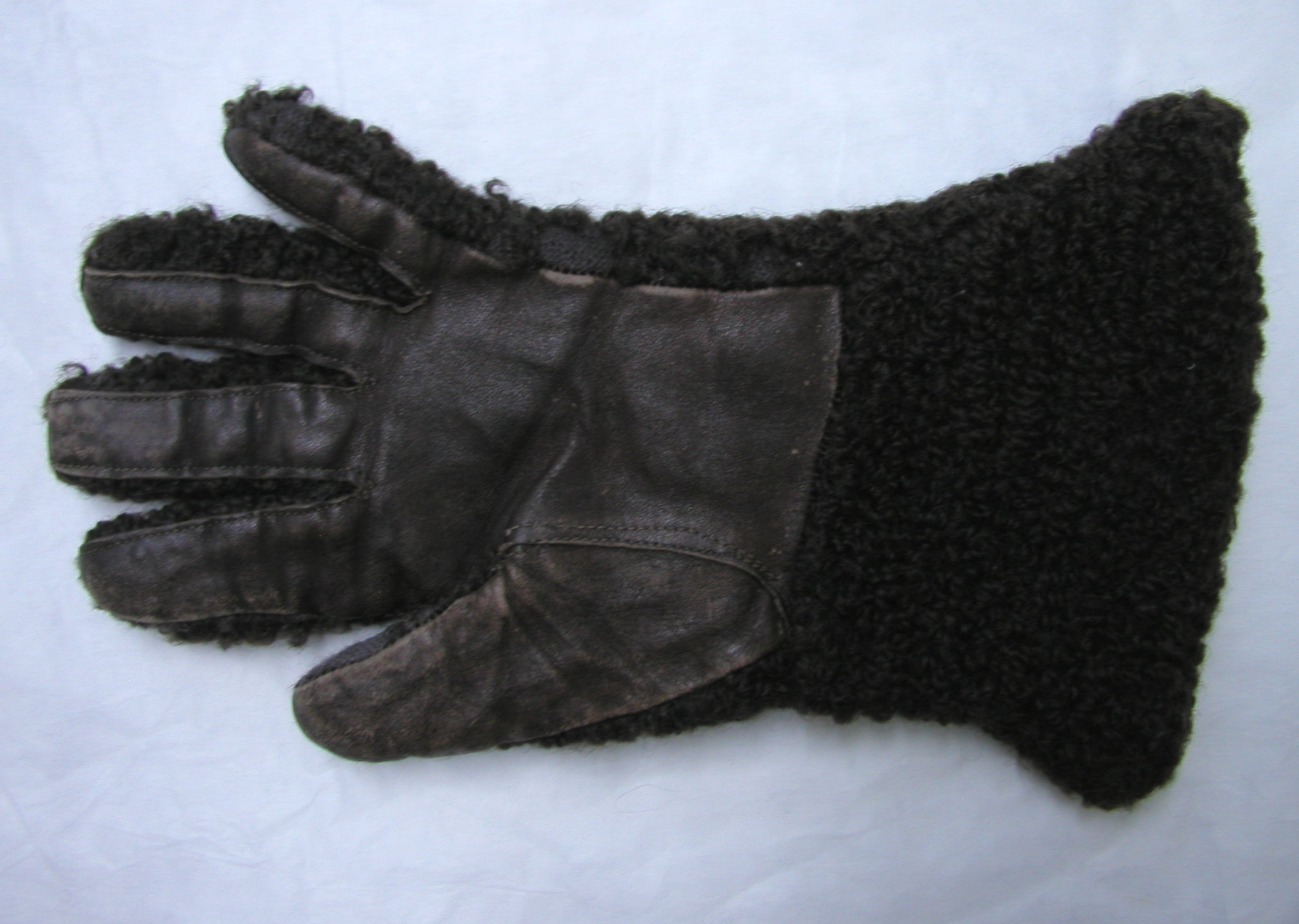
Well-made leather gloves from this period survive in considerable numbers and remain wearable, having moulded to a hand and stayed that way.
Which is the small pleasure at the end of this. A glove is one of the few garments that improves with wear, because leather takes the shape of the specific hand inside it, and a sixty-year-old pair that has been looked after is a better object than almost anything currently sold at the same price. The hand it moulded to is probably gone and the shape of it is still there.
Nobody Decided to Stop Wearing Them
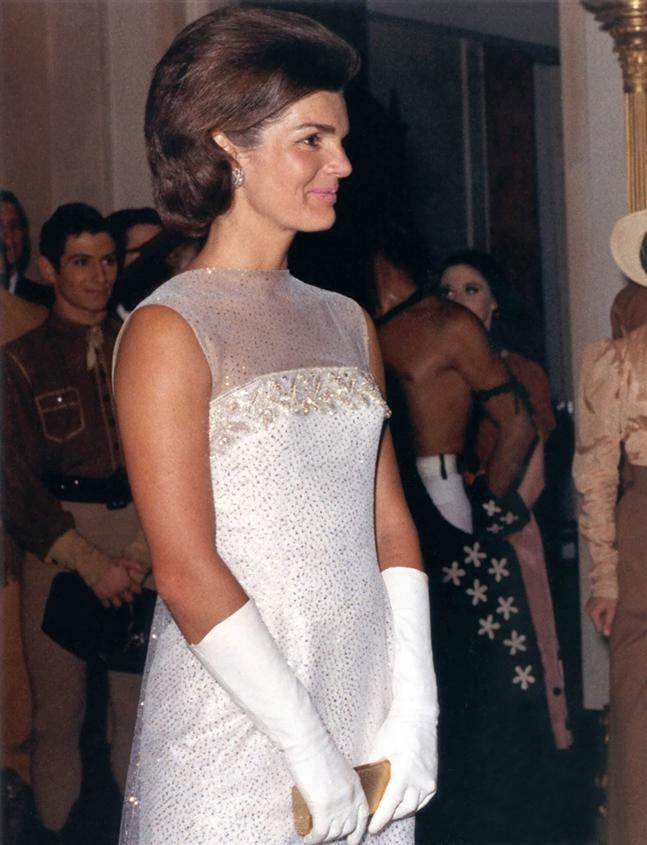
This trade did not lose to anything. It lost to a convention evaporating, and the way that happened is worth looking at because it is the same mechanism that ended several of the other trades in this series.
In 1960 an adult going out wore gloves. Not for warmth particularly – for correctness. They were part of being dressed, in the same way that a hat was, and a person owned several pairs for different occasions with reasonably elaborate rules about which went where.
Within about fifteen years that was simply over. Nobody legislated it, no substitute product appeared, and gloves did not become worse or more expensive. The convention stopped being enforced, then stopped being observed, and then stopped being known.
The mechanism is the thing. A dress convention is a coordination arrangement: it works because everybody participates and reads the signal, and it is therefore stable while participation is high and collapses quickly once it falls below some threshold. The first people to stop wearing gloves looked underdressed. By the time enough had stopped, the people still wearing them looked overdressed, and the pressure reversed direction entirely.
That reversal is fast, it is close to irreversible, and it is invisible to a manufacturer until it is well advanced, because sales decline gradually while the underlying convention is already gone.
Hats went the same way at the same time, and so did the foundation garment trade. Three substantial industries, each making something well, each destroyed within roughly a decade and a half by the same thing – not a competitor, not a technology, but a widely held idea about what one wears quietly ceasing to be held.
If your family was in the trade, somebody could cut, and that is the part that mattered.
And if there is an old pair of leather gloves in a drawer at home, try them on – they will have kept the shape of whoever wore them.
Like our content? Follow us for more.