

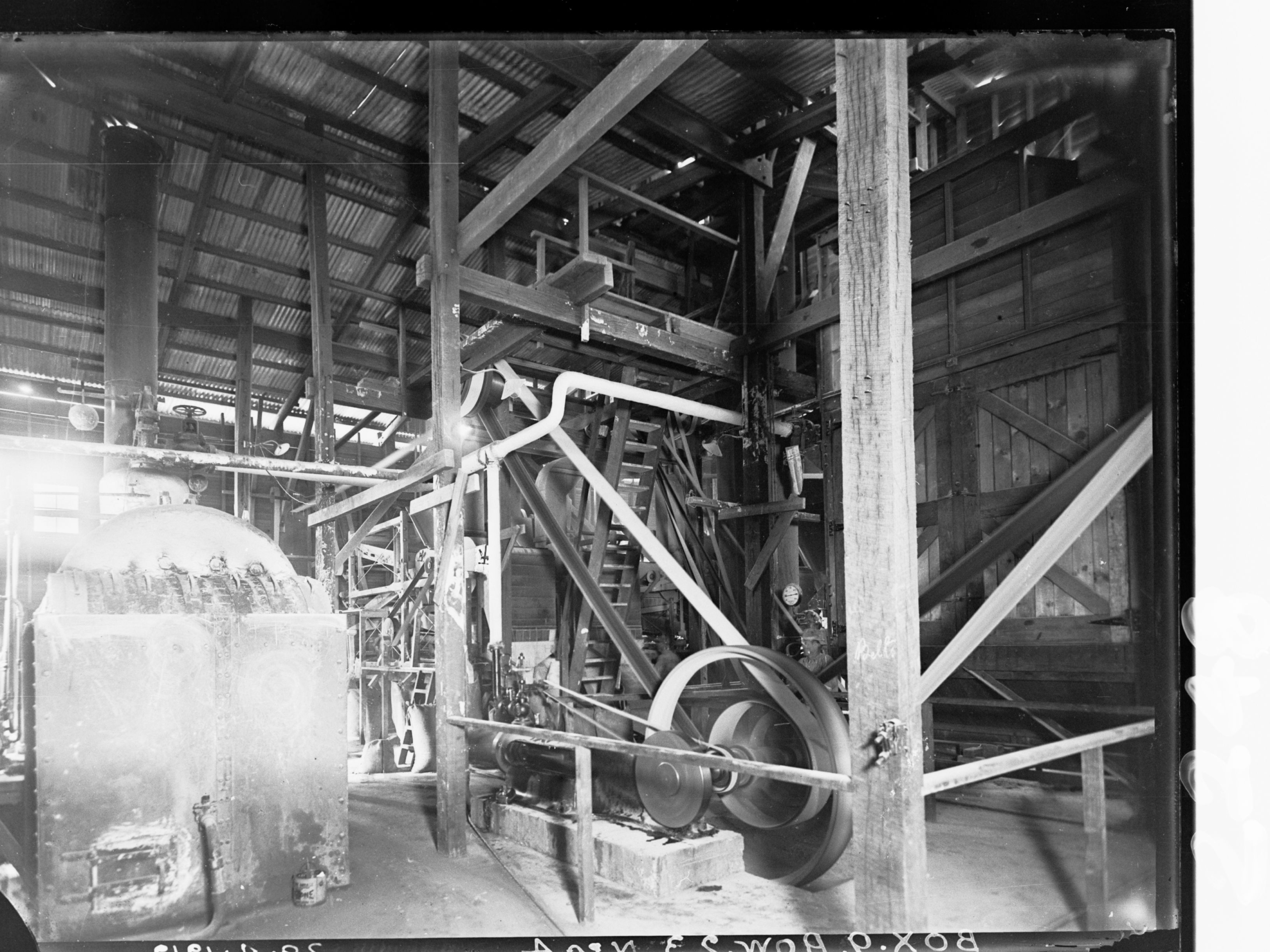
In 1960 a flour mill was a tall building in which grain was lifted once to the top and then fell through a dozen or more stages of steel rolls, each pair turning at different speeds and set closer than the last.
The miller judged the product by rubbing it between finger and thumb. The separation was done by enormous wooden boxes full of silk mesh swinging in circles. The flour went out in sacks weighing what a man could carry.
And everybody in the building knew that the dust in the air could take the roof off.
Here are fifteen things that were ordinary in a flour mill in 1960, and what became of each one.
1. The Dust Could Take the Roof Off and Everybody Knew It
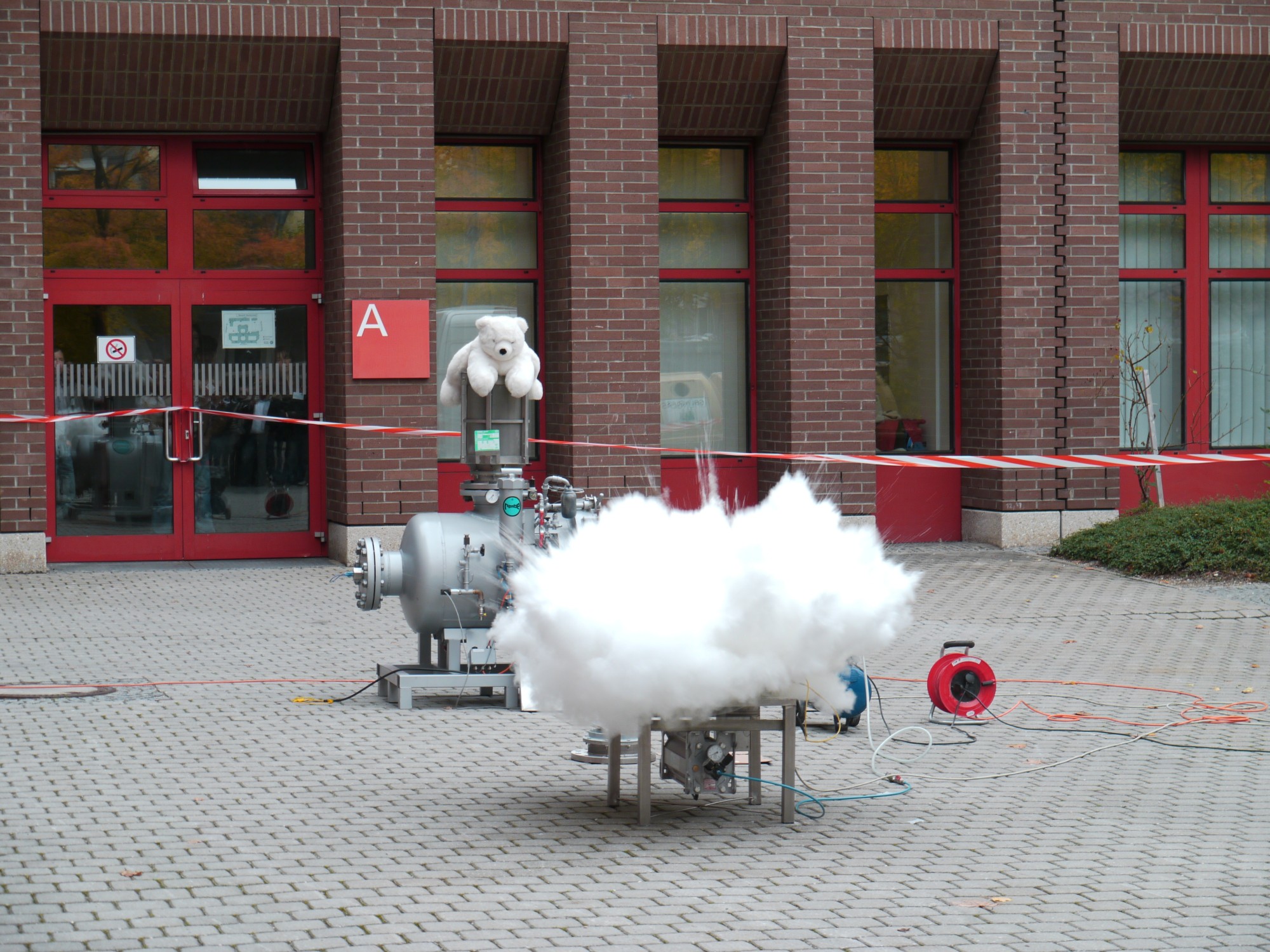
Flour dust suspended in air in the right concentration is explosive, and a mill generates it continuously. Mills had blown up, repeatedly, within living memory of 1960, and the knowledge was part of the trade.
Explosion relief panels, suppression systems, inerting, ignition source control, enclosed handling and dust extraction now govern it, and the engineering standards for handling combustible dust are extensive and specific. The hazard has not changed at all – the material is as explosive as it ever was – and what changed is that the plant is designed on the assumption that it will try.
Like our content? Follow us for more.
2. The Grain Was Cleaned of Whatever Had Come With It
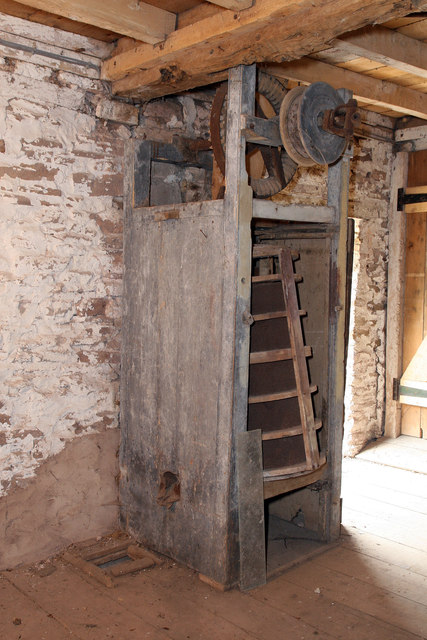
Incoming grain arrived with stones, soil, straw, weed seeds, metal, string and insects, and the first operation was a sequence of machines separating all of it out by size, weight, shape and magnetism.
Still the first operation, with optical sorting and far more sophisticated separation added. The cleaning section is the part of a mill nobody thinks about and it determines everything downstream, because a stone reaching the rolls damages them and anything organic reaching the flour stays in it.
3. The Flour Was Made by Rolling, Not by Grinding
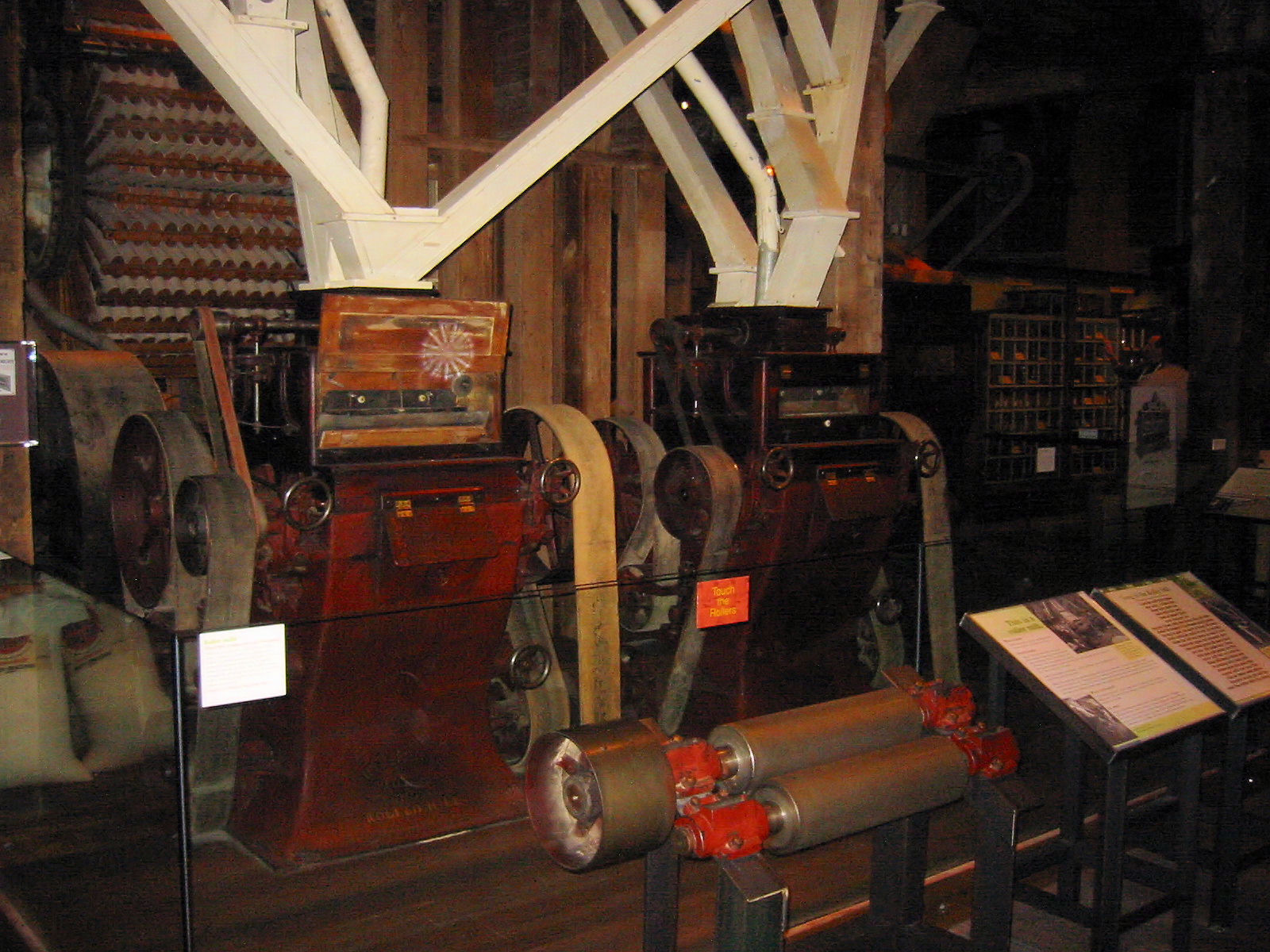
A roller mill does not crush grain. Pairs of steel rolls turning at different speeds shear the wheat open, and the product is sifted and passed to successive pairs, each set closer, in a sequence of a dozen or more stages.
Unchanged in principle and far better controlled. The point of the gradual reduction is to open the grain and scrape the starchy interior off the bran in stages rather than pulverising everything together, which is what allows white flour to be separated cleanly – and it is why the roller mill displaced the millstone so completely.
4. The Miller Judged the Flour by Rubbing It Between His Fingers
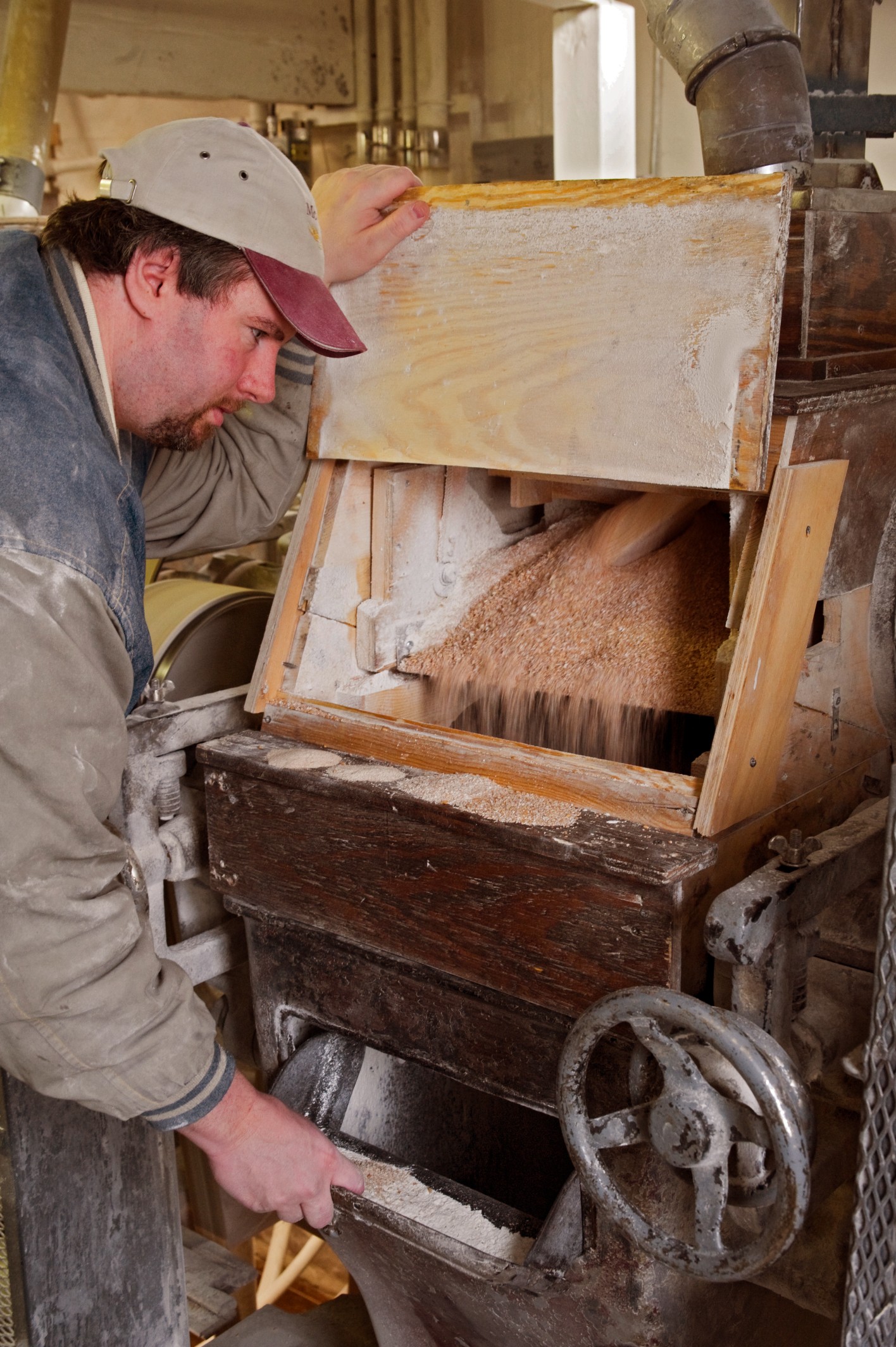
Setting the rolls and assessing the product was done by feel – taking a pinch of stock from a stream, working it between finger and thumb, and adjusting the gap accordingly, through the whole sequence.
Online particle size measurement, moisture sensing and automated roll adjustment replaced most of it. The feel test persists as a check, and the head miller’s judgement across a dozen interdependent stages, each affecting the next, was the whole skill of the trade.
5. Sacks Were Lifted, Carried and Stacked by Men
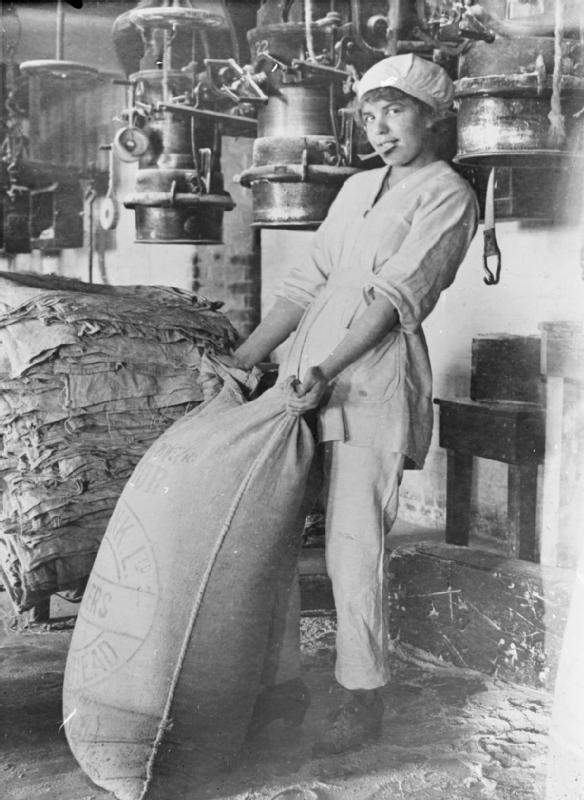
Flour went out in sacks of a weight that two centuries of custom had settled on, and they were manhandled – loaded, carried on the back, stacked and tipped – all day.
Bulk tankers for commercial customers, palletised smaller bags and mechanical handling removed essentially all of it. The standard sack weight was set by what a man could carry, which is a specification written in human terms that survived long after the reason for it did.
6. The Mill Ran on Its Own Power and Sat on Water or Rail
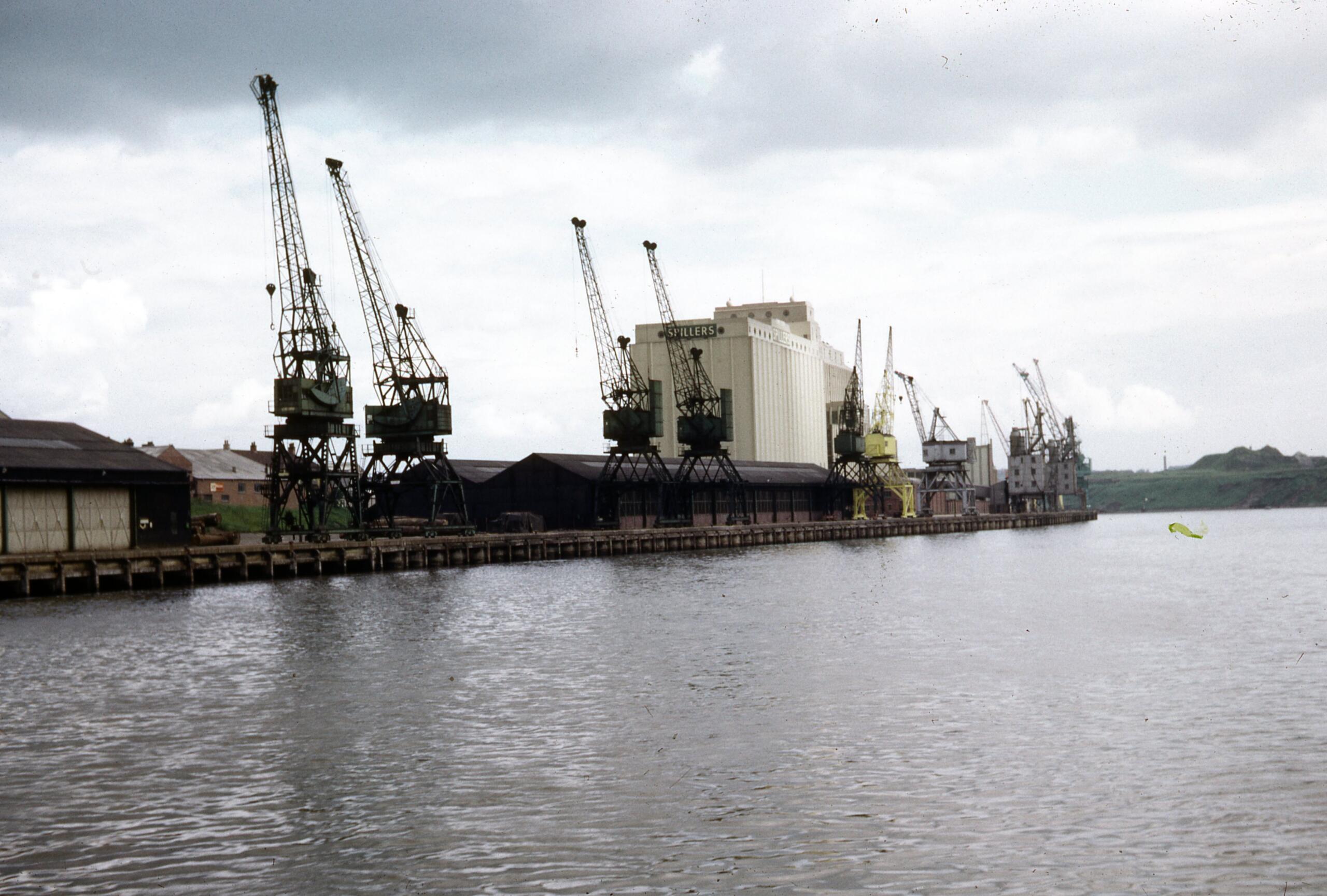
Mills were sited where power and transport met – on rivers, canals and railways – and many still ran turbines or engines of their own, with the building arranged vertically so grain could be lifted once and then flow downward through the process.
Electricity decoupled the mill from the river, road transport decoupled it from the rail siding, and consolidation concentrated production into a small number of very large plants, mostly at ports. The vertical arrangement remains because gravity is still free.
7. Elevators Lifted Everything and Were a Hazard in Themselves
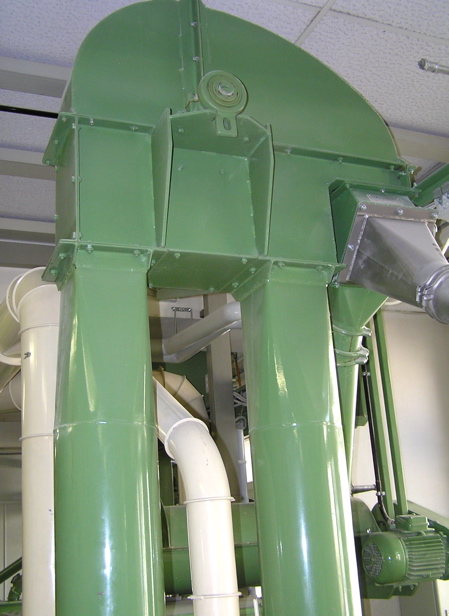
Bucket elevators carried grain and stock up through the building continuously, in enclosed legs, and they are both the heart of a mill’s material handling and a classic location for a dust explosion to start and propagate.
Explosion venting on the legs, bearing temperature monitoring, belt alignment detection and interlocks address exactly this. The elevator leg connects every floor of the building, which is precisely why an incident in one can involve all of them, and why the monitoring is concentrated there.
8. Flour Was Bleached and Treated as a Matter of Course
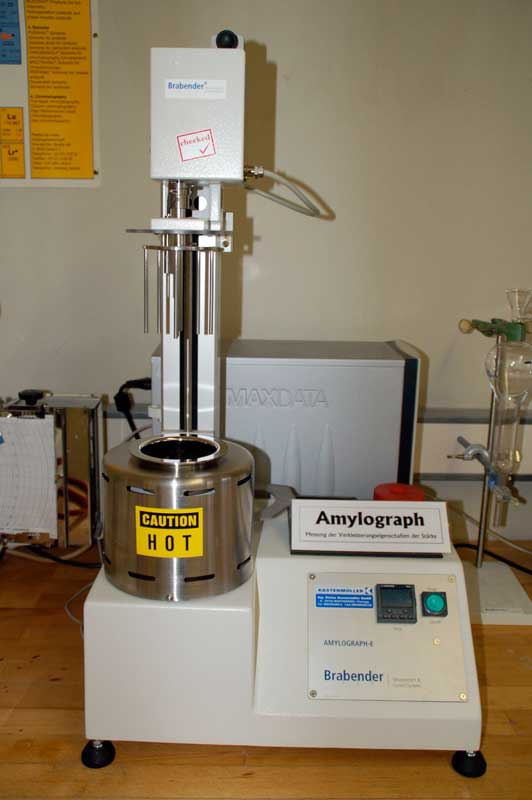
Freshly milled flour was treated with agents to whiten it and to improve its baking performance, which would otherwise require weeks of natural ageing.
Permitted treatment agents are now specified, several formerly used have been prohibited, and the whole practice varies considerably between jurisdictions, with some permitting treatments that others ban outright. The underlying fact is unchanged: fresh flour bakes poorly and improves with age or with treatment, and every country’s rules are a different answer to the same problem.
9. Fortification Was Added and Was Genuinely Consequential
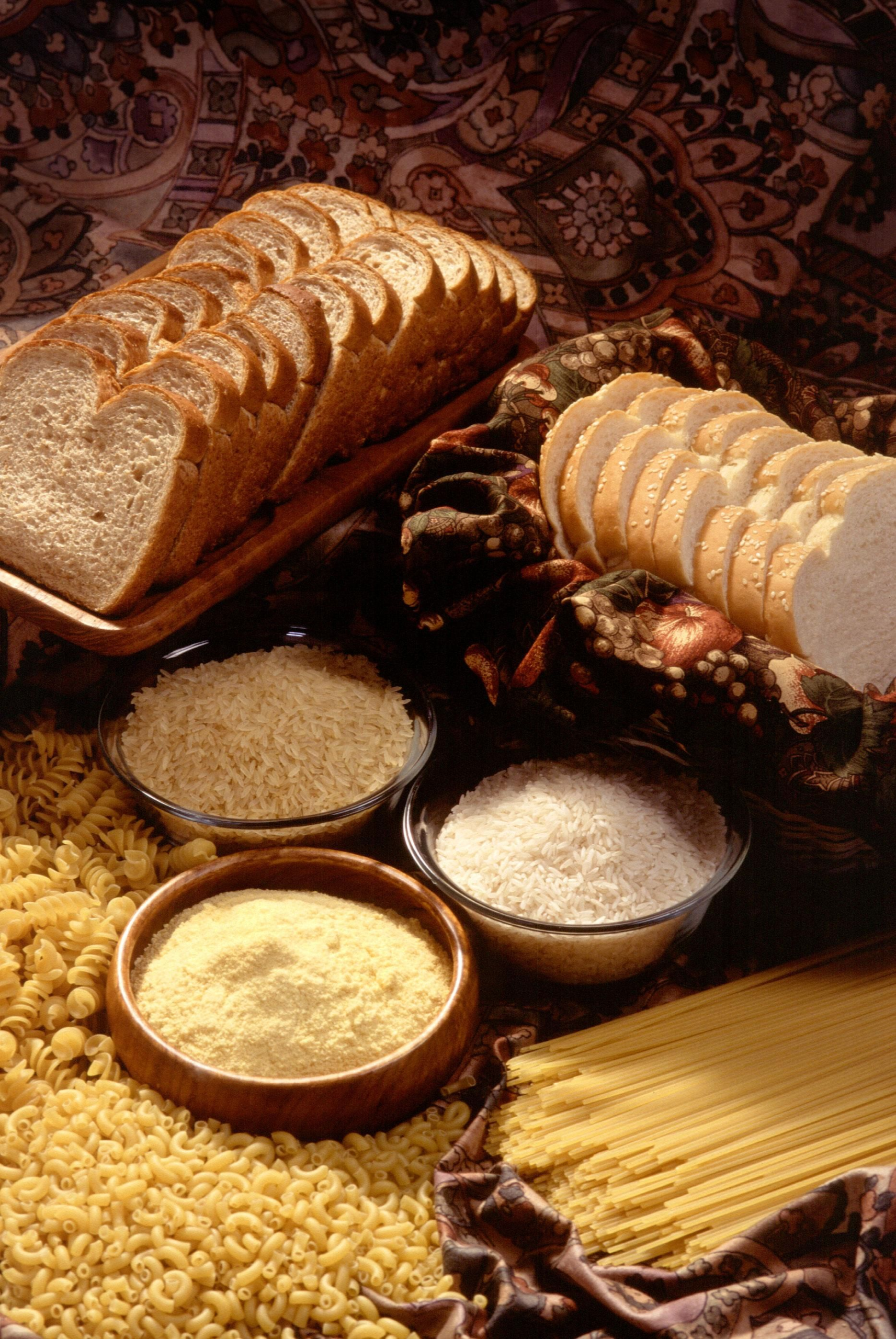
Flour was fortified with added nutrients under public health requirements introduced in the preceding decades, which made a staple food the delivery mechanism for addressing widespread deficiency.
Fortification requirements continue in many places and the specific additions vary. It is one of the most effective public health measures ever implemented, precisely because it required no behaviour change from anybody, and it is a reasonable example of an intervention that worked by being invisible.
10. The Rolls Were Re-Cut by Hand by Specialists
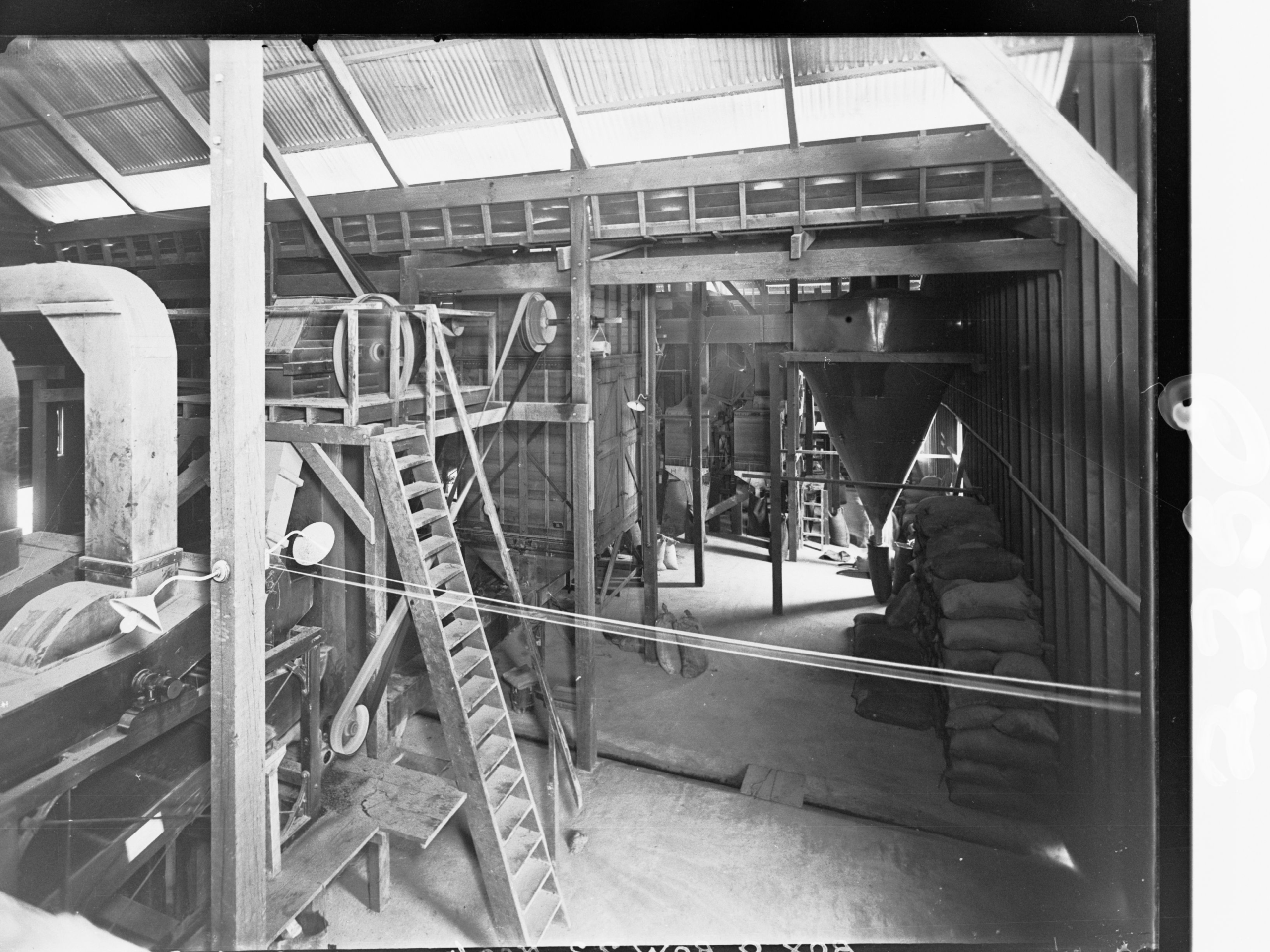
The fluting on the chilled iron rolls wears, and restoring it meant removing the roll and having its grooves re-cut on a machine by a specialist, to a specified profile and spiral.
Roll re-fluting is still a specialist operation, now computer-controlled. Each pair of rolls in the sequence has a different flute count and profile, matched to its position in the reduction, which is a level of specification most people would not guess from looking at a bag of flour.
11. The Sieves Were Wooden Boxes Full of Silk
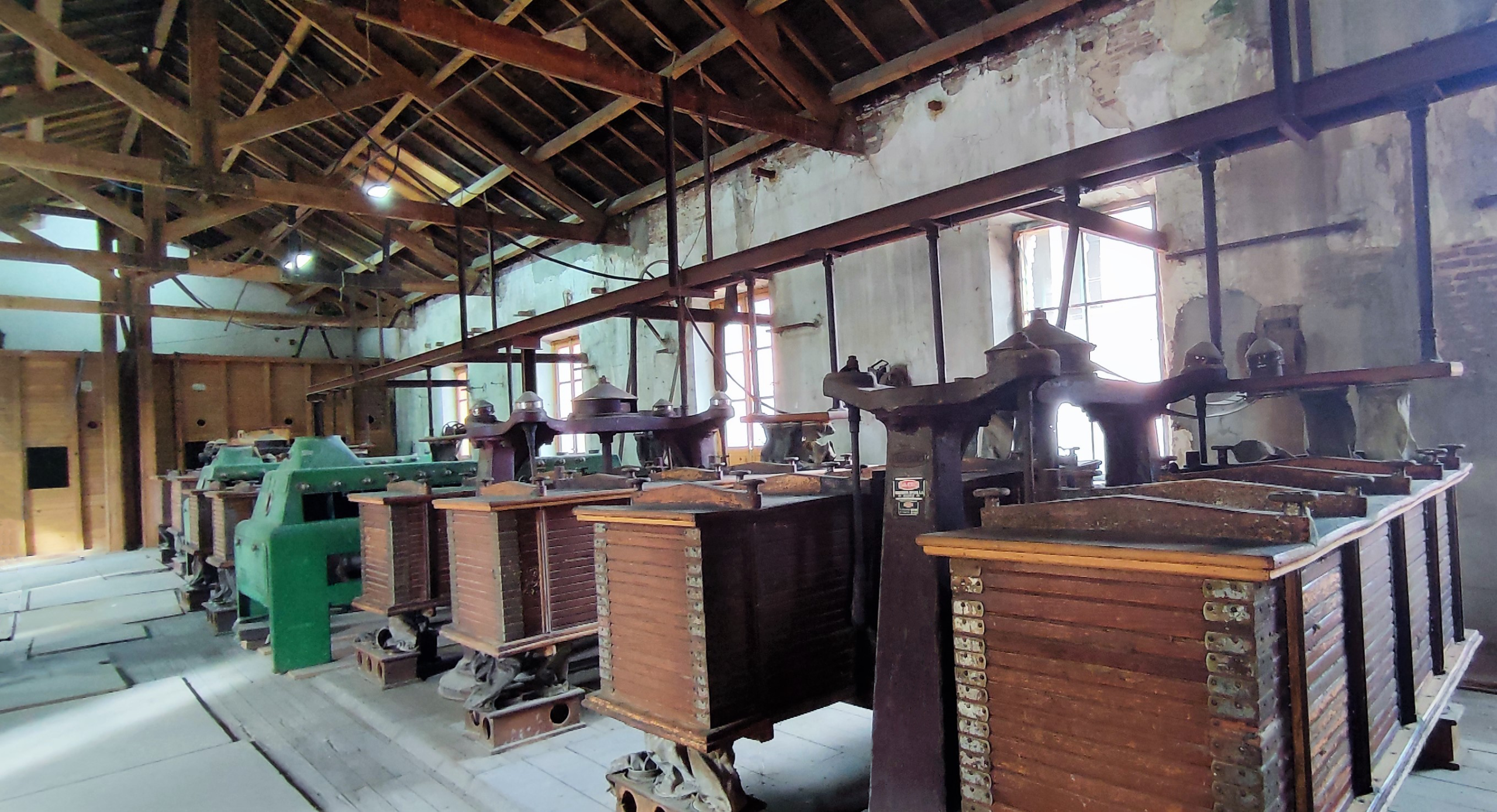
Separation after each roll pass was done in sifters – stacked frames of fine mesh, historically silk, shaken in a gyratory motion by a machine the size of a room, which sorted the stock into fractions by particle size.
Synthetic meshes replaced silk and the principle is unchanged. A plansifter is one of the more remarkable machines in any food plant – a large wooden box swinging in a circle, sorting several tonnes an hour into a dozen streams, and doing it purely by particle size and gravity.
12. The Bran and the Germ Went Out as Animal Feed
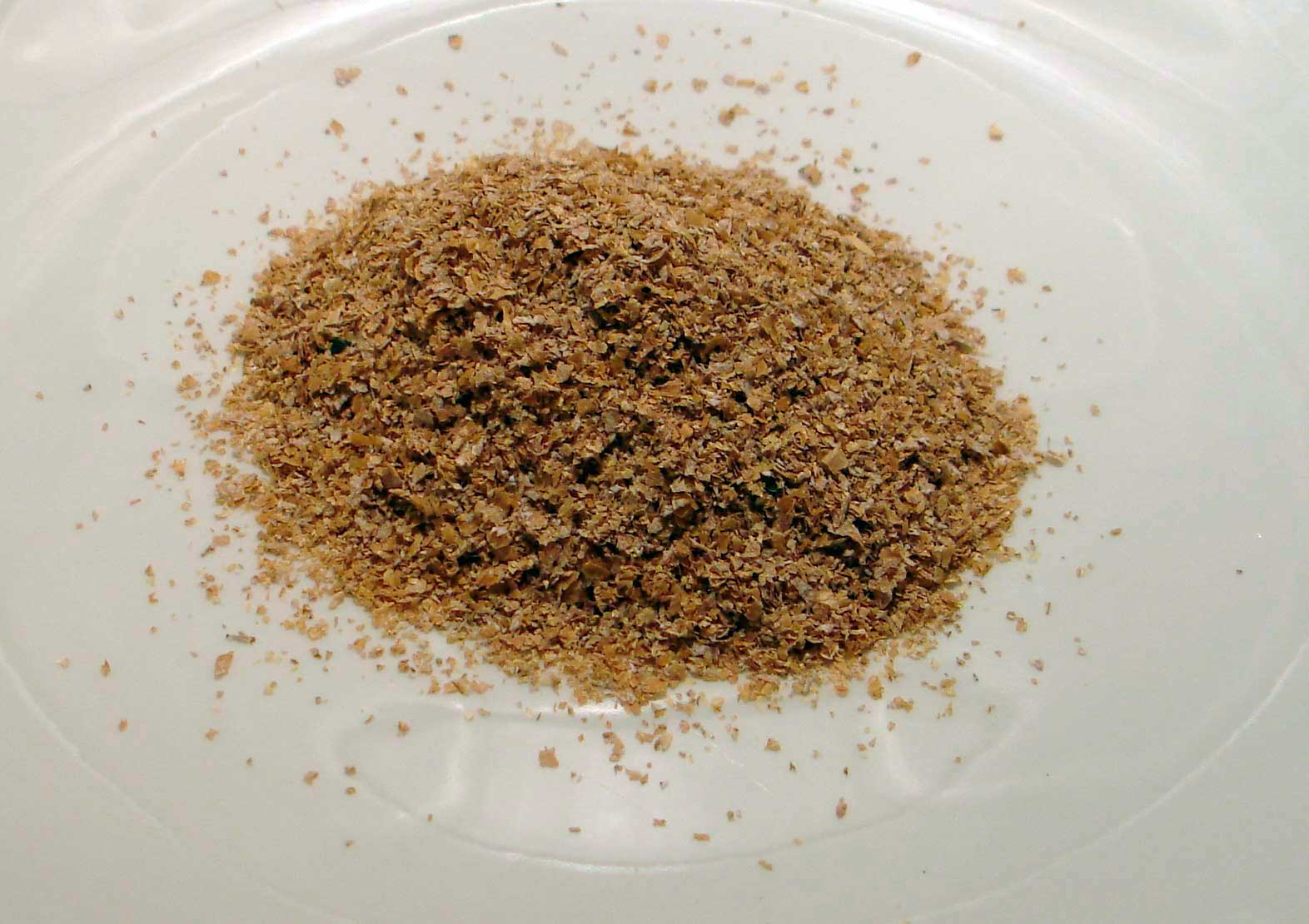
Separating white flour from a grain of wheat leaves the bran and the germ behind, and in 1960 the overwhelming majority of that went out of the mill as offal for animal feed, sold by the tonne at a fraction of the price of the flour.
That is around a fifth of the grain by weight, containing a large share of the fibre, the oils and several of the nutrients, leaving as a by-product because the market wanted white flour and had wanted it for a very long time.
Wholemeal and brown flours, bran as a sold ingredient in its own right and wheatgerm as a separate product have given those fractions a direct human market, and animal feed remains the destination for most of the volume. The separation itself is also the reason the fortification item above exists – adding nutrients back to white flour is addressing something the milling process took out, which is an unusually direct example of an industrial process creating the problem that a public health measure then solves.
13. Nobody Thought a Mill Would Need This Few People
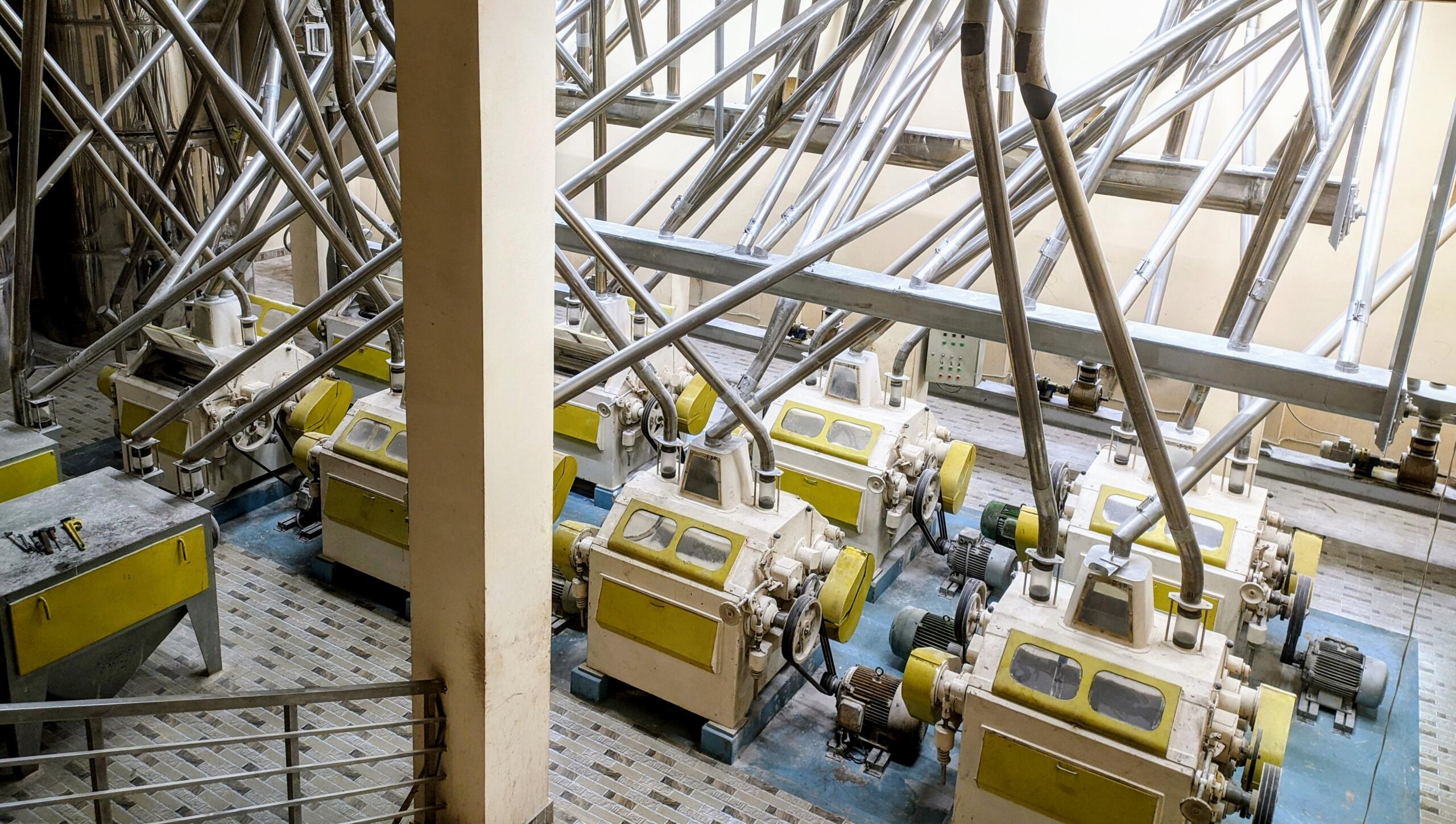
A 1960 mill employed a substantial workforce across cleaning, milling, packing, maintenance and despatch, working shifts.
A modern mill of far greater capacity runs with a small team and a control room. Flour milling is now among the most automated food processes there is, which is possible precisely because the product is uniform, the process is continuous and the quality measures can all be taken by instrument – the conditions under which automation always wins.
14. The Smell of a Working Mill Is Specific and Unmistakable
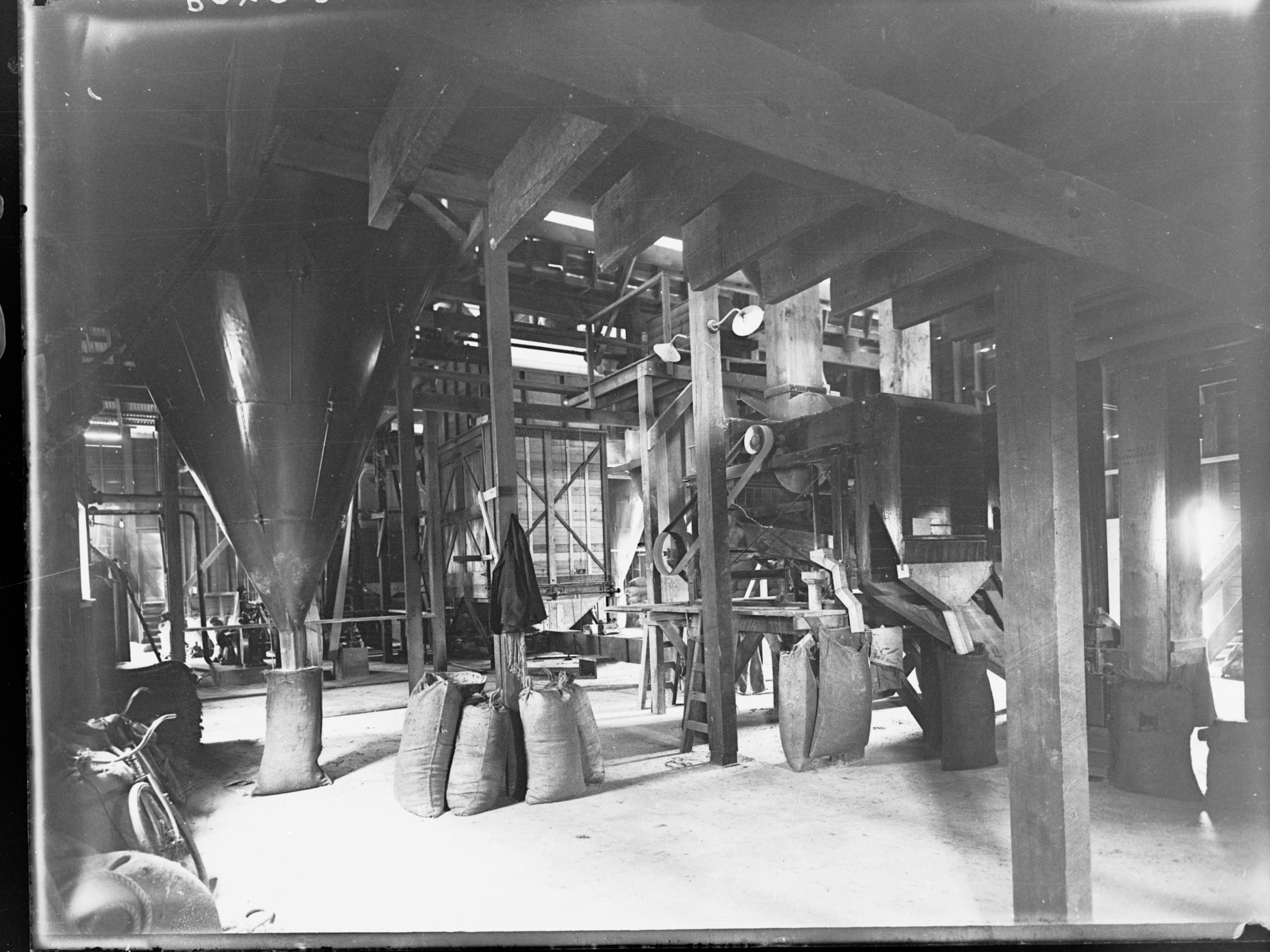
A flour mill smells of warm grain, and anybody who has been in one recognises it instantly.
Still true, and one of the few pleasant industrial smells remaining in production. The warmth is real – the rolls generate heat and the stock comes off them warm, which is also why temperature management matters in the process.
15. The Buildings Were Beautiful and Were Built for the Machines
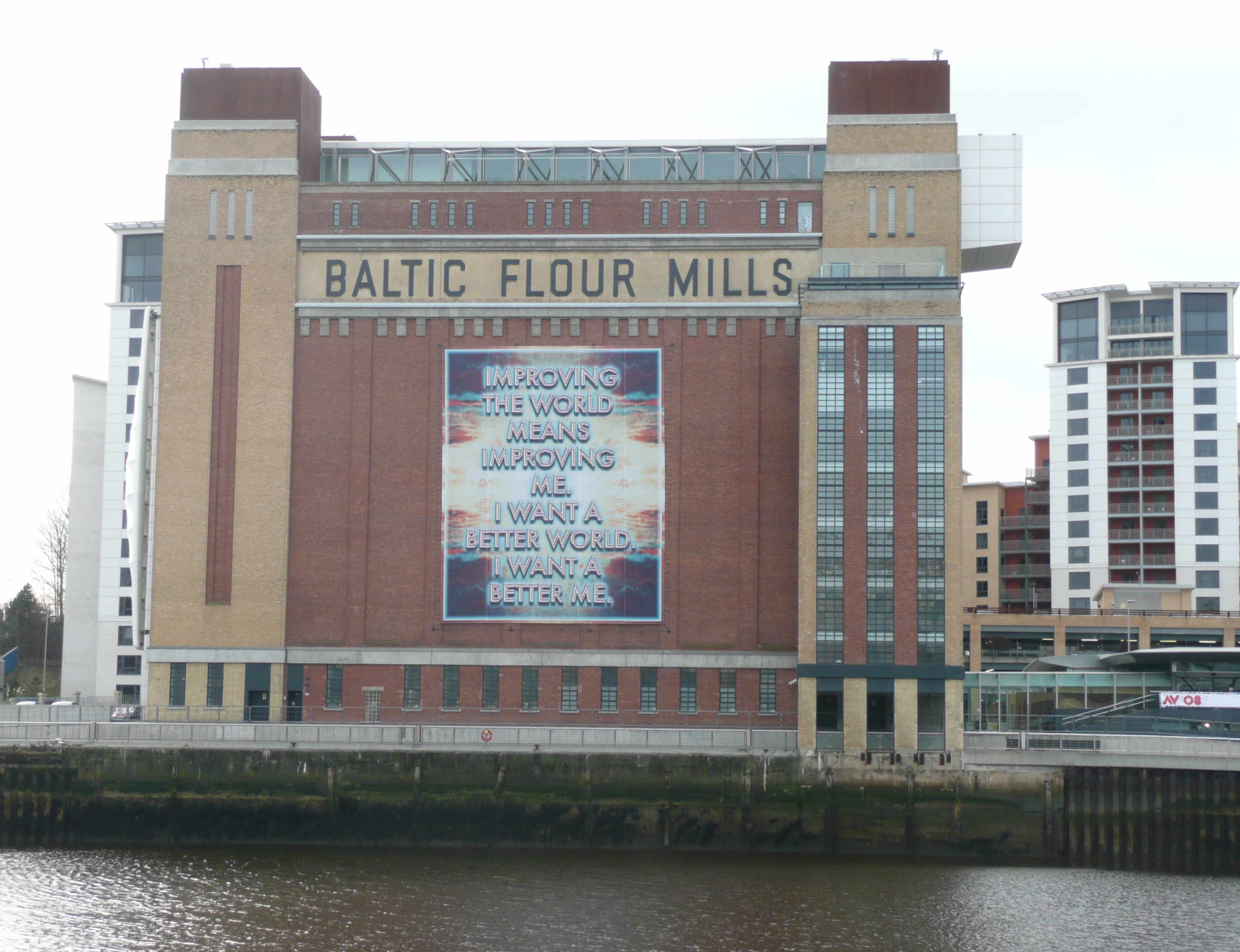
Mill buildings were tall, multi-storey, heavily framed to carry vibrating machinery, with distinctive rows of windows lighting each floor of a vertical process.
They convert extremely well, and riverside and dockside mills are among the most successfully redeveloped industrial buildings anywhere. The floor arrangement that suited a gravity-fed process also suits apartments, and the structure built to carry sifters will carry anything.
The Hazard Has Not Changed, Only the Assumption
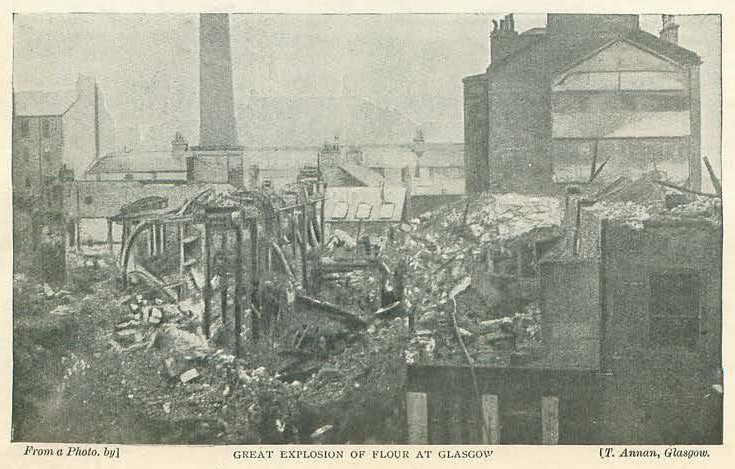
The dust explosion is worth ending on because of what the response tells you about how safety engineering actually works.
Flour dust in air, within a particular concentration range, with an ignition source, explodes. That is a property of finely divided combustible material and it has not altered in any respect. The flour in a modern mill is exactly as capable of exploding as the flour in a 1960 mill, and a modern mill generates just as much dust.
What changed is the design assumption. The 1960 approach was to be careful: keep the place clean, avoid sparks, maintain the machinery, and rely on everybody understanding the danger. That is prevention, it depends on continuous human performance, and it had an uneven record.
The modern approach assumes prevention will eventually fail somewhere and designs for what happens next. Explosion relief panels that blow out at a set pressure and vent the event somewhere harmless. Isolation that stops a flame front travelling from one vessel to the next through a duct. Suppression that detects a pressure rise in milliseconds and injects a suppressant before the explosion develops. Bearing temperature monitoring, because a hot bearing is a classic ignition source. Belt misalignment detection, for the same reason.
Every one of those accepts that an ignition will happen at some point and arranges for it not to destroy the building or the people in it.
That shift – from preventing the event to surviving it – is the single most important idea in industrial safety, it applies identically to fire, pressure, electricity and height, and almost everything in this entire series that was fixed properly was fixed by somebody making it.
If you worked in a mill you will know which floor you were on and what the sifters sounded like.
And if your town’s mill is flats now, the window pattern will tell you where the roller floor was.
Like our content? Follow us for more.
