

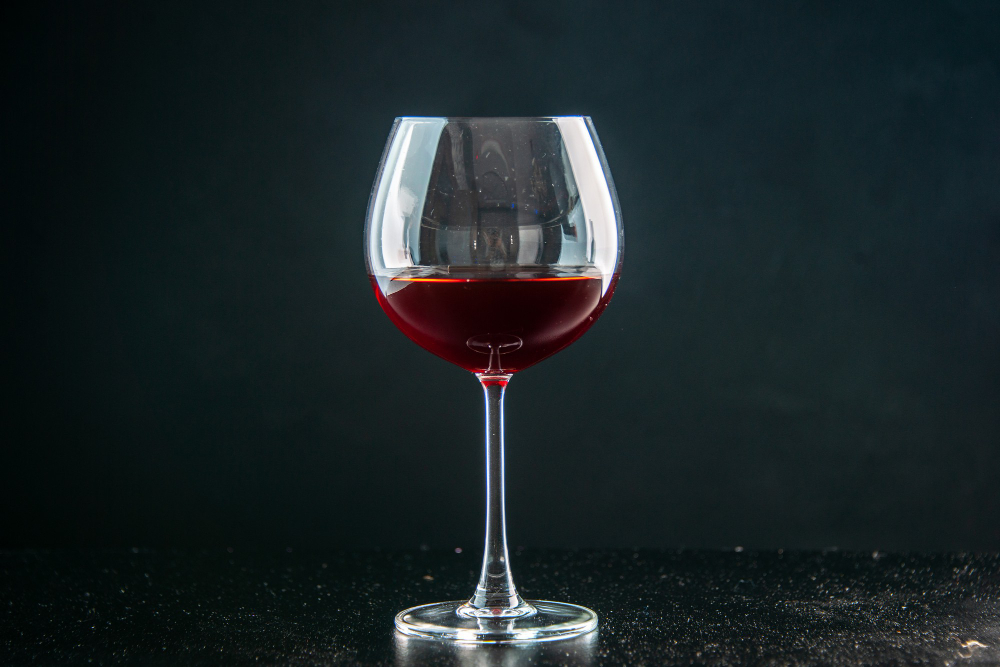
A wine glass has a stem, a tumbler does not, and the difference is widely treated as a matter of formality – stems are for occasions, tumblers are for everyday.
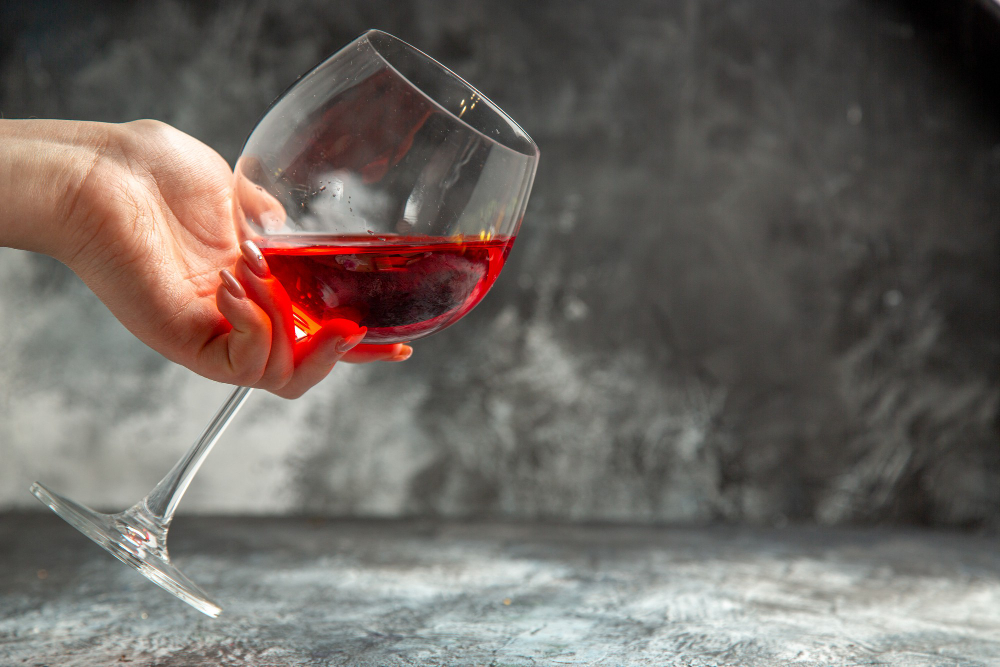
The stem is doing a job. A hand at body temperature wrapped around a bowl of chilled wine warms it measurably within a few minutes, and the stem is there so that the glass can be held without that happening.
Which means holding a stemmed glass by the bowl removes the only reason it has a stem.
The Heat Transfer Is Real and Reasonably Quick
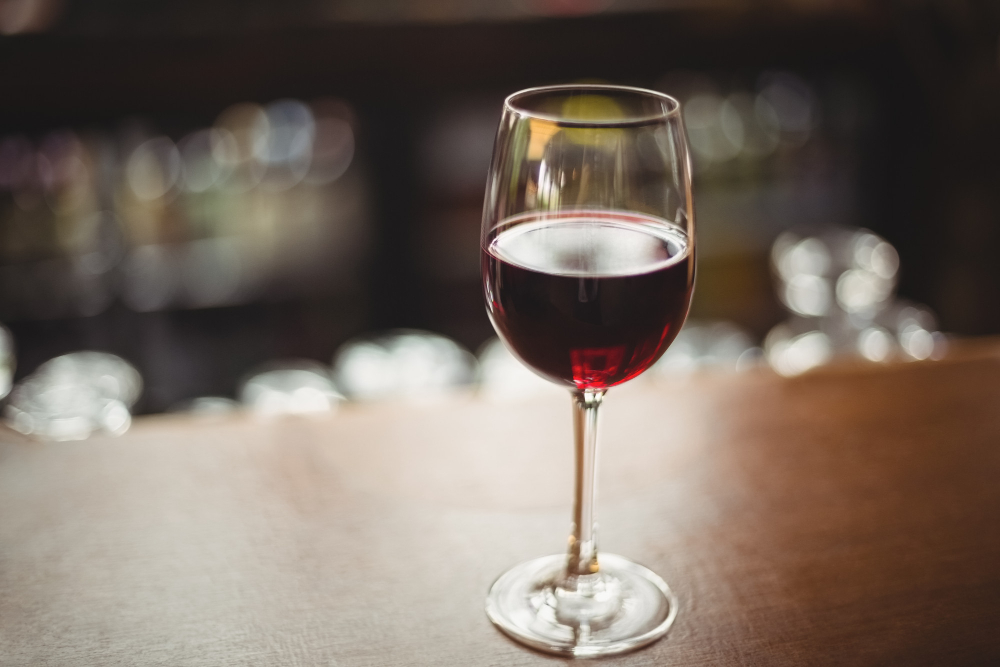
A hand is a large warm object in close contact, and glass conducts heat perfectly adequately for the purpose.
A white wine served cold, in a bowl held in a palm, warms noticeably over the course of a few minutes – enough that the difference between the first mouthful and the last is detectable, which is the whole point of serving it cold in the first place.
The effect is bigger with a small quantity than a large one, which is why it matters most for a glass that is half empty, and it is bigger in a warm room, which is where wine is usually being drunk.
For red wine served at room temperature the argument largely disappears, which is why people who hold red by the bowl are not doing anything much. And for anything served very cold in a small glass, it matters a great deal.
None of this is a rule about etiquette. It is a statement about how long a drink stays at the temperature somebody chose for it.
Like our content? Follow us for more.
The Stem Is Doing Two Other Things
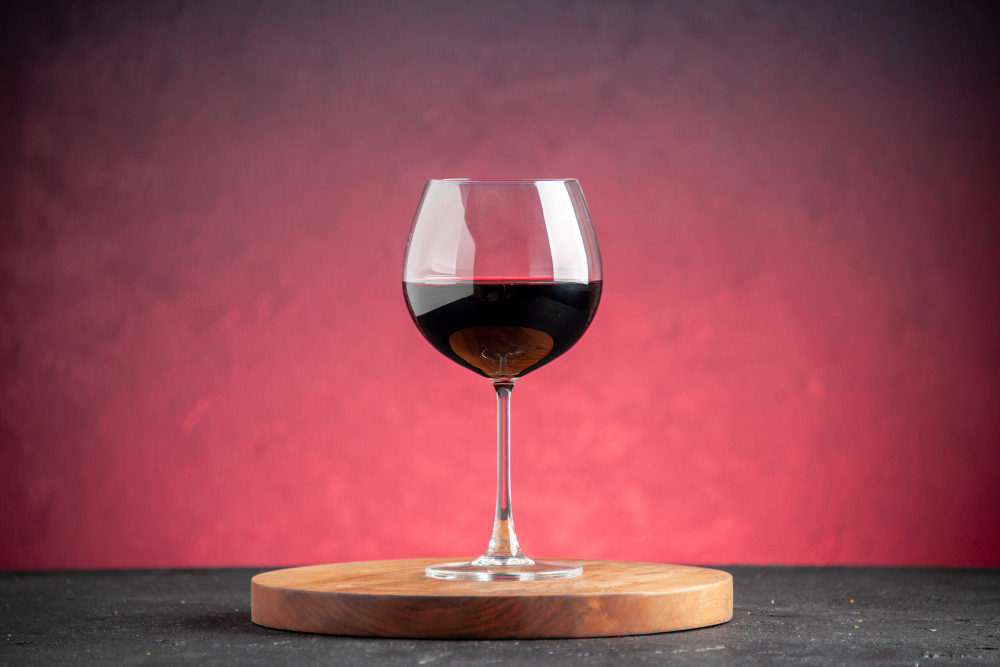
Clarity is the second one, and it is minor but real. A bowl held in a hand collects fingerprints and smears on the surface you are looking through, which matters for a drink whose appearance is part of how it is assessed. Held by the stem, the bowl stays clean.
The third is the one that actually explains the shape of the bowl. A stem lets the glass be swirled easily – the bowl describes a small circle while the hand barely moves – and swirling increases the surface area of liquid in contact with air inside the glass, which releases more aroma into the space above it.
That is why wine glasses have a bowl that curves inward at the top. The inward curve traps the released aroma in a volume above the liquid rather than letting it disperse, and concentrates it where your nose will be.
So the glass is a small piece of equipment for getting a liquid’s volatile compounds into your nose, and the stem is the handle that lets you operate it without putting a warm hand on the working part.
The Size of the Bowl and the Size of the Pour Are Not the Same
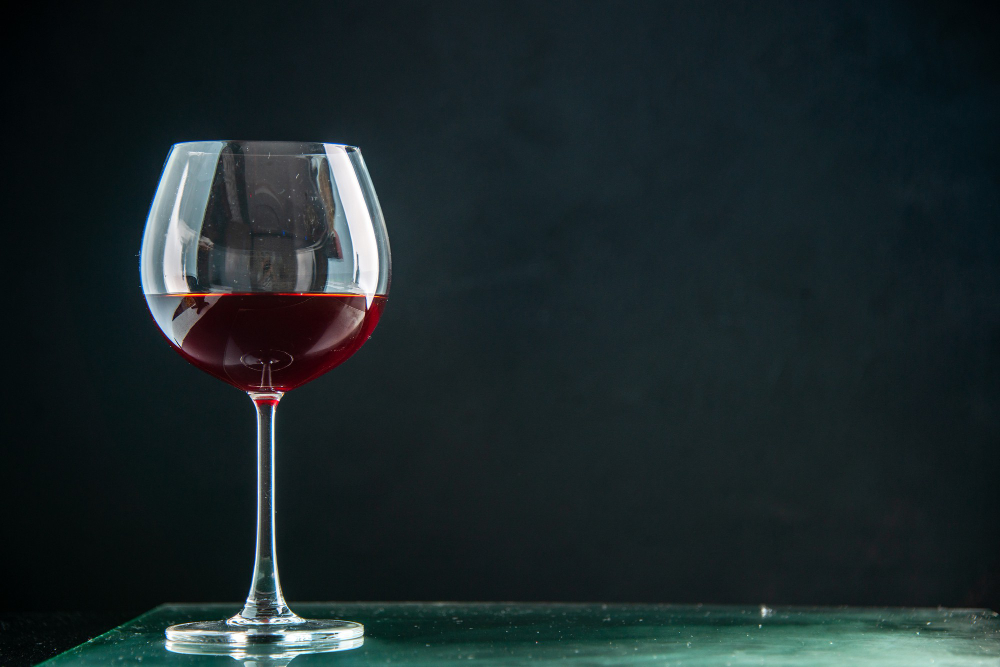
One practical consequence of all this that catches people out: a larger glass is not an invitation to pour more into it, and the design assumes it will not be.
The aroma mechanism depends on there being a substantial volume of air above the liquid for the released vapour to occupy. Fill the bowl and that headspace disappears, the swirling becomes impossible without spilling, and the glass is reduced to a container.
So a large bowl filled to a third is working as designed, and the same bowl filled to the brim is a worse glass than a small one properly filled.
This is the source of the widespread impression that restaurant measures are mean. A correctly served glass looks underfilled relative to its size, because the glass was chosen for the air in it rather than for the liquid, and the two are easily confused by anybody who has not thought about what the empty part is doing.
Whether any individual establishment is being generous or not is a separate question entirely, and the glass alone will not tell you – which is exactly why the practice of serving in a large bowl is convenient for both the honest and the otherwise.
Then Why Do Tumblers Exist
Because the stem has real costs, and for a great many drinks the costs win.
A stemmed glass is fragile at exactly the point where it is weakest, stores badly, is difficult to wash, falls over easily because the base is small relative to the height, and cannot be put in a dishwasher with any confidence.
A tumbler is stable, stackable, hard to break, washes easily and does not snap. For water, spirits with ice, soft drinks and anything where temperature is maintained by the ice in it rather than by how you hold it, those advantages dominate completely.
There is also a substantial tradition of drinking wine from tumblers in places where wine is an everyday drink rather than an occasion, which is worth mentioning because the stem-versus-tumbler question is frequently framed as correct versus incorrect and is actually a trade-off that different drinking cultures resolve differently.
The stemless wine glass is the attempt to have both – the bowl shape, the inward curve, no stem to snap – and it works perfectly well on every measure except the one the stem existed for.
Glass Thickness Matters More Than Most People Expect
A detail that gets less attention than the shape: the thickness of the rim.
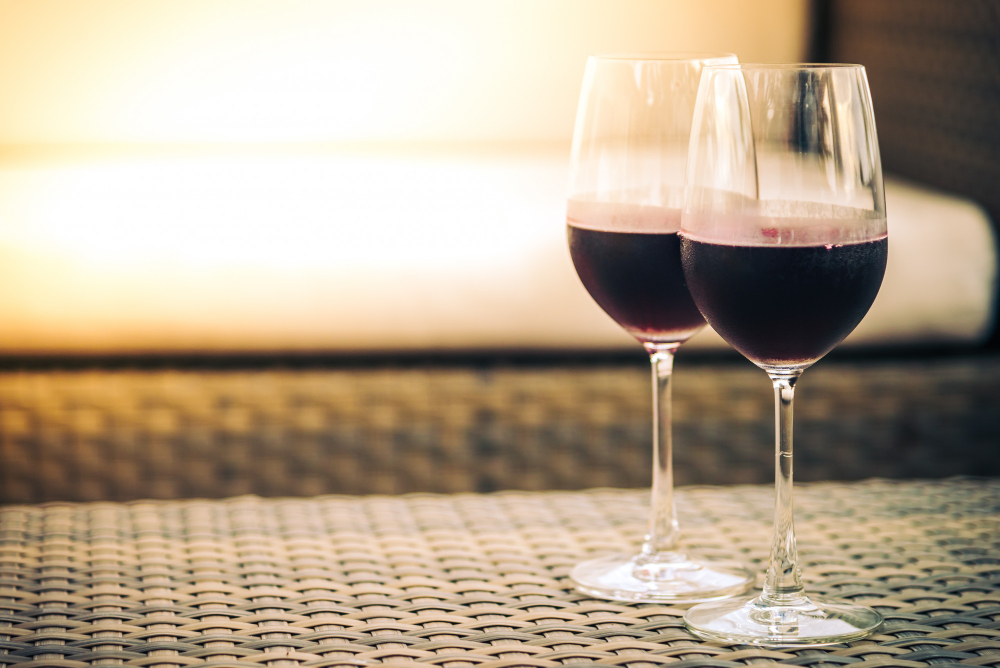
A thin rim delivers the liquid to your mouth with very little in the way, and a thick rolled rim puts a band of glass between you and the drink and directs the flow differently. People consistently report that the same wine tastes better from a thinner glass, and the mechanism is probably a combination of how the liquid arrives and the simple fact that thin glass feels like a better object.
How much of that is the liquid and how much is expectation is genuinely unresolved, and the honest position is that the two cannot easily be separated in any test where the drinker can feel the glass.
What is not in dispute is that thin rims are more expensive to make, more fragile, and preferred by essentially everybody who tries both – which is the usual shape of an argument about whether a difference is real or imagined, and a reasonable reason to stop worrying about which it is.
The Base Is a Structural Problem Nobody Solves Well
The weakness everybody has experienced is worth explaining, because it is not poor manufacturing.
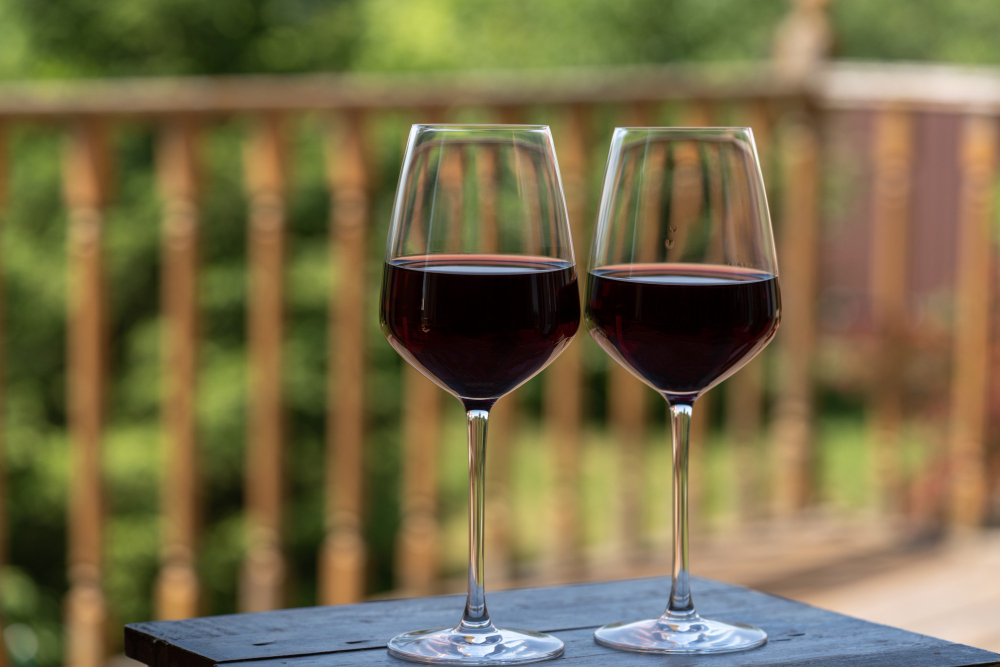
A stemmed glass is a heavy bowl on a thin column on a flat foot, which is a structure under bending load the moment it is pushed sideways. The stress concentrates at the two junctions – where the stem meets the bowl and where it meets the foot – and those are exactly the points where glasses break.
Making the stem thicker solves it and spoils the object, because the whole visual point of a stem is that it is slender. Making the foot wider improves stability and makes the glass awkward on a crowded table.
The junction at the bowl is also where manufacturing matters most. A glass blown or pressed in one piece has a continuous transition there with no join. One made by attaching a separate stem to a separate bowl has a join at the point of maximum stress, and that is where it will fail.
You can frequently see which you have by looking for a faint line or a slight thickening at the base of the bowl. A one-piece glass costs more, survives longer, and is the thing people are actually buying when they buy a better glass – rather than, as is usually assumed, a particular shape.
The Shape Industry Is Where This Stops Being Science
Glasses sold as specific to individual grape varieties, with distinct bowl shapes claimed to direct the wine to particular parts of the tongue, are the point at which the argument leaves solid ground.
The tongue map – the idea that different regions detect different basic tastes – was a misreading of earlier research and has been understood as wrong for a long time. All taste regions detect all basic tastes, so a claim built on directing liquid to a particular part of the tongue has no mechanism behind it.
Bowl shape does genuinely affect aroma, by changing the surface area of liquid, the volume above it and how the vapour is concentrated at the rim, and that is a real and measurable effect.
So the position is: shape matters, the explanation usually given for why it matters is wrong, and the claimed precision – a different glass per variety – is far beyond what the evidence supports.
A decent thin-rimmed glass with an inward curve and a stem, in a size appropriate to how much you pour, does essentially everything that can be done. The rest is a catalogue.
Hold the next one by the stem and see whether the last mouthful is as cold as the first.
That is the entire argument, and it takes one glass to settle.
Everything else in this subject – the shapes, the varieties, the price of the glass – is contested, confounded by expectation, or marketing. The temperature is not. It is a physical fact about a warm hand on a cold object, it operates whether anybody believes in it or not, and it is the one thing the stem was unambiguously for.
Like our content? Follow us for more.
