The Room Was Unlike Any Other Room in the School
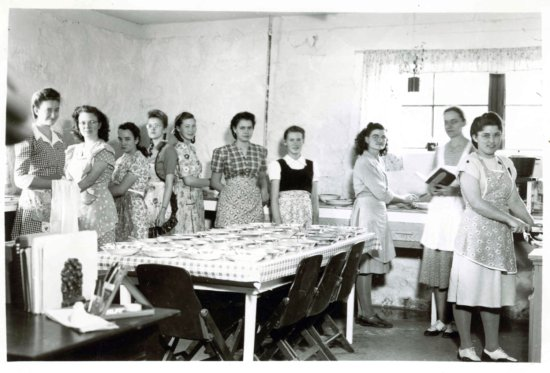
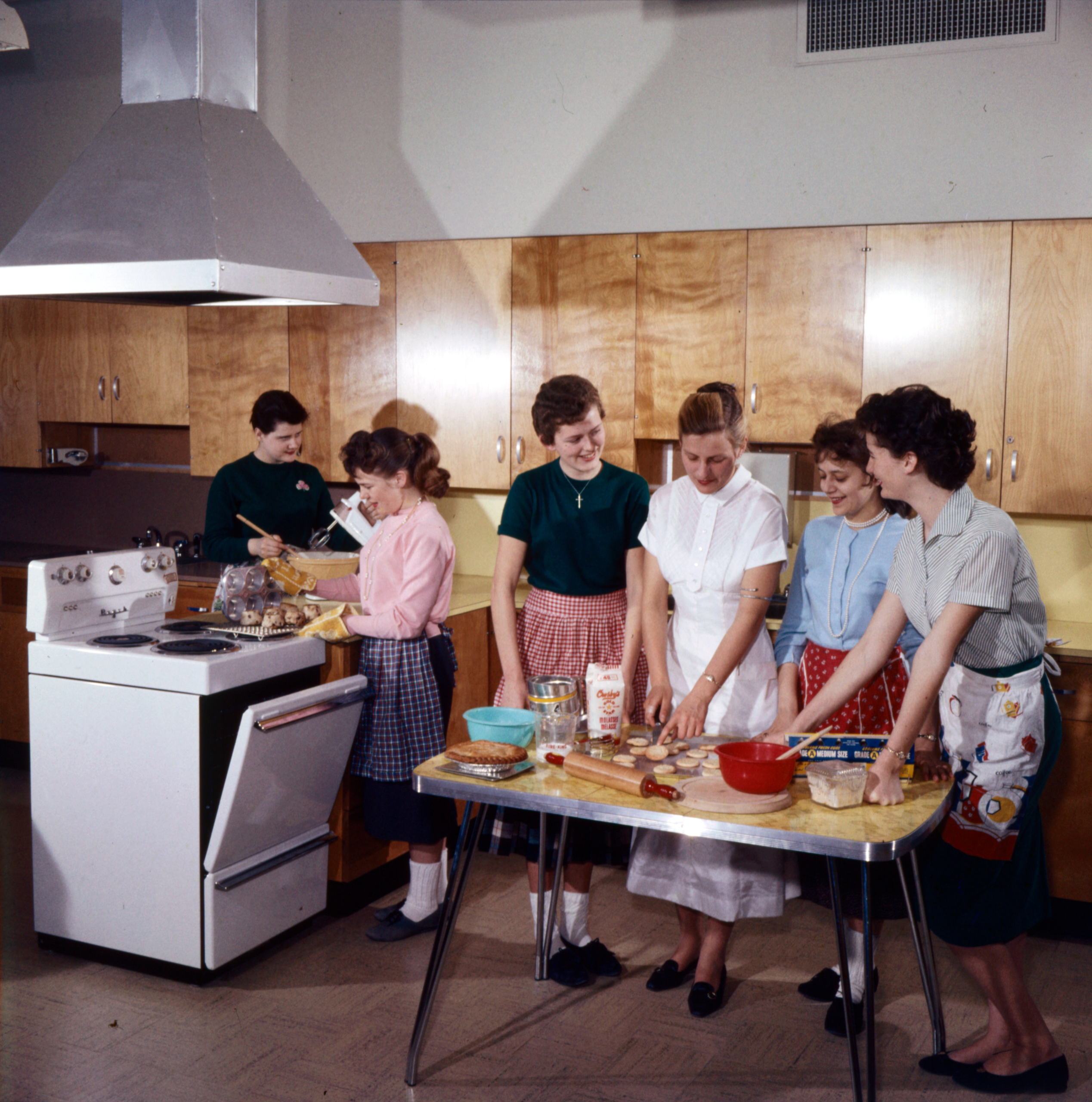
Home economics had its own space and it did not look like a classroom. It looked like a cross between a kitchen and a factory: a row of ranges along one wall, each with a sink and a counter, deep drawers of utensils, a pantry cupboard, and on the other side of the room a line of sewing machines on fixed tables with a cutting bench down the middle.
There was an ironing board. There were pattern drawers. There was a full-length mirror somewhere, and a rail for the garments in progress.
And there was a teacher who, almost without exception, had trained specifically for this and took it seriously – which is worth saying, because the subject is usually remembered with a smirk and the people teaching it generally were not joking.
The equipment was real and so were the hazards. Gas ranges lit with a match, boiling water carried across a room of teenagers, knives, a hot iron, and sewing machines with an unguarded needle moving at speed. A school running that room today would have a risk assessment for every session in it.
Like our content? Follow us for more.
Which Room You Were Sent To Was Decided by Your Sex
The central fact about home economics in 1972 is the one that the nostalgia usually skips: it was not a choice.
Girls went to home economics. Boys went to shop class. The allocation was automatic, it was made for you, and in most schools it was not negotiable. A girl who wanted to use a lathe and a boy who wanted to learn to cook were both out of luck, and the few who pushed for an exception are remembered precisely because it was so unusual.
This was not an oversight. It reflected an explicit view about what boys and girls were being prepared for, and the curriculum was built on that view: the girls were being trained to run a household, and the boys to work with their hands and earn.
It is worth being plain about the cost of that, because it fell on both sides. A generation of women was given a thorough grounding in domestic work whether they wanted it or not, while a generation of men left school unable to sew a button, cook a meal or read a care label – and a great many of them have said since that they wished somebody had taught them.
The legal and cultural changes that followed over the next decade or so opened both rooms to everybody, which is the single biggest change to the subject and the reason it is no longer what it was.
What Was Actually Taught Was Not Trivial
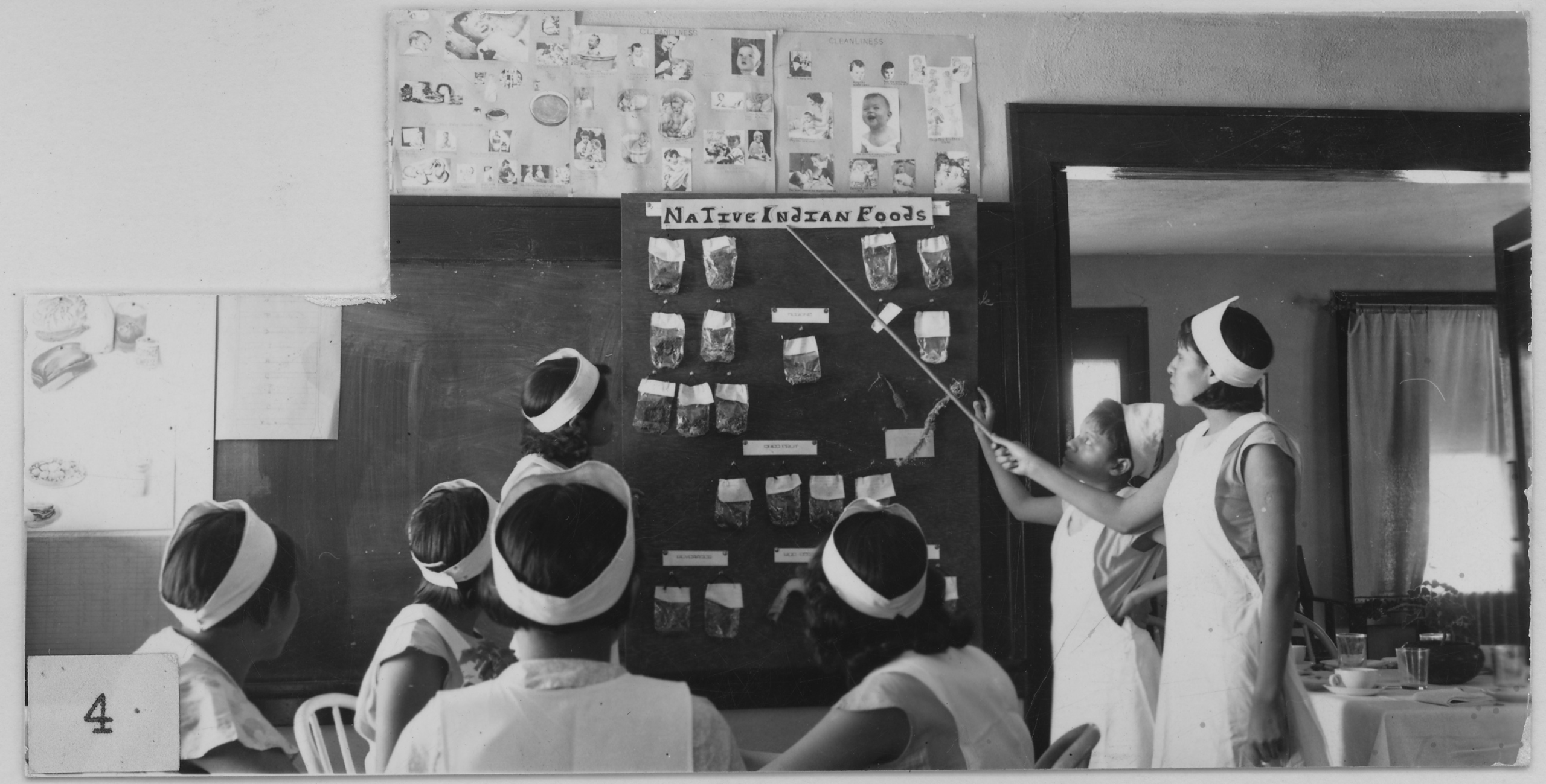
Strip out the assumptions behind it and the content was substantial, and a lot of it has no replacement anywhere in a modern school.
Cooking from raw ingredients to a method, with timing, costing and quantities. Not recipes to follow but technique: how to make a sauce thicken, why a cake rises, what happens to meat at different temperatures, how to judge when something is done without a timer.
Food safety as a discipline – what has to be refrigerated, how long things keep, why you do not put hot food straight into a cold store, cross-contamination between raw and cooked.
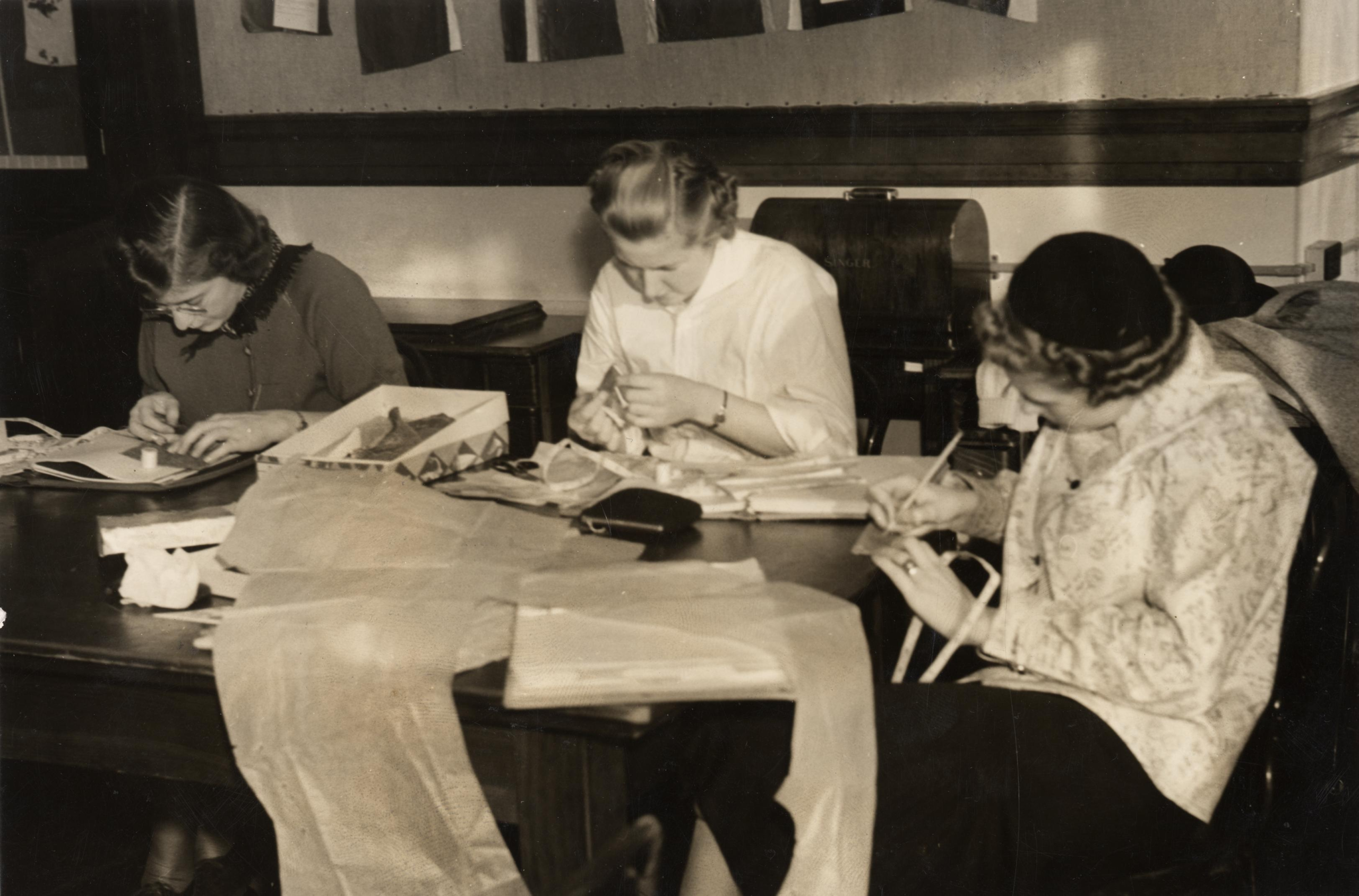
Sewing to a pattern. Reading a commercial pattern, laying it out on fabric with the grain running the right way, cutting, pinning, tacking, machining a seam, finishing an edge, setting in a sleeve, fitting and altering. Setting a sleeve in properly is genuinely difficult and a great many people who did it at fifteen can still do it.
Laundry: fibres, temperatures, what shrinks, what bleeds, what felts, how to get a specific stain out of a specific fabric.
And household budgeting, meal planning and the arithmetic of feeding a family on a fixed sum.
The Assessment Was a Garment and a Meal
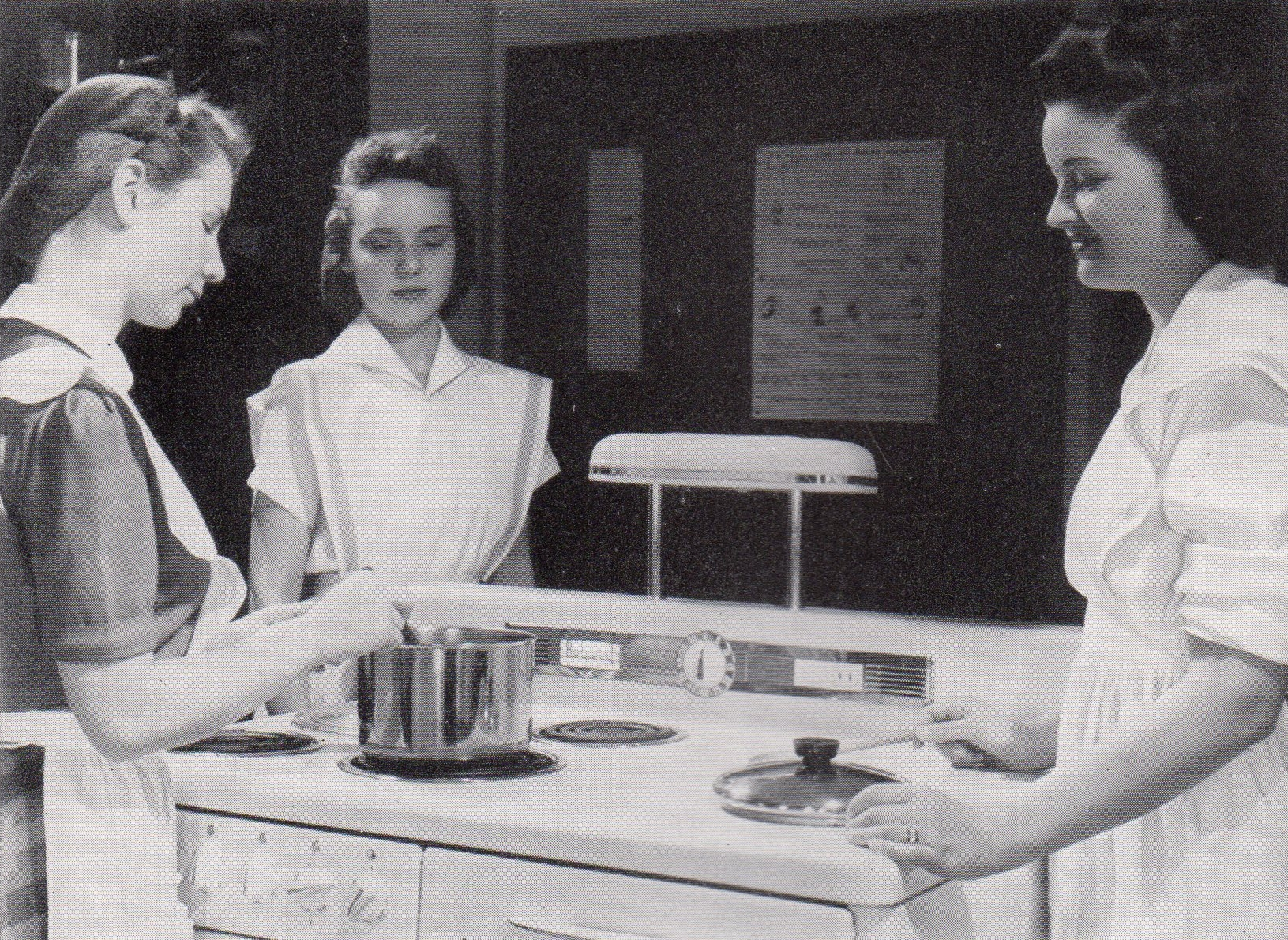
The subject was examined by making something, which made it unlike almost everything else in the timetable.
The sewing project ran for weeks or a term – an apron, a skirt, a simple dress – and it was marked on the finished object: the straightness of the seams, the evenness of the hem, whether the zip lay flat, whether the thing actually fitted.
The cookery assessment meant producing a meal to a plan within a time limit, frequently with a written costing and method submitted alongside. Several dishes, timed to come together, in a single period, on a range you shared.
Both are harder than they sound and both produced the same lesson, which is the real value of the subject: you cannot bluff a practical. An essay can be padded and an exam answer can be guessed at. A skirt either fits or it does not, and a sauce has either thickened or it has not, in front of a teacher, at a fixed time.
That is a specific kind of accountability, and it is almost entirely absent from modern academic schooling, where the practical subjects that remain are mostly optional.
Then It Was Renamed, Reduced and Mostly Dropped
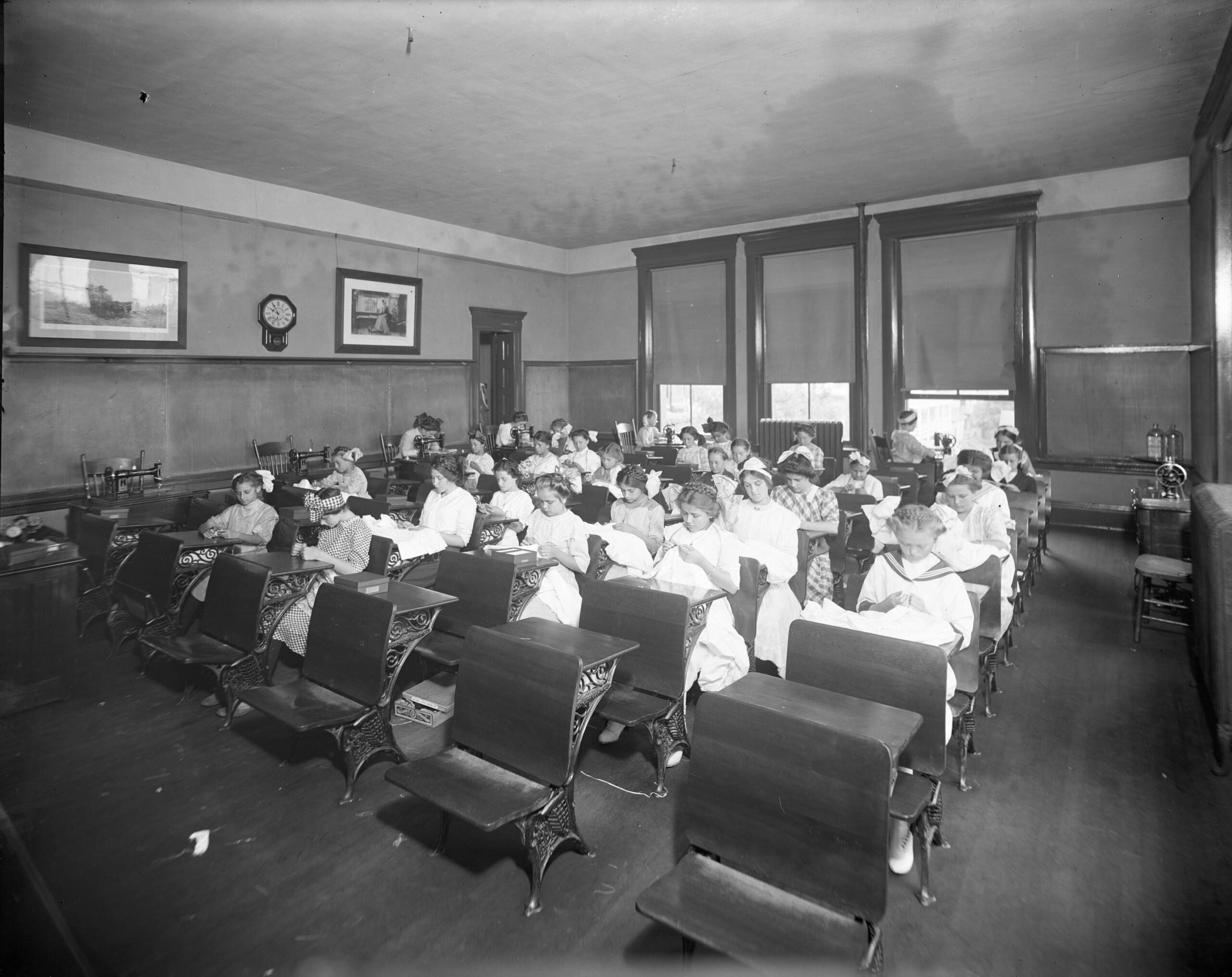
The subject did not survive in its old form, and it went in stages.
First the sex segregation ended, which was overdue and also destabilising: a subject built around preparing girls for domestic life had to be rewritten for everybody, and what it was now for became a live question rather than an obvious one.
Then it was renamed – family and consumer sciences, life skills, food technology, and various other formulations – and broadened to include nutrition, consumer awareness, child development and personal finance, which spread the same timetable allocation across far more ground.
Then the time went. As testing in core academic subjects became the measure by which schools were judged, anything not examined in that framework lost periods, then lost staff, then lost its specialist room – and a home economics room is expensive to maintain and impossible to use for anything else.
The result in a great many schools is that practical cooking and sewing instruction has gone entirely, or survives as a short unit or an elective taken by a minority. The equipment went with the rooms, and a kitchen classroom stripped out for a computer suite does not come back.
The Skills Did Not Stop Being Needed
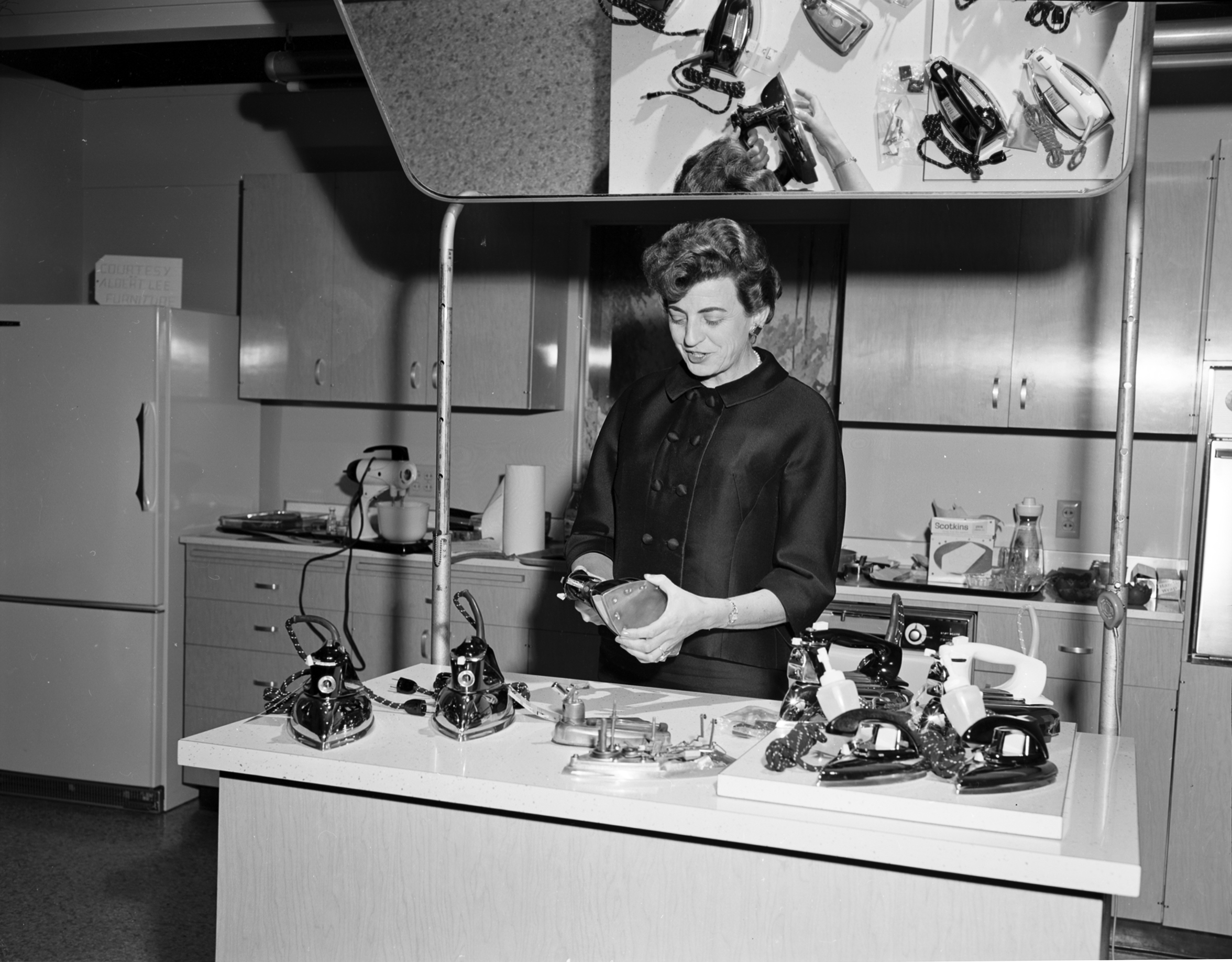
The awkward part of this story is that nothing replaced the content.
People still have to feed themselves, and the evidence on how much cooking from raw ingredients the average household now does is not encouraging. People still have clothes that need a hem taken up or a seam repaired, and most now either pay somebody or throw the garment away. People still have to manage a food budget.
There is an argument that none of this needs to be taught at school because it can be learned at home or looked up, and the second half of that is more true than it has ever been – there is a video for everything.
The counter-argument is the one the old subject answered without anybody noticing: a video shows you how something is done, and it does not stand over you while you do it badly, tell you why your seam puckered, or make you do it again. Practical skills transfer through supervised repetition with correction, and that is exactly what a timetabled double period with a trained teacher provided.
So the honest summary is that the subject was built on an assumption that was wrong and unfair, taught content that was genuinely useful, and was dismantled in a way that addressed the assumption and threw away the content. Those were two separable things, and they were not separated.
What People Remember Is the Object They Made
Ask anybody who took it and you will not get an account of the curriculum. You will get an object.
The apron. The skirt that was slightly too small by the time it was finished. The cushion cover. The gingerbread. The scones that did not rise. The thing that was carried home on the bus and presented to a parent and kept for twenty years in a drawer.
That is not a trivial detail. It is the reason the subject is remembered at all, and it is the clearest evidence of what it was actually doing: producing a physical result that a fifteen-year-old made themselves, from raw material, to a standard somebody else judged.
Very little else in a school timetable did that then and even less does now. Which is why the people who sat through it tend to defend it more warmly than its reputation would suggest – not because they wanted to be trained to keep a house, which most of them did not, but because for two periods a week somebody taught them to make a thing properly and would not accept it done badly.
And a surprising number of them can still set in a sleeve.
Like our content? Follow us for more.