It Was Something Done To You, Not Something You Chose
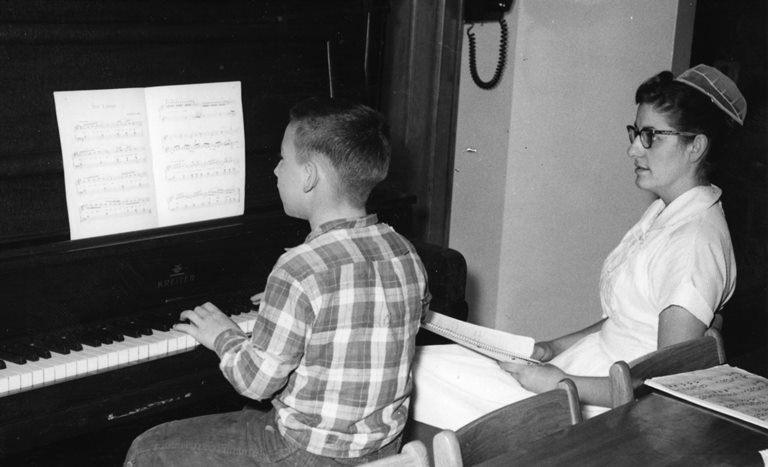
The piano lesson was not generally a child’s idea. It was a parent’s decision, frequently made before the child had expressed any interest in music at all, and it arrived as a fact of the week rather than as an opportunity.
Thursday after school. Half an hour. A house that smelled of other people, a front room kept for visitors, a teacher who may or may not have liked children, and a clock on the mantelpiece that you watched.
The practice was the real commitment. Twenty minutes or half an hour a day, usually enforced by a parent in the next room who could hear whether you were playing scales or improvising, and who would call through when you stopped. A great many people remember the practising far more vividly than the lessons, and not fondly.
What is striking in retrospect is how universal it was. In an enormous number of households, across a wide range of incomes, somebody was paying weekly for a child to learn an instrument that the child had not asked to learn and in most cases would abandon. That is a remarkable amount of collective effort, and it is worth asking what it was actually for.
Like our content? Follow us for more.
The Piano Was Already in the House, and That Explains a Lot
Part of the answer is simply that the instrument was there.
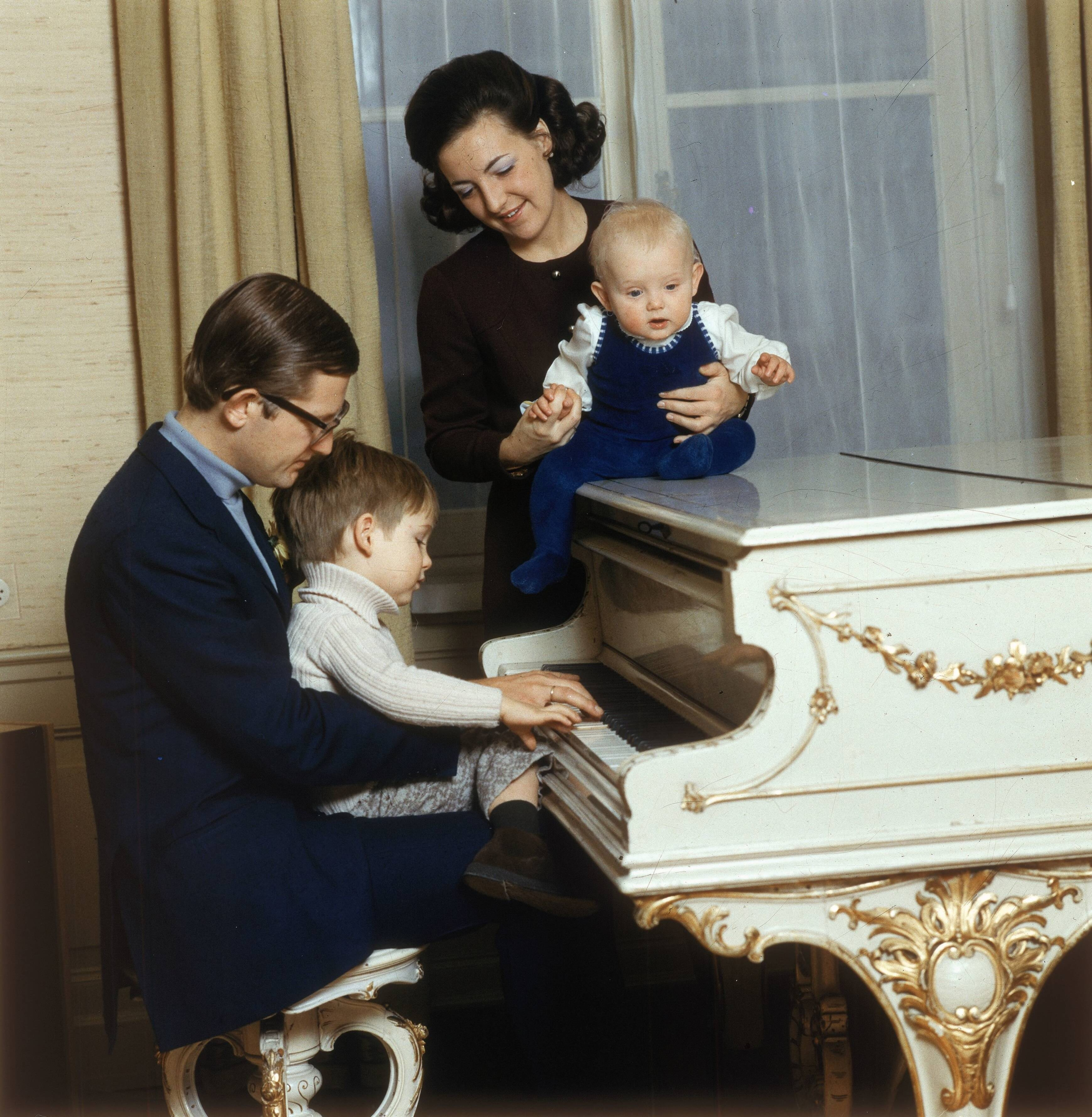
An upright piano was a standard item of furniture in a very large number of homes. It had frequently arrived a generation or two earlier, when a piano was the household’s source of music and the only way to hear a tune at home was for somebody present to play one. It had been bought on hire purchase, inherited, or acquired second-hand for very little.
By 1972 it was no longer needed for that. There was a radio, a record player and a television. Nobody had to play to produce music.
But the piano was still in the front room, taking up a wall, too heavy and too awkward to get rid of, representing real money that somebody had once spent. And a parent looking at it could reasonably conclude that the child might as well learn to use it.
So a substantial proportion of the piano lessons of the period were being driven by the presence of an obsolete appliance that was simply too big to throw away. Which is not a cynical reading. It is how a great many of these decisions actually got made.
The Exams Were the Structure and Also the Problem
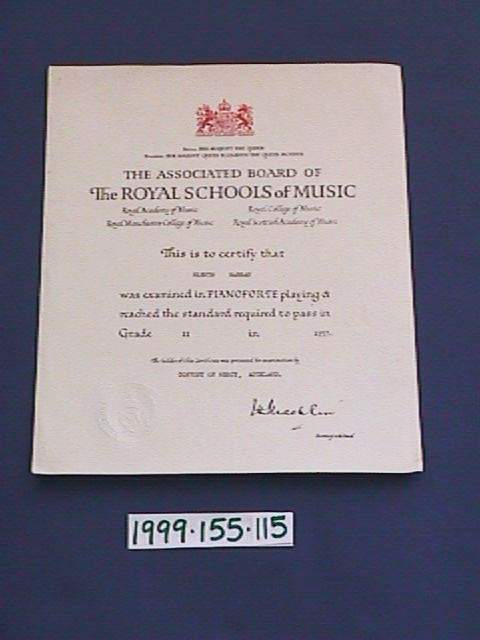
The lessons were organised around graded examinations, and that gave the whole thing a shape: a syllabus, a set of pieces, scales and arpeggios in specified keys, sight-reading, aural tests, and a certificate at the end.
The system worked, in the sense that it gave teachers a curriculum, parents a measure of progress and children a target. It also had two effects that are visible in the outcome.
The first is that it made the lessons about the next exam rather than about playing. A child spent months on three set pieces, passed, and then started three more. They could play those pieces and essentially nothing else, which meant that at any point in their musical education they had a repertoire of three things.
The second is that it supplied a natural place to stop. Having passed a grade, a child had completed something, and asking to give up after a pass was far easier to justify to a parent than giving up in the middle. An enormous number of musical educations ended within weeks of a certificate arriving.
The pieces themselves are the reason so many people of a certain age can still produce the opening eight bars of two or three specific tunes and nothing beyond that.
What the Teachers Were Actually Like
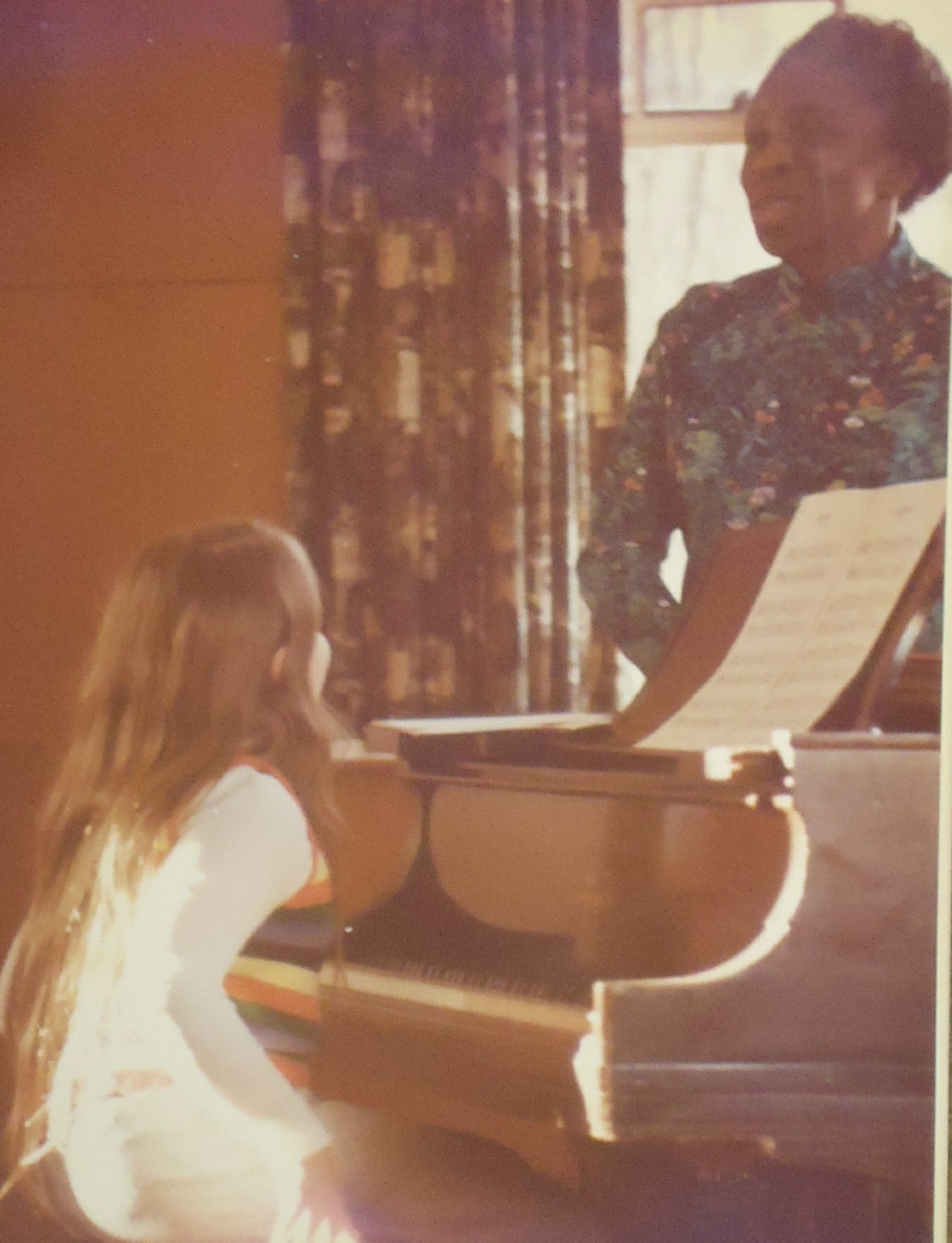
Piano teaching was one of the few professions a woman could practise from her own home while raising children, and the trade was overwhelmingly female and overwhelmingly self-employed.
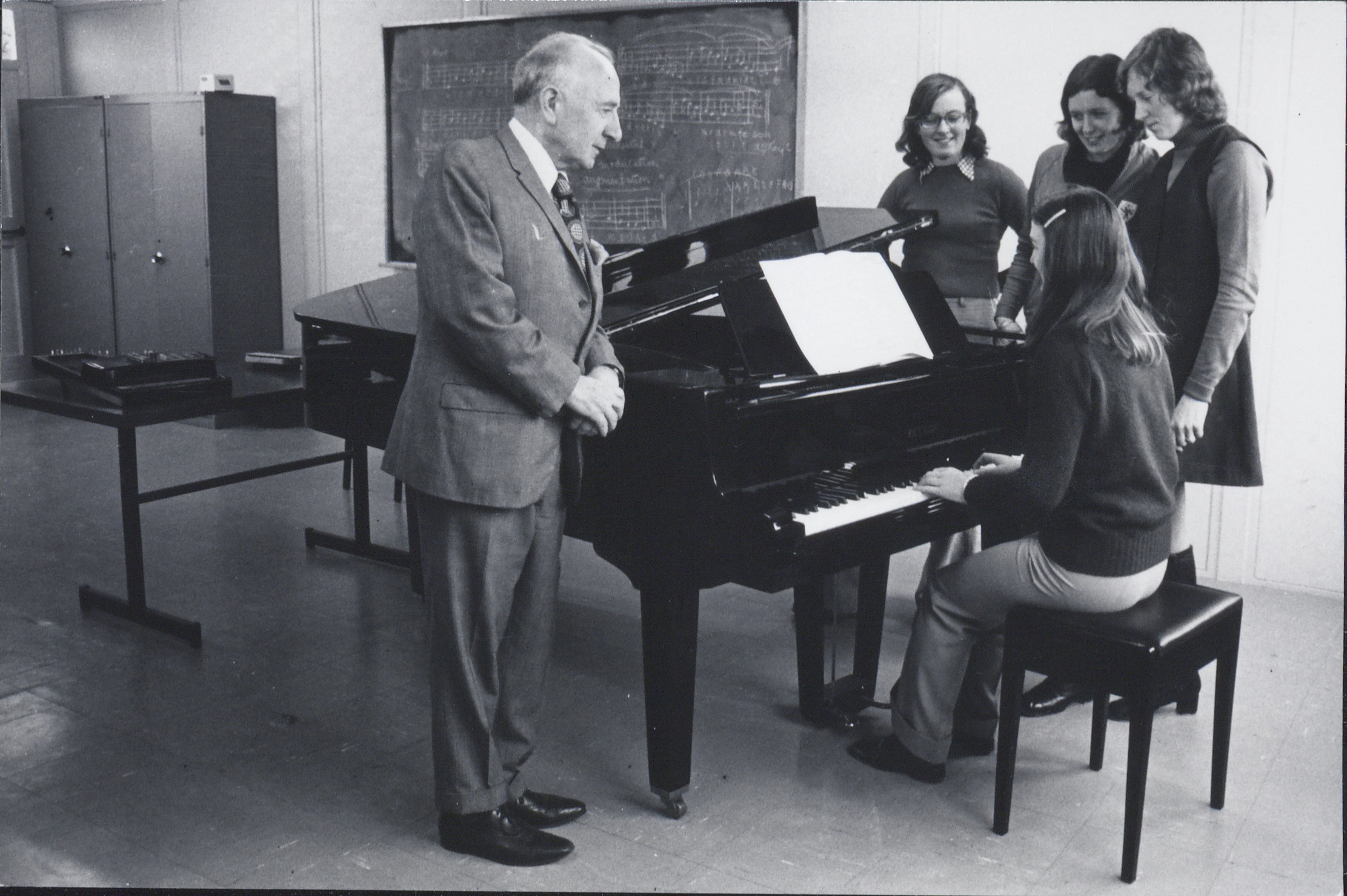
Some were conservatoire-trained musicians doing serious work in difficult circumstances. Some had a grade or two themselves and a front room. There was no registration, no required qualification and no inspection, so the range of competence was enormous and parents generally chose by word of mouth, proximity and price.
The teaching methods were correspondingly varied. The good ones taught musicianship – listening, timing, how a piece was put together, how to practise rather than merely repeat. The less good ones taught the set pieces by rote and corrected mistakes.
There is a specific memory a great many people share: being told to count aloud, having a hand placed on top of theirs to fix the shape, and being pulled up for watching their own fingers instead of the music. Those are genuine pedagogical techniques and they were applied with widely varying patience.
The pencil mark on the music, circling the bar you kept getting wrong, is the artefact everybody has in common.
Why Almost Everybody Stopped
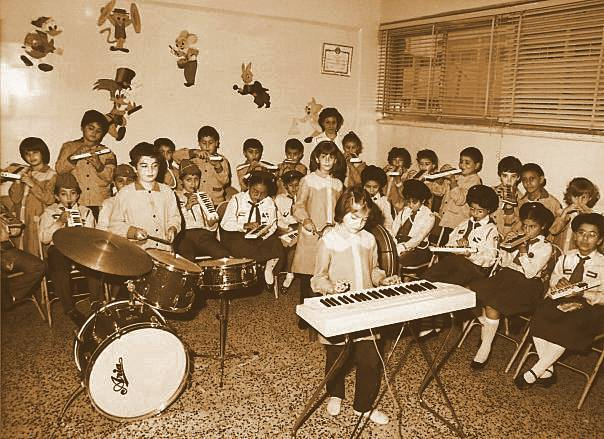
The attrition was extraordinary, and the reasons are fairly clear.
The instrument is unforgiving at the start. A violin sounds bad for a year; a piano sounds competent almost immediately and then demands a level of coordination – two hands doing different things, reading two staves at once – that takes a long time to acquire. The gap between the first easy progress and the point where you can play something you actually want to play is wide, and a great many children ran out of patience in it.
The repertoire did not help. The set pieces were chosen for teaching value rather than appeal, and a child who wanted to play the music they listened to was given a simplified arrangement of something they had never heard.
Secondary school arrived and took the time. Homework, sport, social life, a job – and the practice was the first thing to go.
And the social fact underneath all of it: by the 1970s being able to play was no longer useful. In 1920 a person who could play was the reason a room had music. By 1972 the record player did that, and the skill had become an accomplishment rather than a function.
So the lessons continued out of inherited conviction after the reason for them had gone, which is why the drop-out rate was what it was.
The Ones Who Kept It Nearly All Say the Same Thing
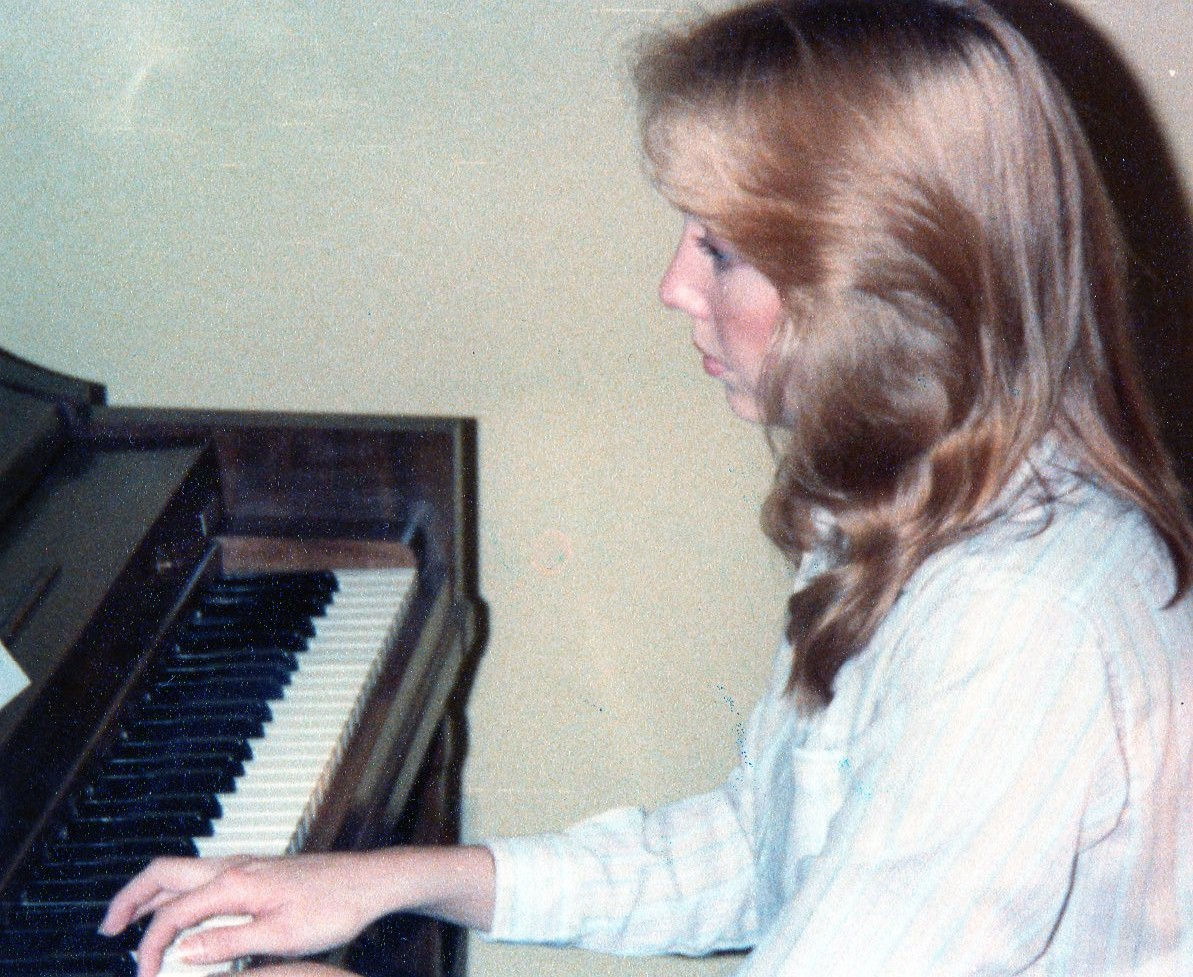
The minority who continued tend to describe the same turning point, and it is not an exam.
It is the moment they could play something for their own pleasure without working at it. Once a person can sit down and produce music they enjoy, the practice stops being a chore and becomes the reward, and almost everybody who got to that point stayed with it for life.
The difficulty is that the graded system does not reliably deliver that moment. It delivers competence at three pieces at a time, which is not the same thing, and a child can pass several grades without ever once playing for fun.
The teachers who produced lifelong players are remembered for doing something specific: letting the child learn music they actually liked alongside the syllabus, teaching chords and how to accompany a tune rather than only how to read a score, and treating the exams as a side effect rather than the purpose.
That distinction is still argued about in music education and the argument has not changed much. It is also the clearest practical lesson available from a generation’s worth of abandoned lessons: the children who kept playing were the ones who were taught to make music, and the ones who stopped were the ones who were taught to pass.
The Pianos Are Nearly All Gone Now
The epilogue is the instruments themselves.
An upright piano that was free furniture in 1972 is now a genuine problem. Second-hand pianos are close to unsaleable, because moving one costs real money, tuning and regulating an old instrument can cost more than its value, and nobody has the wall space. Specialist disposal is a service that exists because the alternative is a piano nobody will take.
So the instrument that sat in the front room of a very large number of houses – that got the children into lessons, held the photographs on its top and was never quite in tune after about 1968 – has mostly been broken up.
What survives is the residue in the people. A generation that can read music slowly, knows what a key signature is, can find middle C without thinking, and can play the first page of two pieces they learned for an exam in about 1974.
That is not nothing. It is a real if modest musical literacy, held by a very large number of people who would say without hesitation that they cannot play the piano – and who are, in a limited but genuine sense, wrong about that.
Like our content? Follow us for more.