

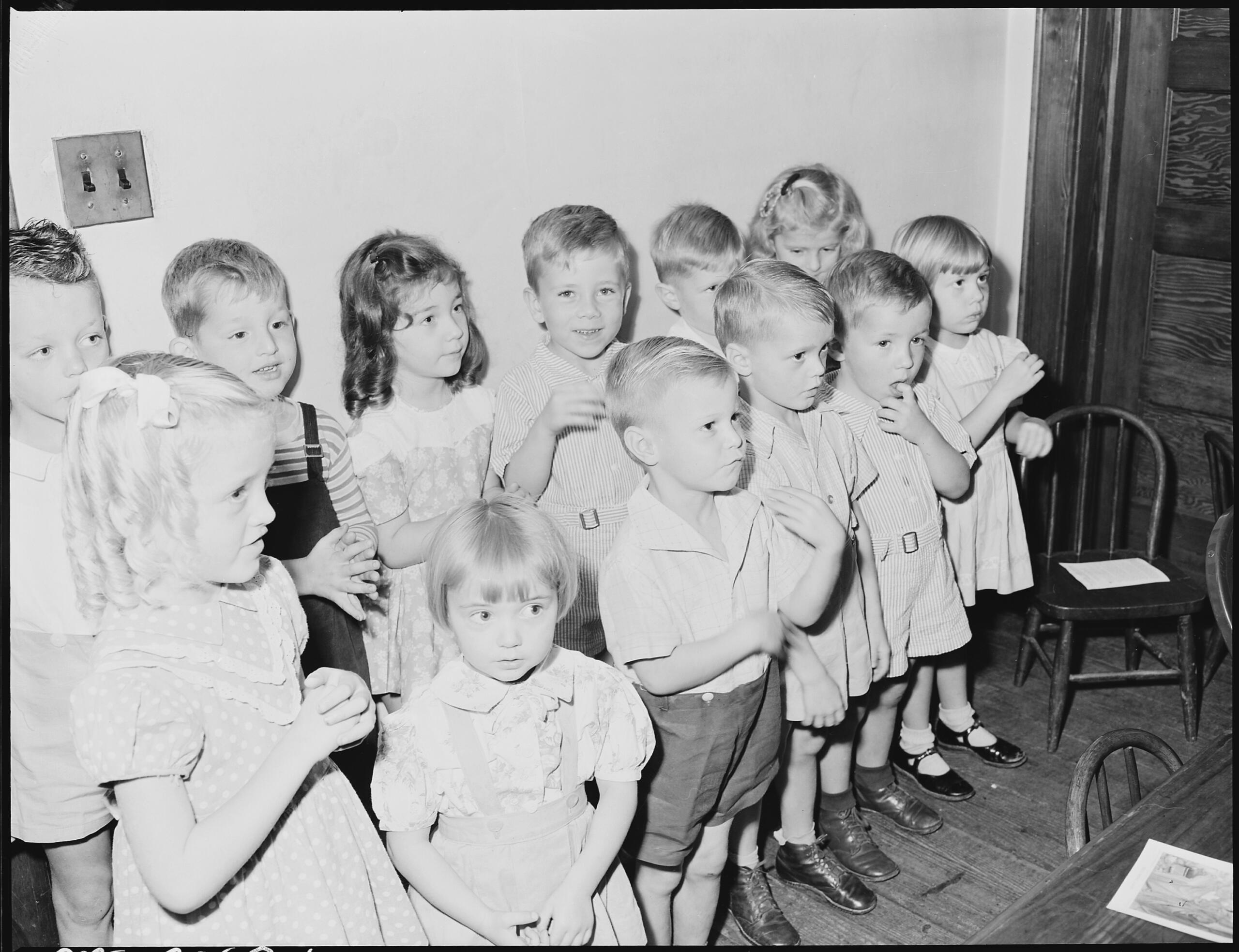
You Went Whether Anybody Else Did or Not
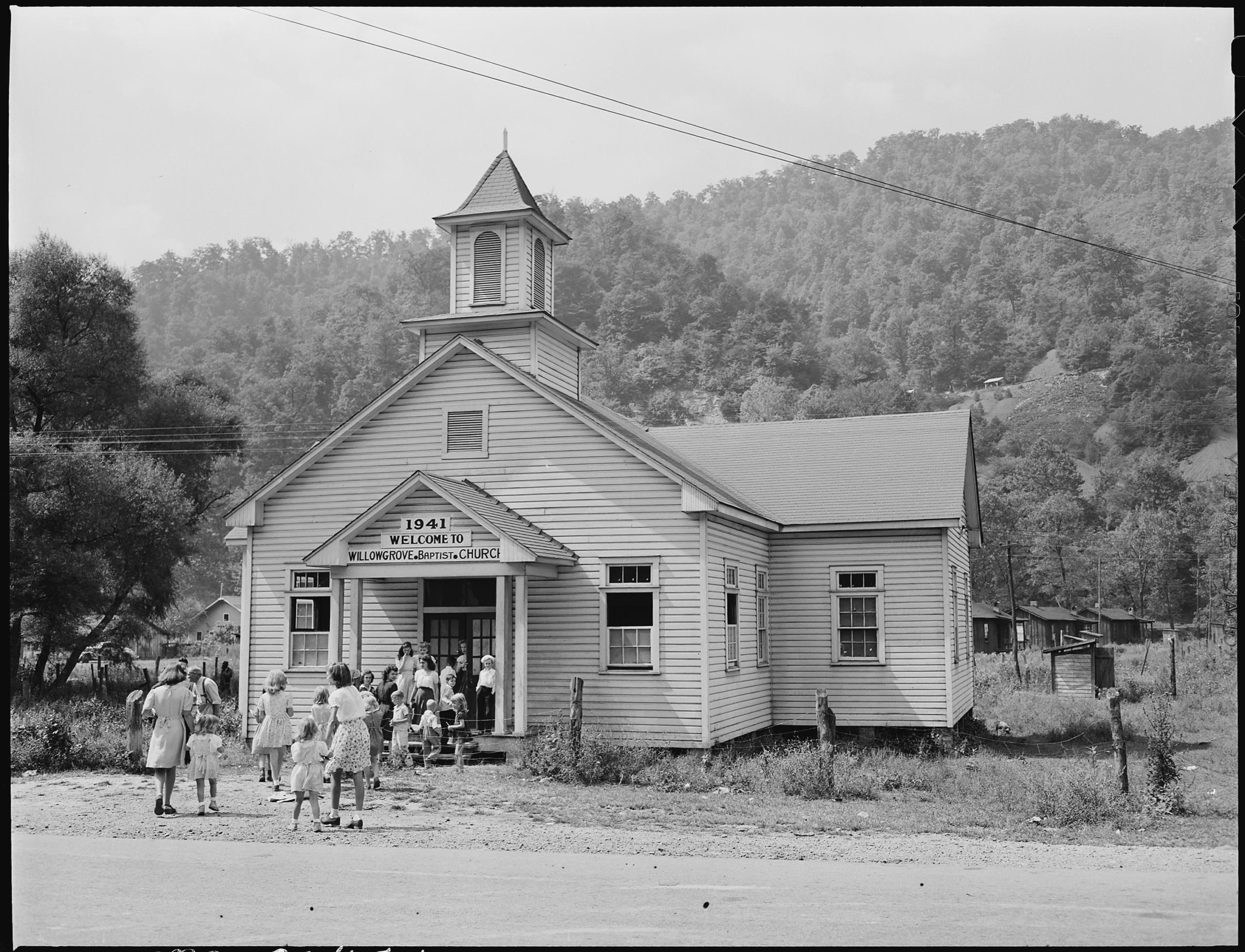
The detail that surprises people now is how many children attended without their families.
A great many parents who did not go to church themselves, and in some cases had not been for years, nonetheless got their children up, dressed and delivered to a church hall on a Sunday morning. The children went alone or with siblings and cousins, walked there, and came home at lunchtime.
The reasons were mixed and mostly unstated. Some of it was conviction, or residual conviction. Some of it was respectability – it was what families did, and not doing it was noticeable. Some of it was straightforwardly that it was free, supervised, lasted two hours and happened on a morning when there was nothing else for children to do.
And some of it was a kind of hedging: a parent who was no longer sure what they believed could still feel that a child ought to be given the material and left to decide later.
That mixture is why attendance held up for so long after church attendance itself had started to fall. The two were measuring different things.
Like our content? Follow us for more.
It Was Held in the Hall, Not the Church
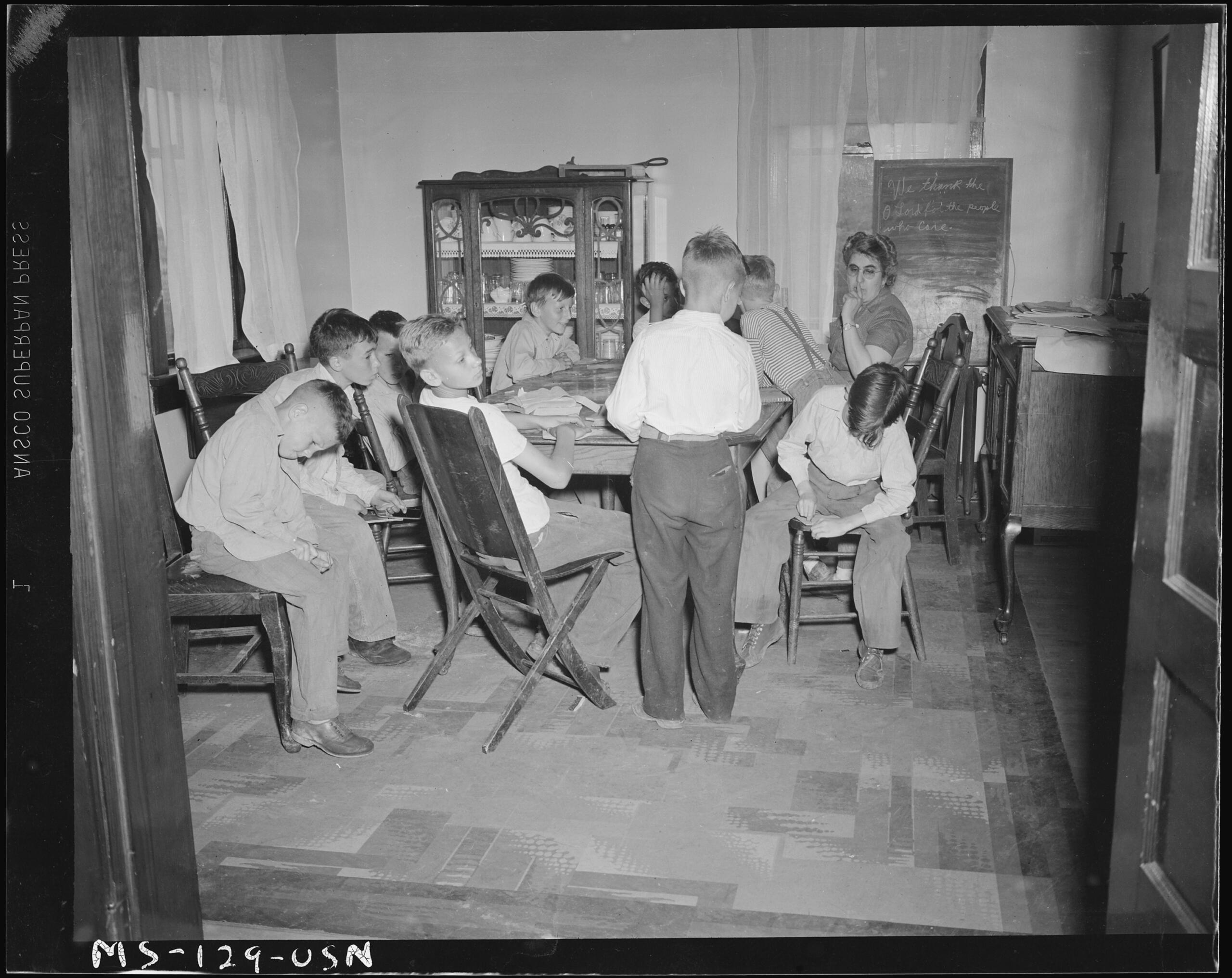
Sunday school was almost never in the church proper. It was in the hall, the schoolroom, the vestry or a partitioned space behind the main building, and the setting is a large part of what people remember.
Folding wooden chairs. Trestle tables. A piano against one wall and a hatch through to a kitchen. A pervasive smell of floor polish, old hymn books and whatever had been cooked in that kitchen during the week. A noticeboard with a rota on it. Heating that was either absent or ferocious.
Children were divided by age into classes that met in corners of the same room or in curtained-off sections, which meant you could hear the other classes throughout, and the younger ones were always louder.
The hall was also used for everything else the congregation did – the social, the bring-and-buy, the women’s meeting, the youth group, the polling station – so the room carried the marks of all of it, and the chairs were stacked differently depending on who had used it last.
The Teachers Were Volunteers and That Explains Everything
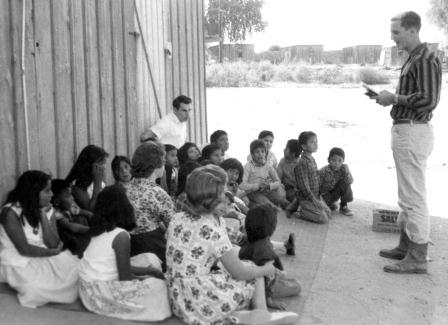
Nobody was paid. The teaching was done by members of the congregation who had volunteered or been recruited, with no required training and no qualification, which produced an enormous range.
The best were extremely good: patient with children, genuinely interested in them, and able to tell a story to a room of eight-year-olds and hold it. Several generations of people can still name theirs.
Others were simply the person who had agreed to do it. They read from a prepared booklet, handed out the worksheet and got through the hour, and the children knew the difference immediately.
The recruitment pressure was constant and is one of the reasons the institution was fragile. A Sunday school needs a teacher for every age band, every week, indefinitely, from a congregation that was itself shrinking. The rota on the noticeboard was frequently a record of the same four names, and when one of them moved away or became ill the class merged with another one and then quietly stopped.
The Method Was Stories, Workbooks and Gold Stars
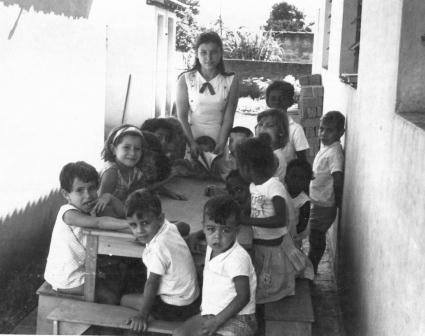
The teaching material was standardised, bought in as printed schemes, and it followed a predictable pattern.
A story, told or read aloud. A worksheet with something to colour, a gap to fill or a picture to match. A verse to learn, sometimes for a prize. A craft activity involving sugar paper, blunt scissors and paste that came in a pot and smelled of almonds.
And an attendance record. Almost every Sunday school ran one: a card, a chart on the wall, or a book in which a star or a stamp was entered each week, with a prize at the end of a term or a year for full attendance.
That attendance system is the part people remember most clearly and it was doing real work. A child who had nine stars in a row did not want to break the run, and the prize – usually a book, sometimes with a bookplate glued inside recording the year – became a physical object in the house for decades afterwards.
A surprising number of people still have theirs, and the bookplate is frequently the only surviving record that any of this happened.
The Anniversary and the Outing Were the Two Fixed Points of the Year
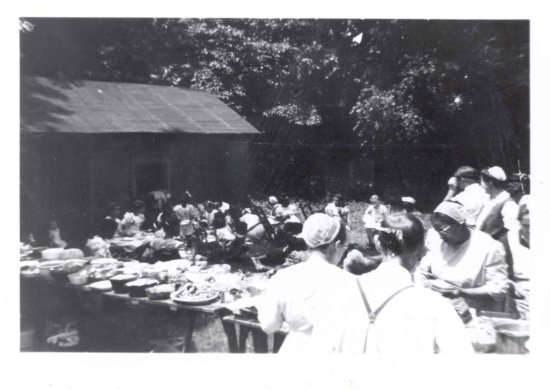
Two events structured the calendar and both were much bigger than the weekly class.
The anniversary – a Sunday when the children performed for the congregation, reciting, singing, sometimes in new clothes bought for it, with parents attending who were otherwise never seen in the building. It was rehearsed for weeks, it was nerve-racking, and for a lot of children it was the first time they had stood up in front of a crowd of adults.
And the outing. A coach, booked and filled, taking the whole Sunday school to the coast or to a park or a zoo for the day, subsidised or free, with a packed lunch and a numbered seat and a head count at every stop.
For a meaningful number of children in a meaningful number of households, that coach trip was the only time they left their own town in a year. It was organised by volunteers, paid for out of collections and fundraising, and it is remembered with a warmth that has very little to do with religion.
Both events are the clearest illustration of what the institution actually provided, which was less doctrine than structure, occasion and a day out.
The Clothes Were a Rule and Everybody Knew It
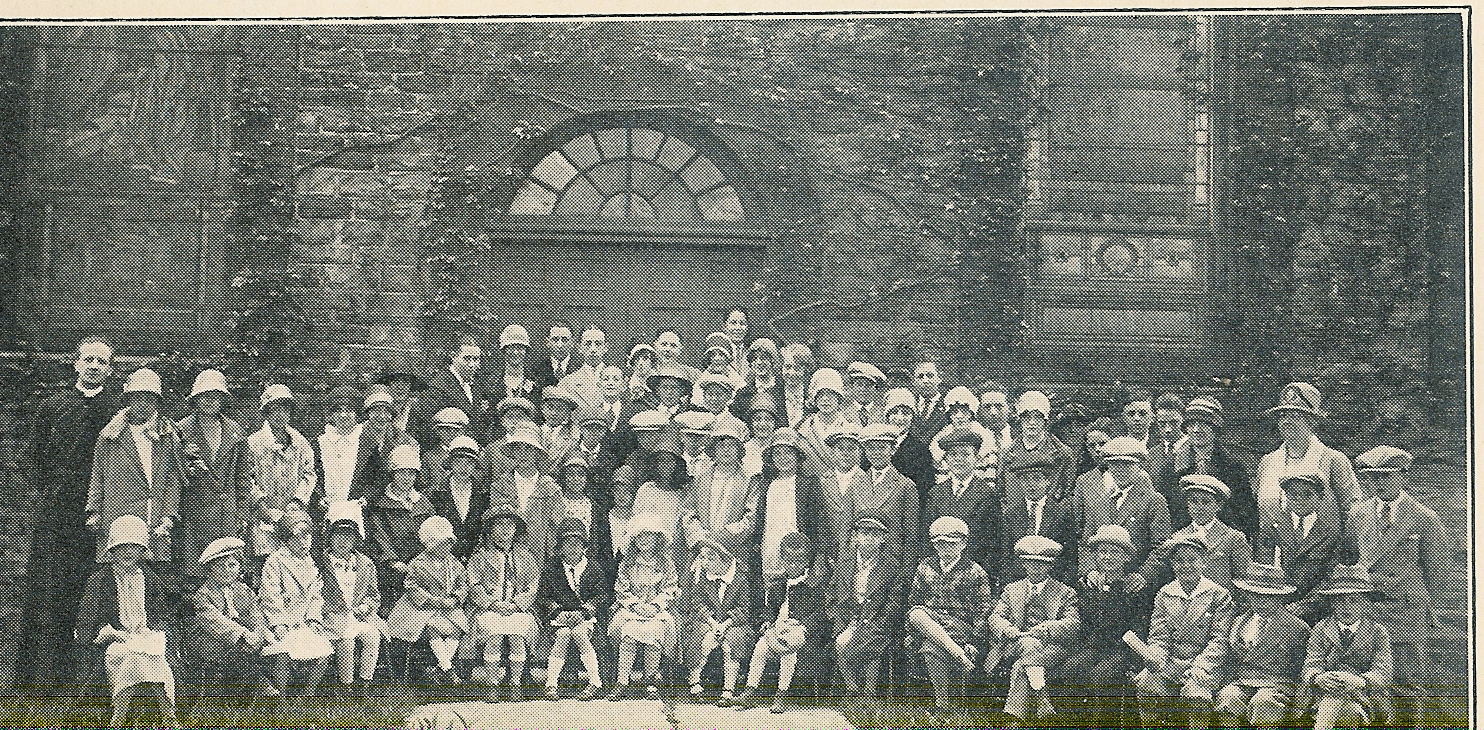
Sunday school came with a dress code that nobody wrote down and nobody broke.
You wore your good clothes. Not school uniform, not play clothes – the specific set kept for church, weddings, funerals and visiting relatives, which in a great many households meant one outfit per child, bought slightly too big and worn until it was slightly too small.
For boys that generally meant a jacket, a shirt with a collar, long trousers whatever the weather, and polished shoes. For girls a dress or a skirt, a cardigan, and shoes that were not suitable for running in. Hats appeared in some congregations and not in others, and the rule about them was understood rather than stated.
The clothes were part of the instruction, in a way the organisers would probably not have articulated. Being made to dress differently for an occasion teaches a child that the occasion is different, and the physical discomfort – the stiff collar, the shoes, the inability to run – was doing some of the work of making the morning feel distinct from every other morning of the week.
It also produced a specific and widely shared memory: being changed out of those clothes the moment you got home, and the relief of it.
Then It Went, Faster Than Church Attendance Did
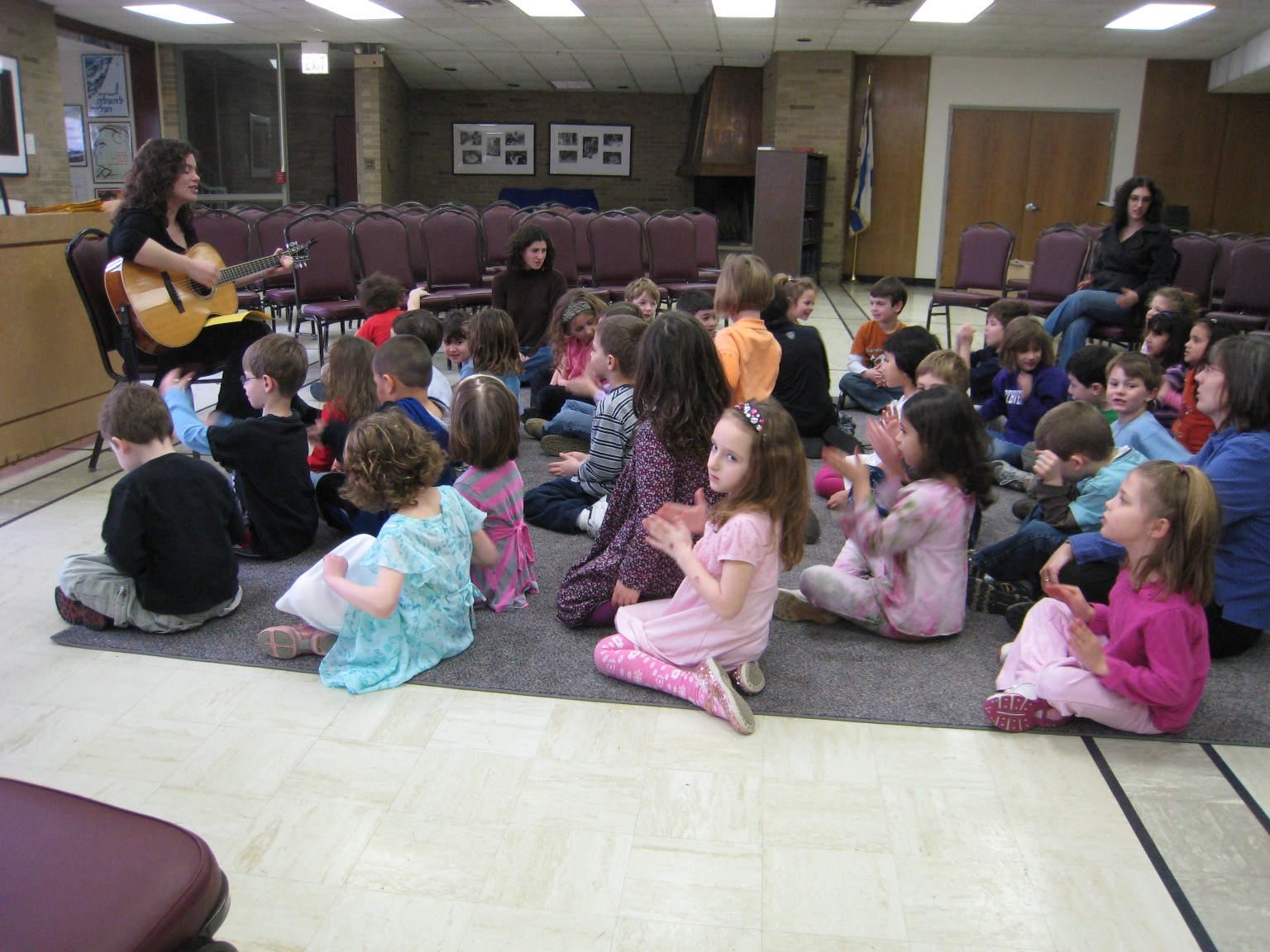
Sunday school declined earlier and more steeply than adult churchgoing, and several things happened at once.
Sunday itself changed. Shops opened, organised youth sport moved into Sunday mornings, and families with two working parents found that the one free morning of the week was needed for other things. A fixture that depended on Sunday morning being empty lost its slot.
The volunteer base shrank and aged. Congregations were getting smaller and older, and the people who had staffed the rota were no longer there to replace.
Safeguarding requirements arrived – properly and necessarily – and with them checks, training, ratios and record-keeping that a small volunteer operation could not easily absorb. A great many tiny Sunday schools closed rather than comply, not out of objection but out of simple incapacity.
And the hedging stopped working. Parents who were sending children to get the material and decide for themselves increasingly did not feel the material needed to be supplied at all, and the social cost of not sending them had disappeared.
What exists now is different in kind: smaller, integrated into the main service, properly safeguarded, attended by the children of committed families rather than by the neighbourhood.
What It Left Behind in People Who Stopped Believing
The most interesting legacy is in the people who did not keep the religion.
An enormous number of adults who would describe themselves as having no faith at all nonetheless carry a specific body of material from those mornings: a set of stories known in detail, a handful of verses that surface unbidden, several hymns they can sing the whole of, and a rough map of a book they have not opened in forty years.
That matters more than it sounds, because a great deal of literature, art, music and ordinary idiom assumes exactly that material. People who went to Sunday school can follow a reference without noticing they are following it. People who did not frequently cannot, and the gap is invisible to both sides.
It also left a set of habits that outlasted the belief – the instinct to be quiet in a certain kind of building, a reflex about what you do and do not say, a sense of what a community hall is for.
None of that was the stated purpose. The stated purpose was religious instruction, and by that measure the institution largely failed, since most of the children it taught did not continue.
By the unstated measures – occasion, structure, a verse you cannot forget, a book with a bookplate in it, and a coach to the sea once a year – it did a great deal more than it was given credit for.
Like our content? Follow us for more.
