The Roll Was a Fixed Budget and Everybody Counted
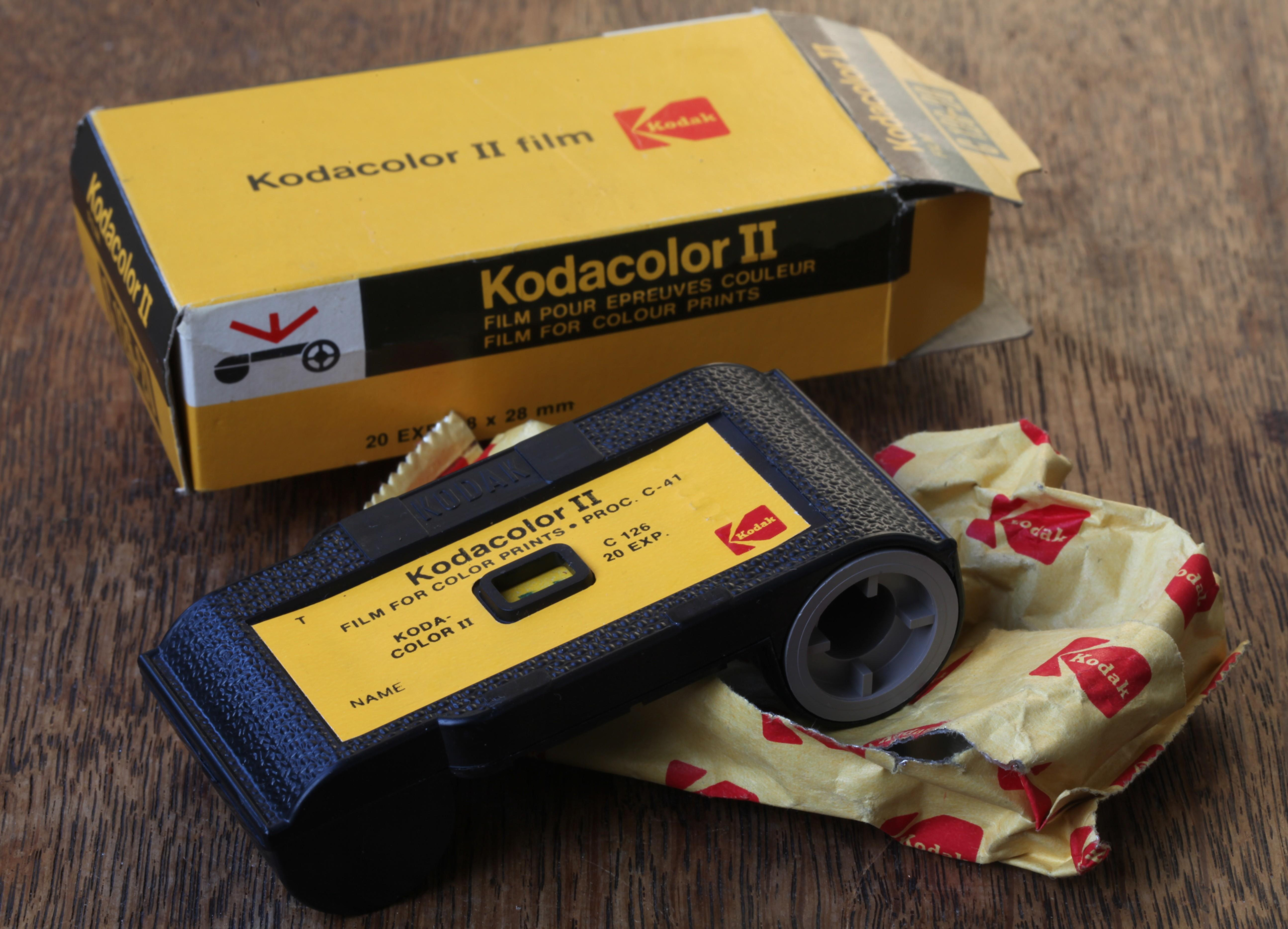
A roll held twelve exposures, or twenty, or twenty-four, and that was the entire supply until somebody bought another one. The film cost money, the developing cost more, and the household budget for photographs was effectively a few dollars a year.
So every photograph was a decision. Nobody took two of anything. Nobody photographed a meal, a pet doing nothing in particular, or the sky. The question before pressing the shutter was whether this was worth one of the remaining four.
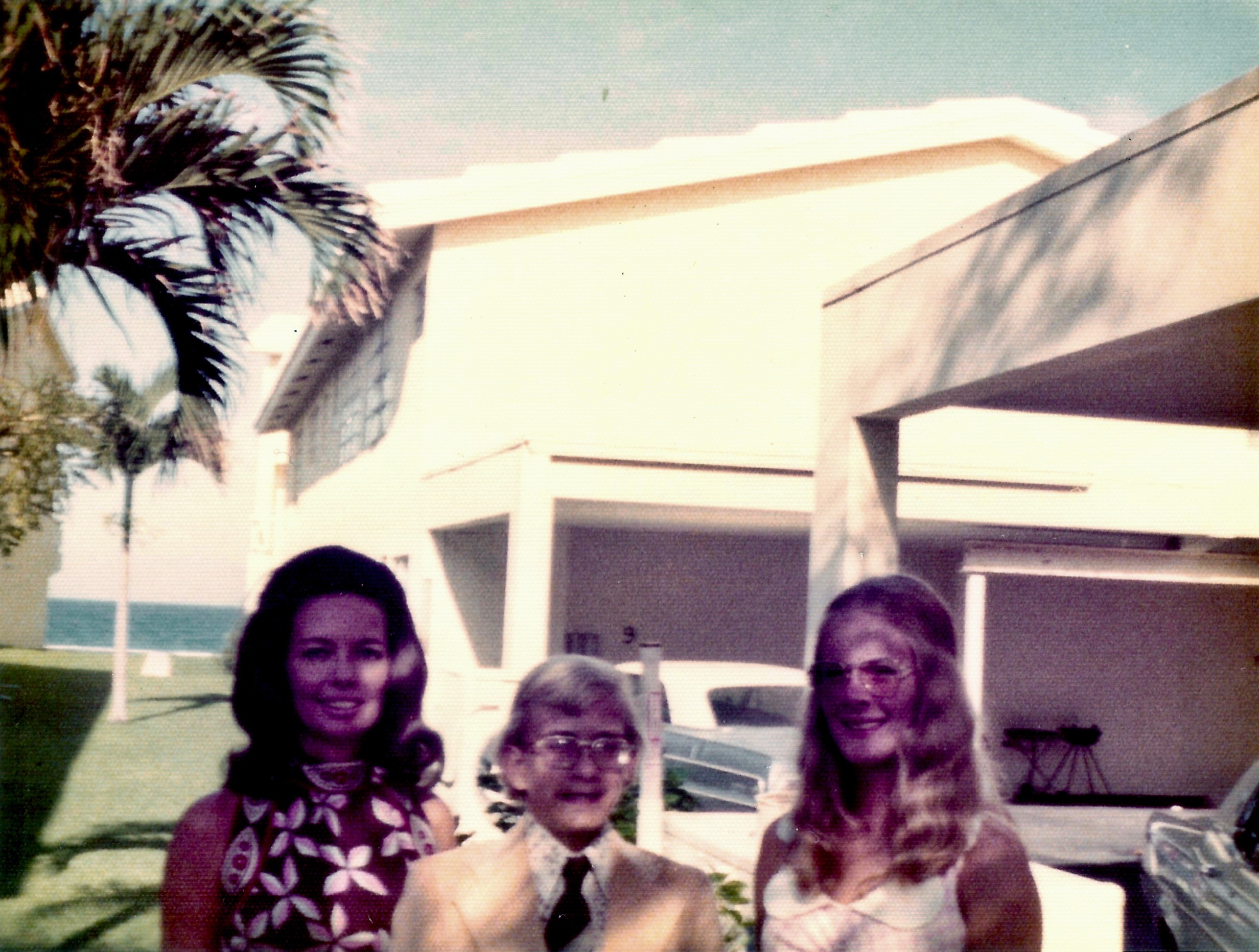
That is why photographs from the period look the way they do. Everybody is lined up, facing the camera, told to stand still, in the middle of the frame, on an occasion – because film was too scarce to spend on anything that was not an occasion.
And the frame counter on the top of the camera was consulted constantly, by everybody, because running out at a wedding with nowhere to buy more was a genuine disaster rather than an inconvenience.
Like our content? Follow us for more.
A Roll Could Take Over a Year to Finish
The camera came out for Christmas, a birthday, a holiday and a graduation, and went back in a drawer in between. A twenty-four exposure roll loaded in June might not be finished until the following August.
Which produced a specific and now-vanished experience: a developed roll containing pictures from three different seasons, two holidays and an event everybody had forgotten about, arriving together in one envelope.
It also meant the film sat in the camera for months, in a drawer, in a cupboard, in a car, aging. Film degrades with time and heat, and a roll that had spent a summer in a glovebox came back with shifted colour and more grain – which is part of why so many photographs from the era have that particular washed warmth. It is not a style. It is slow film stored badly.
The other consequence is that the roll was a time capsule nobody meant to make. You handed in a cartridge and got back a year.
The Flash Was a Cube You Threw Away
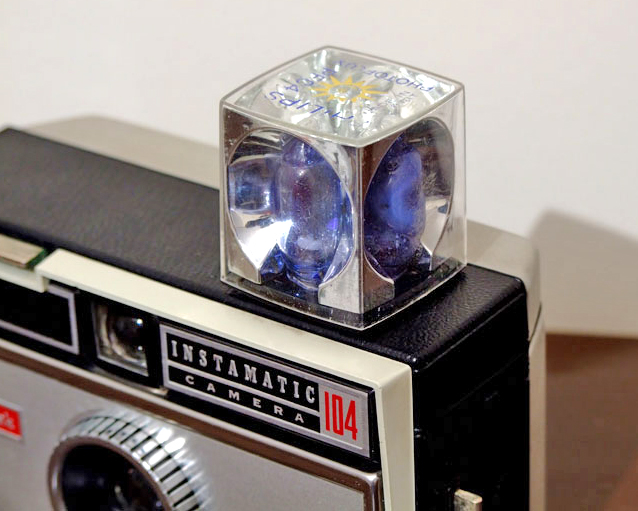
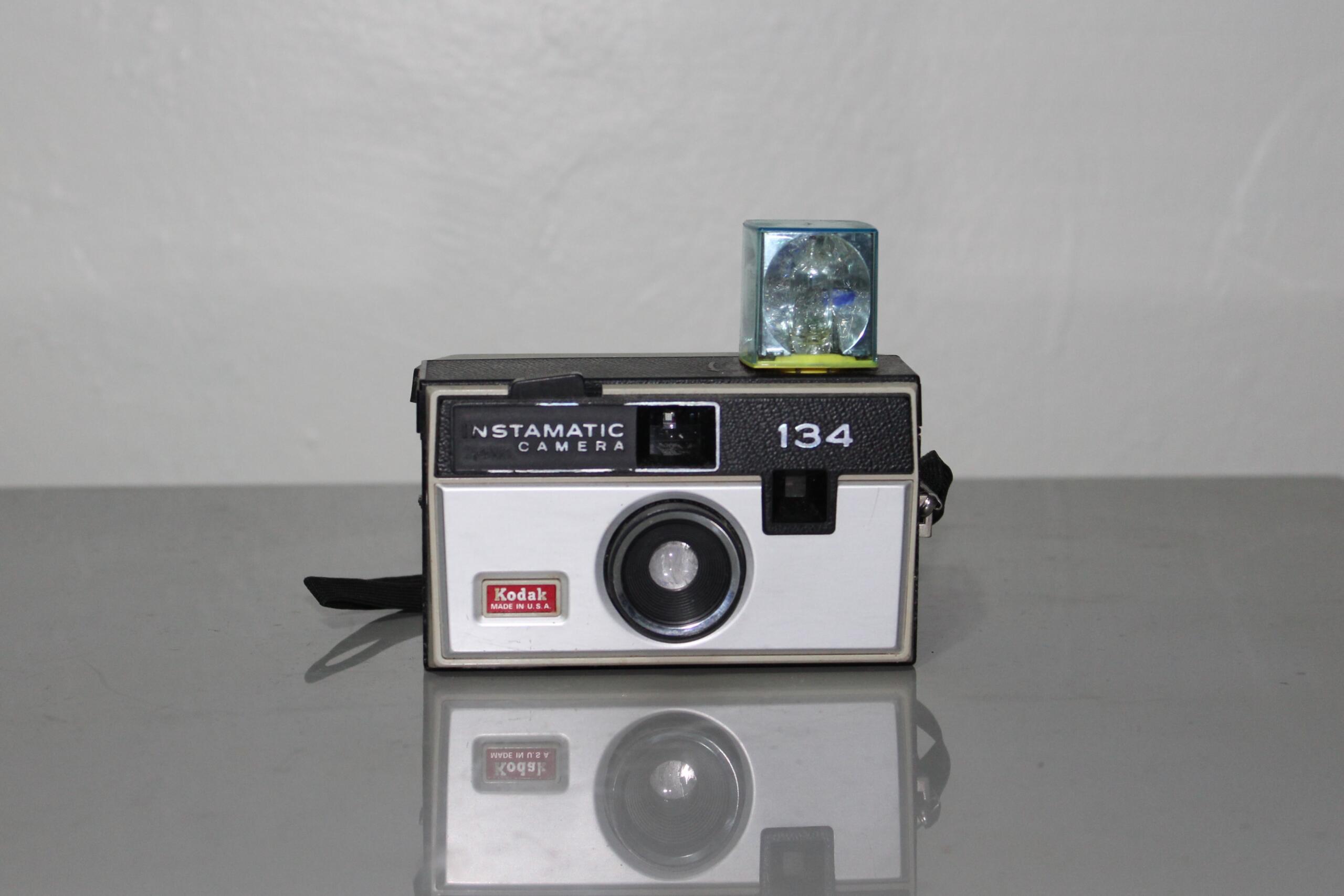
Flash came as a disposable attachment – a small cube with four bulbs in it, one on each face, which rotated to present a fresh bulb after each shot and was then discarded and replaced.
Four flash pictures, then you needed another cube. The bulbs fired once, violently, and the used cube was hot enough to be worth not touching immediately.
There was no way to tell whether a bulb had failed until the film came back. A flash that did not fire at the moment of exposure meant a dark frame, discovered six months later, with no possibility of retaking the picture.
The earlier version was individual bulbs, screwed in one at a time and removed hot; the later version was a bar with more bulbs in a row. All of them were consumables, all of them cost money, and all of them meant that indoor photography was rationed even more tightly than daylight photography.
You Could Not See What You Had Taken
This is the fact that is hardest to convey now, and it changes everything about how photographs were made.
There was no screen, no preview and no review. You looked through a window that was not the lens, pressed the shutter, and that was the end of your involvement. Whether the subject had blinked, whether the frame was level, whether somebody had walked in front of the lens, whether the exposure was right – unknown, for weeks.
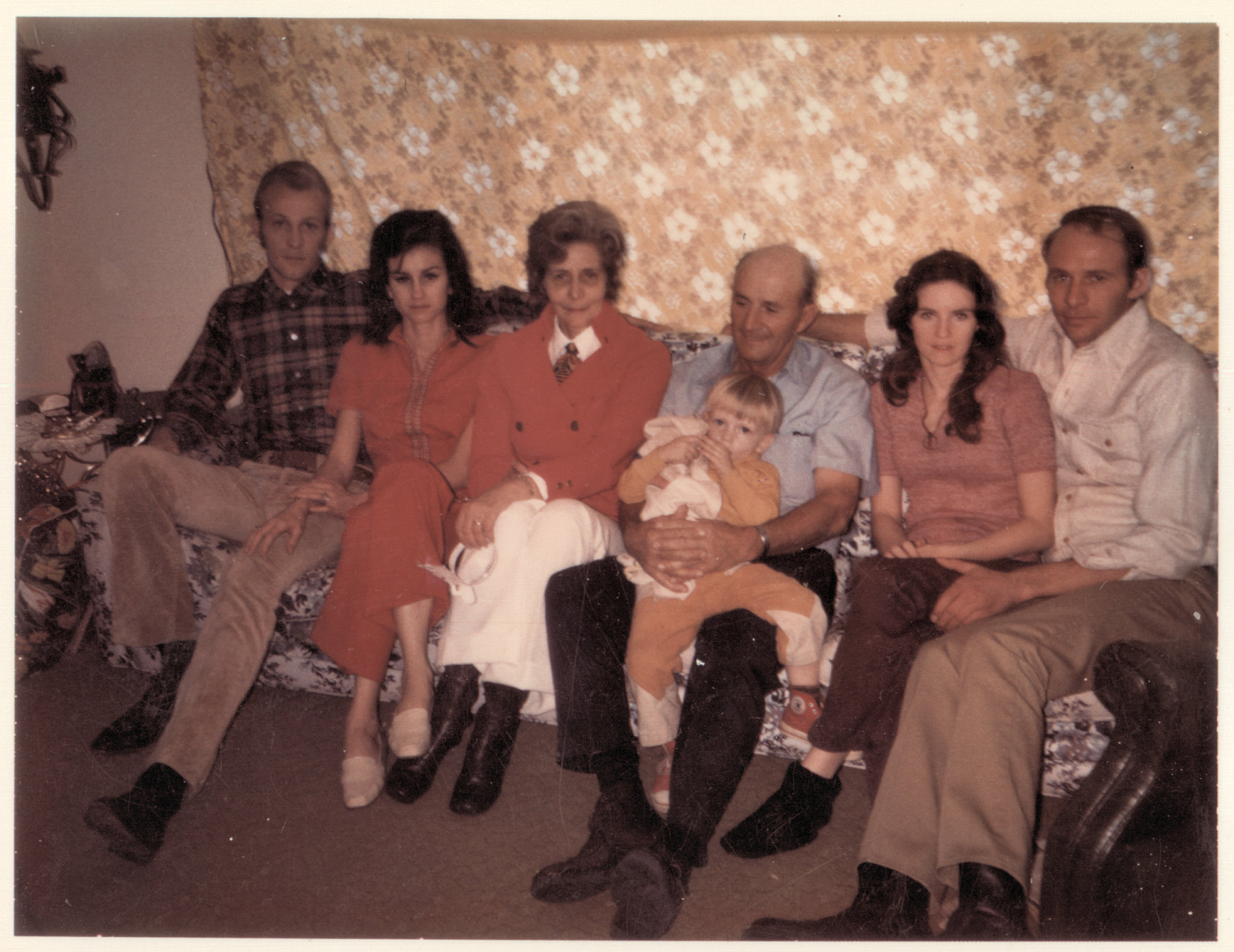
So the photographer’s job was to be careful rather than to check. Line everybody up, tell them not to move, count down, press, and hope. The instruction to hold still was not a stylistic convention; it was the only quality control available.
And when the envelope came back, some of the pictures were simply gone – a thumb across the corner, a dark indoor shot, a blurred child, a frame that did not advance and double-exposed itself. There was no retake, because the occasion was over.
The Envelope Came Back From the Drugstore and Was Opened Standing Up
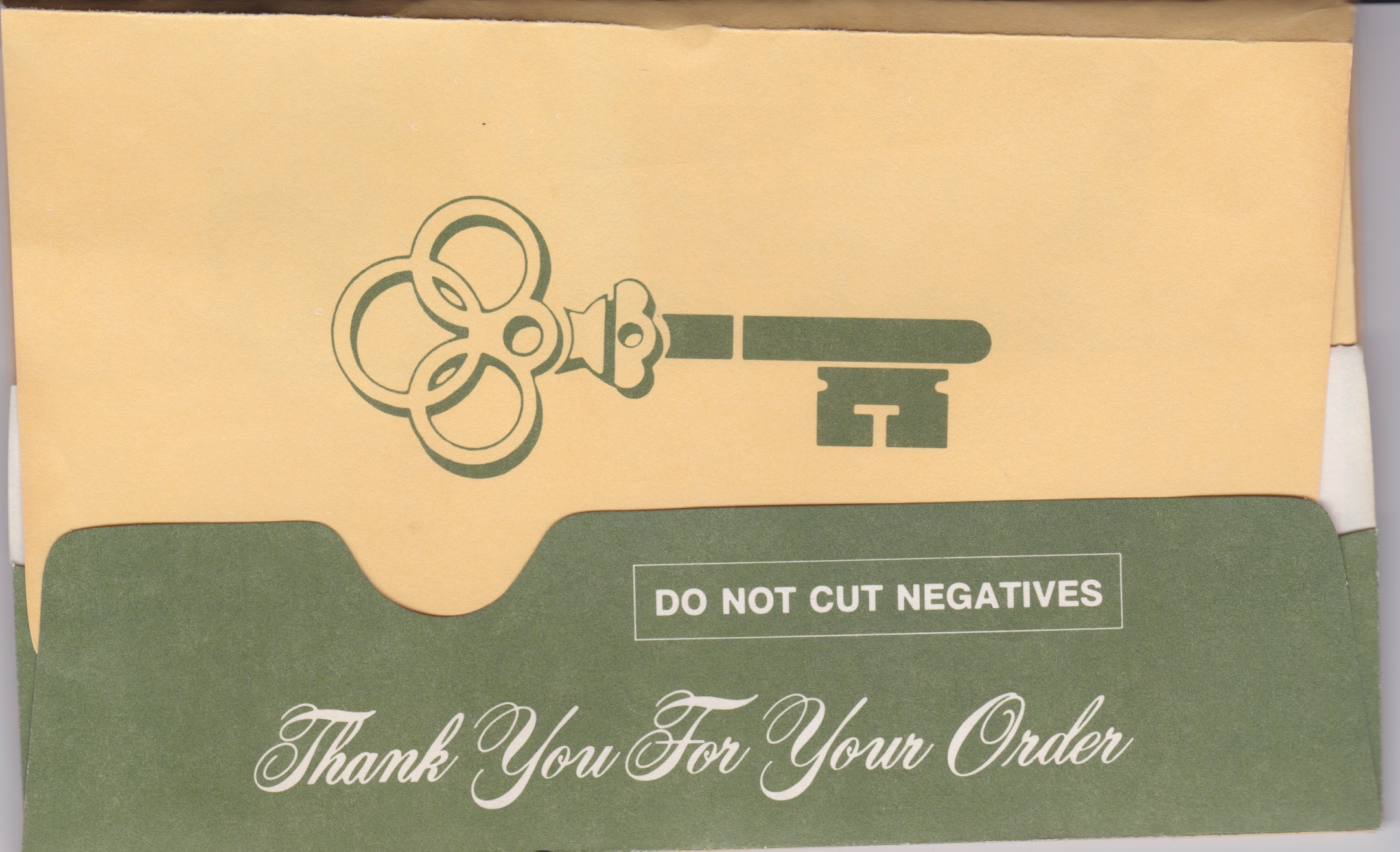
Film was handed in at a counter – a drugstore, a camera shop, a supermarket desk, or posted away in a mailer – and came back days or a week later as a paper envelope containing prints and a strip of negatives.
The opening of that envelope is one of the most consistently reported memories of the whole era. It was done standing at the counter or in the car, immediately, by whoever had collected it, with everybody looking over a shoulder.
Inside were the successes and the failures together, in order, with no editing. The duplicates nobody wanted. The pictures of somebody’s thumb. The one that came out perfectly and became the photograph of that year.
And the negatives, which went back into the envelope and into a drawer, and which are the reason a great many families can still have prints made from 1974 – provided anybody can work out which strip is which, because they are not labelled and they are very difficult to read.
Prints Were Small, Square and There Was Only One of Each
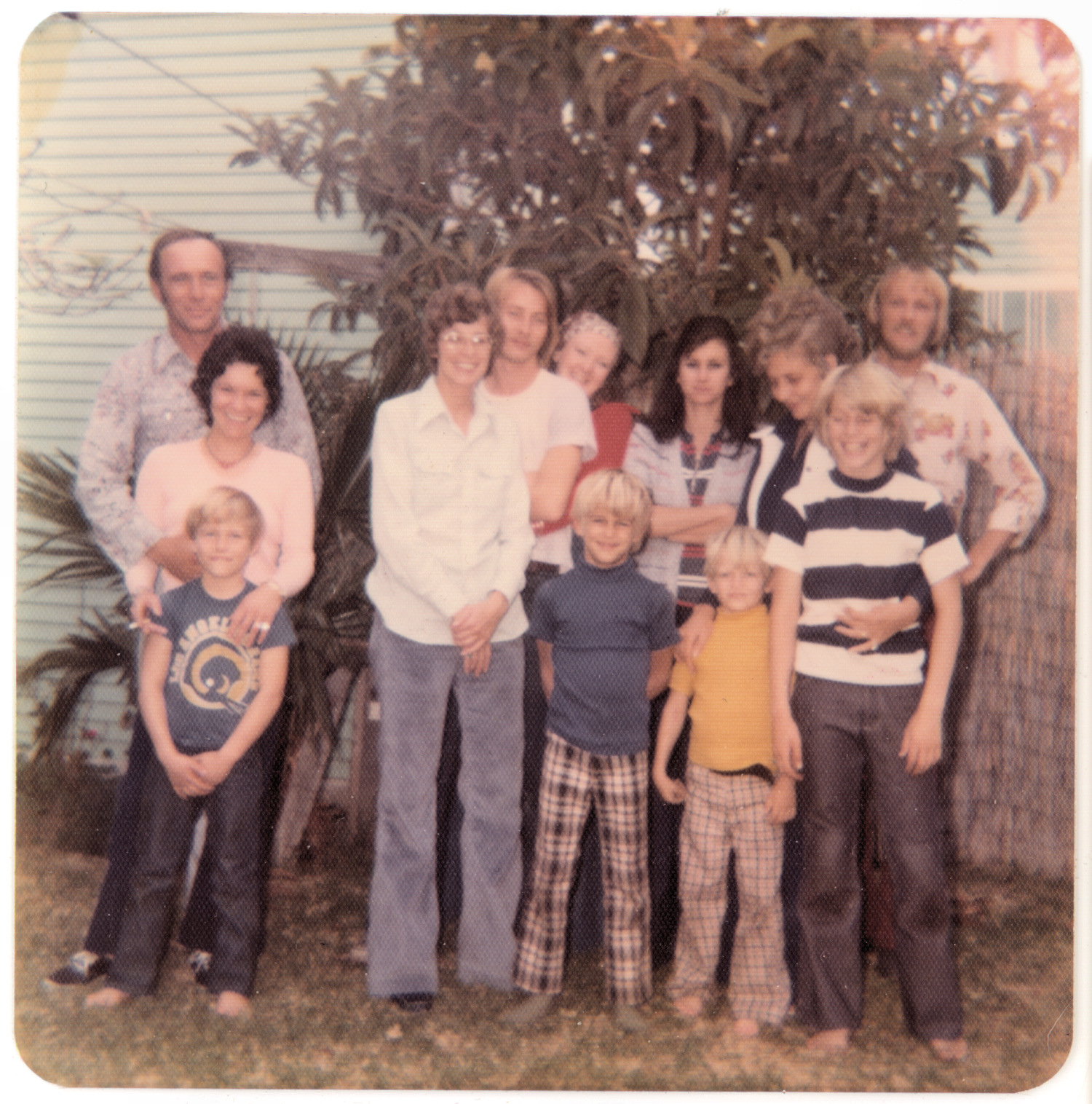
Standard prints were small by any modern measure, frequently square, with a white border and the processing date stamped on the back or along the edge.
One print per exposure, unless you paid for doubles. Which meant giving a photograph to a relative was giving away the only copy, and a great many of the best pictures in a family’s history left the household permanently.
Enlargements were ordered specially, cost significantly more, took another week, and were therefore reserved for the two or three photographs a year that justified it – which is why so many households have one large framed print from each decade and nothing else.
The date stamp is the quietly useful part. A print with a processing date on it can be placed in time precisely, which is more than can be said for most digital photographs, and it is the reason archivists like material from this period.
The Camera Itself Was a Household Object, Not a Personal One
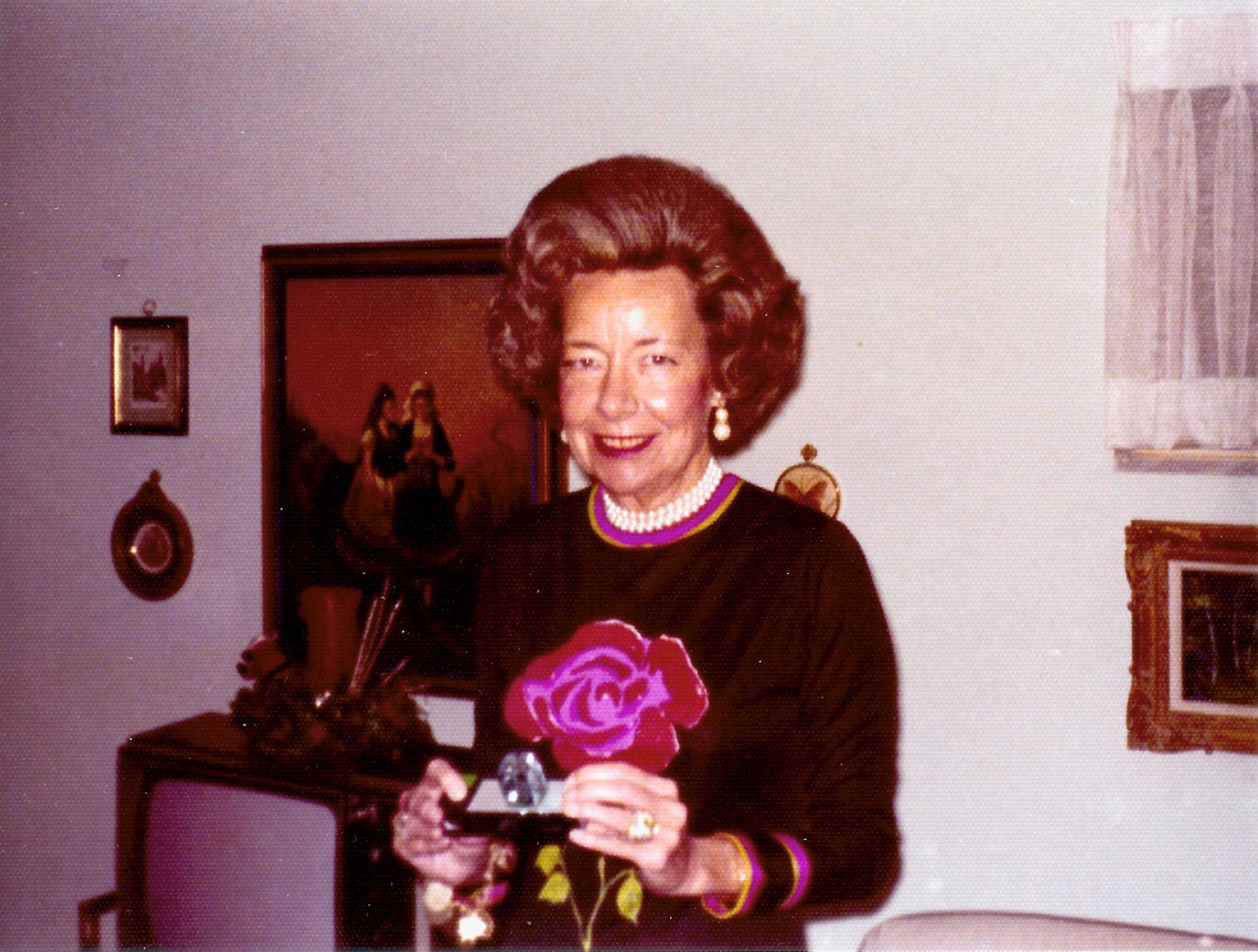
There was one camera and it belonged to the house.
It lived in a drawer, a cupboard or the original box, usually with the instruction leaflet still in it, and it was fetched for occasions by whichever adult was regarded as being in charge of it – which in most households meant one specific person who had taken all the photographs for years.
That has two consequences visible in every family’s collection. The first is that the person who took the pictures is barely in any of them. Entire childhoods are documented by one parent who appears four times in fifteen years, always because somebody else was handed the camera and told which button to press.
The second is that the photographs reflect one person’s judgement about what was worth recording. Whoever held the camera decided which events counted, who was lined up, and where everybody stood – so a family album is not a record of a family so much as a record of what one member of it thought mattered.
Handing the camera to a child was a significant moment and is widely remembered as such. It was an expensive object, it was the household’s only one, and being trusted with it for a single frame was a measurable promotion.
Almost All of It Is in a Box and Nobody Can Identify Anybody
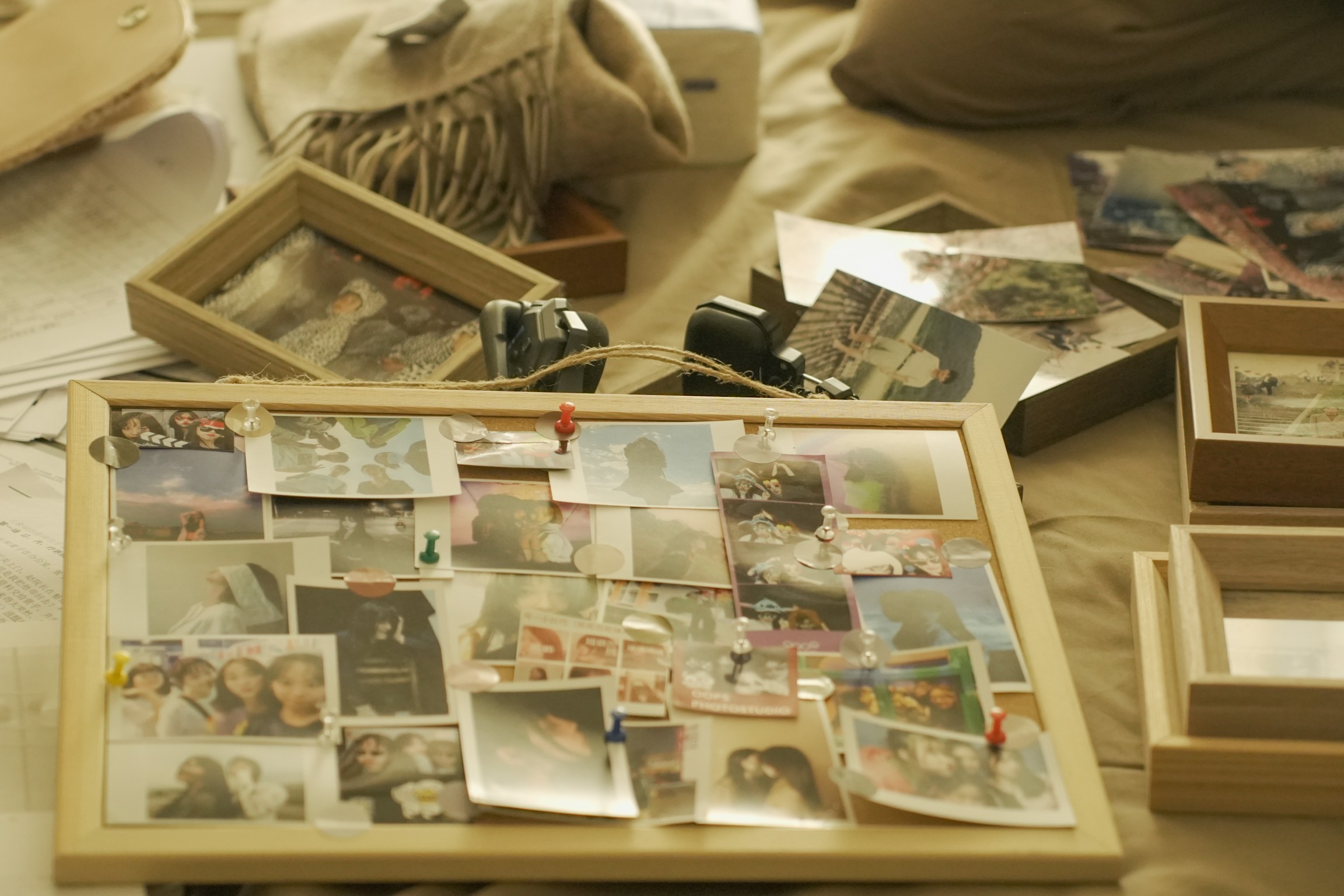
The photographs survive in enormous quantities, in shoeboxes, envelopes, drawers and albums, and the overwhelming majority of them are unlabelled.
Nobody wrote on the back, because at the time everybody knew who was in the picture. Two generations later nobody does, and the information is unrecoverable – which is the single commonest frustration of anybody who inherits a family’s photographs.
The practical advice that follows is short and worth stating: the people who can still identify these pictures are elderly, and the window for asking them is closing. Sitting down with somebody and a box of prints and a pencil is the highest-value thing anybody can do with an afternoon.
Write on the back in pencil, lightly, in the margin. Not ballpoint, which can emboss through and bleed; not marker, which migrates. And write who, where and roughly when – because the photograph itself will outlast everybody who knows.
Scarcity Is Why They Are Treasured and Abundance Is Why Ours Are Not
The comparison is uncomfortable and worth making honestly.
A household in 1974 produced perhaps two dozen photographs a year, took them deliberately, waited to see them, held them as objects, and kept them for fifty years. A household now produces thousands a year, sees them instantly, and loses most of them to a dead phone, a lapsed account or a drive nobody backed up.
Modern photography is better in every technical respect and vastly more capable. What it does not have is the constraint, and the constraint was doing the curation. Twenty-four exposures a year forces you to decide what matters; unlimited exposures means never deciding, which means never sorting, which means a hundred thousand images nobody will ever look through.
The old system produced fewer, worse photographs that are still in the house. The new one produces endless better photographs that are considerably less likely to reach a grandchild.
That is not an argument for film. It is an argument for printing something occasionally, and for writing on the back of it.
Like our content? Follow us for more.