

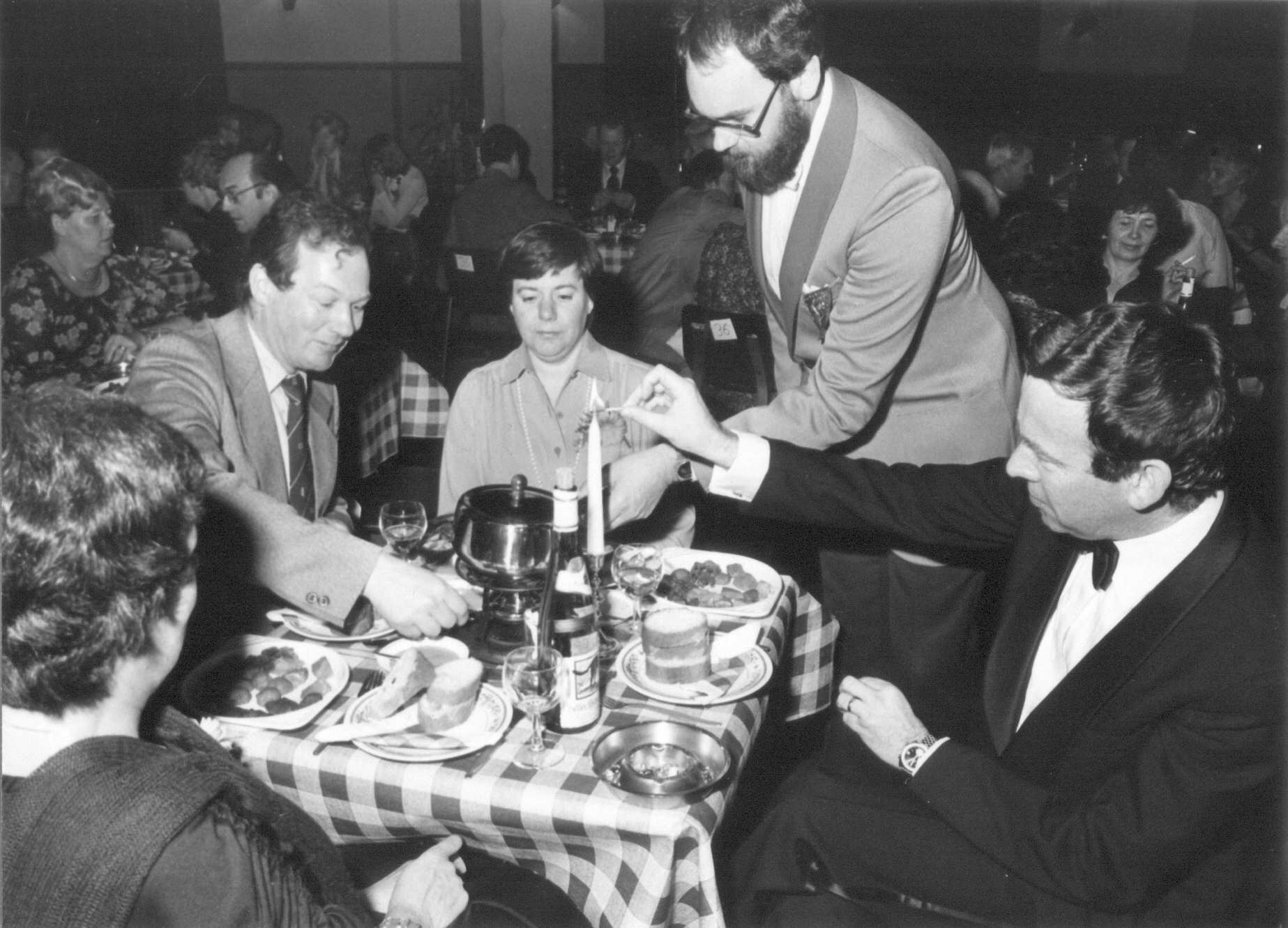
It Arrived as a Wedding Present and Nobody Had Asked For It
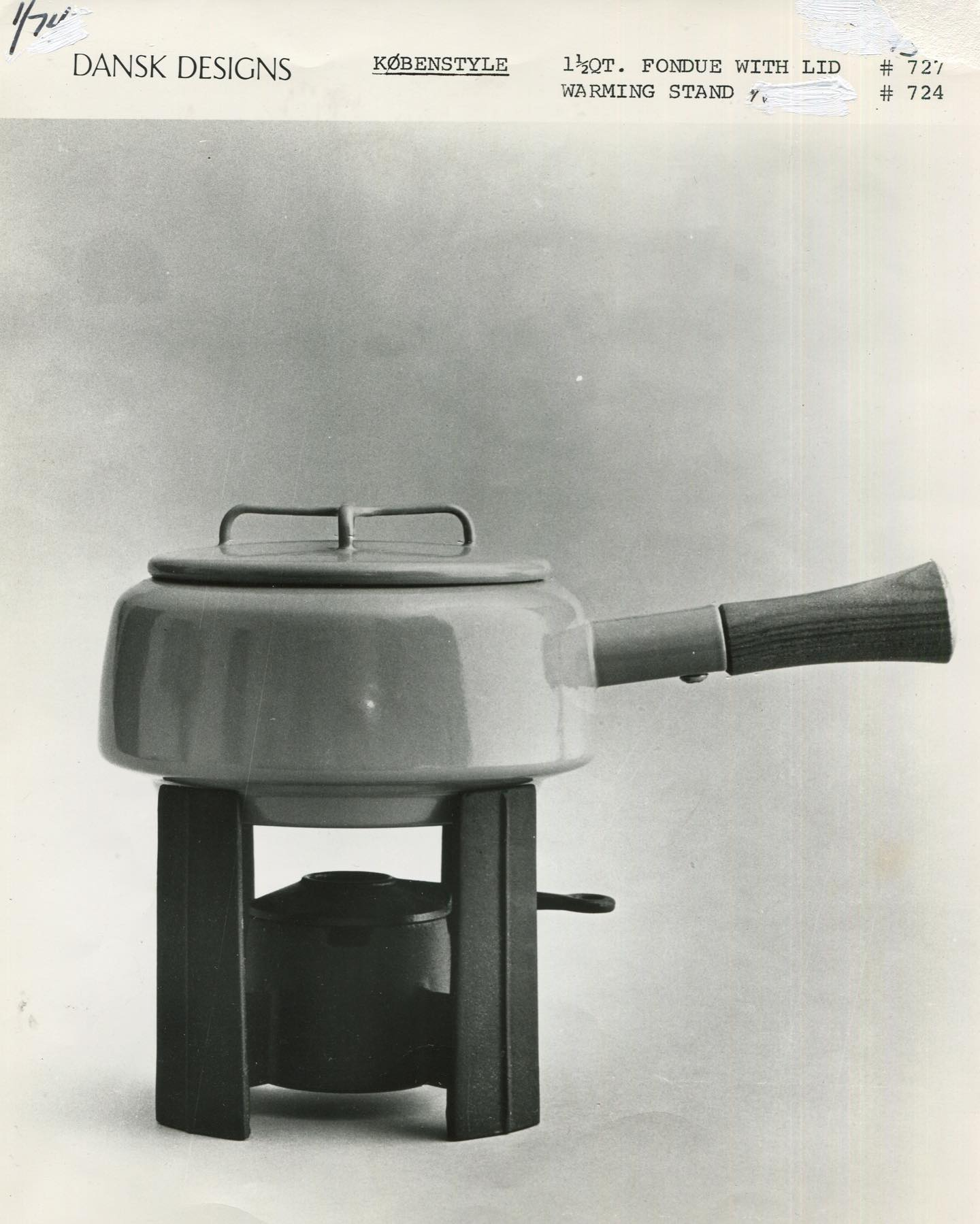
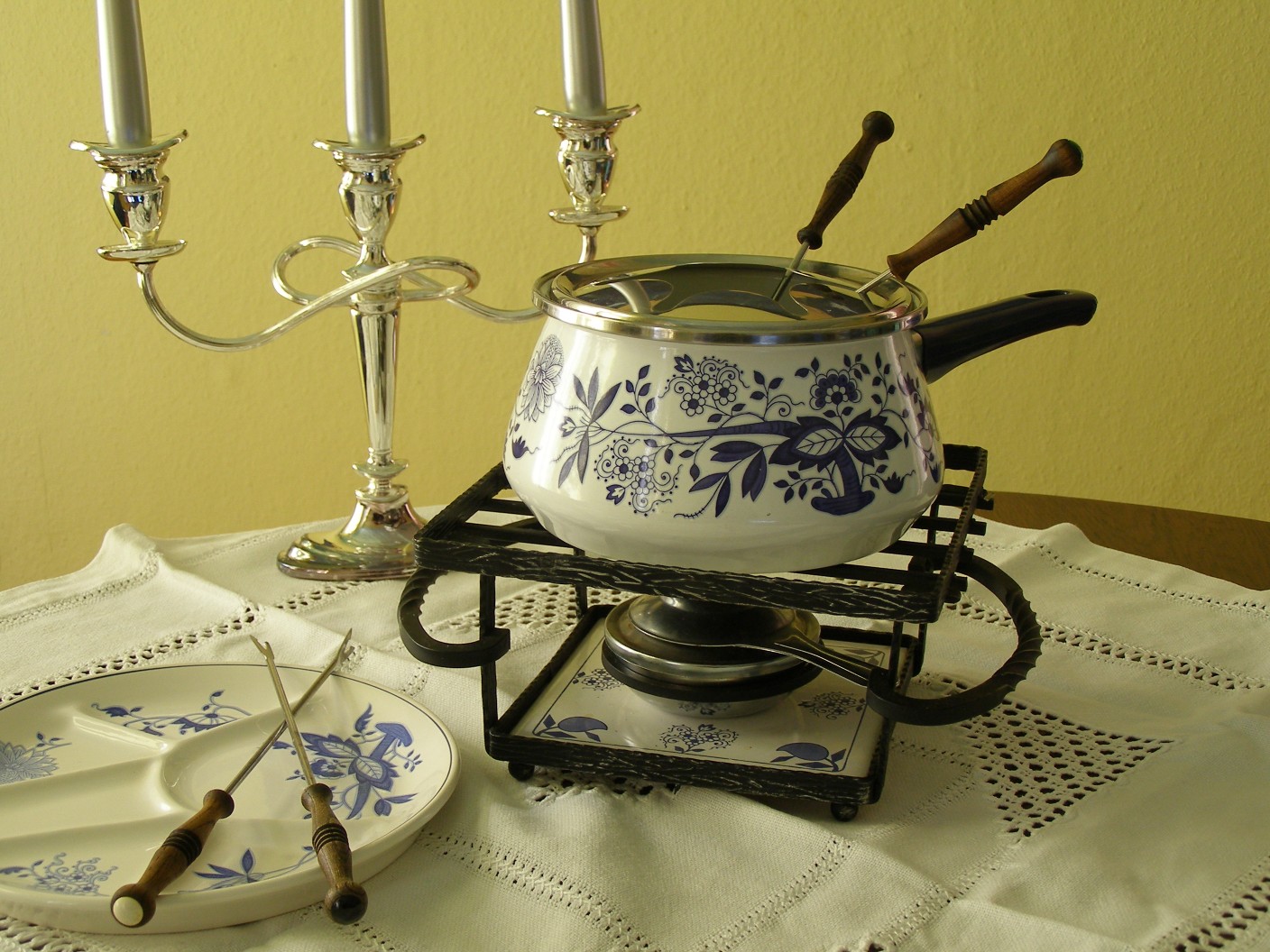
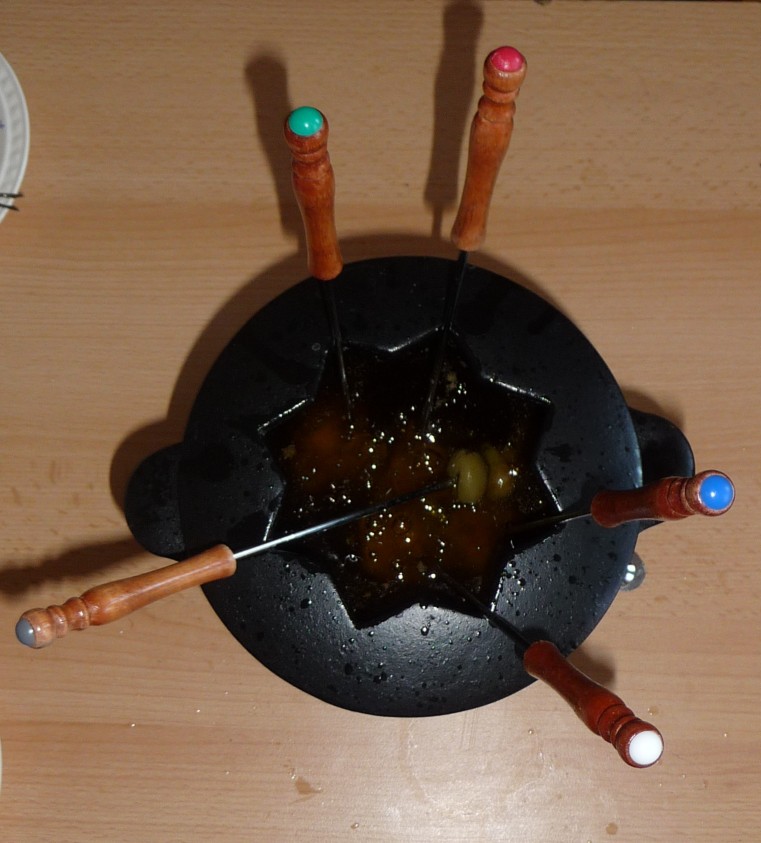
The set came in a printed box: an enamelled or earthenware pot, a stand, a small spirit or candle burner, and six long forks with colour-coded handle tips so everybody could identify their own.
It was a standard wedding and Christmas gift of the period, which means a great many households acquired one without having expressed any interest in fondue at all. Two sets in one household was not unusual.
The colour coding is the detail everybody remembers, and it is the clearest evidence of what the object was really for. A pot of melted cheese does not require six people. The design assumes a dinner party, assigns everybody a numbered place in it, and makes the social arrangement part of the equipment.
Like our content? Follow us for more.
The Promise Was That Entertaining Was Changing and It Was Not
The set was sold into a specific moment of confidence about how people were going to live.
The pitch was informality. Rather than a seated dinner with courses, a hostess would set a pot in the middle of a low table, guests would gather round, everybody would cook their own, and the evening would be relaxed, continental and conversational. Advertising of the period is explicit about this – the fondue evening as the opposite of the formal meal your parents served.
It was not a ridiculous proposition. Entertaining genuinely was becoming less formal, dining rooms were being used less, and a communal pot is a reasonable answer to that.
What the pitch got wrong was the labour. A fondue evening is not less work than a dinner – it is differently distributed work, and most of it still falls on the host before anybody arrives.
The Cheese Was the Hard Part and That Is Why It Failed
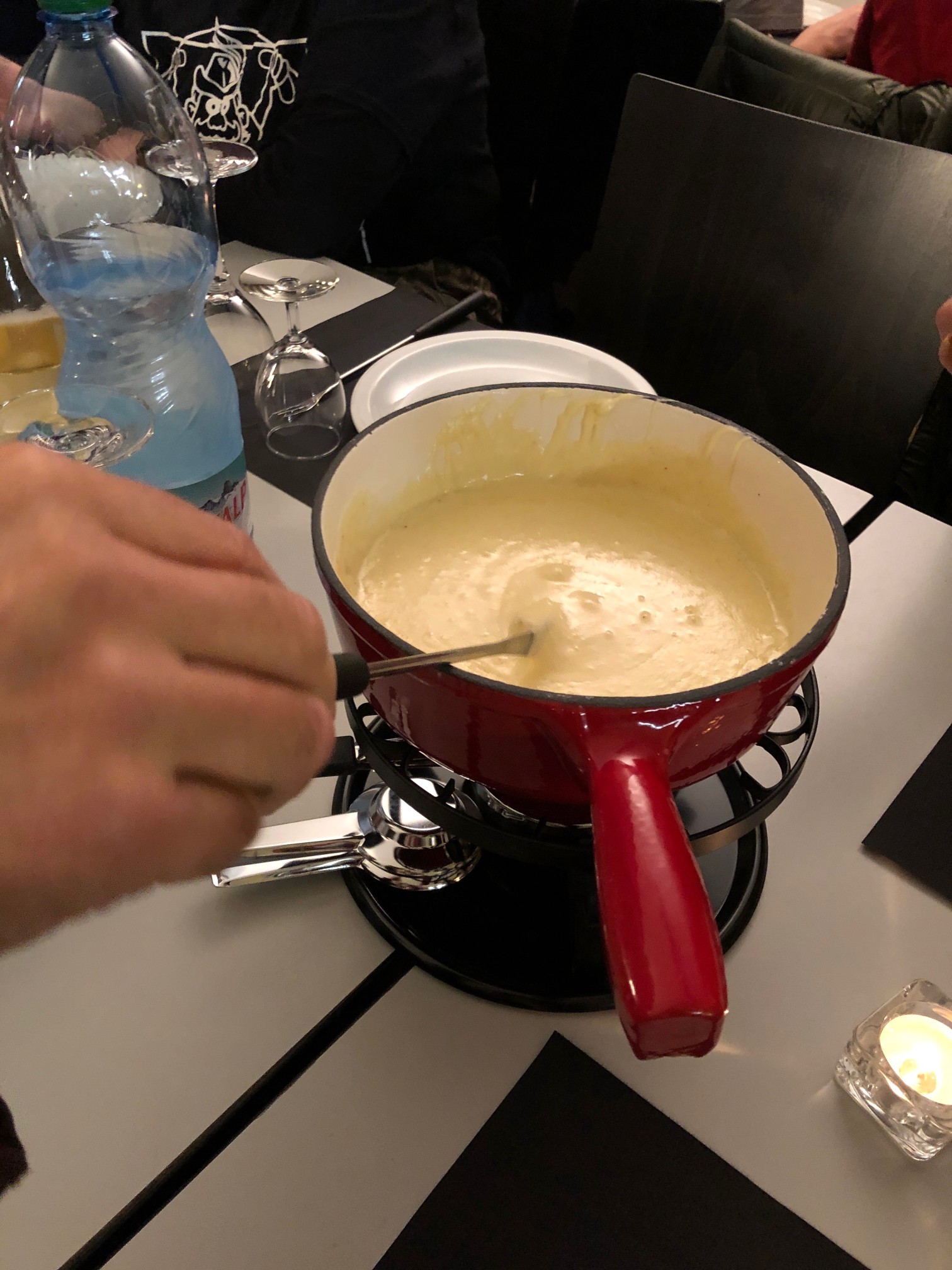
Cheese fondue is a genuinely technical dish and the sets were sold to people who had not been told that.
Melted cheese wants to separate. The fat comes out of the emulsion, the proteins tighten into strings, and what should be a smooth sauce becomes an oily layer over a rubbery lump at the bottom of the pot. Getting it not to do that requires the right cheeses, an acid, a starch to stabilise the emulsion, gradual heating and constant stirring in a figure of eight rather than a circle.
Get any of that wrong and the pot is ruined in front of six people who are holding forks.
The booklet in the box frequently said less about this than it should have, and a household’s first attempt was correspondingly often its last. The dish has an unforgiving failure mode and it fails publicly, which is close to the worst possible combination for something somebody is attempting for the first time at their own party.
The Burner Was the Other Problem and It Was Worse
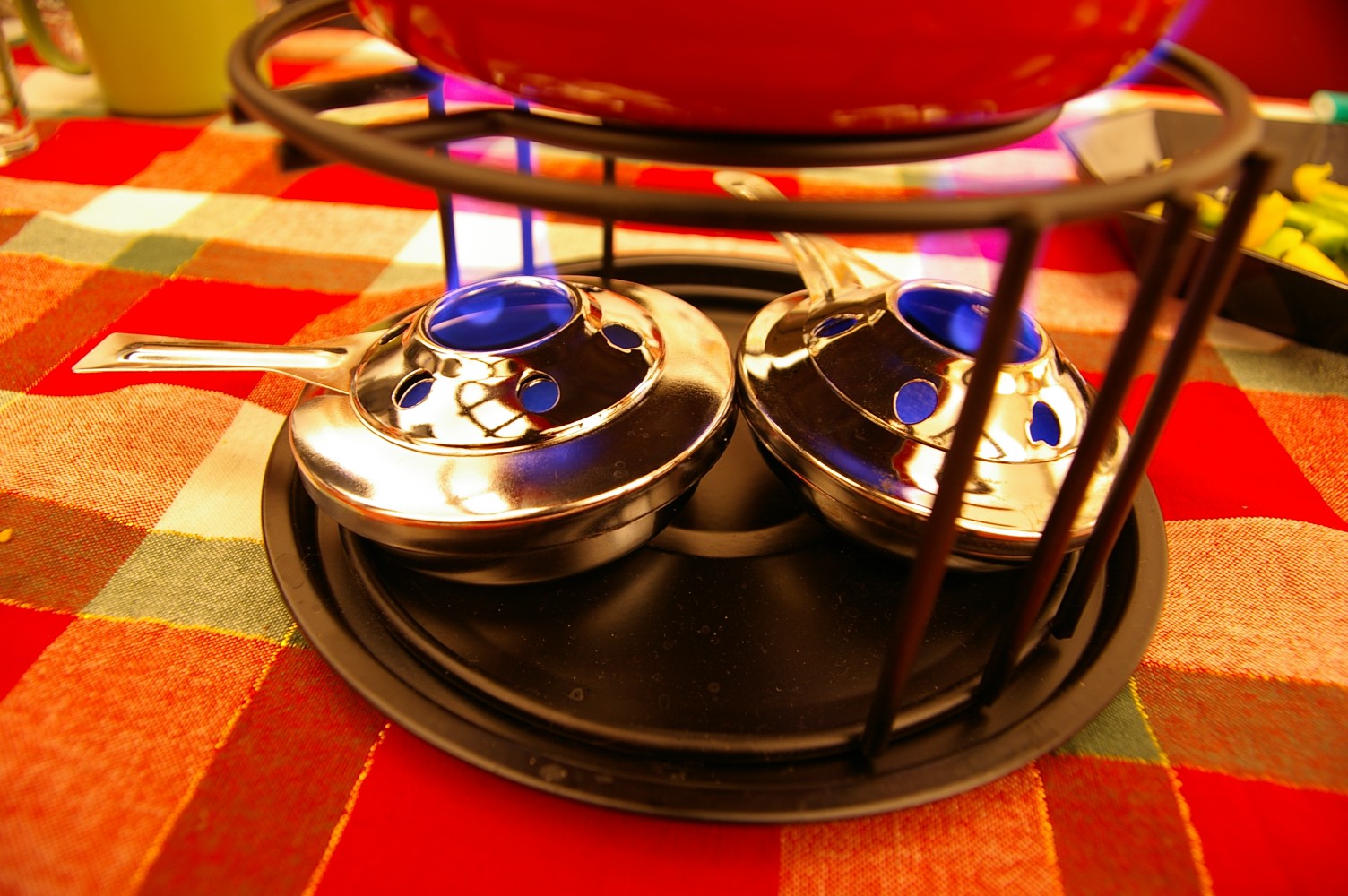
The heat source on a domestic set was a small burner using denatured alcohol or a solid fuel tablet, sitting under the pot on a stand in the middle of a table.
It was difficult to regulate. Too low and the cheese set; too high and it caught at the bottom. The flame was nearly invisible in a lit room, which meant people reached across it. The fuel had to be refilled during the evening. And the whole assembly was a burning object at the centre of a table surrounded by people leaning in with long metal forks.
Modern versions are overwhelmingly electric, thermostatically controlled, with no flame at all – which fixes every one of those problems and is the single biggest difference between a 1975 set and a current one.
It is also why so many of the surviving sets are complete and unmarked. A household that had one difficult evening with an alcohol burner in the middle of the table did not have a second one.
The Meat Version Was Even More Trouble
The other fondue was oil: a pot of hot cooking oil into which guests lowered pieces of raw meat on their forks until cooked.
This required getting a litre of oil to frying temperature on a spirit burner, keeping it there for an hour, and maintaining it in the middle of a table while six people put things into it and took them out.
Raw meat sitting out at room temperature on a plate while the pot was waiting is a food safety problem nobody at the time framed as one. Hot oil at the centre of a social gathering is a hazard that needs no explanation. And the forks came out of the oil extremely hot, which is the reason every set shipped with a second set of eating forks and the reason the instruction not to eat off the cooking fork was printed in capitals.
A great many households tried this once and concluded, correctly, that it was not an improvement on a frying pan in the kitchen.
Everybody Kept Theirs and That Is the Interesting Part
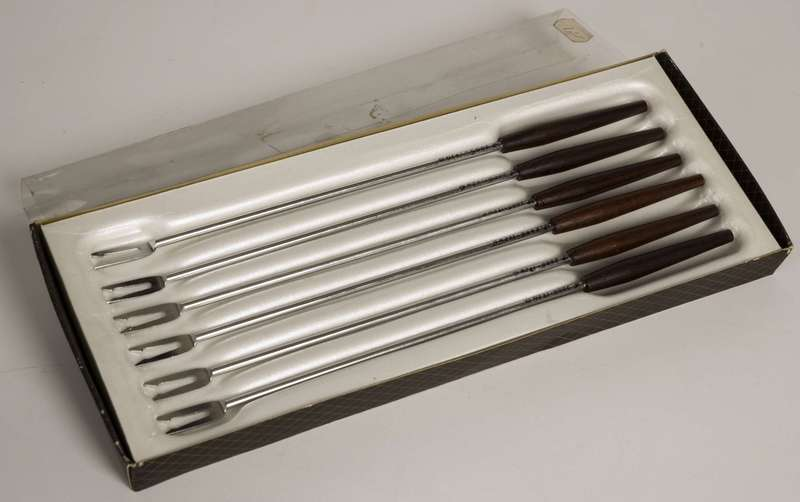
The sets were barely used and almost nobody threw them away, which is why they are still in attics in such numbers.
The reasons are worth separating. It was a gift, frequently from somebody specific, which makes disposal awkward. It was boxed, which makes storage easy and makes it look unused and therefore wasteful to discard. It was complete, and a complete set in a box feels like something rather than like clutter. And it carried an implication – that one day there would be a dinner party of the kind the box depicted – which nobody wanted to formally abandon.
So it went into a cupboard, then a loft, then a moving box, and then another loft, and it is in a very large proportion of houses belonging to anybody who married between about 1968 and 1980.
House clearances turn up enormous numbers of them, unused, which means the object’s actual function was not cooking. It was aspiration, purchased once and stored indefinitely.
The Rules Were Half the Appeal and Somebody Always Explained Them
Fondue arrived with conventions attached, and the conventions were part of what made it feel like an occasion rather than a supper.
If you dropped your bread in the pot you owed a forfeit – a round of drinks, a song, a kiss – and the specific forfeit varied by household and was announced at the start by whoever had read the booklet. You were not to eat directly from the cooking fork. You stirred when you dipped, which keeps the emulsion moving and was presented as etiquette rather than as technique. And the crust that formed at the bottom of the pot was shared out at the end.
None of this was invented by the people selling the sets. It comes from the dish’s actual origins as a communal winter meal, and the booklets reproduced it because it gave a host something to say and gave the evening a shape.
That is doing real work socially. A gathering with a small set of silly rules that everybody learns at the same moment is easier to run than one without, because the rules give people something to talk about in the first ten minutes – which is the hardest part of any dinner party.
And it is the element that survived best. The modern electric set still comes with the forfeit rule printed somewhere, long after the alcohol burner and the colour-coded forks have gone.
It Came Back, Properly, and Nobody Noticed
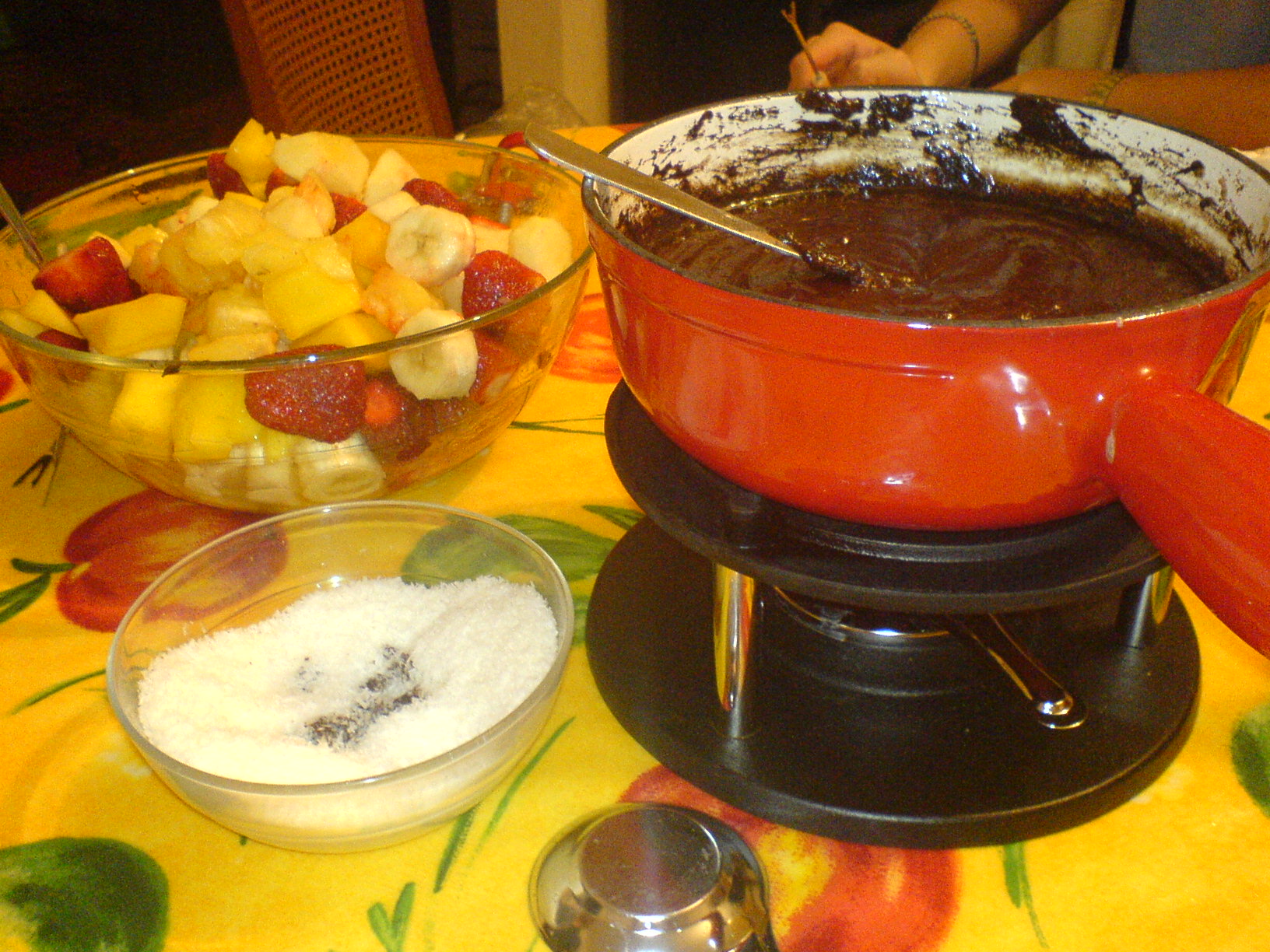
Fondue did not disappear. It professionalised and then returned domestically in a form that works.
Restaurants kept it, where a trained kitchen makes the cheese correctly and brings it out stable. Chocolate fondue survived in a way the cheese version did not, because melted chocolate is far more forgiving – it does not break the same way, it tolerates a wider temperature range, and the failure mode is a thick sauce rather than a ruined pot.
And the equipment improved. Current sets are electric with a controlled temperature, non-stick or ceramic lined, with a wider stable base, and they are sold alongside raclette grills and hot stones as part of a general category of table cooking that is considerably better engineered than anything in 1975.
Which means the proposition was right and the execution was not. Communal cooking at a table is a good way to run an evening, and the 1970s set failed because it asked an untrained host to stabilise an emulsion over an unregulated flame in front of an audience – and then, having failed, to put the box in the loft.
What It Records Is a Decade Being Very Sure About the Future
The fondue set belongs with a particular group of objects that households bought in that period on the strength of a prediction: the chip pan, the soda siphon, the hostess trolley, the wine-making kit, the yoghurt maker, the electric carving knife.
Each was sold as the way things were now going to be done, each required a behaviour change that did not happen, and each is in an attic.
That is not a criticism of the people who bought them. A household in 1975 looking at a changing world and buying equipment for the life it expected to lead was behaving entirely sensibly, and some of those bets came in – the slow cooker did become standard, and the freezer changed everything.
The fondue set simply happened to be a bet on a social form that did not arrive. And it is a remarkably durable record of that, because unlike almost any other prediction about how people would live, this one came in a box with six colour-coded forks and is still sitting in the roof.
Like our content? Follow us for more.
