In 1974 an American jury was assembled from whoever was left after a long list of occupations had been excused by statute, a selection process that in some places involved people choosing names, and automatic excusals that half the adult population could use.
You were summoned with almost no route to deferral. You sat in a central room all day and were told nothing. The pay was a few dollars and your employer owed you nothing. You were frequently forbidden to take notes. And a term of service was two weeks or a month, not a day.
Here are fourteen things every juror was expected to do in 1974, and what replaced each of them.
1. The Summons Arrived in the Mail and There Was Almost No Way Out
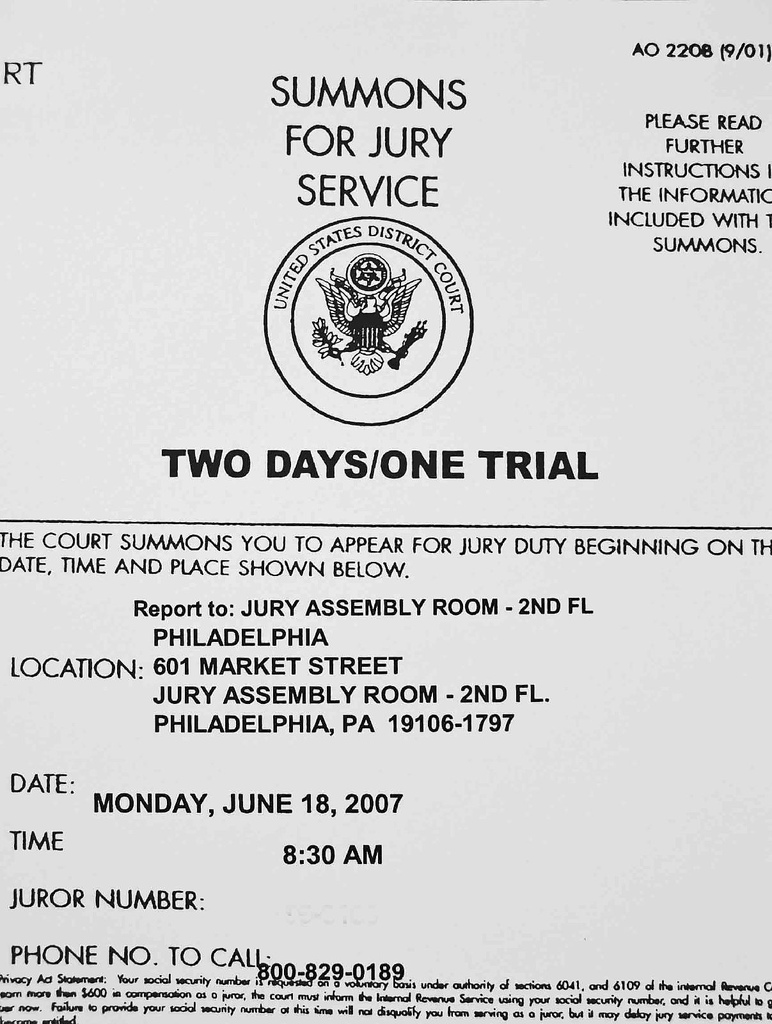
A card or letter arrived instructing you to appear on a date, and the options for not appearing were narrow, had to be made in person or in writing, and were decided by a clerk or a judge.
Online response, deferral to a more convenient date in most places, and documented procedures for hardship, with the whole exchange frequently handled without anybody attending anything.
The rigidity caused genuine difficulty and that is why it changed. A single parent, a shift worker or somebody with a sick relative had no mechanism other than turning up and asking – and the modern deferral system exists because the alternative was people simply not appearing.
Like our content? Follow us for more.
2. Whole Occupations Were Automatically Excused by Statute
Lists of exempt categories were long and specific: doctors, lawyers, clergy, teachers, police officers, firefighters, pharmacists, printers, undertakers, members of the armed forces, elected officials and in many places anybody who had served within a set period.
Exemptions narrowed sharply to a small number of categories, on the reasoning that automatic occupational exclusion systematically removes whole classes of people from juries.
That reasoning is the key to the whole change. A list excusing every professional, every public employee and every tradesman in certain fields does not produce a cross-section of a community – it produces whoever was left, which was a much narrower group than the population it was supposed to represent.
3. Women Were Not Reliably on Juries Until the Mid-1970s
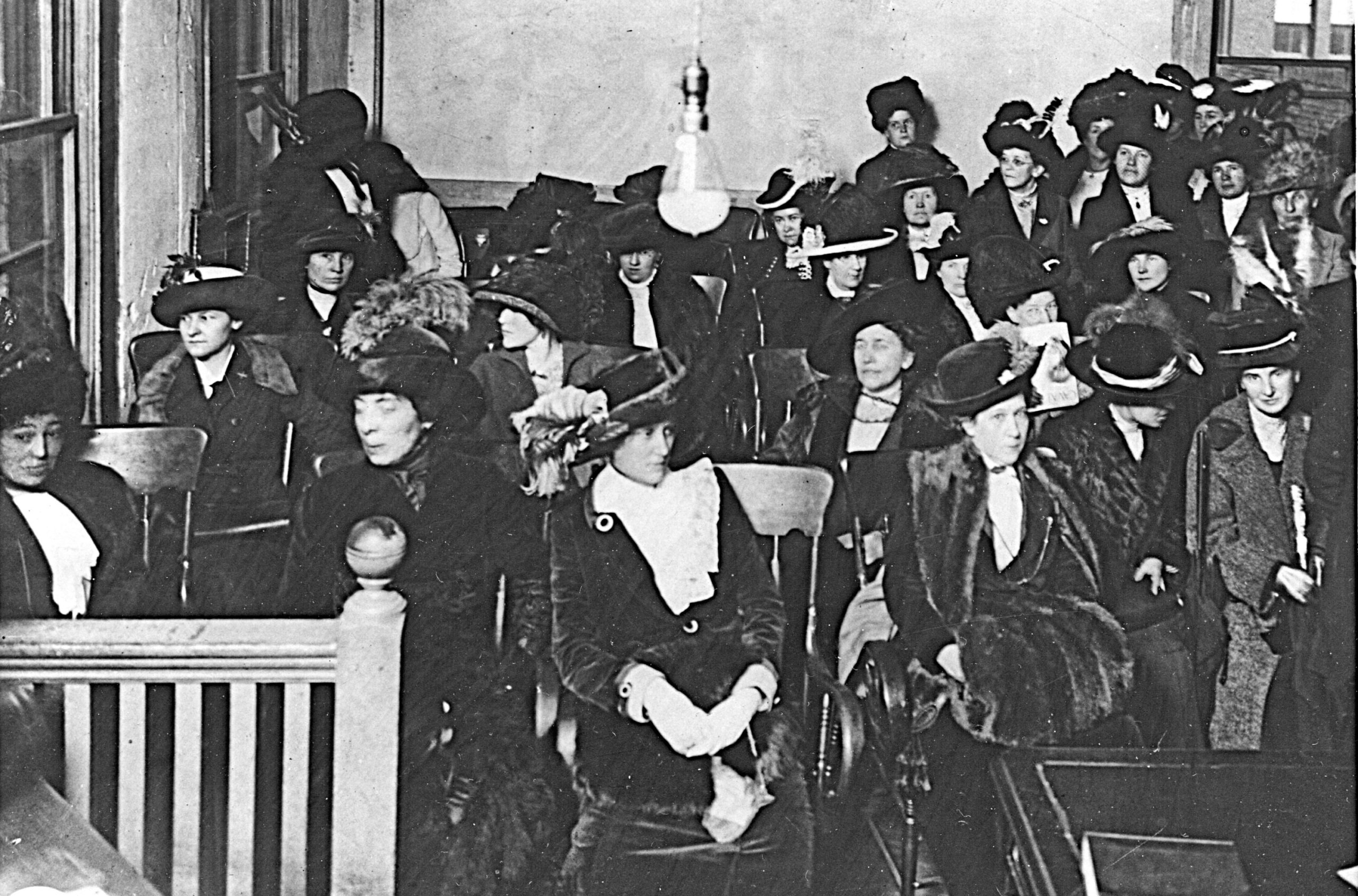
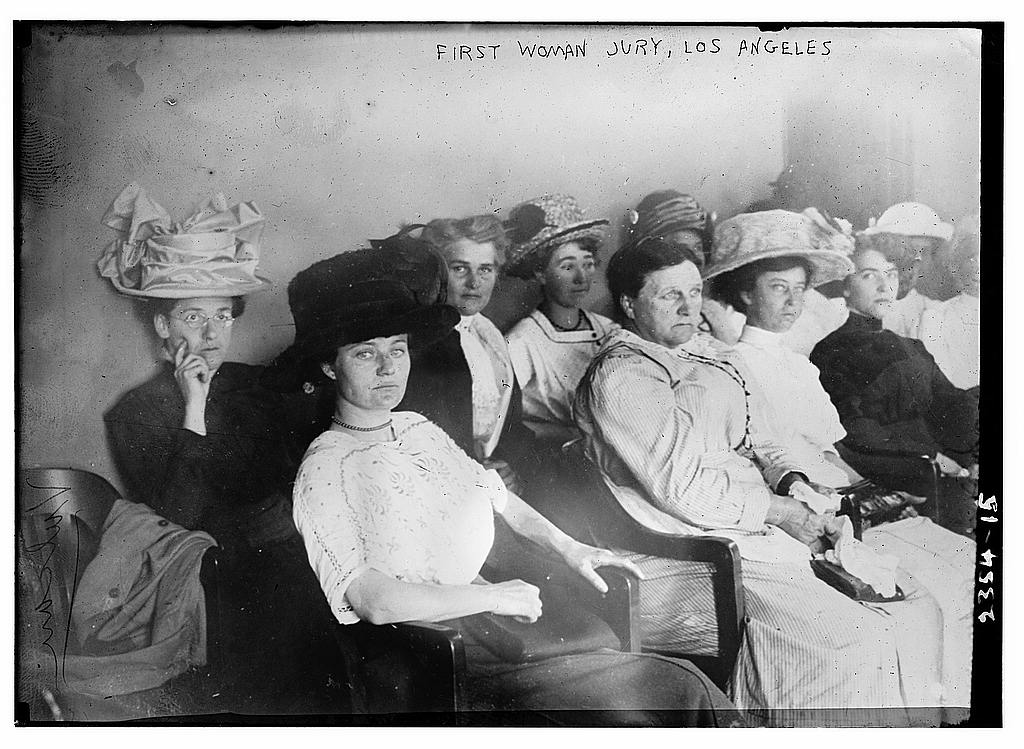
Some American states still permitted women to be excused from jury service automatically on request, or by categories that applied in practice almost entirely to women, into the first half of the 1970s.
Service obligations that apply identically regardless of sex, following court decisions in the mid-1970s holding that a jury drawn from a pool that systematically excludes women is not drawn from a fair cross-section of the community.
It is the single largest change in who sat on an American jury and it is remarkably recent. A defendant tried in 1972 in some states faced a jury assembled from a pool that half the adult population could leave simply by asking, which is the kind of fact that reorders how anybody thinks about the period.
4. In Some Places the Pool Was Assembled by People Who Chose It
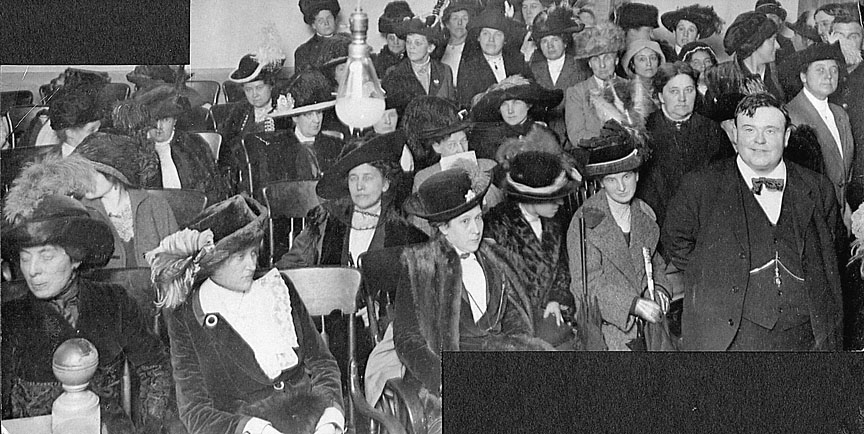
A number of jurisdictions used a selection method in which commissioners compiled lists of prospective jurors from personal knowledge and recommendation, rather than drawing at random from a broad public list.
Random selection from combined source lists – voter registration, driver licensing, tax and benefit records – specifically designed to produce a pool that matches the community without any human choosing who is on it.
The problem with discretionary compilation is structural rather than a matter of anybody’s intentions. People asked to name suitable jurors name people they know and consider suitable, which narrows a pool along every line that social acquaintance follows – and the move to random selection from broad lists exists to remove that step entirely.
5. You Sat in a Central Room All Day and Were Told Nothing
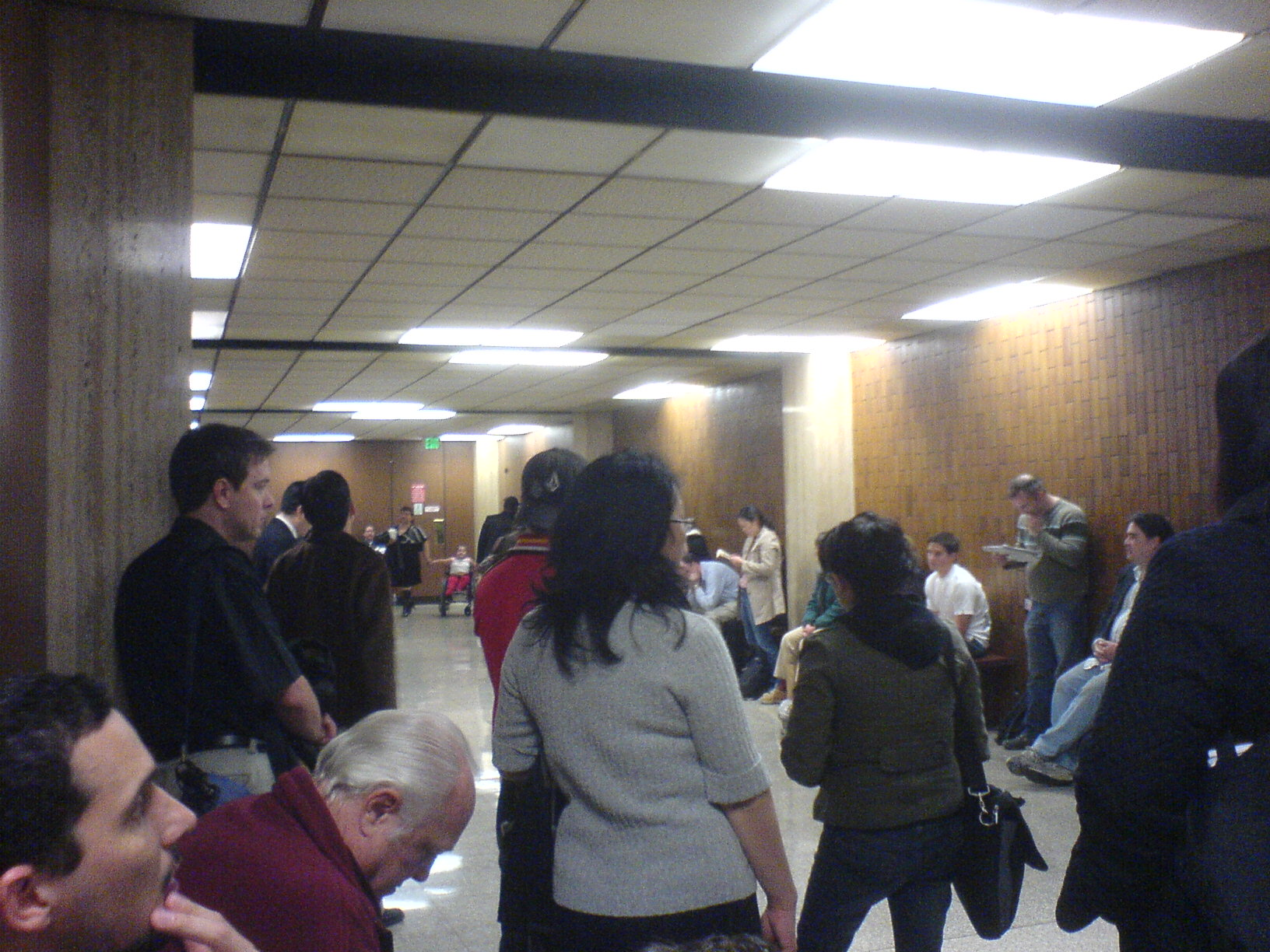
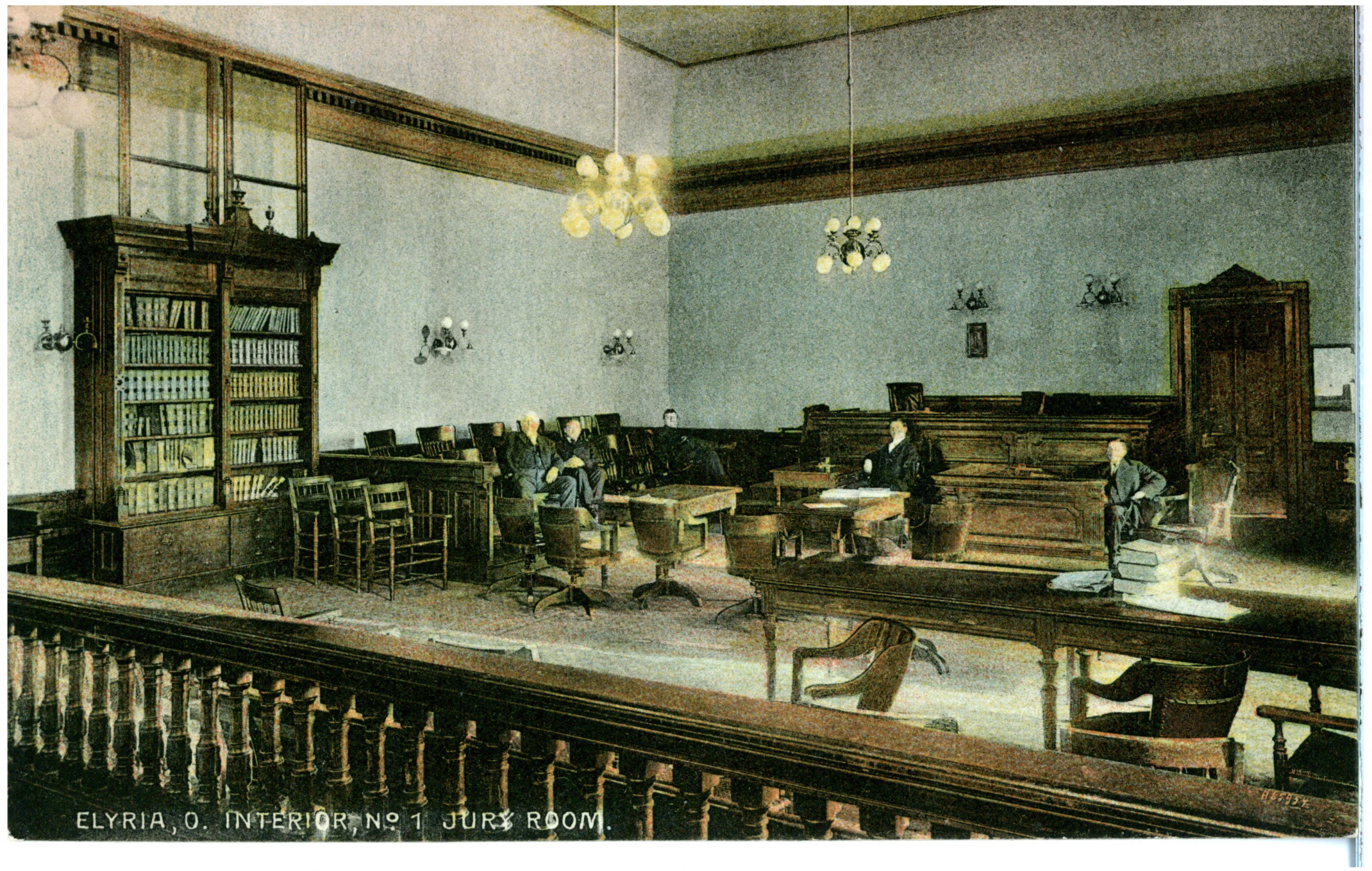
Reporting meant arriving at a courthouse and sitting in a large room with everybody else summoned that day, for hours, with no information about whether you would be needed.
The same waiting in many places, but with call-in and text notification systems that tell people not to come, and far better use of jurors’ time once they are there.
The waiting was the most complained-about feature by a wide margin and it was entirely unnecessary even then. A courthouse that summoned four hundred people to fill three juries had three hundred people sitting in a room all day for nothing, which is a cost borne entirely by the public and recorded nowhere.
6. The Pay Was a Few Dollars a Day and Your Employer Owed You Nothing
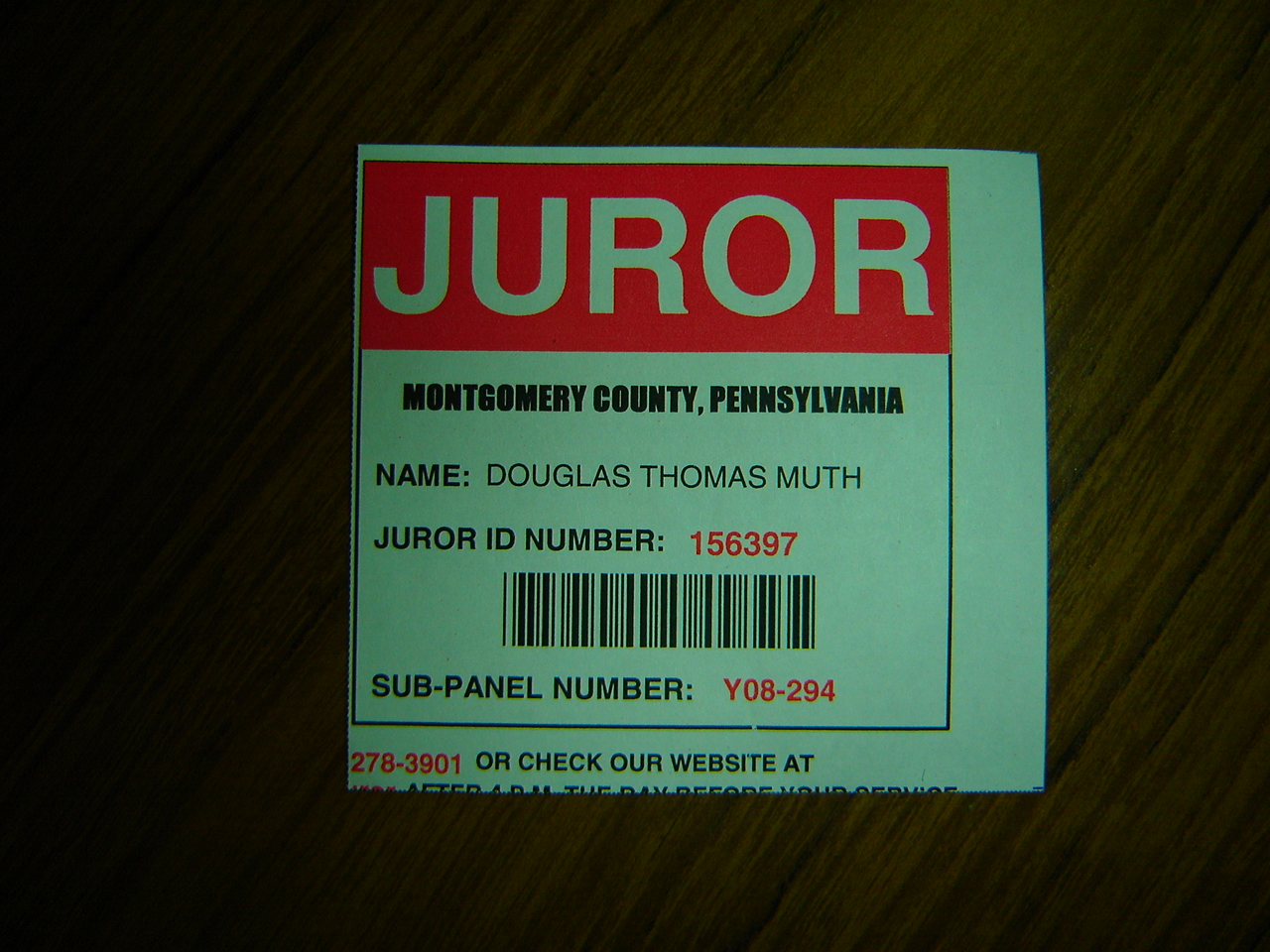
Juror compensation was a nominal daily sum – a handful of dollars – and protections requiring an employer to hold a job or continue pay were limited or absent depending on where you lived.
Compensation that remains low in most places, but with job protection for jurors now widespread, and employer pay continuation common as policy or requirement.
The job protection is the change that mattered most. A nominal fee is a real hardship for an hourly worker, and in 1974 somebody summoned for a two-week trial could lose two weeks of wages and in some circumstances their position – which meant the people most likely to seek excusal were precisely those least able to afford service.
7. People Smoked in the Jury Room
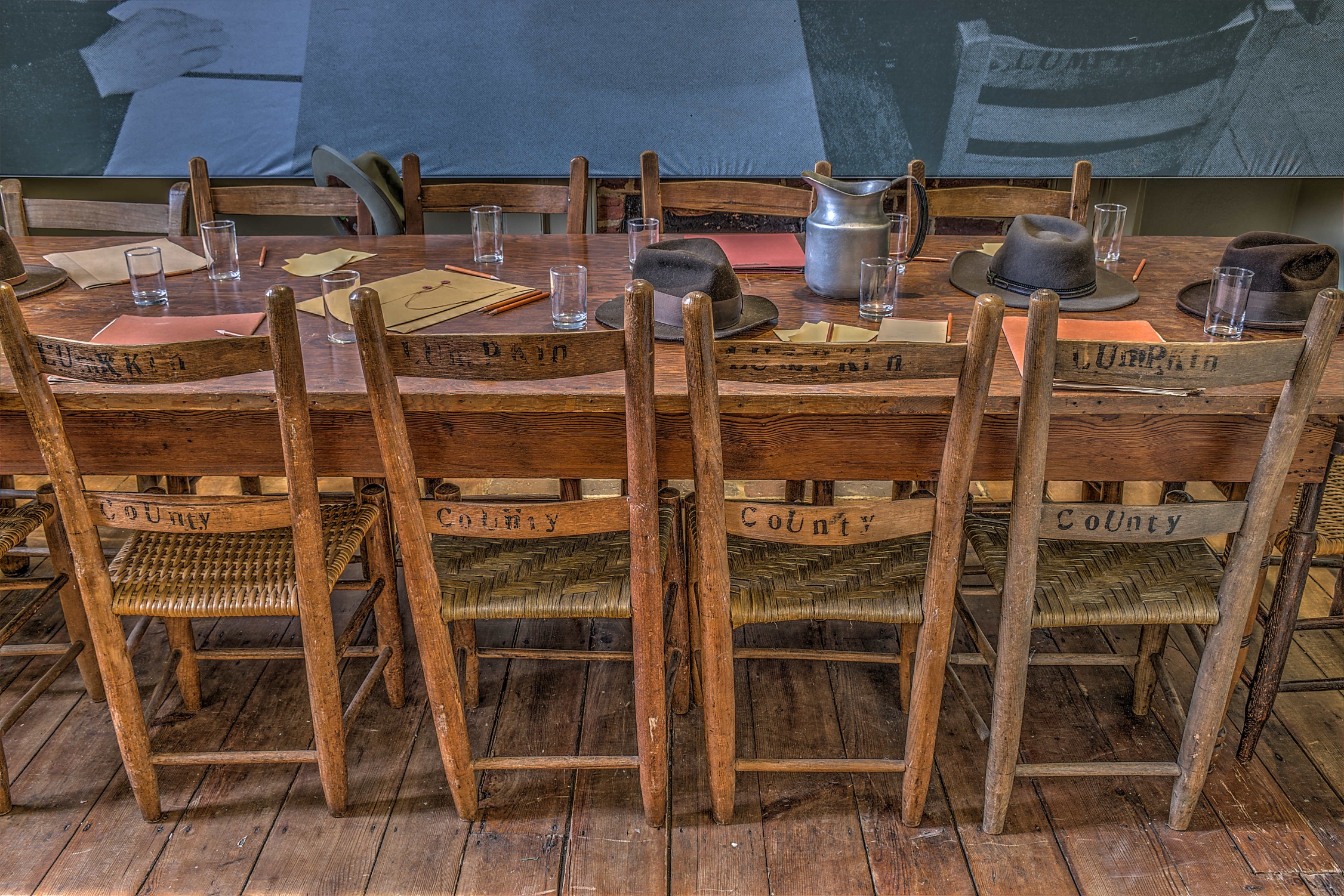
Jury rooms, waiting rooms and in some periods courtrooms themselves had ashtrays, and smoking during deliberation was ordinary.
Prohibited throughout, as in every public building. The deliberation room of 1974 was a small sealed space in which twelve people sat for hours and several of them smoked.
The physical conditions are worth recording because they shaped the process. A dozen strangers in a warm windowless room with no break, no refreshment and a smoke haze are not at their most deliberative – and the pressure to reach agreement and get out was a real factor that nobody accounted for.
8. Jurors Were Frequently Not Allowed to Take Notes

Many courts prohibited note-taking on the reasoning that it would distract jurors, that note-takers would dominate deliberation, and that imperfect notes were worse than memory.
Note-taking permitted as the norm, with notebooks commonly supplied, and in many places written copies of the judge’s instructions given to the jury to take into the room.
The change followed from research and from the obvious. A juror asked to retain days of testimony, expert evidence and detailed instructions purely from memory, and then to deliberate accurately on it, is being set an impossible task – and the old objection assumed a problem that turned out to be smaller than the one it caused.
9. Sequestration Meant a Hotel and a Bailiff on the Corridor
In serious cases a jury was isolated for the duration – taken to a hotel, with telephones restricted, newspapers withheld or cut, televisions supervised, and an officer of the court responsible for keeping them separate from everybody.
Sequestration still exists and is now rare, used only in exceptional cases, with instruction, questioning and in some trials device restrictions relied on instead.
It is used sparingly now because the cost was understood to be enormous and not only financial. Jurors separated from their families and jobs for weeks are under a pressure that affects deliberation, and the measure that was supposed to protect the verdict was also distorting it.
10. The Jury Was Sometimes Taken Out to Look at Something
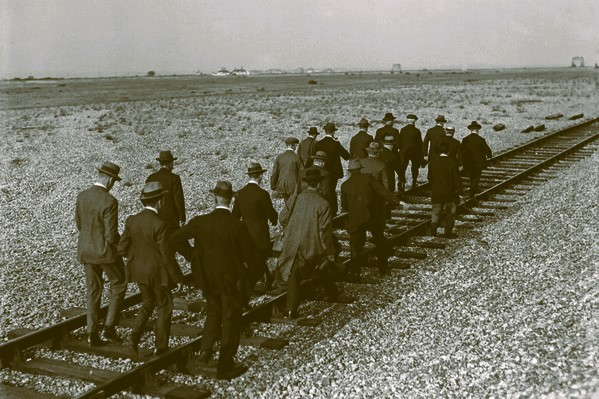
Where a location mattered, the whole jury was transported to it – a road junction, a building, a factory floor – escorted, in silence, to view the scene with the judge and counsel present.
The same procedure, still available and still used, alongside photographic, video, laser-scanned and three-dimensional reconstructions presented in the courtroom.
The visit survives because there are things a photograph cannot convey – a sight line, a gradient, how far a distance actually feels – and courts have been careful not to let presentation technology replace it entirely, which is a judgement that has held up.
11. Nobody Was Accommodated for Anything
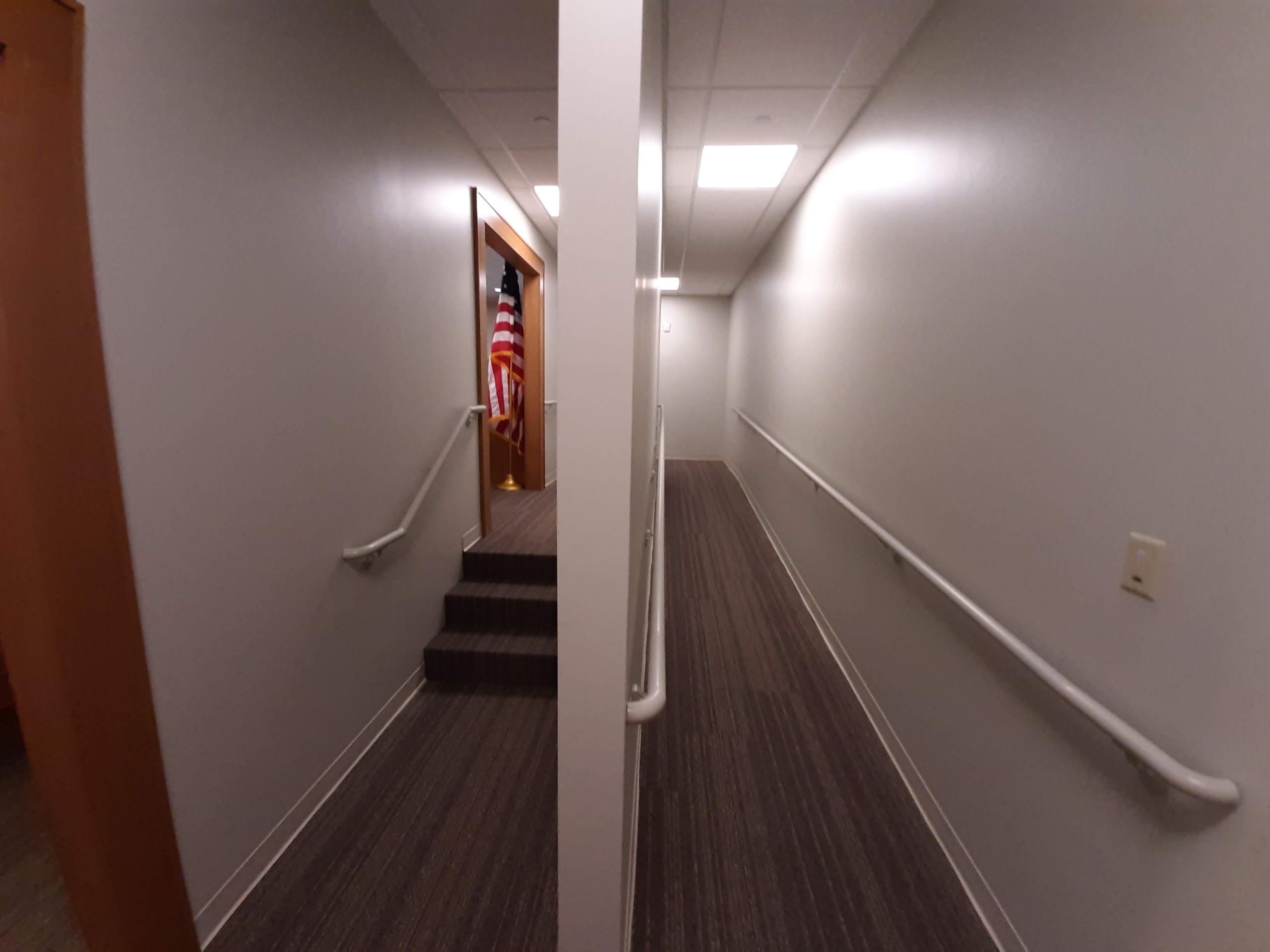
There was no routine provision of interpreters, hearing assistance, physical access, or adjustment for anybody who could not sit through a long day – and anybody who could not manage was excused rather than accommodated.
Required accommodation: interpreters, assistive listening, accessible facilities, breaks and materials in alternative formats, on the principle that a juror should be enabled to serve rather than excluded from serving.
The shift from excusal to accommodation is the whole point and it has a direct effect on the verdict. Every person excused for a reason that could have been accommodated is a person removed from the cross-section, which means the accommodation requirement is not primarily a courtesy to the juror – it is a measure to make the jury representative.
12. Challenges Were Exercised on Appearance and Hunch
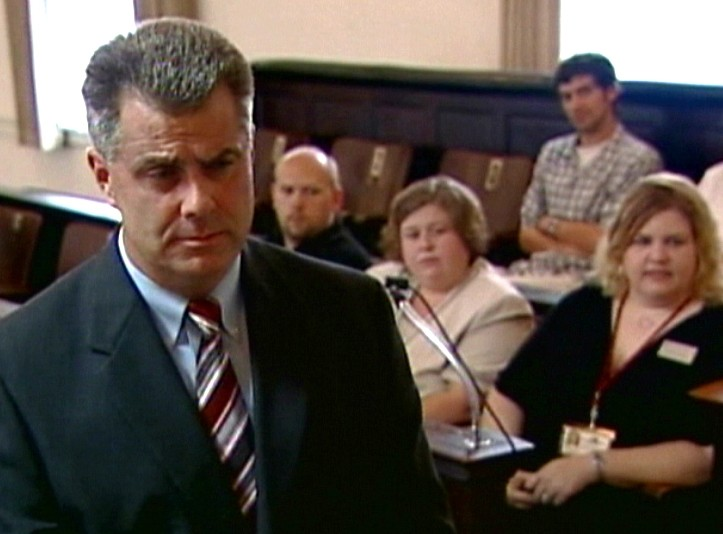
Lawyers removed prospective jurors using a set number of challenges requiring no reason, exercised rapidly on the basis of appearance, occupation, demeanour and whatever folklore their profession held about who favours whom.
The same mechanism, now constrained by case law prohibiting the use of such challenges to remove jurors on certain grounds, with a procedure for objecting and requiring an explanation.
The constraint exists because an unreviewable power to remove people without reason will be used along whatever lines the person exercising it believes in – and a mechanism that required no justification could not be examined, which is why the courts built a way to ask.
13. Service Meant Weeks, Not a Day
A term of service commonly ran for a set period – two weeks, a month, sometimes longer – during which you reported repeatedly and were available to be called for any trial.
One-day or one-trial systems in most American jurisdictions: you appear once, and if you are not selected for a trial that day your obligation is discharged.
That reform did more to make jury service workable than anything else on this list. Asking an ordinary person for one day is a request most people can meet; asking for a month of unpredictable availability is a request that filters out everybody with a job, a business or a dependent – which is exactly what it did.
14. Then the Whole Point Shifted From Convenience to Representativeness
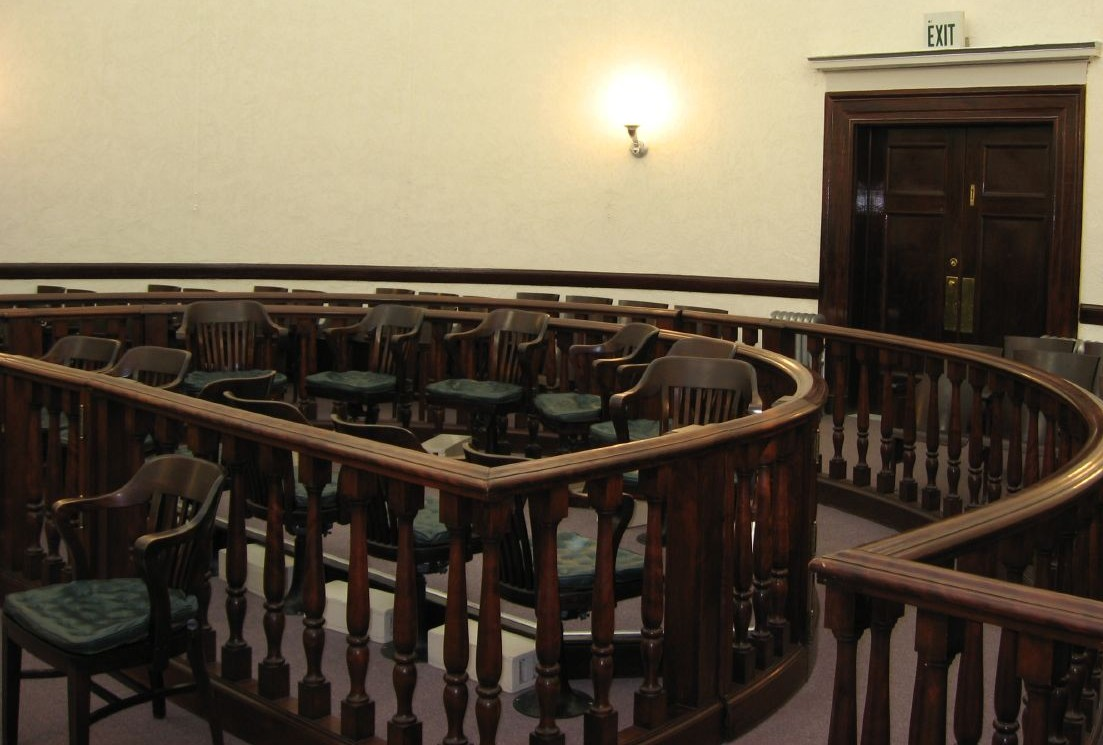
All of it rested on an arrangement that produced a jury from whoever was left after long exemption lists, discretionary pool compilation, automatic excusals, nominal pay with no job protection, month-long terms and no accommodation of any kind.
A system reorganised around a single principle – that a jury should be drawn from a fair cross-section of the community – from which random selection, narrow exemptions, one-day service, job protection, required accommodation and constrained challenges all follow as consequences.
Which reframes every item above. Each individual change reads like a convenience reform, and almost none of them were made for the juror’s comfort. Narrow exemptions, random selection from broad lists, one-day terms, employer protection, interpreters and accessible facilities all exist because every person who is excused, excluded, filtered out by cost or removed without reason is a person missing from the cross-section – and a jury assembled from whoever can afford a month off is not the institution the system is supposed to be running. The reforms made service easier as a by-product. What they were actually doing was changing who was in the room.
Almost None of These Reforms Were About the Juror
Read down this list and it looks like a century of accumulated consideration for the person summoned. Online deferral instead of appearing to beg a clerk. One day instead of a month. Job protection. Notebooks. Interpreters and accessible facilities. Call-in systems so you do not sit in a room for nothing.
Every one of those does make jury service less punishing, and the improvement is real.
But the comfort of the juror is not why any of them happened, and the actual reason is a single idea that reorganised the whole institution: that a jury should be drawn from a fair cross-section of the community.
Once that is the governing principle, every item above becomes a defect to be fixed – not because it inconveniences people, but because it removes people.
A statutory exemption list covering doctors, lawyers, clergy, teachers, police officers, pharmacists, printers and undertakers does not merely spare those professions. It deletes them from the pool, and what remains is not a cross-section. An automatic excusal available on request to half the adult population does not make service optional for women; it makes juries unrepresentative, which is the ground on which the courts eventually struck it down. A pool compiled by commissioners from personal knowledge narrows along every line that social acquaintance follows, whatever anybody intends. Nominal pay with no job protection filters out hourly workers, which means it filters by income. A month-long term of unpredictable availability filters out anybody with a job, a business or a dependent. And excusing somebody who needs an interpreter or a ramp, rather than providing one, removes them.
Line them up and the pattern is unmistakable. Each arrangement was a filter, and the filters all ran in the same direction – towards people with flexible time, secure salaries, no caring responsibilities and no need for accommodation.
So the reforms that look like kindness are structural. One-day service exists because a day is a request most people can meet and a month is not. Job protection exists so that service does not depend on being able to afford it. Random selection from combined source lists exists to remove human choice from the step where it most distorts the result. Narrow exemptions exist so professions are not deleted. Accommodation exists so that needing help is not the same as being disqualified.
The juror’s experience improved considerably as a by-product.
What the changes were actually doing was altering who ended up in the room – which, in an institution whose entire legitimacy rests on who is in the room, is the only thing they could have been for.
If you served then, you waited all day in a room with no idea whether you were needed.
And somebody in that building decided which list your name had come off, which is not a sentence anybody would write now.
Like our content? Follow us for more.