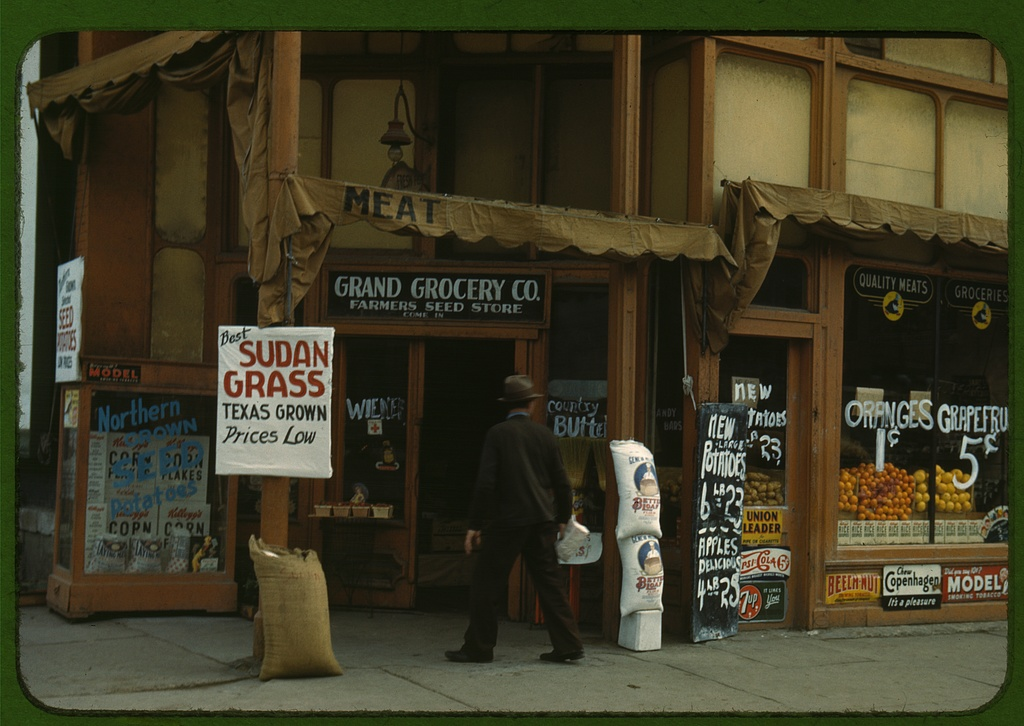
It was at the edge of town, near the tracks if the town had tracks, in a long building with a loading dock down one side and a scale set into the floor inside the door.
It smelled of grain dust, molasses, creosote and something animal, and the smell was in the wood. There were sacks stacked to head height, a wall of small drawers, a bulletin board by the door, and a man behind a counter who knew what you kept and how many of them you had.
The Sacks Were Printed Cotton and Women Made Clothes Out of Them
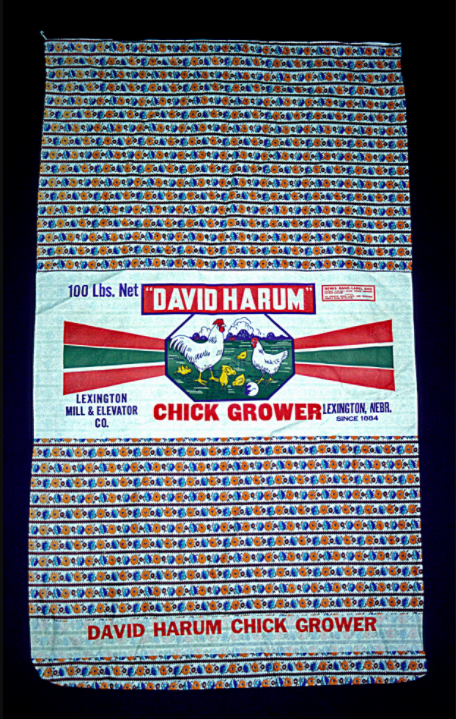
This is the detail that makes the feed store worth an article, and it is entirely true.
Bulk animal feed, flour and seed moved in sewn cotton sacks weighing fifty or a hundred pounds. Cotton, because it was cheap, strong, breathable and reusable – and because a cotton sack can be unpicked along its seam and laid out flat as a usable piece of fabric about a yard square.
Farm households, which were not wealthy and did not waste material, did exactly that. Sacks were washed, unpicked, bleached to remove the printing, and sewn into dish towels, aprons, curtains, pillowcases, underwear, children’s clothes and dresses.
And then the mills noticed.
From the 1920s onwards, feed and flour companies began printing their sacks in attractive patterns on purpose – florals, checks, stripes, novelty prints for children – specifically so that the sack would be chosen for its fabric. They printed the brand name in water-soluble ink so it would wash out. They issued new patterns seasonally. Some published pattern booklets showing what you could make and how many sacks a garment would take.
Which means a feed mill was competing for farm business on the strength of its dress fabric, and a woman buying chicken feed was choosing a supplier based on what she could make from the bag.
Like our content? Follow us for more.
Three Sacks Made a Dress and Everybody Knew It
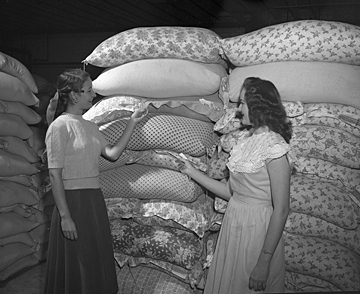
The practical consequences of that are the part people find hardest to believe.
A garment needed a specific number of matching sacks – three for an adult dress, one or two for a child’s – which meant the sacks had to match, which meant a household had to buy that pattern repeatedly before the mill changed it. Women tracked which patterns were current. They asked the store to hold matching sacks. They traded sacks with neighbours to complete sets. They sent their husbands to the feed store with explicit instructions about which pattern to bring home, and the men took the instruction seriously because the alternative was going back.
Stores sorted their stock by pattern and kept pattern runs together, because they understood perfectly well that they were partly in the fabric business.
None of this was a hardship arrangement people were ashamed of, which is the usual assumption. It was widespread, it was commercially acknowledged, and the mills’ own advertising addressed the farm woman directly as the person choosing the brand.
The Store Sold Everything a Place With Animals Needs
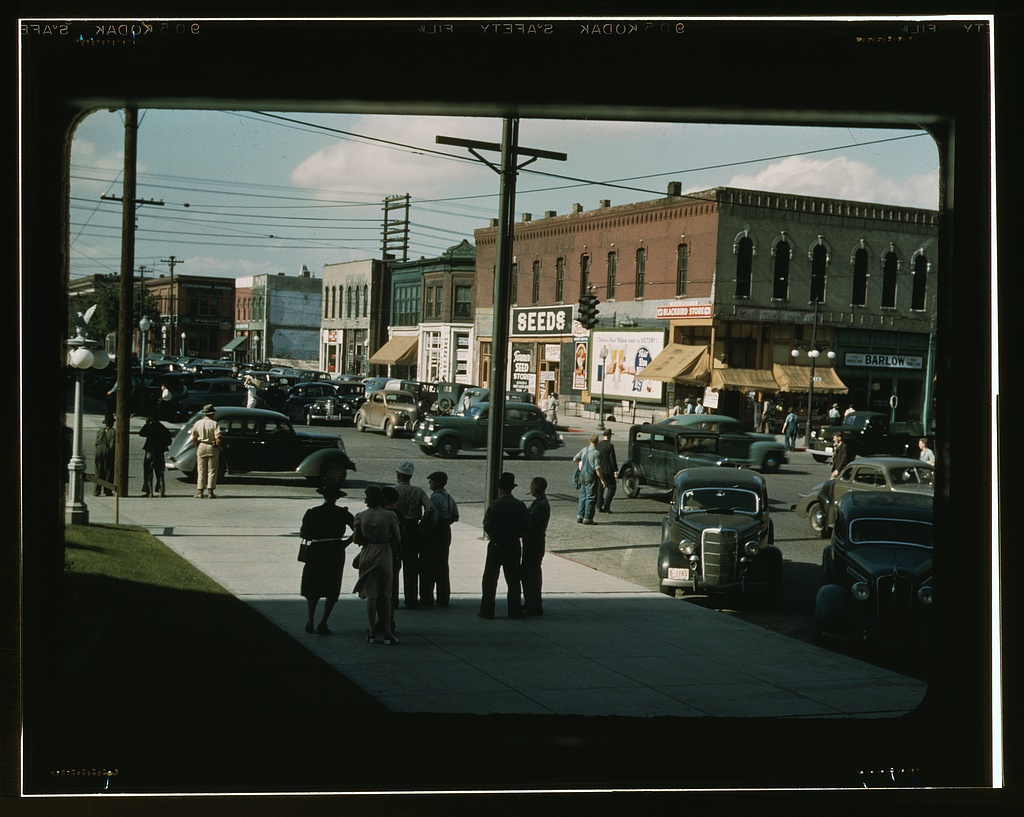
The feed was the volume, and it was only the beginning.
Seed by weight, scooped from bins and bagged. Fertiliser and lime. Fencing – barbed wire, woven wire, posts, staples. Hardware, nails and tools. Veterinary supplies and dosing equipment. Salt blocks and mineral licks. Twine and rope. Harness parts and fittings. Troughs, waterers and feeders. Incubator supplies. Boots and work gloves. Rat traps and poisons. Garden seed in spring, in packets and in bulk.
And baby poultry. Chicks arrived in spring by post or by truck in ventilated cardboard boxes, were kept in the store under heat lamps, and were sold by the dozen out of a brooder on the floor – which is the single thing anybody who grew up near one of these stores remembers most clearly, because a shop with a thousand live chicks in it is not something a child forgets.
The Account Book Was the Real Business
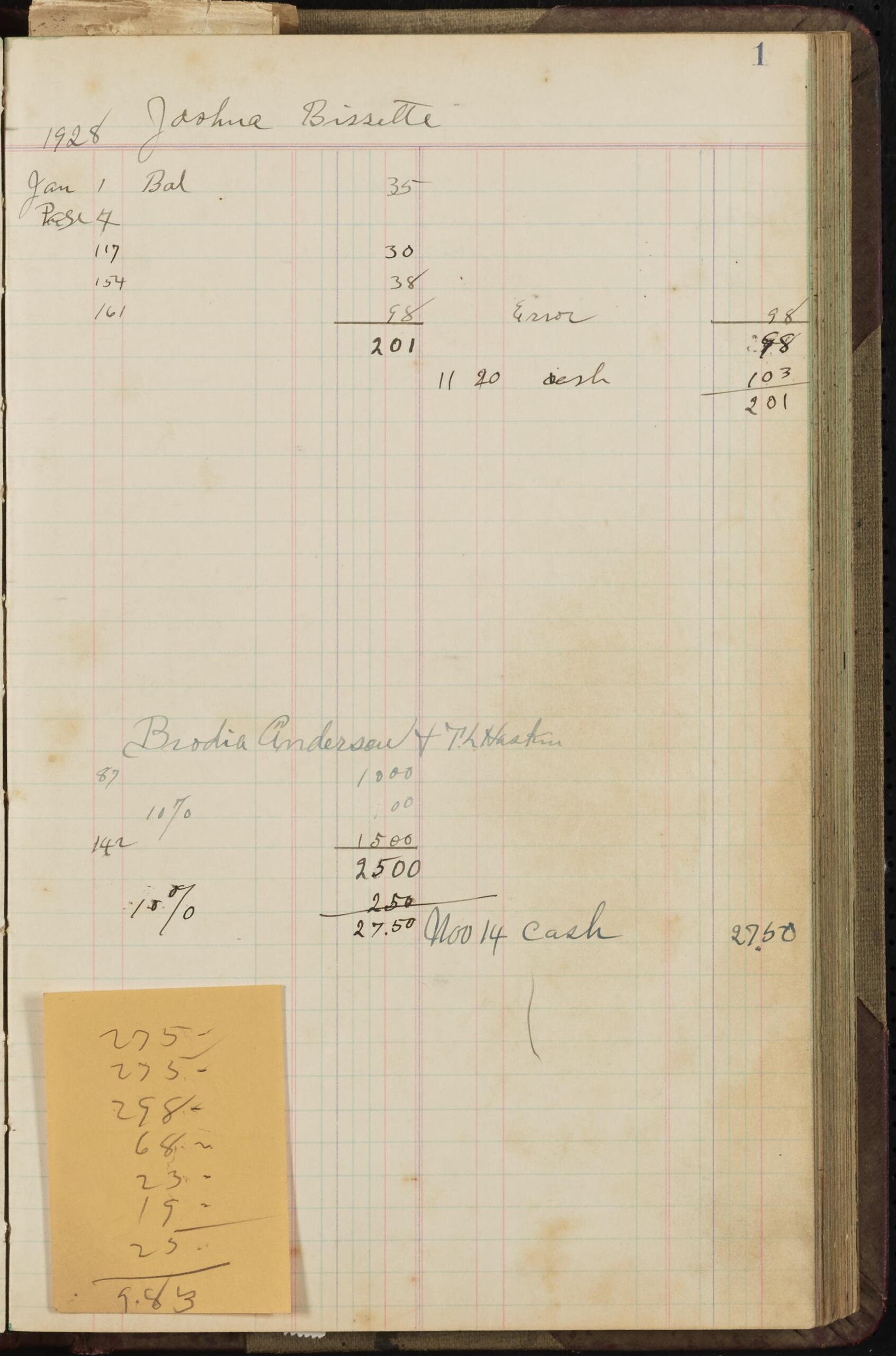
The thing that actually made a feed store the centre of a farming community was not the goods. It was the credit.
Farm income is seasonal and farm costs are not. You buy feed, seed and fertiliser in spring, you spend all summer on them, and you are paid at harvest or when the stock is sold. The gap is several months and it is unavoidable.
So the feed store carried farmers. Purchases went into a ledger under the customer’s name, through the growing season, and were settled when the crop or the cattle were sold. No application, no interest in many cases, no collateral – just a column of figures and the proprietor’s judgement about whether a man would pay.
That made the store a lender, which means it carried the risk of a bad year across its whole customer base simultaneously – because a drought does not fail one account, it fails every account at once. A feed store in a county with a crop failure was in serious trouble whether or not it had sold anything.
The proprietor therefore knew an enormous amount about the local farm economy, by necessity, and his judgement about who was in difficulty was the best information in the county.
The Bulletin Board Was the County’s Noticeboard
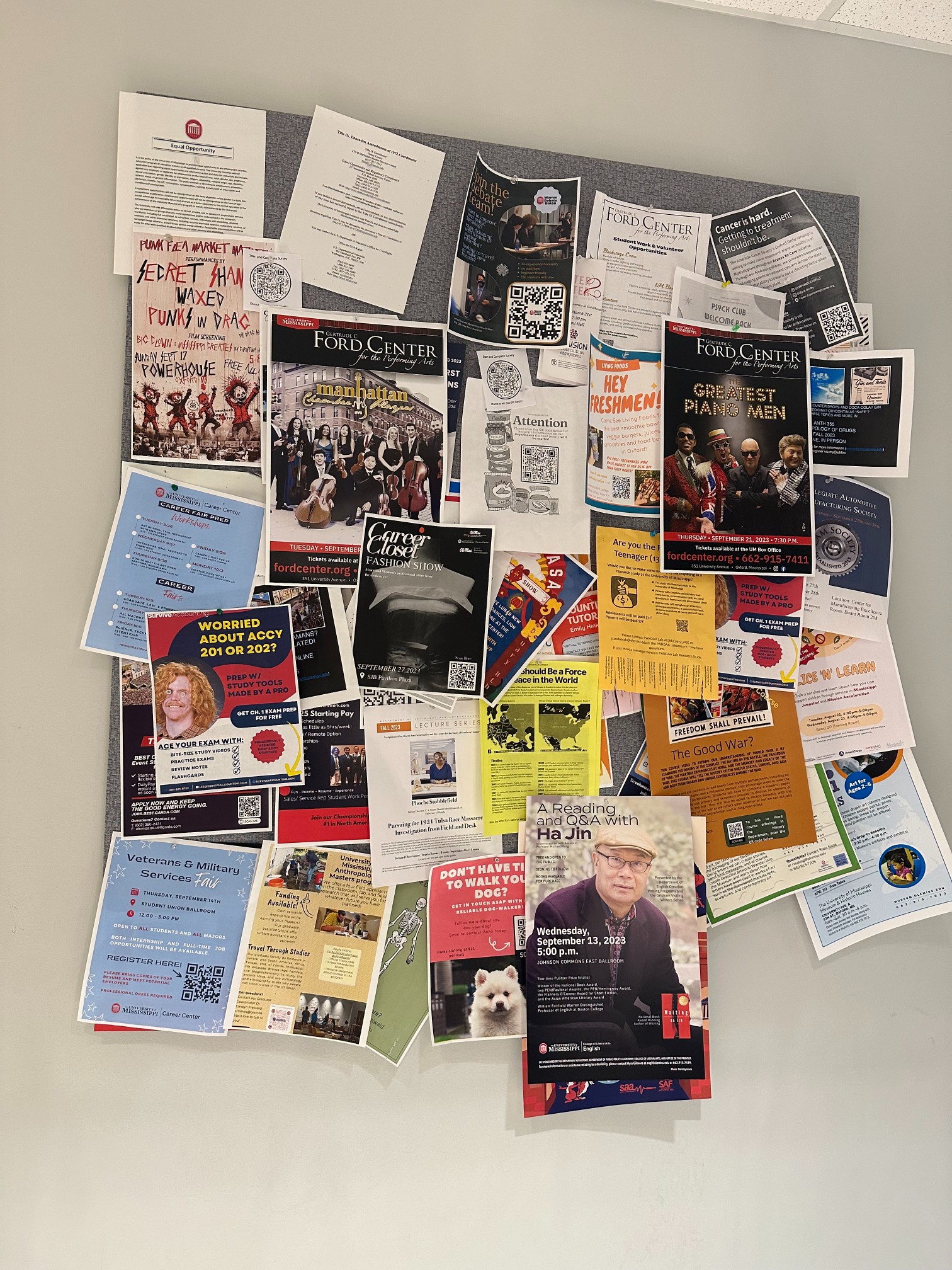
By the door there was a board, and on it was the local agricultural economy in hand-lettered cards.
Equipment for sale. A bull for hire. Hay wanted. Pasture to rent. Somebody looking for haying work. A litter of pups. An auction notice. A truck for sale. A man advertising custom baling or combining.
And in front of it, every morning, there were men standing about. The feed store was where farmers met without having arranged to – which in a dispersed rural county with no other common premises is a genuinely important function. Prices were discussed, weather was discussed, who was selling and who was buying was established, and a man could find out in twenty minutes what was happening across a township.
Why the Sacks Stopped Being Cotton
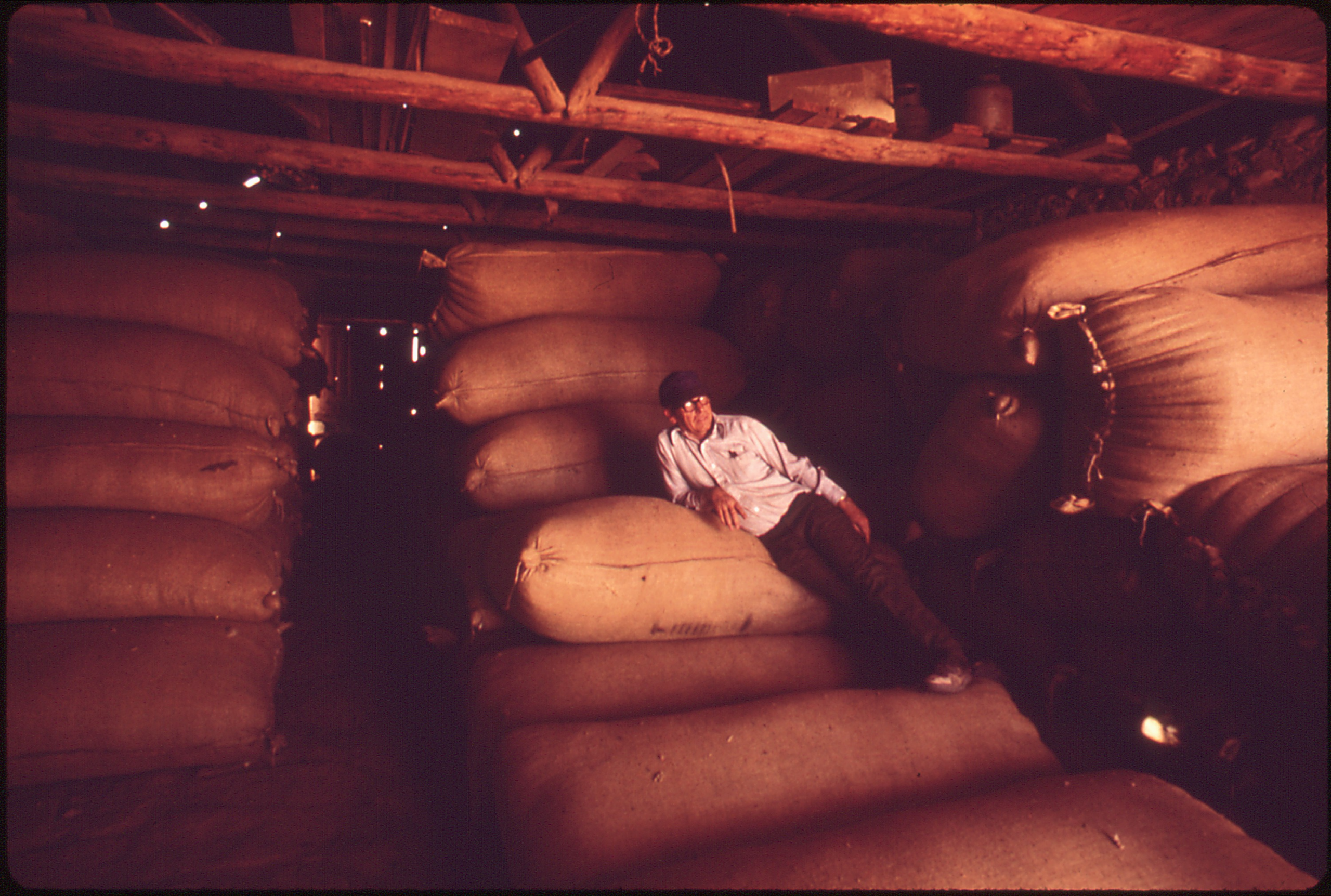
The fabric trade ended before the stores did, and the reason is packaging.
Paper, and then woven plastic, replaced cotton for bulk feed from the 1950s onward. Both were considerably cheaper, both were lighter, and multi-wall paper handled moisture adequately for the distribution system that was developing. A cotton sack costs real money and has to be made; a paper one does not.
So the mills stopped printing patterns, because there was no longer a fabric to compete on, and one of the more unusual arrangements in American commercial history – a feed company designing textiles to sell grain – simply ended.
It left a large body of quilts, dresses and aprons behind, which is why feed sack fabric is now collected and studied and reproduced, and why a great many American families have a quilt whose squares are identifiable as somebody’s chicken feed.
The Scale in the Floor Settled Every Argument
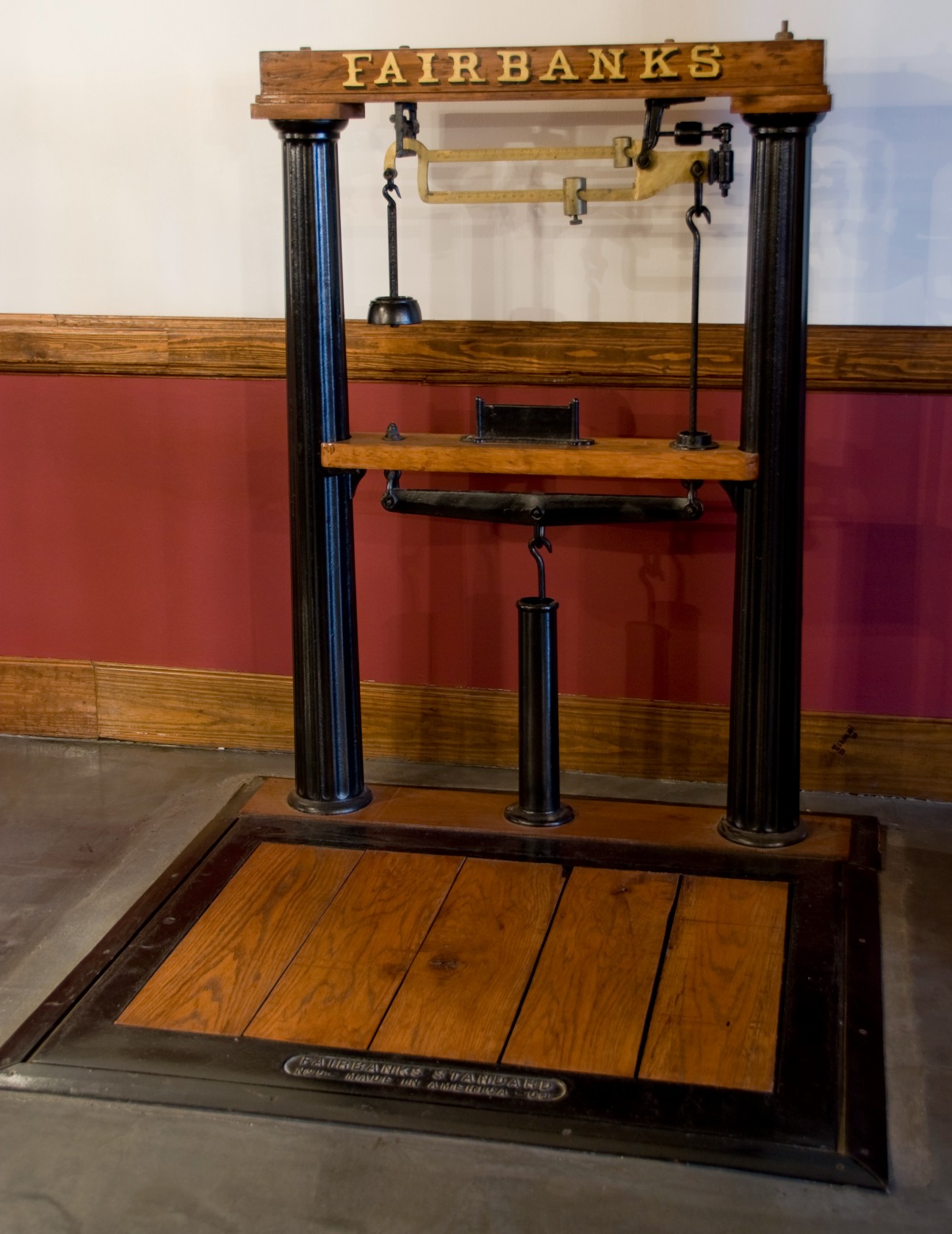
The weighing arrangement deserves its own note, because the whole trade ran on it.
Set into the floor inside the door, or on a platform beside the counter, was a beam scale – a heavy iron platform with a graduated beam above it and sliding poises, capable of weighing a hundred-pound sack or a man or a calf.
Everything was sold by weight, and weight was established in front of the customer. Seed was scooped from a bin into a bag on the platform until the beam balanced. Feed was checked. Anything taken in – grain, wool, pelts, produce – was weighed on the same scale, by the same person, in the same place.
Which is why the scale was sealed and inspected like a shop’s counter scales, with a mark and a date on it, and why its position by the door mattered. A measuring instrument in a commercial transaction had to be where both parties could watch it, and the beam coming level is the moment a deal was done.
Children were weighed on it constantly, which every account mentions, and so were dogs.
The Twist: The Goods Survived and the Other Two Businesses Did Not
Feed stores still exist, and a great many small towns still have one, frequently as a franchise of a national farm and ranch chain with a large car park and a wide aisle of work clothing.
What they sell is broadly the same list. What they no longer do is the other two things.
The credit went first, and it went because of consolidation on both sides. Large farms buy feed in bulk by the ton, delivered direct from the mill on terms arranged with the manufacturer, and have real banking relationships for their working capital. The seasonal ledger at a store counter does not scale to an operation that size, and a store cannot carry the exposure anyway.
And the meeting place went, because fewer people needed one. Farm consolidation reduced the number of farms by a very large proportion, which is simply fewer men to stand in front of a board. Prices arrive by phone and screen rather than by conversation. Equipment is advertised online. And a nationally owned store with a manager who rotates has nobody behind the counter who knows what you keep and how many of them you have.
So the feed store’s three businesses separated. The goods went to national retail, which does it cheaper and better. The credit went to banks and to manufacturers, which is where credit at that scale belongs. And the function of being the one place in a county where farmers encountered each other went nowhere at all.
The chicks are still there in spring, under the heat lamps, which is the one thing that has not changed. Children still stand and look at them.
Like our content? Follow us for more.