It Was a Wooden Tub With a Screw Through the Middle of It
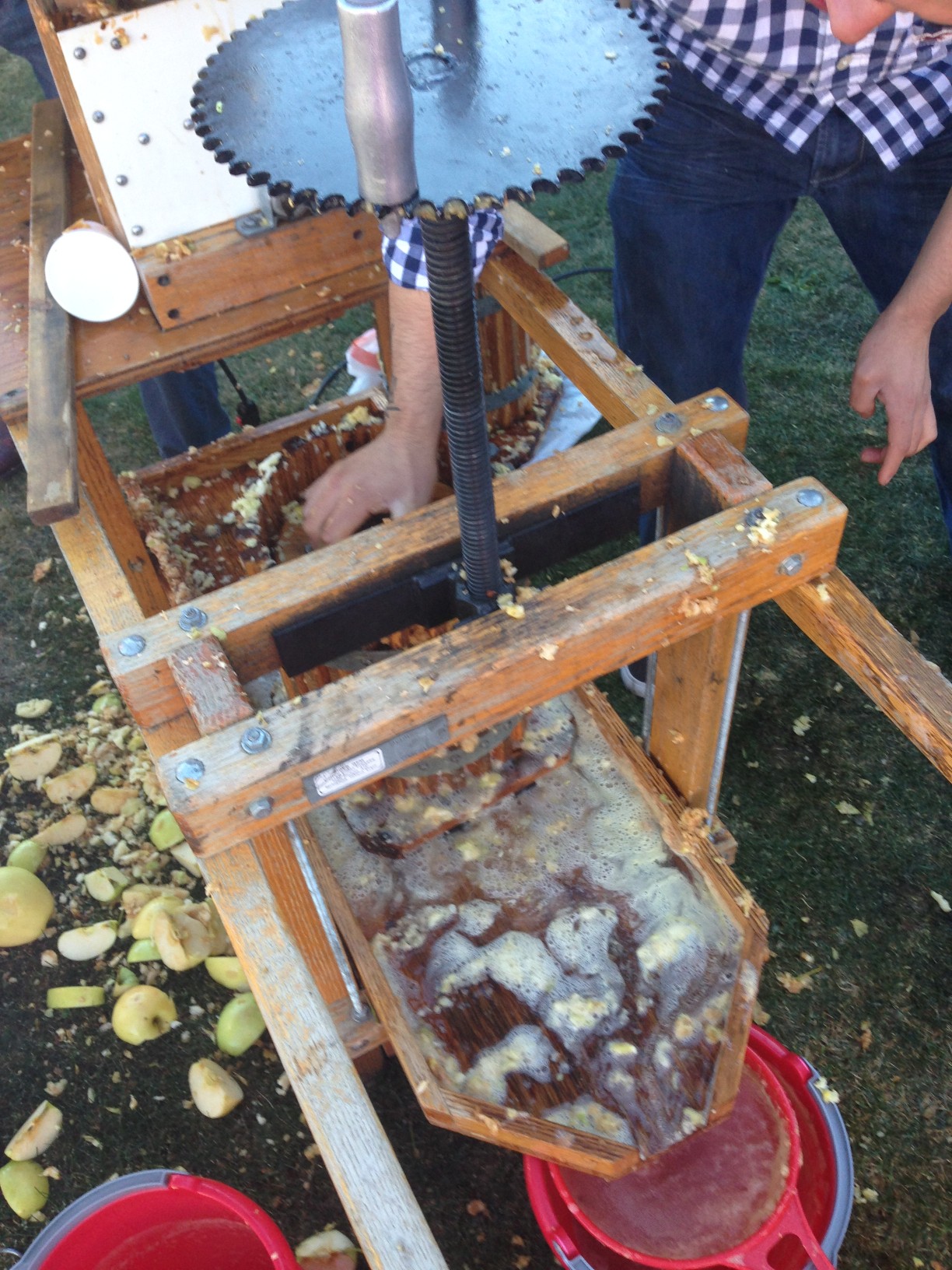
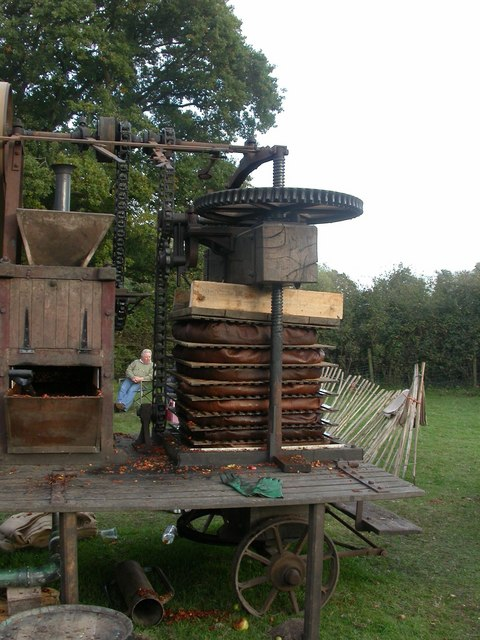
The press stood in a shed, a barn or under a tree, and it was two machines bolted to one frame.
At one end was a hopper above a roller studded with iron teeth, turned by a crank or a flywheel. Apples went in whole and came out the bottom as a coarse wet mash.
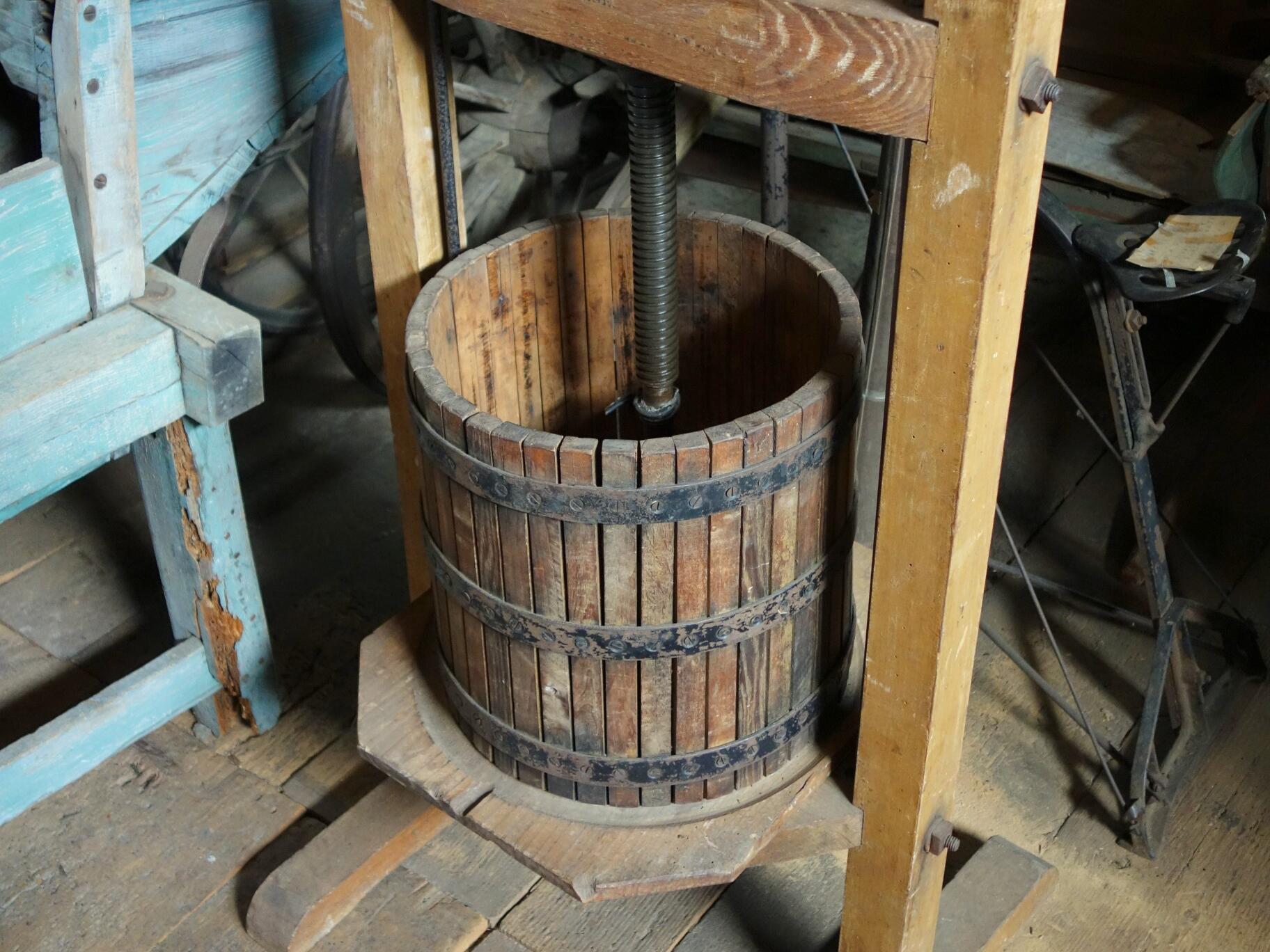
At the other end was the press itself: a round or square tub built of wooden slats with gaps between them, standing in a tray with a spout, and above it a heavy threaded screw with a crosspiece handle. The mash went into the tub, the screw came down on a wooden disc, and somebody turned the handle until it would not turn any further.
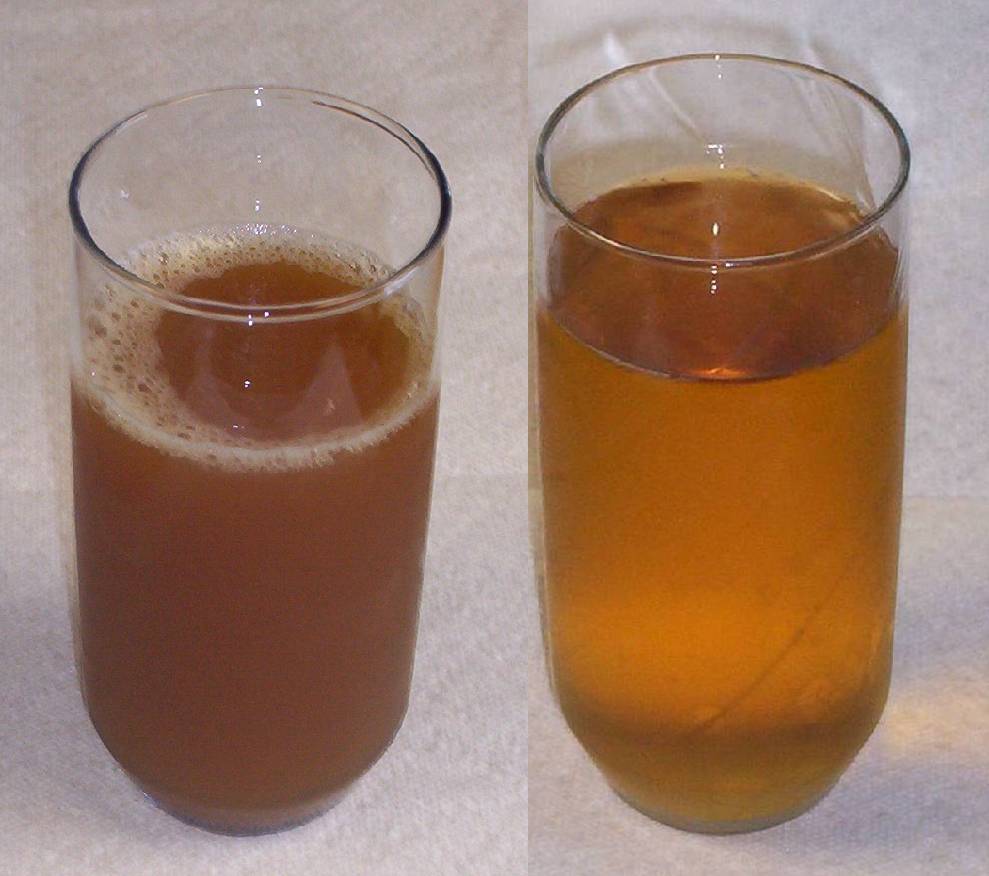
Juice came out of the slats, ran across the tray, and went down the spout into a bucket. It was brown, cloudy, foamy on top, and it tasted like nothing that comes out of a bottle.
Like our content? Follow us for more.
It Had to Be Two Machines and That Is Not Obvious
People assume you press apples. You cannot, usefully, and the reason is worth knowing.
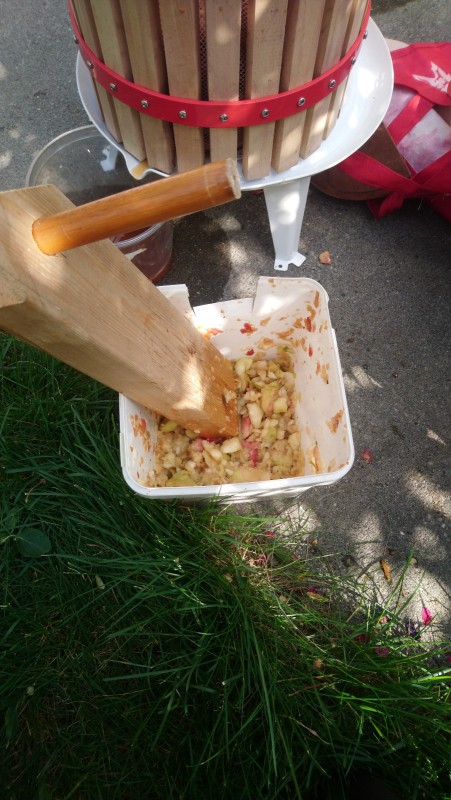
A whole apple is a rigid structure full of cells, and squeezing it simply bursts a few of them and splits the fruit into pieces that slide past each other. Pressure finds the gaps between the pieces instead of the juice inside them, and the yield is poor.
Grinding first solves it. Reducing the fruit to a mash of small particles ruptures the cell walls so the juice is already released and merely held in the pulp by surface tension, and it produces a mass that behaves like a solid under pressure rather than a pile of sliding chunks.
So the sequence is fixed: grind, then press. Every cider press ever built has both stages, and the grinding half is the part that does the clever work.
The Pulp Went in Wrapped, in Layers
The better presses did not simply fill the tub, and the refinement is a nice piece of practical engineering.
The mash was wrapped in squares of coarse cloth, folded into flat parcels, and stacked one on top of another with a wooden rack between each layer. The whole stack went under the screw together.
Two reasons. A thin layer gives up its juice far more readily than a deep one, because juice at the bottom of a deep mass has to travel through everything above it. And the cloth holds the solids in while letting liquid out, which keeps the pulp from extruding through the slats and blocking its own drainage.
A press loaded that way produced noticeably more juice from the same apples, ran faster, and was easier to clean out afterwards – and the stack of wrapped layers under a screw is the same arrangement used at industrial scale for a very long time afterwards.
It Was a Day, and It Was Several Households
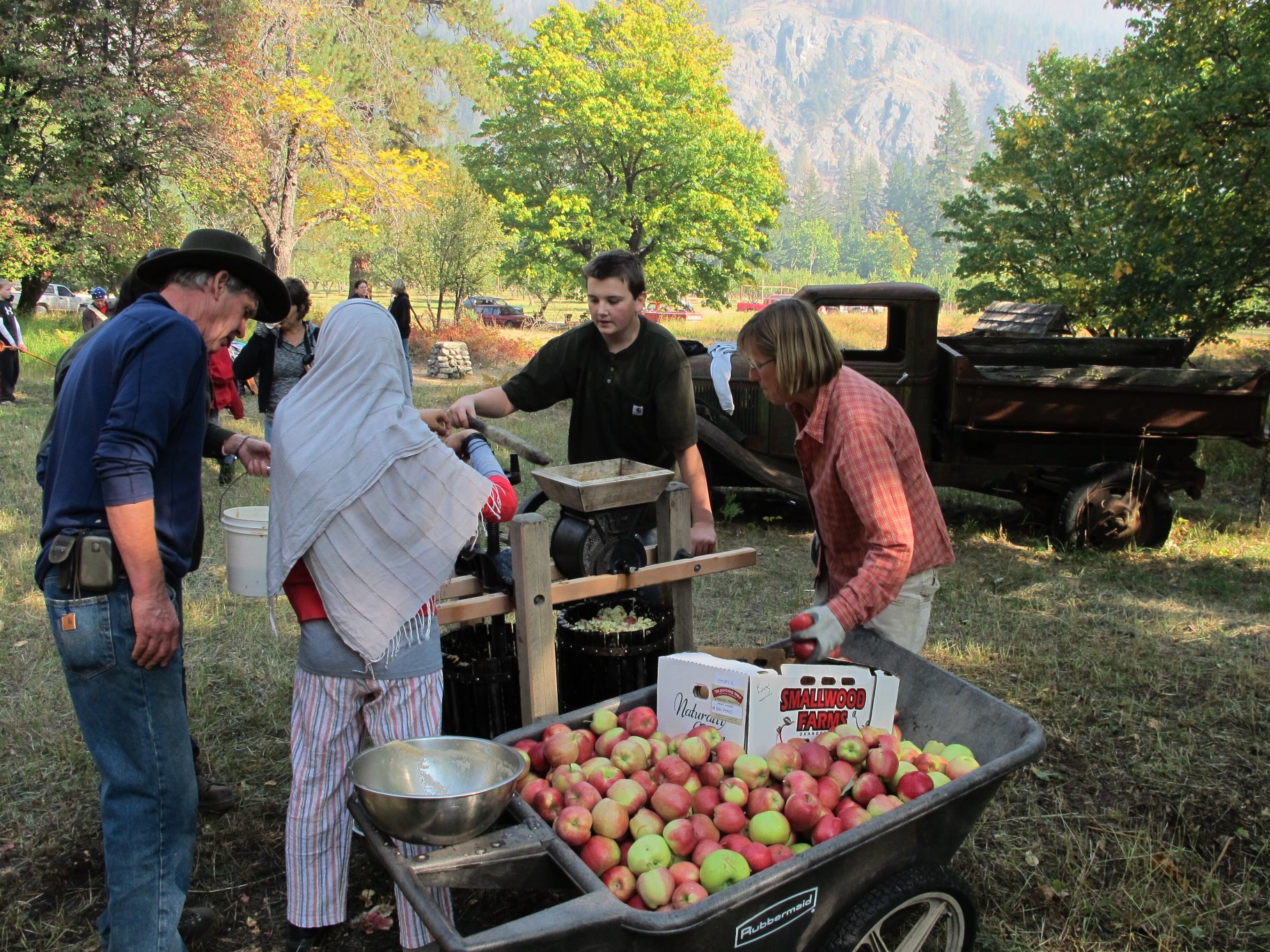
A press was a substantial object that sat unused for fifty weeks of the year, which meant very few families owned one and a great many families used one.
So pressing was a day. One household had the press, several brought apples, and the work was shared: somebody fed the grinder, somebody turned the screw, somebody managed the buckets, children carried fruit and fished out the ones that had rolled away.
It happened in October, outdoors, in cold weather, and it ran as long as there were apples. Everybody went home with jugs, in rough proportion to what they had brought, and nobody weighed anything or wrote anything down.
That arrangement – one expensive tool, many households, labour pooled, output divided by eye – is the same one that governed threshing, butchering and a dozen other seasonal jobs, and it was the ordinary way that rural America got things done that no single family could justify owning.
The Apples Were the Ones Nobody Wanted to Eat
Here is the fact that reframes the whole subject, and it is the one that has been most thoroughly forgotten.
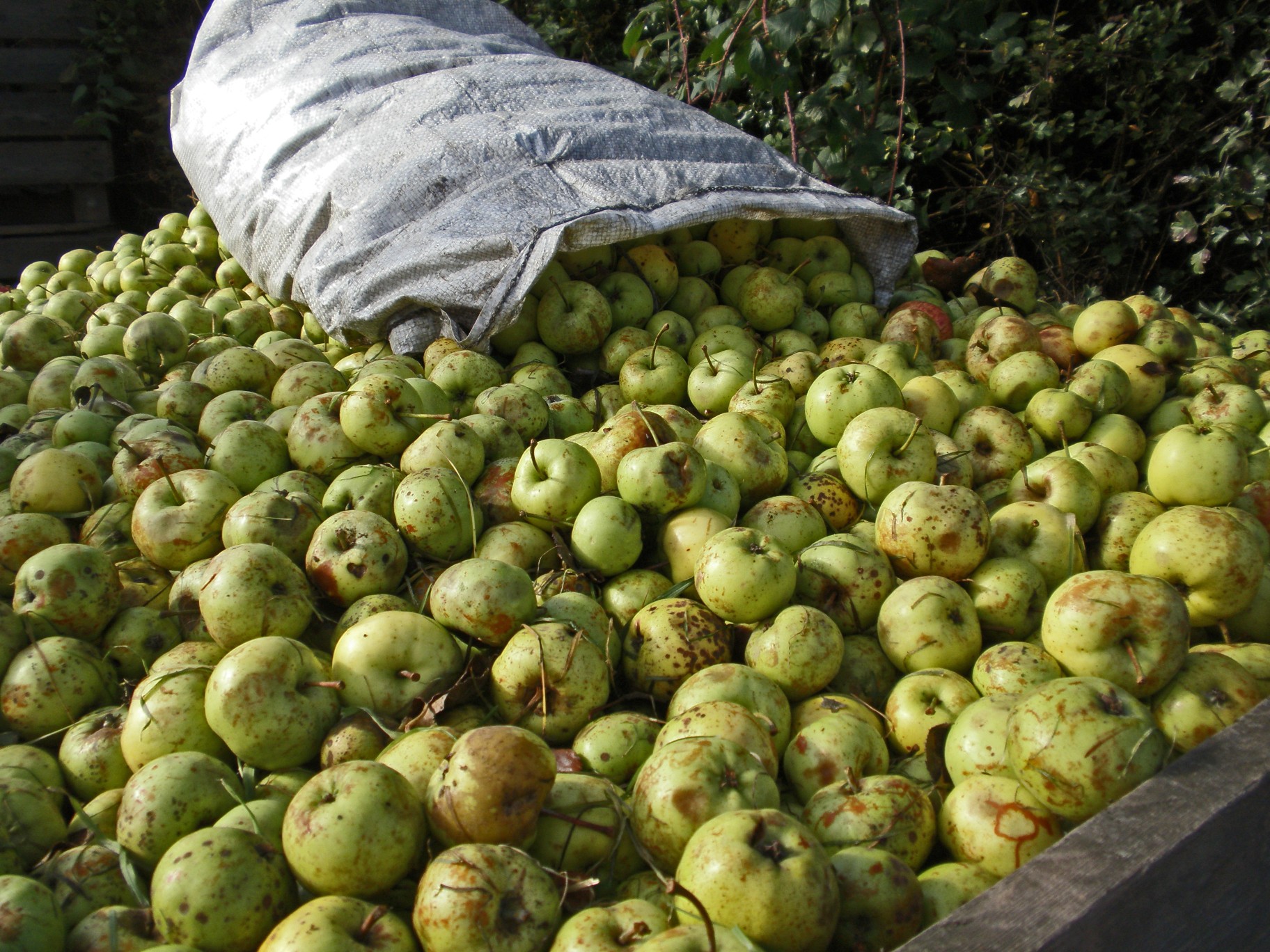
Cider does not want good eating apples. It wants a blend, and the components of a good blend are mostly fruit that is actively unpleasant to eat out of hand.
The reason is chemistry. A drink needs sugar for body, acid for brightness, and tannin for structure and length. Dessert apples are bred for high sugar, moderate acid and almost no tannin, because tannin is astringent and nobody wants a mouth-drying apple. But a juice with no tannin is thin and flat, and it does not keep.
So the traditional American pressing mix included hard, small, bitter, astringent varieties that a child would spit out, along with sharp cooking apples for acid and sweet ones for sugar – frequently a dozen kinds together, including windfalls, seconds, and whatever the tree in the corner produced that nobody had a name for.
Which also means a pressing day was the most efficient use of an orchard anybody had. Fruit too small, too marked, too sour or too late for any other purpose went into the press and came out as the household’s drink for the season.
Sweet and Hard Were the Same Liquid at Different Ages
One point of ordinary period knowledge that confuses people now.
Juice coming off a press is not sterile. It carries yeasts from the fruit skins and from the equipment, and in a jug at room temperature it begins to ferment on its own within a day or two, with no intervention by anybody. Left alone, it becomes alcoholic.
So the distinction a household made was not between two products but between two stages of one. Fresh juice was drunk quickly, or kept cold in a cellar or spring house to slow things down. Anything not drunk fresh turned, and in a great many American households it was allowed to and used accordingly, both before and after the law on the subject changed twice.
This article describes none of that as a method, because it is not a procedure anybody needs from a nostalgia piece – and anybody handling unpasteurised juice today should work from current published guidance, which is considerably more informative than anything a 1964 kitchen had.
Nothing Was Thrown Away
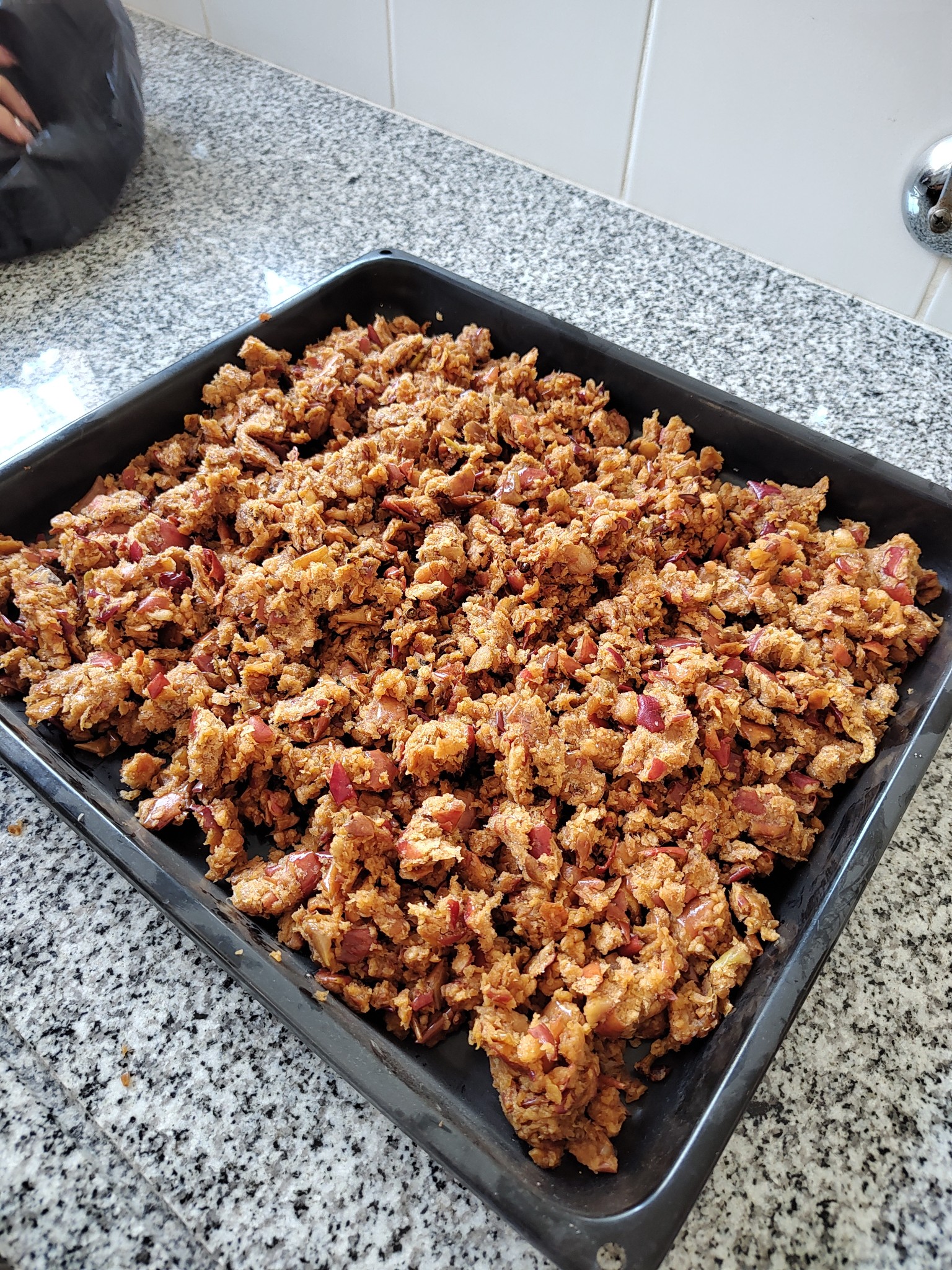
The pressed pulp left in the cloths – dry, compacted, and still containing skins, cores and seeds – went straight out to the livestock.
Hogs ate it with enthusiasm, cattle ate it mixed with other feed, and on a farm with neither it went on the ground or on the garden. In most households the press was emptied directly into a bucket that was carried to a pen the same afternoon.
Which closed the loop entirely. Windfall apples that had no market value went through a borrowed machine, became a household’s drink for the winter, and left behind a by-product that fed the animals. There was no waste stream and no disposal problem, and nobody designed it that way – it was simply what the obvious use of each thing turned out to be.
Three Things Took the Press Out of the Shed
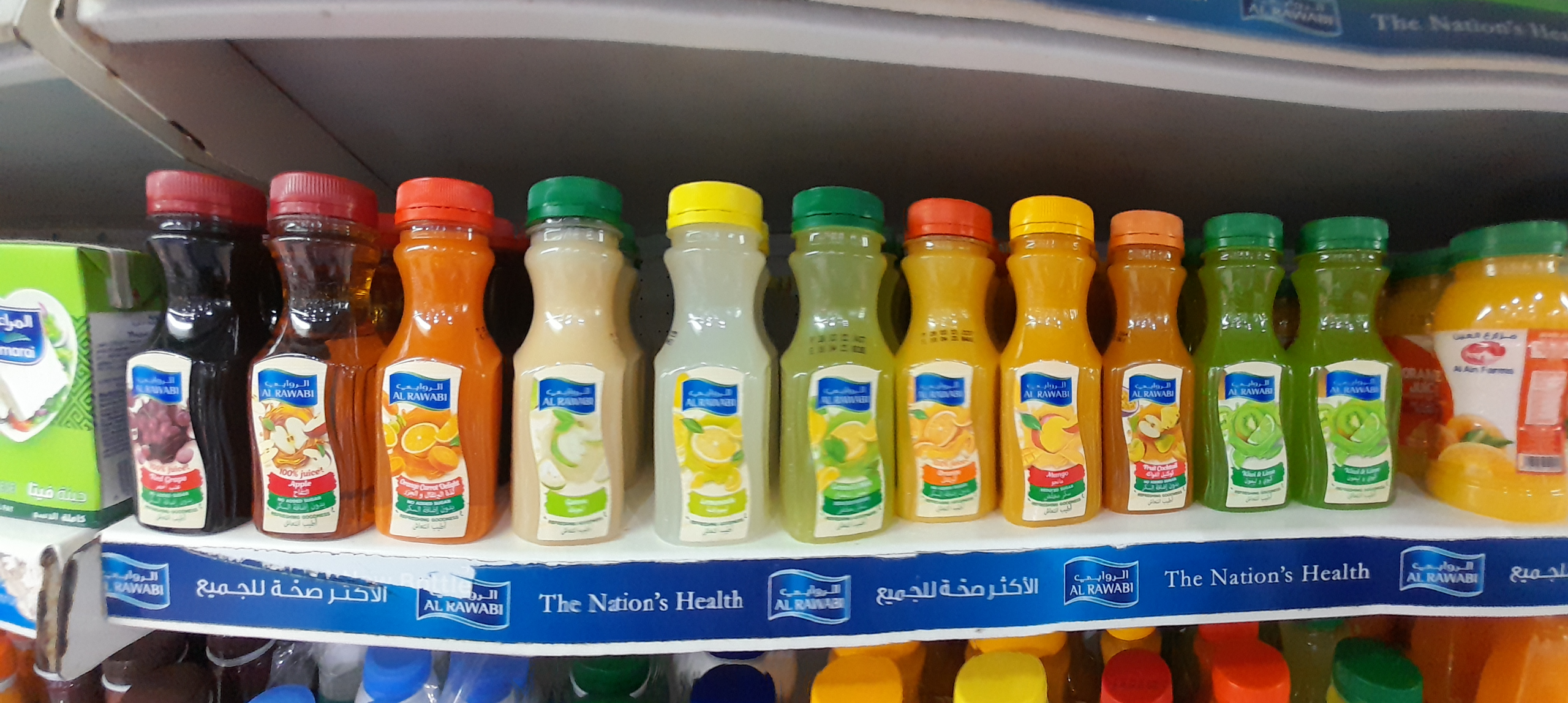
Bottled juice came first. Pasteurised apple juice, shelf-stable, clear, uniformly sweet, available all year in a store, removed the reason to produce a seasonal cloudy perishable version at home – and it tastes nothing like what came off a press, which took a generation to be noticed and mourned.
Refrigeration changed the calculation twice. It made fresh juice keepable for the few households still pressing, and it made the entire industrial juice supply possible, which is what put the bottled product in the store in the first place.
And the home orchard went. The share of American households with productive fruit trees fell a long way across the century as the country suburbanised, lots shrank, and fruit became something bought rather than grown. A press with no apples is a large object taking up a shed.
The Twist: The Apples Are the Part That Actually Vanished
The press is easy to find. They turn up at farm sales and in antique shops constantly, and new ones are manufactured for anybody who wants one.
What cannot be found is the fruit.
America once grew an enormous number of named apple varieties – thousands of them, selected over generations on farms for every imaginable purpose, including a great many bred specifically for pressing. Those pressing varieties had exactly the characteristics that made them worthless in any other context: high tannin, high acid, small, hard, and unpleasant to eat.
Then home and farm pressing collapsed, and a national ban on alcohol in the 1920s removed at a stroke the commercial market for apples whose only purpose was to become a drink. Orchardists replanted for the surviving demand, which was dessert fruit and processing fruit for sauce and pie – and the varieties selected for that are sweet, low in tannin, uniform, large, durable in transport and attractive on a shelf.
So the raw material disappeared. Not through neglect, exactly, but because every commercial pressure ran the other way for fifty years, and a variety nobody plants stops existing outside collections.
Which is why the modern revival of serious American cider is not a kitchen project but a horticultural one. The people doing it seriously have had to track down surviving trees, obtain cuttings, graft them, and wait years for fruit – because you cannot make the old drink out of the apples that are now for sale, and no amount of equipment fixes that.
The press was never the hard part. Four posts, a screw and some cloth is an afternoon’s carpentry.
The hard part was a thousand trees that nobody kept.
Like our content? Follow us for more.