

It Was a Machine on a Stand With Two Spouts
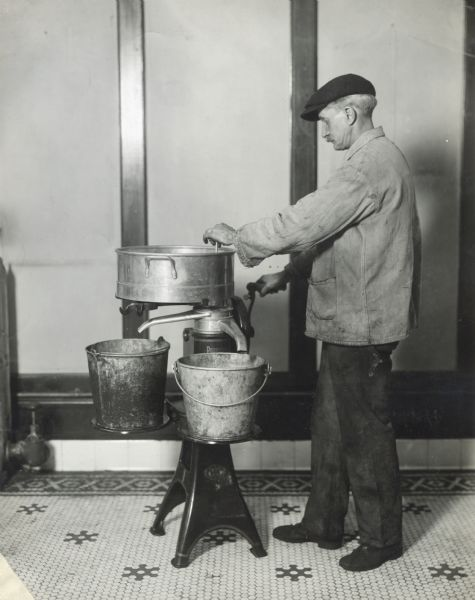
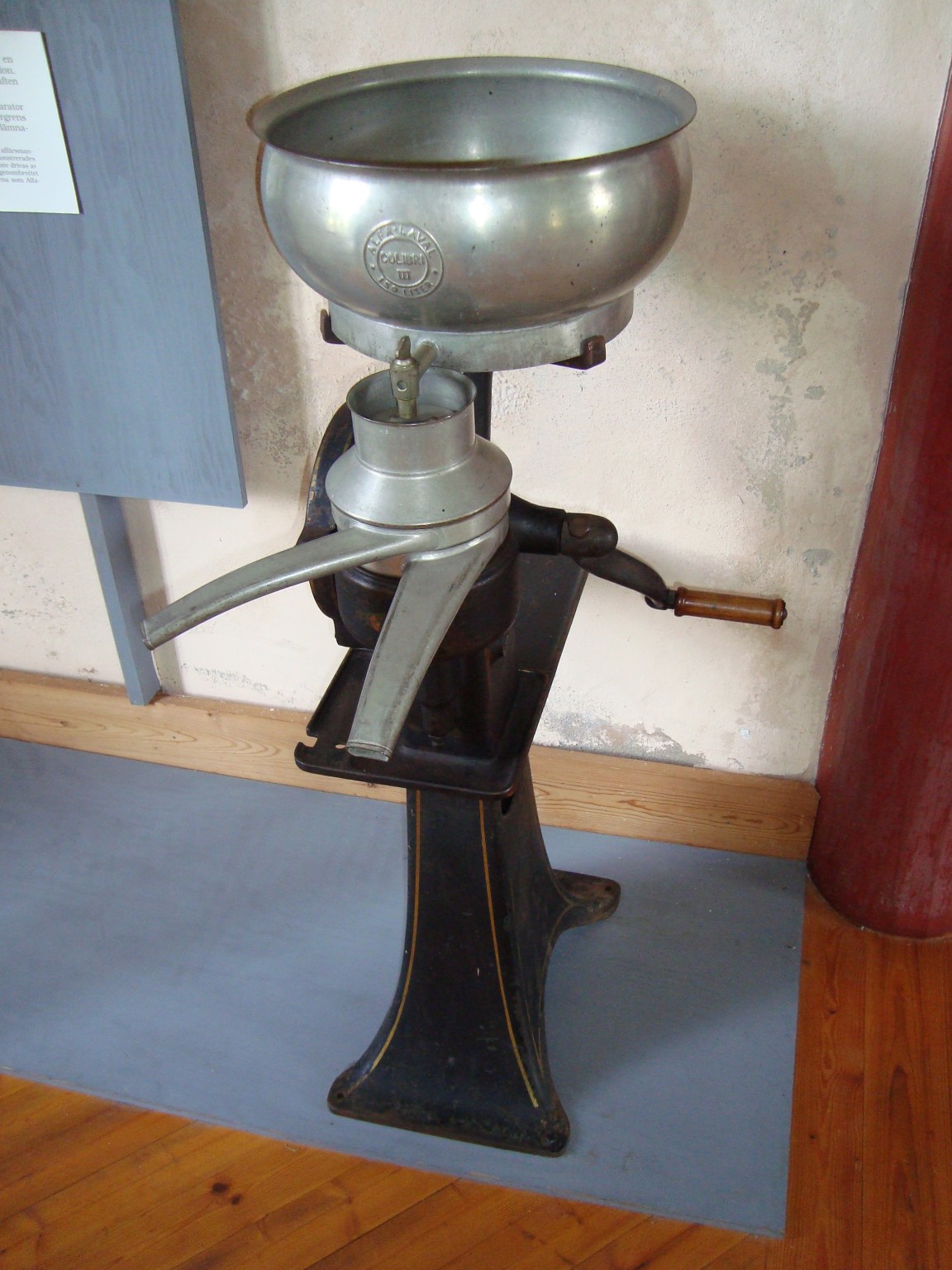
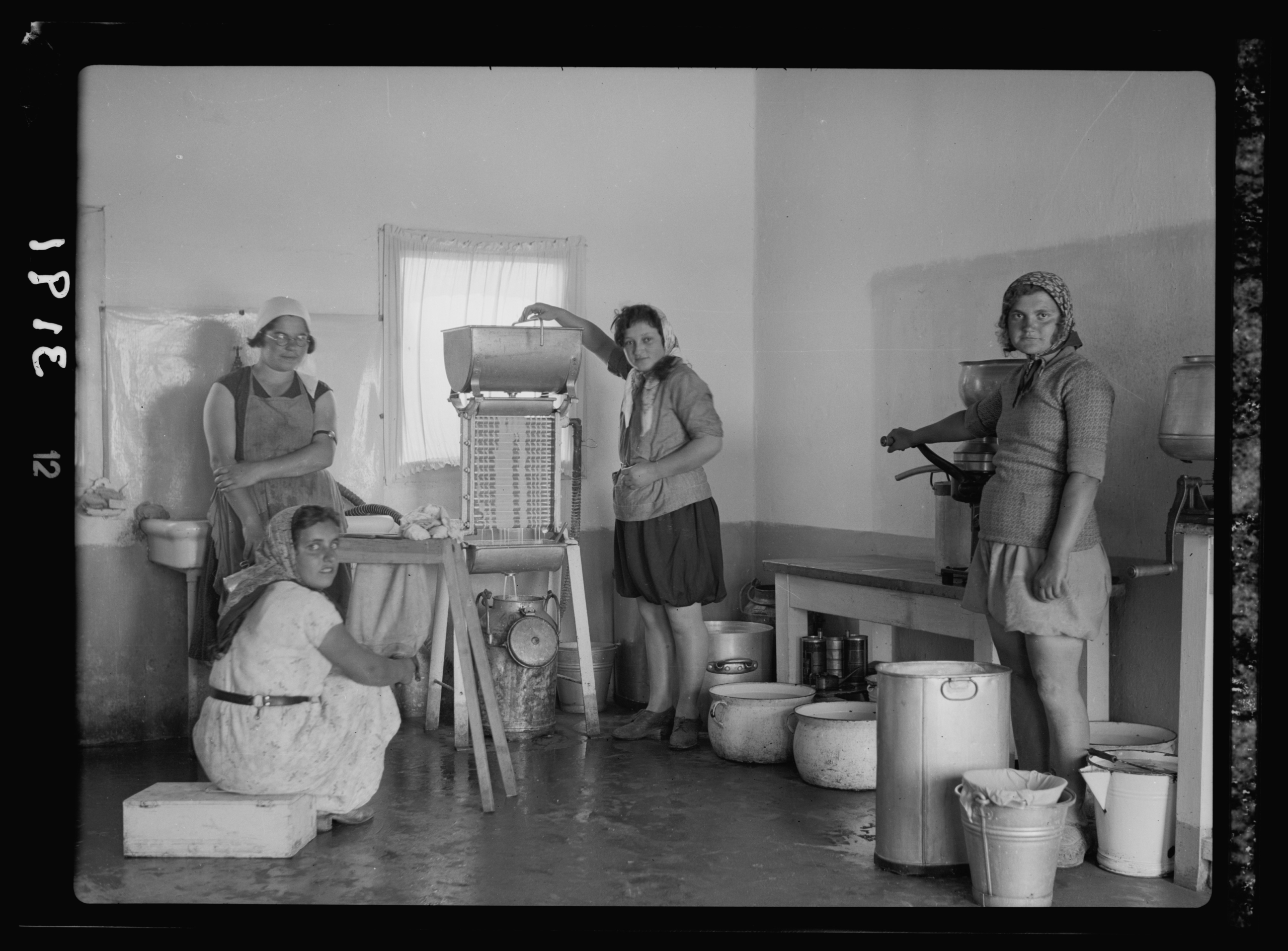
It stood in a corner of the kitchen or in a room off it: a cast-iron stand about waist height, a large tinned bowl on top, a crank on the side, and two curved spouts coming out at different heights.
You poured milk into the bowl, turned the crank until the machine reached speed – which took a minute and a definite amount of effort – and then opened the tap. Cream came out of the upper spout in a thick slow stream. Skim milk came out of the lower one in a thin fast one.
Somebody turned that crank twice a day, every day, for years. In most households it was a child’s job as soon as the child was strong enough, and it was one of the first real jobs anybody got.
Like our content? Follow us for more.
The Physics Is Simple and the Engineering Is Not
Cream separates from milk by itself, because butterfat globules are less dense than the watery part of the milk and will float. Leave a pan of milk standing and the cream rises.
The problem is that it is slow and incomplete. Gravity acting on a very small difference in density takes twelve to twenty-four hours in a shallow pan, the milk has to be kept cold the whole time so it does not sour, and a substantial amount of fat stays behind in the skim regardless.
A separator replaces gravity with centrifugal force, which can be hundreds of times stronger. Spin the milk fast and the dense fraction is thrown outward to the wall of the bowl while the light fraction stays nearer the centre, and the separation takes a fraction of a second rather than half a day.
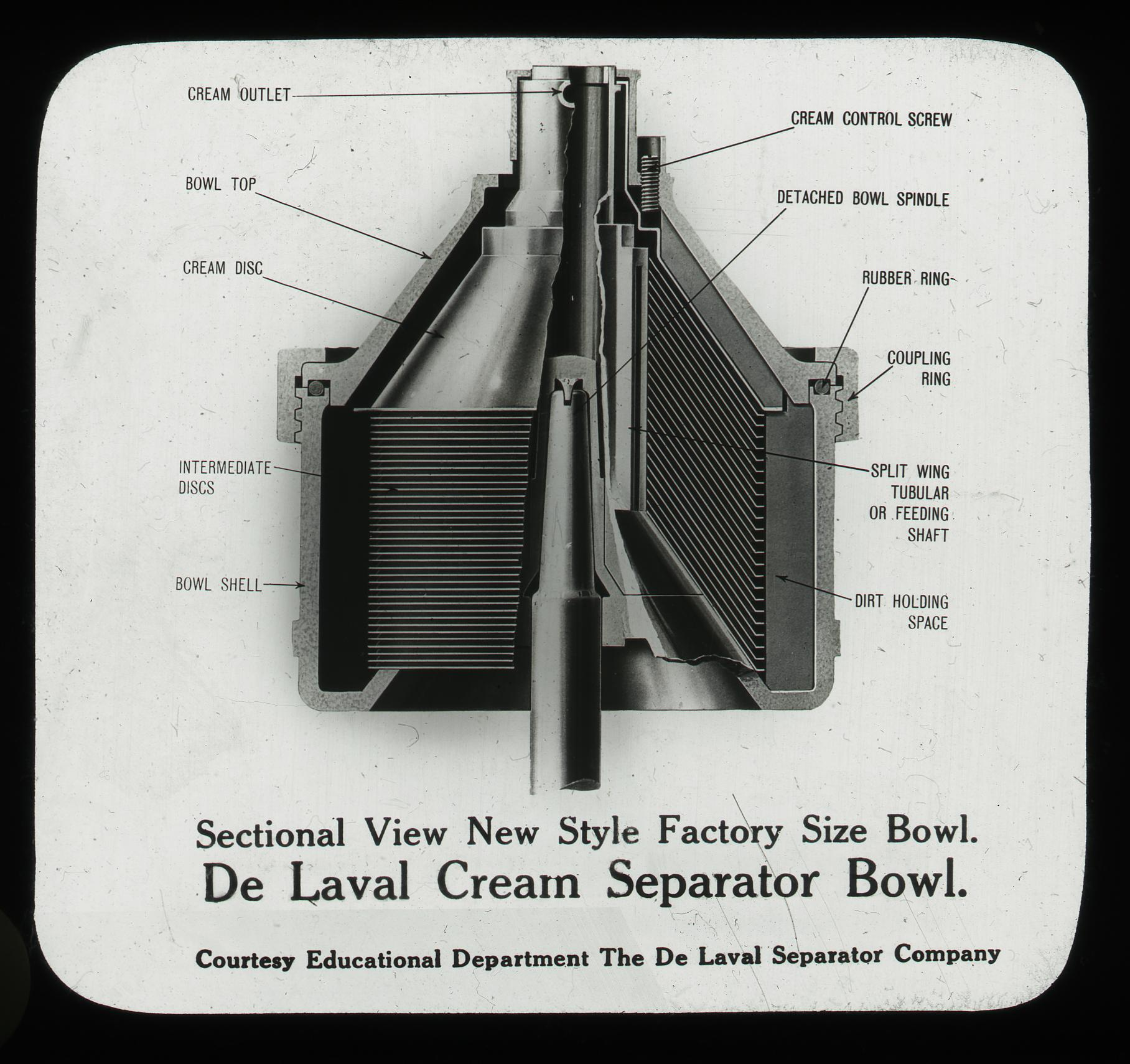
But there is a second piece of cleverness, and it is the one that made these machines work. Inside the bowl was a stack of several dozen thin conical metal discs, nested a fraction of an inch apart. Milk forced through that stack is divided into a great many extremely thin layers, which means no fat globule has to travel more than a tiny distance to reach a surface and be carried out.
That is why it separated so completely and so fast. Not the spinning alone – the spinning plus an enormous amount of surface area folded into a space the size of a saucepan.
The Disc Stack Was Also the Reason It Was Hated
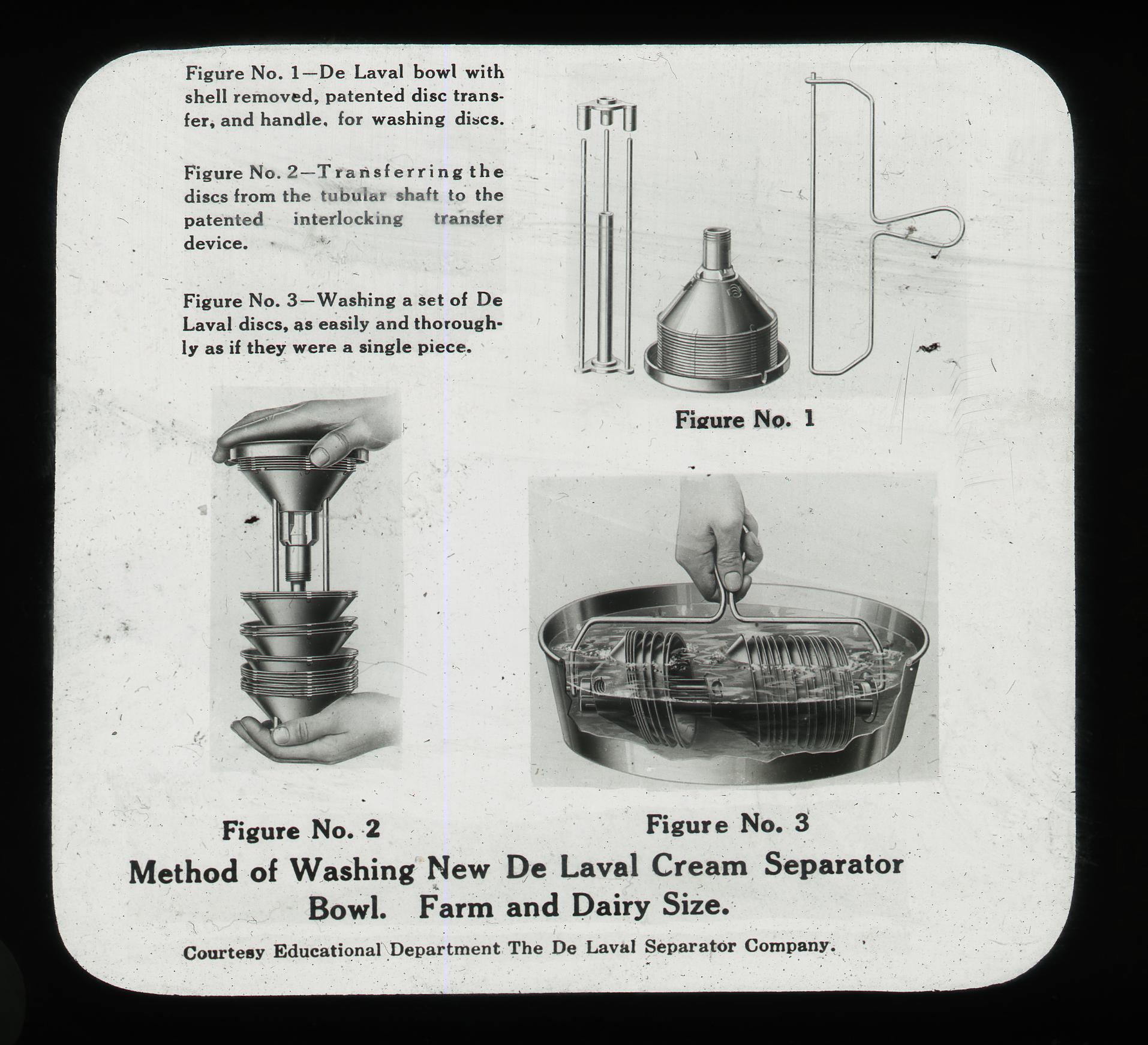
Every one of those discs had to be taken out and washed, by hand, after every single use.
That is the part nobody remembers fondly. The bowl came apart into a spindle, a distributor, between thirty and sixty discs and a cover, each one with milk fat on both faces, and all of it had to be washed in hot water, rinsed, scalded and set out to drain – twice a day, in a kitchen with no running hot water in a great many houses.
Milk fat left on a disc goes rancid, and a rancid separator ruins the cream, which ruins the test, which reduces the check. So the washing was not optional and everybody knew it.
Anybody who grew up with one of these machines will tell you about the discs before they tell you about anything else.
What Came Out of the Upper Spout Was Money
Here is the economic arrangement, and it is the reason the machine was worth owning.
A farm with a small number of cows could not sell fluid milk. Selling milk for drinking required volume, daily refrigerated collection, and eventually a grade of facility that a two-cow operation could not possibly meet.
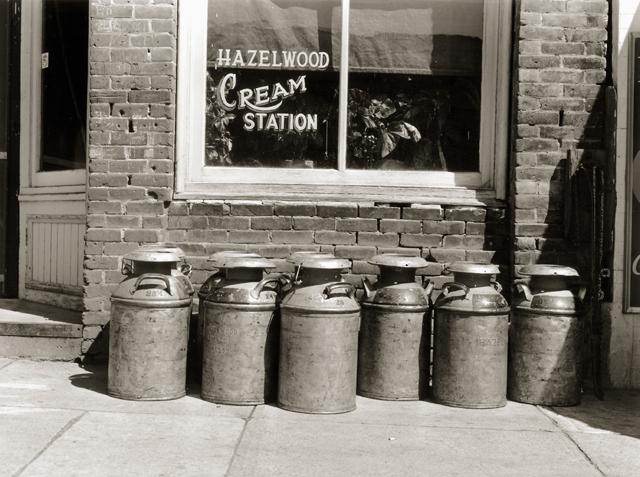
Cream was different. Cream is concentrated – a small volume carrying most of the value – it keeps substantially better than milk, and it was wanted in quantity by creameries making butter. So a household separated its milk, kept the cream in a can, and either took it to town or left it at the end of the lane for a truck that came by two or three times a week.
Payment came back as a check, by mail, calculated from the weight of cream delivered and its fat content, measured by a standardised test the creamery ran on a sample from every can.
Which meant a farm with four cows, a crank and a stack of discs had a reliable cash income, arriving on a schedule, from an operation that fitted around everything else the household was doing.
And in a Great Many Households That Check Was the Wife’s
This is the part that matters most and is least often recorded.
On a very large number of American farms of this period, the money from the land – the grain, the livestock, the crop – was the husband’s money. He sold it, he was paid for it, and he decided what happened to it. A farm wife in that arrangement could work extremely hard for decades without ever handling an independent income.
The cream check was different, and so were the eggs. Both came from operations that were understood as hers: her birds, her separator, her labour, her twice-daily work, and – decisively – a check that arrived in the mail with regular timing and modest size.
So that money was hers to direct in a way the crop money was not. It went on groceries, on shoes, on fabric, on things for the children, on a sewing machine paid for over two years, and on whatever else she judged the household needed – and in many families it was the only money she had any unquestioned say over.
That was understood at the time, named at the time, and is documented in an enormous quantity of family recollection. It was not a token arrangement. For a farm household in a bad year, the cream and egg money was frequently what was actually keeping the kitchen supplied.
The Skim Milk Did Not Leave the Farm
Nothing was wasted, and the loop closed on the same day.
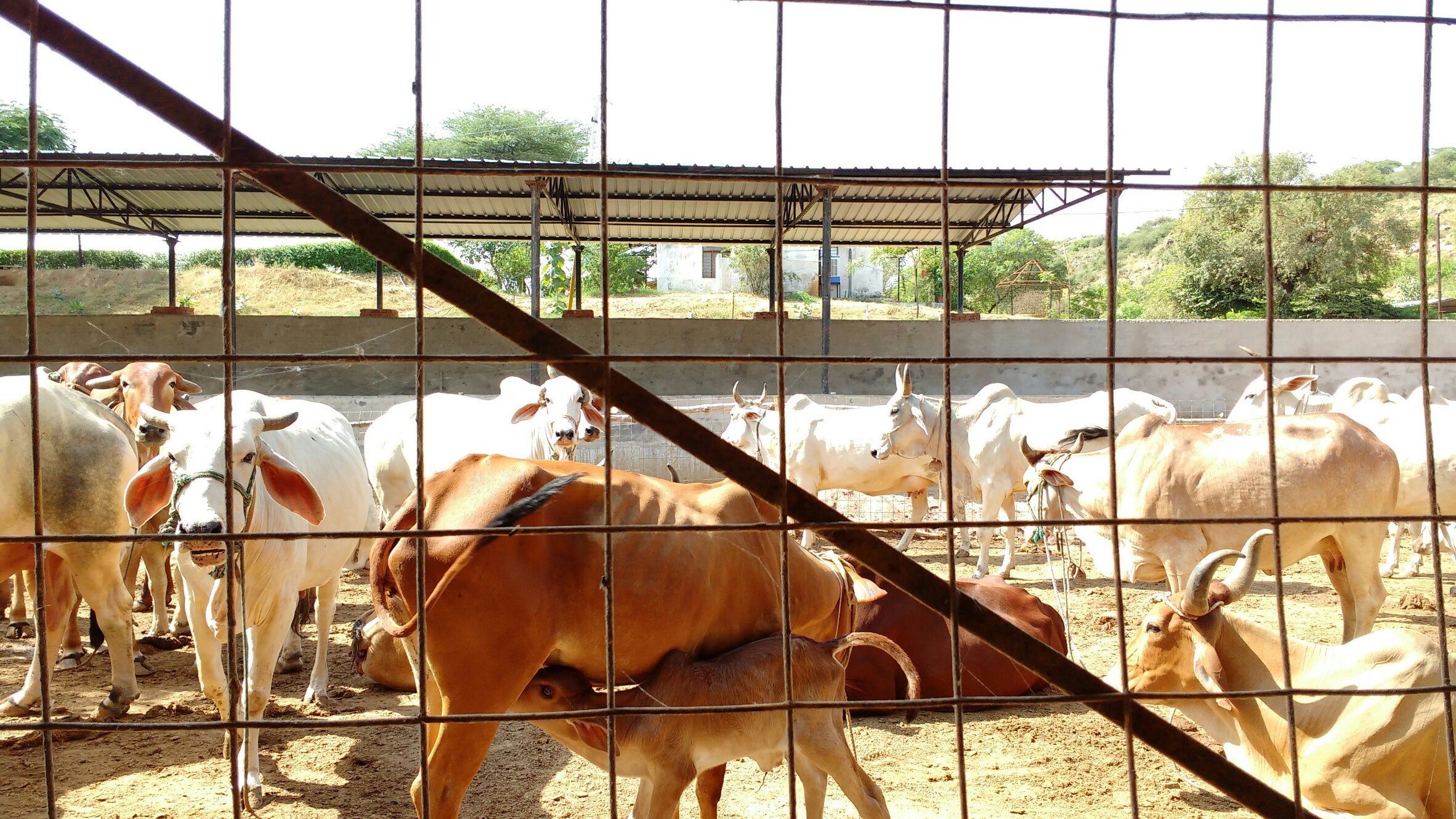
Skim milk coming out of the lower spout – still containing all the protein and sugar and nearly none of the fat – went straight back out to the animals. Hogs got it, calves got it, chickens got some of it, and on farms raising pigs it was a significant part of their feed.
Which makes the whole arrangement unusually efficient. One pouring of milk produced a cash crop at the top spout and livestock feed at the bottom one, and the only inputs were a machine bought once and somebody’s arm twice a day.
Some of it also stayed in the house, where it became cottage cheese or went into baking, and in households that drank it, it was drunk – although given the choice, nobody preferred it.
Three Changes Ended It Within About Twenty Years
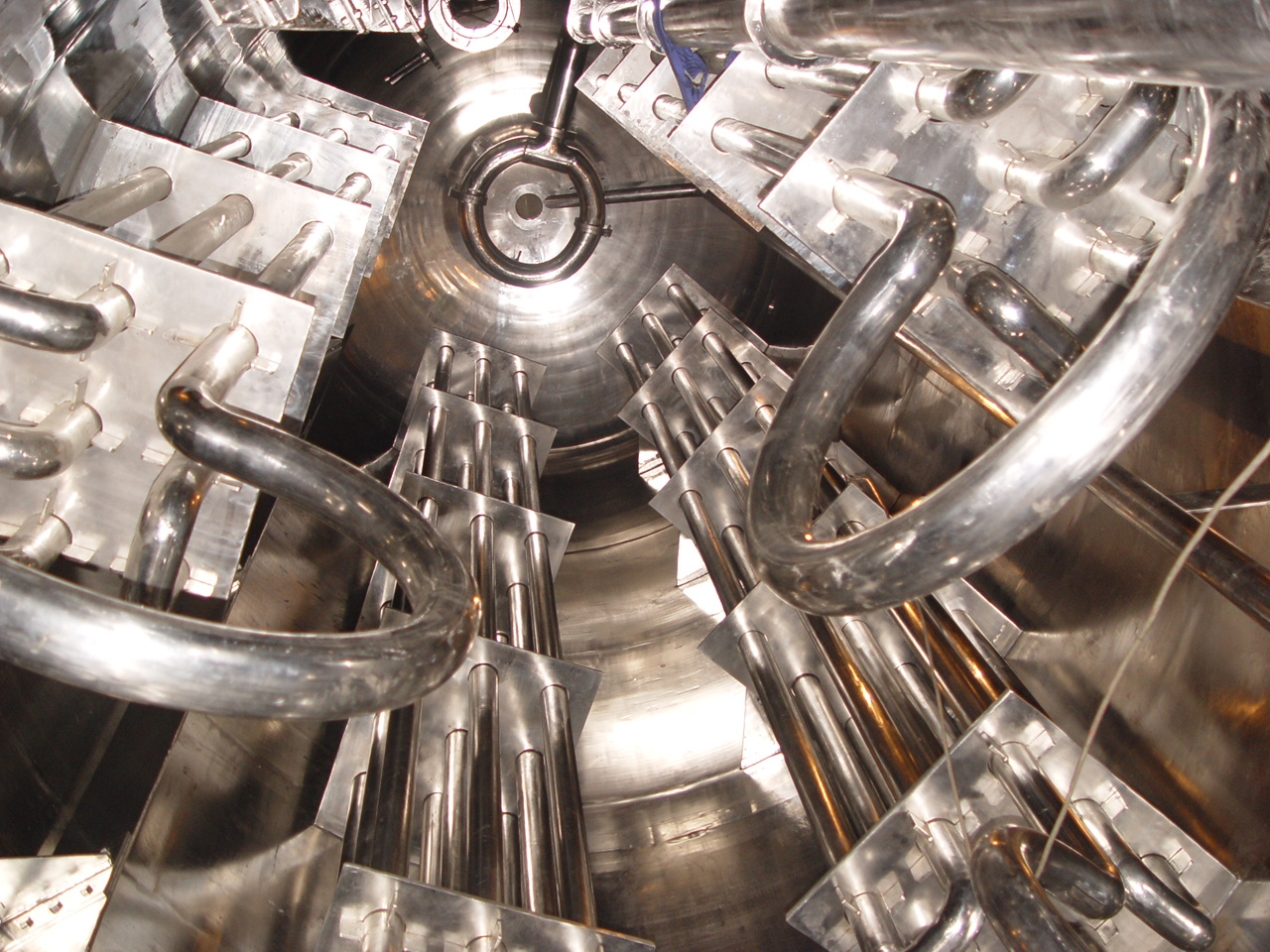
Bulk tanks came first. Refrigerated farm tanks and tanker collection made it possible to sell whole milk from a farm, in quantity, cooled on site – which pays considerably better than selling cream, because the buyer gets the fluid milk market rather than only the butter market.
Then the standards came up. Requirements for selling milk for drinking tightened substantially, covering cooling, equipment, surfaces, water supply and inspection – and meeting them required capital that only a larger operation could justify.
And so dairying consolidated. The farm with four cows and a separator in the kitchen did not modernise; it stopped selling dairy products at all. The number of American farms with milk cows fell by an enormous proportion across a few decades, while the number of cows per remaining farm rose, and the entire economic niche the separator served simply closed.
The Twist: What Ended Was a Woman’s Independent Income
It is easy to read this as straightforward progress, and on the production side it is. Bulk refrigerated collection of whole milk is safer, pays better, wastes less and supports a far better product than cans of cream on a stand at the end of a lane.
But look at what happened to the money, because that change was not an improvement and almost nobody counts it.
Under the old arrangement a farm household received several income streams of different sizes, arriving at different times, from different activities, understood as belonging to different people. The crop check was large, annual and his. The cream check was small, frequent and hers. The egg money was smaller, weekly and hers.
Under the new arrangement the farm receives one dairy income, large, and it comes to the farm. It is the proceeds of a capital-intensive operation financed by borrowing against the land, and it goes into the farm account, and it is spoken of as the farm’s money.
So the consolidation of dairying did something to household economics that was never part of anybody’s intention. It merged several separate incomes into one, and in doing so it dissolved the one regular independent income that a farm wife had reliably had – and did it at exactly the period when the alternative, a wage job in town, was becoming the only way for her to have money of her own again.
The separators went to the scrap drive, or to the back of the barn, or to the end of a driveway with a flower pot in the bowl, which is where a great many of them are now.
And the phrase has gone with the machine. Ask most Americans under sixty what cream and egg money was and they will guess that it means pocket change.
It meant the only money in the house that a woman did not have to ask about.
Like our content? Follow us for more.

