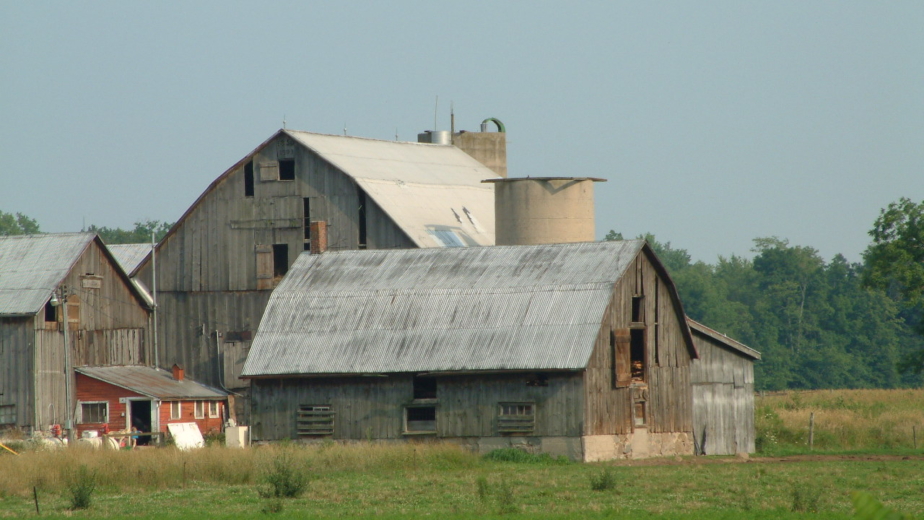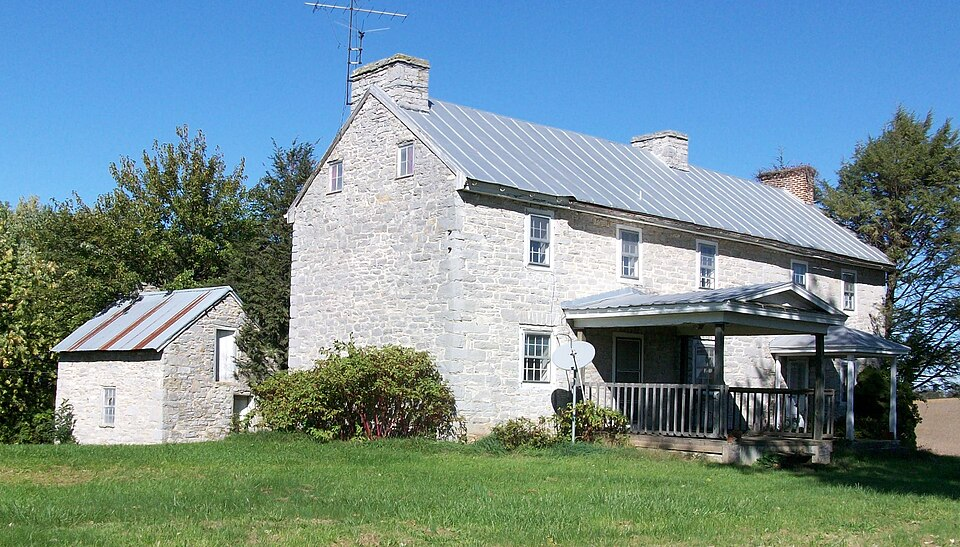
In 1964 the surviving American summer kitchens were already a remnant – a second cooking space a few steps from the house, or an enclosed back porch with its own outside door that could be shut off from everything else.
The reason for it was simple and is hard to appreciate from a modern kitchen. A wood or coal range is a furnace that happens to have a cooking surface on it. It cannot be turned down quickly and it cannot be turned off at all once it is going, and on a July day it made the entire house unbearable.
So the heat, the steam, the smell and the mess went somewhere else. Here are twelve things every household knew.
1. It Was a Separate Building or a Separate Room
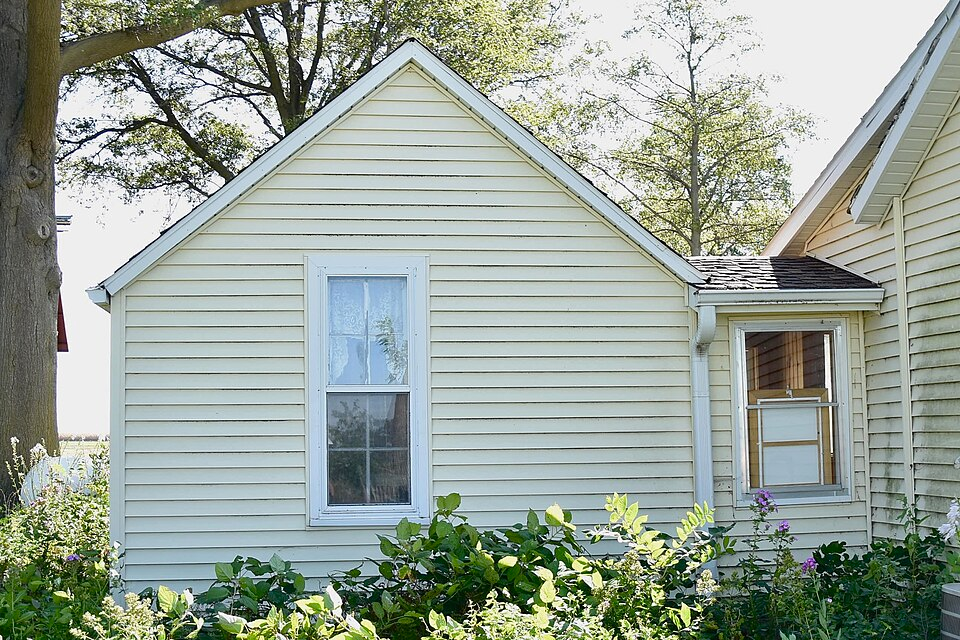
The summer kitchen was a second cooking space – a small outbuilding a few steps from the house, an enclosed back porch, a lean-to, or a room with its own outside door that could be shut off from the rest.
Gone, with surviving examples converted into laundries, porches, storage, workshops or guest rooms, and most owners unaware of what the room originally was.
The separation was the entire design. The point was not extra space but distance – putting the heat, the smoke, the smell and the mess of summer cooking somewhere that was not the house everybody had to live and sleep in.
Like our content? Follow us for more.
2. A Cook Stove Produces an Enormous Amount of Heat
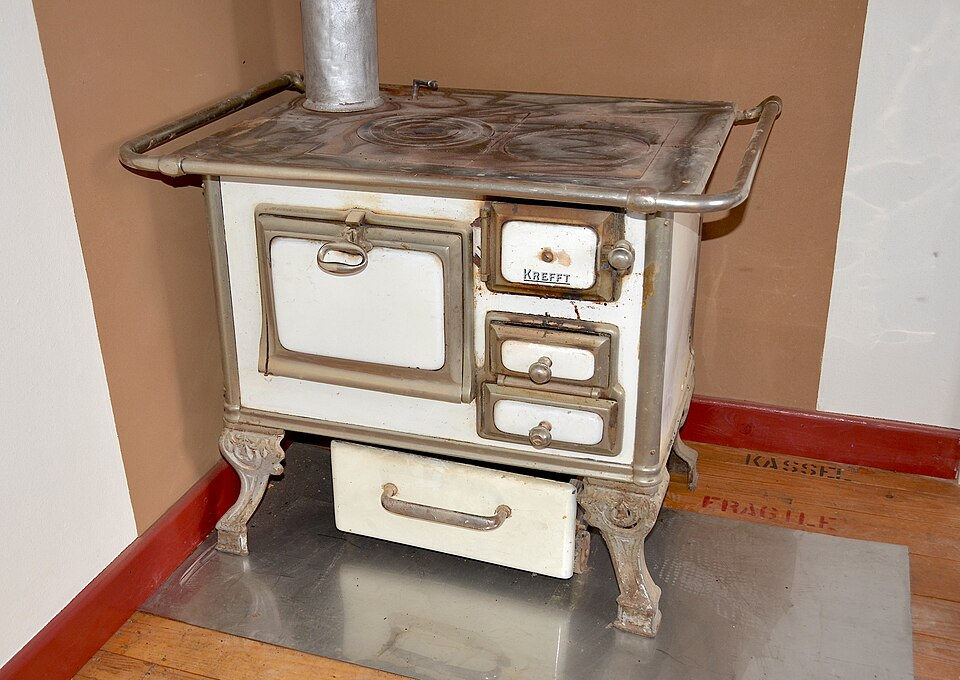
A wood or coal range in operation puts out heat continuously, and a kitchen with one going on a July day became genuinely unbearable – and the heat went through the whole house.
Gas and electric ranges that heat only what is on them, in houses with air conditioning, where cooking affects the temperature of one room slightly.
This is the fact that makes sense of the whole arrangement and it is hard to appreciate from a modern kitchen. A solid fuel range is a furnace that happens to have a cooking surface on it, and it cannot be turned down quickly or turned off at all once it is going.
3. The Work It Was Built For Was Not Daily Cooking
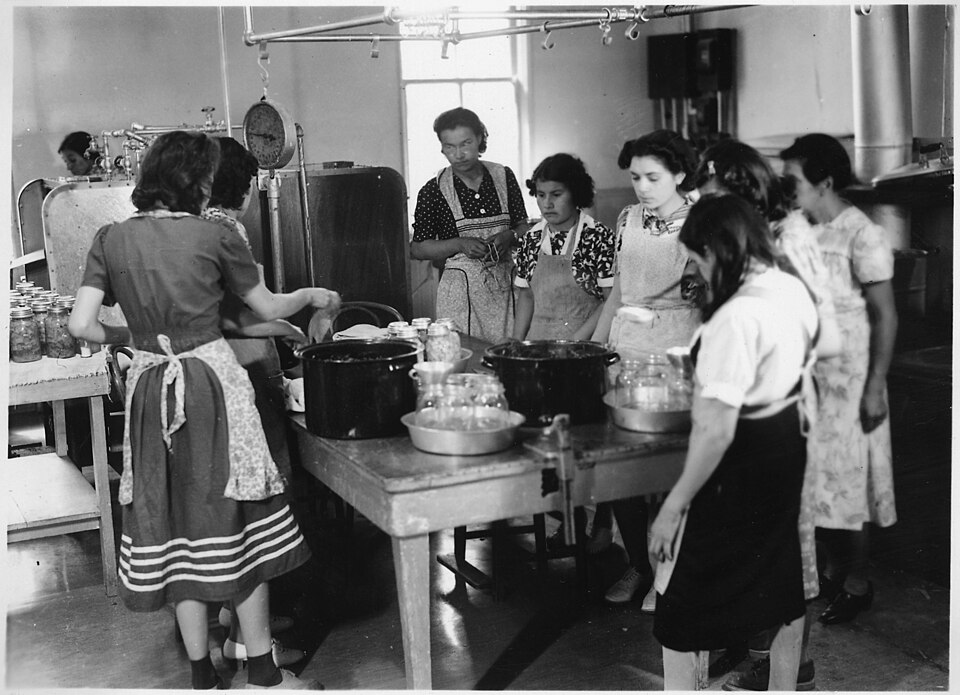
The summer kitchen earned its keep during the preserving season – the canning, the boiling, the processing of bushels of produce in quantity, which generated steam, heat and mess on a scale no ordinary meal does.
Not applicable, with preserving done in air-conditioned kitchens on controlled appliances by far fewer households in far smaller quantities.
Scale is the thing that people miss when they imagine this. A household putting up several hundred jars of food across a summer was running an industrial operation out of a domestic building, for weeks, in the hottest part of the year.
4. It Kept the Smell Out of the House
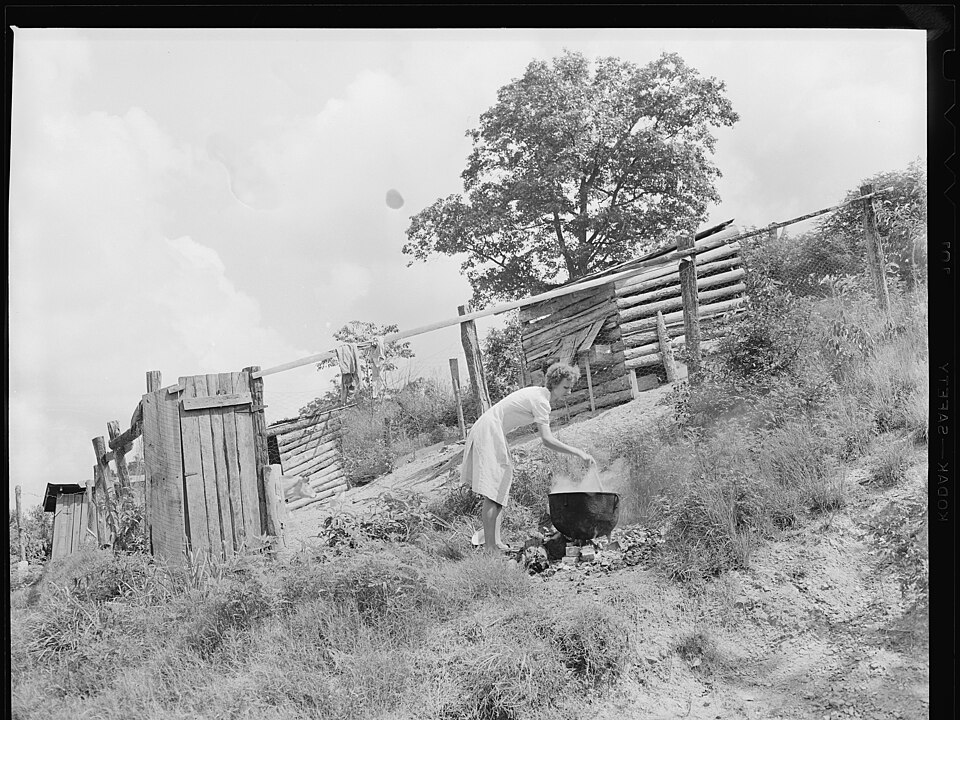
Rendering, pickling, cooking cabbage, boiling vinegar, making soap and processing anything strong-smelling was done out there specifically so that the house did not smell of it for days.
Extractor fans and ventilation, which handle ordinary cooking well and are still frequently inadequate for heavy preserving.
The smell problem was real and it was not fastidiousness. A house with no mechanical ventilation and windows that had to stay open in summer for air will hold a strong cooking smell in its curtains, bedding and clothes for a remarkably long time.
5. It Doubled as the Laundry

Washing was done out there too – the boiler, the tubs, the wringer, the steam – because laundry generates the same problems as preserving and benefits from the same solution.
Utility rooms and basements with plumbed machines, which is the direct descendant of the arrangement.
The laundry connection is why so many of these rooms survive as utility spaces. Once a building exists with water nearby, a drain, a fire and a tolerance for mess, every wet and dirty household job migrates into it – and the laundry is the one that stayed.
6. The Equipment Was the Second-Best Equipment
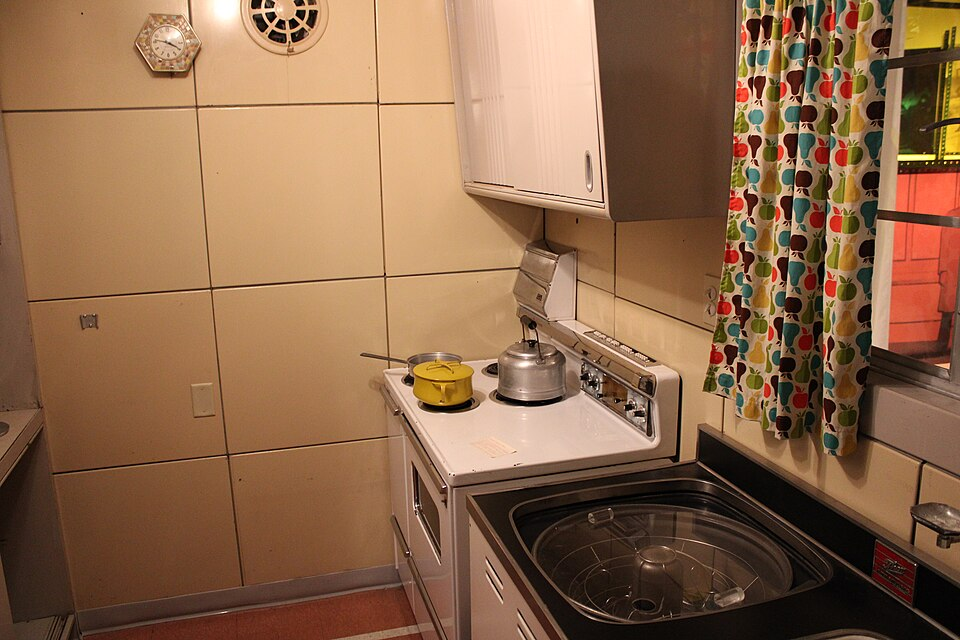
What went out there was the older stove, the chipped enamel, the heavy pots, the dented kettles and the furniture nobody minded – a complete second set of household goods, one grade down.
Not applicable, with households now owning one set of kitchen equipment in one kitchen.
Maintaining a duplicate set of cooking equipment sounds extravagant and was the opposite. The summer kitchen ran on the things the main kitchen had replaced, which means the building was furnished entirely out of what would otherwise have been thrown away.
7. Men Came Through It and Not Through the House
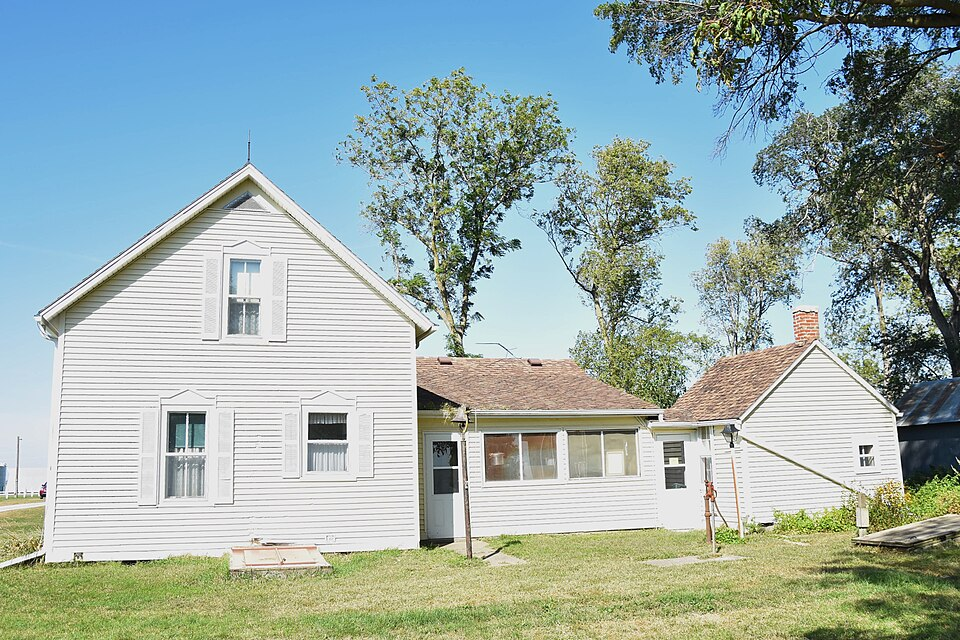
The summer kitchen frequently served as the entrance for anybody coming in from work – boots, hats, overalls, washing up at a basin – which kept the field dirt out of the main house entirely.
Mud rooms and utility entrances, which perform the identical function and are a direct descendant.
That boot-room function is why the layout persists in American houses that have never had a summer kitchen. A working household needs somewhere between the outside and the parlour, and once a building existed in that position it absorbed the job permanently.
8. The Door Could Be Shut and That Was the Point
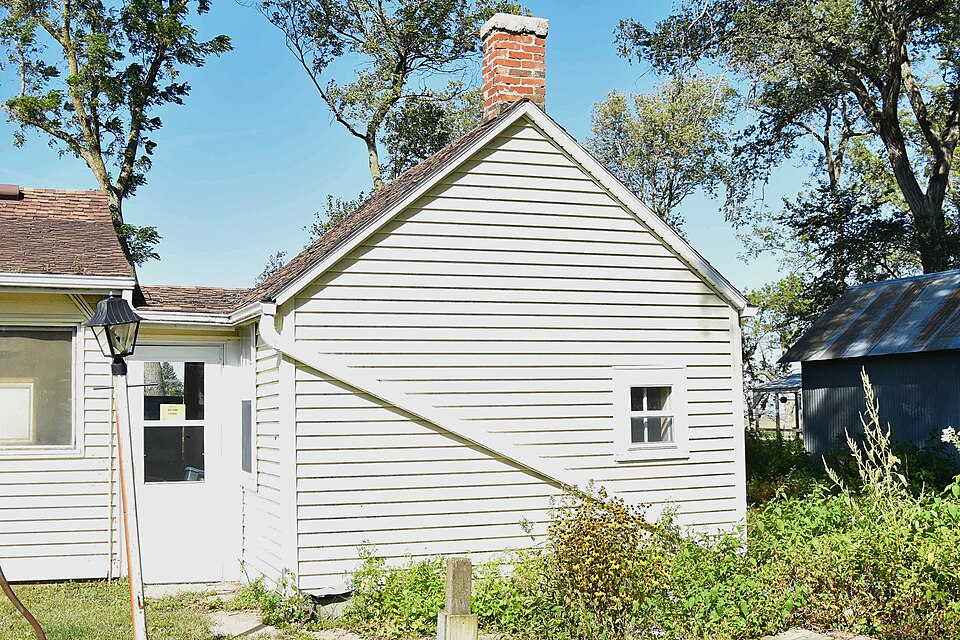
Where it was part of the house rather than separate, the summer kitchen had a door that closed it off – sealing the heat, the steam and the smell into one room that could then be opened to the outside.
Open-plan layouts, which do the opposite – deliberately connecting the kitchen to the living space, which only works because the kitchen no longer produces heat, steam or smell in any quantity.
The contrast with modern layout is almost exact and it is entirely a consequence of appliances. An open-plan kitchen is possible because cooking stopped being a source of heat and smoke; a summer kitchen was necessary because it had not.
9. It Was Where the Children Were Allowed to Be
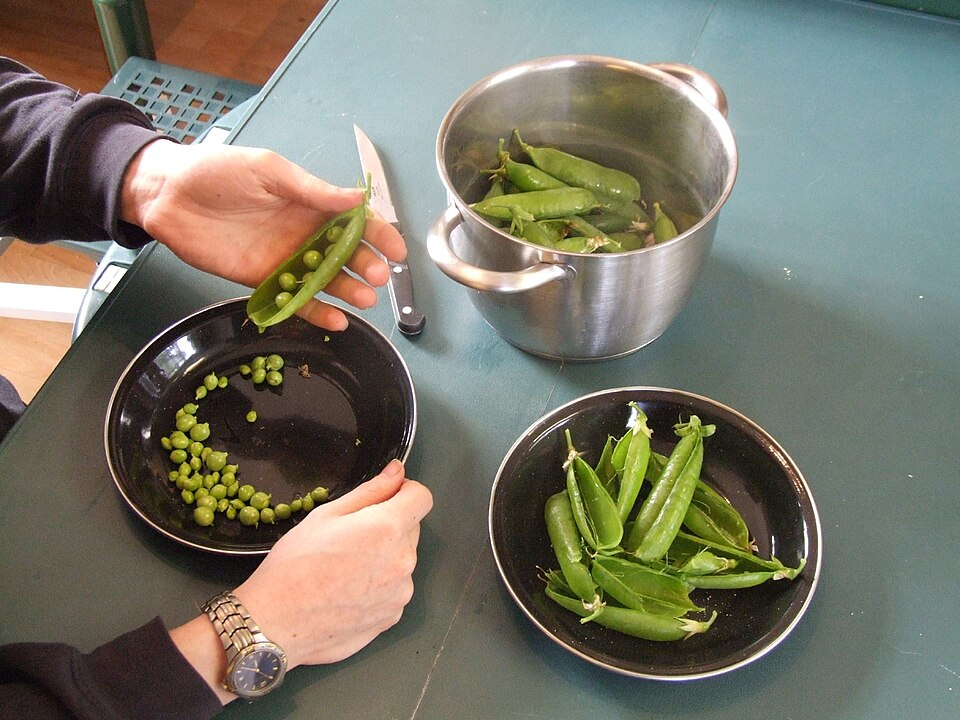
With the cooking out of the house, the summer kitchen became a place where mess did not matter – shelling peas, cracking nuts, playing underfoot, eating at a bare table – and children spent whole days in it.
Not applicable.
A room with no carpet, no good furniture and nothing breakable is a useful thing for a household to have, and its disappearance is part of why modern houses have nowhere a child can make a mess. Every surface in a contemporary kitchen is one somebody minds about.
10. It Had No Heating and Was Shut for Winter
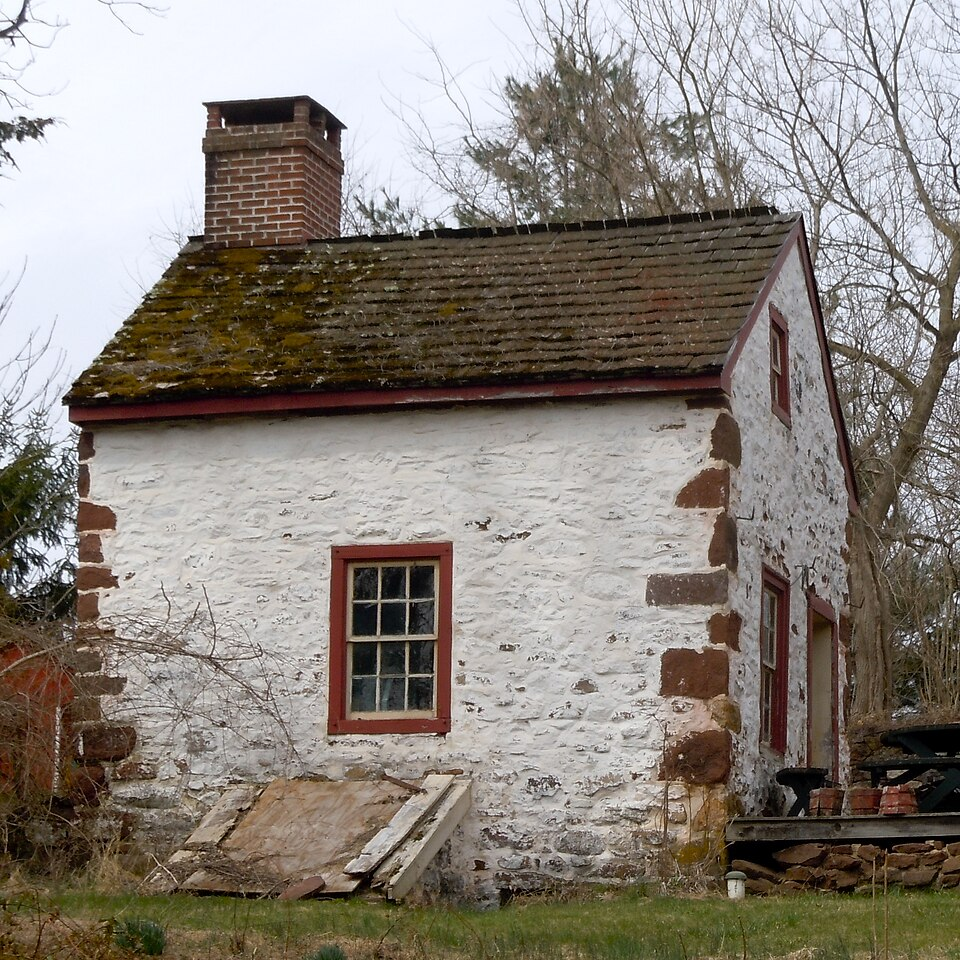
The building was used from late spring to early autumn and then closed up – stove cold, door shut, nothing in it that would freeze – because there was no reason to heat a second kitchen when the first one was already hot.
Not applicable.
The seasonal closing is the detail that explains the name. In winter the heat from a cook stove was an asset rather than a problem, so the cooking moved back into the house and warmed it – which means the household had two kitchens and used whichever one the weather called for.
11. Air Conditioning Arrived and It Was Immediate
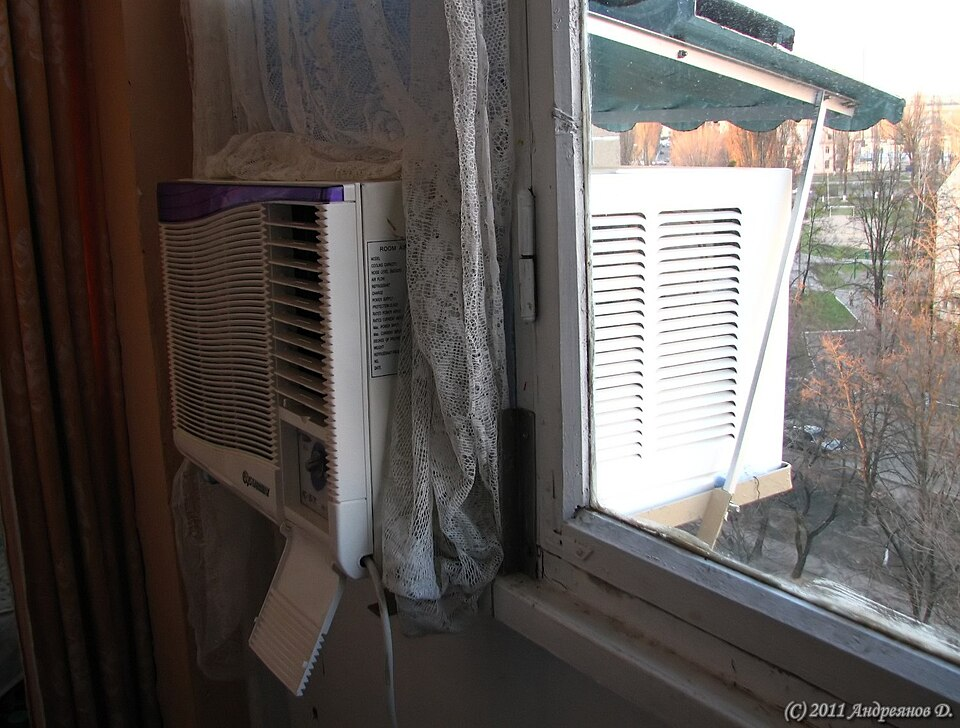
As mechanical cooling spread through American houses across the middle and later twentieth century, the problem the summer kitchen existed to solve stopped being a problem at all.
Essentially universal in the warmer parts of the country and widespread everywhere else, with the heat of cooking now a trivial load on a system that handles it automatically.
Air conditioning did not make the summer kitchen inconvenient. It made it pointless, which is a different and much faster kind of death – and the buildings were converted or abandoned within a generation.
12. Then the Reason for the Whole Room Disappeared
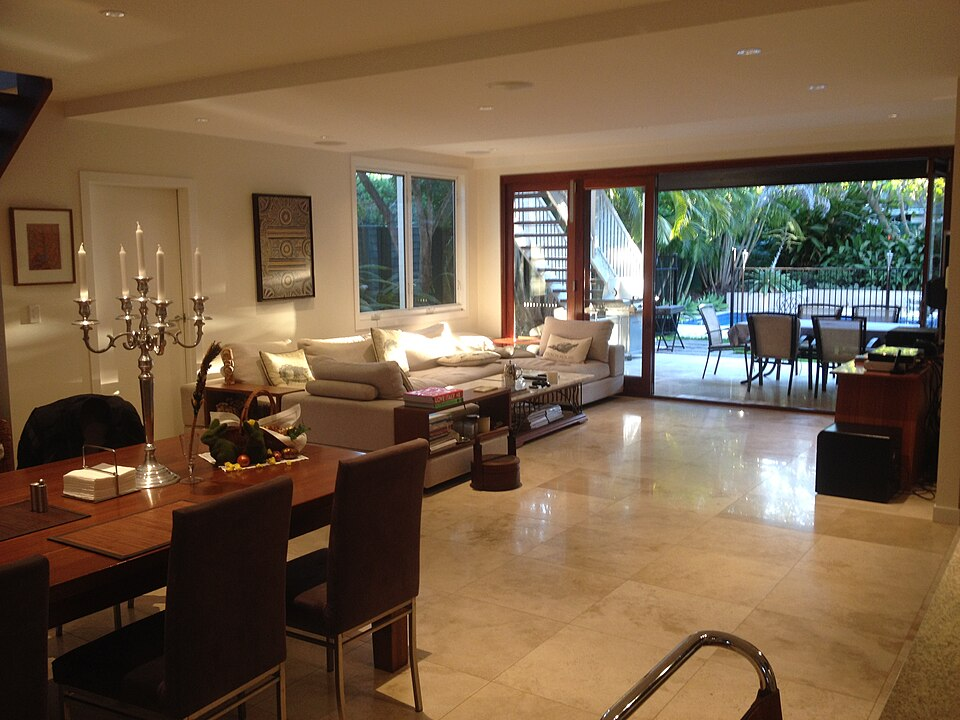
In 1964 the surviving summer kitchens were already a remnant, used mostly for preserving and laundry – a second building with the old stove and the chipped pots in it, standing a few steps from the back door, shut up every winter.
Converted into laundries, porches, mud rooms, storage and guest rooms, with the function absorbed into appliances, ventilation and mechanical cooling, and almost no household aware the arrangement ever existed.
And this is the clearest case in the whole subject of a room that was a workaround rather than an amenity, which is why nobody should miss it. A summer kitchen existed because a solid fuel cook stove is a furnace with a cooking surface attached, because preserving at household scale is an industrial operation conducted in a domestic building, because there was no mechanical ventilation to take away steam and smell, and because there was no mechanical cooling to deal with any of the heat. Remove those four conditions and there is no reason for the building. All four were removed. A modern range heats what is on it and nothing else, extraction handles ordinary cooking, air conditioning handles the rest, and the quantity of food a household preserves has collapsed to a fraction of what it was. So the room was not lost – it was solved, and its individual functions were distributed into the house it had been built to protect. The laundry became a utility room. The boot entrance became a mud room. The cooking went back into the kitchen, which then became the most pleasant room in the house rather than the least, and in due course the walls between it and the living space came down – which is the exact reverse of a summer kitchen and only possible for the same reasons. The one thing that genuinely went unreplaced is smaller and stranger: a room in the house where nothing mattered. No carpet, no good furniture, nothing breakable, a bare table and a floor that could be swept – a place a child could spend a whole day making a mess in. Every surface in a contemporary kitchen is one somebody minds about, and that is the single respect in which the old arrangement had something the new one does not.
It Was a Workaround, and the Problem Got Solved
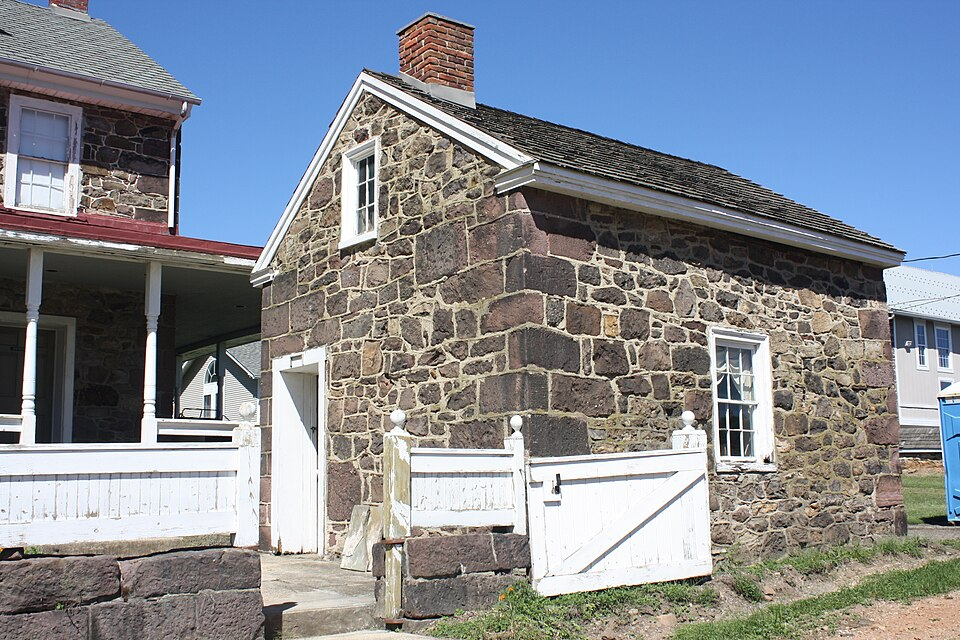
The summer kitchen is the cleanest example in this whole subject of a room that existed to solve a problem rather than to be enjoyed.
Four conditions created it, and all four are gone.
The first is the stove. A wood or coal cook range is a furnace with a cooking surface on the top of it. It puts out heat continuously whether or not anything is on it, it takes a long time to come up and a long time to go down, and it cannot be switched off. In winter that is an asset – the kitchen warms the house. In July it makes the house uninhabitable, and the heat travels everywhere.
The second is scale. The work that really justified a separate building was not daily meals; it was the preserving season. A household putting up several hundred jars of food across a summer was running an industrial process out of a domestic building, for weeks, in the hottest part of the year, producing steam and mess on a scale no ordinary cooking approaches.
The third is ventilation, or rather the absence of it. With no extraction of any kind and windows that had to stay open for air, a house will hold a strong cooking smell in its curtains, bedding and clothes for a remarkably long time. Rendering, pickling, boiling vinegar, cooking cabbage and making soap all went outside for that reason alone.
The fourth is cooling, which did not exist. Whatever heat got into the house stayed there until the weather changed.
Remove any one of those and the case for a second kitchen weakens. Remove all four and there is no case at all.
All four were removed. A modern range heats what sits on it and nothing else. Extraction handles ordinary cooking. Air conditioning handles the residual load without anybody thinking about it. And the quantity of food an American household preserves has collapsed to a tiny fraction of what it was, because the food system made preserving optional.
So the summer kitchen was not lost. It was solved, and then dismantled into its parts, every one of which went back into the house it had been built to protect.
The laundry function became the utility room, which is a direct descendant and is still where the wet, dirty, steamy work happens. The boot-and-basin entrance became the mud room, which performs the identical job in houses that never had a summer kitchen at all. And the cooking went back into the kitchen – which then became the most pleasant room in the house instead of the worst one, and in due course the wall between it and the living space came down.
That last point is worth pausing on, because the open-plan kitchen is the exact inverse of a summer kitchen and exists for precisely the same reasons in reverse. You can only connect a kitchen to the room where people sit if cooking has stopped producing heat, steam and smell in any quantity. A summer kitchen was the acknowledgement that it had not. An open plan is the acknowledgement that it no longer does.
One thing did go unreplaced, and it is small and slightly odd.
The summer kitchen was a room in which nothing mattered. No carpet, no good furniture, nothing breakable, a bare table and a floor you could sweep. Children spent entire days in it shelling peas, cracking nuts, eating at the table and playing underfoot, because there was nothing in there to damage and nobody minded the mess.
Every single surface in a contemporary kitchen is one that somebody minds about. That is the one respect in which the old arrangement had something the new one does not, and it is not nearly enough to want the stove back.
If your family had one, there is a photograph of somebody sitting in the doorway of it shelling something.
And whatever the room is used for now, the old stove pipe hole is probably still in the wall.
Like our content? Follow us for more.