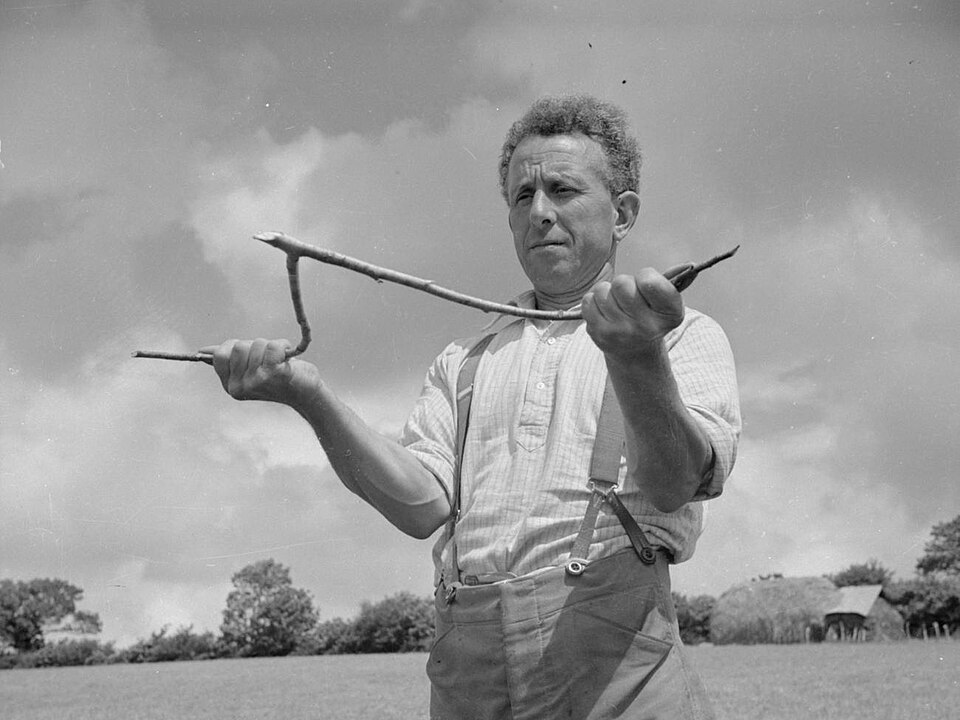
In 1964, when a rural American household needed a well, the question of where to dig was frequently answered by a neighbour with a forked branch.
He held one fork in each hand with the stem forward and walked the ground until the stem turned down. He marked the spot. He often named a depth as well. He charged nothing or close to it, and in most areas there was one particular person people called – usually older, usually a farmer, and known for it.
Controlled testing does not support the method, and that is settled. But the dismissive version of this story cannot explain why so many careful, practical people believed what they had seen with their own eyes. Here are fourteen things every farm family knew.
1. Somebody in Every Area Was Known for It
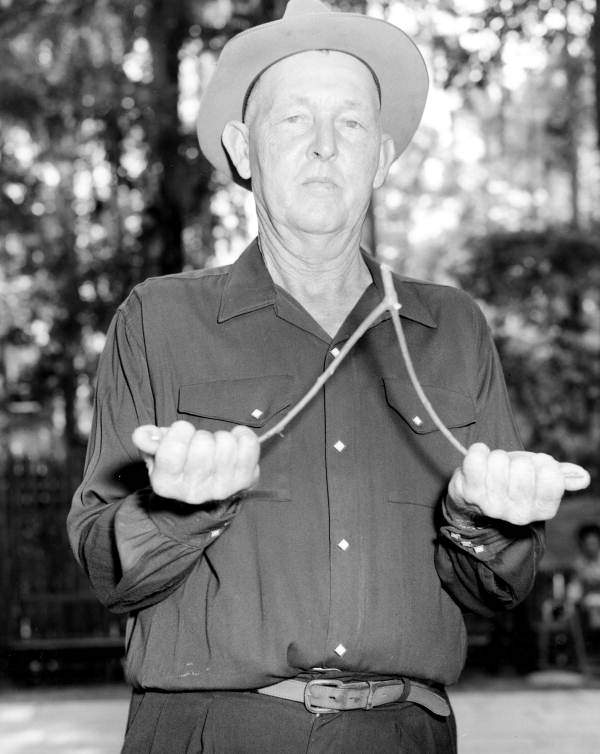
Finding where to dig was a recognised local function, and in most rural areas there was a particular person people called when a well was needed – usually an older man, usually a farmer, usually not paid.
Well siting is done by drilling contractors and, where it matters, by hydrogeologists working from geological and well-log data.
The social fact is the one to start with, because it is independent of whether the method works. A community had somebody it turned to for this, that person’s standing rested on a record people believed in, and being asked was an honour of a modest and real kind.
Like our content? Follow us for more.
2. The Tool Was a Forked Branch
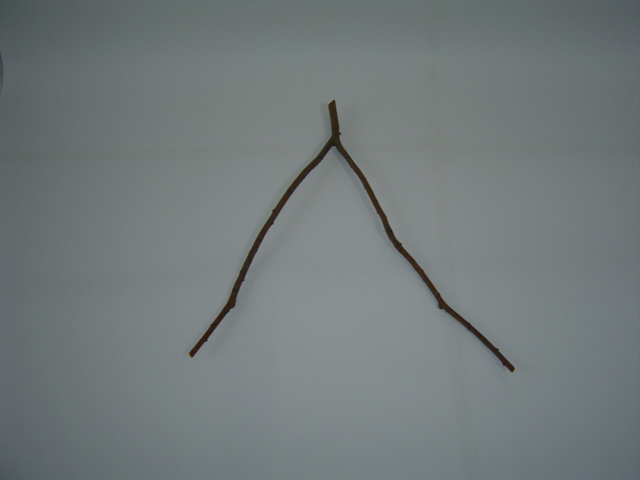
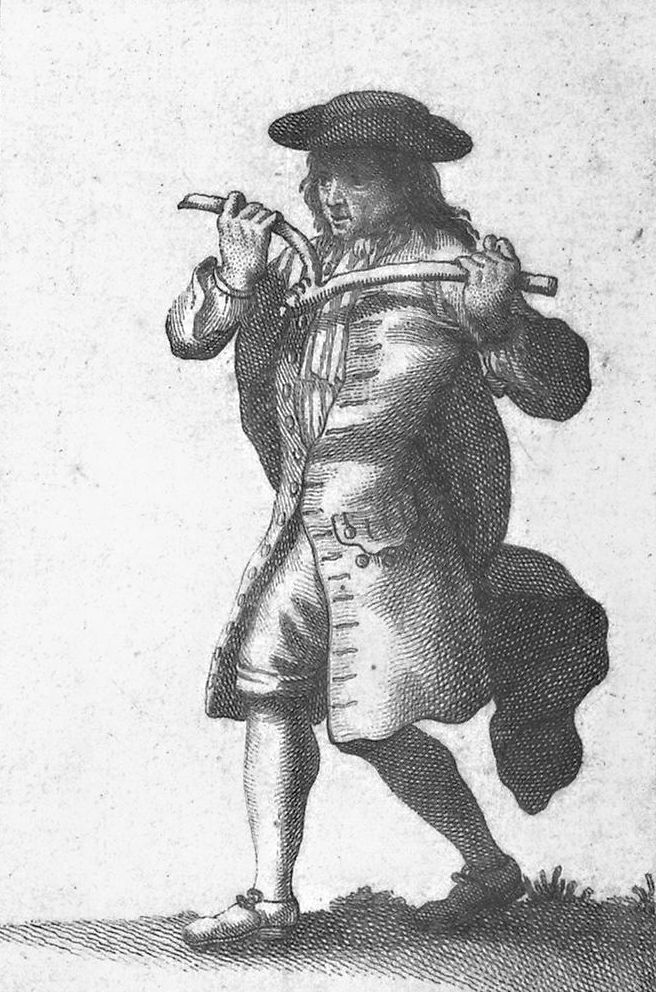
A Y-shaped green branch – willow, peach, witch hazel and others were all used – held one fork in each hand with the stem forward, walked over the ground until the stem turned down.
Still used by practitioners, along with L-shaped metal rods and pendulums.
The equipment costs nothing and that is part of the appeal. A method requiring only a branch cut on the spot is available to anybody, which is a different proposition from a method requiring equipment, data or a fee.
3. The Branch Really Does Move
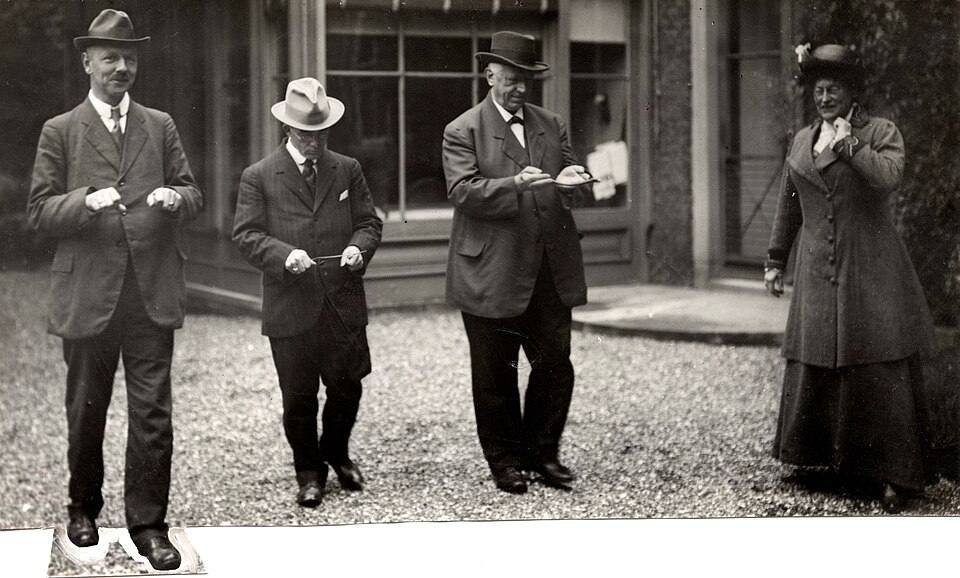
The movement is genuine and it can be strong – practitioners describe the stem twisting hard enough to strip bark – and people watching it happen are not inventing what they saw.
Identical, and still convincing to watch.
This deserves saying plainly because the usual debunking skips it. Nobody is lying about the movement. A forked branch held under tension is mechanically unstable, so very small involuntary changes in grip produce a large, sudden and apparently self-generated motion, and the person holding it does not feel themselves cause it.
4. Controlled Testing Does Not Support It
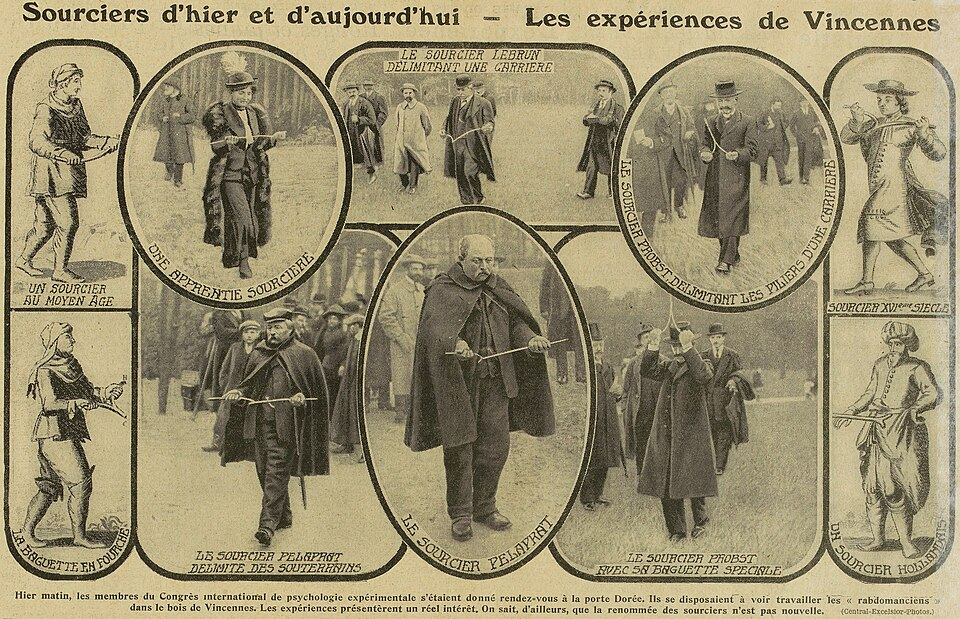
When dowsers have been tested under conditions where they cannot see the site and do not know the answer, their results have matched chance. This has been done repeatedly and the outcome has been consistent.
Unchanged. The scientific position is settled and has been for a long time.
That has to be stated straight, without hedging, because it is the fact of the matter. And it is also not the end of the subject, because the interesting question is not whether it works but why a method that does not work accumulated such a convincing track record.
5. Groundwater Is Nearly Everywhere, Which Is the Whole Explanation
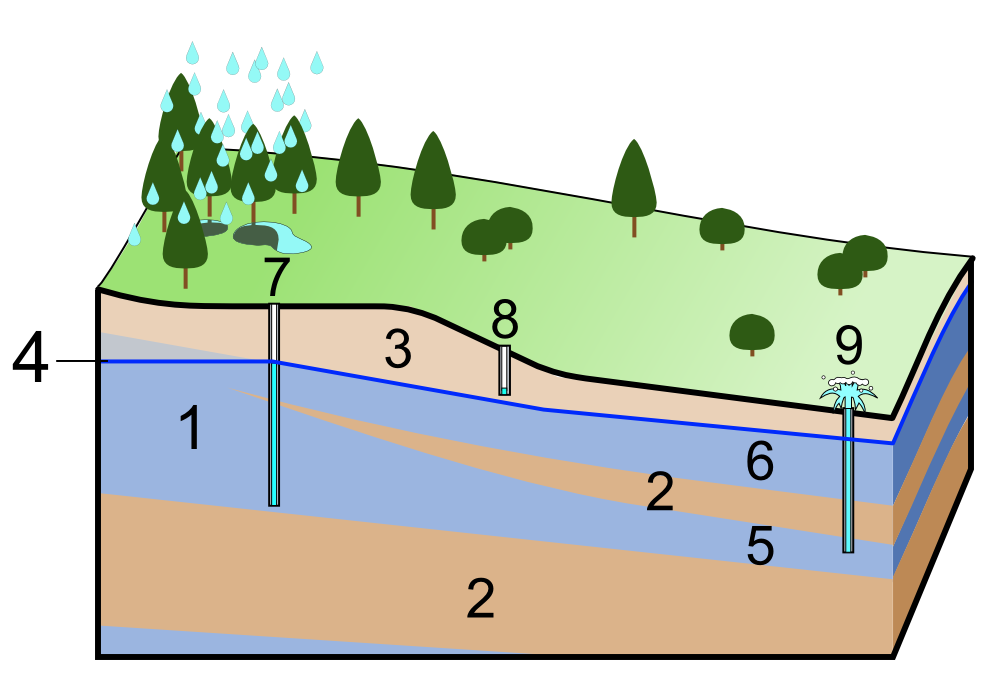
In most of the settled United States, drilling almost anywhere on a given property will reach water at some depth. The question was rarely whether there was water but how deep and how good.
Unchanged, and the basis of the modern explanation for dowsing’s reputation.
This single fact dissolves the entire mystery and it is not an insult to anybody. If water is under most of the property, then a dowser’s success rate and random siting’s success rate are the same rate – and that rate is high, so the method looks reliable because nearly any method would.
6. The Dowser Also Knew the Country
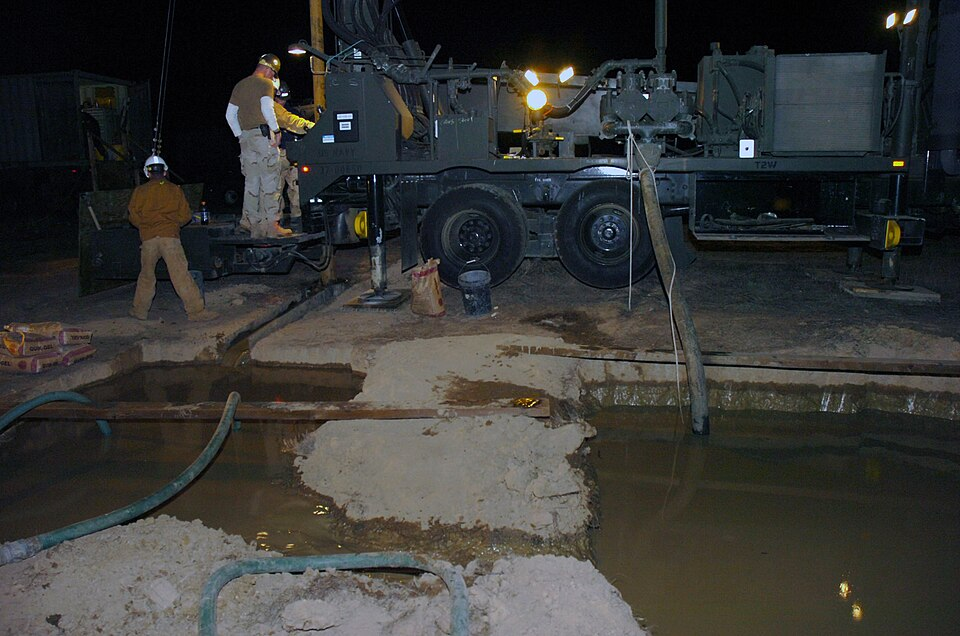
The person called to witch a well was typically a lifelong local who knew where springs ran, where the ground stayed wet, where neighbours’ wells were, where the land dipped and what the soil did.
Formalised as geological survey data, well logs and hydrogeological interpretation – the same information, systematically collected.
This is the fairest thing that can be said for the old practice and it is worth saying. The dowser frequently was the best-informed person available about local groundwater, and that knowledge was real even though the branch was not the thing delivering it.
7. A Depth Was Often Given Too
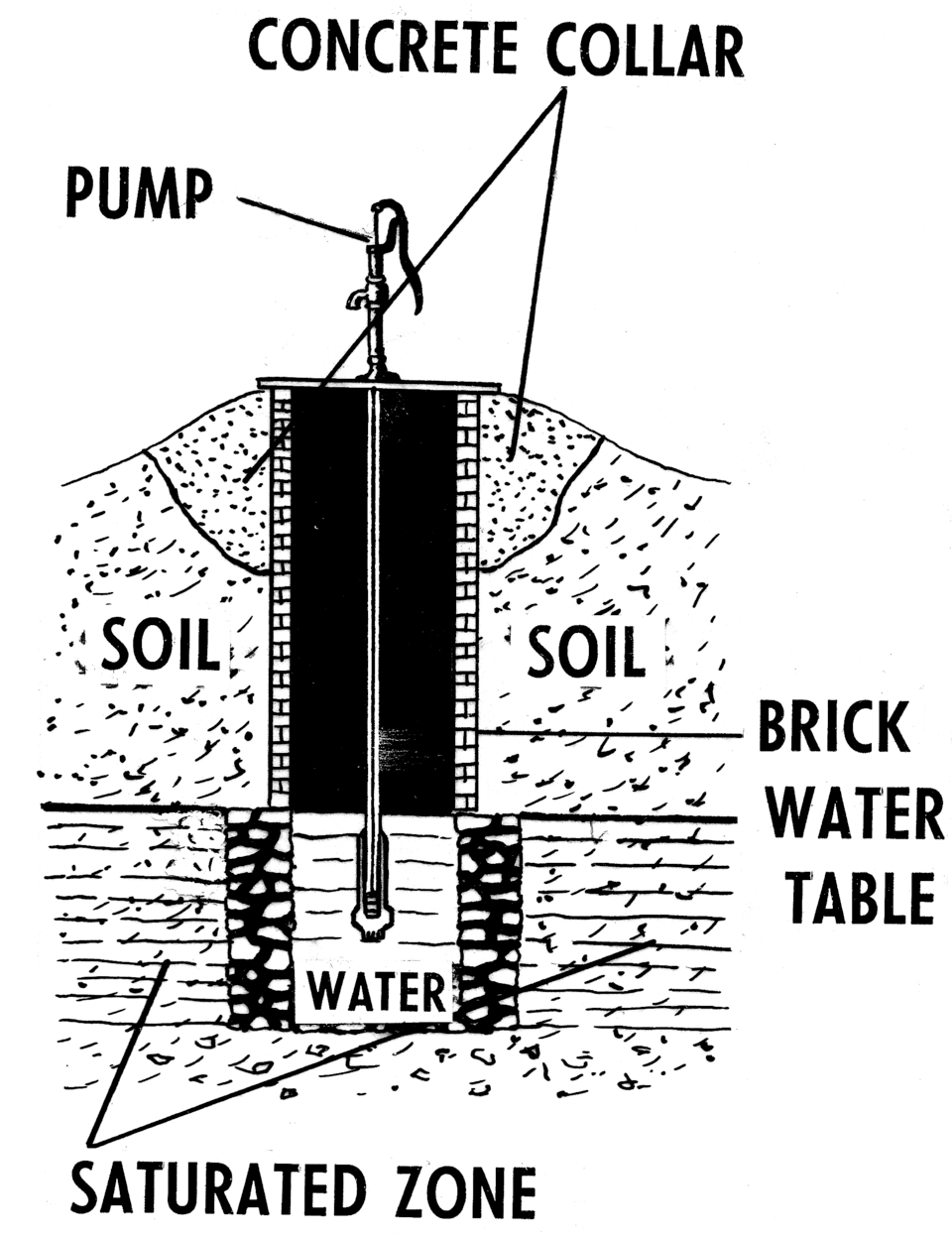
Many practitioners not only marked a spot but named a depth, by counting bobs of the rod or by other means, and that number was taken seriously by the people paying for the hole.
Depth is estimated from logs of nearby wells and local geology, which is genuinely informative.
A named depth is the part that was most likely to be checked and the part where the local-knowledge explanation does most of the work. Somebody who knows how deep the neighbours’ wells are can name a plausible depth without any method at all.
8. The Misses Did Not Count Against It
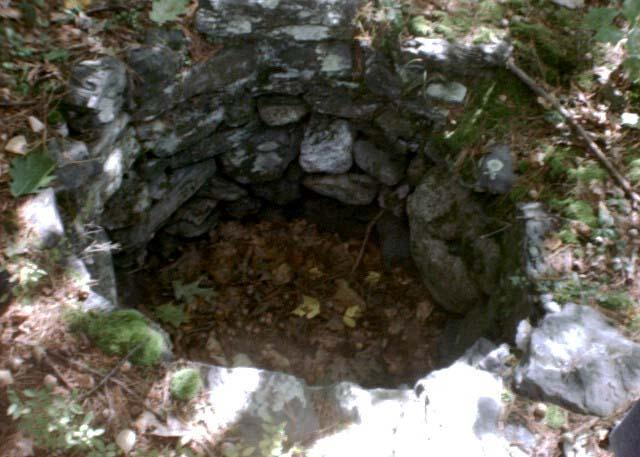
A dry hole was explained by drilling slightly off the mark, by the driller’s error, by the wrong person holding the rod, or by conditions – so a failure rarely counted as evidence against the practice.
The same pattern, which is how any belief with a social function maintains itself.
Unfalsifiability is the mechanism that preserved the reputation and it is not unique to dowsing. Any practice where success is credited to the method and failure to the circumstances will keep its record intact indefinitely, and nobody involved has to be dishonest for that to happen.
9. Drilling a Well Was Expensive and Irreversible
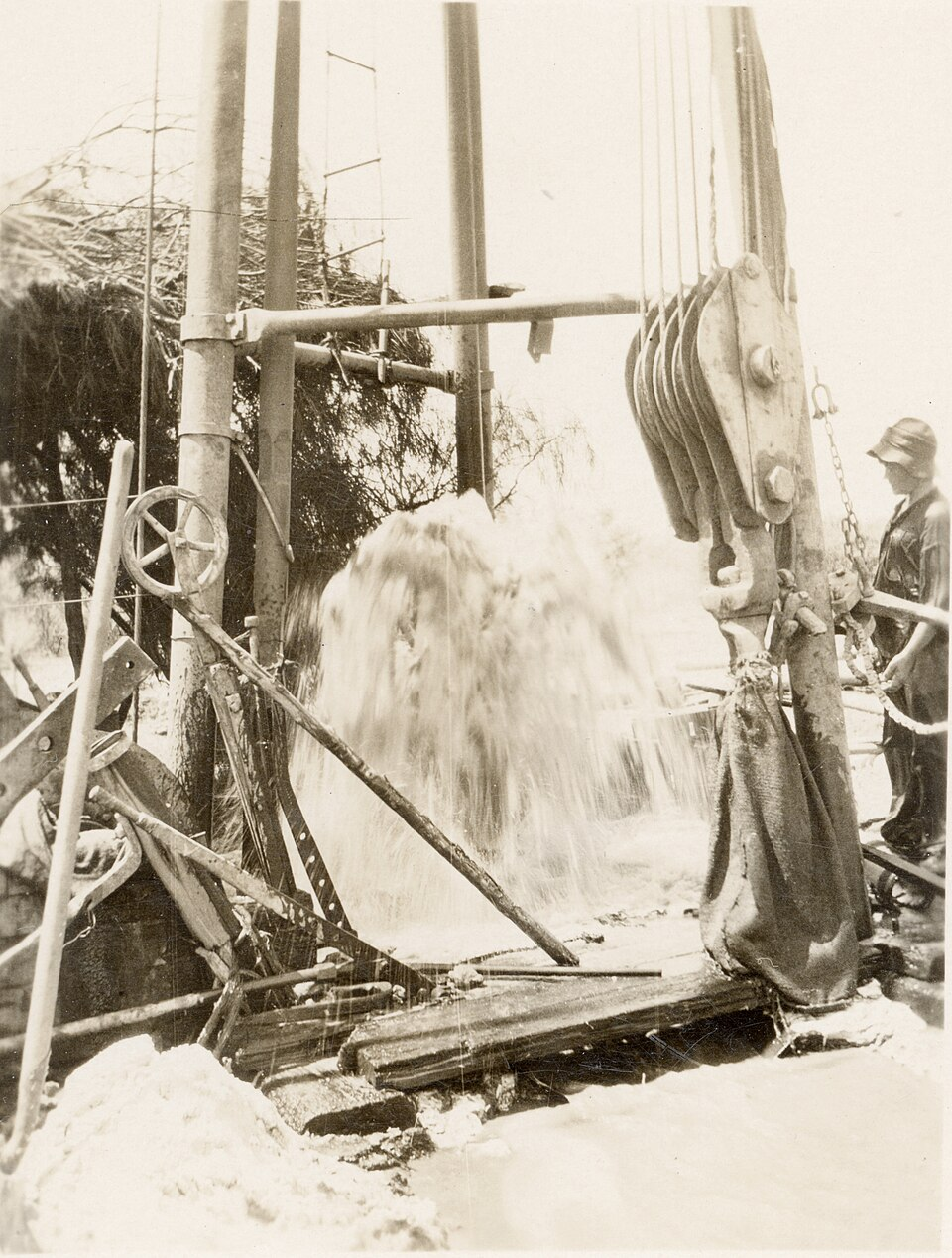
A well was a major expenditure, frequently the largest a farm household made in a year, and a dry hole was money gone with nothing to show – which made the decision of where to drill genuinely frightening.
Still expensive, with considerably better information available and in many places regulation of siting and construction.
The stakes are what explain the demand for certainty. Facing an irreversible expense with no way to see underground, a household will take any available means of being told it is doing the right thing, and that is a perfectly human response rather than a stupid one.
10. It Was Free and the Alternative Was Not
The local dowser charged nothing or very little. Professional hydrological advice, where it existed at all, was not available to an ordinary farm household in any practical sense.
Hydrogeological assessment exists and is used for significant installations, with drilling contractors providing siting judgement as part of the job.
Availability matters as much as accuracy here. A farm household in 1964 was not choosing between a dowser and a hydrogeologist; it was choosing between a dowser and nobody, which is a different decision entirely.
11. Plenty of People Did Not Believe It
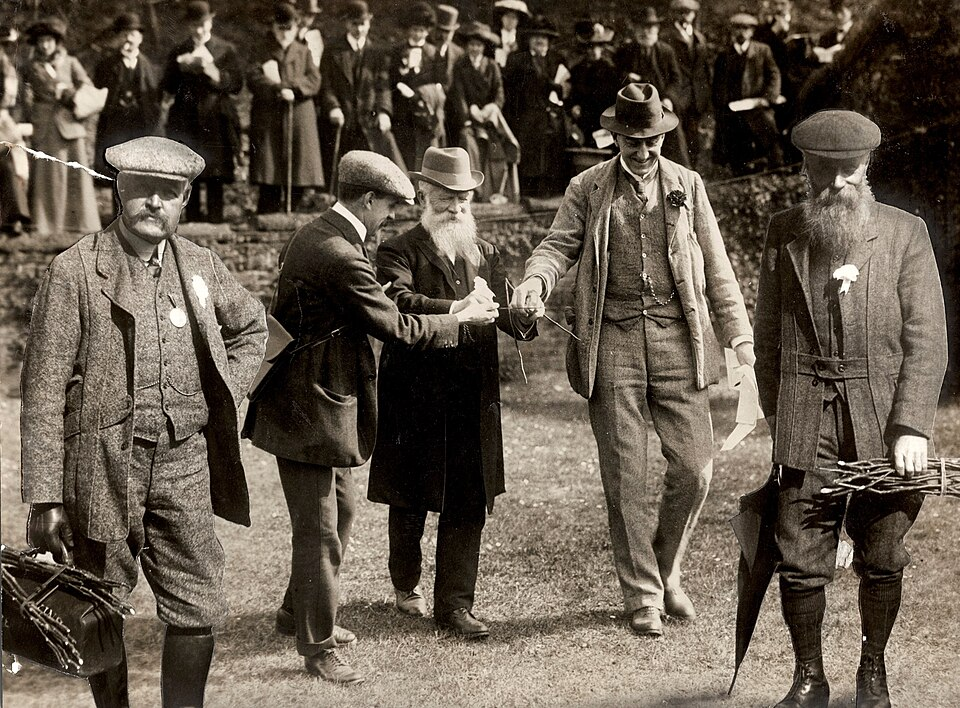
Scepticism was common and open. Drillers in particular were frequently dismissive, and households argued about it, with some insisting on a dowser and others refusing to have one on the place.
The same split, with the sceptical position now the mainstream one.
Rural America was not credulous about this and it is condescending to suggest otherwise. The argument about whether witching worked was being had at the time, by the same people who were using it, which is how most contested practices actually operate.
12. Drilling Technology Made the Question Smaller
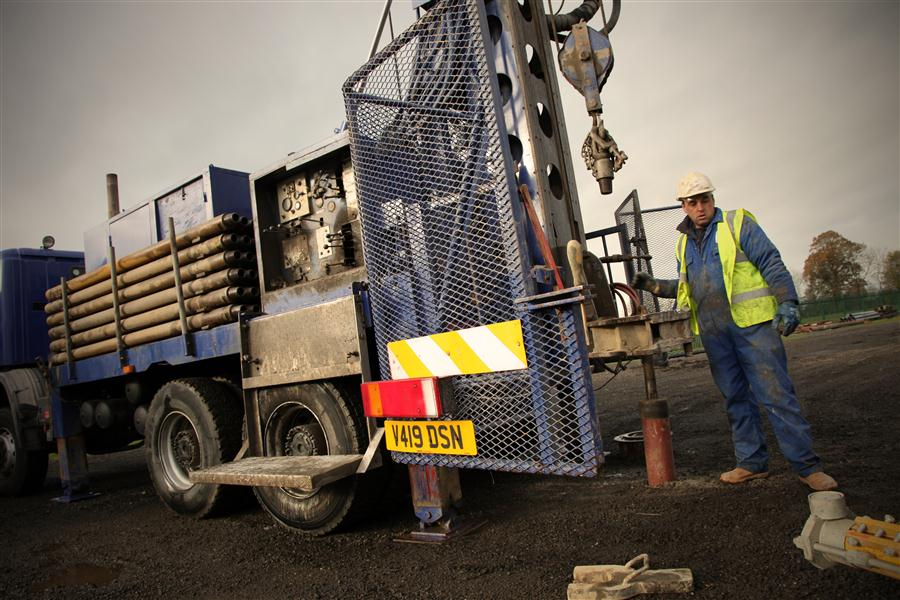
As rotary drilling and better rigs spread, going deeper became cheaper and faster, which reduced the penalty for drilling in a merely adequate spot rather than an ideal one.
Standard. Modern drilling can reach depths that make most siting decisions on a given property survivable.
Technology removed the terror rather than settling the argument, and that is the real mechanism of decline. When a hole can be drilled deeper without ruinous cost, the decision of exactly where to put it stops being the thing that keeps a household awake.
13. Then Piped Water Removed the Question Entirely
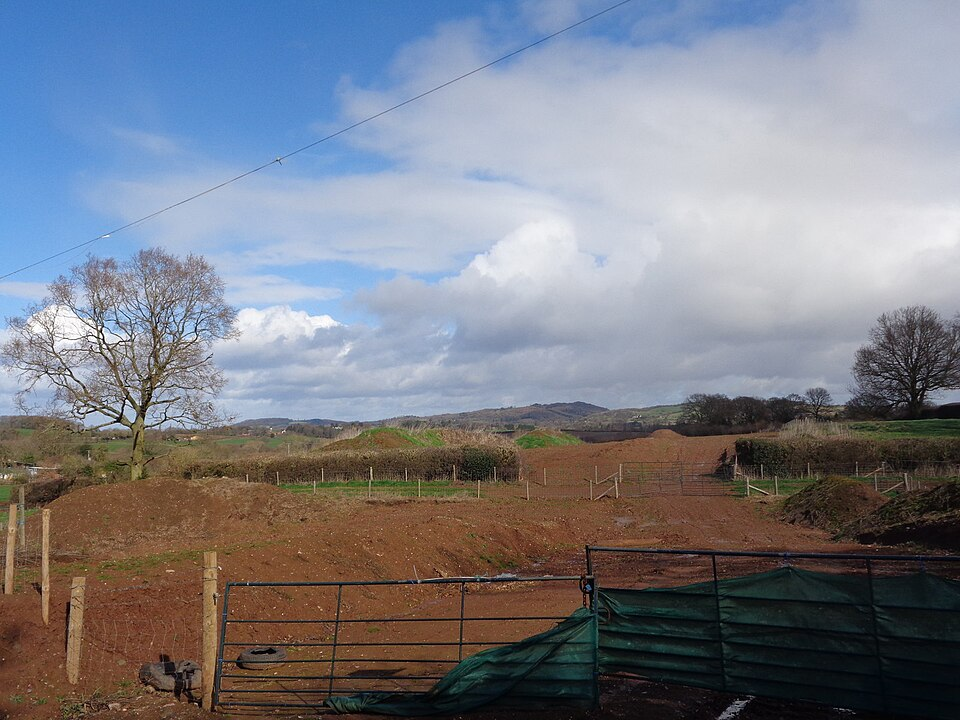
Rural water districts and municipal extensions brought piped supply to a great many American properties that had relied on their own wells, which removed the decision about where to dig altogether.
Widespread, though a great many rural households still depend on private wells and still face the siting question.
Where piped water arrived, the whole apparatus of local well-finding simply became unnecessary. A practice does not need to be disproved to disappear – it only needs the problem it addressed to stop occurring.
14. Then the Problem It Solved Went Away
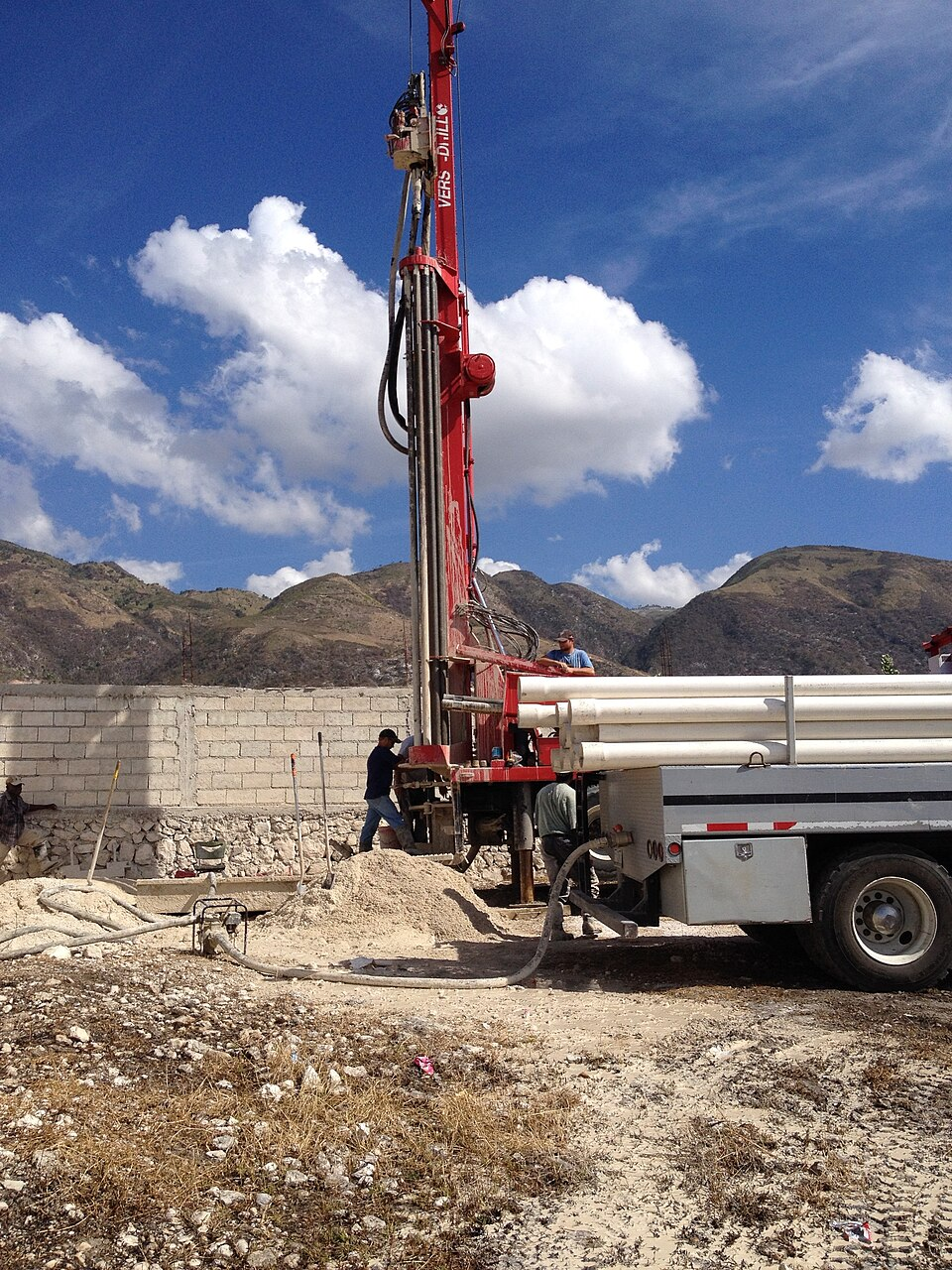
In 1964 the question of where to dig a well was answered in a great many rural American places by a local man with a forked branch, who charged nothing, named a spot and often a depth, and whose record people trusted.
Siting is a contractor’s or a hydrogeologist’s judgement where it is made at all, and in much of the country the question never arises because the water comes in a pipe.
And the honest account of this is more interesting than either of the easy ones. It did not work – that is settled, tested repeatedly under conditions where the dowser could not know the answer, and the results have matched chance every time. But the dismissive version of the story is lazy, because it cannot explain why so many careful, practical people believed the evidence of their own experience. The explanation has three parts and none of them require anybody to be foolish. Groundwater exists under most of the settled United States, so a hole almost anywhere will find some, which means a dowser’s hit rate and a coin toss’s hit rate were the same high number. The dowser was usually a lifelong local who genuinely knew where springs ran, where the ground stayed wet and how deep the neighbours had gone, so real knowledge was in the room even though the branch was not supplying it. And a dry hole was always explained away – wrong spot by a few feet, driller’s error, bad conditions – so the record never took a hit. Add the stakes. A well was frequently the biggest expense a farm household faced in a year, the hole was irreversible, nobody could see underground, and the alternative to a free local dowser was not an expert but nobody at all. Under those conditions, wanting to be told you are drilling in the right place is not superstition. It is what anybody would want. What ended it was not the testing. It was deeper rigs that made a mediocre spot survivable, and then pipes that made the whole question somebody else’s.
It Did Not Work, and the Reasons People Believed It Were Good Ones
Two accounts of water witching are commonly offered and both are unsatisfying.
The first says it worked and science cannot explain everything. The second says rural people were credulous and that is all there is to it.
The first is wrong. Dowsing has been tested repeatedly under conditions where the practitioner cannot see the site and does not know the answer, and the results have matched chance. That is not a provisional finding and it is not in serious dispute.
The second is lazy, because it cannot account for the evidence. A great many careful, practical, sceptical people watched this done and concluded from their own experience that it worked – and the question worth asking is not whether they were right but why the experience was so convincing.
There are three reasons and none of them require anybody to be a fool.
The first is the big one. Groundwater exists under most of the settled United States. Drill almost anywhere on a given property and you will reach water at some depth – the real question was rarely whether there was any but how deep and how good. Which means a dowser’s success rate and random siting’s success rate were the same rate, and that rate was high. The method looked reliable because nearly any method would have.
The second is that real knowledge was in the room. The person called to witch a well was typically a lifelong local who knew where springs ran, where the ground stayed wet after a dry spell, how deep the neighbours’ wells had gone, what the soil did and where the land dipped. He frequently was the best-informed person available about local groundwater. That knowledge was genuine; the branch simply was not what was delivering it.
The third is that failure never counted. A dry hole was explained by drilling a few feet off the mark, by the driller’s error, by the wrong person holding the rod, by conditions. Credit the method for hits and the circumstances for misses, and a reputation survives indefinitely without anybody lying about anything.
And the movement of the branch is real, which the debunking usually skips. A forked green branch held under tension is mechanically unstable. Very small involuntary changes in grip produce a large, sudden motion that feels entirely self-generated to the person holding it – which is why practitioners describe the stem twisting hard enough to strip bark and are not making it up.
Now add the stakes, because this is where the sympathy belongs.
A well was frequently the largest single expense a farm household faced in a year. The hole was irreversible. Nobody can see underground. And the alternative to a free neighbour with a branch was not a hydrogeologist – it was nobody at all, because professional hydrological advice was not available to an ordinary farm household in any practical sense.
Under those conditions, wanting somebody to tell you that you are drilling in the right place is not superstition. It is what anybody would want.
It is worth adding that rural America was not united on this. Scepticism was common and open, drillers were frequently dismissive, and households argued about whether to have a dowser on the place at all. The disagreement was live at the time, among the same people who were using it.
What ended the practice was not the testing, which most people never heard about and which would not have changed many minds if they had.
It was rotary drilling and better rigs, which made going deeper cheap and fast enough that a merely adequate spot stopped being a disaster. And then it was pipes – rural water districts and municipal extensions reaching properties that had always depended on their own wells, removing the question of where to dig entirely.
A practice does not have to be disproved to disappear. The problem it answered only has to stop happening.
If your grandfather did this, somebody in the family still swears they watched the stick turn.
And they did watch it turn. That part was never the question.
Like our content? Follow us for more.