There is a structure that appears in almost every old American garden book and essentially never in a modern one, and it is one of the cleverest things an ordinary household ever built.
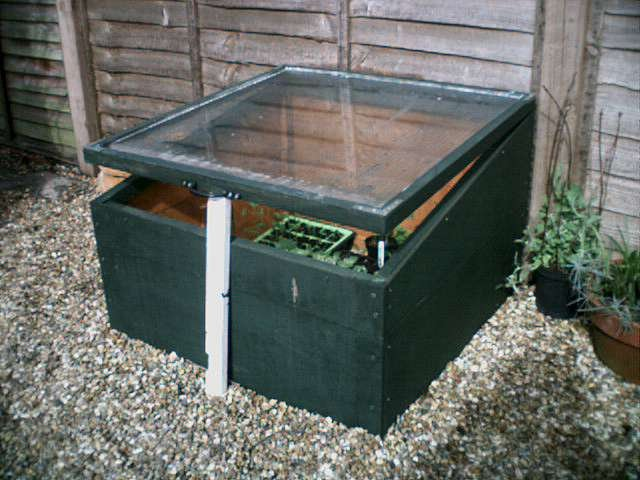
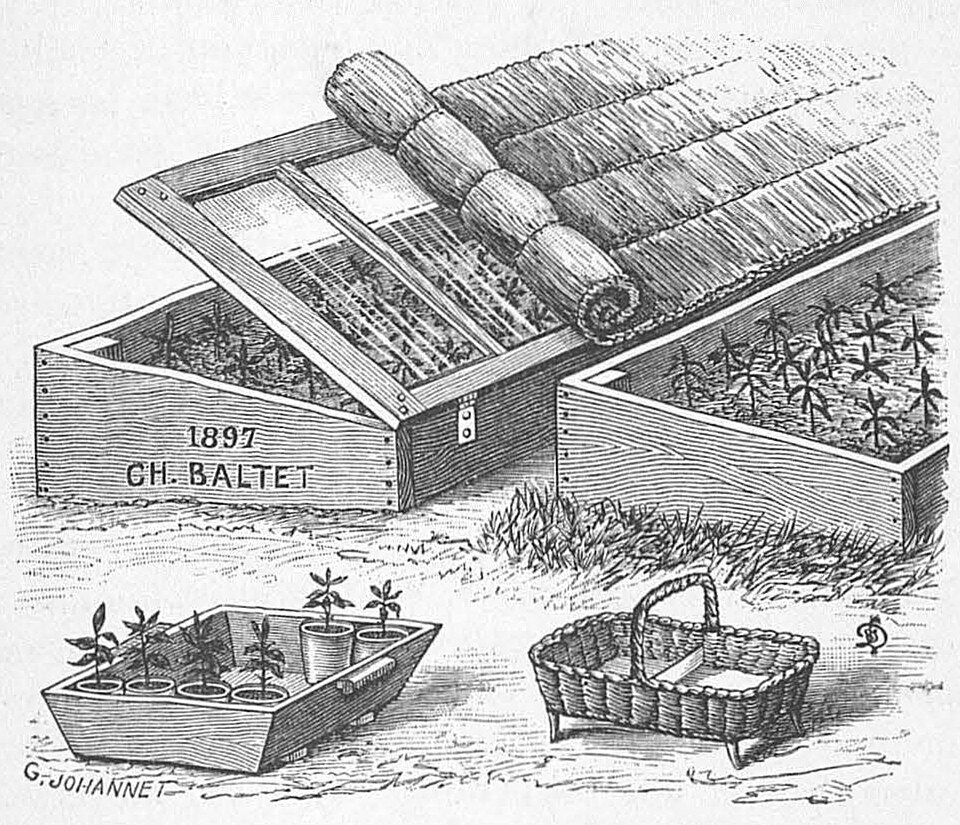
A rectangular wooden frame, a few feet by several feet, set on the ground against a south wall, with old window sashes laid over the top as a lid. Under the frame, a pit. In the bottom of the pit, a thick layer of fresh stable manure. On top of that, several inches of soil. And in the soil, seedlings, growing weeks before anything could survive outdoors.
The manure is the heater. As it decomposes it generates heat – genuinely substantial heat, continuously, for weeks – and the soil above it absorbs that warmth and holds it around the roots of the plants.
No fuel. No wiring. No thermostat. No running cost. A heated growing structure built out of a hole in the ground, a pile of waste, some old windows and a few boards.
The Difference Between a Hotbed and a Cold Frame
These two things get confused constantly and the distinction is the whole point.
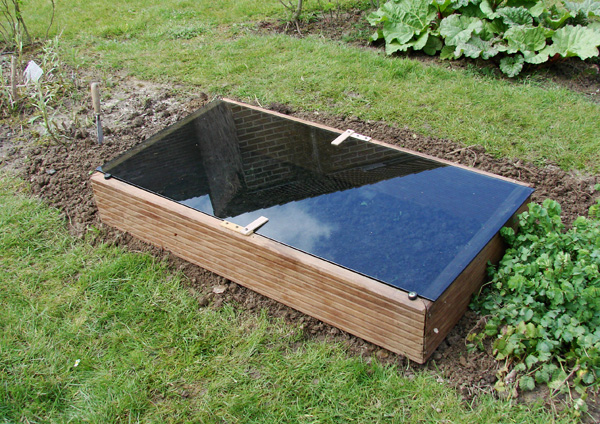
A cold frame is unheated. It is a box with a glass or sash lid that traps solar heat during the day and holds some of it overnight, and it extends the season at both ends by a matter of weeks. It is passive: the sun supplies everything, and on a run of grey days a cold frame is barely warmer than the ground around it.
A hotbed is a cold frame with a heat source underneath. That changes what it can do completely. A cold frame protects plants from frost and gives them a head start; a hotbed actively grows them in genuinely cold weather, because the root zone is being warmed from below regardless of what the sun is doing.
Which means a household with a hotbed could start seeds in late winter, in the cold, outdoors, and have transplants ready at exactly the moment the ground was workable. A household with only a cold frame could not.
Like our content? Follow us for more.
Why Fermenting Manure Produces Heat
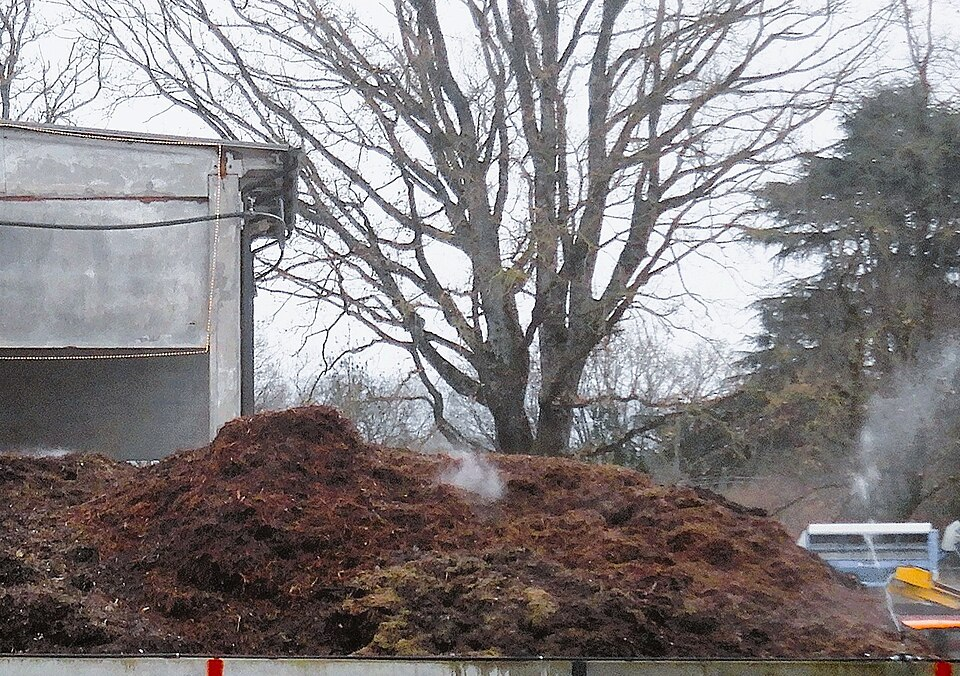
The mechanism is biological and it is the same process that makes a compost heap hot.
Fresh manure mixed with bedding straw is an enormous quantity of organic material with a favourable balance of carbon and nitrogen, plenty of moisture and plenty of air trapped in it. Microorganisms consume it, and that consumption releases energy as heat. Pile enough of it together and the centre of the mass gets hot – hot enough that the pile steams on a cold morning, which anybody who has worked around a stable yard has seen.
A loose pile loses that heat to the air almost as fast as it makes it. Put the same material in a pit, compress it in layers, and cover it with soil, and the heat is retained and conducted upward instead – which turns a waste heap into a heating element.
The output declines over time as the easily digestible material is consumed, so a hotbed runs hot at first and cools gradually over several weeks, which is exactly the curve a tray of seedlings wants: strong warmth for germination, tapering off as the plants harden and the outdoor weather improves.
That coincidence of the decay curve and the growing curve is the reason the technique works as well as it does, and nobody designed it. It was discovered.
The Sash Did Several Jobs at Once
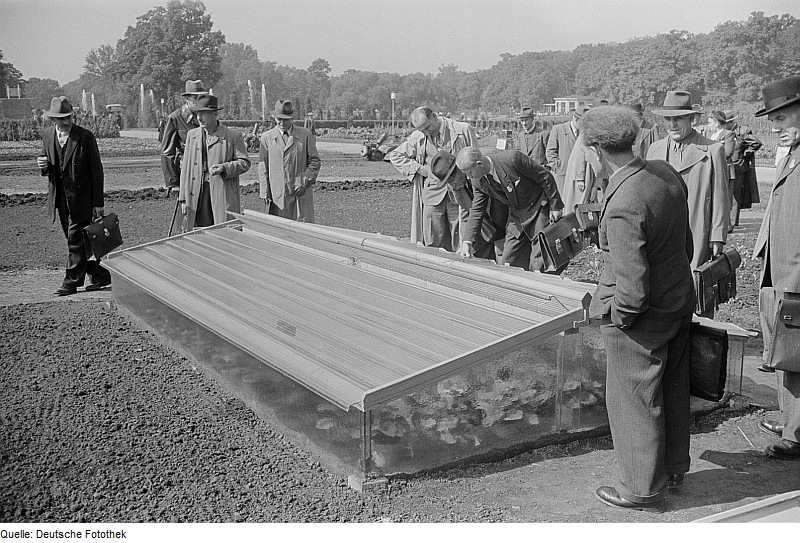
The lid was almost always old window sash, and that choice was practical on every count.
Sash was available. Every household that had ever replaced a window had one in a shed, and a frame built to fit the sash you happened to have is the normal way these were made – which is why hotbed dimensions in old books are given in terms of standard sash sizes rather than in round numbers.
Glass admits light and traps heat, which is the obvious part. Less obviously, the sash had to be propped open on warm days, and managing that was the daily work of running a hotbed. A closed frame in spring sun can overheat enough to kill everything in it in an afternoon, so somebody had to open it in the morning and close it before evening, judging the weather, every day for weeks.
That daily attendance is the hidden cost of the whole technique, and it is the reason hotbeds belonged to households where somebody was always at home.
The Entire Season Existed Because You Could Not Buy Plants
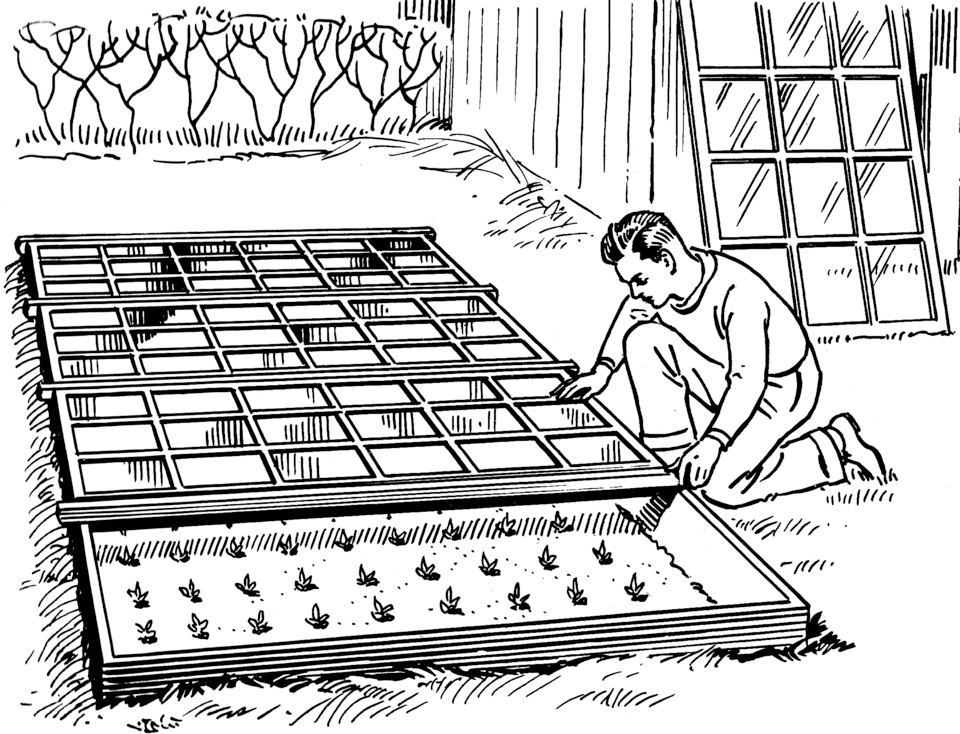
Here is the fact that explains why any of this effort was worth making.
A household that wanted tomatoes, peppers, cabbages, early lettuce or flowers had to raise its own transplants, because there was no commercial source for them in most places. You could buy seed, from a catalogue or a store. You could not buy a flat of seedlings in April.
So the seed-starting season was a real and substantial part of the gardening year, with its own structures, its own timetable and its own skills – starting dates worked backwards from the last expected frost, pricking out, potting on, hardening off, and the whole business of getting a plant from a seed to a transplantable size at exactly the right moment.
The hotbed was the equipment that made that possible on any scale. And a household with a good one could raise not only its own plants but a surplus to sell or trade, which was a recognised small income in a great many rural neighbourhoods.
Then You Could Buy a Flat of Tomatoes for Almost Nothing
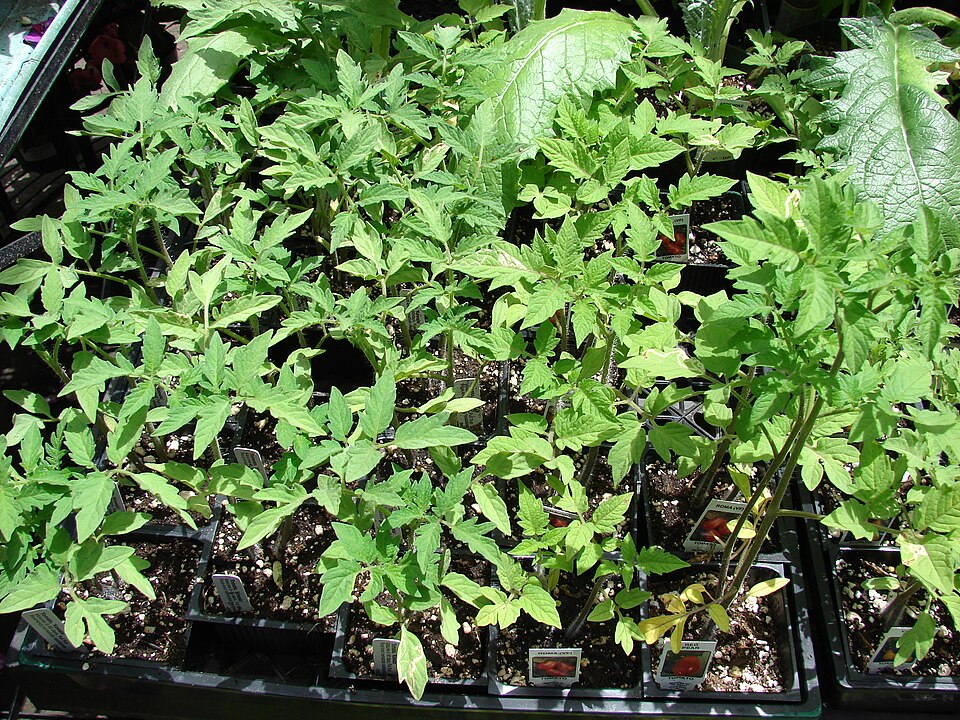
The thing that ended the hotbed was not a better heating method. It was a shop.
Commercial plant production scaled up enormously through the second half of the twentieth century, and the result is that transplants became a cheap, universally available, impulse-purchase item. Garden centres, hardware stores, supermarkets and roadside stands all sell them, from about the moment it is sensible to plant them, in exactly the quantities a household wants.
Measured against that, a hotbed makes no sense for a household garden. Building and filling one is a day’s heavy work with manure that most people no longer have access to. Running it requires somebody at home to open and close a sash every day for a month. And the output is a few dozen plants that can be bought for a trivial sum with no labour at all.
So the structure disappeared from ordinary gardens almost completely, and the knowledge went with it – which is why a modern gardener has frequently never heard of the thing and an old garden book is full of it.
The Cold Frame Survived and the Hotbed Did Not
The asymmetry between the two is informative.
Cold frames are still sold, still built, still recommended and still genuinely useful, because they do something a shop cannot supply: they extend the season for plants already in the ground, harden off purchased transplants, and keep salad crops going later into the autumn and earlier into the spring. That function has no commercial substitute.
The hotbed’s function – producing transplants in cold weather – does have a commercial substitute, and an extremely cheap one. So the heated version died and the unheated version lived, which is a clean demonstration that these structures were never kept for their own sake.
Where heated growing survives at household scale, it has moved indoors and onto electricity. Heat mats, grow lights and a shelf in a basement do the same job with a thermostat, no manure, no daily sash management and no weather at all – which is better in every respect except that it uses purchased power to do what a pile of waste did for nothing.
A Pile of Waste That Was Also a Furnace
What is worth keeping from the hotbed is the shape of the idea rather than the practice.
A farm produced a continuous, unavoidable, substantial quantity of manure that had to be dealt with. It was going to be composted and spread on the ground eventually regardless. And somebody worked out that in the interval between it being a problem and it being a fertiliser, it was also a heat source – so you could extract weeks of free warmth out of it on the way past, and the material arrived at its eventual destination none the worse for having been used.
That is a genuinely elegant piece of thinking, arrived at without any theory of microbiology, and it is the same instinct that produced soap from waste fat and ash, scouring powder from fire residue and floor covering from worn-out clothes.
None of those survive, and all of them disappeared for the same reason: the waste streams they ran on dried up, and the products they made became purchasable for almost nothing. Which is an improvement, and it is also the end of a particular way of looking at a farmyard – as a place where nothing was finished with until it had been used at least twice.
Like our content? Follow us for more.