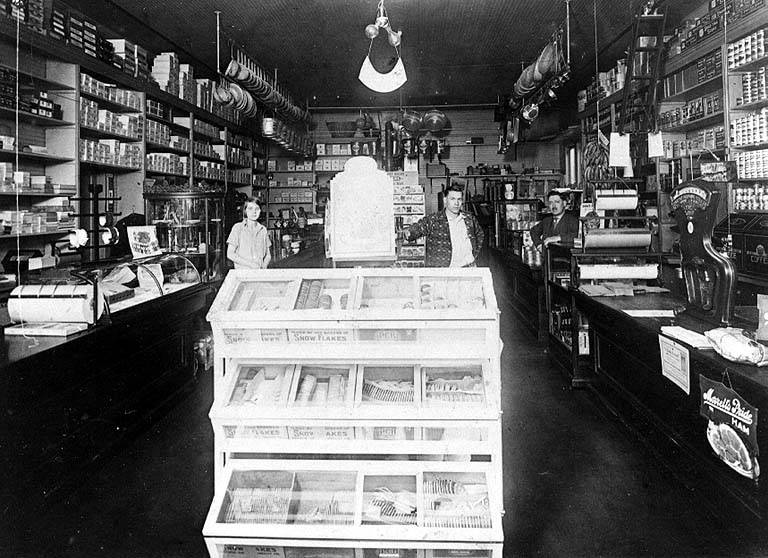
They turn up at estate sales and in historical societies, and they are among the most informative documents in American local history: enormous bound ledgers, a foot tall, with a name at the top of each page and a column of dated entries underneath in pencil and ink.
Flour. Sugar. Coffee. Nails. A pair of overalls. Calico, three yards. Coal oil. A plough point. Shoes for a child. Each with a date and an amount, running down the page for months – and at the bottom, eventually, a payment, and a balance carried forward.
That ledger was not a record of sales. It was a credit facility, and for a very large number of American farm households it was the only one they had.
There was no bank account. There was no loan. There was no card, no cheque and in many months no cash at all. There was a man in a store who wrote down what you took and waited to be paid until the crop sold – and the entire rural economy ran on that arrangement for generations.
Farm Income Arrives Once a Year
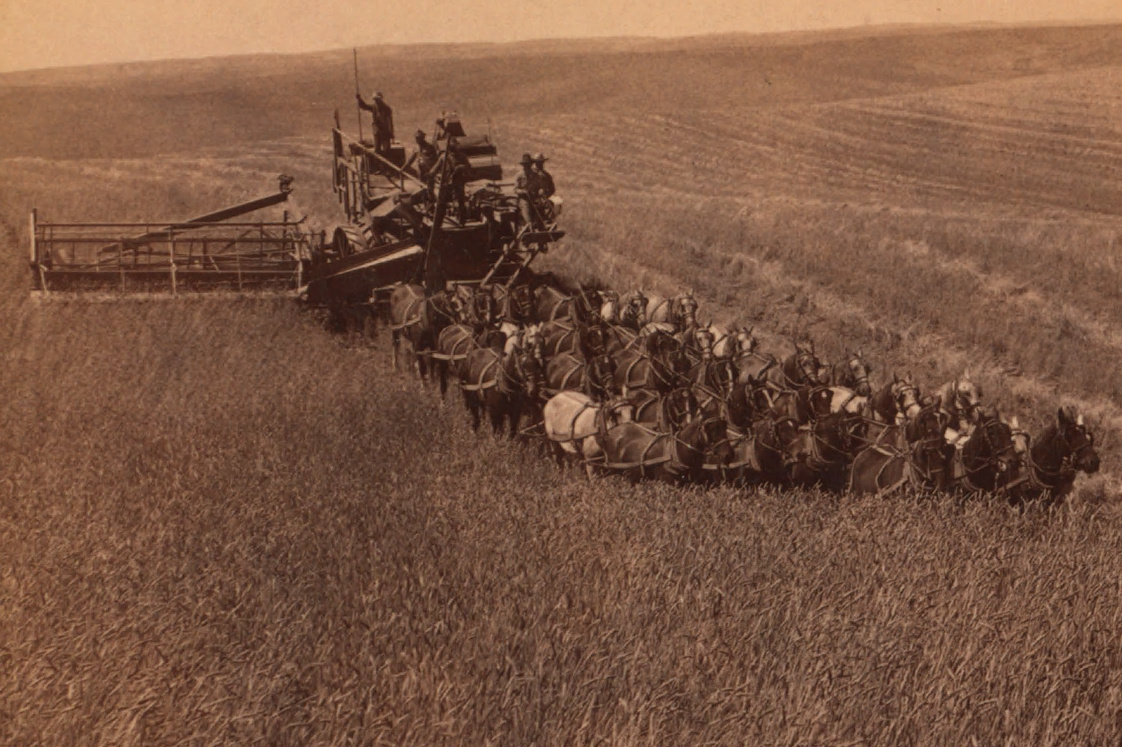
The whole thing follows from one brutal fact of agricultural life, and once you see it the arrangement stops looking strange.
A farm household’s income is not a wage. It arrives in lumps, when something is sold – at harvest, at a stock sale, when the tobacco or the cotton or the grain goes to market. In between, which is most of the year, there is very little money coming in.
But the household’s needs do not arrive in lumps. It eats every week. It needs shoes in September, seed in April, a repair in June, medicine whenever somebody is ill, and salt and coffee and kerosene continuously.
So there is a structural mismatch between when money comes in and when it has to go out, and the gap can be nine or ten months long. Something has to bridge it.
In an urban wage economy a weekly pay packet does that automatically. In a farm economy it had to be done by credit – and the institution that supplied it was the store.
Like our content? Follow us for more.
The Storekeeper Was Also the Banker, the Broker and the Assessor
The person behind that counter was doing several jobs that are now done by entirely separate institutions, with entirely separate licensing.
He was a lender, extending unsecured credit for most of a year on his own judgement. He was a credit assessor, deciding who could carry a balance and how large, based on knowing the family, the farm, the ground, the weather and the household’s history. He was a collection agent, deciding when to press and when to wait. He was frequently a buyer too, taking eggs, cream, hides, poultry or produce in trade against the balance rather than in cash. And he was the sole record keeper – his ledger was the only account of the debt in existence.
That concentration of functions is the thing that modern readers should find striking. The same person sold you the goods, set the price, decided your credit limit, kept the only record of what you owed, and determined what your eggs were worth when you brought them in to settle.
Nobody audited any of it. There was no statement, no interest disclosure, no dispute procedure and no second copy.
Which Cut Both Ways, and Both Ways Were Real
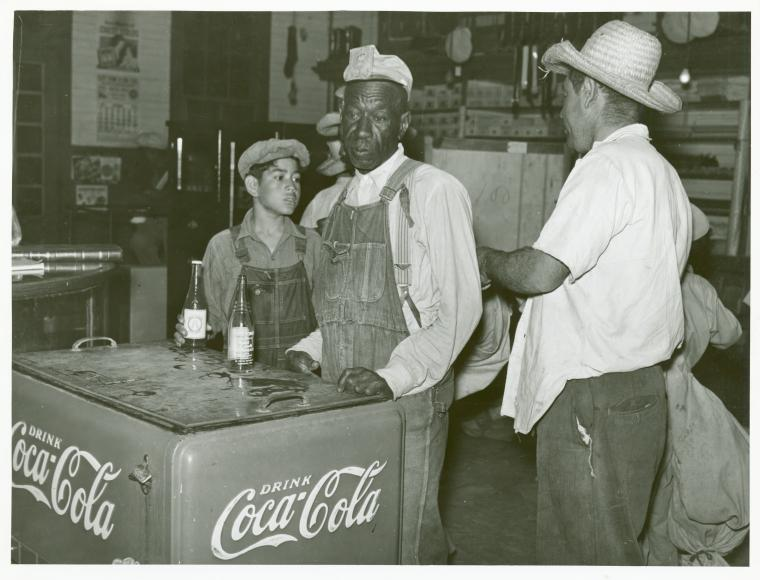
Any honest account has to hold two things together here, because both of them are true and the subject gets written badly when only one is admitted.
On one side, this was genuinely how a great many American families survived. A storekeeper who carried a household through a bad year, who kept feeding a family after a crop failed, who waited two seasons for a settlement, was performing a real service at real personal risk – and a great many of them did exactly that, out of neighbourliness, long-term self-interest, or both. A merchant’s willingness to carry accounts was the difference between a family staying on its farm and leaving.
On the other side, the arrangement gave one party complete informational and pricing control over the other. A household with a standing balance at one store is not a free customer: it cannot shop elsewhere, cannot easily compare prices, and is not in a strong position to argue about what it is charged or what its produce is valued at. And the documentary record of what it owed was in the lender’s own handwriting, in the lender’s own book, on the lender’s own premises.
In its harshest forms, in some times and places in the United States, that structure was used to hold families in permanent debt they could not clear, which is a documented and serious part of American agricultural history. This piece names no region, period, system or community, because treating that history responsibly requires specificity and context a general article cannot carry – and because it was not the universal experience either. The arrangement ran from decent to exploitative depending entirely on the individual merchant and the local power relations, which is exactly what you would expect from a credit system with no rules, no oversight and no records anybody else could see.
The Mechanics Were Simple and Unsecured
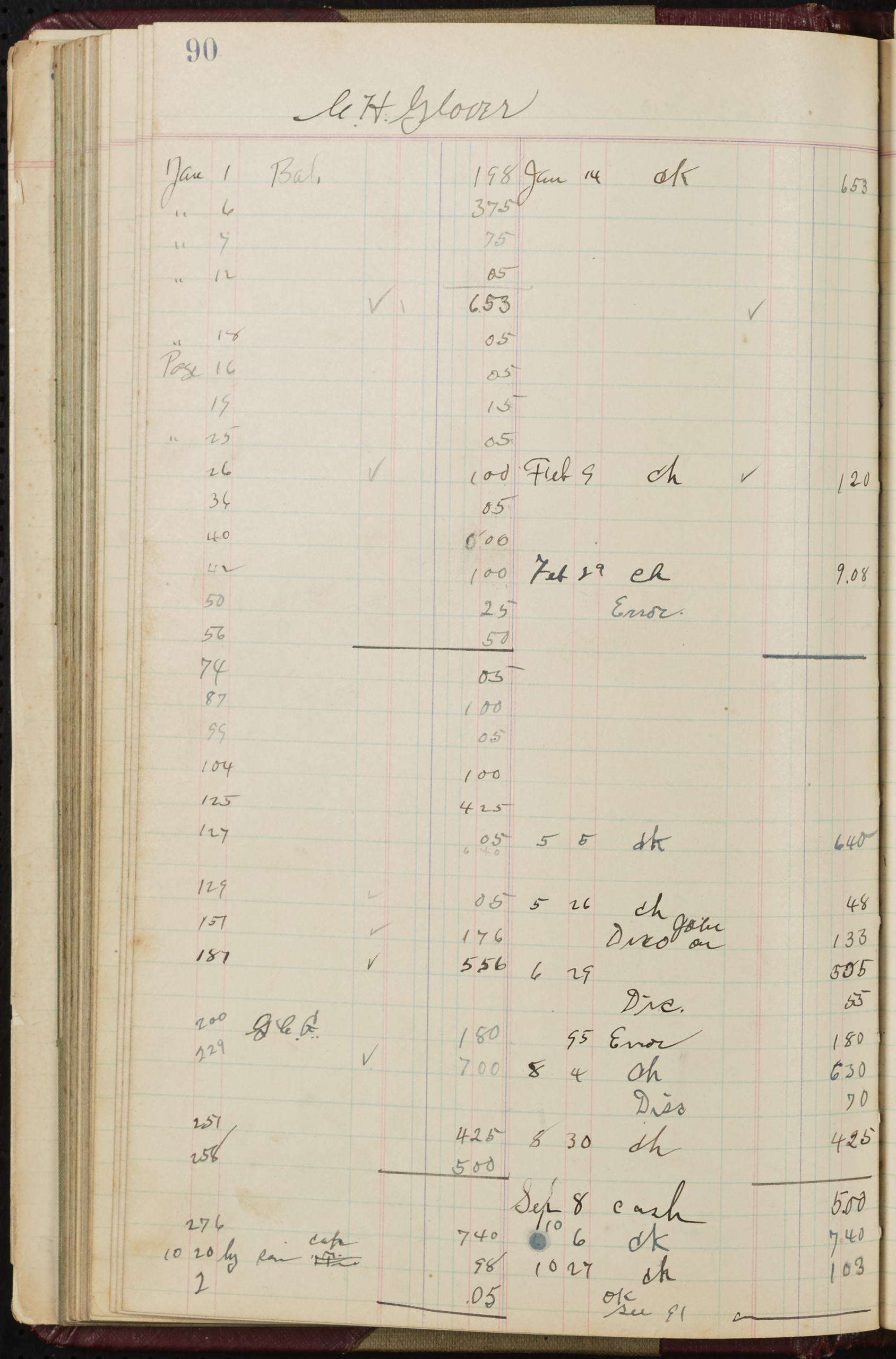
The actual operation of the thing was informal to a degree that is hard to imagine now.
A customer came in, took what they needed, and the clerk wrote it in a day book – a chronological running record of everything that left the store. Later, somebody posted those entries from the day book into the ledger under each customer’s name, which is double entry of a very basic kind and the reason both volumes survive.
Nothing was signed. There was no contract, no security, no collateral and in most cases no stated interest – though the price of goods sold on account was frequently higher than the price for cash, which is interest by another name and everybody understood it as such.
Settlement happened when the household had money, which meant after a sale. A partial payment knocked the balance down and the rest carried forward. A good year cleared the page; a bad one meant the balance grew, and the merchant decided whether to keep writing.
That decision – whether to keep writing – was the single most consequential financial decision in a great many American households’ lives, and it was made by one man with no procedure to follow.
The Ledgers Are Now Historical Gold
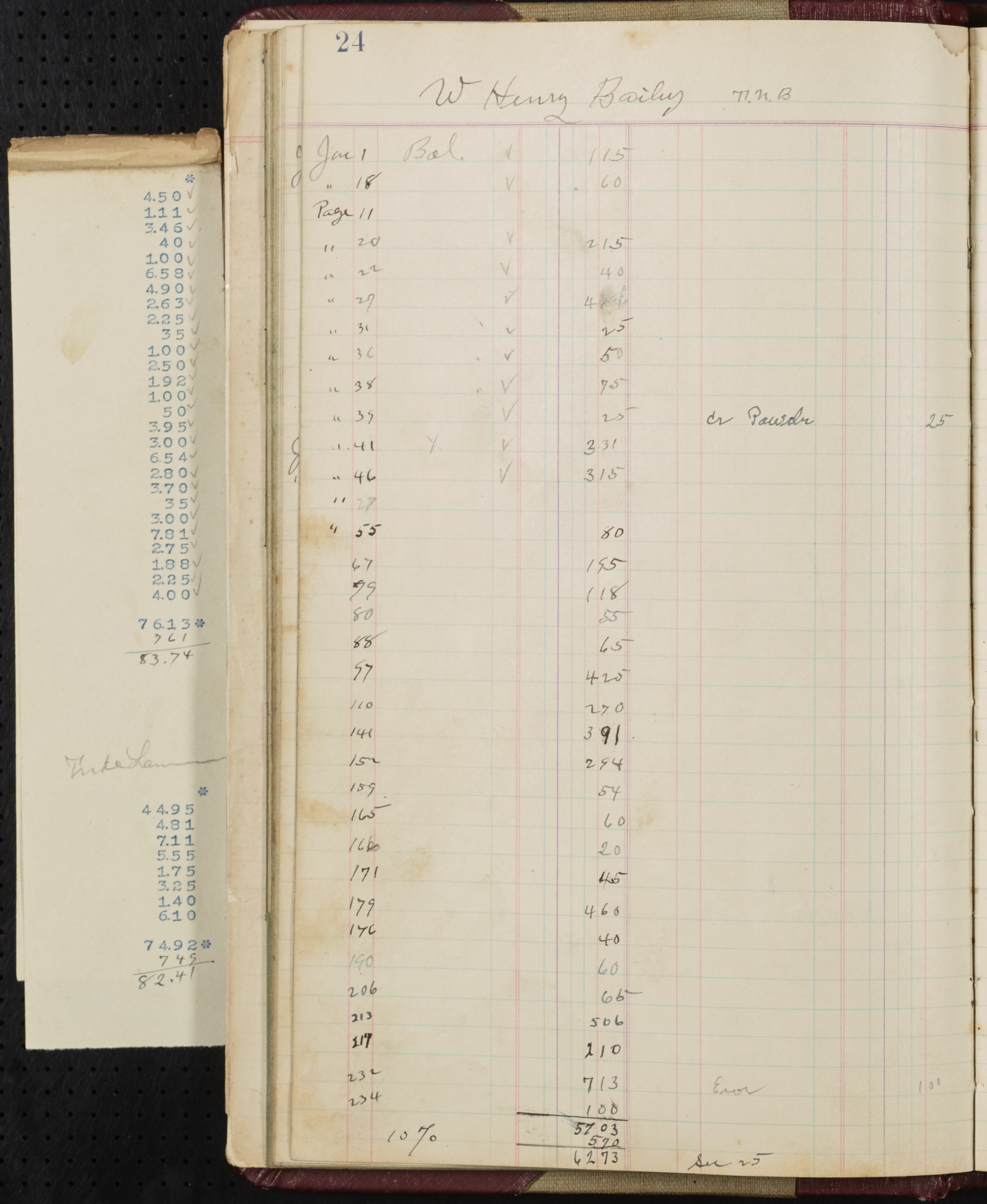
The unintended consequence of all this is that these books are among the best records of ordinary American material life that exist.
A census tells you who lived in a house. A deed tells you who owned land. A ledger tells you what a specific family actually bought, on which dates, in what quantities, for how much, across years – which is a resolution of detail about everyday life that almost no other source provides.
You can see a household’s standard of living rise and fall. You can see a child born in the sudden appearance of particular purchases. You can see somebody die in a page stopping. You can see what a community ate, wore, farmed with and treated illness with, and what it could not afford. You can see the point at which a family’s balance stops going down.
Historians and genealogists use them for exactly that, and local historical societies collect them, because the ledger of a single country store is effectively an economic survey of its neighbourhood conducted continuously for decades by somebody who had no idea he was conducting one.
Cash, Cars and Banks Ended It
The system came apart from several directions over roughly the same decades.
Automobiles meant a household was no longer confined to the nearest store. Once you can drive fifteen miles, you can compare prices, and a customer who can compare prices will not accept a captive relationship – which destroyed the local monopoly the arrangement depended on.
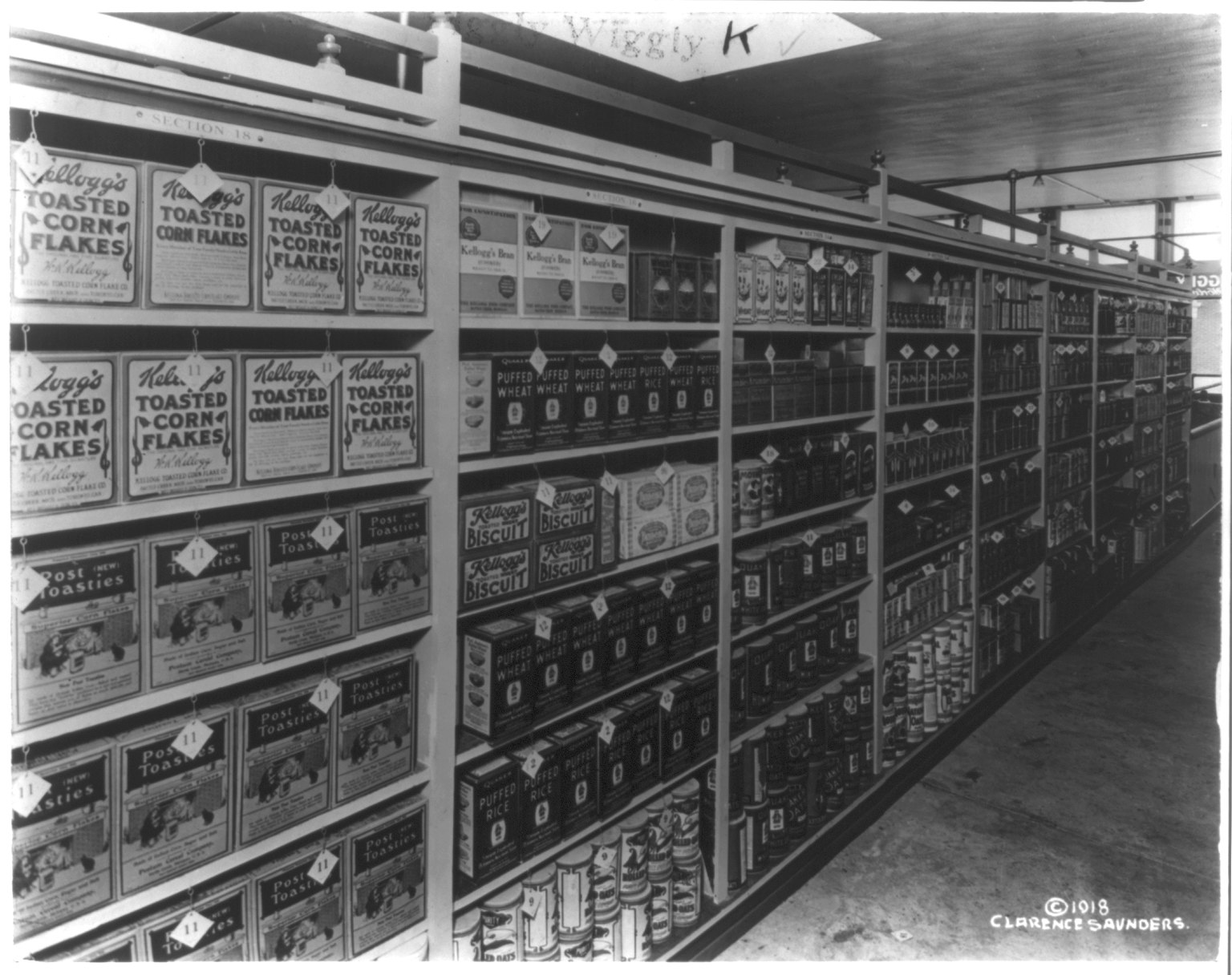
Chain and self-service stores arrived selling for cash at lower prices, and they did not offer credit at all. Their whole model was volume at thin margins, which is incompatible with carrying accounts for ten months.
Formal consumer finance expanded. Banks reached ordinary households, credit unions were established, instalment lenders and eventually credit cards appeared – all of which supplied credit from institutions that were regulated, that issued statements, that disclosed terms, and critically that had no interest whatsoever in what you bought or where.
And off-farm employment brought regular wages into rural households, which attacked the problem at its root. A family with a pay packet every two weeks does not need a nine-month bridge.
What Was Gained and What Was Lost
The replacement is better and it is worth being clear about why.
Regulated credit discloses its terms. It produces a statement you can check. It has a dispute process. It is recorded somewhere other than in the lender’s personal handwriting. It cannot be used to control where you shop. And it does not depend on one man’s opinion of your family.
Those are not small improvements. They are the entire reason consumer credit regulation exists, and anybody nostalgic for the store ledger should look at the harsher end of how it was used.
What went with it is narrower and still real. The old system priced credit on genuine personal knowledge – a merchant who knew the ground, the household, the weather and the family’s history could extend credit to somebody a formal system would decline, and frequently did. Nobody now assesses a rural household’s creditworthiness by knowing what its land does in a wet year.
So the ledger was simultaneously the only finance available to millions of Americans, a tool that could be and sometimes was used against them, and an accidental archive of their daily lives. All three of those are the same book.
Like our content? Follow us for more.