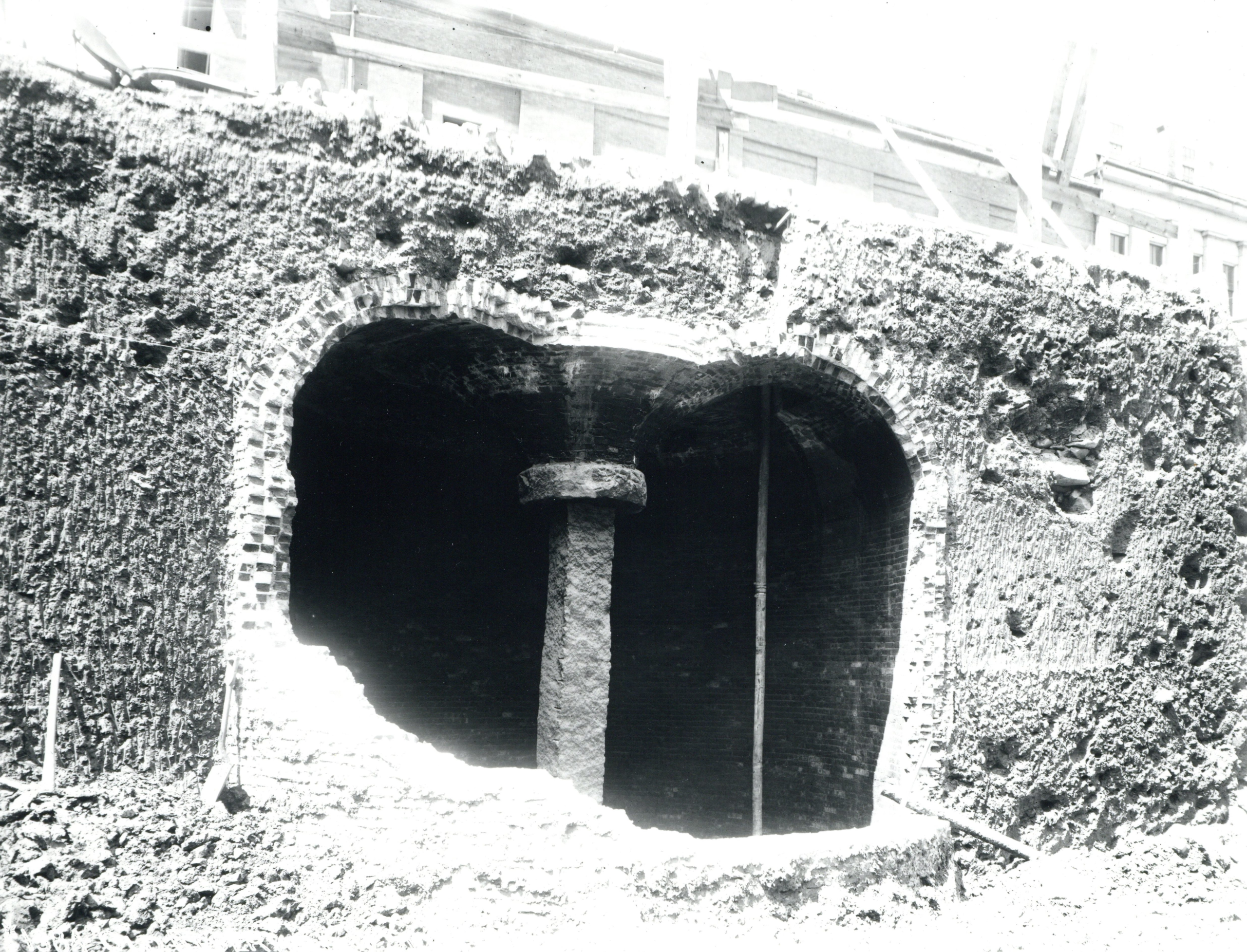
A great many older American houses have a hole under them that nobody uses. A brick or concrete chamber, sometimes plastered smooth inside, sometimes arched over, with a pipe coming into the top from the roof and the stub of another pipe going out toward where a kitchen used to be.
Buyers find them during inspections and assume the worst. Septic tank. Old well. Something to be filled in.
It is a cistern, and for a lot of households it was more important than the well – because the water in it did something the well water could not do.
Two Water Supplies, Not One
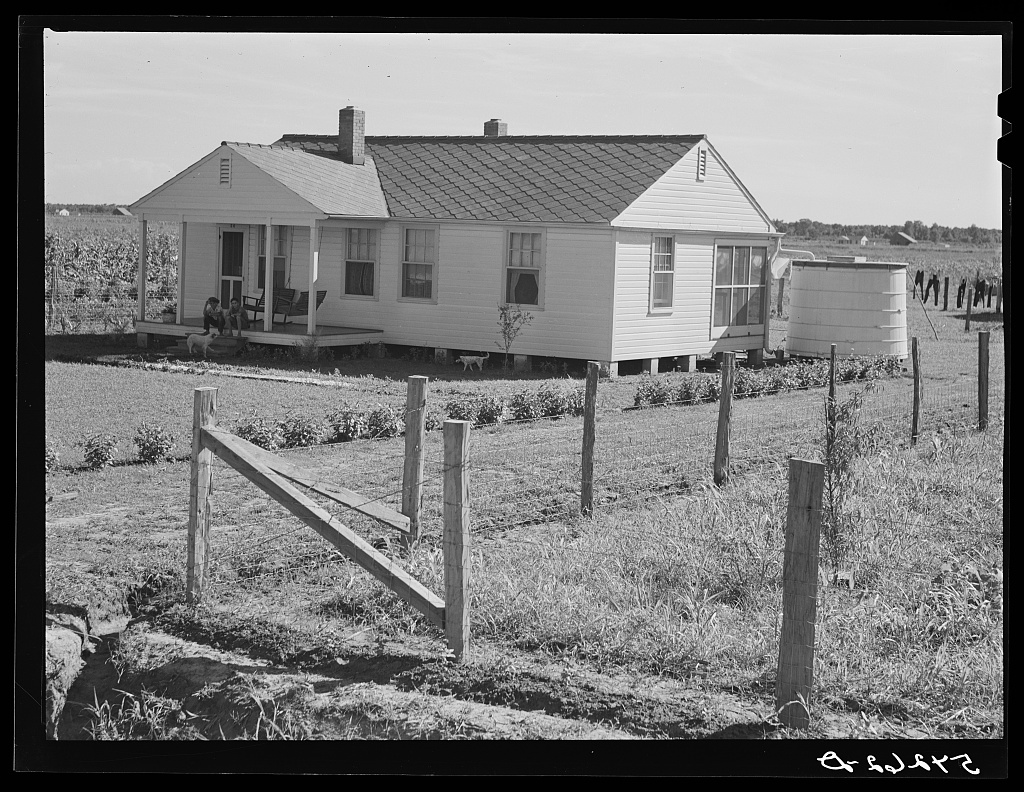
This is the part that surprises people. A great many American farmhouses had two separate water systems and used them for different things.
The well supplied drinking water, cooking water and stock water. It was reliable, it was cold, and in most of the country it was available year round.
The cistern supplied washing water. Laundry, hair, dishes, floors, and anything else where the water had to work rather than merely be wet. And the reason for the split is chemistry rather than preference.
Water that has moved through ground picks up dissolved mineral from the rock it passed through. In large parts of the United States that means a great deal of calcium and magnesium, which is what hard water is. Rain has not been through any rock. It falls more or less free of dissolved mineral, which makes it about as soft as water gets.
So a household in hard-water country had a problem with every task involving soap, and a roof full of soft water sitting over it.
Like our content? Follow us for more.
Why Soap Fails in Hard Water
Worth understanding, because it is the whole argument for the cistern and it is genuinely not obvious.
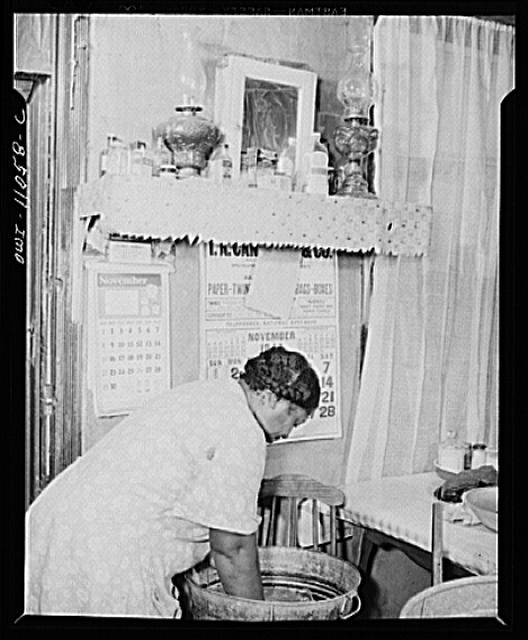
Soap works by having one end of its molecule attracted to water and the other end attracted to grease. Agitate it and it lifts oil and dirt off a surface and holds it in suspension so it can be rinsed away.
The dissolved calcium and magnesium in hard water react with soap directly and turn it into an insoluble curd. That curd does not clean anything. It is the grey scum on the side of a basin and the grey film on washed fabric, and it forms first – the soap has to saturate all the mineral in the water before any of it is left over to do the actual work.
Which means in hard water you use far more soap for the same result, you get a deposit on everything you washed, and the deposit builds up in cloth over repeated washes until a garment is permanently dingy. In an era when soap was either bought with money a farm household did not have or made at home from accumulated fat, that was a serious cost.
Rainwater removes the problem completely. A small amount of soap lathers immediately, the wash comes out clean, and nothing is deposited.
How It Was Built and How It Was Fed
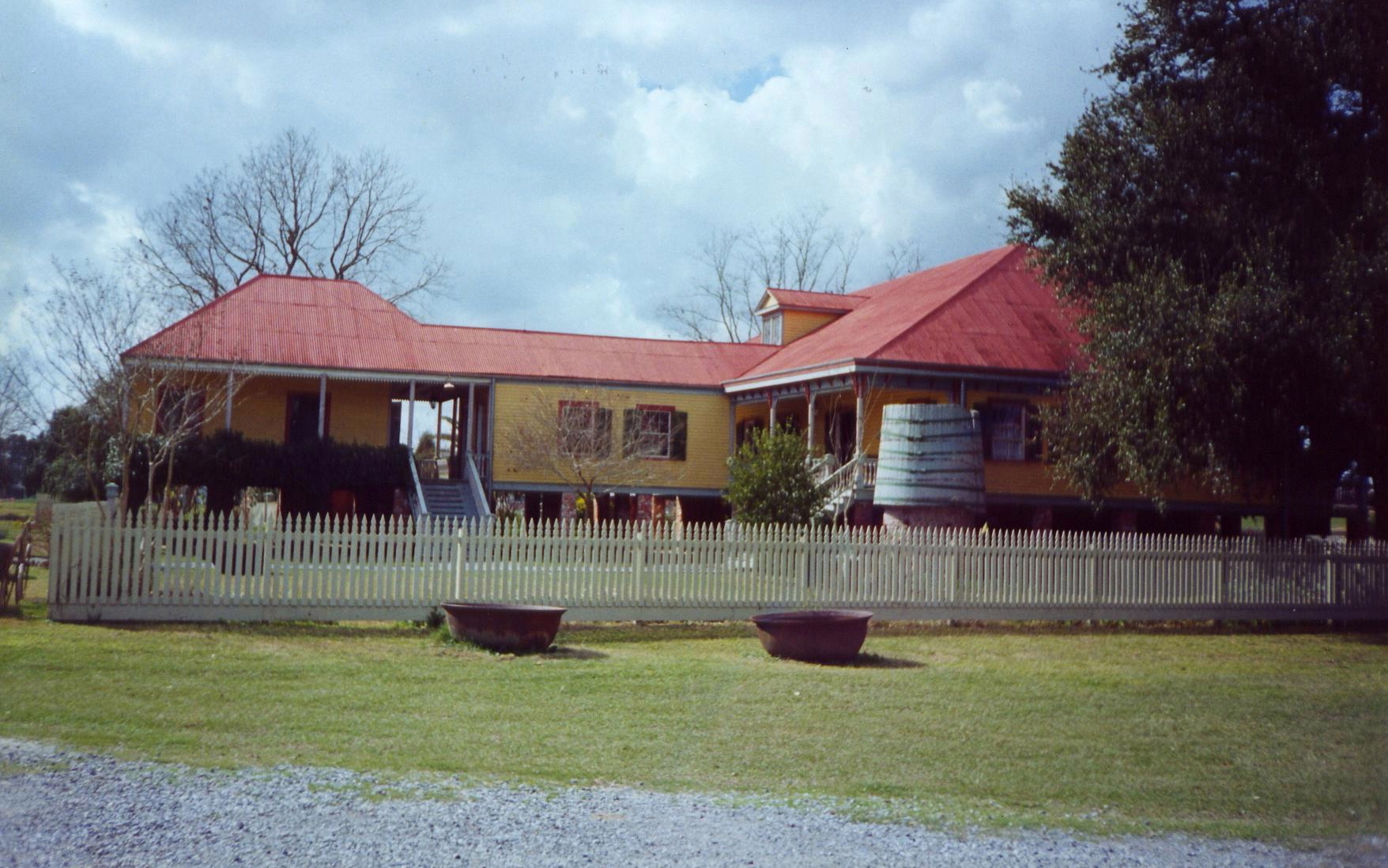
The construction was masonry – brick laid up and plastered, or later concrete – set in the ground, often directly under a porch, a kitchen or the yard beside the house. Underground, because that keeps it cool, keeps it from freezing, and keeps light out, and light is what lets things grow in standing water.
The supply was the roof. Gutters collected rain, downspouts carried it to a pipe, and the pipe ran into the top of the tank. A roof is a large flat collecting area and a surprising amount of water comes off one in a single storm, which is why a household tank could be filled by a few good rains.
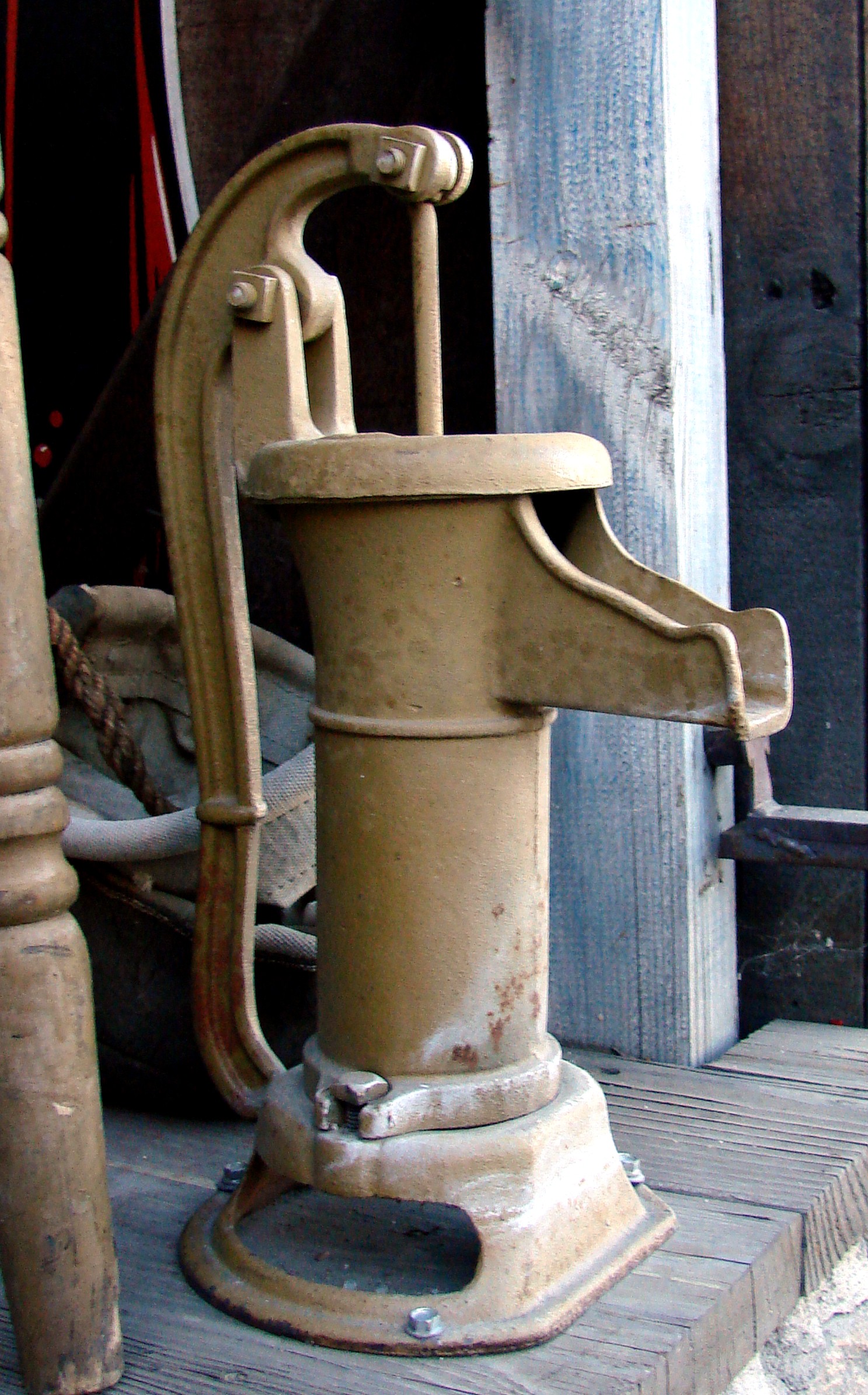
The water came out by hand pump, usually one mounted right at the kitchen sink – which is the detail that mattered day to day. A cistern pump at the sink meant washing water on tap, in the room where washing happened, without anybody carrying a bucket from a yard pump in the weather.
That is a genuinely large labour saving and it is why cisterns persisted even in houses that had a perfectly good well.
The First Flush Was Thrown Away
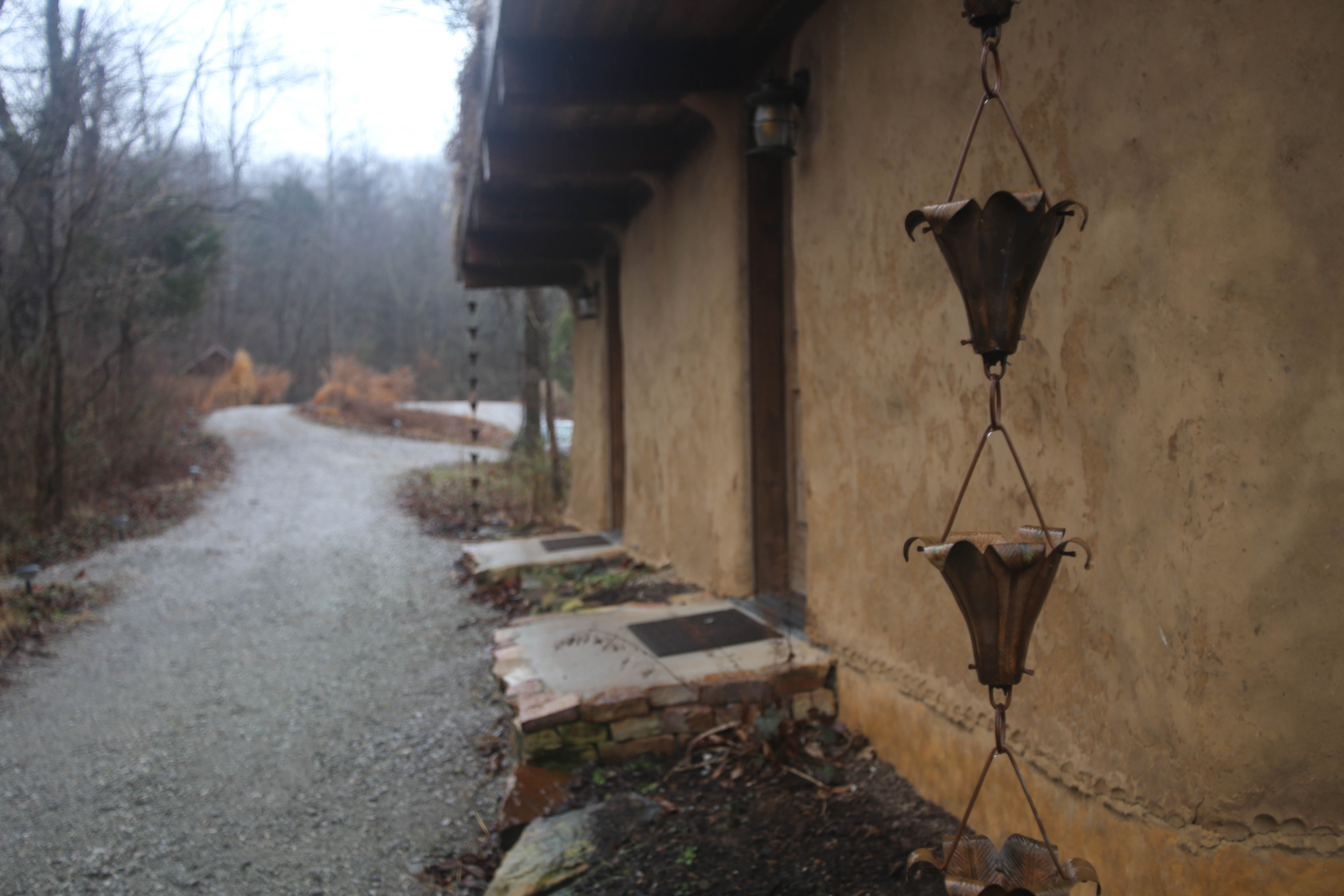
Households understood the obvious objection perfectly well. A roof is dirty. It carries dust, soot, leaves, bird droppings and whatever else has landed on it since the last rain, and all of that washes into the pipe when a storm starts.
So the first water off the roof was diverted away from the tank. The arrangement was a valve or a movable section of downspout, and somebody went out when the rain started and switched it – letting the roof wash itself clean into the yard, then turning the flow into the cistern once the water running off was clear.
It is a simple idea and it was standard practice, and the fact that it required somebody to go out in the rain to operate it tells you how much the water was worth.
Filtering was common too. Many cisterns were built with a partition wall of porous brick or a charcoal and sand bed, so water entering one chamber had to pass through into the other before it could be pumped. That removed sediment. It is worth saying plainly that none of this made the water safe to drink by any modern standard, which is precisely why the well existed for drinking and the cistern did not.
You Could Feel the Difference Immediately
One thing worth adding, because it explains why households bothered: soft water is obvious to the touch. People did not take this on authority or work it out from theory. They noticed it.
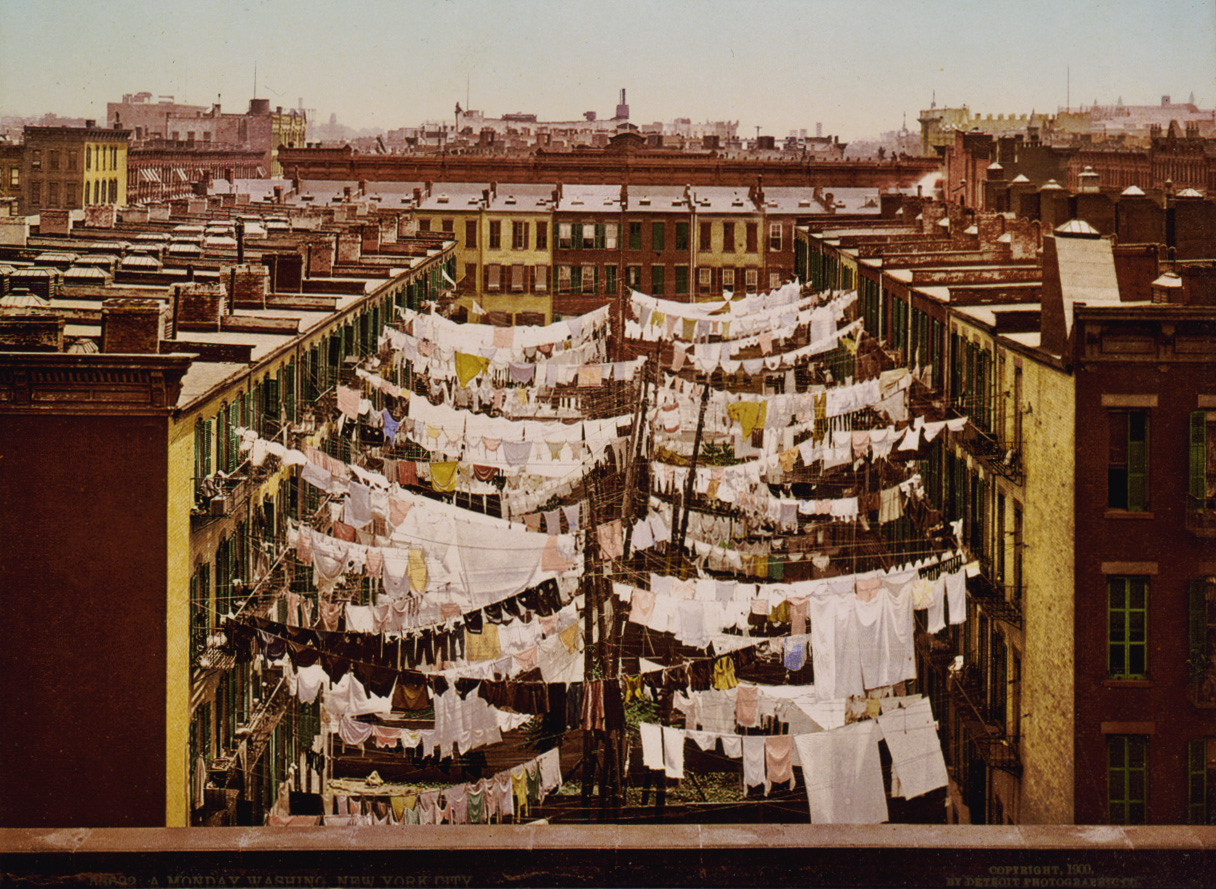
Rainwater lathers almost instantly with a scrap of soap. It feels slippery in a way hard water does not. Hair washed in it comes out differently. Dishes rinse clear rather than drying with a film. And a wash hung on the line is a visibly different colour from the same wash done in well water.
That immediacy is why the practice was universal in hard-water regions and absent where the groundwater happened to be soft. It was not a doctrine anybody taught. It was a difference people could see in a basin, which meant every household in a hard-water county arrived at the same conclusion independently and built the same thing.
It also explains the one piece of water snobbery that survives in old families – the insistence that nothing washes hair like rainwater. That is not sentiment. It is chemistry, and they were right.
It Was Also a Fire Reserve
A secondary function that households took seriously. Several thousand gallons of water sitting under the house, reachable by pump or bucket, is the only firefighting resource a property four miles from town has.
That is not a theoretical consideration. A farmhouse fire in 1964 was fought by whoever was present with whatever was present, and the cistern was usually the largest body of water on the place that was not frozen, not down a well shaft, and not in a stock tank across the yard.
Some town houses kept them for this reason alone after municipal water arrived, and some municipal fire arrangements in smaller places depended on exactly such private tanks.
What Removed It
Three things, and they arrived close together.
Municipal and rural district water came in on a pipe, already treated, in whatever quantity was wanted, with no collection, no diversion, no pumping and no maintenance. That alone ends the argument for most households.
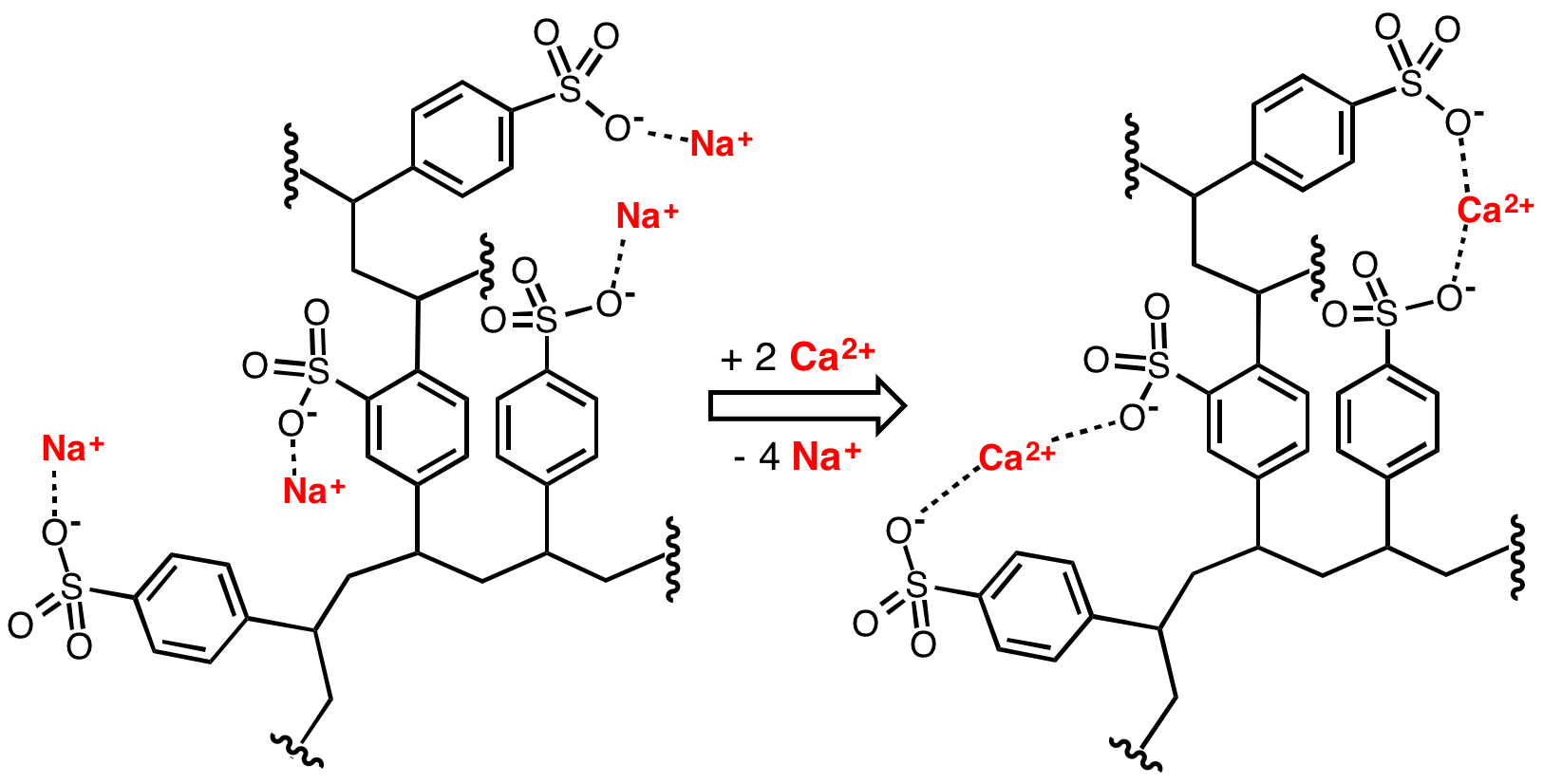
Then the mechanical water softener solved the hardness problem at its source. A softener exchanges the calcium and magnesium in well water for something that does not react with soap, which means hard water can be made to behave like rainwater on demand, without a tank. The entire reason for a second supply disappears when the first supply can be fixed.
And detergent did the rest. Synthetic detergents, unlike soap, do not form an insoluble curd with calcium and magnesium. They work in hard water. That change alone removed the daily annoyance that made households care about water chemistry in the first place, and it happened fast enough that a generation grew up with no idea why anybody had ever minded.
The Hole Under the Porch
So they got filled in, or capped, or left as they were and forgotten, and now they are an inspection finding.
Which is a slightly unfair end for a piece of domestic engineering that was genuinely clever. The household looked at a problem – the water available to us is chemically wrong for half the jobs we need water for – and solved it by harvesting a different water off the roof, storing it underground away from light and frost, throwing away the dirty first portion, filtering the rest through brick and charcoal, and pumping it up at the sink where it was wanted.
Nobody designed that centrally. It was worked out, house by house, by people who had noticed that soap behaved differently on rainwater and had the masonry skills to do something about it.
If there is a brick chamber under your porch, that is what it is for. It has not been wrong about anything. It is simply that the water now arrives already soft, in a pipe, and nobody has to stand in the rain to turn a valve.
Like our content? Follow us for more.