Every American town on a railroad had a depot, and essentially everything that entered or left the town went through it – people, freight, mail, parcels, newspapers, telegrams, machinery, everything.
One man ran it. The station agent sold tickets, handled freight and its paperwork, worked the telegraph key by ear, managed express parcels, kept the accounts, swept the floor, and copied train orders from the dispatcher that controlled which trains could occupy which stretch of single track. He repeated every order back for verification, because a transcription error on a single-track railroad could put two trains in the same place.
Many of them lived upstairs with their families, because the railroad ran at night. Here are sixteen things every small town knew.
1. The Depot Was the Town’s Connection to Everywhere Else
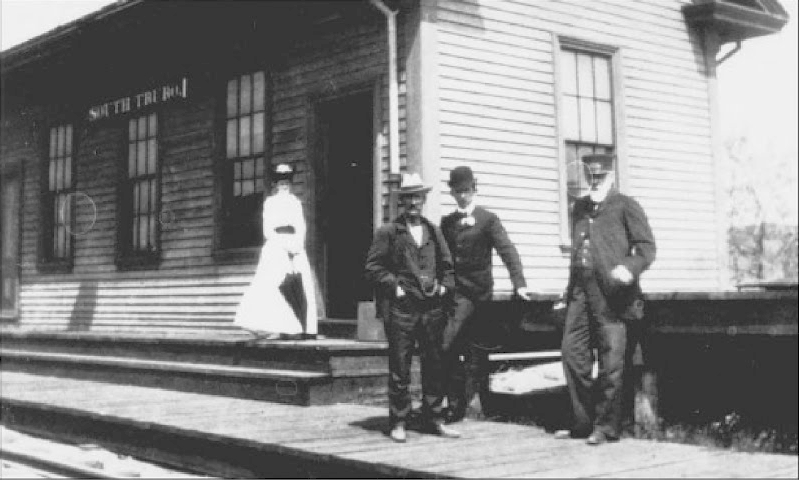
Every town on a line had a station, and essentially everything that arrived or left – people, freight, mail, parcels, newspapers, telegrams, livestock, coffins, machinery – went through it.
Highways, trucking, airports, parcel carriers and the internet, with most small-town depots demolished or converted.
The concentration is the thing that has gone. One building handled every category of movement in and out of a town, which made it the single most consequential address in the place and gave the man who ran it a position with no modern equivalent.
Like our content? Follow us for more.
2. The Agent Did About Nine Jobs
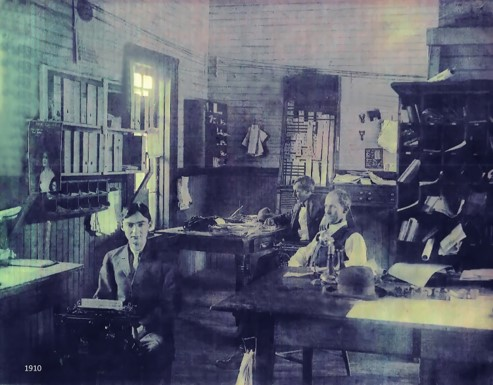
The station agent sold tickets, handled freight and its paperwork, worked the telegraph, managed express parcels, took orders, kept accounts, maintained the building, and controlled train movements on his section.
Those functions are divided among specialised staff, automated systems and separate companies.
The breadth is genuinely startling and it was normal. One man was simultaneously a retailer, a clerk, a telegraph operator, a dispatcher’s extension, a warehouse manager and a janitor – and he was expected to be competent at all of it because there was nobody else on the premises.
3. Telegraphy Was the Hard Skill
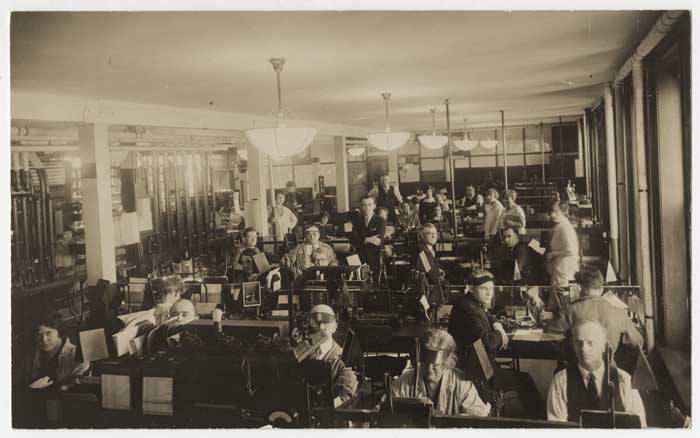
The agent worked a telegraph key and sounder, sending and receiving in Morse by ear, as the only means of communication with the dispatcher and with other stations.
Not applicable. Radio, telephone and data systems do the work.
Receiving Morse by ear while writing it down is a real skill that took serious training, and it was the qualification that distinguished an agent from a clerk. He was not reading a tape – he was listening to a clicking sounder and transcribing a message in real time, frequently while somebody stood at the counter wanting a ticket.
4. He Controlled Train Movements, and the Stakes Were Real
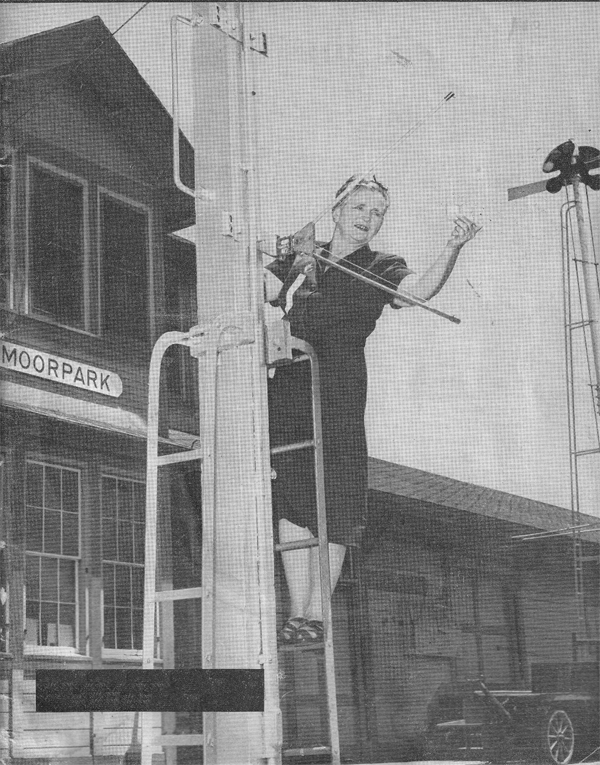
Agents copied train orders from the dispatcher, repeated them back for verification, and delivered them to crews – which is how trains were kept apart on single track.
Centralised signalling and control systems with electronic verification.
This is the part that should be understood clearly. On a single-track railroad, the written order the agent copied and handed up was what prevented two trains from occupying the same stretch of line. The repeat-back procedure existed precisely because a transcription error could be catastrophic, and everybody involved knew it.
5. The Orders Were Handed Up on a Hoop
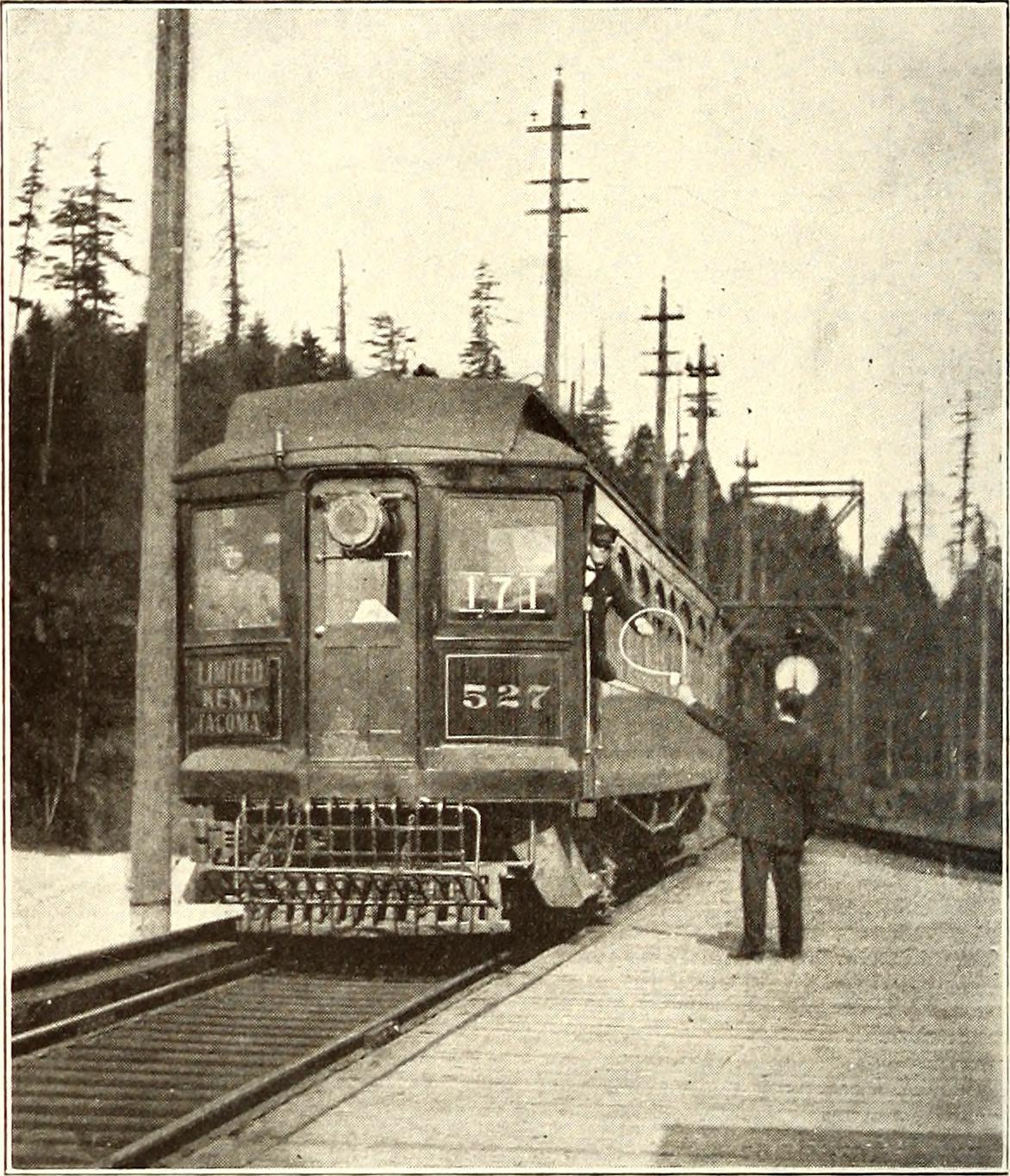
Rather than stopping a train, orders were tied to a forked stick or a wire hoop and held out so a crewman could catch them through the cab window at speed.
Not applicable.
The hoop is a beautifully practical answer to a real problem – stopping and restarting a freight train costs a great deal of time and fuel, so the paperwork was designed to be delivered without stopping, and the agent stood on the platform with his arm out as the train went past.
6. He Lived There
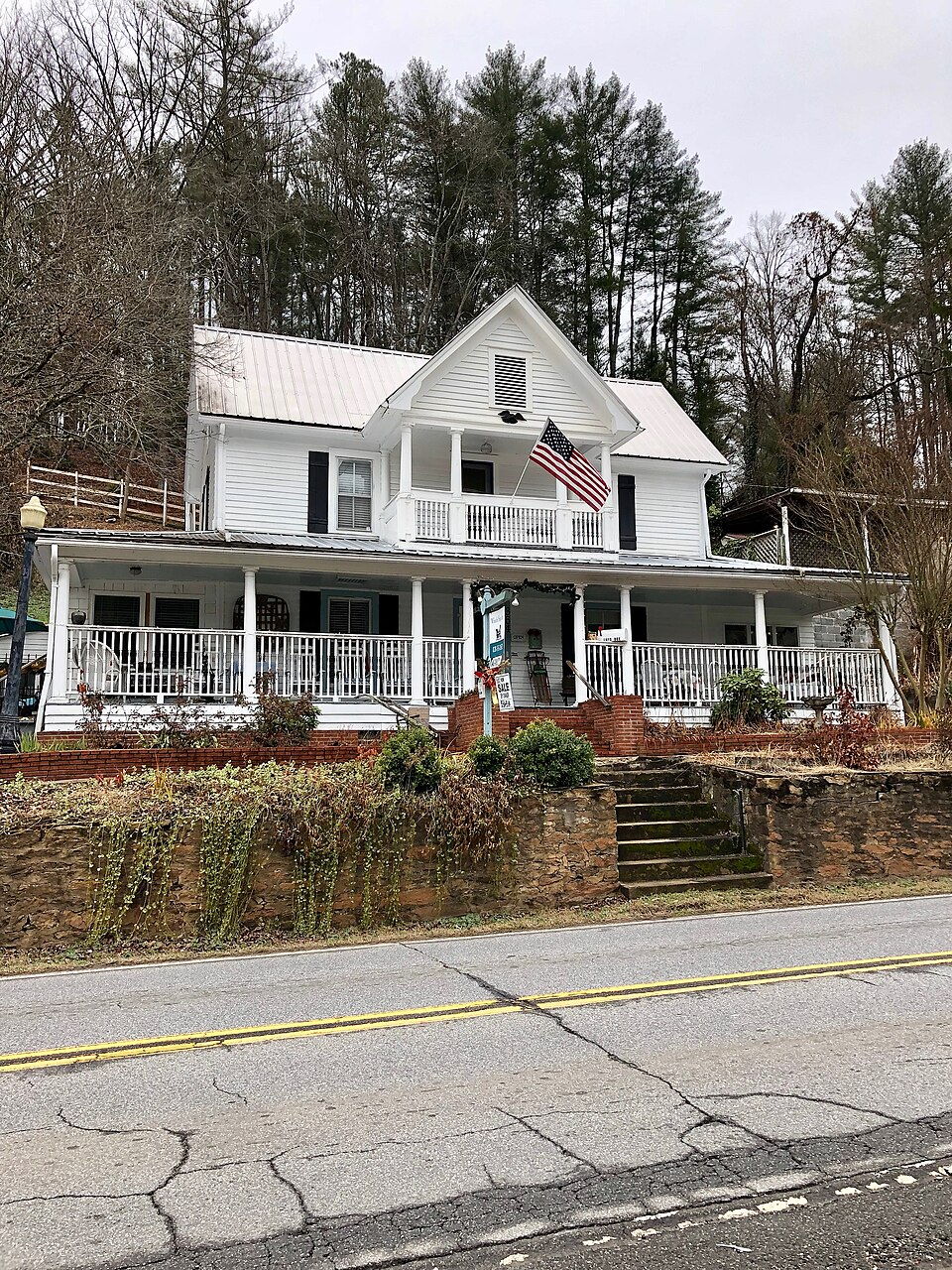
Many depots had living quarters, and the agent and his family occupied the upstairs or the back of the building.
Not applicable.
Living in the station was not a perk, it was a requirement, because the railroad ran at night and somebody had to be available. It also means the agent’s family grew up inside the town’s communications hub, hearing every telegram and every train.
7. The Station Was the Social Centre
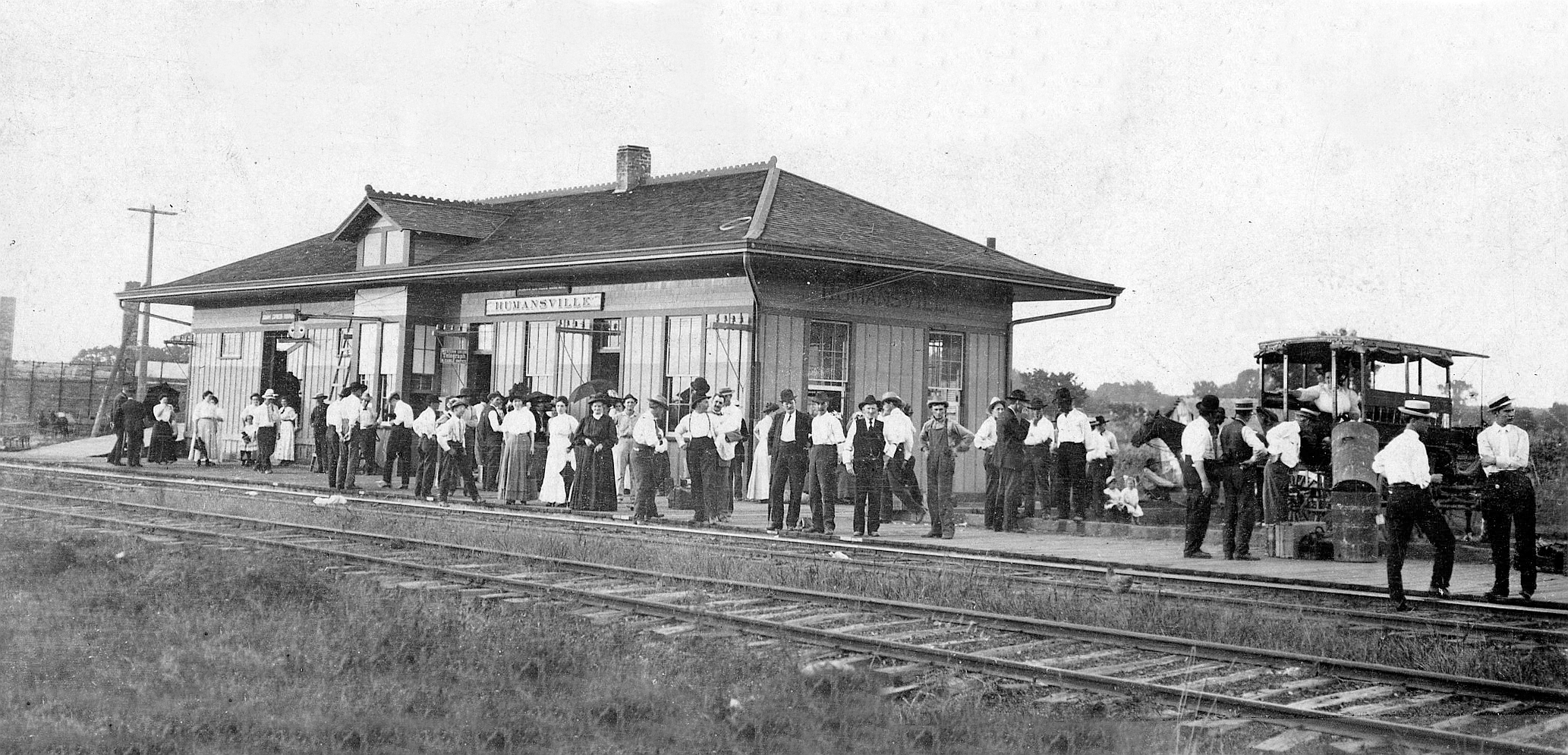
People came to the depot to meet trains, see people off, collect parcels, read the posted timetable, and simply to watch – and the arrival of a train was an event people turned out for.
Not applicable. There is nothing a small town now assembles to watch arrive.
Train-watching was genuine entertainment and it was also information gathering. Who got on, who got off, who met whom, what came off the baggage car – a town learned a great deal about itself at train time, and the platform was where it learned it.
8. Mail Came and Went by Train
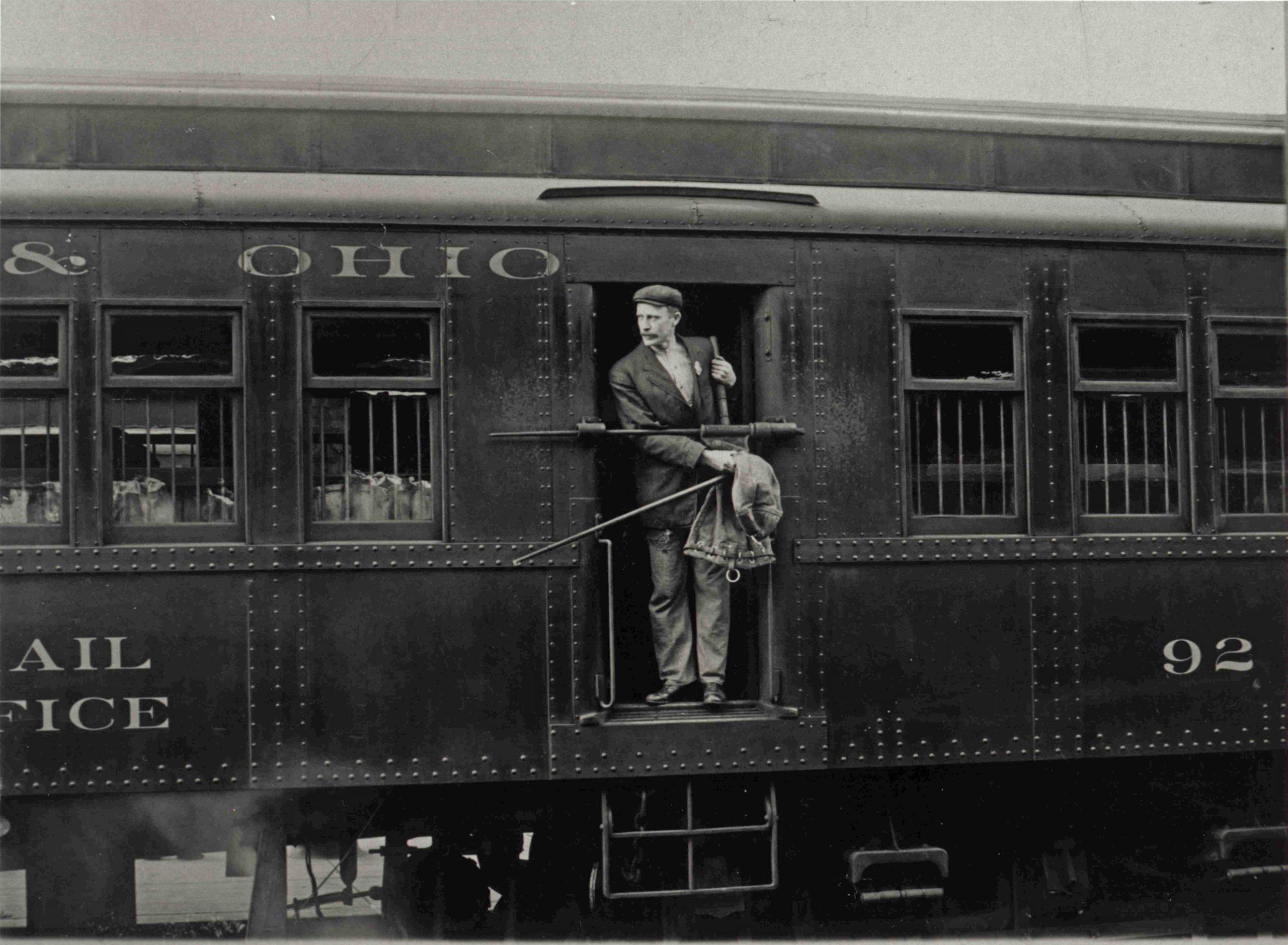
Mail was carried in railway post office cars, sorted en route, and exchanged at stations – sometimes snatched from a trackside crane without the train stopping.
Trucks and aircraft, with no mail moving by passenger train.
Sorting mail on a moving train is one of the more impressive logistical ideas of the period. It meant a letter was being processed while it travelled rather than waiting at each end, and the mail crane allowed even stations too small to warrant a stop to be served.
9. Express Was a Separate Business
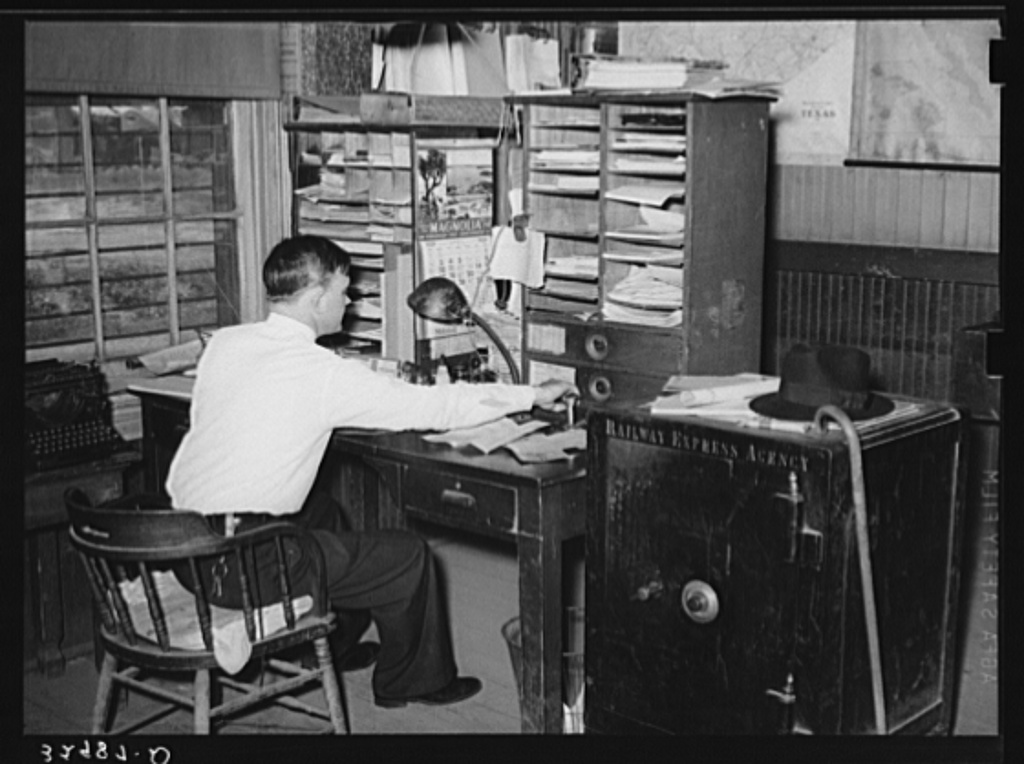
Fast small-freight and valuables moved as express, handled by a separate company using the railroad’s trains, with the station agent frequently acting as its local representative too.
Parcel and courier companies running their own networks.
Express is the direct ancestor of overnight parcel delivery and it worked on the same promise – small, fast, tracked, insured and more expensive than ordinary freight. The fact that one man in a small town represented both the railroad and the express company tells you how thinly the system was staffed.
10. Freight Arrived in the Open
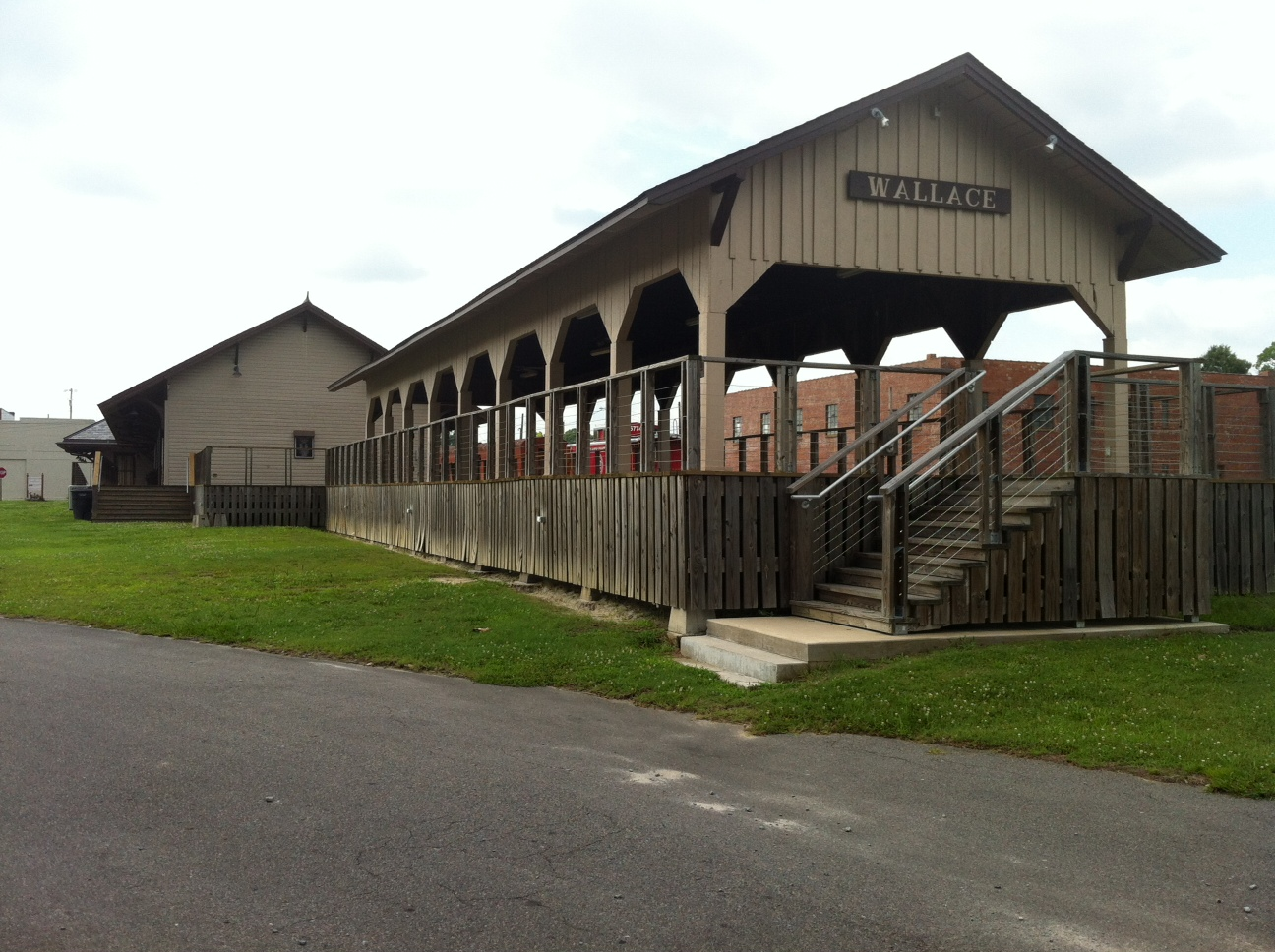
Carload and less-than-carload freight came to the depot and to the team track, where consignees collected it with wagons and later trucks, and the agent kept the paperwork.
Trucking direct to the customer’s door, with no local collection point.
The team track is a piece of vanished infrastructure worth naming: a siding where anybody could receive a railcar. It meant a small business in a small town had access to the national freight network without owning a spur, and losing it is a large part of why rural commerce centralised.
11. Everything a Town Bought Came Through It
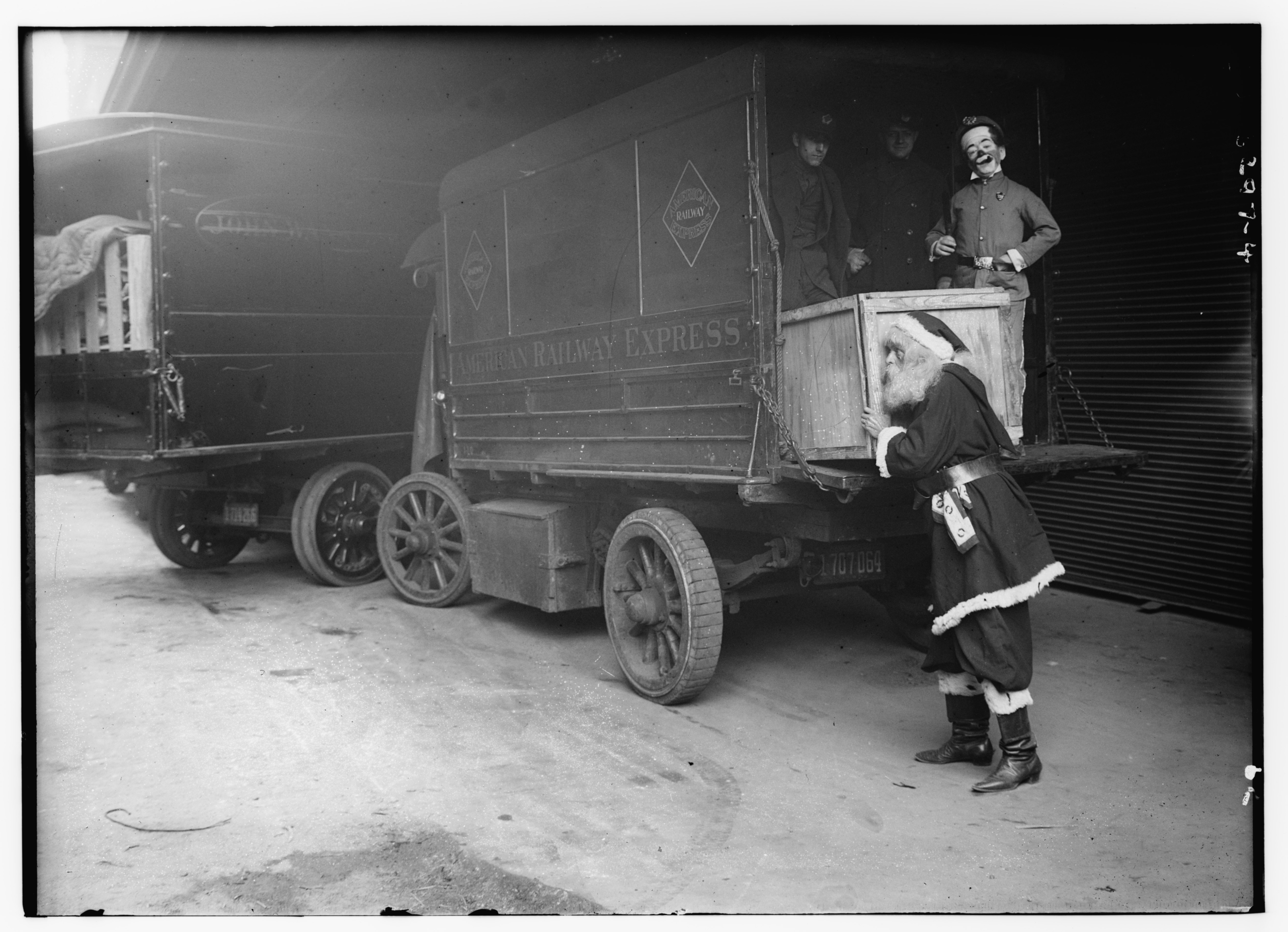
Lumber, coal, implements, feed, fertiliser, groceries, furniture, cars and mail order purchases all arrived by rail and were collected at the depot.
Trucks, deliveries to the door, and distribution centres elsewhere.
The depot’s commercial significance is hard to overstate. A town existed commercially because the railroad reached it, and the list of what arrived there is effectively a list of what the town was able to have.
12. Mail Order Depended on It
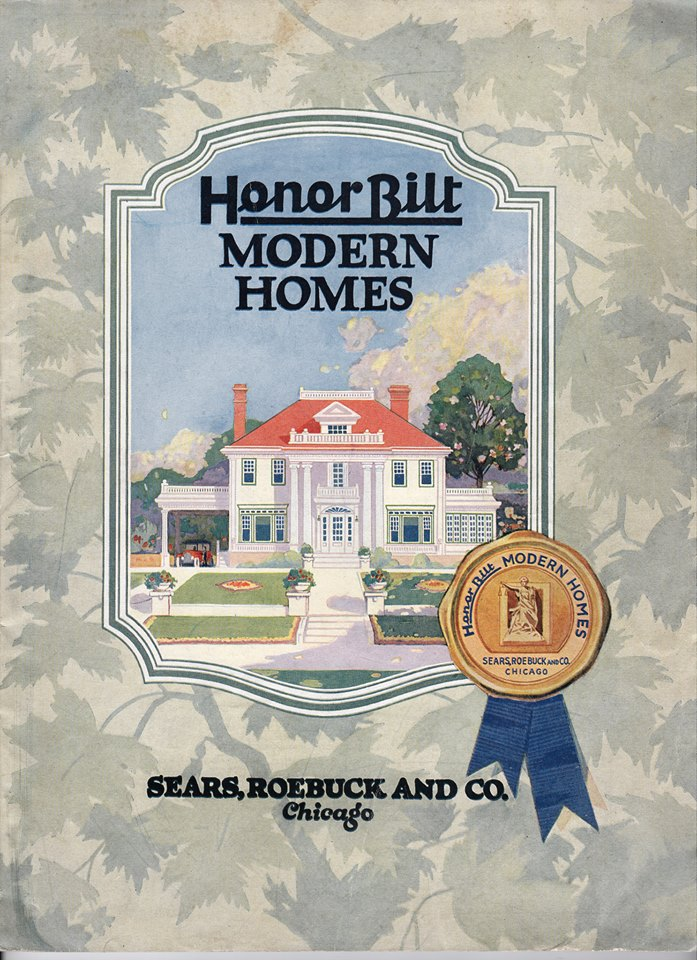
Catalogue purchases came by freight or express to the station, where the buyer went to collect them.
Delivery to the door, everywhere, within days.
The depot is the missing piece in most accounts of the great mail order catalogues. Ordering by post only works if there is somewhere for the goods to arrive, and the station is what made a farm four miles from a town of six hundred a viable customer for a national retailer.
13. Then the Truck Took the Freight
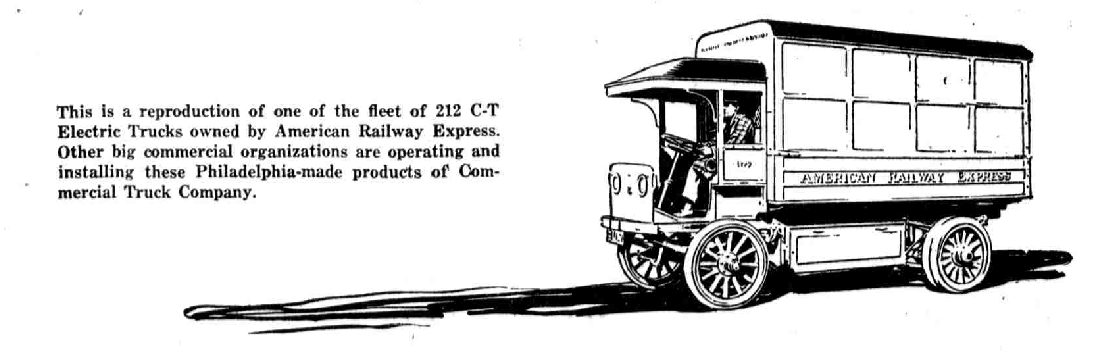
Improved roads and reliable trucks allowed door-to-door delivery that no railroad could match for small shipments, and less-than-carload rail freight collapsed.
Dominant.
Trucking won on the last mile, which is where the railroad was always weakest. A railcar goes where the track goes and a truck goes where the consignee is, and once the roads were good enough that advantage was decisive for everything except bulk.
14. Then the Car Took the Passengers
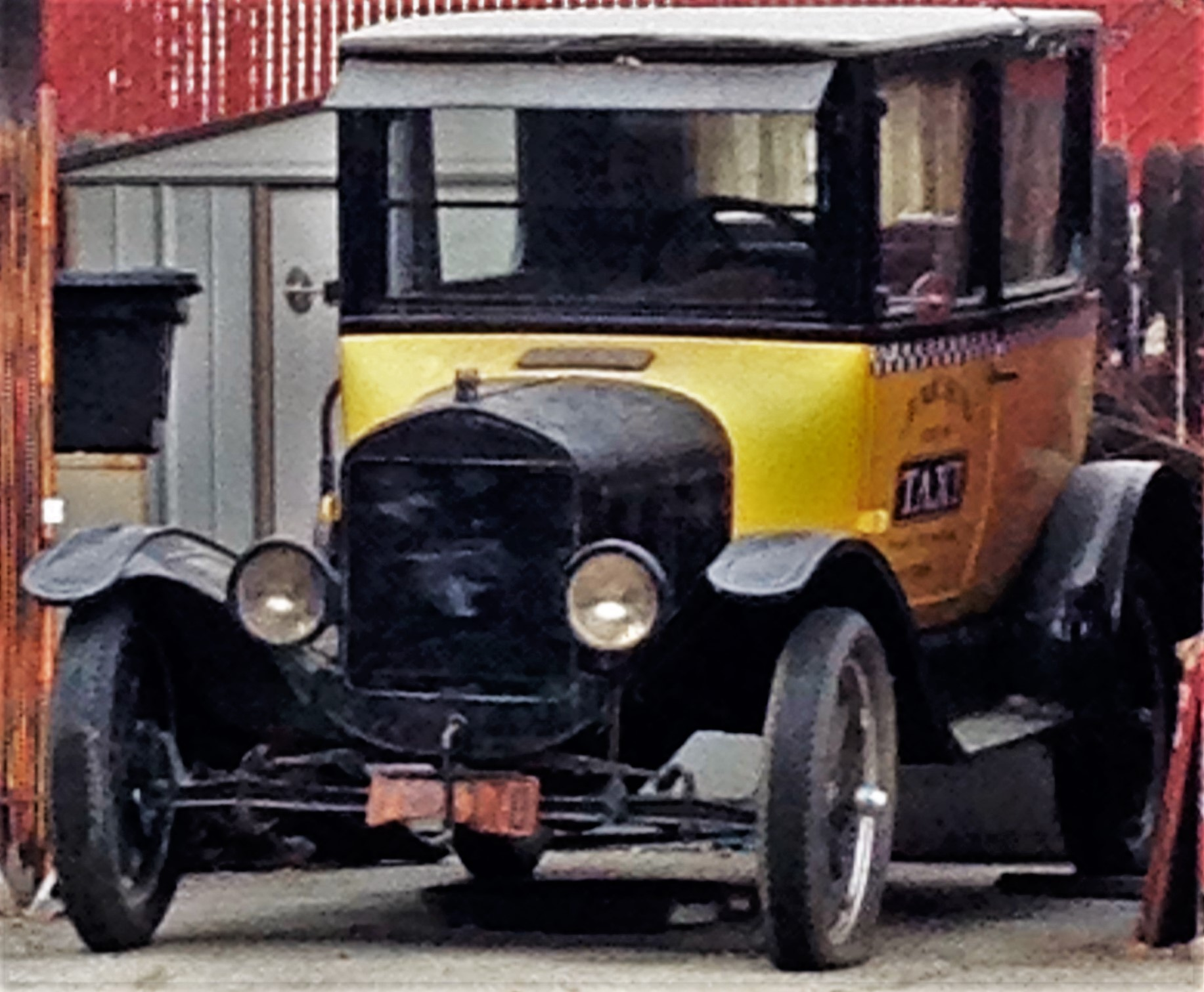
Automobile ownership and better highways removed the reason to take a train for short and medium trips, and local passenger service ended across most of the country.
Universal.
Local passenger trains died first and hardest because they competed most directly with a car. A branch line train that stops at every town is slower than driving, and once a family had a vehicle the calculation was not close.
15. Then the Agent’s Job Was Automated Away
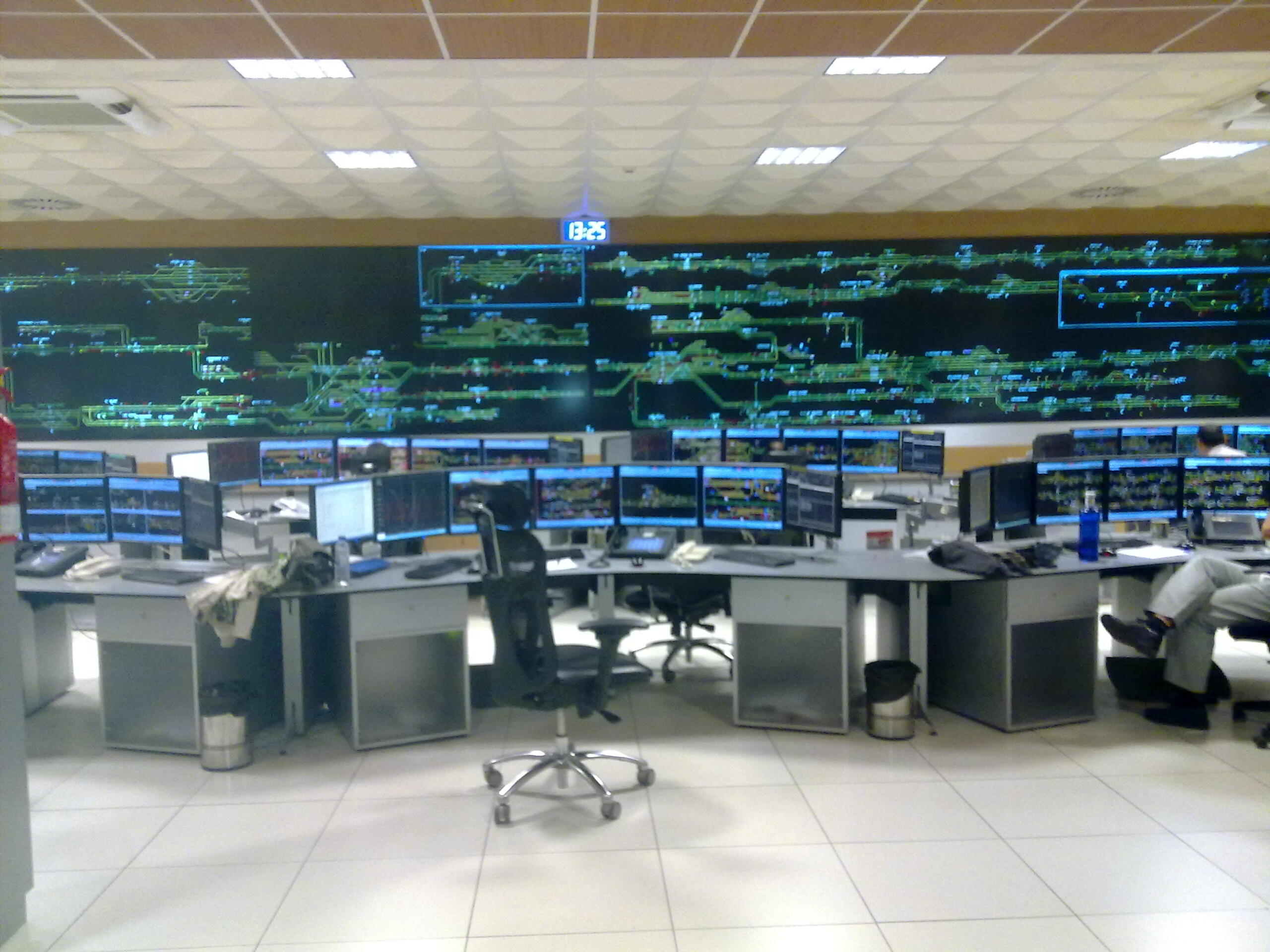
Centralised traffic control, radio and the telephone removed the need for a man at every station copying orders, and agencies were consolidated and closed.
Standard. Train control is centralised and remote.
The agent was eliminated by the same force that eliminated the telegraph operator and the switchboard operator: his core skill was being a human relay in a communications chain, and communications stopped needing human relays.
16. Then the Building Was the Last Thing Left
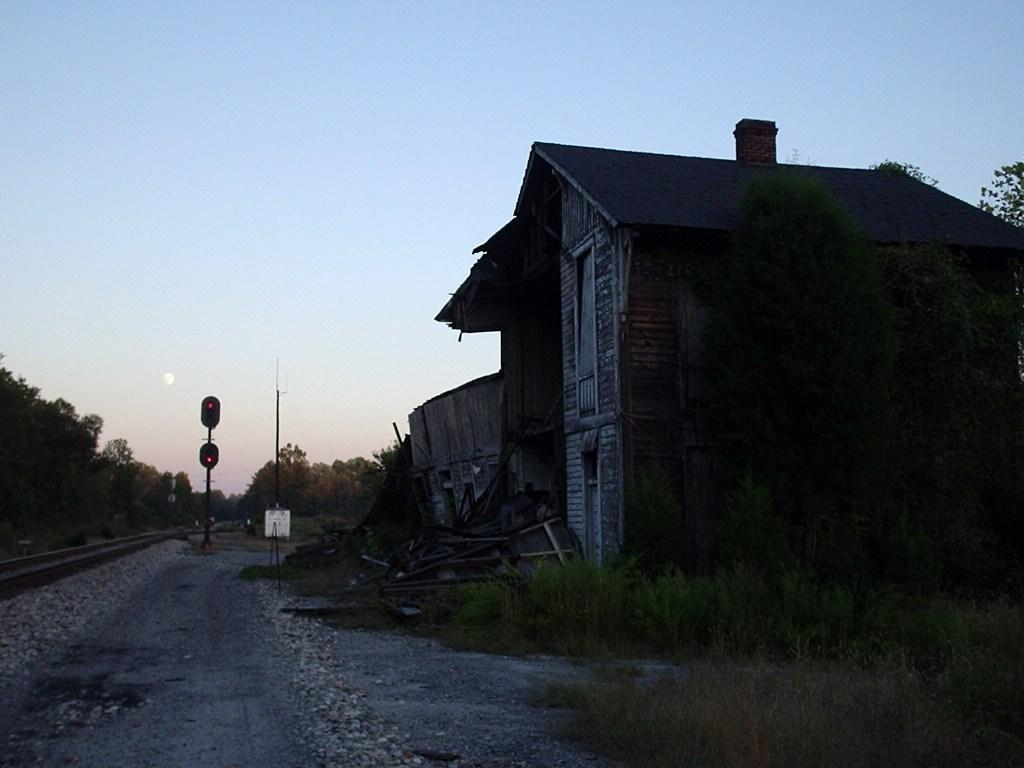
In 1974 a great many American depots were already closed, boarded or demolished, and the few surviving agents were working buildings that no longer had much to do.
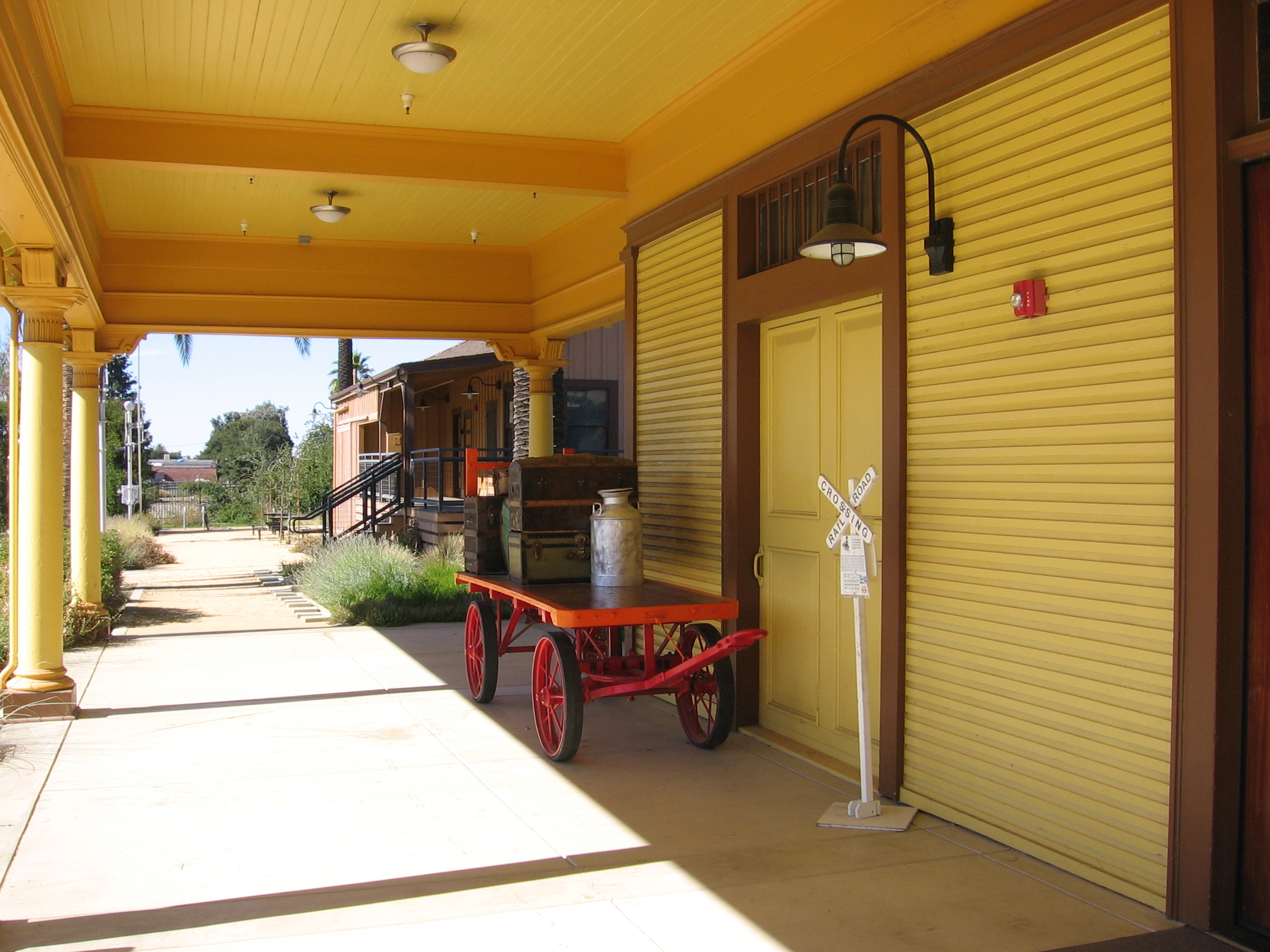
Most are gone; survivors are museums, restaurants, offices, libraries and private houses, usually identified by a platform canopy and a bay window.
And the detail worth keeping is the bay window, because it is the one part of the design that tells you what the building was for. Almost every small American depot had one on the track side, and it was not decorative. The agent sat in it so he could see up and down the line in both directions without leaving his desk and his telegraph key – because his job was to know what was coming, where it was, and whether the written order he had just copied from the dispatcher had reached the right crew. That window is the physical expression of a job that no longer exists: one man, in one room, holding in his head the position of every train on his section, the contents of every car on his siding, the ticket accounts, the express receipts, the mail exchange and whatever the sounder was clicking at him while a customer waited at the counter. When the railroads centralised control, that knowledge moved into a building somewhere else, and the window had nothing left to look at. If you find one of these buildings – and there are hundreds still standing in other uses – go round to the side facing the tracks and look for the part that juts out. Somebody sat there every day, listening.
One Man Held the Whole Town’s Traffic in His Head
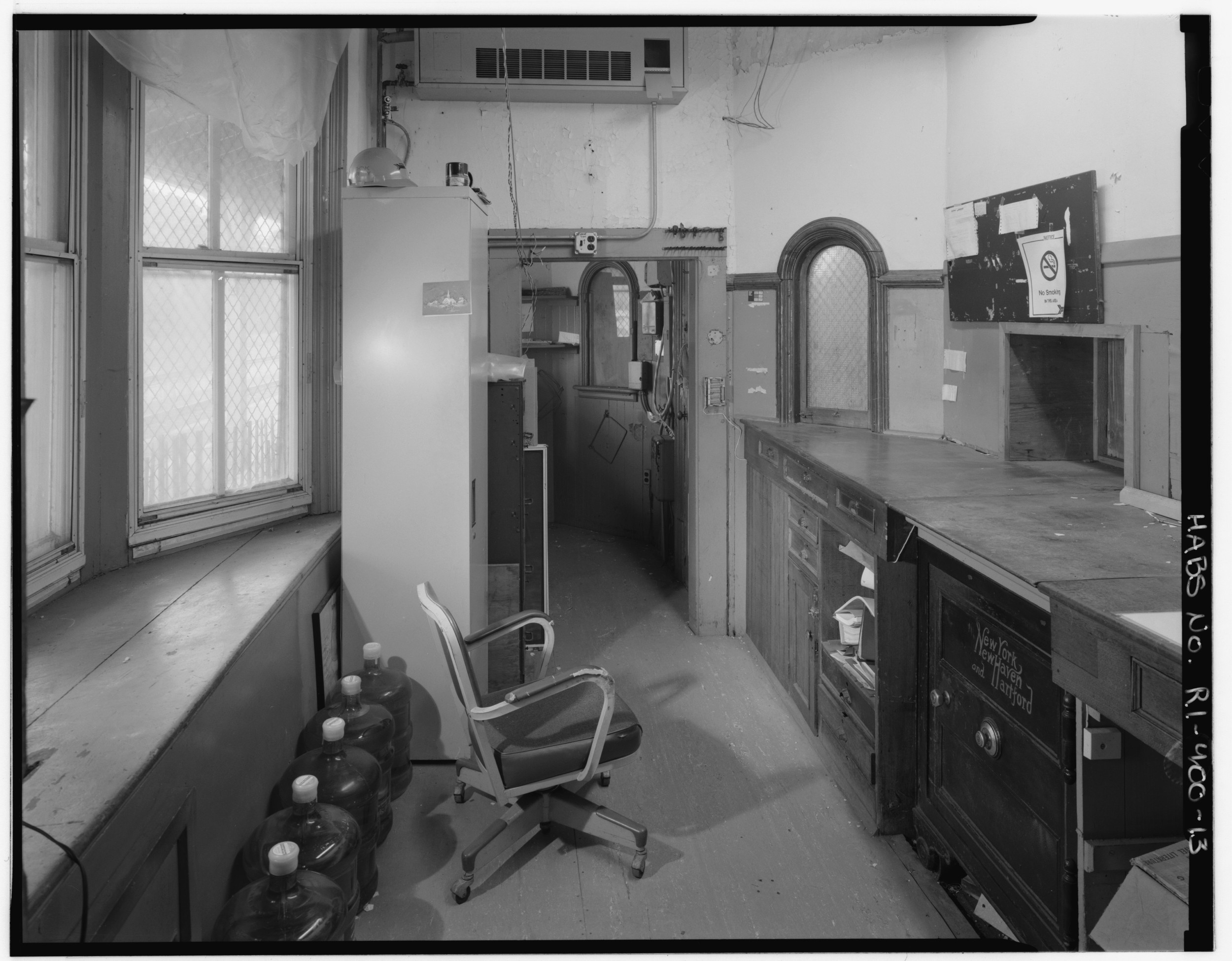
The simplest way to understand the depot is to count what the agent was responsible for, because the list does not look like a job description. It looks like a staffing error.
He sold passenger tickets and kept the accounts for them. He received and dispatched freight and handled all its paperwork. He represented the express company as well as the railroad. He managed the mail exchange. He maintained the building. And he worked a telegraph key, sending and receiving Morse by ear, as the only communication link to the dispatcher and to the stations on either side of him.
And on top of all that, he controlled train movements.
This is the part that deserves the most attention, because it is the part with real consequences. On single track, two trains cannot occupy the same stretch of line, and in the era before centralised signalling the thing that kept them apart was a piece of paper. The dispatcher sent a train order by telegraph. The agent copied it down as it clicked in, repeated it back for verification, and then delivered it to the crew.
The repeat-back existed because a mistake could be catastrophic, and everybody in the chain knew exactly what was at stake.
The delivery was handled with equal practicality. Stopping a freight train is expensive in time and fuel, so orders were tied to a forked stick or a wire hoop and held out at arm’s length so a crewman could catch them through the cab window as the train went past. The agent stood on his own platform with his arm extended into the slipstream.
Around all of this, the depot was the town itself in miniature.
It was the commercial gateway: lumber, coal, implements, feed, fertiliser, furniture, groceries, cars and every catalogue purchase arrived there, which means the list of what came through the depot is effectively a list of what the town was able to have. The team track – a siding where anybody could receive a railcar – gave a small business access to the national freight network without owning a spur of its own.
It was the postal system, with mail sorted on board moving trains and exchanged at stations, or snatched from a trackside crane without stopping at all.
And it was the social centre. People came to meet trains, to see people off, to collect parcels, to read the timetable and simply to watch, because the arrival of a train was something a town turned out for. Who got on, who got off, who met whom, what came out of the baggage car – a great deal of what a town knew about itself was learned on that platform at train time.
Then it came apart in three separate pieces.
The truck took the freight, because the railroad was always weakest at the last mile. A railcar goes where the track goes and a truck goes where the customer is, and once the roads were good the advantage was decisive for everything but bulk.
The car took the passengers, and local service died first and hardest, because a train that stops at every town is simply slower than driving.
And the agent’s own job was automated out of existence by centralised traffic control, radio and the telephone. His core skill was being a human relay in a communications chain, and communications stopped needing human relays – the same force that removed the telegraph operator and the switchboard operator.
What is left is the buildings, in other uses, with that bay window on the track side.
If your town had one, somebody in your family met a train there or waited for a parcel.
And the building is probably still standing as something else.
Like our content? Follow us for more.