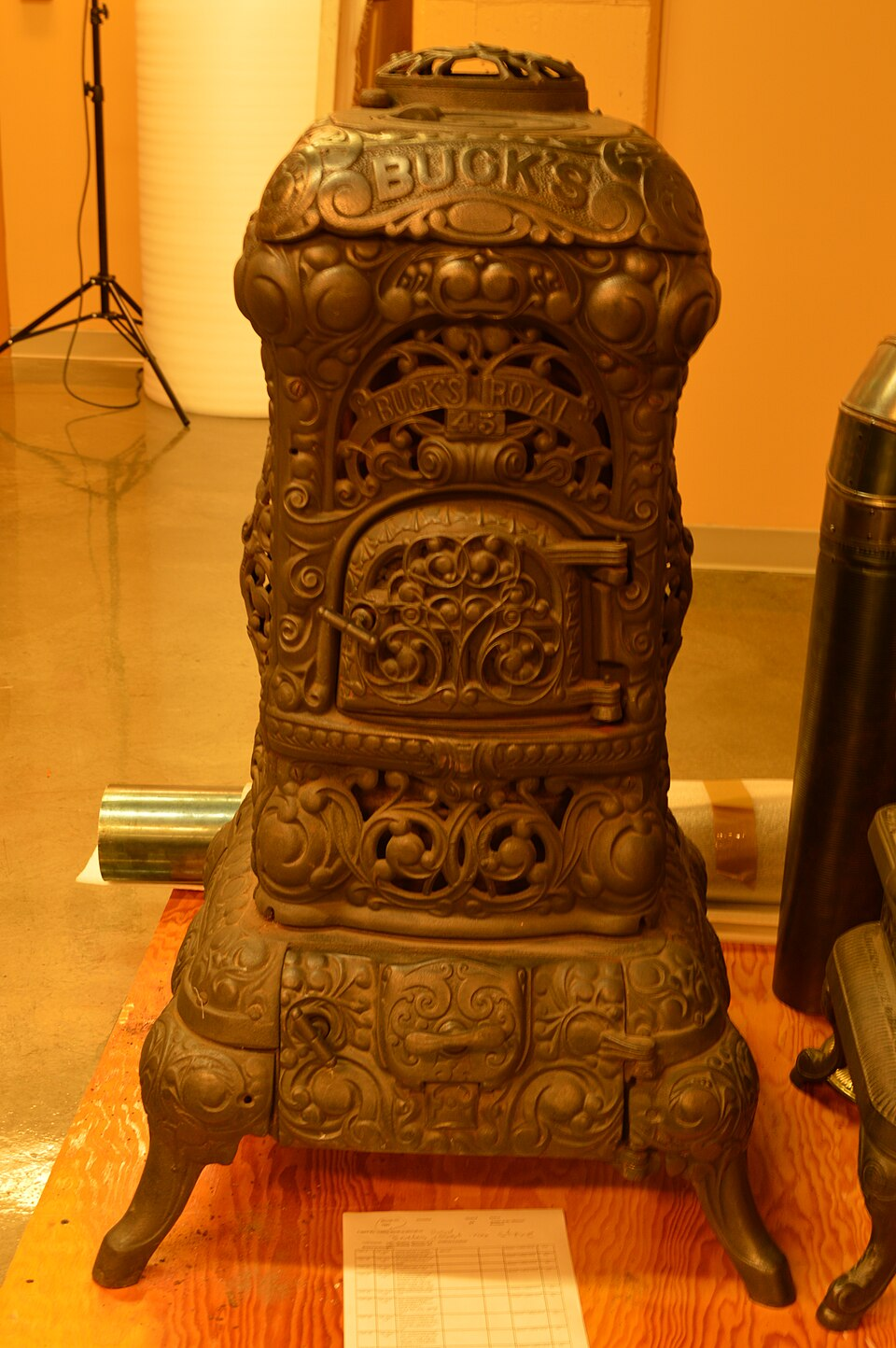
The most expensive object in the parlor was a stove, and it fed itself.
Fuel went into a tall magazine above the fire, and as the burning coal was consumed the column settled down into the fire by gravity. Which is where the name comes from, and it is the whole mechanical idea: nobody adds anything until the magazine runs low. Damped down at bedtime it held fire until morning, so the family woke to a warm room and live coals instead of a cold stove and a fire to build from nothing.
Mica sheets in the doors glowed orange with the fire behind them, which is why it stood in the room where visitors sat. The nickel trim had to be polished. The ash pan had to come out daily. And shaking the grate without dumping live coal into the pan was a skill one person in the house had. Here are fifteen things every American family knew.
1. It Was the Most Expensive Thing in the Parlor
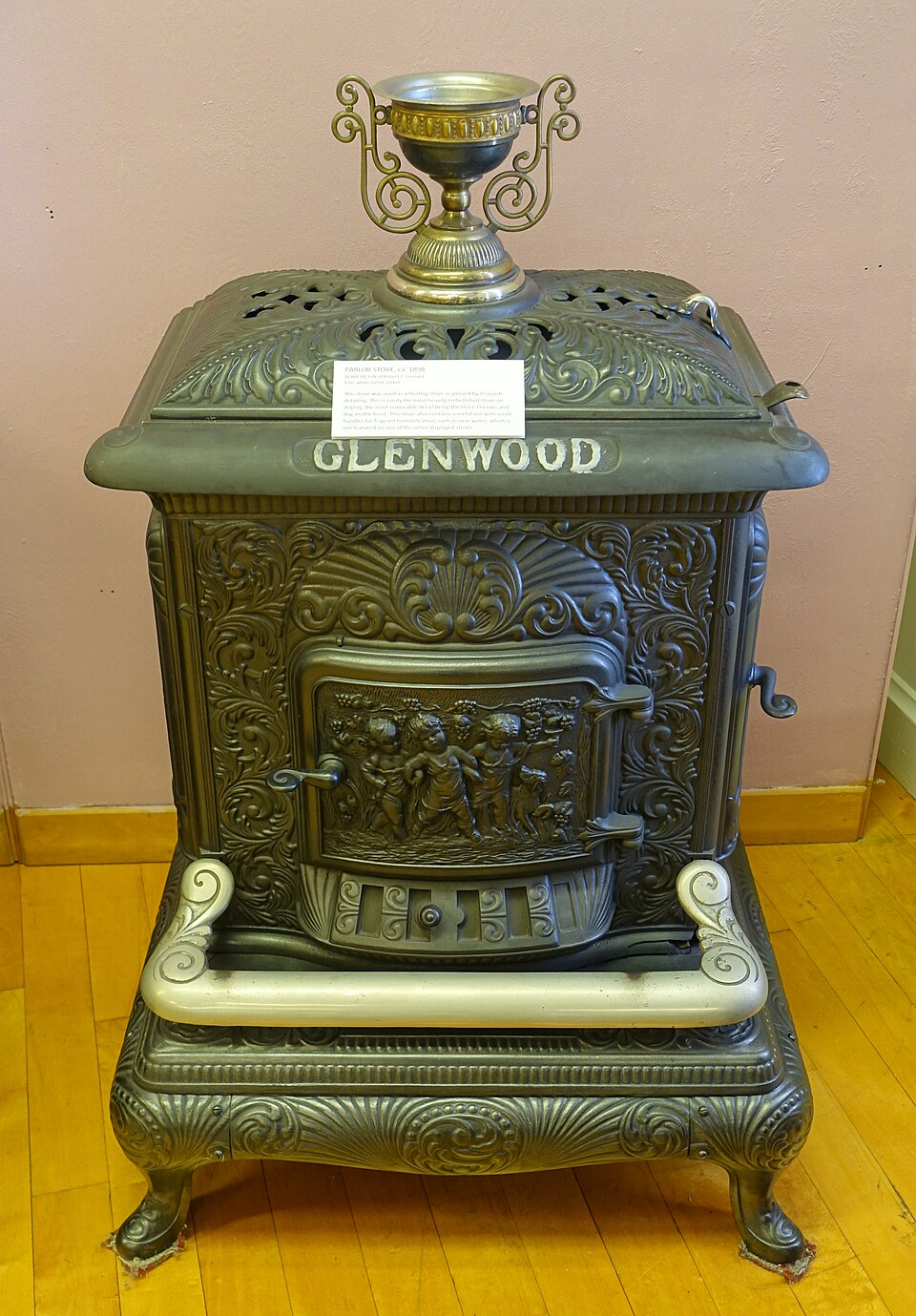
A nickel-trimmed cast iron stove with isinglass windows stood in the best room and represented a substantial purchase, often bought on time.
Not applicable; heating equipment is hidden and heating is no longer displayed.
Beginning with the cost establishes what this object was doing, because it was not simply heating. A household that spent that much on a stove and put it in the room where visitors sat was buying a visible possession as much as a source of warmth, and the ornament on it was the point rather than a bonus.
Like our content? Follow us for more.
2. It Fed Itself From the Top
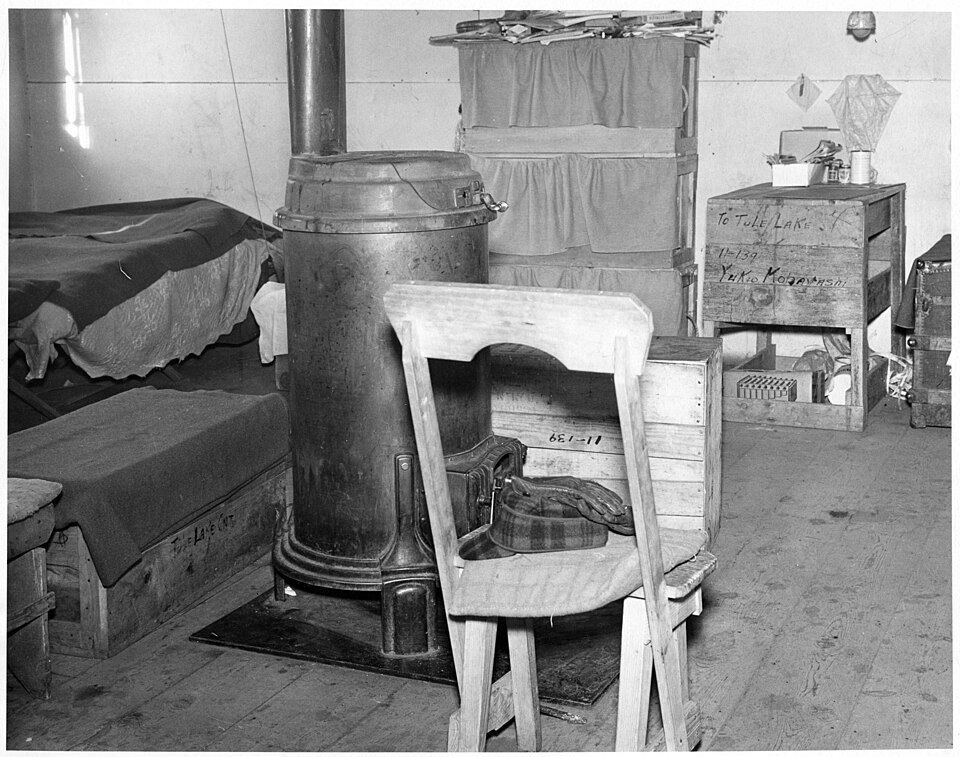
Fuel was loaded into a tall magazine above the fire, and as the burning coal was consumed the column above settled down into the fire by gravity.
Automatic feed is standard in modern systems, by mechanism rather than by gravity.
This is the whole mechanical idea and the name comes from it. Fire burns at the bottom of the column, the fuel above drops into the space the consumed fuel leaves, and nobody has to add anything until the magazine runs low – which converts a stove that needs attention every hour into one that needs it twice a day.
3. It Burned Overnight
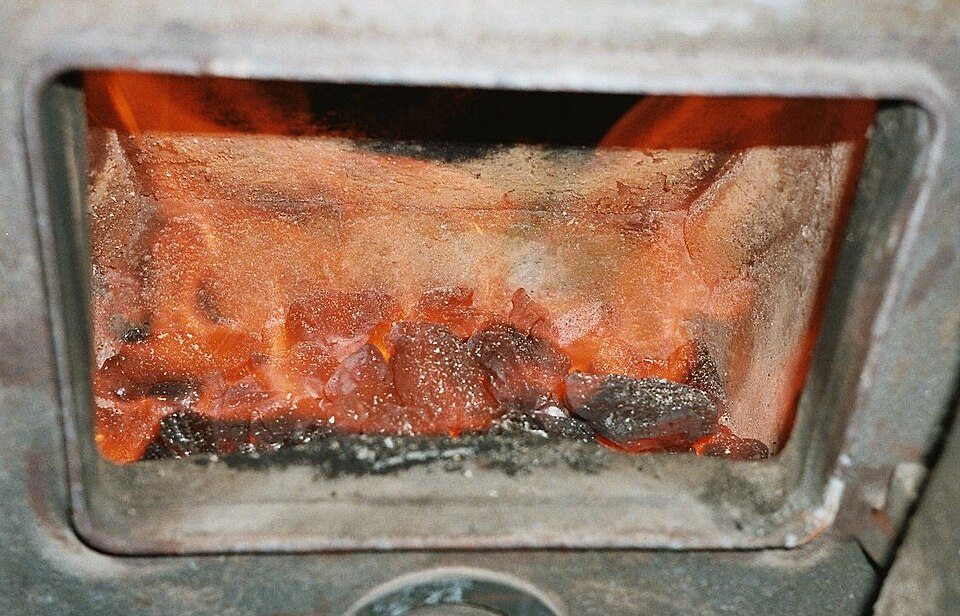
Damped down at bedtime, it held fire until morning, so that the family woke to a warm room and live coals rather than a cold stove.
Universal with central heating.
Overnight burning is the benefit that justified the price, and it is hard to overstate. The alternative was a fire out by three in the morning, a freezing room at six and somebody starting it again from nothing – so the gravity feed bought a household the single thing a fire cannot otherwise give, which is unattended continuity.
4. The Isinglass Windows Showed the Fire
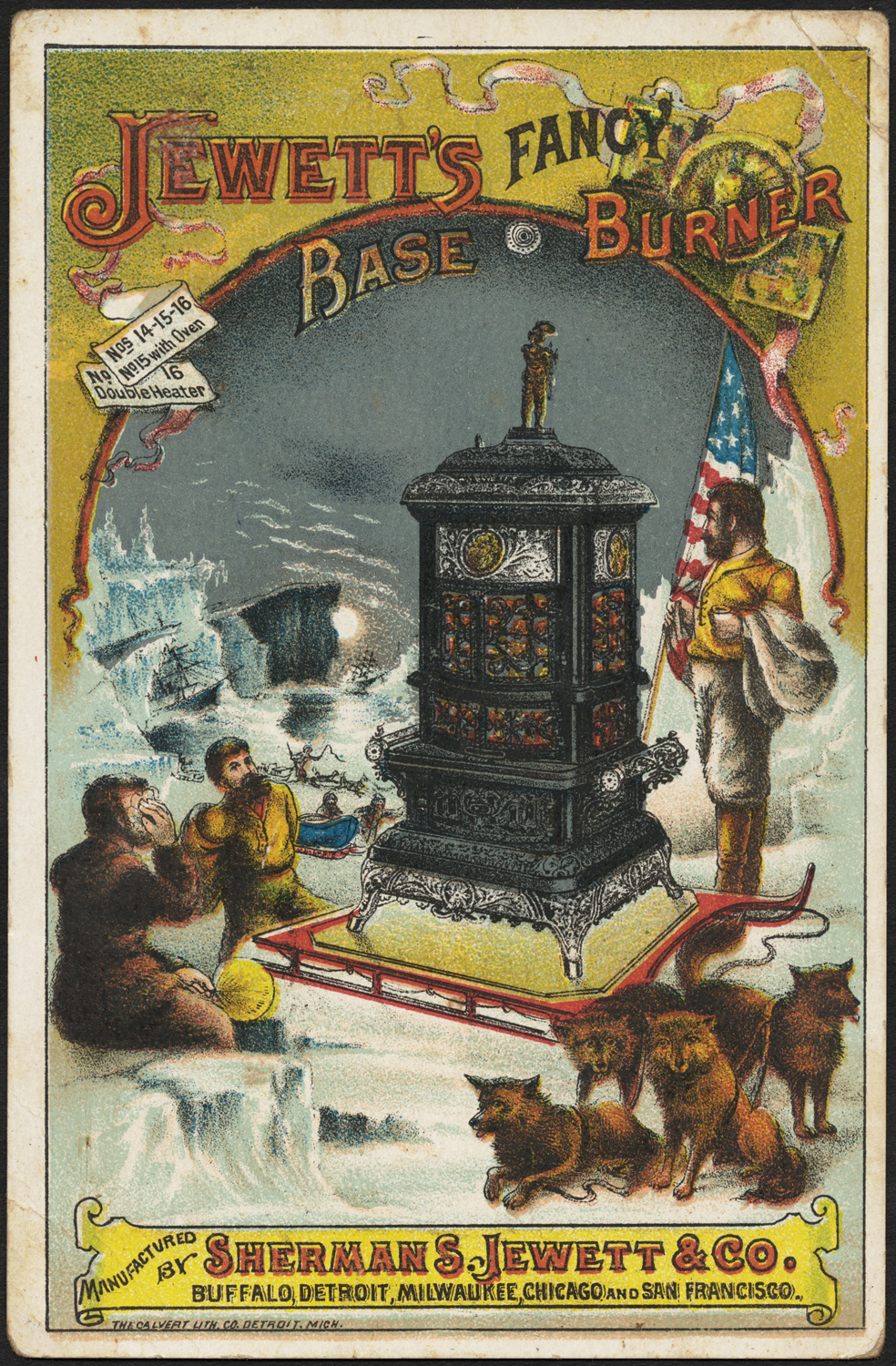
Mica sheets set in the doors glowed with the fire behind them, which was the whole visual appeal and the reason the stove was in the parlor.
Glass doors on stoves and fireplaces serve the identical purpose.
The window is the feature that made it furniture rather than equipment, and mica is the reason it was possible. The material splits into thin transparent sheets, tolerates heat that would crack glass of the period, and glows orange with fire behind it – which gave a closed stove the visible flame that an open fire had.
5. The Nickel Plating Had to Be Polished
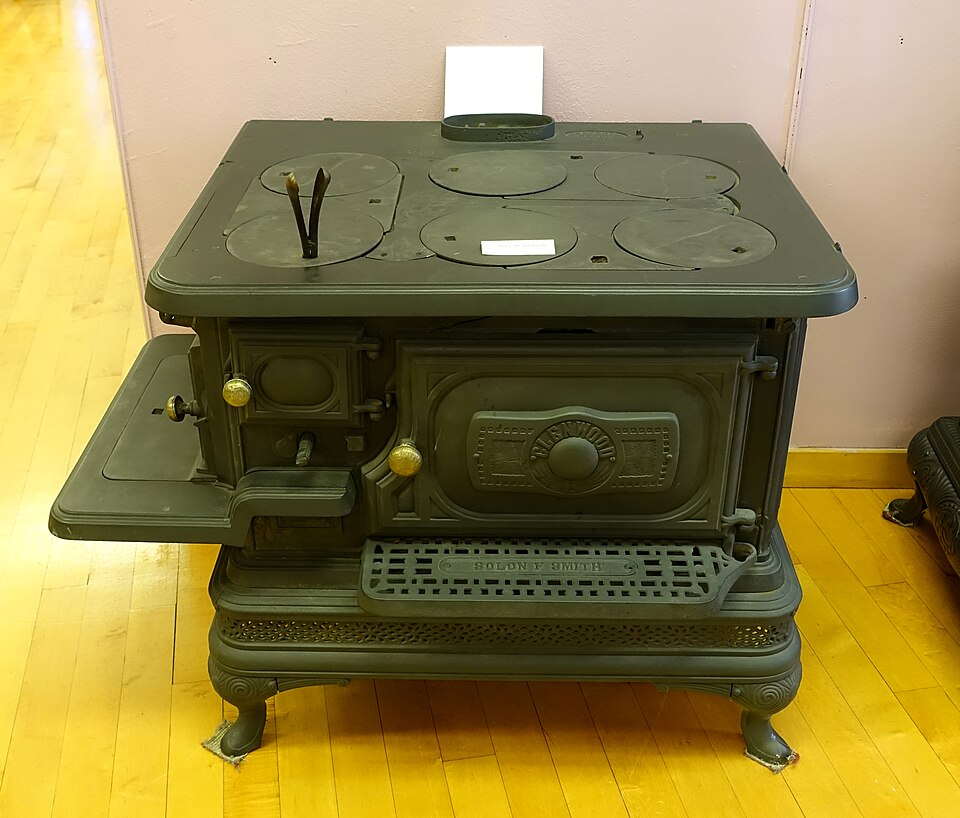
Bright trim, rails, finials and galleries were plated, and keeping them bright was a recognised household job.
Not applicable.
The polishing is where the ornament turned into labour, and the trade-off is worth naming. Every piece of bright trim that impressed a visitor was a surface somebody had to clean, and a stove with a gallery, rails and finials represented a standing weekly obligation for whoever did that work.
6. It Needed One Specific Grade of Coal
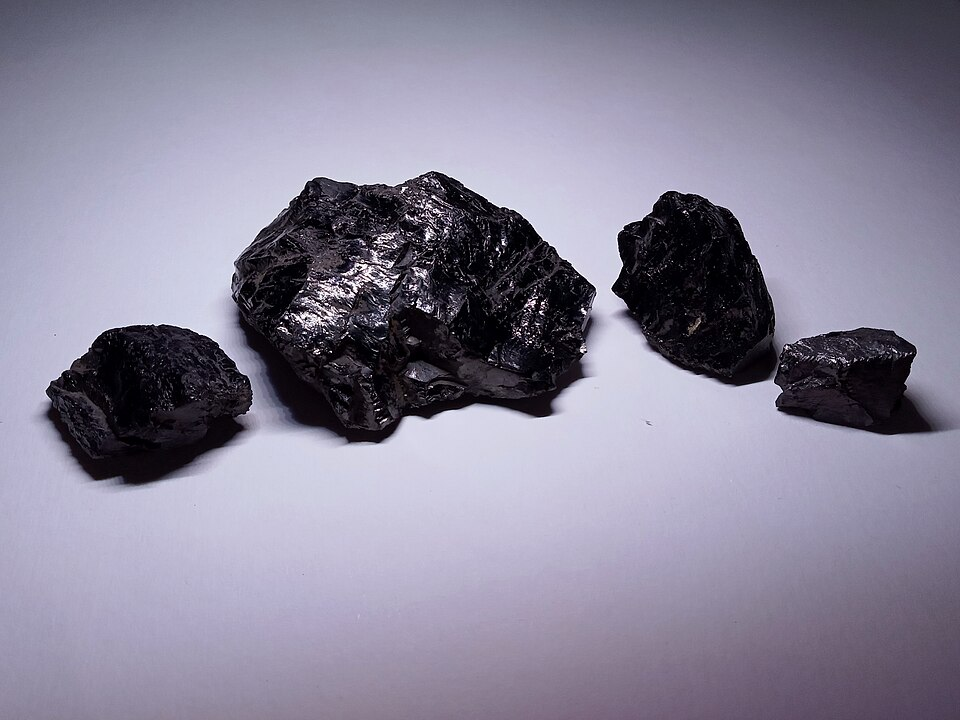
The gravity feed only worked properly with a particular size and type of fuel, and the wrong coal clinkered, jammed or burned unevenly.
Not applicable.
Fuel dependence is the hidden constraint and it is more serious than it sounds. A stove that requires a specific grade is tied to a supply chain and to a dealer who stocks it, which means the household’s heating depended on a commercial arrangement in a way that a wood fire never did.
7. The Ash Had to Come Out Every Day
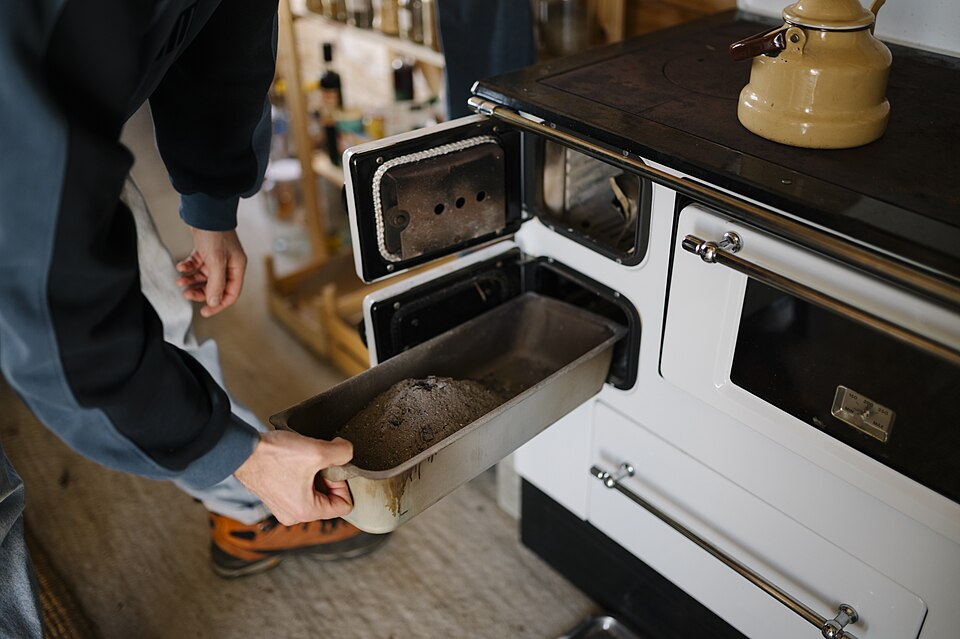
Ash fell through a grate into a pan below and was removed daily, and a pan allowed to fill choked the fire from underneath.
Not applicable.
The ash is the daily reality behind the self-feeding convenience, and it should not be skipped. A fire needs air from below, ash blocks that air, and the pan has to be carried out full of fine dust that gets into everything – which is the chore the elegant brochures did not illustrate.
8. Shaking the Grate Was a Skill
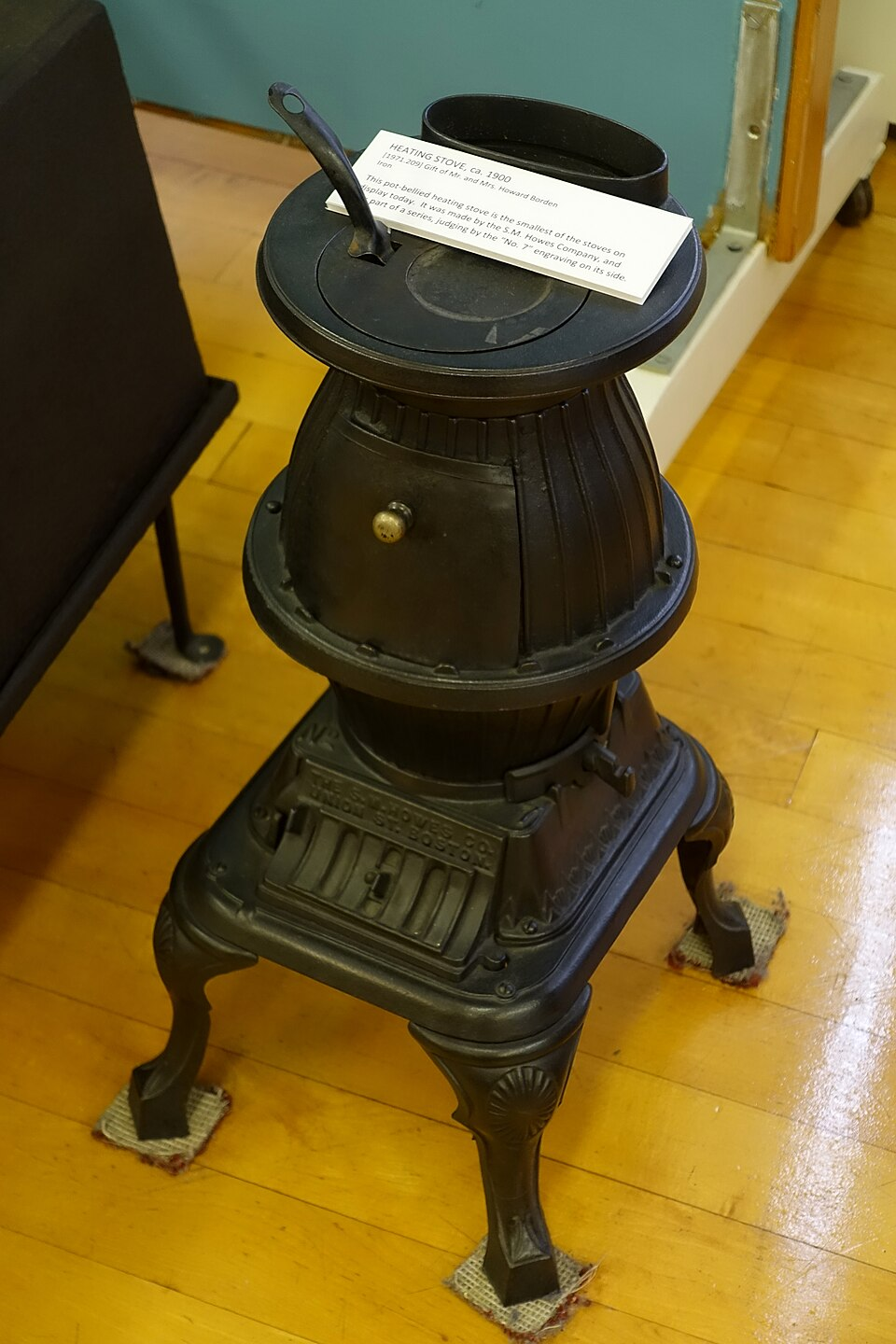
A handle rocked the grate to drop ash through without dumping live coal, and doing it badly either choked the fire or lost it.
Not applicable.
The grate handle is a nice example of a skill that existed and then completely vanished. Too little movement leaves the ash in place and the fire smothers; too much drops burning fuel into the pan and the fire goes out – and the correct amount was learned by feel, on that particular stove, by one person in the household.
9. It Heated One Room Properly and the Rest Not at All
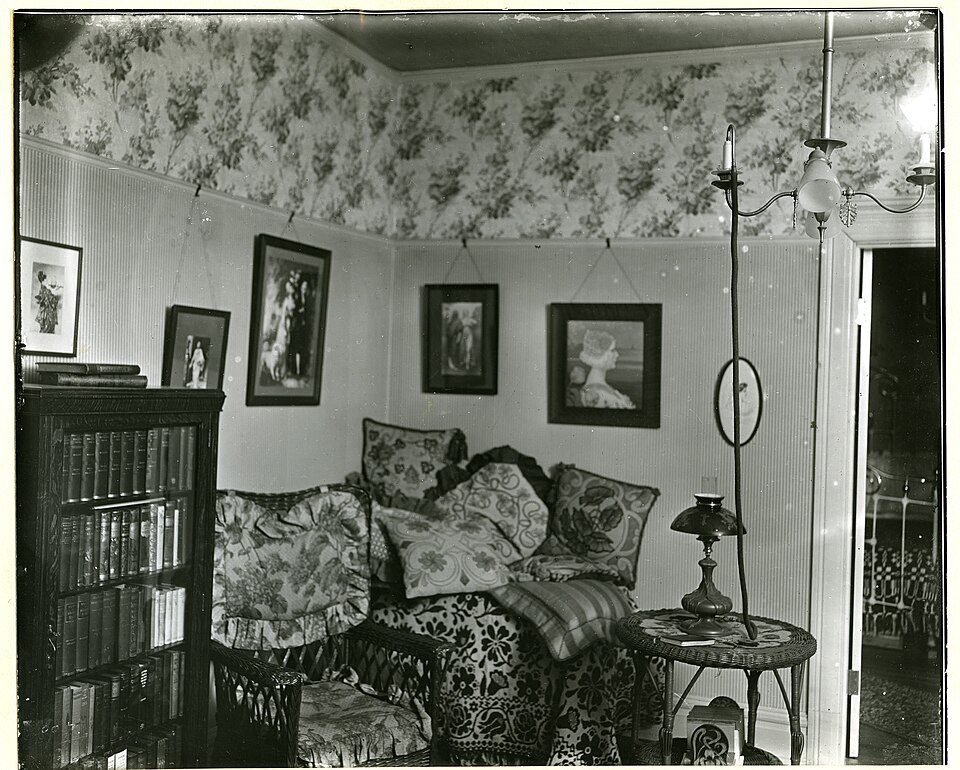
The parlor was warm and the rest of the house was cold, with heat reaching other rooms only through doorways and floor registers.
Central heating removed the problem.
Single-point heating shaped how the house was used and that is the part worth understanding. A household with one warm room lives in that room, sleeps in cold bedrooms, and arranges its evening around a single source – which makes the stove the organising fact of the winter rather than a comfort in the background.
10. The Register in the Ceiling Was the Whole Upstairs Heating System
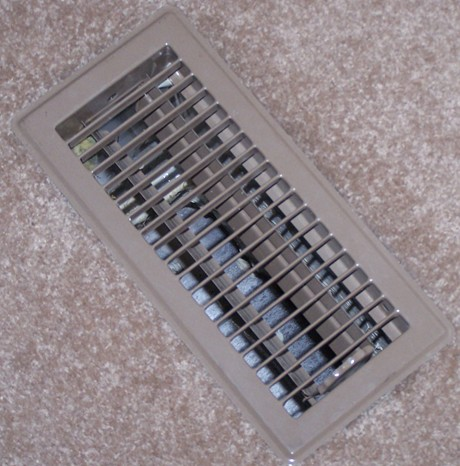
A grated opening in the parlor ceiling let warm air rise into the bedroom above, and that was the only heat that room received.
Not applicable.
The floor register is a beautifully simple and thoroughly inadequate solution, and everybody who had one remembers it. Warm air rises, so a hole in the ceiling does deliver something to the room above – along with every sound, every word and every smell from the room below, which is the part children remember.
11. Everybody Dressed and Undressed Downstairs
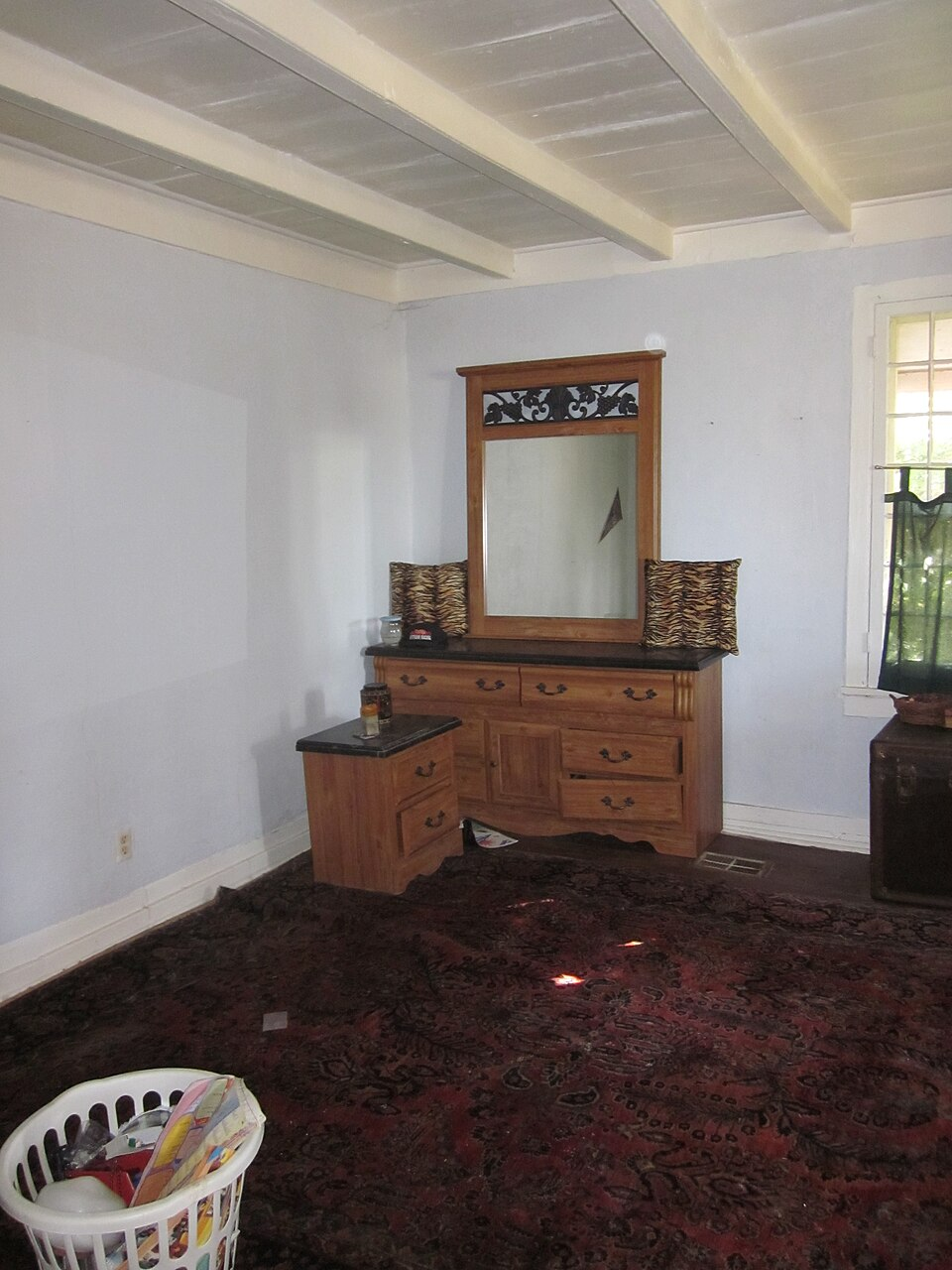
Because the bedrooms were genuinely cold, clothes were taken up warm or put on by the stove, and the household’s routine bent around the one heated room.
Not applicable.
This detail says more about the period’s domestic life than the stove’s specifications do. A family that dresses in the parlor because the bedroom is too cold to stand in has organised its mornings around a heating limitation – and that was completely normal rather than a hardship anybody remarked on.
12. The Catalogue Pages Were Enormous
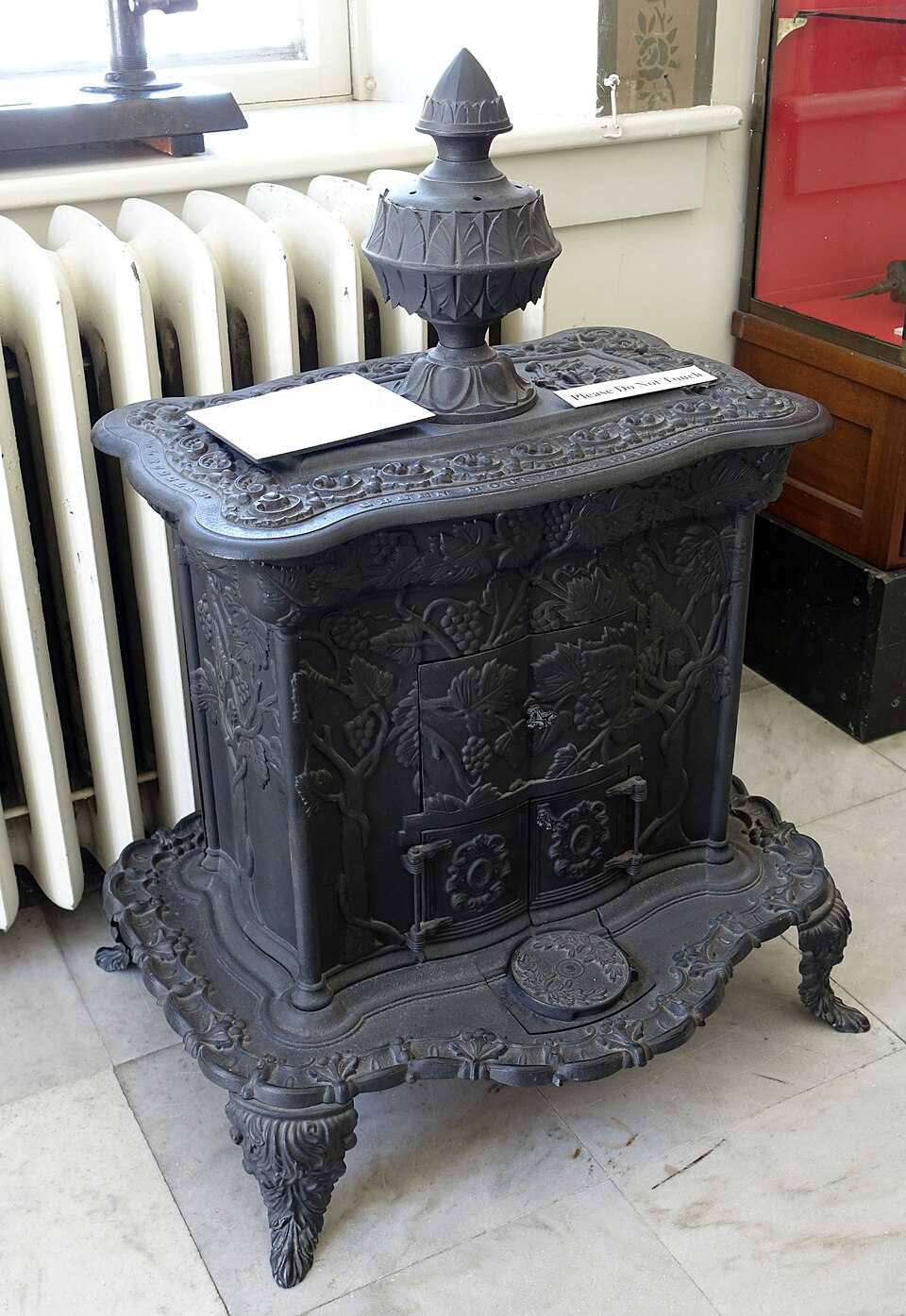
These stoves were sold through illustrated catalogues with extensive ranges, elaborate names and detailed engravings of the ornament.
Not applicable in that form.
The selling matters because it shows what was being bought. Pages devoted to the pattern of a gallery and the shape of a finial are not selling heat output – they are selling an object to be looked at, which confirms that the parlor stove was competing on appearance as much as performance.
13. Then the Furnace Moved the Fire to the Cellar
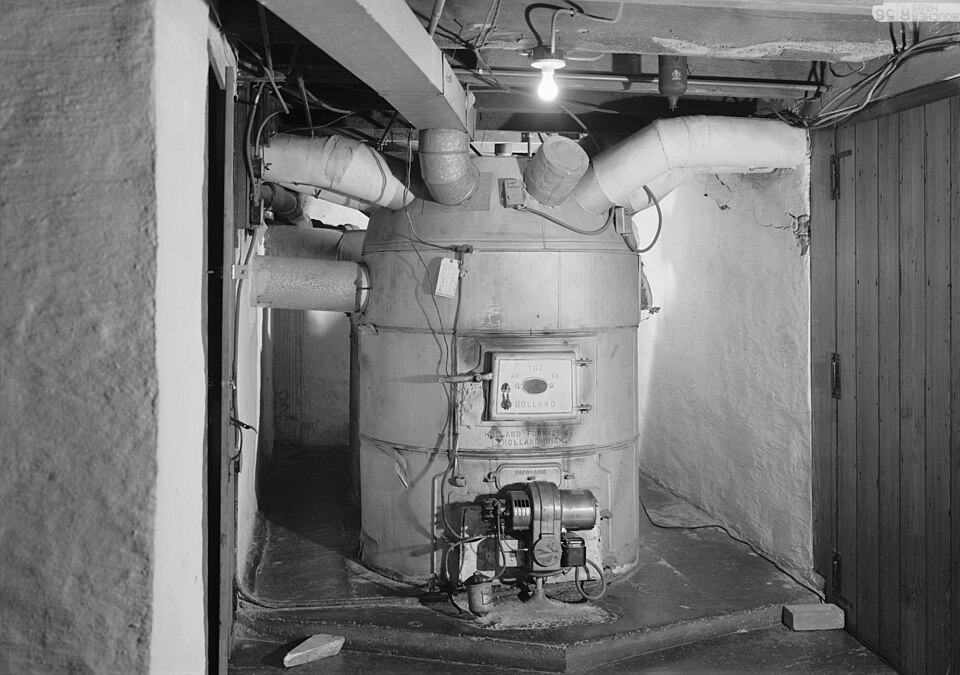
Central heating put the fire in the basement and delivered warmth through ducts or pipes, which heated the whole house and removed the stove from the room.
Universal.
The furnace is what ended it and the improvement is not arguable. Warming every room instead of one, with the dirt, ash and fuel handling moved out of the living space, is better in every respect – and the cost was that the fire became invisible, which nobody minded at the time.
14. Then the Fuel Changed and the Stove Became Scrap
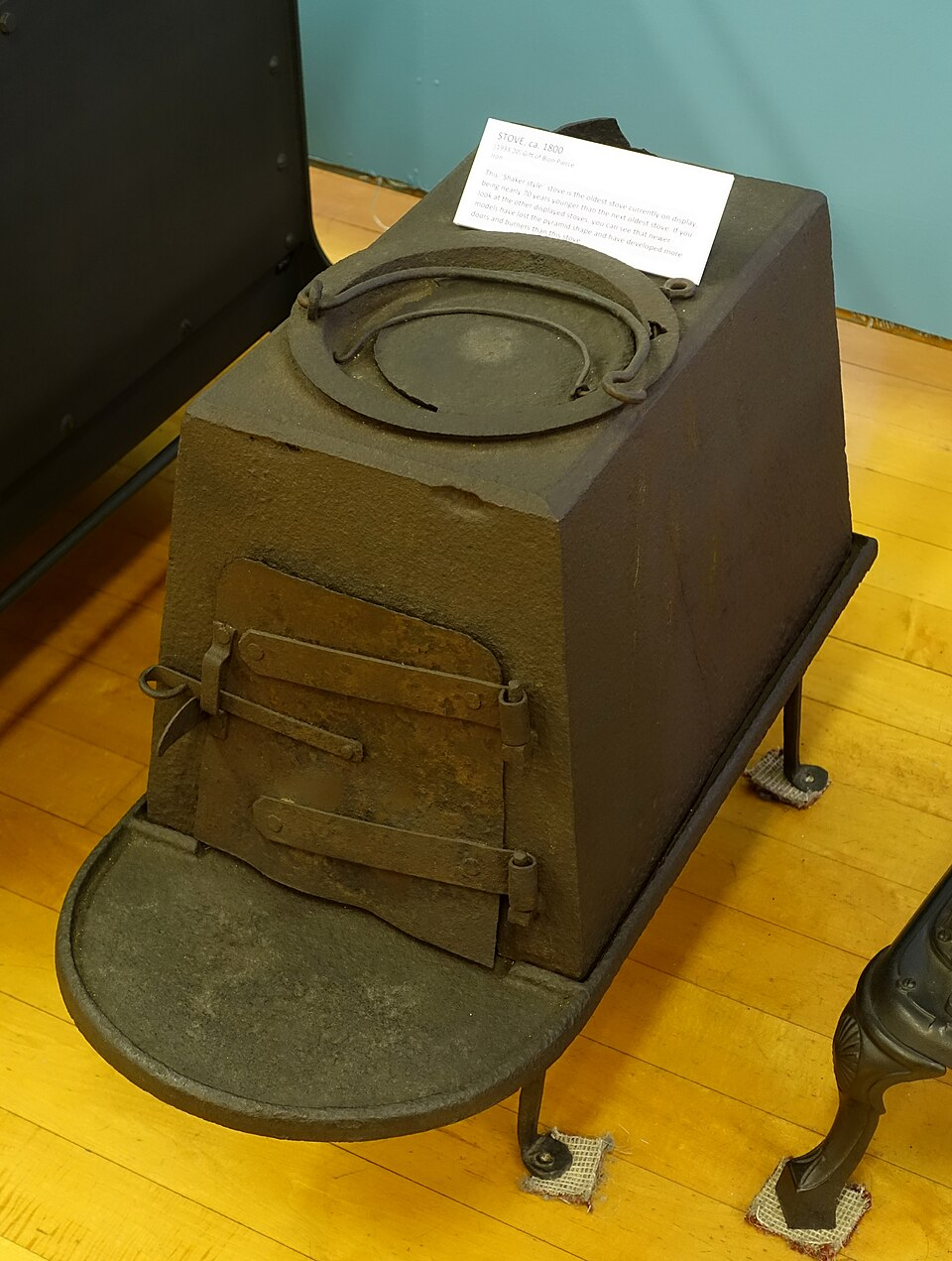
As households converted to oil, gas and electricity, coal stoves were unsellable, and very large numbers were broken up for metal.
Surviving examples are collected and restored.
The scrapping explains why these are now rare and expensive, which surprises people. An object that was in a majority of parlors became worthless within a generation, went for metal in enormous numbers, and the survivors are valued now precisely because so few were kept.
15. And by 1964 It Was Either Gone or an Ornament
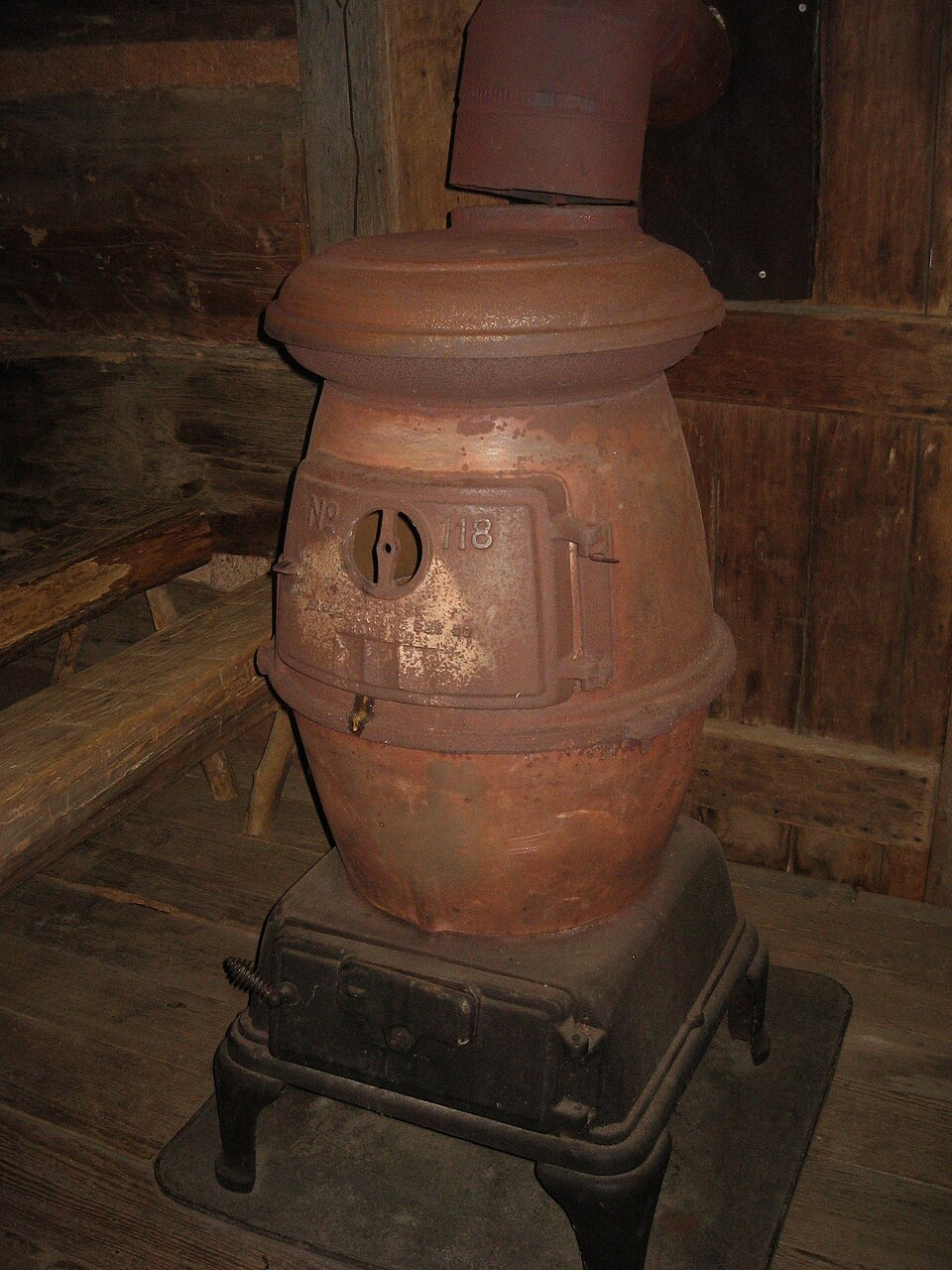
A base burner still standing in 1964 was almost always disconnected and decorative, kept for its looks in a house heated by something else.
Decorative or collected.
And the thing worth sitting with is that this was a machine designed to be looked at, which almost nothing in a modern house is. An American household bought the most expensive object in its best room, had it plated and ornamented, and then sat in front of it in the evening watching fire move behind mica – and the engineering inside it was genuinely clever, feeding itself by gravity and holding fire for twelve hours without attention, which bought the family the one thing a fire cannot otherwise provide. It also demanded a specific grade of coal, daily ash, weekly polish and a learned touch on the grate handle, and it heated exactly one room while everybody dressed by it because the bedrooms were unbearable. All of that was replaced by a furnace in the cellar that nobody ever looks at, and that was unambiguously the right trade. But something did go: the household no longer has a centre, because the thing everybody faced in the evening is now in the basement, and the room arranges itself around whatever has replaced it.
A Machine Built to Be Looked At
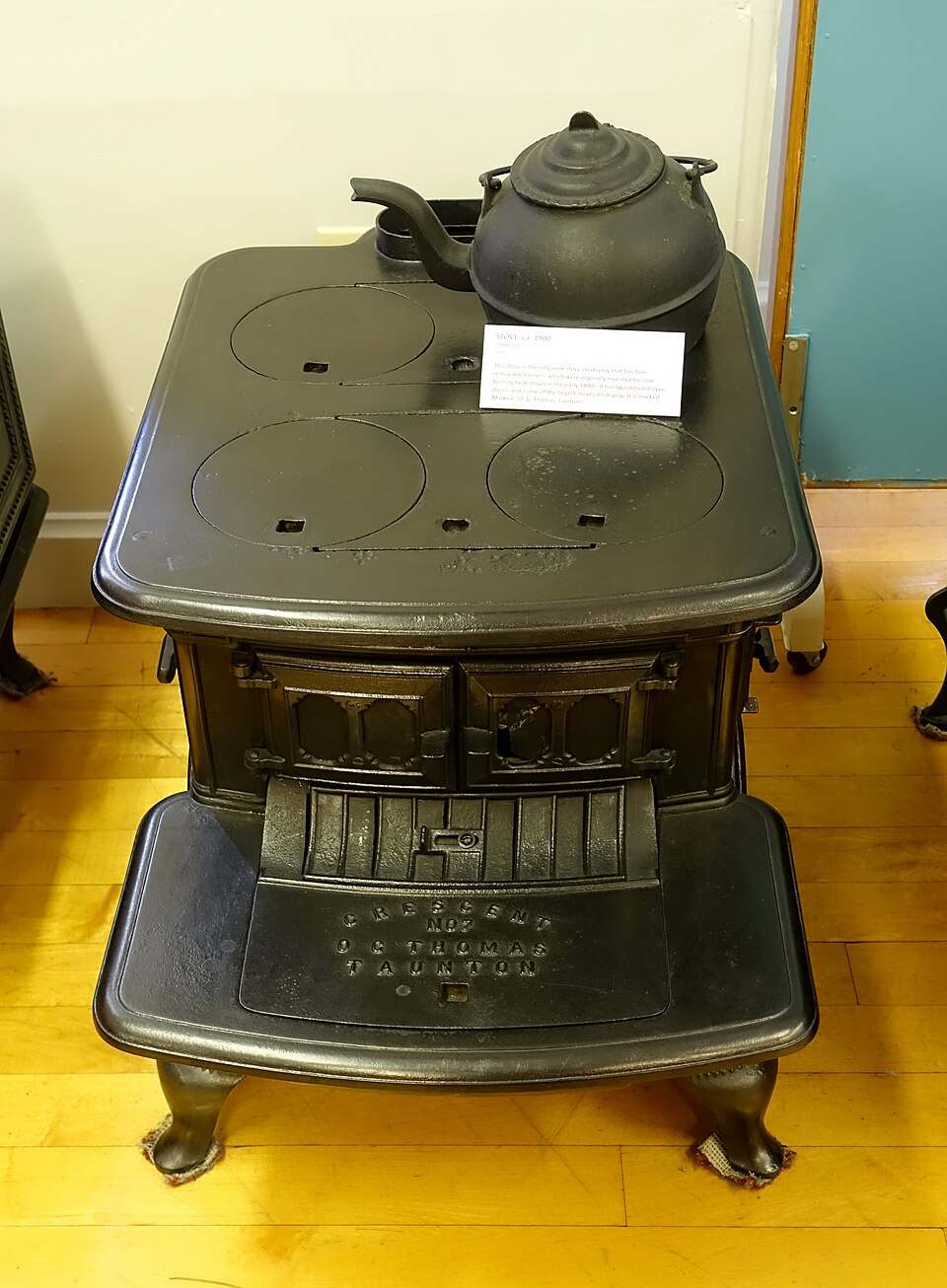
The parlor stove is the clearest case in these files of a machine that was also furniture, and both halves were deliberate.
Start with the price. A nickel-trimmed cast iron stove with mica windows, standing in the best room, was a substantial purchase, frequently bought on time. A household that spends that much and puts the result in the room where visitors sit is buying a visible possession as well as warmth – and the ornament was the point, not a bonus.
Then the engineering, which is genuinely clever.
Fuel loaded into a tall magazine above the fire. The fire burns at the bottom of the column; as fuel is consumed, the column settles into the space by gravity. Nobody adds anything until the magazine runs low – which turns a stove needing attention hourly into one needing it twice a day.
And that bought the thing a fire cannot otherwise give: unattended continuity. Damped down at bedtime, it held until morning. The alternative was a fire out by three, a freezing room at six and somebody rebuilding it from nothing, so overnight burning is the benefit that justified the cost.
The mica windows are what made it furniture. The material splits into thin transparent sheets, tolerates heat that would crack period glass, and glows orange with fire behind it – which gave a closed stove the visible flame of an open one. That is why it was in the parlor, and the catalogue pages confirm it: engravings devoted to the pattern of a gallery and the shape of a finial are not selling heat output.
The labour behind all this was considerable and is worth naming.
Bright trim, rails, finials and galleries were plated, and keeping them bright was a standing weekly job. Every surface that impressed a visitor was a surface somebody cleaned.
The ash came out every day. A fire needs air from below, ash blocks that air, and a full pan chokes the fire – so the pan was carried out daily, full of fine dust that got into everything.
Shaking the grate was a real skill that has vanished completely. A handle rocked the grate to drop ash without dumping live coal; too little and the fire smothers, too much and it goes out. The correct amount was learned by feel, on that particular stove, usually by one person in the household.
And the stove needed one specific grade of fuel, because the gravity feed only worked with a particular size and type. Wrong coal clinkered, jammed or burned unevenly – which tied the household’s heating to a dealer and a supply chain in a way a wood fire never did.
Then there is what it did to the house, which is the part that explains the period rather than the appliance.
It heated one room properly and the rest not at all. Which means a household with a base burner lived in that room, slept in cold bedrooms, and arranged its entire evening around one source of heat.
Upstairs got a grated opening in the parlor ceiling. Warm air rises, so it delivered something – along with every sound, every word and every smell from the room below, which is what the children in those bedrooms remember.
And everybody dressed and undressed downstairs, because the bedrooms were genuinely too cold to stand in. A family that gets dressed in the parlor has organised its mornings around a heating limitation, and nobody remarked on it.
The end came in two stages.
The furnace moved the fire to the cellar and delivered warmth through ducts or pipes – heating every room instead of one, with the dirt, ash and fuel handling out of the living space. That is better in every measurable respect and the improvement is not arguable.
Then the fuel changed. As households converted to oil, gas and electricity, coal stoves became unsellable and enormous numbers were broken up for metal, which is why the survivors are now rare and valuable.
By 1964 a base burner still standing was almost always disconnected and decorative.
What is worth sitting with is that this was a machine designed to be looked at, which almost nothing in a modern house is. People sat in the evening facing a mechanism and watching fire move behind mica.
All of it was replaced by something in the basement that nobody ever looks at, and that was the right trade. But the household lost its centre – because the thing everybody faced in the evening went into the cellar, and the room has arranged itself around whatever took its place.
If your grandparents’ parlor had one, that was the most expensive thing in the house.
And one person in that family knew exactly how far to shake the grate.
Like our content? Follow us for more.