

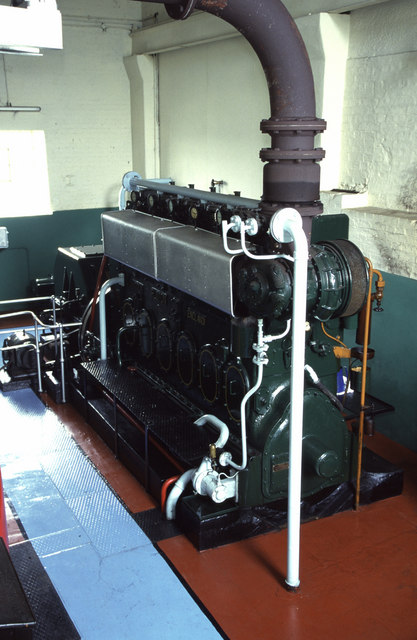
A drainage engineman operated the machine that made several thousand acres exist as farmland, lived in the house attached to it and raked weed off the intake screens in the worst weather of the year. Here are sixteen things about the job.
1. The land was below the river and the pump was the only reason it was dry
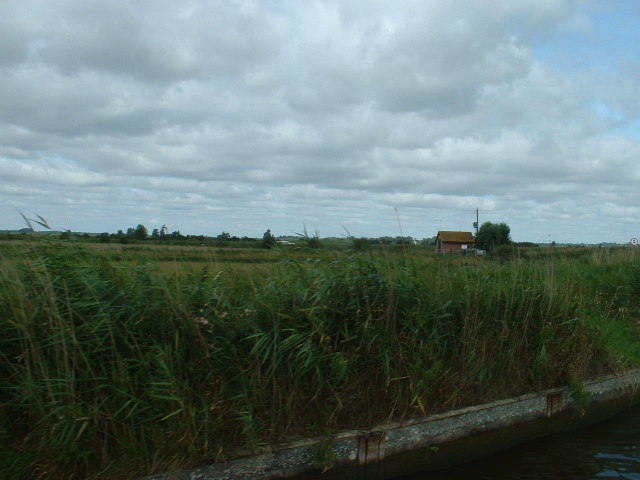
On drained lowland the fields sit lower than the watercourse that drains them, which means water will not flow away. It has to be lifted, continuously, from the low drains into the high river, and if the pumping stops the land floods.
That is the whole arrangement and it is worth stating plainly, because it is counter-intuitive: the river is up there, held between banks, and the farmland is down here below it.
So the engineman at a drainage pumping station was not managing an occasional emergency. He was operating the thing that made several thousand acres exist as farmland at all. Modern stations work on exactly the same principle, with electric or diesel pumps under automatic level control, remote monitoring and telemetry back to a control room. The physics is unchanged and nobody lives on site.
Like our content? Follow us for more.
2. The land sinks as it dries, so the lift gets bigger every decade
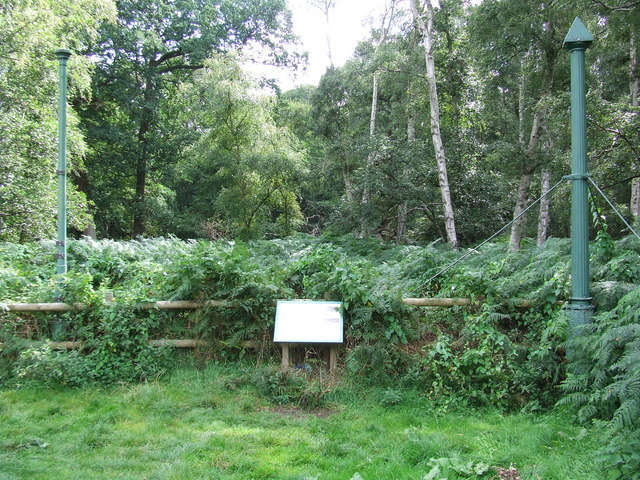
Drained peat soil shrinks and oxidises once the water is taken out of it, so the ground surface falls — continuously, measurably, for as long as it stays drained.
That means the height the water has to be lifted increases over time, which means the pumps have to be replaced with bigger ones, which means the drainage becomes more expensive and more essential simultaneously.
Some of the most striking evidence anywhere of this is a post driven into the ground when drainage began and now standing well clear of the surface around it. That process is still going on and is now one of the central problems in managing drained lowland, alongside the fact that the oxidising soil releases what it had stored. Modern management has to decide how long to keep pumping, which is a question nobody in 1960 was asking.
3. The engineman lived at the station and was never off duty
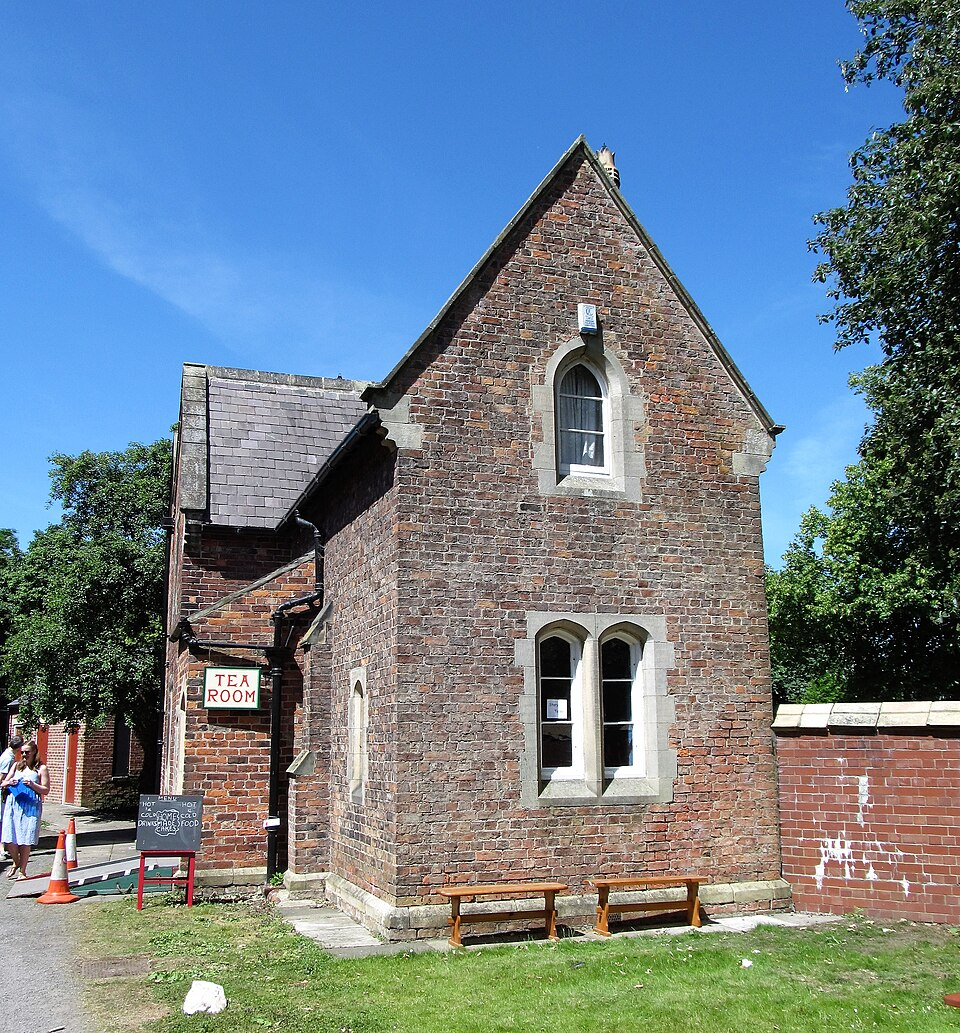
A drainage station in 1960 typically came with a house attached, and the engineman and his family lived in it, because the engine needed somebody present and the land needed the engine.
That meant no commute and no separation between work and home: the sound of the engine was the household’s background, and a change in that sound brought somebody out of bed.
It also meant the job was a tenancy as well as an employment, and leaving the job meant leaving the house. Automation, telemetry and remote operation ended resident enginemen almost entirely. The houses survive, sold off or let, and the stations are visited rather than inhabited.
4. Starting a big diesel was a procedure, not a switch
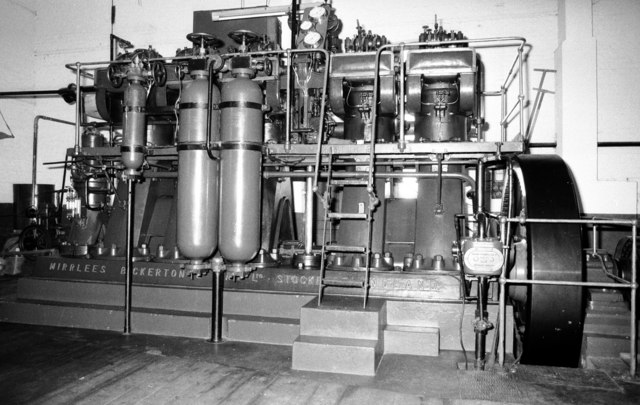
The engines at these stations were large, slow-running diesels, and starting one involved a sequence: preparing the engine, barring it over, applying compressed air or a starting engine, and bringing it up to speed carefully.
That took time and attention, which is precisely why the engines were run continuously through a wet spell rather than started and stopped on demand.
An engineman therefore made a judgement about when to start rather than reacting to a level, because by the time the level demanded it the starting sequence was time he did not have. Modern electric pumps start on a float or a pressure signal in seconds, as many times a day as required, which removed the judgement entirely and is the single biggest operational difference.
5. The scoop wheel came before the pump and some were still turning
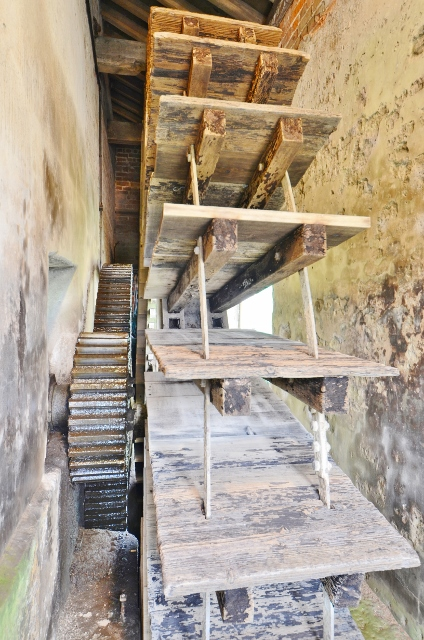
Before centrifugal pumps, water was lifted by a scoop wheel: a large paddle wheel in a channel that physically picks water up and carries it over a low step into the higher drain.
A scoop wheel is simple, sturdy and limited: it can only lift water about as far as its own radius allows, which is why rising lifts forced the change to pumps.
Some were still in use or recently retired in 1960, and a few survive in working preservation, which is how anybody knows what they sound like. Centrifugal pumps can lift as far as the power and the design allow, which is what made continued drainage possible as the land fell. The scoop wheel is now a heritage object and a very good illustration of a technology defeated by a moving target.
6. The engine house was kept like a parlour
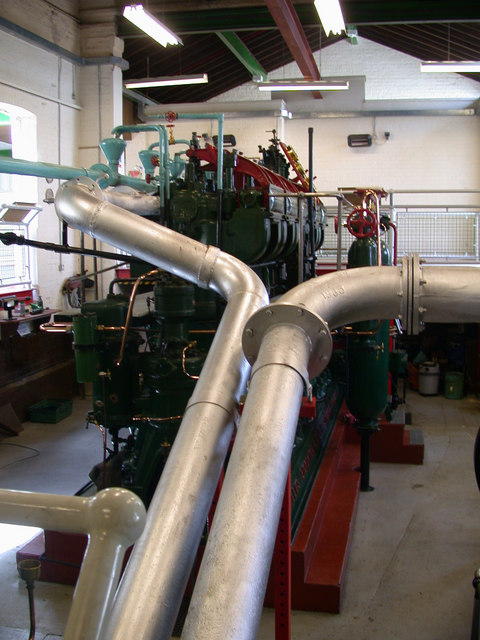
Drainage station engine houses are famously clean: polished brass, painted ironwork, swept floors and everything in its place, in a building containing a very large diesel engine.
That was partly pride and mostly diagnosis. A spotless engine shows a leak, a loose fastening or a hot bearing immediately, and an engineman who cleaned his engine was inspecting it.
It also reflected the fact that the station was his workplace, his responsibility and effectively part of his house. Modern stations are unmanned, functional and perfectly clean in a different way: sealed, coated, monitored and visited on a maintenance schedule. Nobody polishes anything.
7. Weed and trash were the real daily enemy
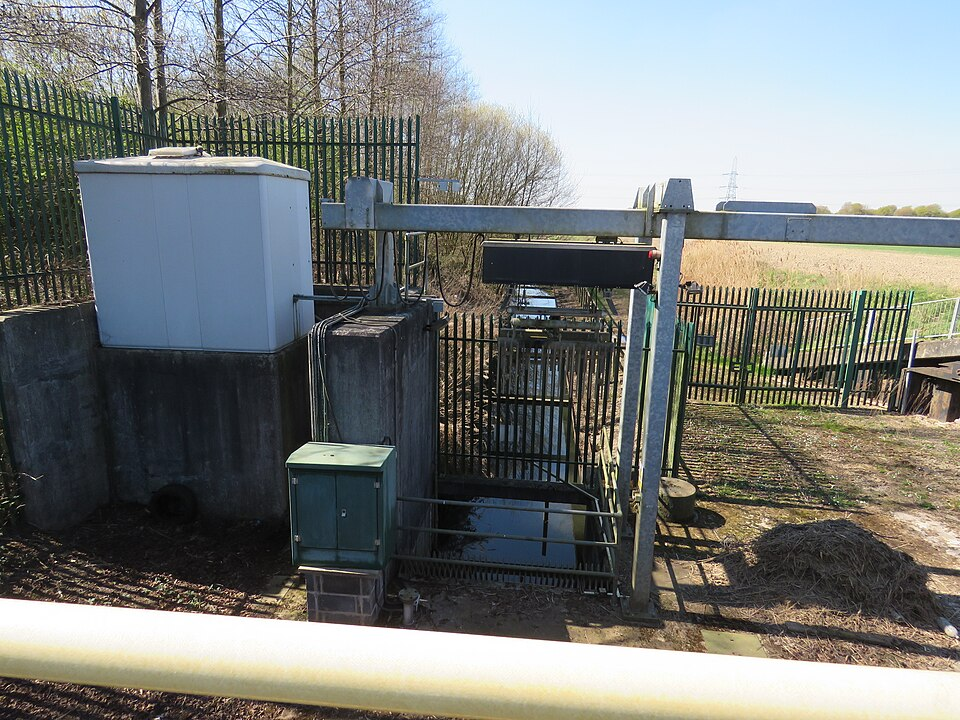
A drainage pump draws from an open watercourse full of weed, silt, branches and whatever has blown in, and all of it arrives at the pump intake.
So a station had screens, and clearing those screens by hand with a rake was the single most frequent job on the site, done in all weather and most urgently exactly when the pump was most needed.
A blocked screen reduces the flow, overloads the engine and in the worst case stops the pumping during the event the pumping exists for. Mechanical and automatic screen cleaners, trash racks with rakes driven by motors, and eel and fish-friendly screen designs now do that job continuously. It remains the operational weak point of every drainage station and always will be.
8. Floods were when the job became genuinely hard
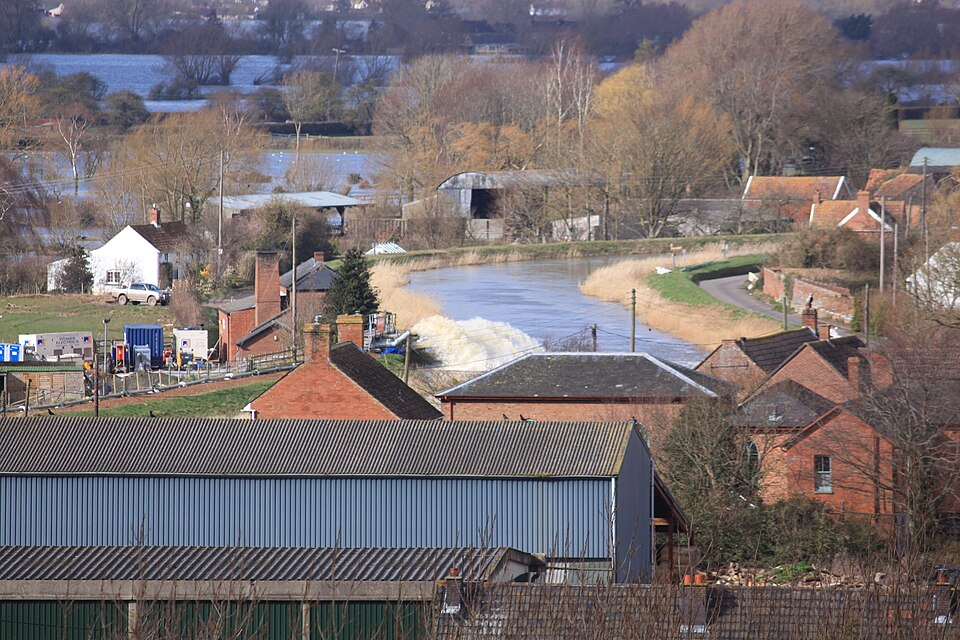
In a prolonged wet spell the station ran continuously at full output for days, the screens blocked constantly, the engine ran hot, and the engineman did not leave.
That is the point of the job and it was understood that way: everything else was preparation for the period when the pumping mattered.
It was also when an engineman was most alone, because the roads across drained land flood before the fields do and a station can become difficult to reach. Modern practice has multiple pumps with automatic duty rotation, standby power, remote monitoring and a flood response organised regionally rather than by one person at one site. Nobody is expected to hold a district together on their own.
9. The water level in the drains was managed, not simply lowered
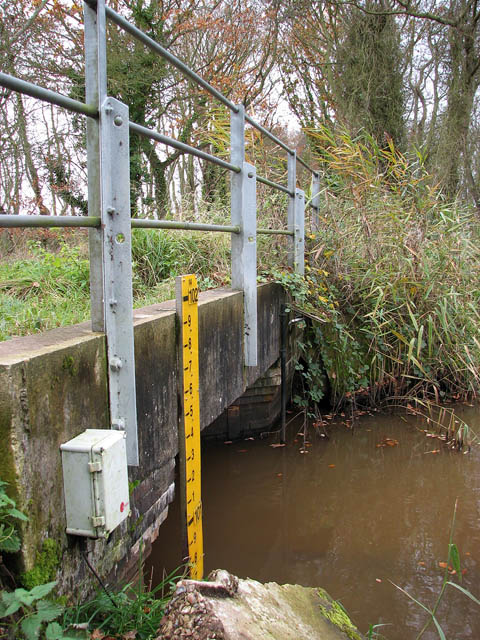
Drainage is not about getting rid of as much water as possible. Farmland needs a water table at the right depth: too high and the crop drowns, too low and peat soil shrinks faster and dries out.
So the target level was a managed compromise, adjusted seasonally, and the engineman worked to it rather than to an absolute.
That required knowing the district: which areas drained slowly, where the levels differed, and how long the system took to respond. Modern water level management is a formal discipline with specified levels, measured gauges across a district, and in many places deliberate raising of levels on peat soils to slow the shrinkage. The compromise has become explicit and is now also an environmental decision.
10. The drains themselves needed constant maintenance
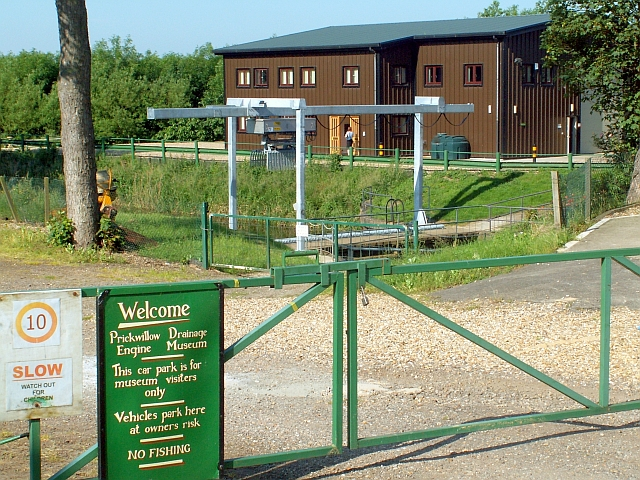
A pumping station is the end of a network of ditches, drains and channels, all of which silt up, grow in and collapse, and all of which have to be maintained or the station has nothing to pump from.
In 1960 much of that work was done by hand and by dragline, with gangs cutting weed, dredging silt and repairing banks on a rolling programme.
The engineman’s station was therefore one node in a maintained system, and he knew the condition of the channels feeding him. Modern maintenance uses tracked excavators, weed-cutting boats and planned programmes informed by survey, and is managed by drainage authorities as an asset portfolio. The work is the same work with far fewer people.
11. The engines were expected to last a very long time
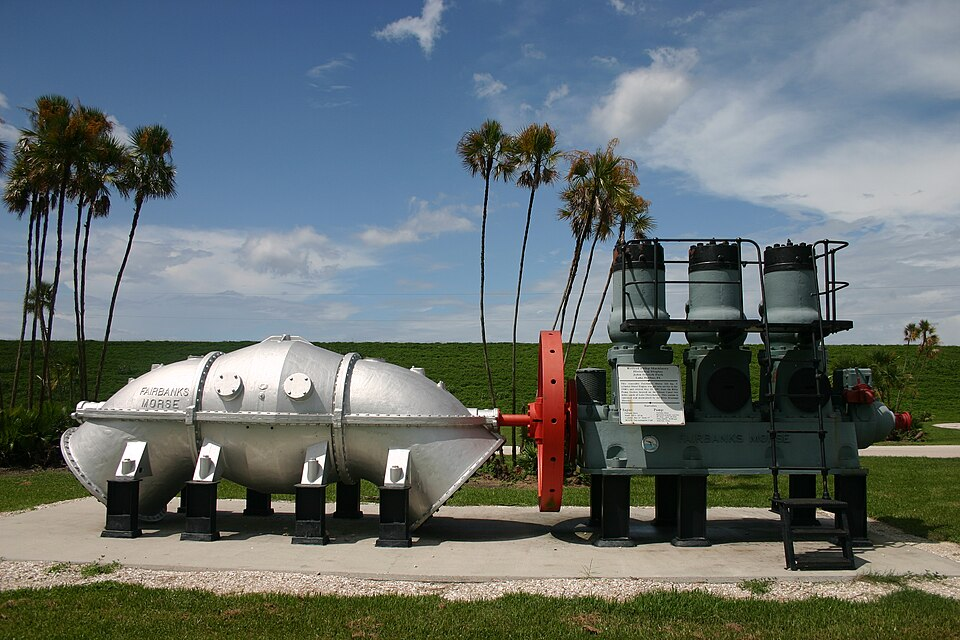
Station engines were bought to run for decades, were maintained in place rather than replaced, and were supported by manufacturers who supplied parts for extremely long periods.
That produced a maintenance culture built around repair, reconditioning and in-place overhaul, with the engineman doing routine work and specialists coming in for the rest.
It also means a 1960 station might contain an engine substantially older than the man operating it, which he knew intimately. Modern pumps and motors are designed for a service life and replaced at the end of it, as units, with the old one removed and scrapped. It is more efficient and it ended the relationship between a man and a particular machine.
12. The whole system depended on nobody noticing it
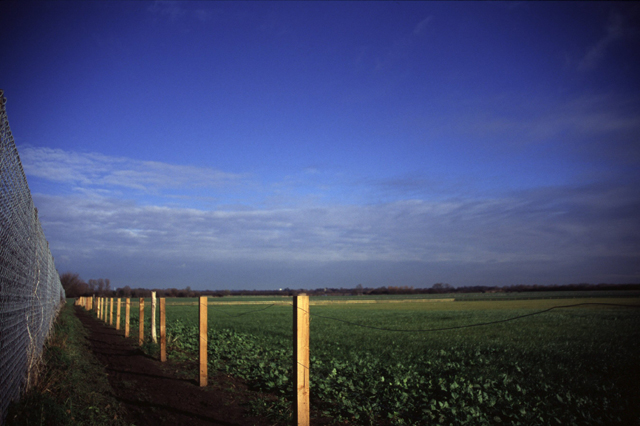
A drainage district works when nothing happens: the fields are dry, the drains are at level, the station runs when needed and the public has no reason to think about any of it.
That invisibility was the measure of success and also the trade’s problem, because an invisible system is one whose funding and importance are easy to underestimate.
Enginemen were aware of that and most accounts of the job include some version of the observation that nobody thanks you for a dry field. That has not changed at all. Drainage and flood risk management are still largely invisible until they fail, and the authorities responsible still spend a good deal of effort explaining what would happen if they stopped.
13. Eels, fish and the pump were a known conflict
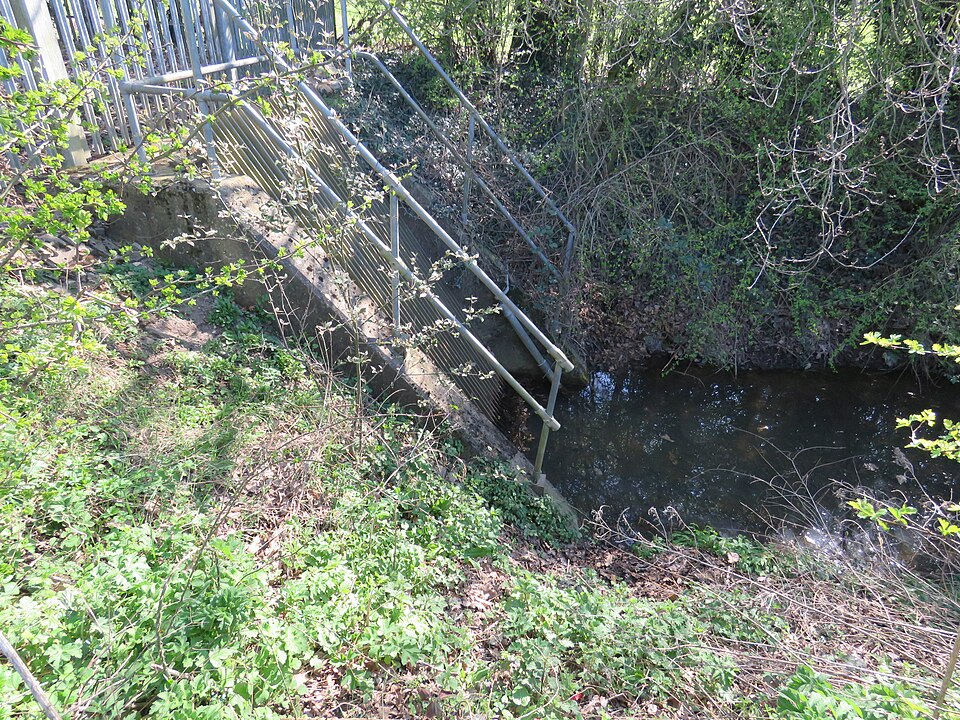
A pumping station is a barrier and a hazard to anything living in the watercourse, and eels in particular migrate through these systems and encounter the pumps.
In 1960 that was noticed but not managed, and in some places eels were caught at the station as a matter of course.
It is now a designed-for problem, with fish-friendly pump designs, screening at appropriate spacing, bypasses and passes, and legal obligations about migratory species. That is one of the clearest examples in water engineering of an environmental consideration becoming a design requirement rather than an afterthought.
14. The stations were built to be looked at
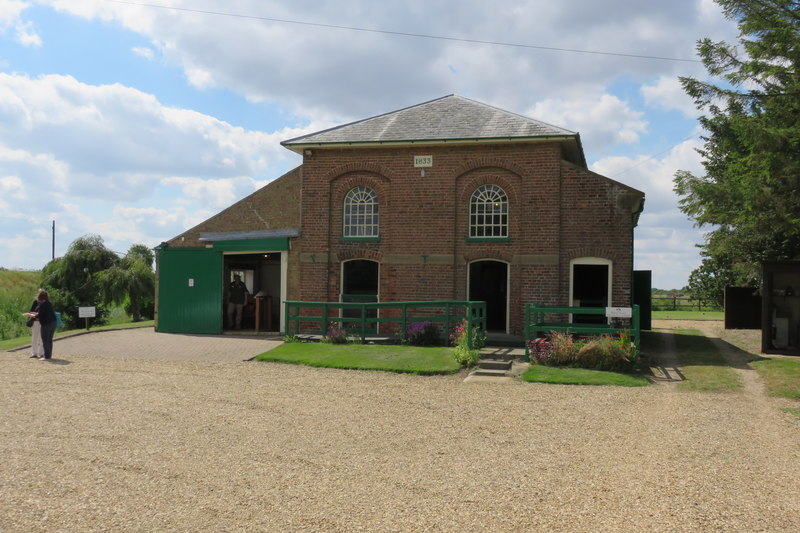
Drainage pumping stations of the steam and early diesel era were frequently handsome buildings: good brickwork, proper proportions, a date stone and the name of the drainage board on the front.
That was partly civic pride in a public work and partly the ordinary building standards of the period applied to an industrial building.
Many survive, some in preservation with their engines running on open days, and they are among the more rewarding industrial buildings to visit precisely because the machinery is comprehensible. Modern stations are sheds, functional and anonymous, which is a fair trade for pumps that work and nobody would defend as architecture.
15. Electrification changed the economics completely
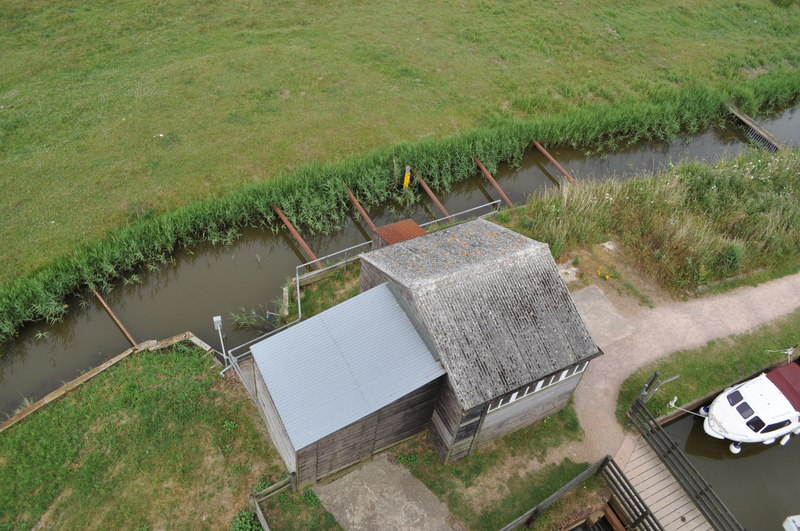
Mains electricity reaching rural districts allowed pumps to be driven by electric motors: no fuel delivery, no engine starting, no resident attendant, instant response and far lower maintenance.
That is why the resident engineman disappeared, and it happened over a relatively short period as the rural grid extended.
Diesel survived and survives as standby capacity, because a drainage district that depends entirely on mains power has a single point of failure in exactly the weather that causes flooding. So the modern arrangement is electric primary pumping with diesel standby, automatically controlled, remotely monitored, with people arriving when something needs doing rather than living on site.
16. The question now is whether to keep pumping at all
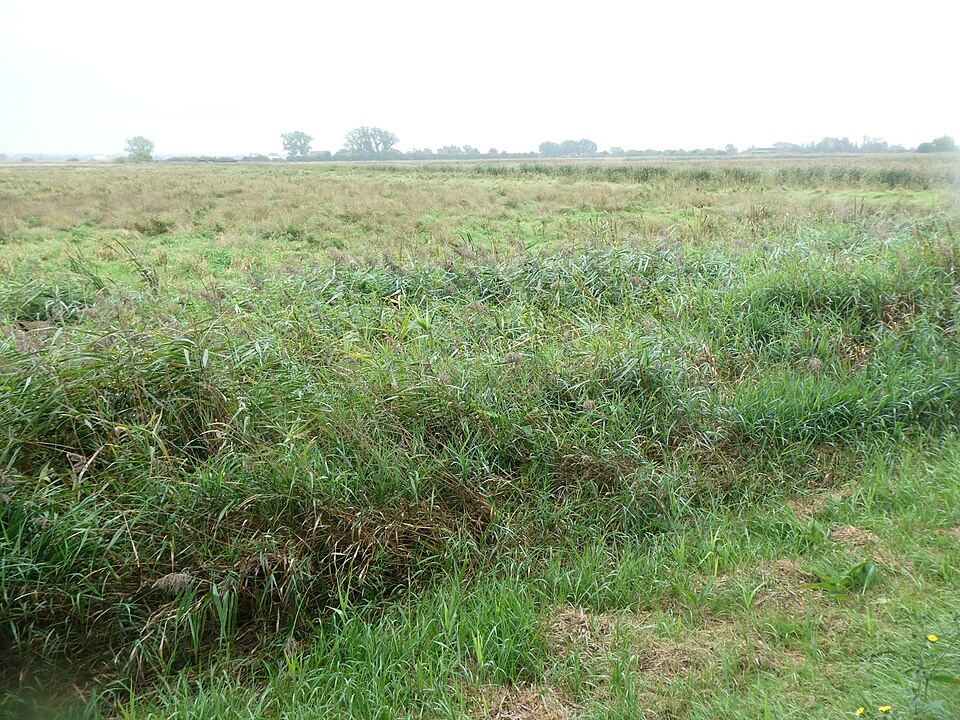
Because drained peat soil keeps sinking and keeps releasing what it stored, the long-term position of some drained lowland is genuinely in question, and managed re-wetting of some areas is being done and discussed in several countries.
That is a decision about land use, food production, carbon and flood risk together, and it is being taken slowly and with difficulty because real communities and real farms are involved.
This file takes no position on it. The factual point is that the engineman’s job existed to hold a situation that was always changing underneath him, and that the direction of change has not stopped. The honest summary: on drained lowland the fields sit lower than the river, so water must be lifted continuously or the land floods; drained peat soil shrinks and oxidises so the ground falls and the required lift increases decade by decade, which forced scoop wheels to be replaced by pumps; the engineman lived at the station with his family because the engine needed somebody present; starting a large slow diesel was a sequence rather than a switch, so engines ran continuously through wet spells and the judgement was when to start; clearing weed and trash from the intake screens by hand was the most frequent job and the system’s permanent weak point; and electrification removed the fuel, the starting, the maintenance and the resident attendant within a relatively short period.
The ground is still moving
Everything about this job was an attempt to hold a position that kept shifting. Drained peat soil shrinks and oxidises once the water is taken out, so the land surface falls, so the lift increases, so the pumps get bigger and the drainage gets more expensive and more essential at the same time. Scoop wheels were defeated by it, diesels replaced them, electricity replaced the resident engineman, and the underlying process has not stopped, which is why some drained lowland is now the subject of a serious argument about whether to keep pumping at all.
Nobody thanks you for a dry field. The whole system is designed to be invisible, which is the measure of it working and the reason it is so easy to underestimate.
Like our content? Follow us for more.
