Spelling was taught as elimination, in public, as the ordinary method.
The class stood in a line along the wall. A child who missed a word sat down, and a child who spelled a word somebody else had missed took that person’s place – so the room itself was the scoreboard and nobody had to keep score. The words came from a single graded speller worked through in order, the same book across the district and often the same one the parents had used.
Oral spelling is a different task from written spelling: the hand and eye check each other on paper, while reciting letters gives you no feedback and requires the whole sequence held in mind. The evening bee was a public event with parents and neighbours attending. Adults competed too. And elocution was the other half of the same training. Here are fifteen things every schoolchild knew.
1. Spelling Was Taught as a Competition, on Purpose
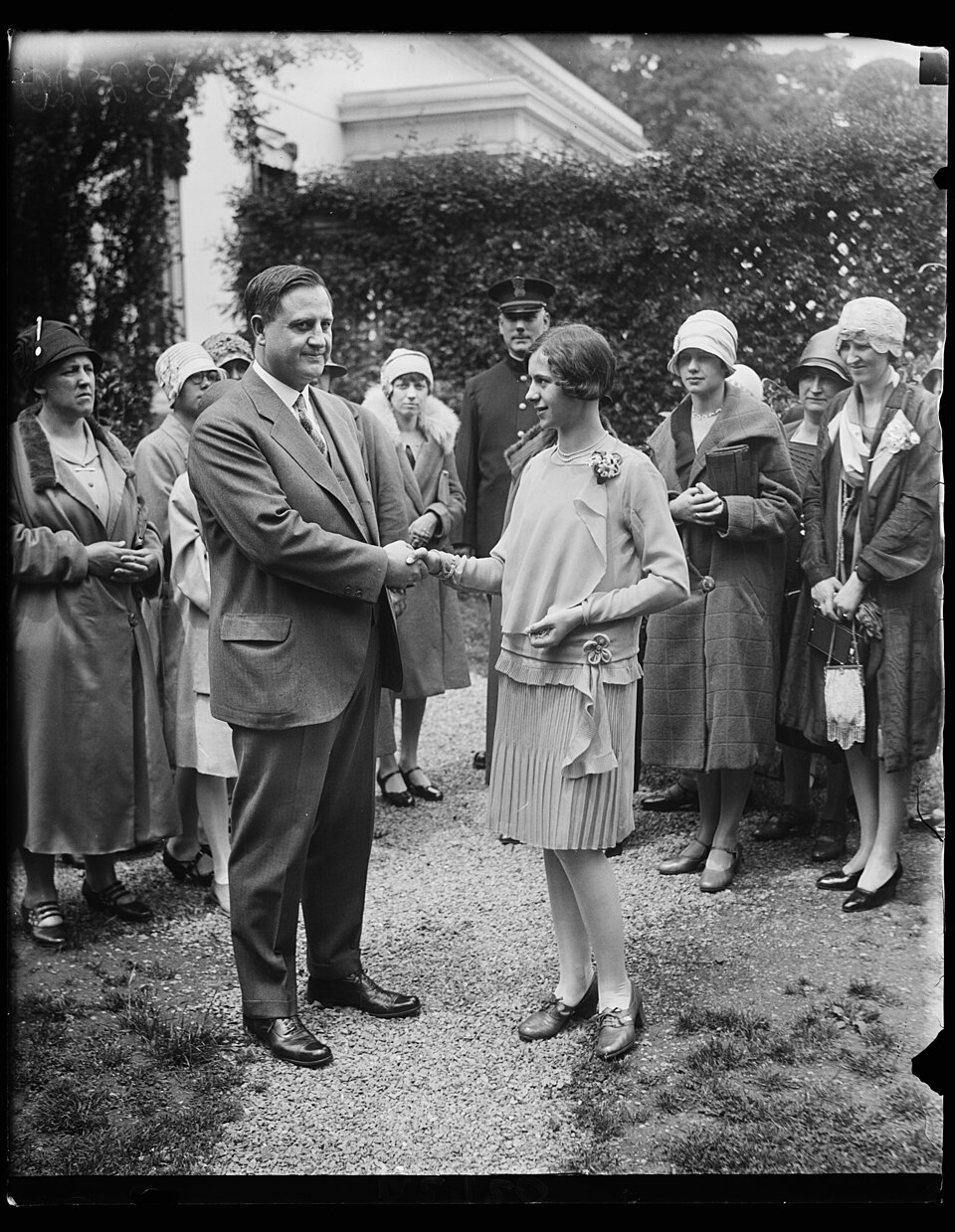
Pupils were lined up and spelled aloud in turn, and getting a word wrong put you out – which was the standard method rather than an occasional game.
Spelling is taught in writing, assessed privately, and competition is optional and separate.
Starting with the method rather than the event is important because people remember the event and forget that this was ordinary teaching. Daily or weekly elimination spelling was simply how the subject was done, which means a child spelled aloud in front of everybody as a matter of routine.
Like our content? Follow us for more.
2. Standing Up Was the Whole Design
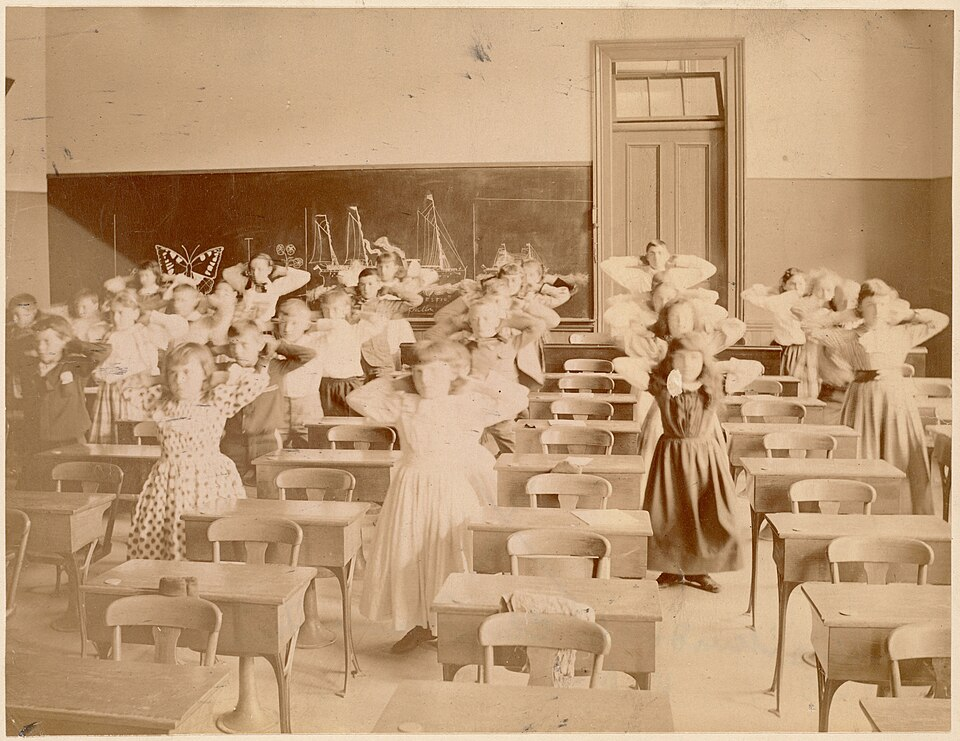
The class stood in a line along the wall, and a child who missed sat down – so the state of the room showed everyone’s standing at a glance.
Not applicable.
The physical arrangement is what made the method work and also what made it hard. Nobody needed a score kept, because the line itself was the score – which gave instant feedback to the teacher and public exposure to the child, from the same single mechanism.
3. Moving Up the Line Was the Reward
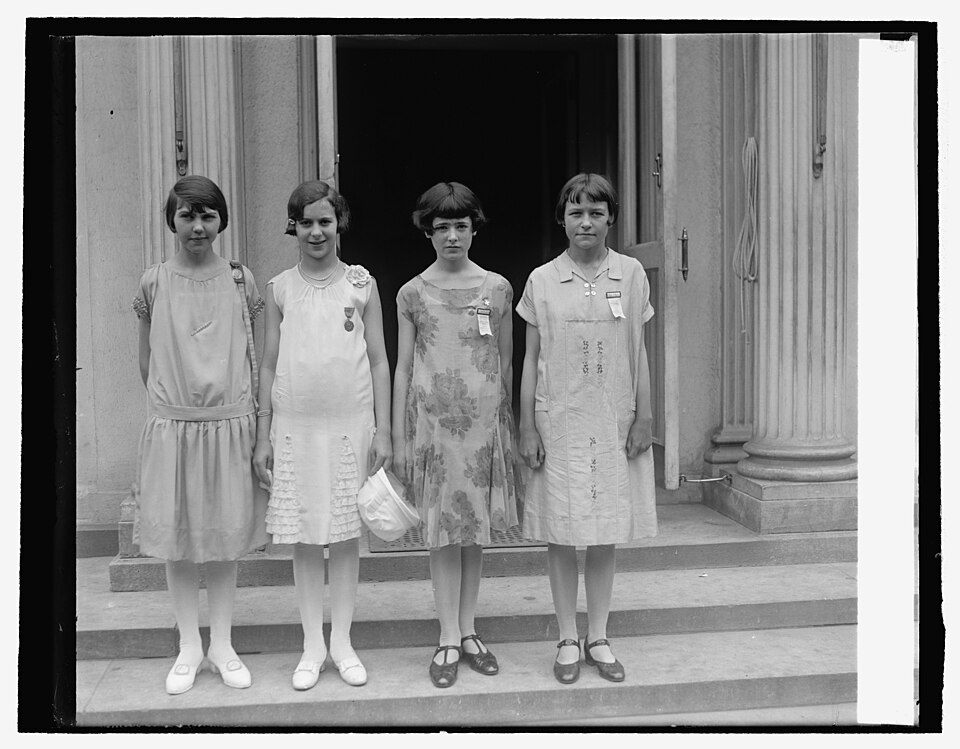
A child who spelled a word another had missed took that person’s place, so position in the line was earned and visibly held.
Not applicable.
The place-taking rule is the clever part and it explains the engagement. The reward is immediate, it is positional rather than abstract, and it comes directly from somebody else’s failure – which is a powerful motivator and also exactly the objection later raised against the whole thing.
4. The Words Came From a Single Book
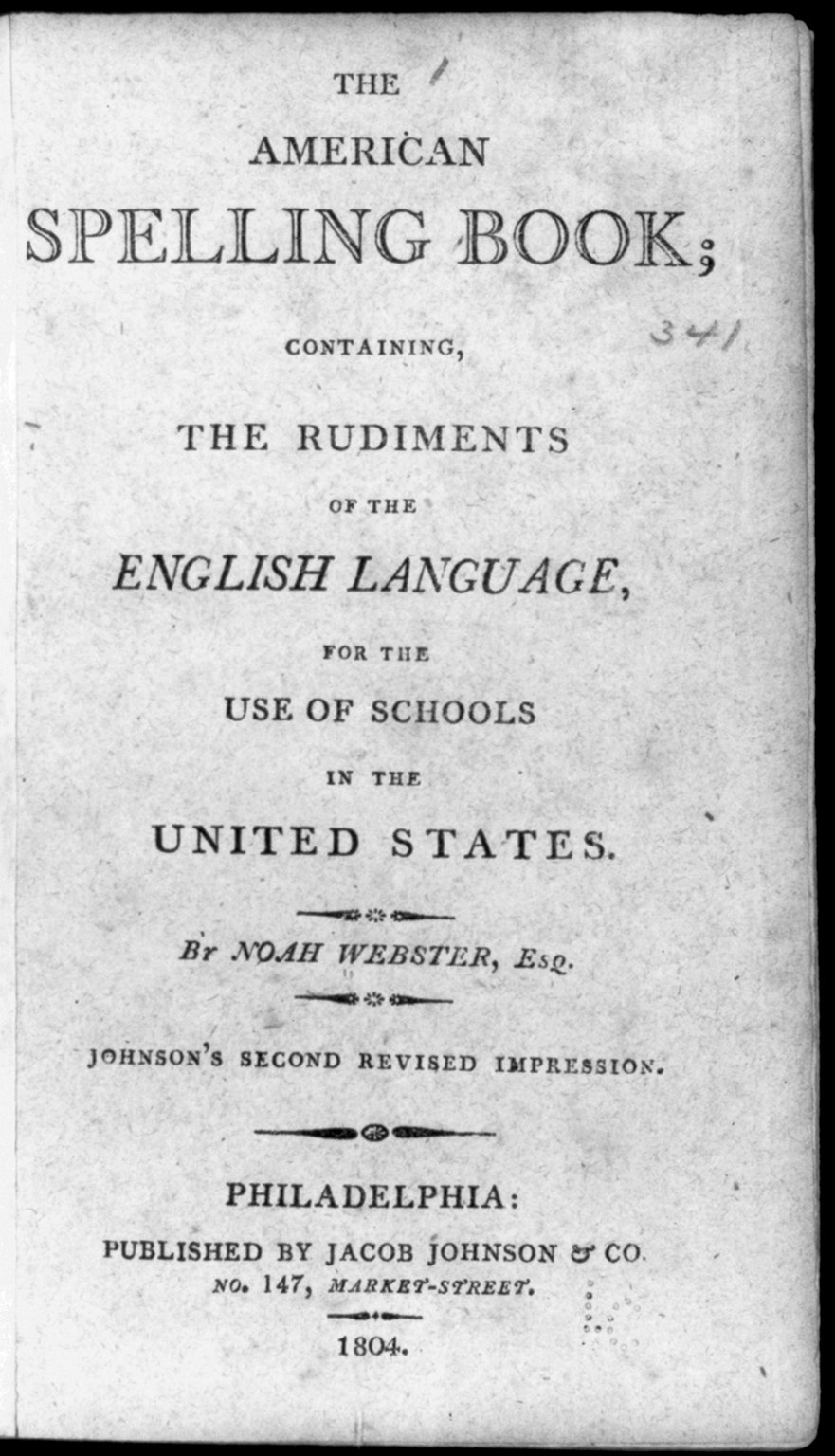
A graded spelling book, worked through in order, supplied the lists – and the same book was used by everybody in the district and often by their parents before them.
Varied materials, with lists drawn from reading content rather than from a standalone speller.
The single shared book is a detail with large consequences, and it is why the memories match so closely across the country. Everyone was working through the same sequence in the same order, which produced a common body of words and a common experience that crossed states and generations.
5. Oral Spelling Taught Something Written Spelling Does Not
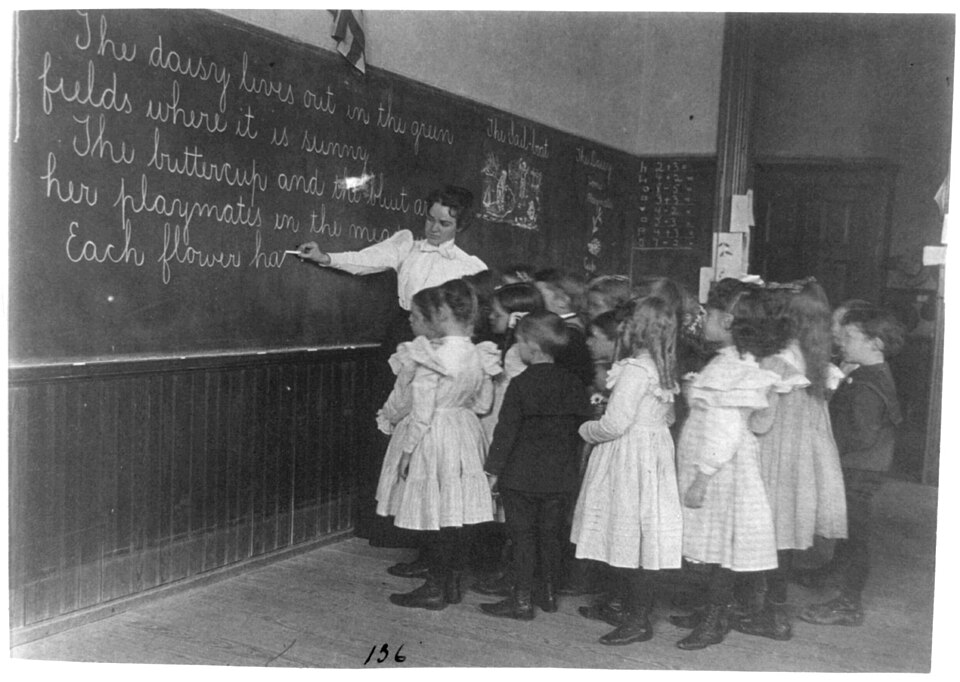
Spelling a word aloud, in order, without seeing it, requires holding the whole sequence in mind and producing it – which is a different task from writing it.
Rarely practised.
The cognitive difference is real and it is worth defending the old method on. Writing lets the hand and the eye check each other as you go; speaking a word letter by letter gives you no feedback at all and requires the entire sequence to be held and recited – which is genuinely harder and builds something different.
6. The Bee Was a Public Event, Not a Classroom Exercise
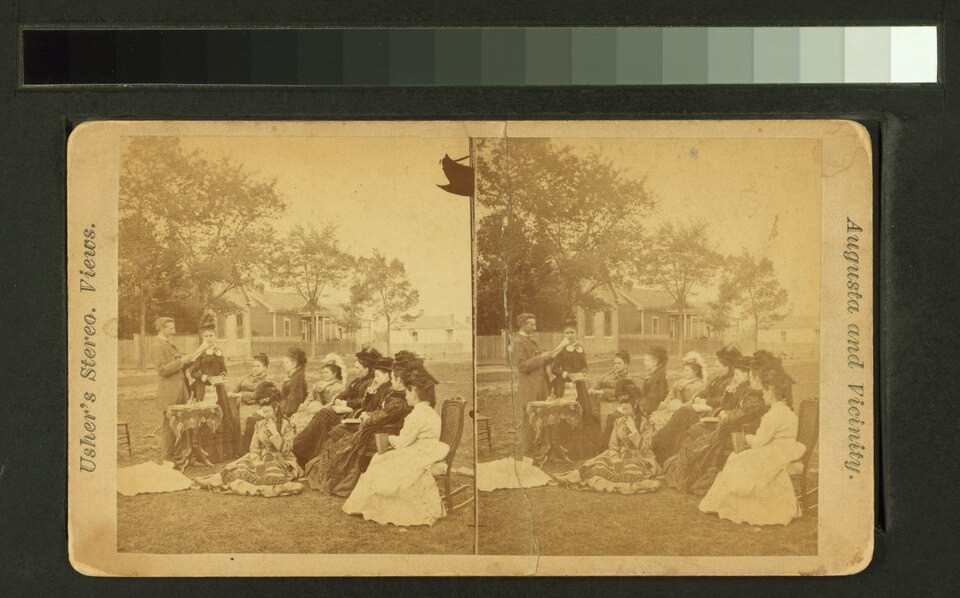
The school or district spelling contest was held in the evening, parents and neighbours attended, and it was one of the recognised entertainments of the winter.
Contests exist and are watched, but as specialist competition rather than community entertainment.
The audience is what separates the bee from the lesson and it changed the stakes entirely. A child spelling in front of the class is exposed to twenty people who are in the same position; a child spelling on a platform in front of the district is representing a family in public.
7. Adults Competed Too

Grown-up spelling matches between neighbours, districts and visiting teams were held, and they were taken seriously.
Not applicable.
The adult version is the detail people find most surprising and it reframes the whole subject. Spelling was not treated as a children’s skill to be outgrown but as a competence adults could display – which tells you how much weight the period put on it.
8. Elocution Was the Other Half
Alongside spelling, pupils memorised pieces and delivered them aloud with instruction in voice, gesture, pacing and expression.
Oral presentation is taught, usually without the memorisation or the formal gesture.
Pairing the two subjects makes sense once you see the shared purpose. Both are about producing language aloud, in public, under pressure and to a standard – and a school that drilled both was deliberately training children to stand up and perform rather than only to read and write.
9. The Gestures Were Taught From a System
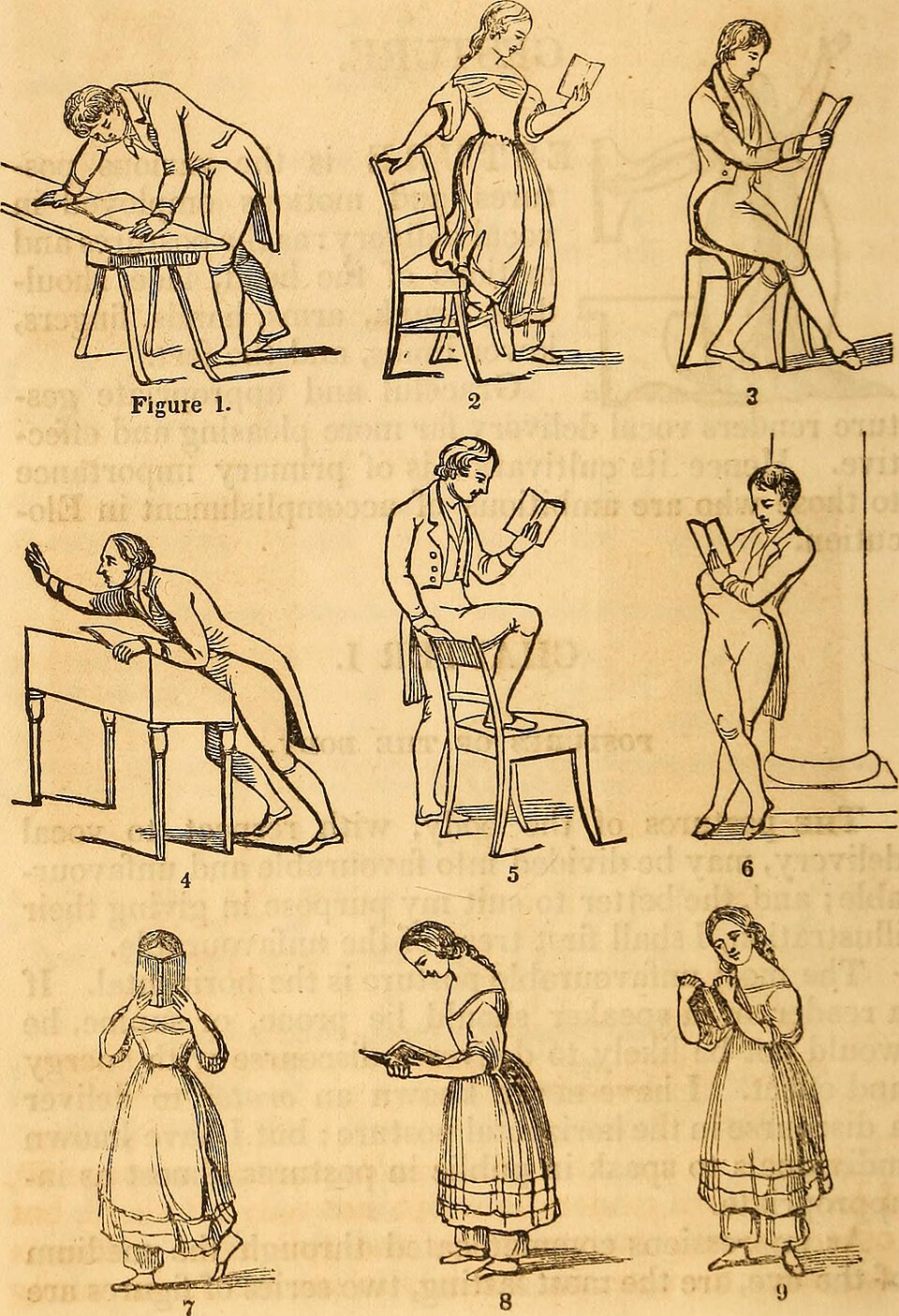
Delivery was not left to instinct. There were recognised positions and movements for the hands, arms and body, taught and practised, with manuals that specified them.
Not applicable.
The formal gesture system looks absurd now and had a real logic. Without amplification, a speaker in a hall must carry to the back of the room with body and voice alone, and a shared vocabulary of movement makes meaning legible at a distance – so the stiffness people mock was a solution to a problem that has since been solved electrically.
10. Memorising Long Pieces Was Routine
Children held substantial amounts of text in memory and could produce it on demand, sometimes for the rest of their lives.
Uncommon.
The scale of the memorisation is the thing that genuinely does not transfer to the present, and the mechanism is simple repetition over time. Whether it was worth the hours is a fair argument, but the capacity was real – and a great many people carried those pieces into old age.
11. The Nervousness Was the Point and Also the Problem
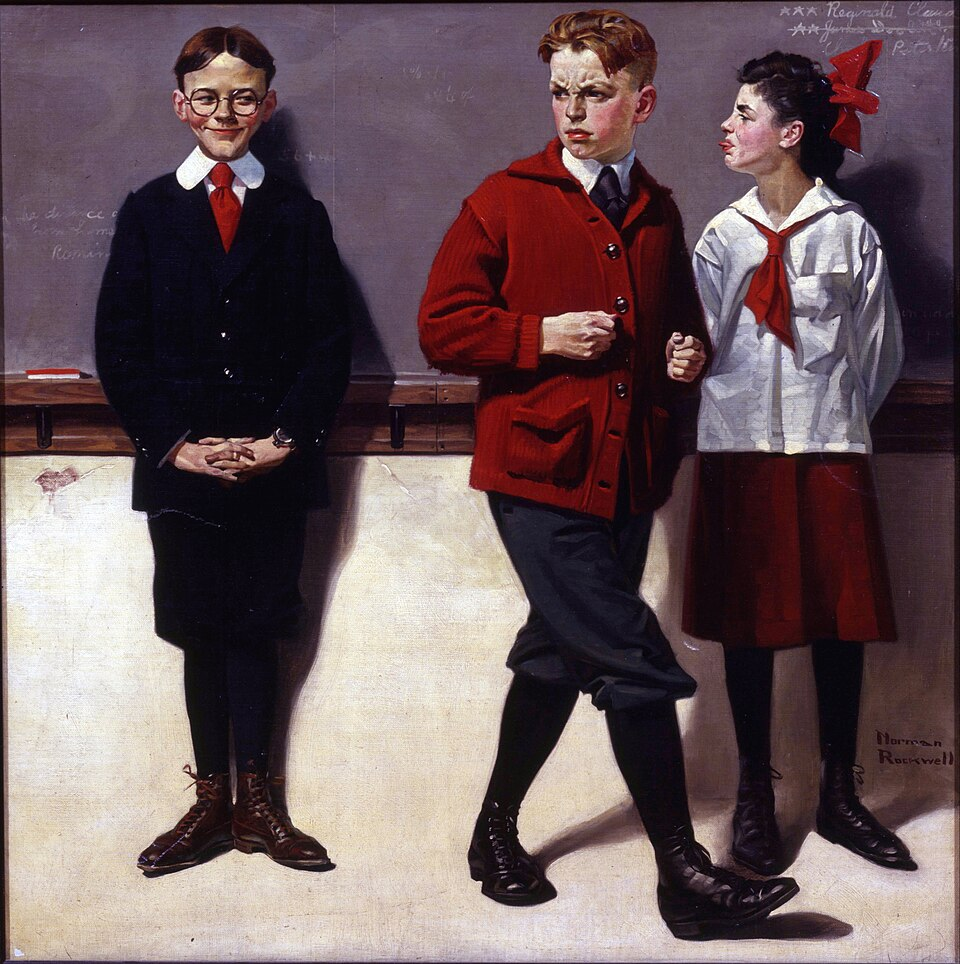
Standing up to spell or recite in front of an audience was frightening, and the experience was defended as character-building by people who also acknowledged what it cost.
Approaches have changed considerably, with much more attention to the cost.
This deserves an honest treatment rather than either nostalgia or condemnation. Practice at speaking in public under pressure is a genuinely useful thing to have, and compulsory public failure in front of your neighbours is a genuinely harmful thing for some children – and both of those were true at once, in the same room, which is why the method was eventually reconsidered.
12. The Child Who Could Not Do It Had Nowhere to Hide
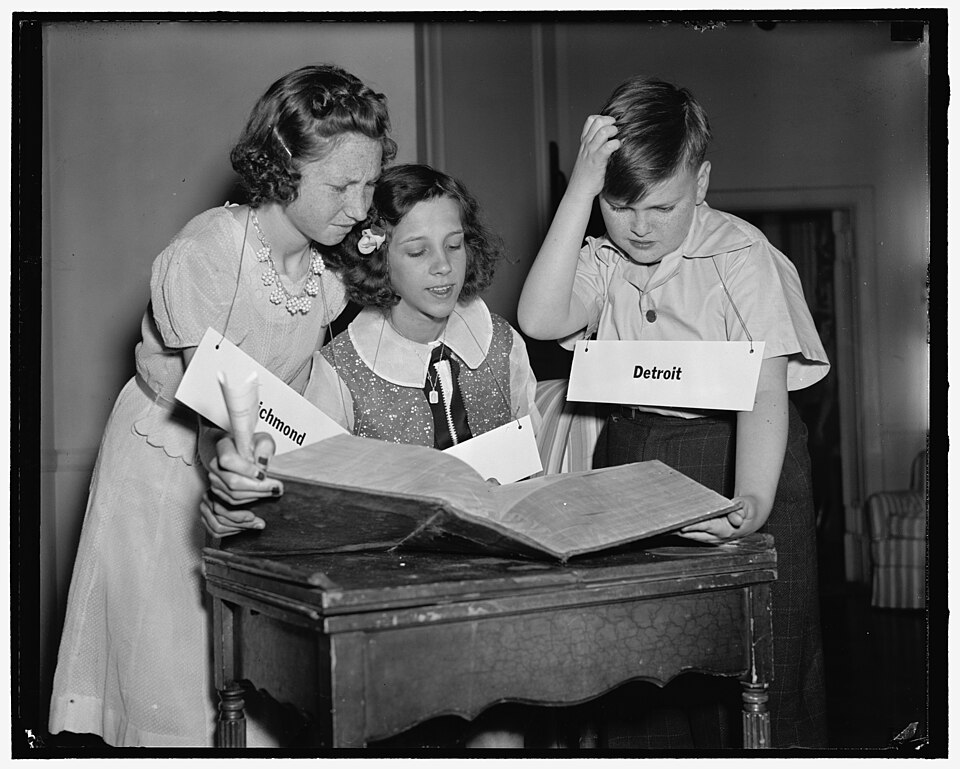
A pupil who struggled with spelling or froze in front of an audience failed in public, repeatedly, in front of everybody they knew.
Assessment is largely private.
The exposure is the strongest argument against the whole system and it should be stated plainly. A method whose feedback mechanism is public makes every difficulty a performance – and for a child who found the subject hard, or who simply could not speak in front of people, the arrangement guaranteed humiliation on a schedule.
13. Then the Teaching Moved to Paper and Privacy
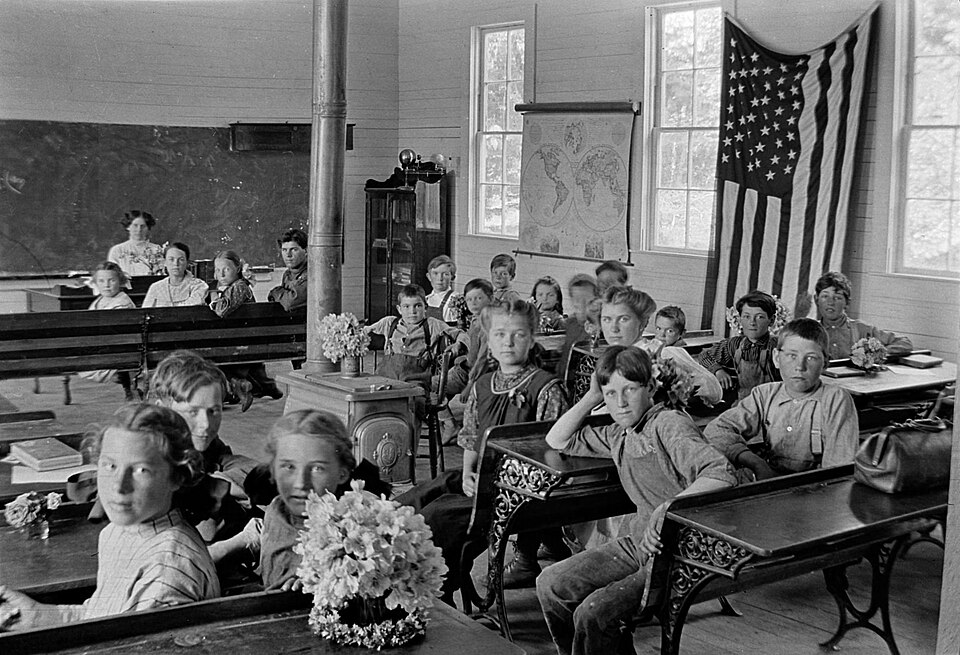
Written assessment, individual work and private marking replaced public elimination, in part because the costs of the old method were taken more seriously.
Standard.
The shift to private assessment is a considered improvement rather than a loss of nerve. If the object is to find out whether a child can spell, a written test does it without an audience – which gets the information at a far lower cost to the child who cannot.
14. Then the Reasons for Elocution Disappeared

Amplification, recorded sound and broadcast changed what public speaking required, and a trained declamatory delivery stopped being the standard.
Universal.
Technology removed the problem that elocution solved and that is the honest account of its end. A microphone makes carrying to the back of a hall unnecessary, and a conversational delivery that would have been inaudible in 1890 became the normal and preferred style.
15. And by 1964 It Survived as a Contest Rather Than a Method
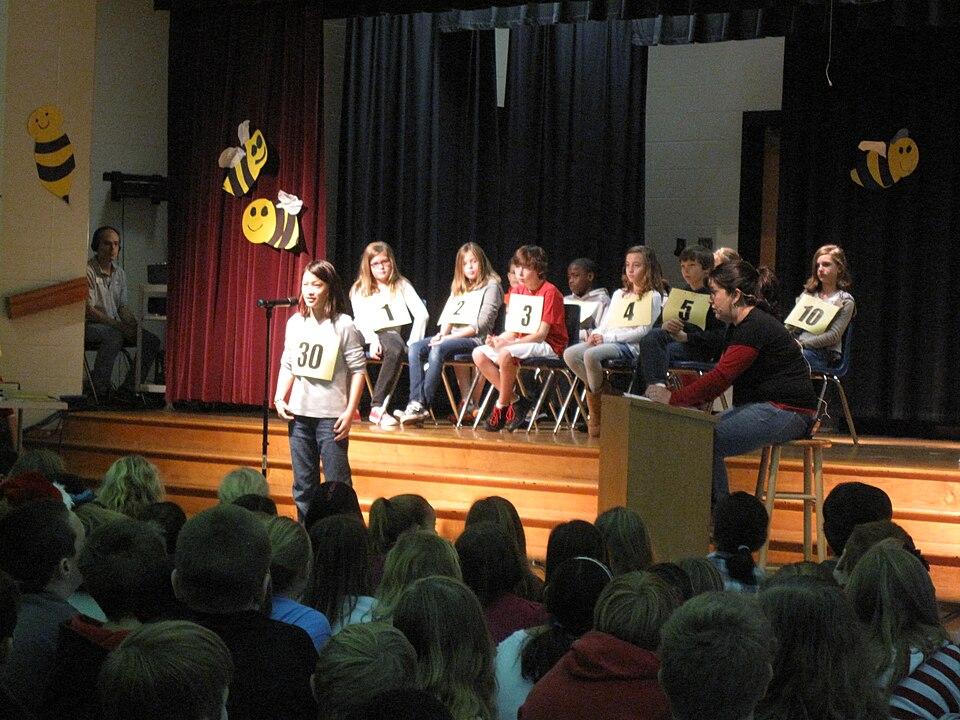
The spelling bee continued as a competition while elimination spelling had largely gone from daily teaching, and elocution had mostly disappeared altogether.
The contest persists, with far greater specialisation.
And the thing worth sitting with is that both halves of this were training children in the same specific capability, which was standing up in front of people and producing something correct under pressure. That got taught, drilled and rewarded in every district in the country, to every child, whether or not they were any good at it – and the rewards were public and so were the failures. It produced adults who could spell, recite at length and address a room, and it also produced adults who remembered sitting down in front of everyone they knew at the age of nine. Both of those are real. The change since was not a decline in standards but a decision that the information could be got another way and the cost did not have to be paid – which is correct. The capability, though, was genuinely useful, and nothing in particular replaced the part of school that was simply practice at standing up.
Both Halves Were Teaching the Same Thing: Standing Up
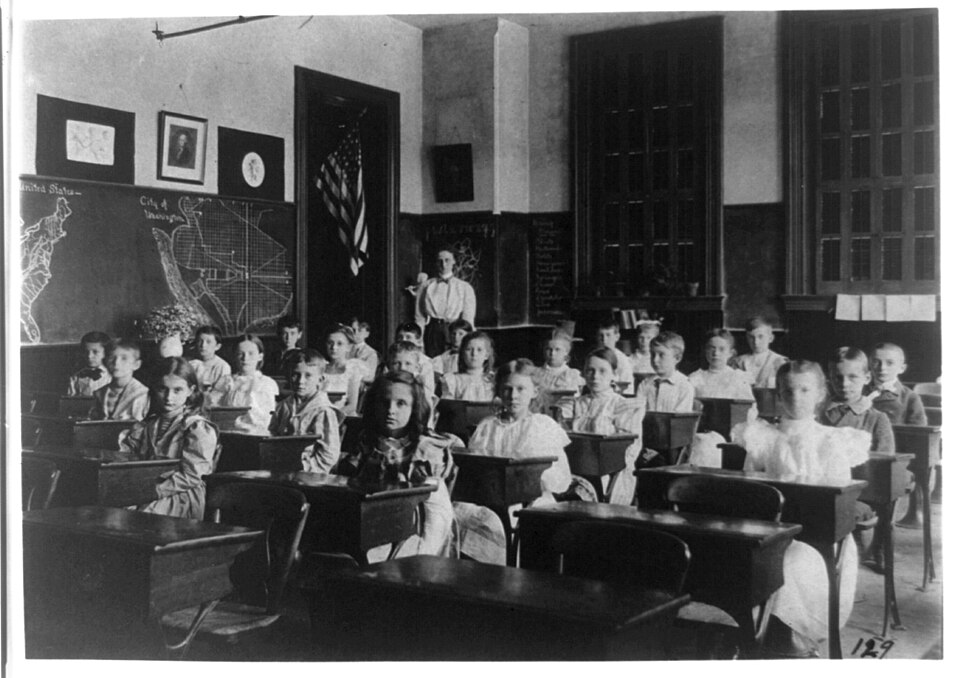
The spelling bee is remembered as an event, which hides the fact that elimination spelling was simply how the subject was taught.
Pupils stood in a line along the wall and spelled aloud in turn. Miss a word and you sat down. Spell a word somebody else missed and you took their place in the line. That was ordinary daily or weekly teaching, not an occasional game.
And the arrangement is cleverer than it looks.
The line was the score. Nobody needed to record anything, because the state of the room showed every child’s standing at a glance – which gave the teacher instant information and the child public exposure from the same single mechanism. The place-taking rule supplied the motivation: immediate, positional, and earned directly from somebody else’s failure. That is powerful, and it is also precisely the objection later raised against the whole method.
The words came from one graded speller, worked through in order, used across the district and often by the previous generation. Which is why memories of this match so closely from state to state: everybody was moving through the same sequence in the same order.
There is a real case for the oral method, and it is worth making. Writing a word lets the hand and the eye check each other as you go. Spelling it aloud gives no feedback whatever – the entire sequence has to be held in mind and produced in order, which is a harder task and builds something different.
Then there was the public version. The district bee was held in the evening, parents and neighbours came, and it was one of the recognised winter entertainments. That changed the stakes completely: a child spelling in front of the class faces twenty people in the same position, while a child on a platform is representing a family in public. Adults competed too, in matches between neighbours and visiting districts, taken seriously – which tells you spelling was not regarded as a children’s skill to be outgrown but as a competence an adult could display.
Elocution was the other half, and the pairing makes sense once the shared purpose is visible.
Pupils memorised substantial pieces and delivered them aloud with instruction in voice, gesture, pacing and expression. The gestures were not left to instinct: there were recognised positions and movements for hands, arms and body, taught from manuals that specified them. That looks absurd now and had a real logic – without amplification, a speaker must carry to the back of a hall on body and voice alone, and a shared vocabulary of movement makes meaning legible at a distance. The stiffness people mock was a solution to a problem that has since been solved electrically.
The memorisation was on a scale that does not transfer to the present. Children held long texts and could produce them on demand, sometimes for the rest of their lives. Whether the hours were well spent is a fair argument; the capacity was real.
And now the honest part, because this subject does not deserve either nostalgia or condemnation.
Practice at speaking in public under pressure is genuinely useful, and a great many adults were glad to have had it. Compulsory public failure in front of your neighbours is genuinely harmful for some children. Both of those were true at once, in the same room.
The child who struggled with spelling, or who simply could not speak in front of people, had nowhere to hide. A method whose feedback mechanism is public makes every difficulty a performance, and for that child the arrangement guaranteed humiliation on a schedule. That is the strongest argument against it and it should be stated plainly.
So the teaching moved to paper and privacy. If the object is to find out whether a child can spell, a written test gets the information without an audience – at a far lower cost to the child who cannot. That is a considered improvement, not a loss of nerve.
And elocution ended because its problem was solved. Amplification, recording and broadcast made carrying to the back of a hall unnecessary, and a conversational delivery that would have been inaudible in 1890 became the preferred style.
What both halves had been training, though, was one specific capability: standing up in front of people and producing something correct under pressure. Every child in every district got that, whether or not they were any good at it, with public rewards and public failures.
It produced adults who could spell, recite at length and address a room. It also produced adults who remembered sitting down in front of everyone they knew at the age of nine.
The cost did not have to be paid, and now it is not. But nothing in particular replaced the part of school that was simply practice at standing up.
If you can still recite something you learned at nine, that was the system working.
And if you remember sitting down, that was the system too.
Like our content? Follow us for more.