Nobody could thresh their own grain, so the neighbours became one crew.
The machine cost more than any single farm could justify for a few days’ use a year, and it needed a dozen to two dozen people to keep it fed. So a group of farms owned or hired one separator between them and worked every farm in the group in turn – which meant your harvest date depended on where you sat in the queue.
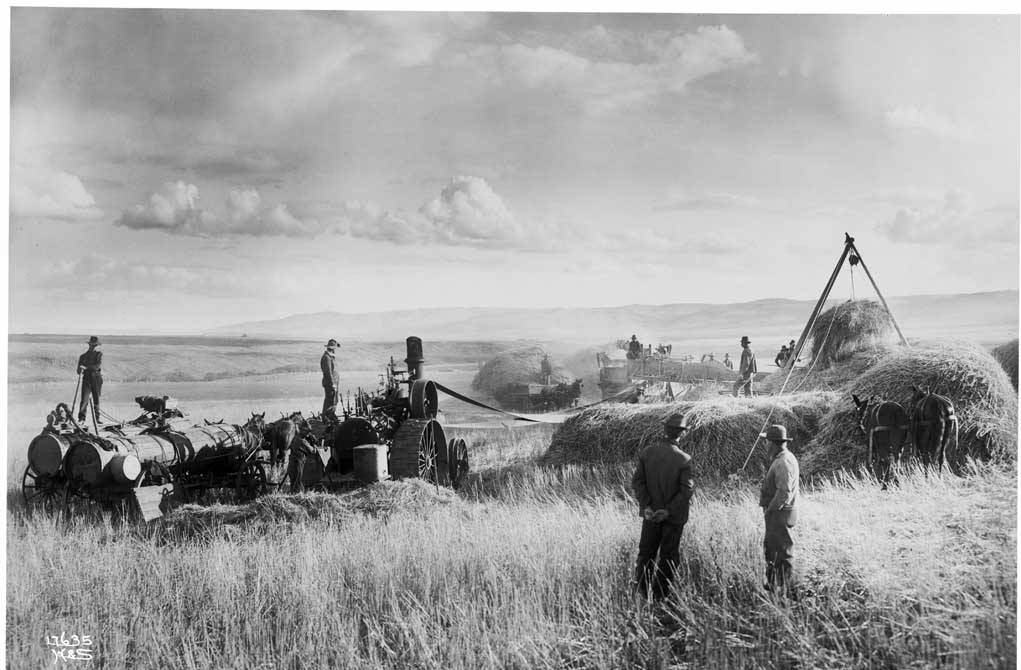
The engine stood fifty feet back and drove the separator through a long flat belt, deliberately, to keep fire away from dry straw. Inside, a cylinder beat the grain loose, shaking screens separated it, a fan blew the chaff off and an elevator delivered clean grain to a spout – four operations that had each been a separate hand job. Here are sixteen things every American farm family knew.
1. Nobody Could Thresh Their Own Grain Alone
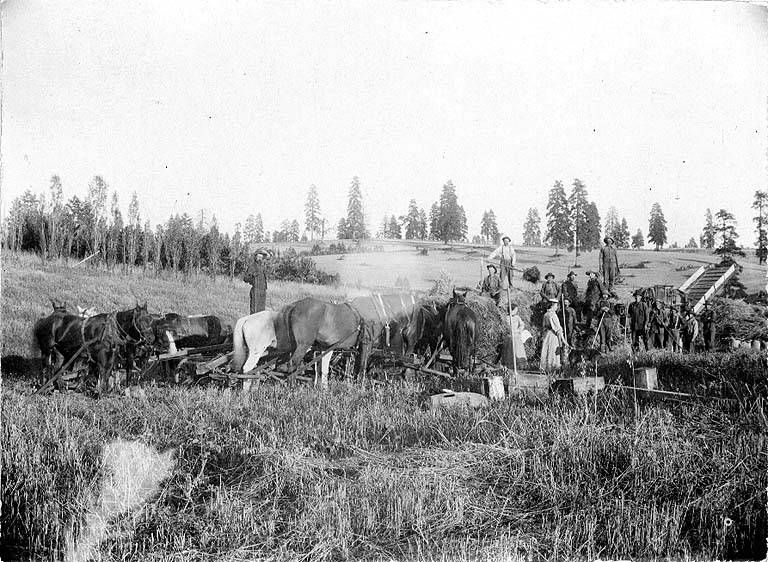
Separating grain from straw at any useful speed needed a machine too expensive for one farm and a crew too large for one family, so neighbours combined into a group that worked every farm in turn.
One person with a combine does the entire job alone in a few hours.
Start with why the arrangement existed at all, because it was not sociability. The machine cost more than a farm could justify for a few days’ use a year, and it required somewhere between a dozen and two dozen people to feed it – so the only way to have one was to share both the machine and the labour across a group of farms.
Like our content? Follow us for more.
2. The Machine Was One Machine for a Whole District
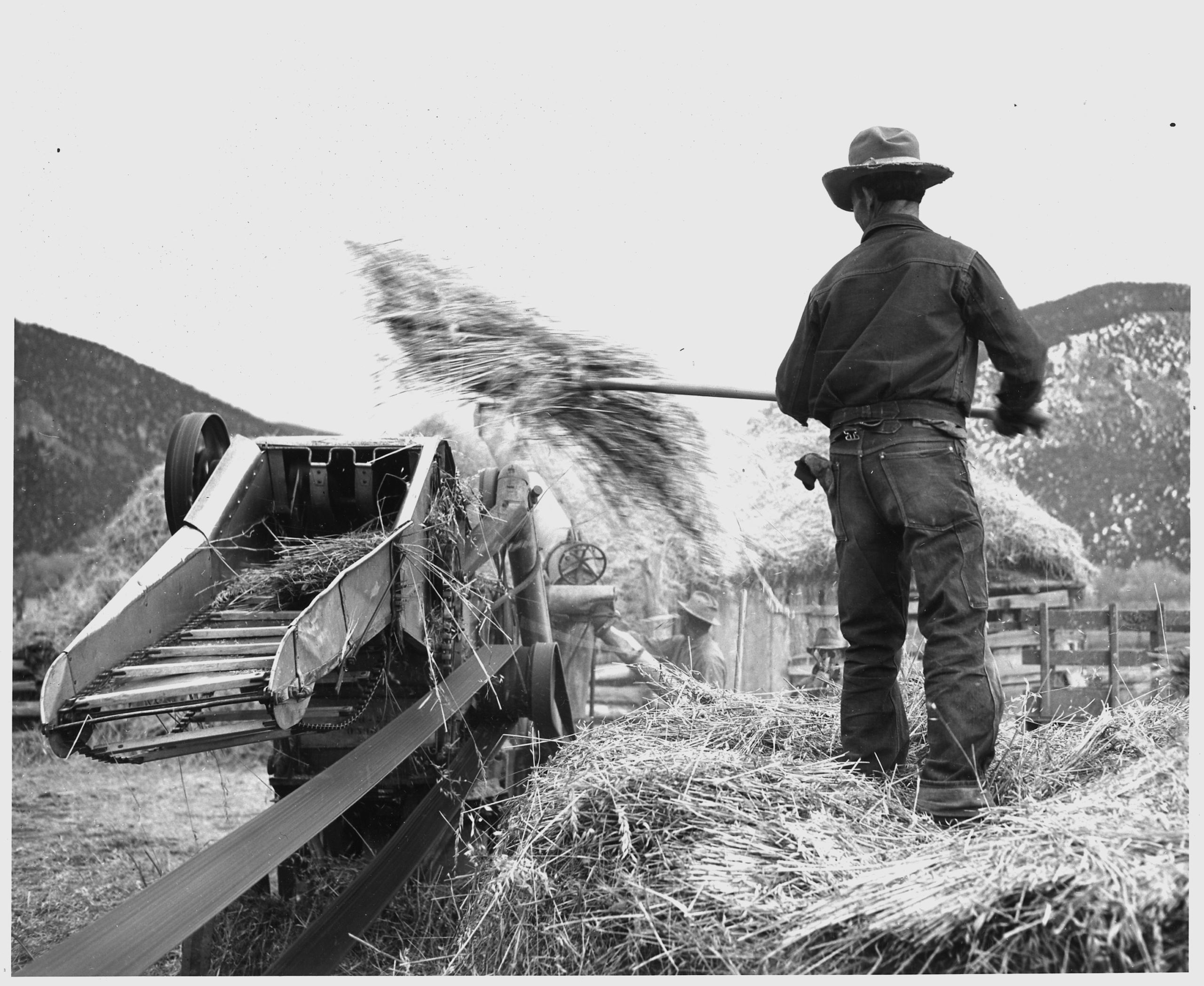
A separator and the engine to drive it travelled from farm to farm through the season, owned by a ring of farmers, by one farmer who hired it out, or by a man who threshed for a living.
Every operator owns their own harvesting machine.
The single shared machine is the fact that organised everything. One separator in a township means the farms are threshed in a sequence, that sequence is negotiated, and a farm’s harvest date is decided by where it sits in the queue rather than by when its own grain is ready.
3. Everything Ran Off One Long Belt
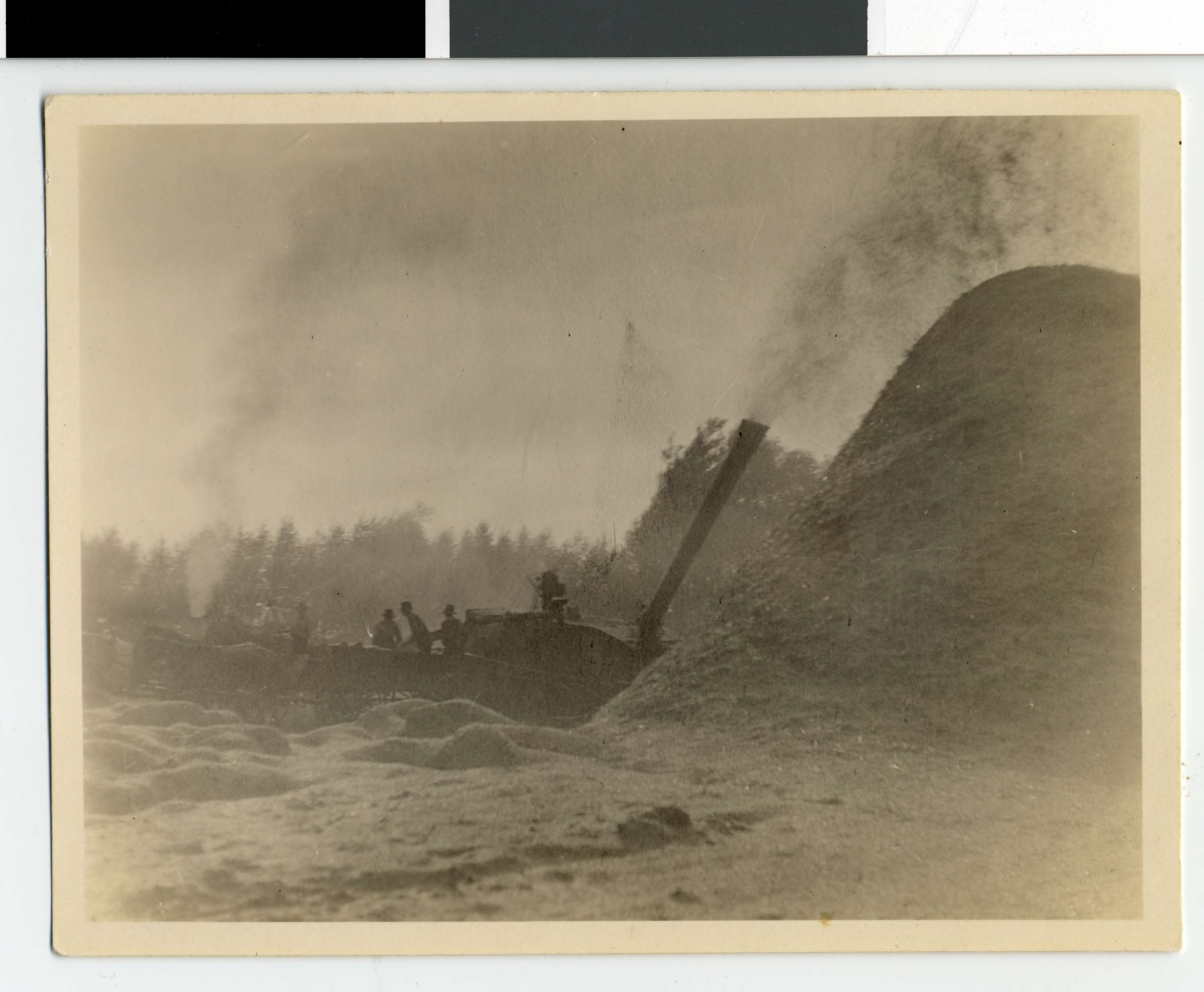
The engine stood well back from the separator and drove it through a wide flat belt, often fifty feet or more of it, running between two large pulleys.
Power is on board and the belt is gone.
The long belt looks like an inconvenience and is a deliberate safety and fire measure. Keeping a fire-breathing engine that far from a building full of dry straw and chaff was the point, and the length also let the belt absorb the shocks of a machine whose load changed every second.
4. Lining Up the Belt Was the Day’s First Skill
The engine had to be positioned so that the belt ran straight and at the right tension, which was done by eye and by moving a very heavy machine a few inches at a time.
Not applicable.
This is where the day either started well or did not. A belt slightly out of line climbs off its pulley under load, which stops everything and sends a heavy flapping belt somewhere unpredictable, so the man on the engine took as long as he needed and nobody hurried him.
5. The Separator Did Four Jobs at Once
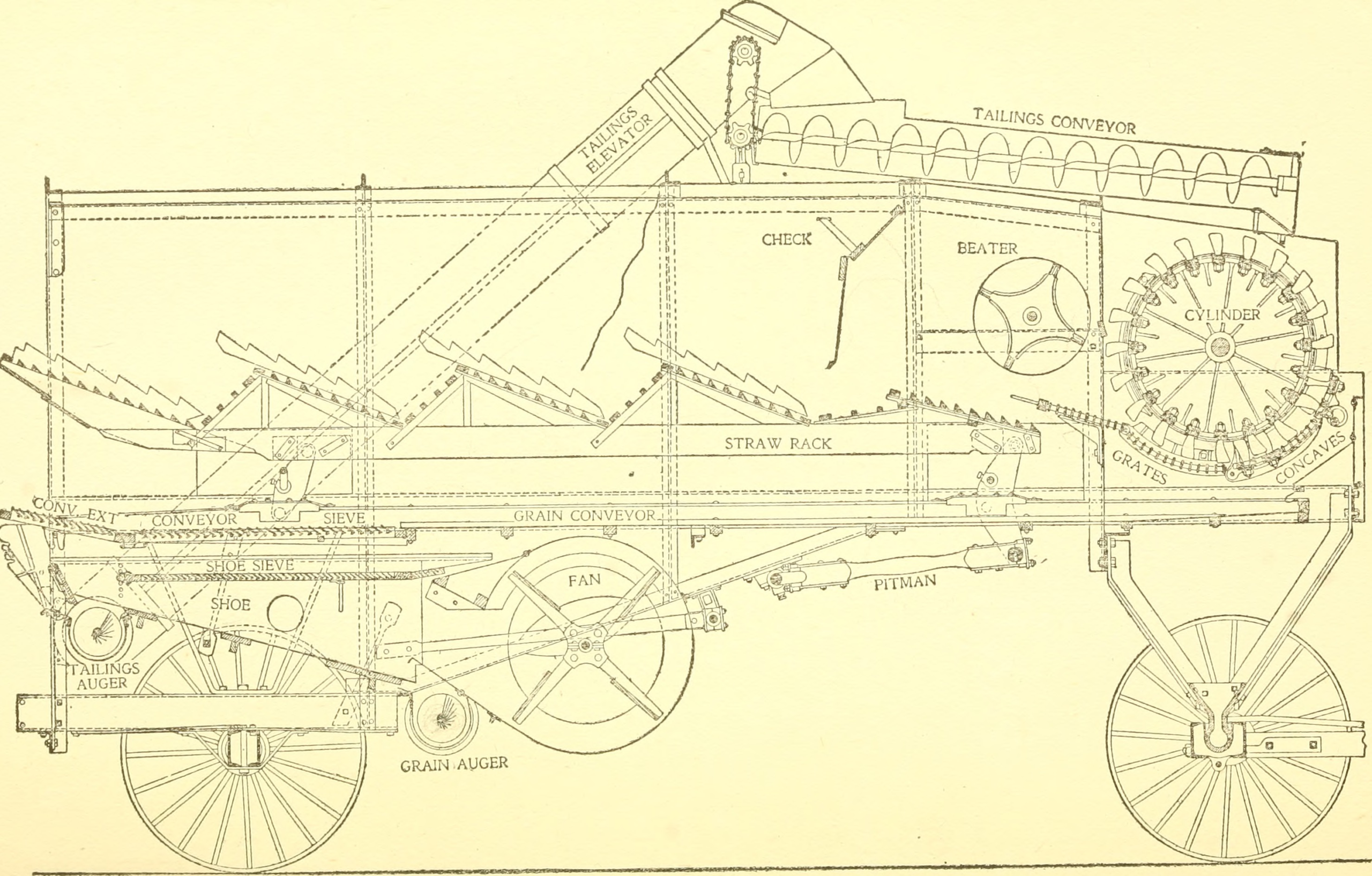
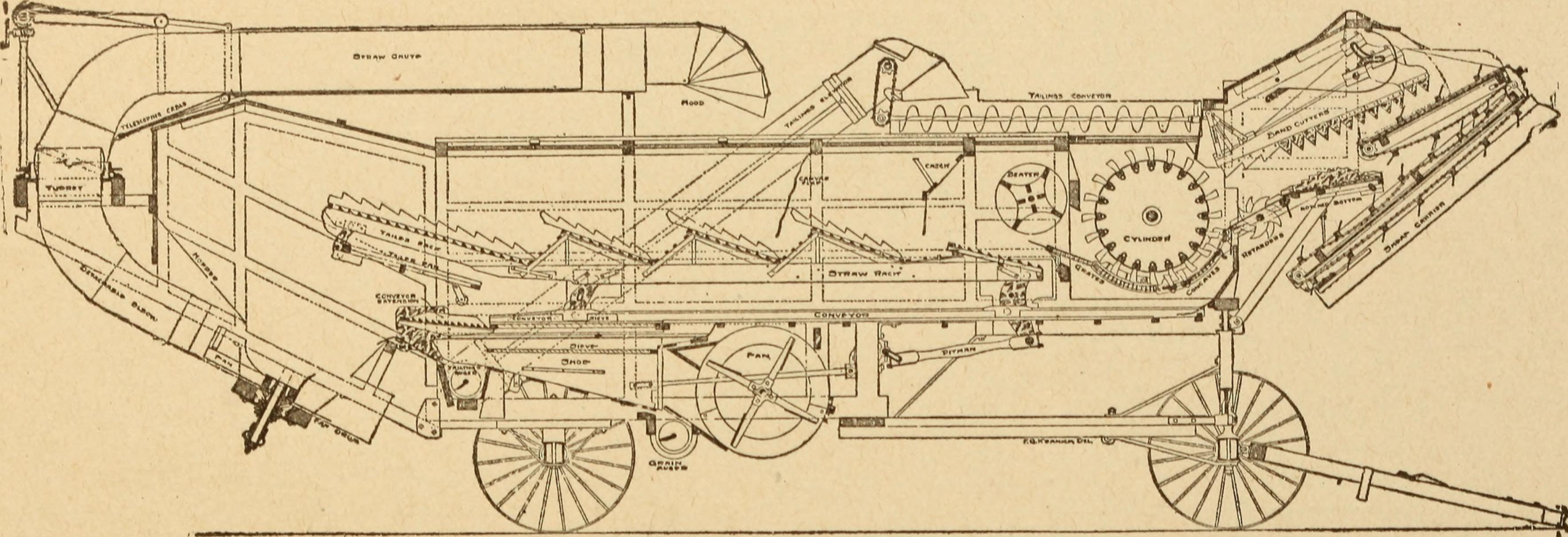
Inside the machine, a cylinder beat the grain loose, a series of shaking screens separated it from the straw, a fan blew the chaff away, and an elevator delivered clean grain to a spout.
The same four operations happen inside a combine, in the same order.
Understanding the machine makes the whole scene intelligible. Beating, shaking, winnowing and conveying are four distinct problems, each of which had previously been done as a separate hand operation over weeks – and the separator’s achievement was performing all four continuously on a stream of material.
6. Feeding It Was the Most Demanding Position
Bundles went into the machine head first at a steady rate, and the man feeding had to keep the flow even, because too much choked the cylinder and too little wasted the day.
Not applicable.
The feeder’s job was the one everybody watched. A machine fed unevenly runs badly, loses grain and can be damaged, so the position went to somebody with judgement and stamina – and it was the most dangerous place on the whole operation, which was understood by everybody present.
7. A Dozen Teams Hauled the Bundles In
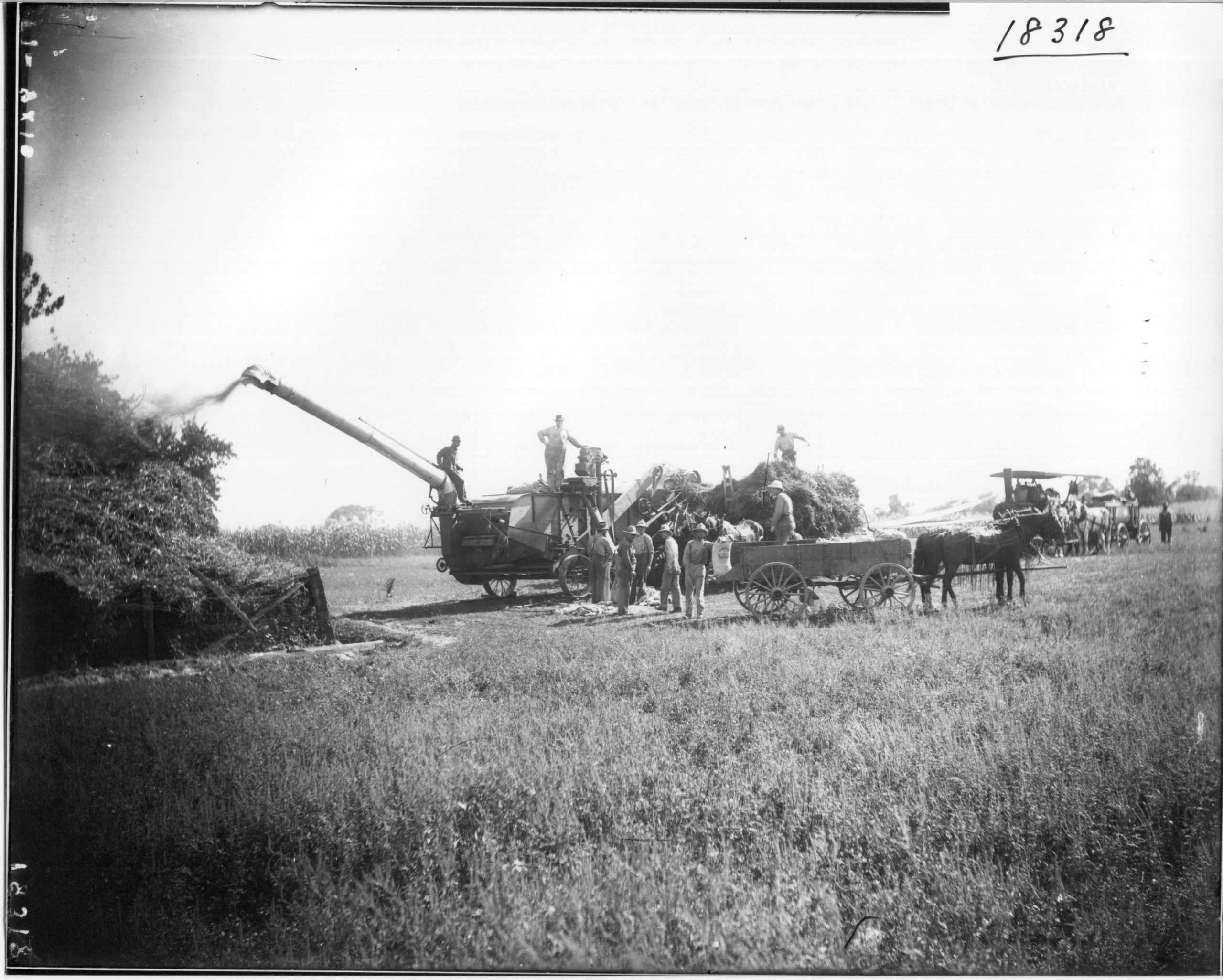
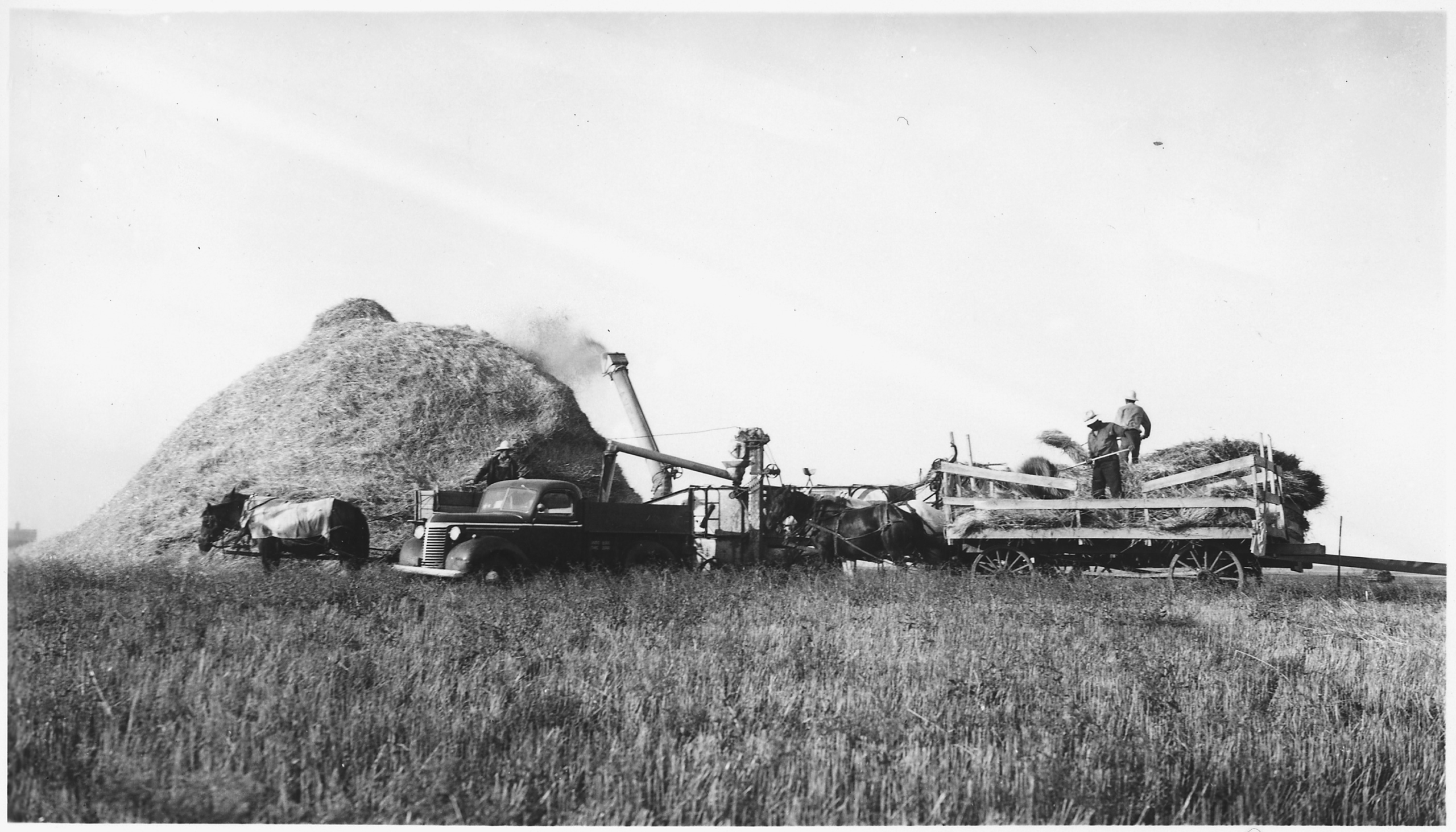
Wagons went out to the fields where the grain had been cut and shocked, were loaded by hand, and brought the bundles to the machine in a continuous rotation.
Not applicable.
The haulers are the reason the crew was so large. A separator eats faster than any one wagon can supply, so the operation needed enough teams in rotation that there was always a loaded wagon pulled up and another arriving – which is a logistics problem solved with people and horses.
8. The Straw Went Into a Stack and the Stack Mattered
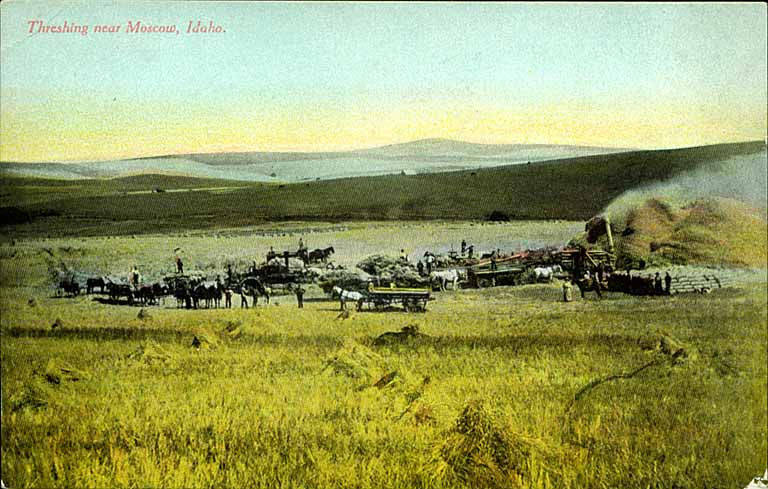
A blower threw the threshed straw into a pile, and somebody directed it so that the stack was built in a usable shape rather than simply dumped.
Straw is baled or returned to the field.
The stack was an asset rather than a waste heap. Straw was bedding, it was mattress filling, it was feed of last resort and it was banking material for the house in winter – so a badly built stack that shed water and rotted through was a real loss, and the man on the blower spout was doing a skilled job.
9. Somebody Had to Count the Grain
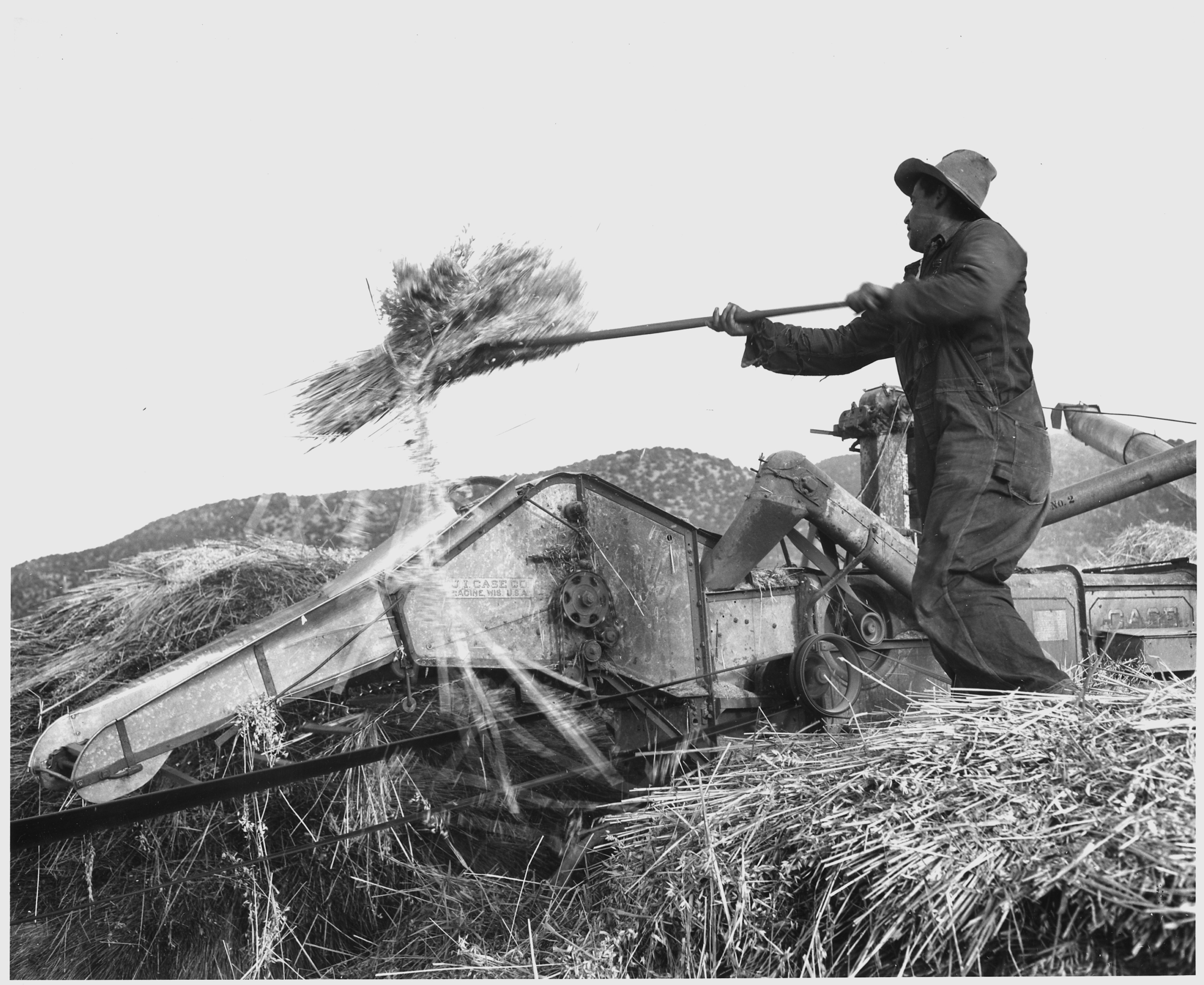
The crop was measured as it came off the machine, because the threshing was paid for by the quantity threshed and because the farm needed to know what it had.
Yield is recorded by the machine automatically.
Measurement is where the money was and it is why records exist. The threshing was a commercial transaction with a rate attached, which means somebody kept a tally at the spout, and that tally was simultaneously the bill, the farm’s yield record and the basis for everything that followed in the year.
10. The Cooking Was an Operation in Itself
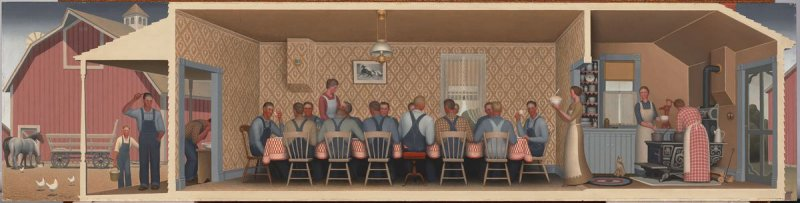
The host farm fed the entire crew at midday, which meant a kitchen producing a full meal for twenty or more people, in summer, on a wood stove, prepared by the women of that farm and its neighbours.
Not applicable.
This half of the day deserves equal weight with the machinery and rarely gets it. Feeding twenty working people at a fixed hour, outdoors or at a long table, with no refrigeration and a stove that heats the whole house, is a logistical feat performed under judgement – because everybody present would be comparing it with the last farm’s table.
11. The Reputation of a Farm’s Table Was Public
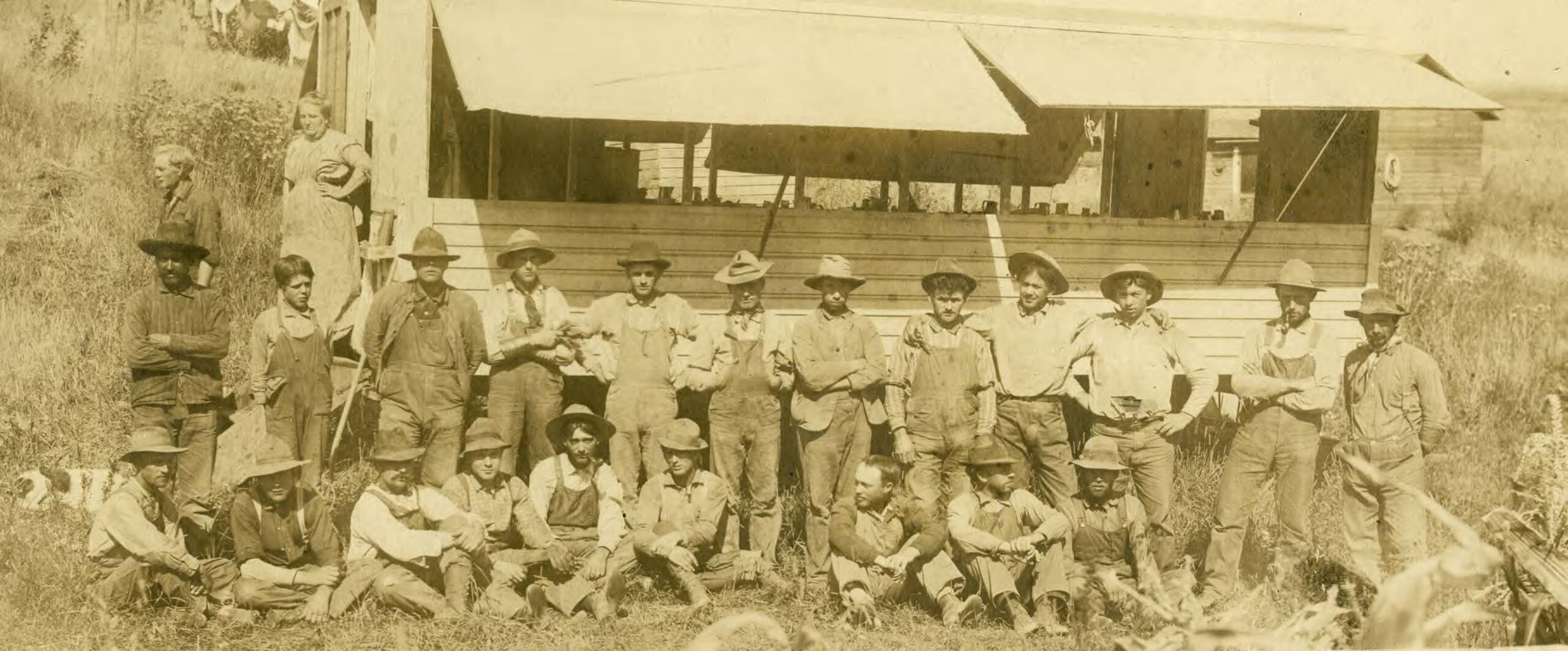
What a household fed the threshing crew was discussed across the district, remembered, and compared from year to year.
Not applicable.
The social pressure here was considerable and it fell entirely on the women. A farm whose table was thought poor heard about it, which means the work was being assessed publicly by the whole neighbourhood once a year – and a great many accounts of threshing day are accounts of that anxiety rather than of the grain.
12. Water and Dust Were the Whole Physical Experience
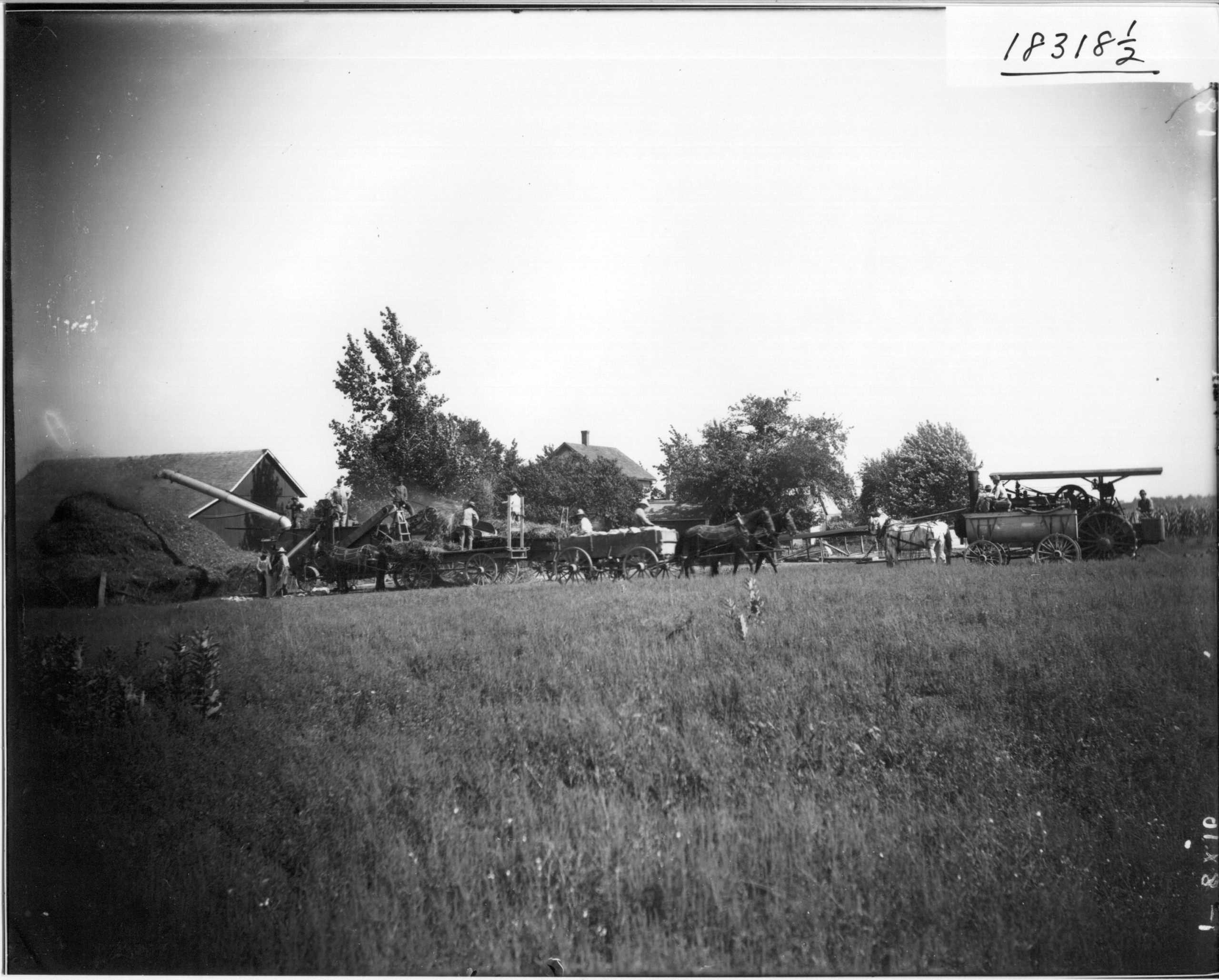
The air around a working separator was thick with chaff and dust, the day was the hottest part of summer, and somebody was permanently employed carrying drinking water to the crew.
Enclosed cabs with filtered air.
The conditions are the part that comes through most strongly in every first-hand account. Chaff gets inside clothing and into every crease of skin, the dust is constant, and the combination of that with full sun and heavy lifting is why the water carrier was a necessary position rather than a courtesy.
13. Children Had Specific Jobs
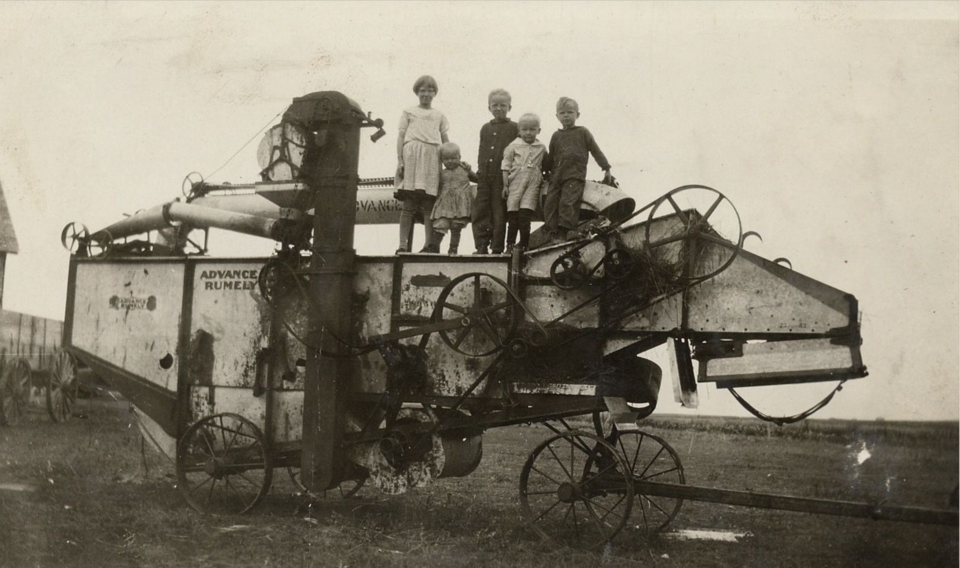
Boys and girls carried water, drove teams between the field and the machine, held horses, ran messages and watched for trouble, and the day was the high point of their year.
Not applicable.
The children’s experience is why this is remembered so fondly by so many people. A child on threshing day was given real work, was surrounded by machinery and noise and twenty adults, and was fed at the same table – which is a day of complete inclusion in the adult world, once a year.
14. The Engine Was the Most Dangerous Thing Most Farms Ever Saw
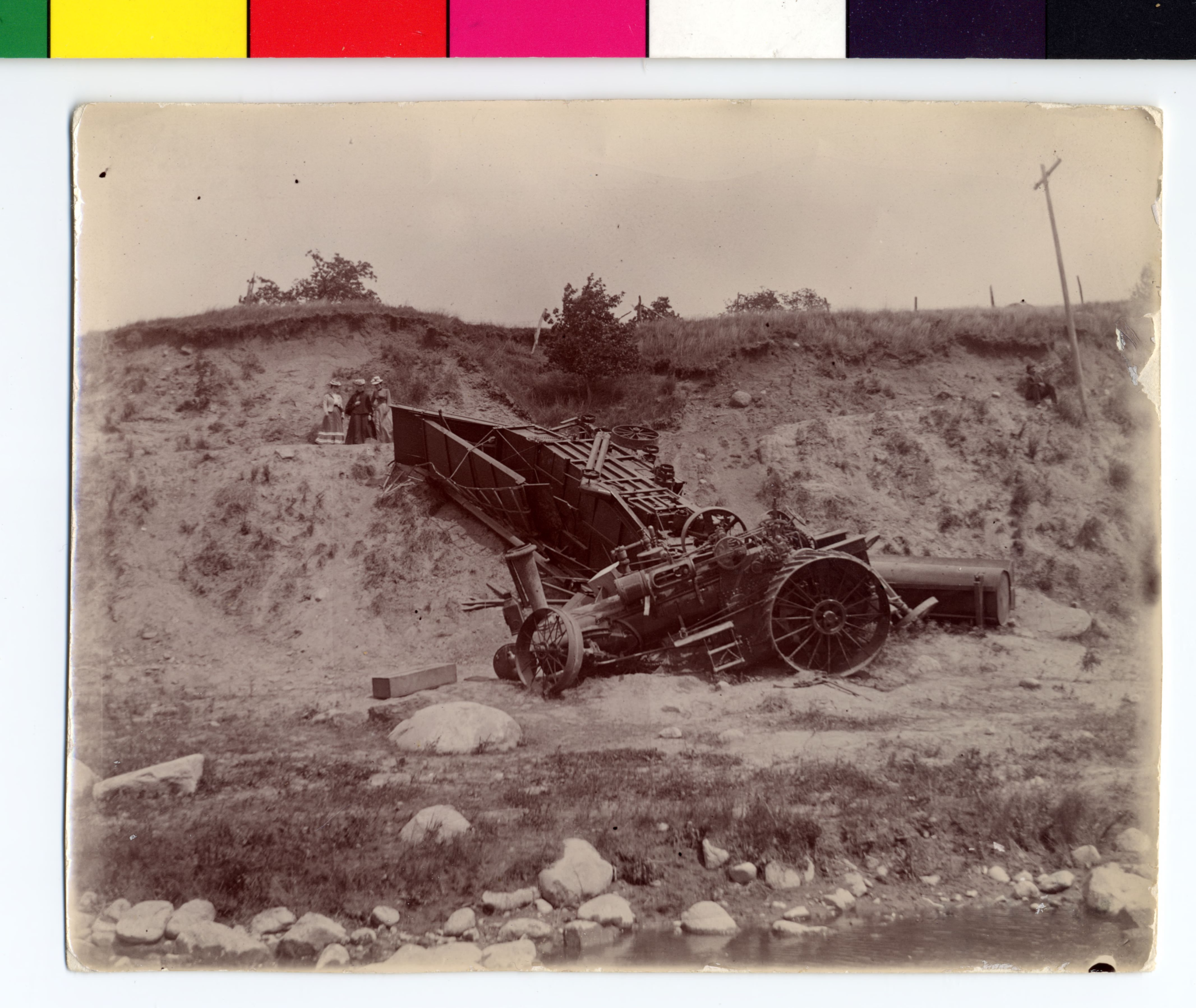
A steam traction engine carried a hot fire and a pressure vessel, and later gasoline tractors brought their own hazards, all of it operating in a yard full of dry material, animals and people.
Modern machines are engineered and regulated to an entirely different standard.
This has to be stated without either drama or dishonesty. The operation combined fire, pressure, exposed belts and moving machinery with a large crowd in a confined space, the hazards were well understood by the people running it, and the man in charge of the engine had authority over who went near it. This file gives no operating detail of any kind.
15. Then the Combine Put the Whole Thing on One Machine
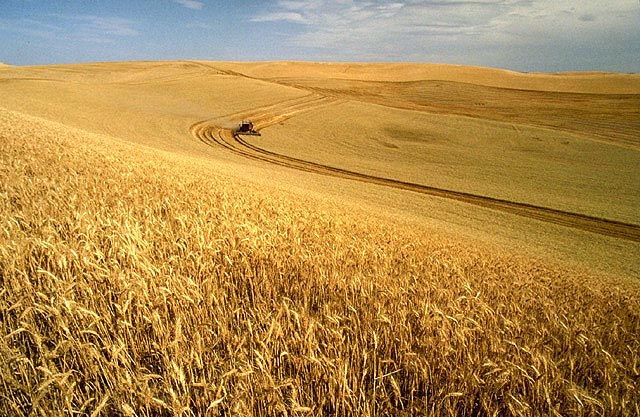
A machine that cuts and threshes in a single pass across the field eliminated the shocking, the hauling, the stationary separator and the crew.
Universal.
The combine is the whole explanation and it was not a gradual change. Once one machine does the cutting and the separating while moving through the crop, there is nothing left for twenty people to do – and the arrangement that required a ring of farms simply had no function the following season.
16. And by 1964 the Ring Was a Memory in Most Places
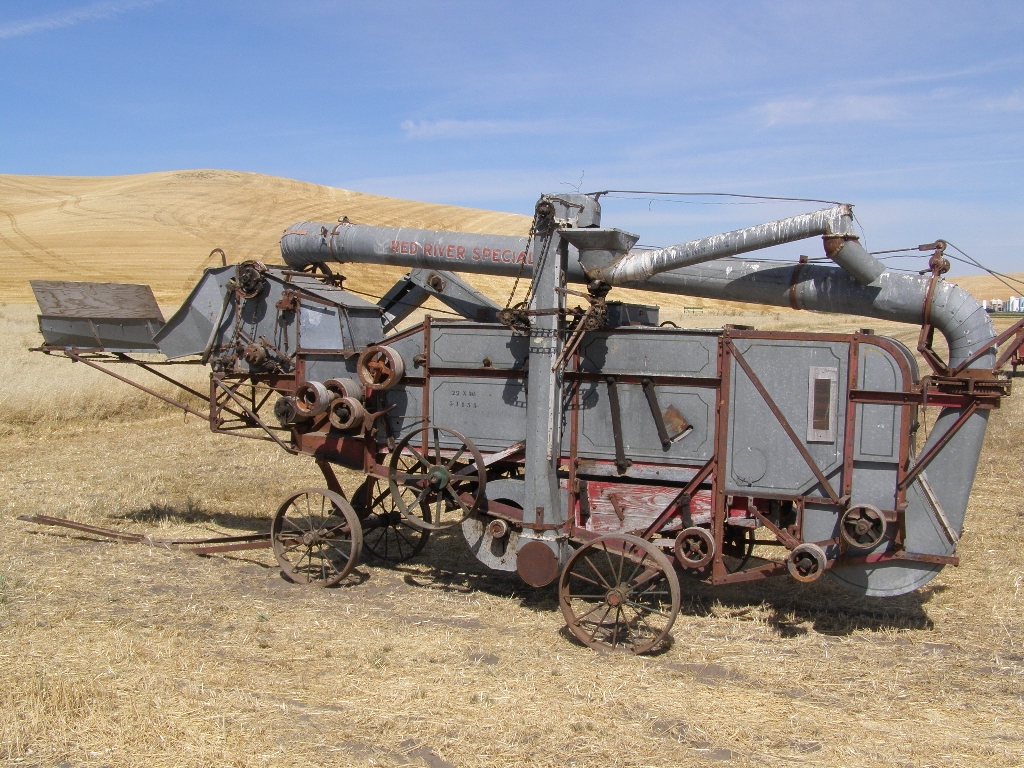
Threshing rings had dissolved, the separators had gone for scrap or been left in fencerows, and the people who remembered the day described it as the end of something rather than as the loss of a machine.
Gone, with surviving machines run at shows by enthusiasts.
And what deserves the last word is what actually ended, because it was not an agricultural method. For a few days every summer, twenty or more neighbours worked as a single crew on one farm, then moved to the next, and the obligation was mutual and absolute – you went because they would come to you. The women of several households cooked together and were judged together. The children were given real jobs. Everybody ate at the same table, and the sequence of farms through the season was a map of who your neighbours were. That was not a tradition anybody maintained for its own sake; it existed because the machine was too expensive and too hungry for one family. When a single American farmer could do the entire job alone from an air-conditioned cab, the cooperation became unnecessary – which is an enormous gain in efficiency and freedom, and it also removed the one occasion each year on which an entire district had to turn up and work for each other.
It Was Not a Method. It Was an Obligation.
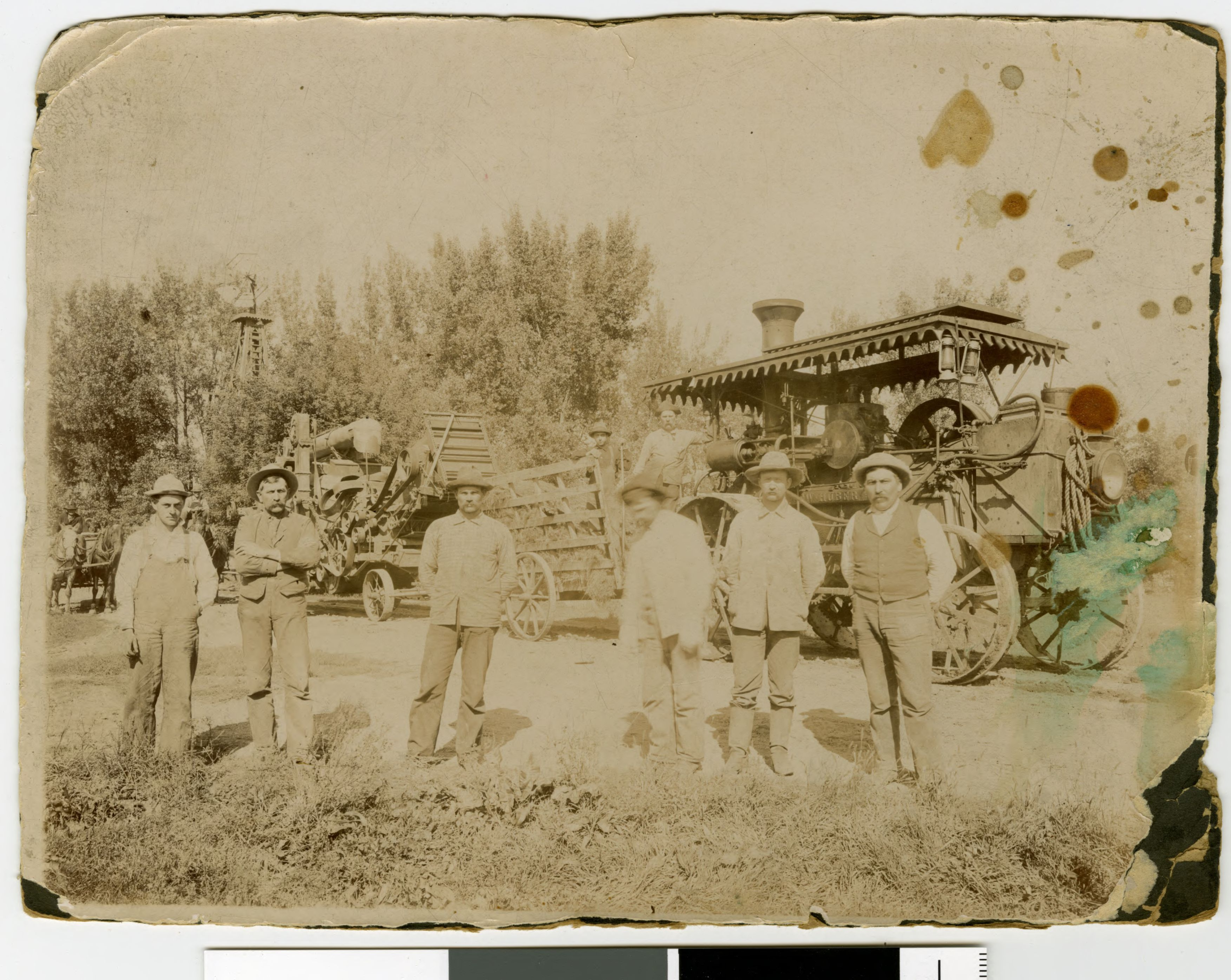
Threshing day gets remembered as a machine and a big dinner, and the machine and the dinner were both consequences of something else.
The something else is that one farm could not do this.
A separator cost more than any single farm could justify for a few days’ use a year, and it needed somewhere between a dozen and two dozen people to keep it supplied. So the only way to have one was to share the machine and the labour across a group of farms, work each farm in turn, and settle the sequence between you. Which means a farm’s harvest date was decided by its place in the queue rather than by its own crop.
The engineering is worth understanding, because it explains the scene.
The engine stood fifty feet or more back from the separator and drove it through a wide flat belt. That distance was deliberate: it kept a fire-breathing engine away from a yard full of dry straw and chaff, and the length of belt absorbed the shocks of a machine whose load changed by the second. Lining the belt up straight and at the right tension, by eye, by shifting a very heavy engine a few inches at a time, was the day’s first skill and nobody hurried the man doing it.
Inside the machine, four things happened at once. A cylinder beat the grain loose. Shaking screens separated it from the straw. A fan blew the chaff away. An elevator carried clean grain to a spout. Each of those had previously been a separate hand operation taking weeks, and the separator’s achievement was doing all four continuously on a moving stream of material.
Everything else about the day follows from keeping that stream fed.
The feeder put bundles in head first at an even rate, because too much choked the cylinder and too little wasted the day – the most demanding position, given to somebody with judgement and stamina, and understood by everybody as the most dangerous place on the operation. A dozen teams hauled bundles in from the fields in continuous rotation, because a separator eats faster than any one wagon can supply. A man directed the straw blower so the stack was built in a usable shape, since straw was bedding, mattress filling, feed of last resort and winter banking for the house. And somebody kept a tally at the grain spout, because the threshing was paid for by quantity – which made that tally the bill, the yield record and the basis for the whole year at once.
Then there is the other half of the day, which gets far less attention than it deserves.
The host farm fed the entire crew at midday. Twenty or more working people, at a fixed hour, in high summer, from a wood stove that heated the whole house, with no refrigeration, cooked by the women of that farm and its neighbours. That is a logistical feat, and it was performed under public judgement, because everybody at the table was comparing it with the last farm’s. A household whose table was thought poor heard about it. A great many accounts of threshing day are really accounts of that anxiety.
The physical conditions come through in every first-hand account. Chaff in the air and inside clothing, constant dust, full sun, heavy lifting – which is why somebody was permanently employed carrying drinking water, as a necessity rather than a courtesy.
And the children had real jobs: water, driving teams, holding horses, running messages. Surrounded by machinery and noise and twenty adults, and fed at the same table. A day of complete inclusion in the adult world, once a year, which is why so many people remember it so warmly.
The combine ended all of it, and not gradually. One machine that cuts and threshes in a single pass across the field eliminates the shocking, the hauling, the stationary separator and the crew in one step. There was simply nothing left for twenty people to do.
So what ended was not an agricultural method.
For a few days every summer, twenty neighbours worked as one crew on one farm and then moved to the next, and the obligation was mutual and absolute: you went because they would come to you. Several households cooked together and were judged together. The children were given work. Everybody ate at the same table. And the sequence of farms through the season was a map of who your neighbours actually were.
Nobody maintained that for its own sake. It existed because the machine was too expensive and too hungry for one family. When a single farmer could do the whole job alone from a cab, the cooperation became unnecessary.
That is an enormous gain in efficiency and in freedom. It also removed the one occasion each year on which an entire district had to turn up and work for each other.
If there is a rusted machine in a fencerow near you with a long cylinder in it, that is a separator.
Twenty of your great-grandparents’ neighbours once stood around one of those every August.
Like our content? Follow us for more.