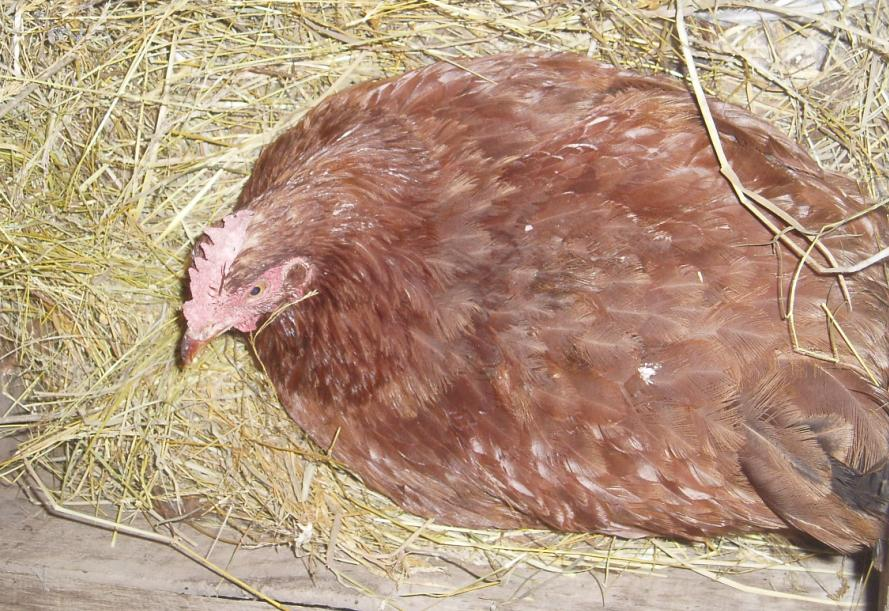
A hen decides to sit, and nobody can make her do it.
A broody hen stops laying, refuses to leave the nest, puffs up and becomes extremely defensive – a hormonal state she enters on her own schedule. So a household wanting chicks needed a hen who had already decided, which could not be arranged or hurried. And not every hen would do it: some sat reliably and raised everything under them, others abandoned the nest, broke eggs or lost the chicks, and the woman who kept them knew exactly which was which.
What the household could control was what she sat on. Eggs were chosen for size, shape and shell, and once she was settled she turned them herself many times a day, shifting them between the warm centre and the cooler edge – which is essential, not fussing, and every incubator ever built has had to copy it. Here are sixteen things every farm woman knew.
1. A Hen Decides to Sit, and You Cannot Make Her
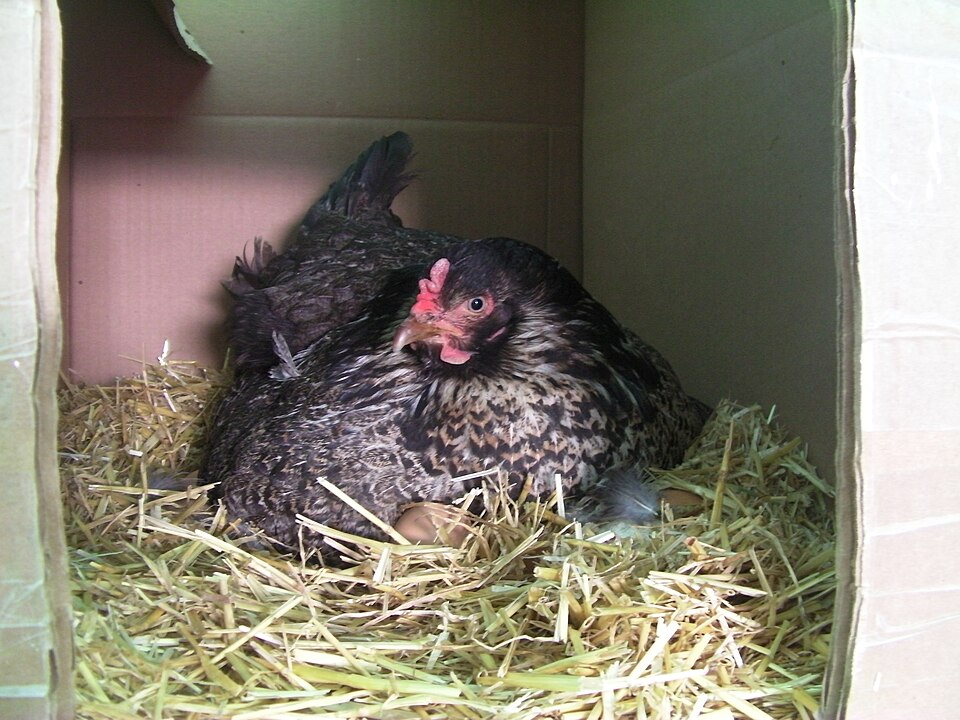
A broody hen stops laying, refuses to leave the nest, puffs up and becomes extremely defensive – and this is a hormonal state she enters on her own schedule.
Commercial hatching is entirely artificial and the trait has been bred out of production strains.
Start here, because the whole system depended on something nobody controlled. A household wanting chicks needed a hen who had decided to sit, which could not be arranged, hurried or ordered – so the farm’s supply of new birds was governed by the inclinations of individual hens.
Like our content? Follow us for more.
2. Not Every Hen Would Do It and Some Were Hopeless
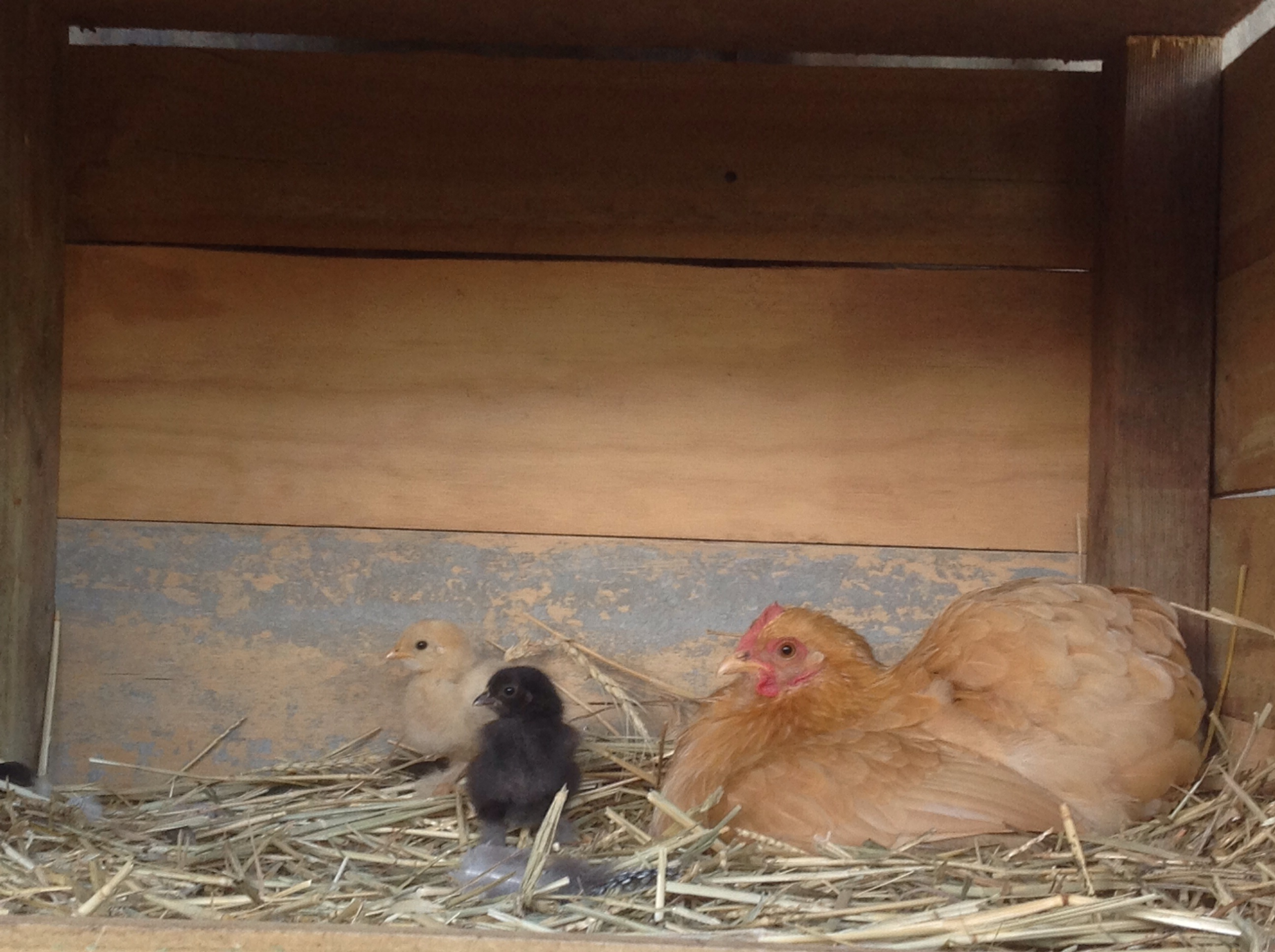
Some hens sat reliably and raised everything under them; others abandoned the nest, broke eggs, or lost the chicks afterwards – and households knew which hens were which.
Not applicable.
The variation between individual birds is the part that makes this a skill rather than a procedure. A woman who kept hens knew her good setters by sight, saved them, and gave them the important eggs – which is a body of knowledge about particular animals that existed in one person’s head.
3. The Eggs Under Her Were Chosen
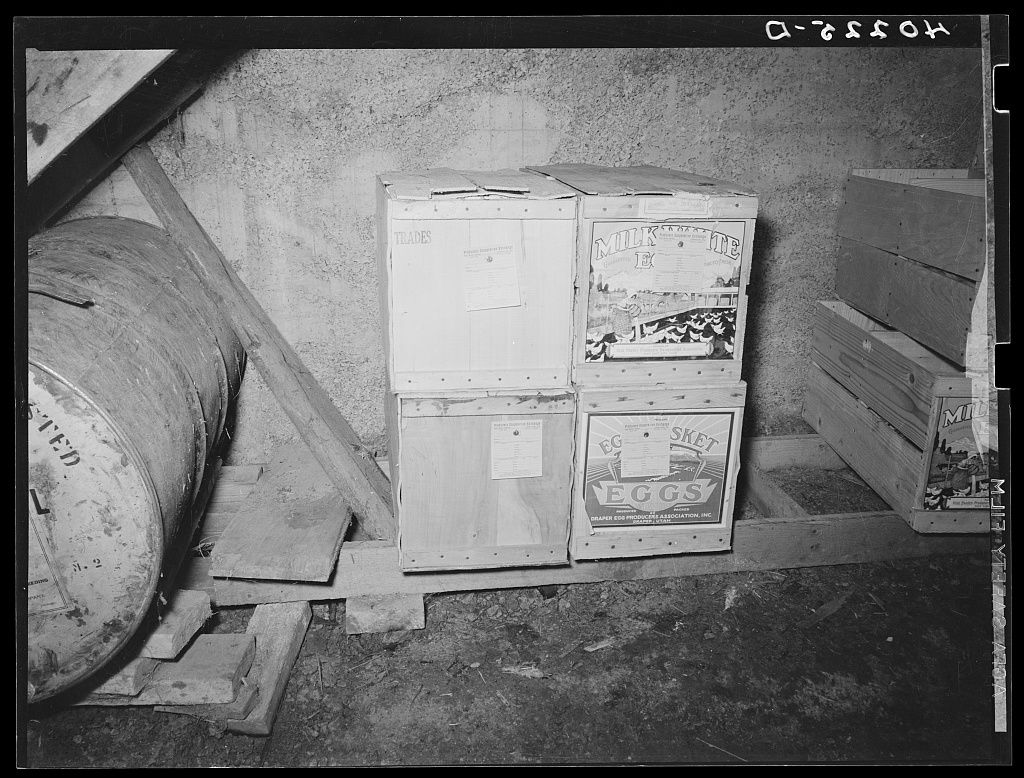
Eggs for hatching were selected for size, shape and shell quality, kept cool but not cold for a few days at most, and turned while they waited.
Mechanised selection and controlled storage.
The selection is where the household exercised what control it had. You cannot make a hen sit, but you can decide what she sits on – and since a setting is the farm’s one chance that month to improve its flock, which eggs went under her was a considered decision.
4. She Turned Them Herself, Constantly
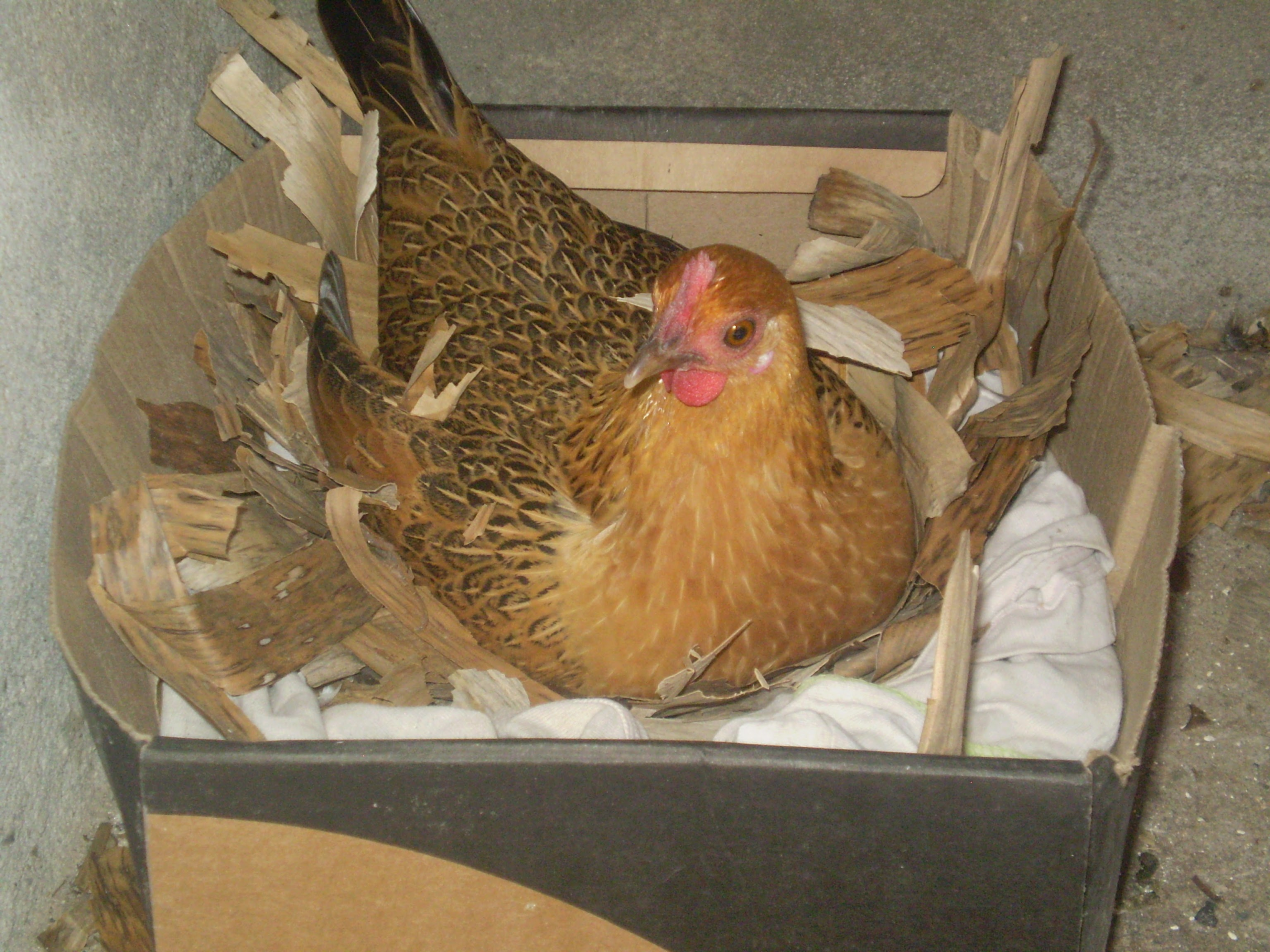
A sitting hen moves her eggs around under her many times a day, shifting them between the warm centre and the cooler edge and rotating each one.
Incubators do this mechanically, because it is essential.
This is the thing I find most remarkable about the arrangement. The turning is not fussing – an unturned egg develops wrongly, so the behaviour is doing something essential, and every artificial incubator ever built has had to replicate it with a mechanism.
5. She Left the Nest Once a Day and That Mattered Too
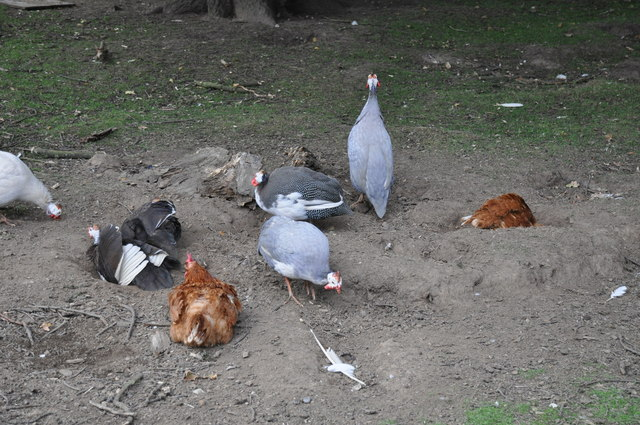
A broody hen comes off briefly to eat, drink and dust herself, and the eggs cool slightly while she is gone.
Incubators are designed to replicate the pattern.
The daily break looks like a flaw and is part of the design. A short cooling period each day appears to be beneficial rather than merely tolerable, which means a hen’s apparently casual routine is a more sophisticated process than it looks and was not fully understood when people were copying it.
6. Twenty-One Days, and Everybody Counted
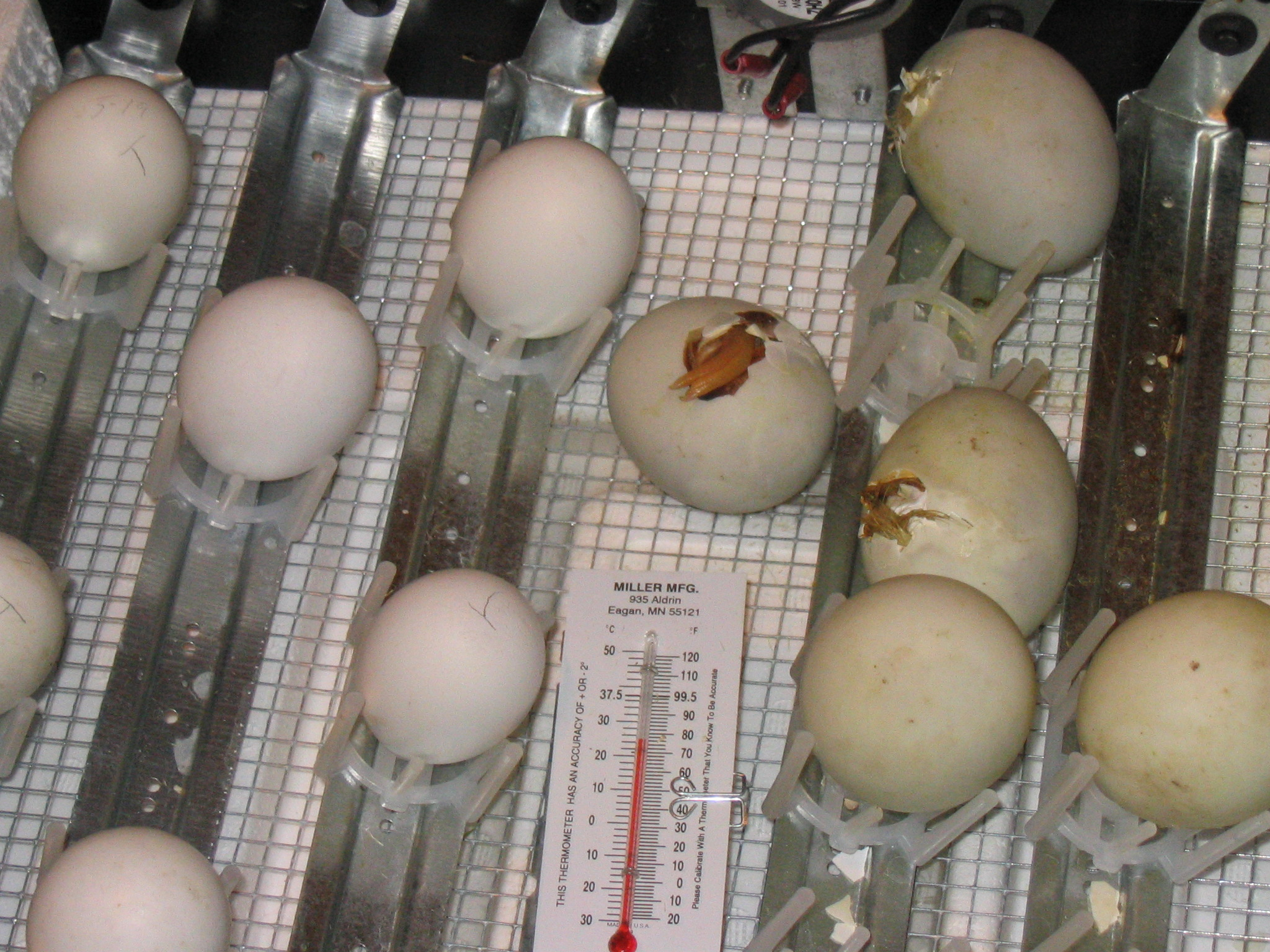
Chicken eggs hatch at about three weeks, the date was marked, and the household knew exactly when to expect them.
Unchanged.
The fixed period is why this was an event with a date. A household that set a hen on a known day had a known day to watch for, which made hatching one of the few predictable moments in a farm’s calendar – and the children counted.
7. Candling Let You See Inside the Shell
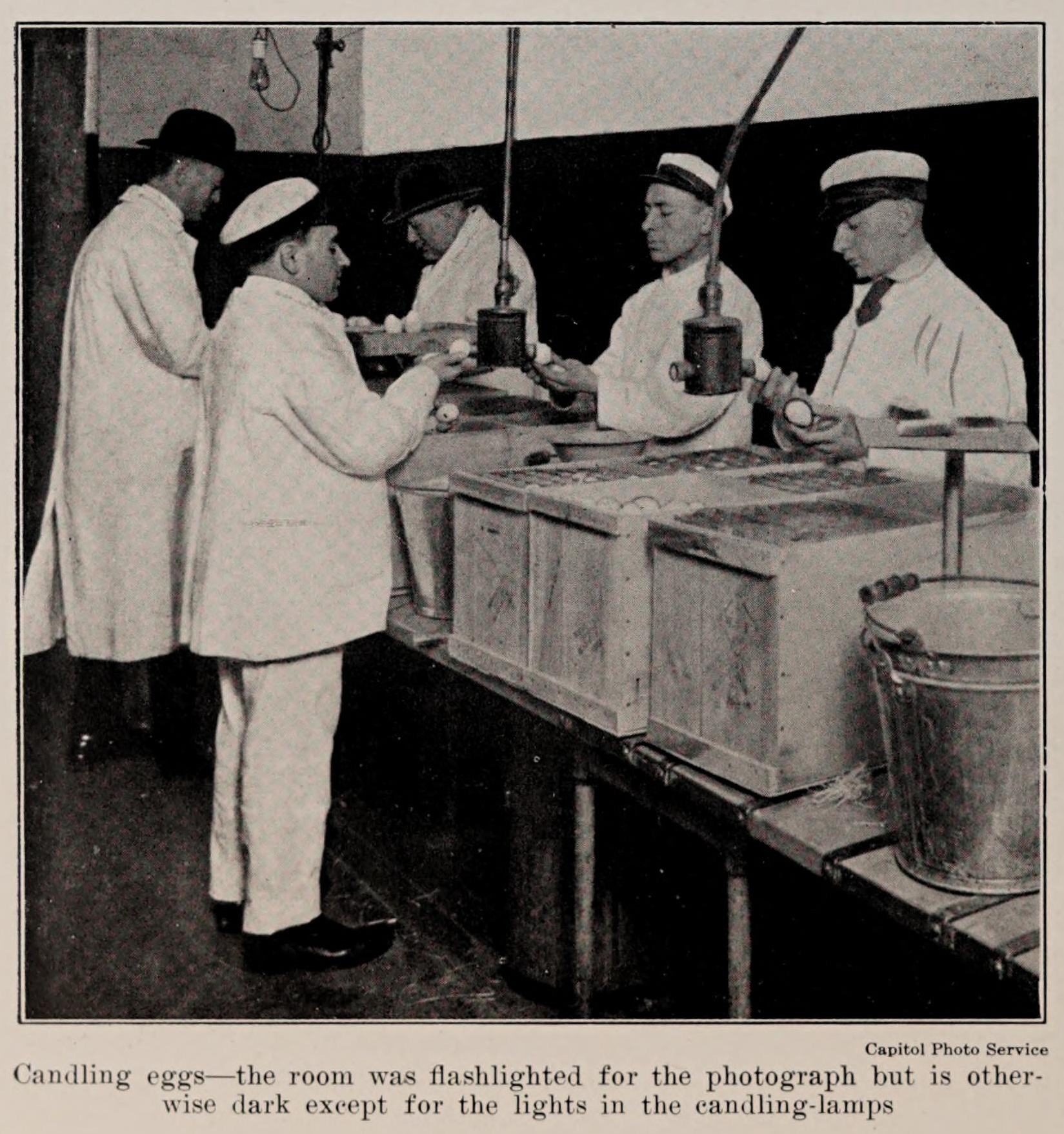
Holding an egg against a bright light in a dark room shows whether it is developing, and infertile or dead eggs were removed partway through.
Industrial candling is automated and done at scale.
Candling is a genuinely clever piece of practical technique. The shell is translucent enough that a strong light reveals the contents, which means a household could tell at a glance which eggs were worth keeping under a hen – and removing the others protects the rest of the setting.
8. The Nest Had to Be on the Ground and Out of the Way
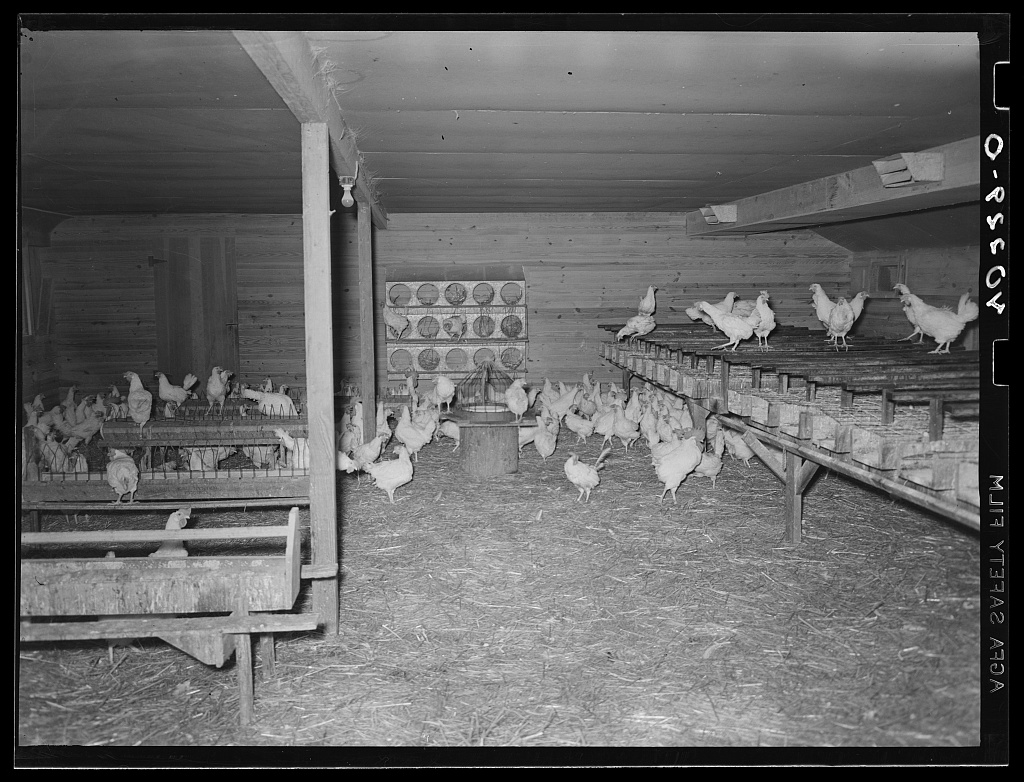
Setting hens were given a quiet, dark, low nest away from the laying flock, because a disturbed hen abandons and other hens lay in an occupied nest.
Not applicable.
The isolation requirement explains the architecture of every farm’s poultry arrangements. A sitting hen needs to be undisturbed for three weeks, which means a separate box, a coop, a crate or a corner of a shed – and a household that left her among the laying hens got a nest full of eggs at different stages and nothing hatched.
9. The Chicks Followed Her and She Defended Them
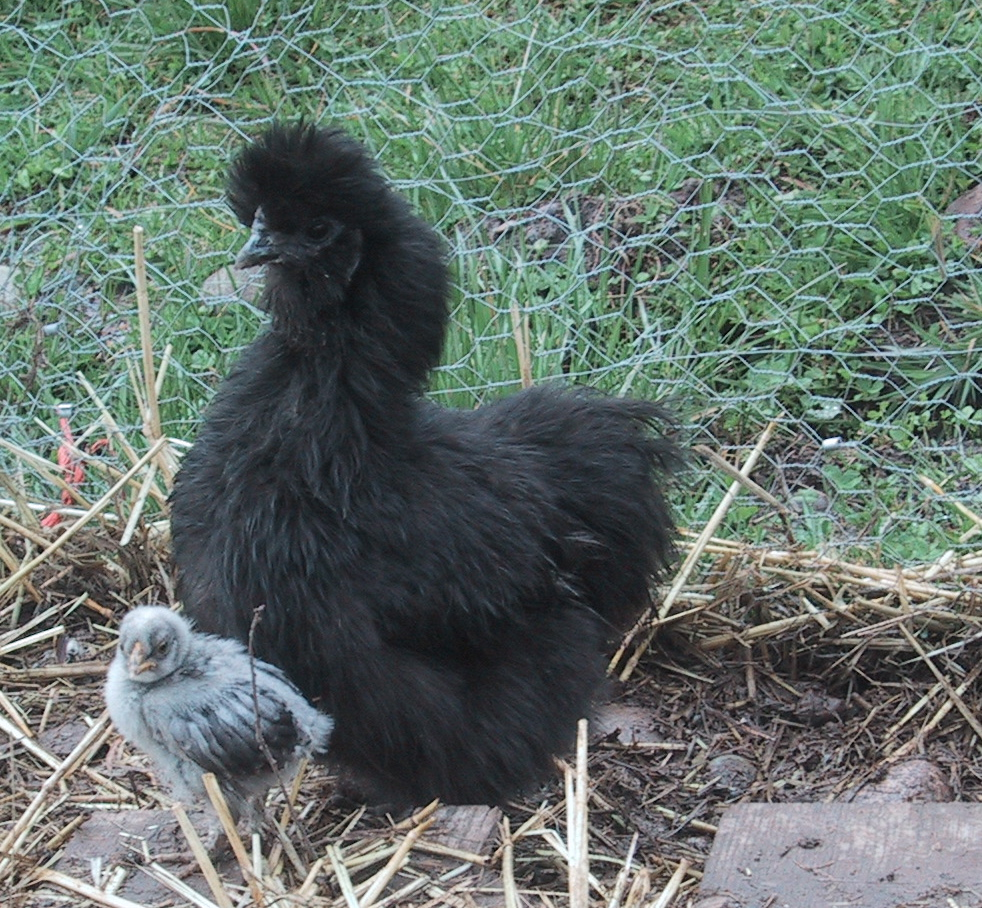
A hen with chicks took them out, showed them food, called them under her for warmth and attacked anything that came near.
Artificial brooders supply heat and the behaviour is absent.
The mothering is the half of the system that the incubator cannot replace, and it is why hen-hatched chicks were easier. The hen supplies warmth on demand, teaches feeding, keeps the group together and provides defence – which is four jobs a household otherwise has to do itself with equipment.
10. A Brooder Replaced Her With a Heat Source
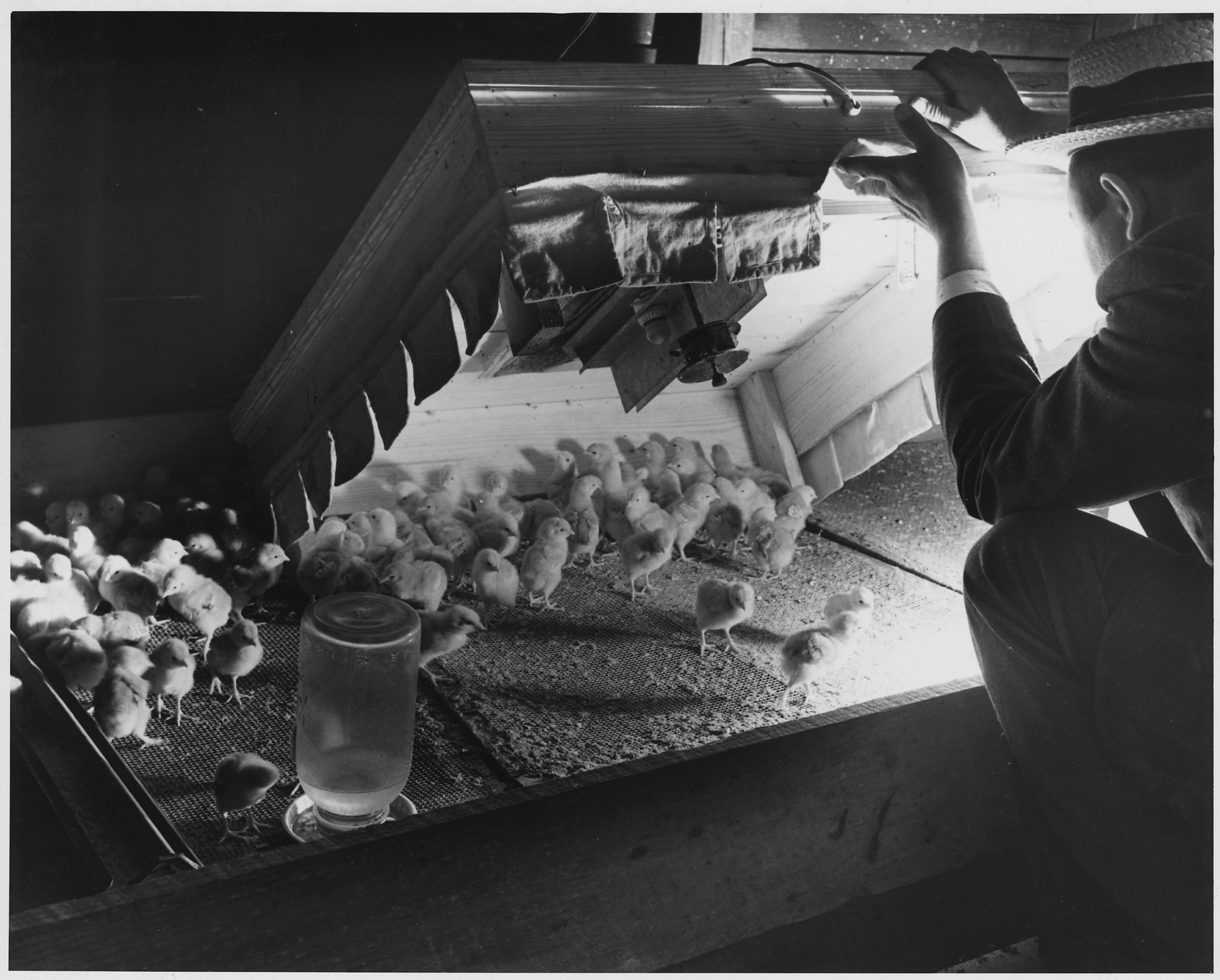
Artificial brooding used a heated hood, lamp or stove under which chicks could gather, which supplied warmth but nothing else.
Standard.
The brooder is the key enabling device and the reason it worked is simple. Chicks regulate their own temperature by moving toward and away from heat, so a device that provides a warm area and a cool one lets them do the rest – which removes the hen from the warmth half of the job entirely.
11. The Incubator Was a Box That Held One Temperature
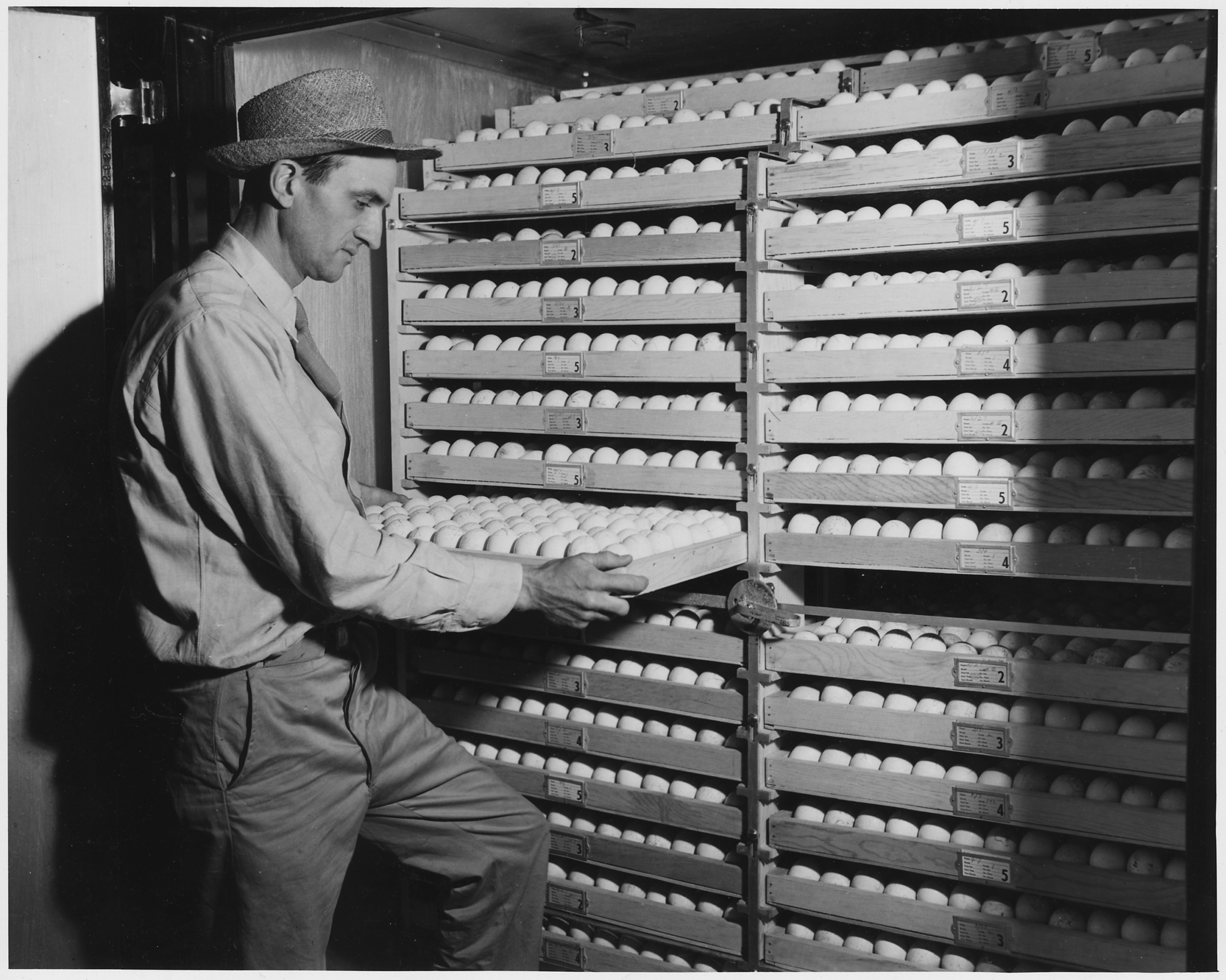
A cabinet with a heat source, a water pan for humidity, ventilation and a tray of eggs turned by hand or by mechanism replaced the hen for the three weeks.
Industrial incubators, at enormous scale.
The incubator is a thermostat problem and that is what made it late. Holding a steady temperature for three weeks, with the right humidity and air exchange, is not easy without electricity – and the early kerosene-heated machines needed constant attention, which is why many households persisted with hens long after incubators existed.
12. Mail-Order Chicks Changed the Whole Business
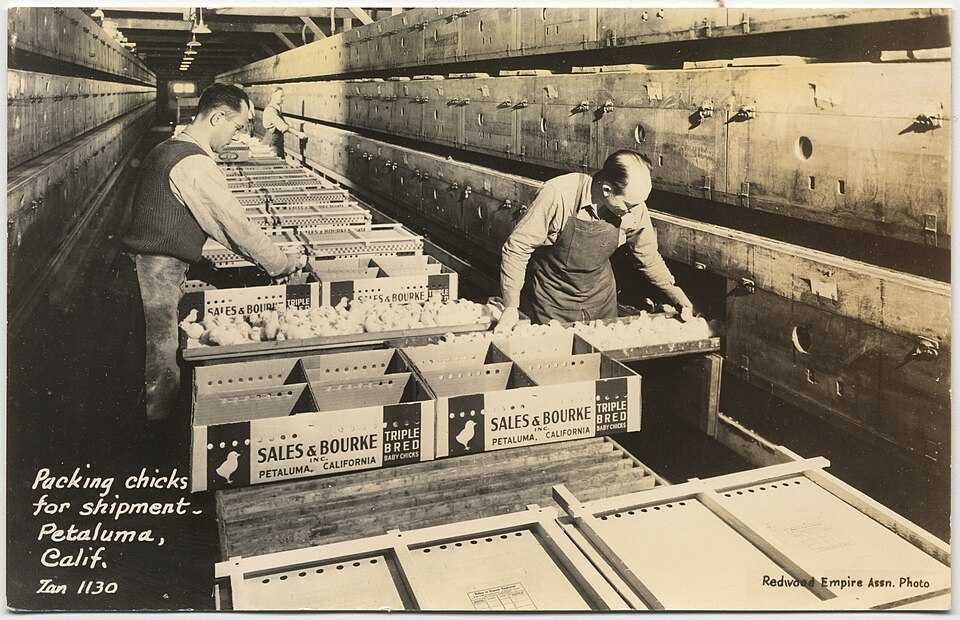
Hatcheries shipped day-old chicks in ventilated boxes through the post, arriving by rail and collected at the depot.
Still done, at scale.
This is the change that mattered most and it is easy to overlook. A household could order a specific number of a specific breed, on a chosen date, by mail – which removes the hen, the incubator, the brooding decision and the uncertainty all at once, and converts a biological process into a purchase.
13. Poultry Was Women’s Money
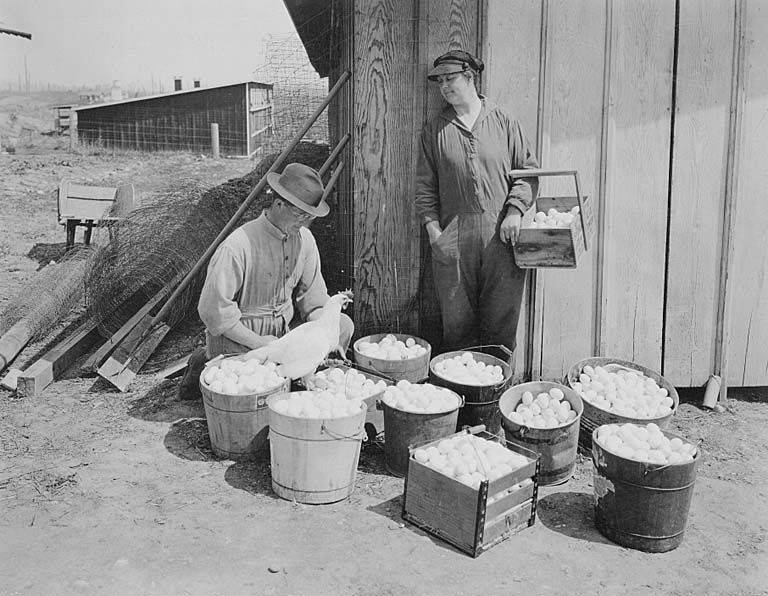
The flock, the eggs and the chicks were generally the woman of the household’s own enterprise, and the income from them was hers to direct.
Not applicable.
The economics here are more significant than the chickens. A woman with a flock had a reliable independent income in a household where she might have no other, which made the hens, the setting and the hatching a business under her control – and it is why this knowledge was held by women and transmitted between them.
14. Then Commercial Breeding Removed the Instinct
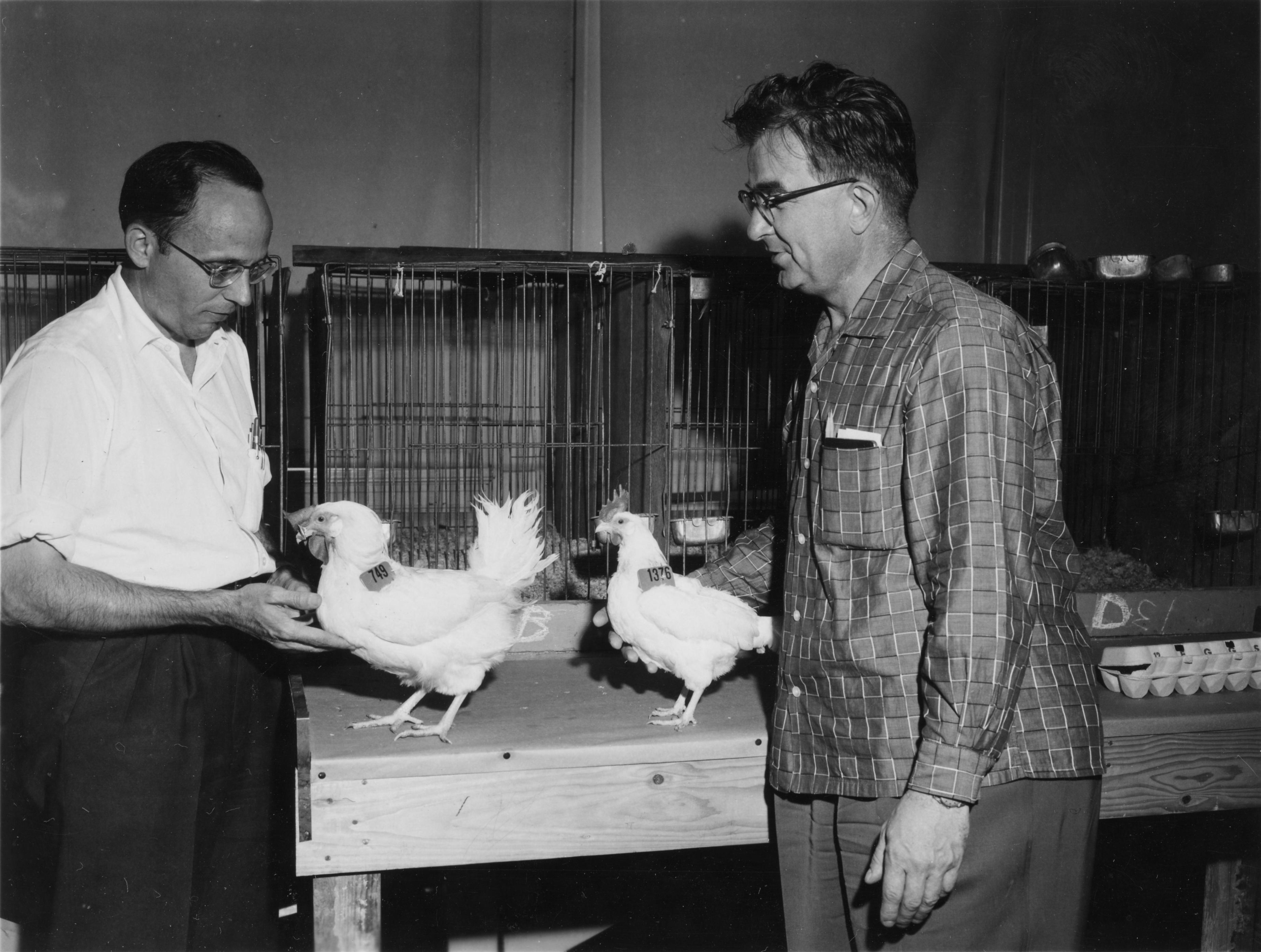
Birds selected for laying and for growth gradually lost the broody trait, because a hen who stops laying to sit is an unproductive hen.
Universal in production strains, with broodiness retained deliberately in some heritage breeds.
This is the part that genuinely surprises people. The instinct was bred out on purpose, because broodiness interrupts production – so a modern commercial hen frequently will not sit at all, and the behaviour the whole old system relied on has been selected against for a century.
15. Then the Farm Flock Disappeared Entirely
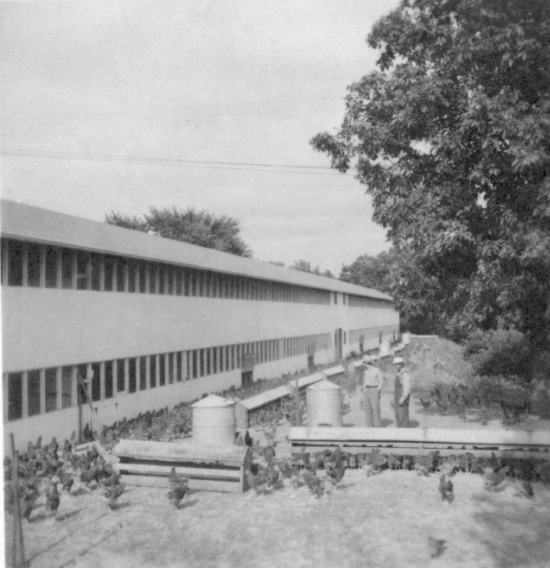
Specialised poultry operations replaced the general farm’s small mixed flock, and households that kept no chickens had no reason to hatch any.
Standard.
Specialisation finished it. Once poultry was a separate industry rather than something every farm did alongside everything else, the domestic business of setting hens, candling eggs and raising chicks in the yard had no place left to happen.
16. And by 1964 Setting a Hen Was Already Unusual
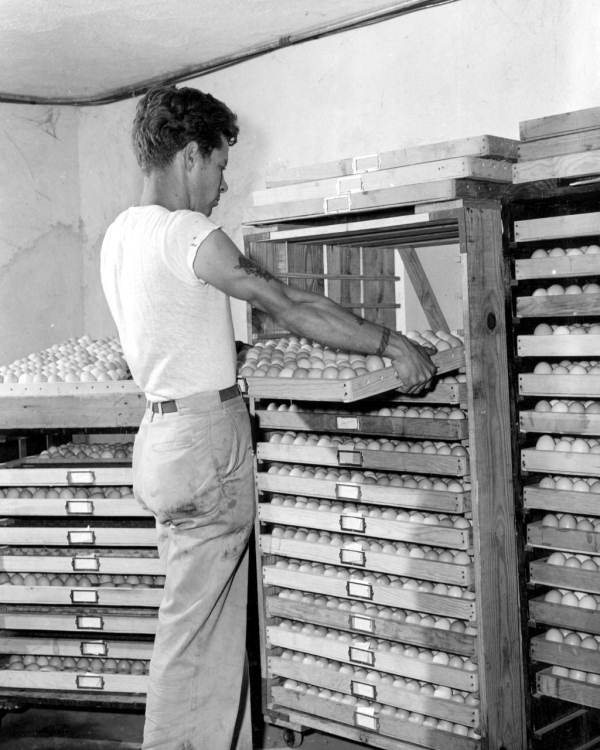
Most households that still kept chickens bought their chicks, and the knowledge of choosing a setter, candling, and managing a broody hen was passing out of use.
A practice of smallholders, heritage breeders and backyard keepers, pursued deliberately.
And what deserves the last word is what was actually known. A woman on an American farm could identify which of her hens would sit reliably, select the eggs worth putting under her, judge when a nest was in a suitable place, read the inside of a shell by holding it to a light, know which eggs to remove and when, count to a hatching date, and manage a defensive broody bird for three weeks without being bitten – and she did this because the flock was her own income and nobody else’s. That is a professional body of knowledge about the behaviour of individual animals, held almost entirely by women, taught by one woman to another in a henhouse, and written down almost nowhere. It was made unnecessary by a box of day-old chicks arriving at the depot, which is cheaper, more predictable and better in every commercial sense – and when the instinct itself was bred out of the birds, the knowledge had nothing left to be about.
It Was a Professional Body of Knowledge Held by Women
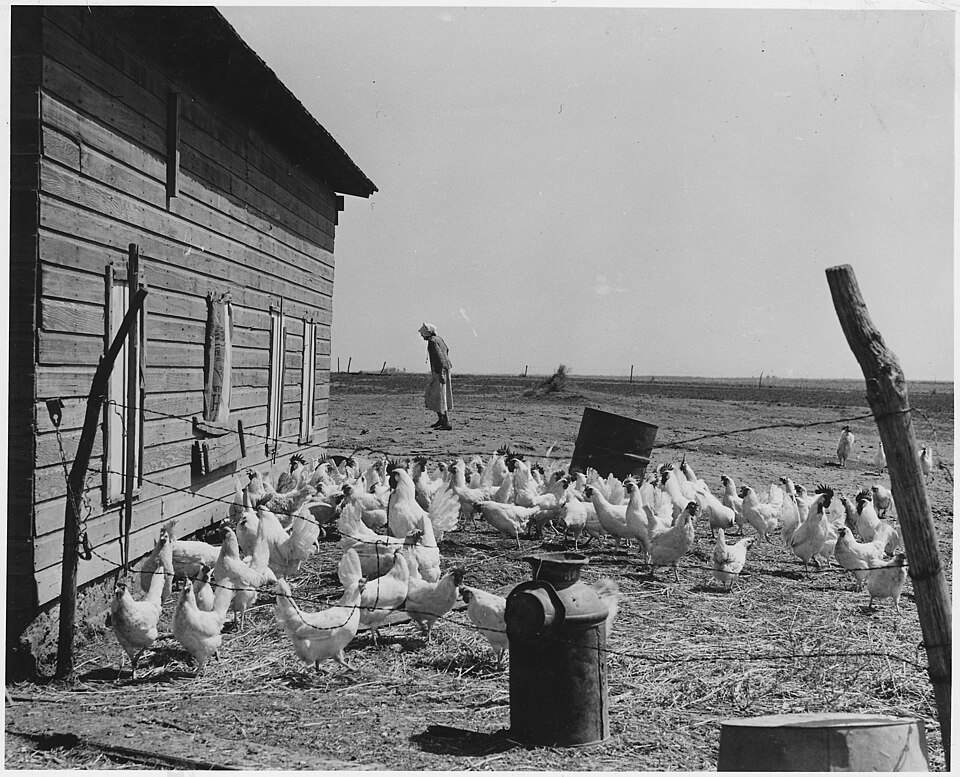
Setting a hen sounds like the simplest thing on a farm and it was a skilled business, because the central component could not be controlled at all.
A broody hen is in a hormonal state she enters on her own schedule. She stops laying, will not leave the nest, puffs up and becomes genuinely aggressive. You cannot induce it, hurry it or order it – so a farm’s supply of new birds was governed by the inclinations of individual hens.
And the hens varied enormously. Some sat reliably and raised everything under them; others abandoned, broke eggs, or lost the chicks afterwards. A woman who kept hens knew her good setters by sight, kept them, and gave them the eggs that mattered. That is a body of knowledge about particular animals, held in one person’s head.
What she could control was the setting itself.
Eggs were selected for size, shape and shell quality, held cool but not cold for a few days at most, and turned while they waited – because a setting was the farm’s one chance that month to improve its flock.
Then the hen took over, and what she does is more sophisticated than it looks. She moves the eggs around under her many times a day, shifting them between the warm centre and the cooler edge and rotating each one. That is essential rather than fussy: an unturned egg develops wrongly, and every artificial incubator has had to replicate the behaviour mechanically. She also comes off once a day to eat, drink and dust herself, and the eggs cool slightly while she is gone – which appears to be beneficial rather than merely tolerable, and was not fully understood by the people copying it.
Three weeks, to a known date, which is why hatching was an event the children counted toward.
The household’s own technique was candling: holding an egg against a bright light in a dark room to see whether it was developing, and removing the infertile or dead ones partway through. The shell is translucent enough that a strong light reveals the contents, which lets somebody tell at a glance which eggs are worth keeping – and removing the rest protects the setting.
The nest had to be low, dark, quiet and away from the laying flock, because a disturbed hen abandons and other hens will lay in an occupied nest. A household that left a setter among the layers got a box of eggs at every stage and nothing hatched.
And afterwards the hen did four jobs at once: warmth on demand, teaching the chicks to feed, keeping the group together, and defence. Which is why hen-hatched chicks were easier, and why artificial rearing needed equipment to replace her.
The machinery came in two stages. A brooder supplied heat under a hood, lamp or stove, and worked because chicks regulate their own temperature by moving toward and away from warmth – so a device offering a warm area and a cool one lets them do the rest. An incubator replaced her entirely for the three weeks, and was a thermostat problem: holding a steady temperature with the right humidity and air exchange for three weeks is hard without electricity, which is why the early kerosene machines demanded constant attention and why many households stayed with hens.
What actually ended the practice was the post. Hatcheries shipped day-old chicks in ventilated boxes, collected at the depot – a specific number of a specific breed on a chosen date. That removes the hen, the incubator, the brooding decision and the uncertainty at once, and converts a biological process into a purchase.
Two further things finished it. Birds selected for laying and growth gradually lost the broody trait, because a hen who stops laying to sit is unproductive – so the instinct was bred out on purpose and a modern commercial hen frequently will not sit at all. And the general farm’s small mixed flock gave way to specialised poultry operations, after which a household that kept no chickens had no reason to hatch any.
Which leaves the knowledge, and it is worth listing what it actually consisted of.
She could identify which hens would sit. She could choose the eggs worth putting under one. She could judge whether a nest was in a suitable place. She could read the inside of a shell by holding it to a light. She knew which eggs to pull and when. She could count to a hatching date and manage a defensive broody bird for three weeks without being bitten.
And she did all of it because the flock, the eggs and the chicks were her own enterprise and her own income, in a household where she might have had no other. Which is why this was women’s knowledge, taught by one woman to another in a henhouse, and written down almost nowhere.
A box of day-old chicks at the depot made it unnecessary. And when the instinct was bred out of the birds, the knowledge had nothing left to be about.
If your grandmother kept chickens, she could tell you which of her hens would sit.
That was a professional judgement, and it was worth money to her.
Like our content? Follow us for more.