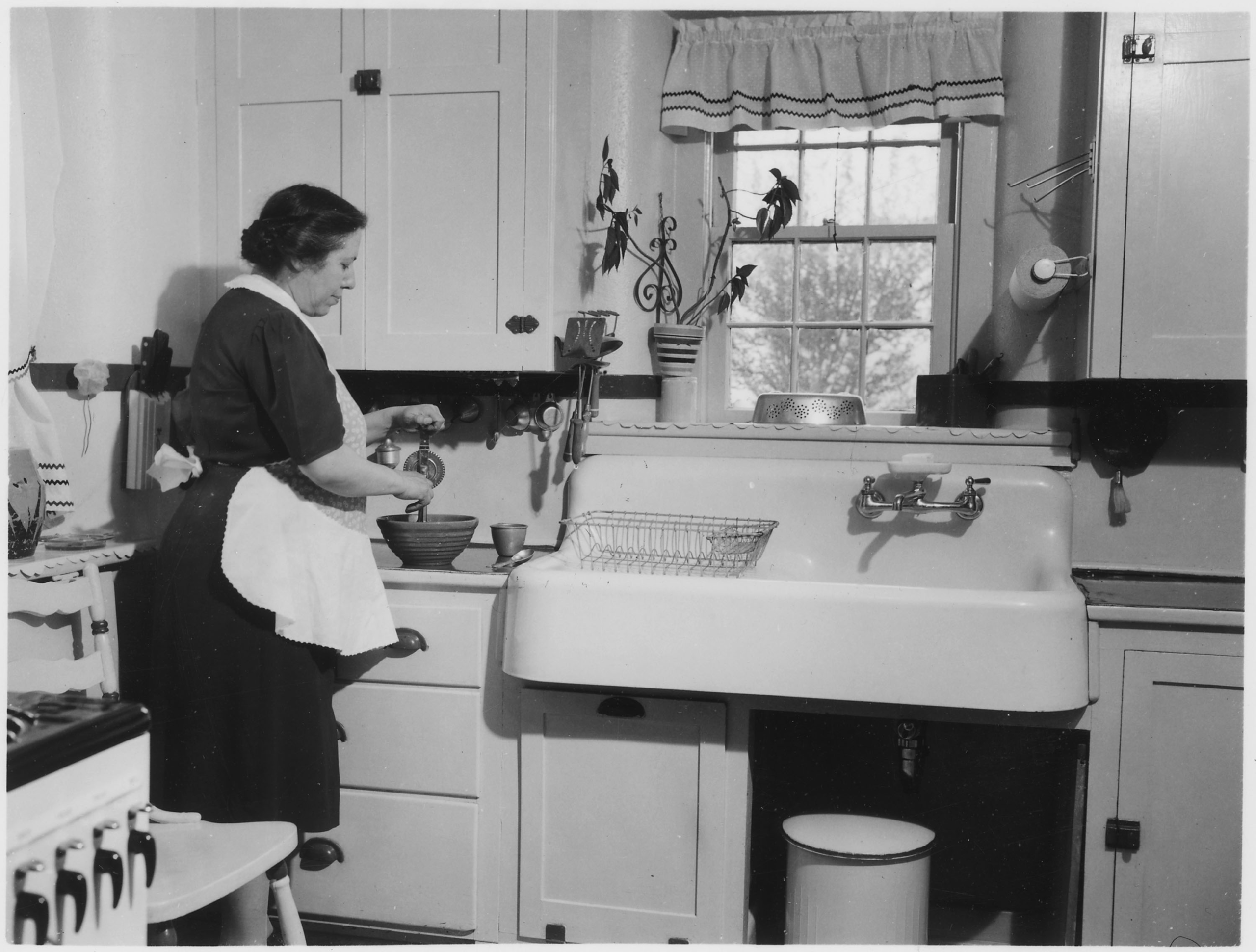
The apron protected the dress. That is the whole reason it existed.
A woman owned very few dresses, and washing one was an enormous labour – so a cheap washable layer went over the top and took the damage instead. One dress is real money and a day’s work to launder; an apron is almost nothing and washes in a bucket. Sacrificing the cheap layer to keep the expensive one clean is simply the rational arrangement.
And it was on from the moment she got up until the work was done, which is why taking it off was what you did when somebody arrived. An apron announces that its wearer is working, so removing it converts her from somebody mid-job into somebody receiving a caller – and the speed of that gesture at the sound of a knock is in every account of these households. Here are sixteen things every American woman knew.
1. The Apron Protected the Dress, Not the Wearer
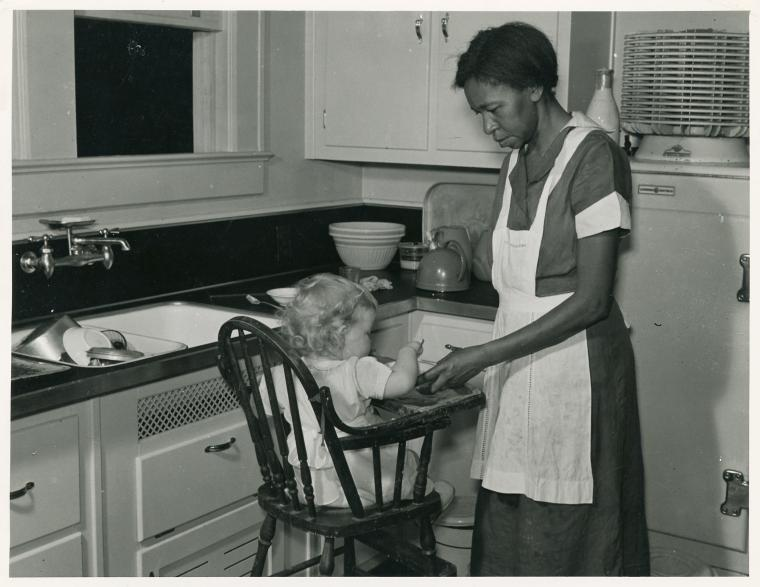
A woman owned very few dresses and washing one was an enormous labour, so a cheap washable layer went over the top to take the damage instead.
Clothing is cheap and laundry is a machine, so protective layers are mostly occupational.
Start with the economics, because that is the whole reason the garment existed. One dress represents real money and a day’s work to launder; an apron represents almost nothing and washes in a bucket – so the rational arrangement is to sacrifice the cheap layer and keep the expensive one clean.
Like our content? Follow us for more.
2. It Was On All Day and Came Off for Visitors
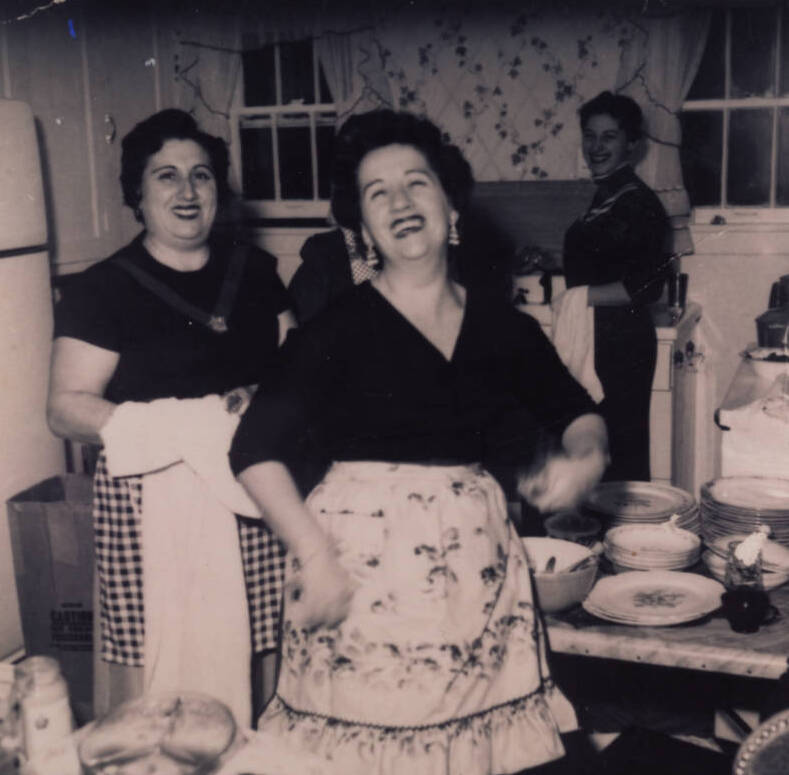
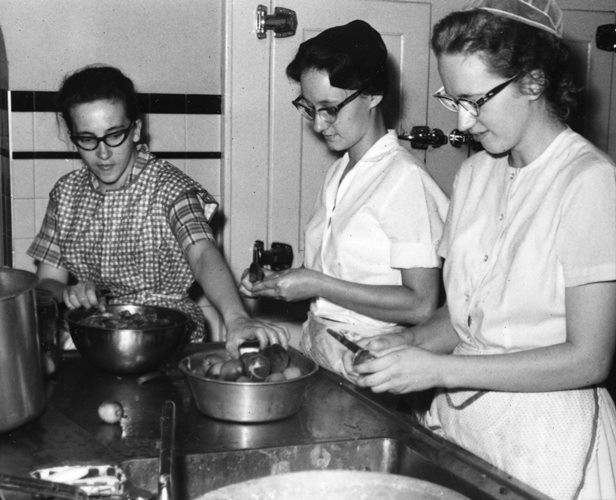
An apron was worn from the moment a woman got up until the work was done, and taking it off was what you did when somebody arrived.
Not applicable.
That one gesture carries the garment’s entire social meaning. An apron announces that its wearer is working, so removing it converts her from somebody in the middle of a job into somebody receiving a caller – and the speed with which it could be whipped off at the sound of a knock is in every account of these households.
3. The Pockets Were the Point of the Better Ones
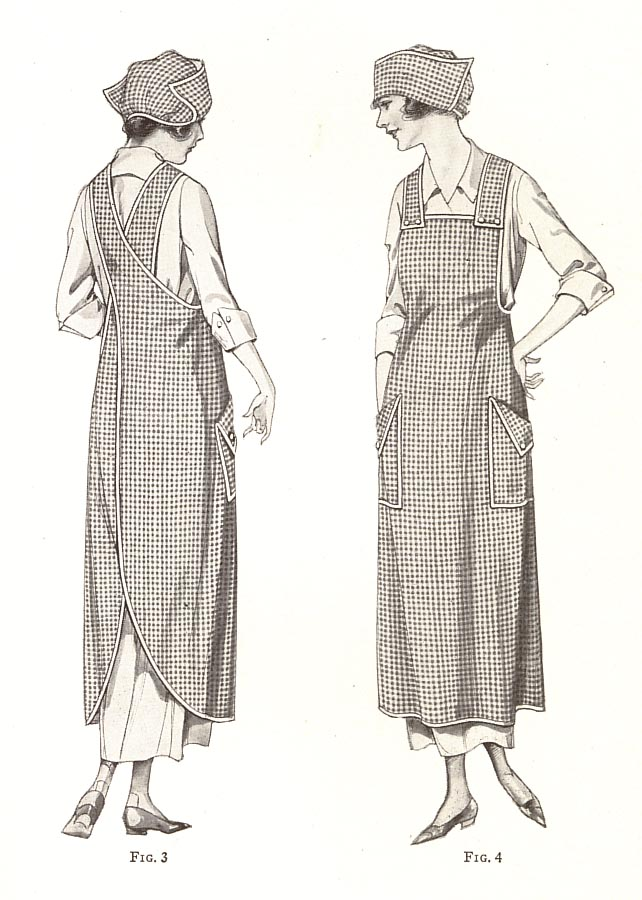
A working apron carried pockets, and what was in them – clothespins, matches, string, a knife, eggs, clothes-pegs, coins, a handkerchief – travelled with the wearer all day.
Not applicable.
The pockets are what make this equipment rather than a cover. A woman whose work takes her from a kitchen to a garden to a hen house to a line and back needs to carry small things without a bag, and an apron with deep pockets is a wearable workbench.
4. It Was Also a Basket, a Towel and a Potholder
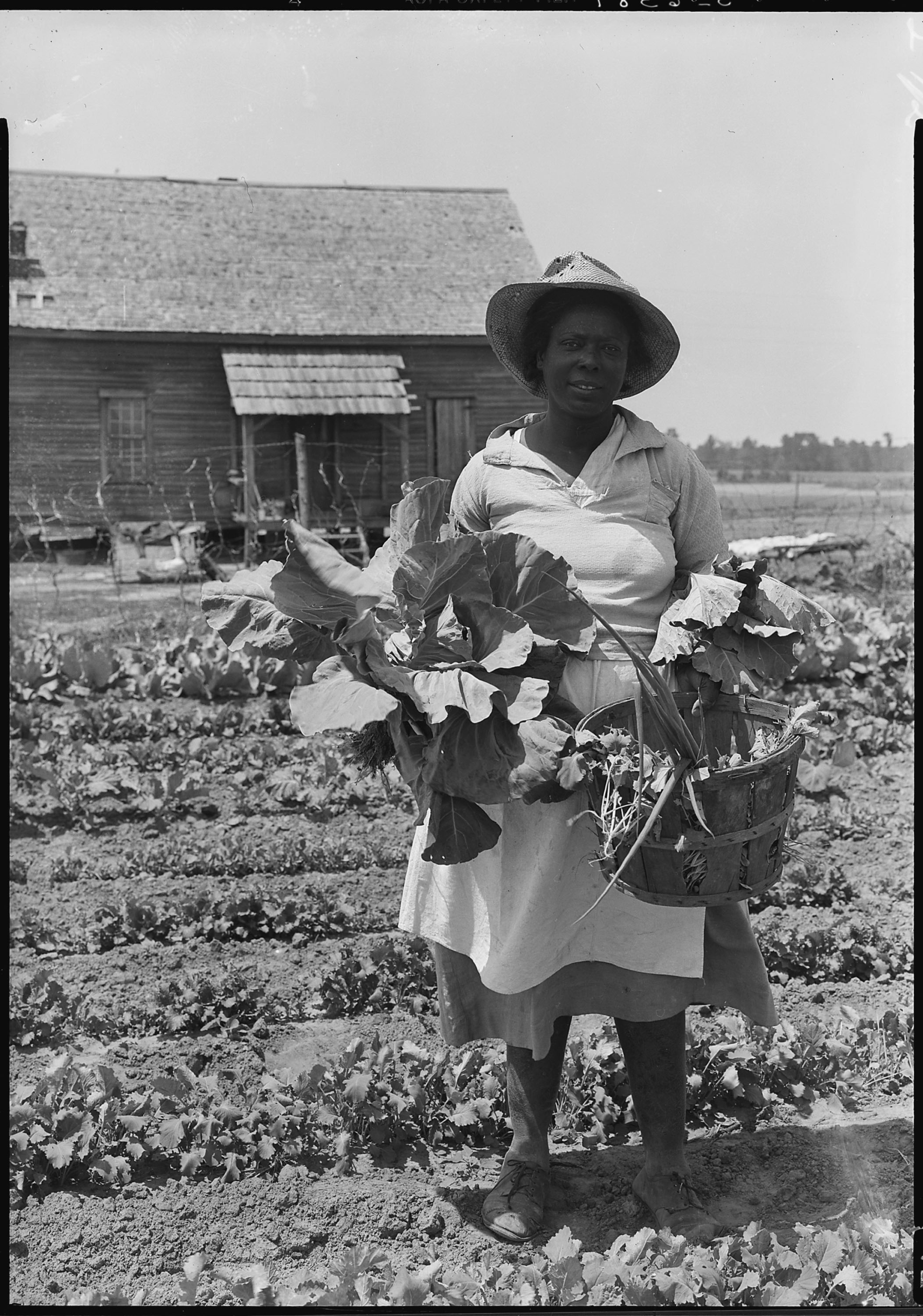
The skirt of an apron was gathered up to carry eggs, kindling, apples or vegetables, used to wipe hands and faces, and grabbed to lift a hot pan.
Not applicable.
The improvised uses are the most-remembered thing about the garment and they follow from it simply being there. A large piece of cloth attached to a person at all times will be used for whatever a piece of cloth is needed for – which makes it one of the most versatile objects in the household by accident rather than design.
5. There Were Two Grades and Everybody Knew the Difference
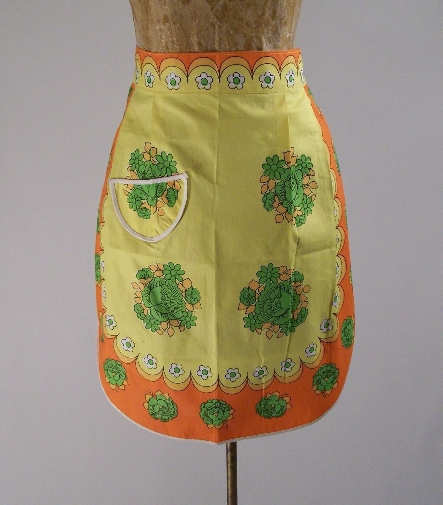
Households kept plain heavy work aprons for the dirty jobs and lighter, prettier ones – sometimes with trimming – for cooking, serving and wearing when people might see.
Not applicable.
The two-grade system is the same arrangement as working boots and good shoes. One is judged on performance and the other on appearance, and a woman changing from one to the other during the day was changing what she was doing – which made the apron a signal as well as a shield.
6. It Was the Garment Made From Whatever Was Available
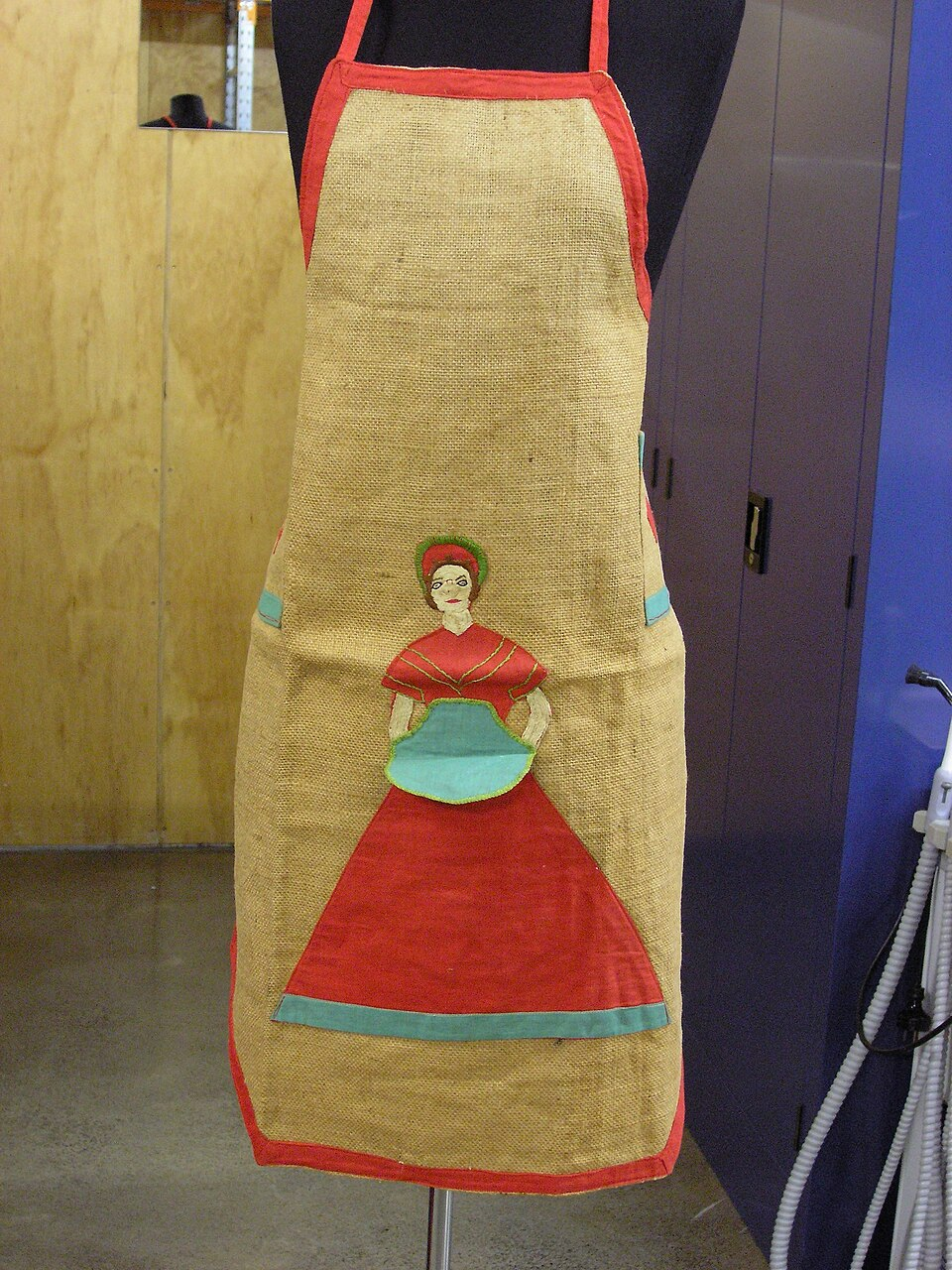
Aprons were cut from flour and feed sacks, from the sound parts of worn dresses, from remnants and from anything else at hand.
Not applicable.
Being made of scraps is central to how the object worked. An apron that costs nothing can be replaced without thought when it is ruined, which is precisely what allows it to be sacrificed – and a garment made from salvage cannot be too precious to use hard.
7. The Bib Version Protected Above the Waist Too
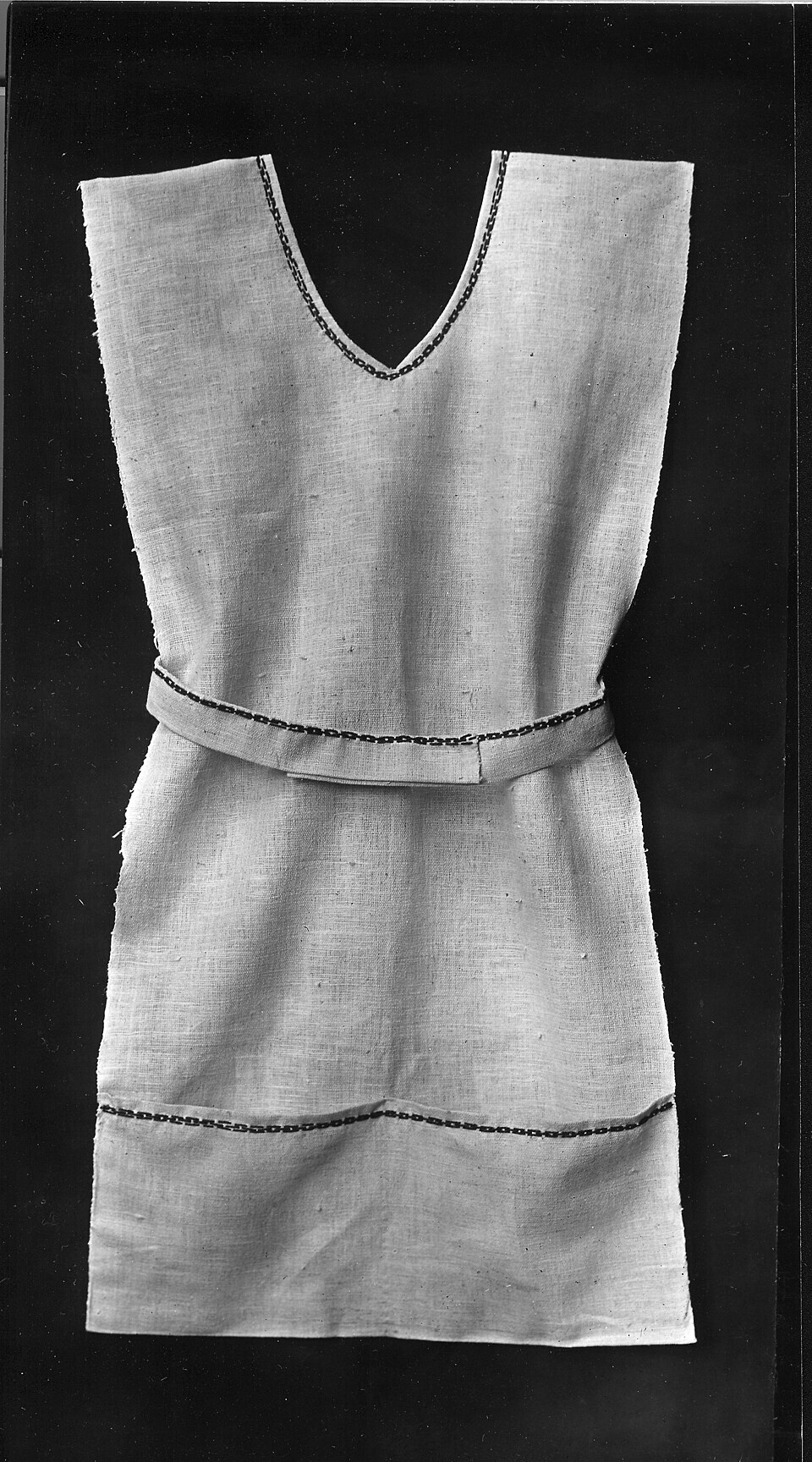
A full apron with a bib and straps over the shoulders covered the chest, which matters for anything that splashes.
Standard in occupational wear.
The two shapes exist because the jobs are different. A waist apron is quicker to put on and off and is enough for most work; a bib apron is needed for washing, for anything boiling and for feeding animals – so a household had both and the choice was made job by job.
8. Children Were Given Them Too
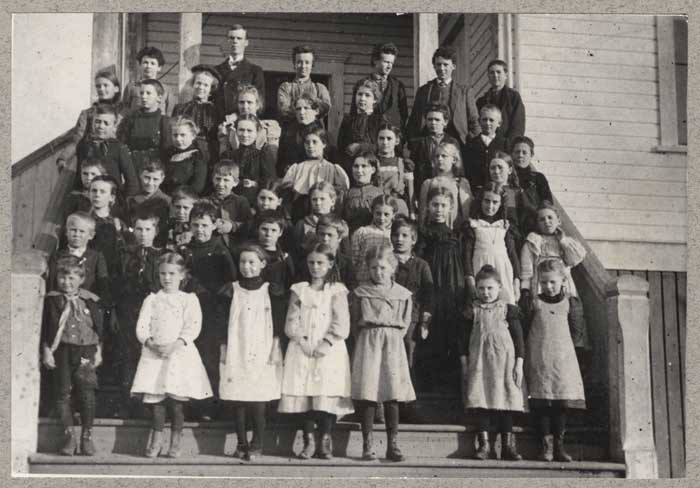
Girls wore aprons and pinafores over their dresses for exactly the same reason their mothers did, and boys wore them for messy work.
Not applicable.
Extending the garment to children is the same arithmetic applied to a worse case. Children ruin clothes faster than adults, children’s clothes were handed down and had to survive several wearers, so protecting them matters more rather than less – and a pinafore is an apron with the economics turned up.
9. It Was the First Garment a Girl Made
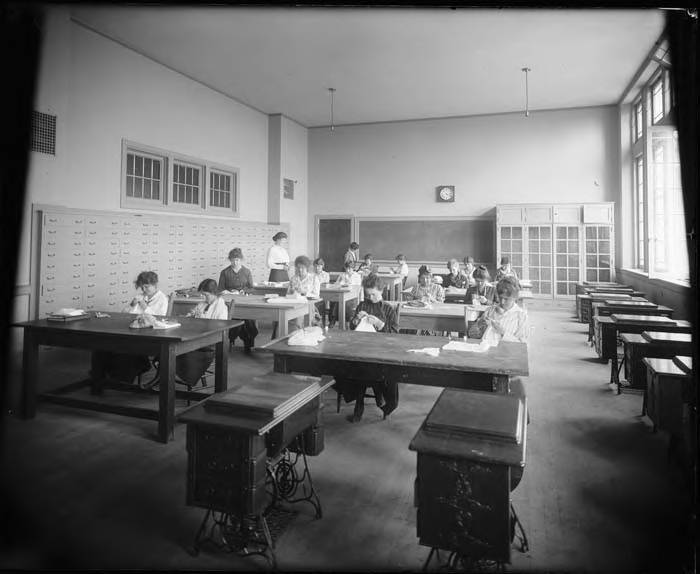
An apron is rectangular, forgiving, needs no fitting and uses very little fabric, which makes it the obvious thing to learn to sew on.
Not applicable.
The teaching role follows directly from the shape. There is nothing to fit, nothing to shape and no way to waste expensive cloth, so a beginner can produce something genuinely usable on her first attempt – which is why so many households contain a first apron that somebody kept.
10. A Clean Apron Said Something and So Did a Dirty One
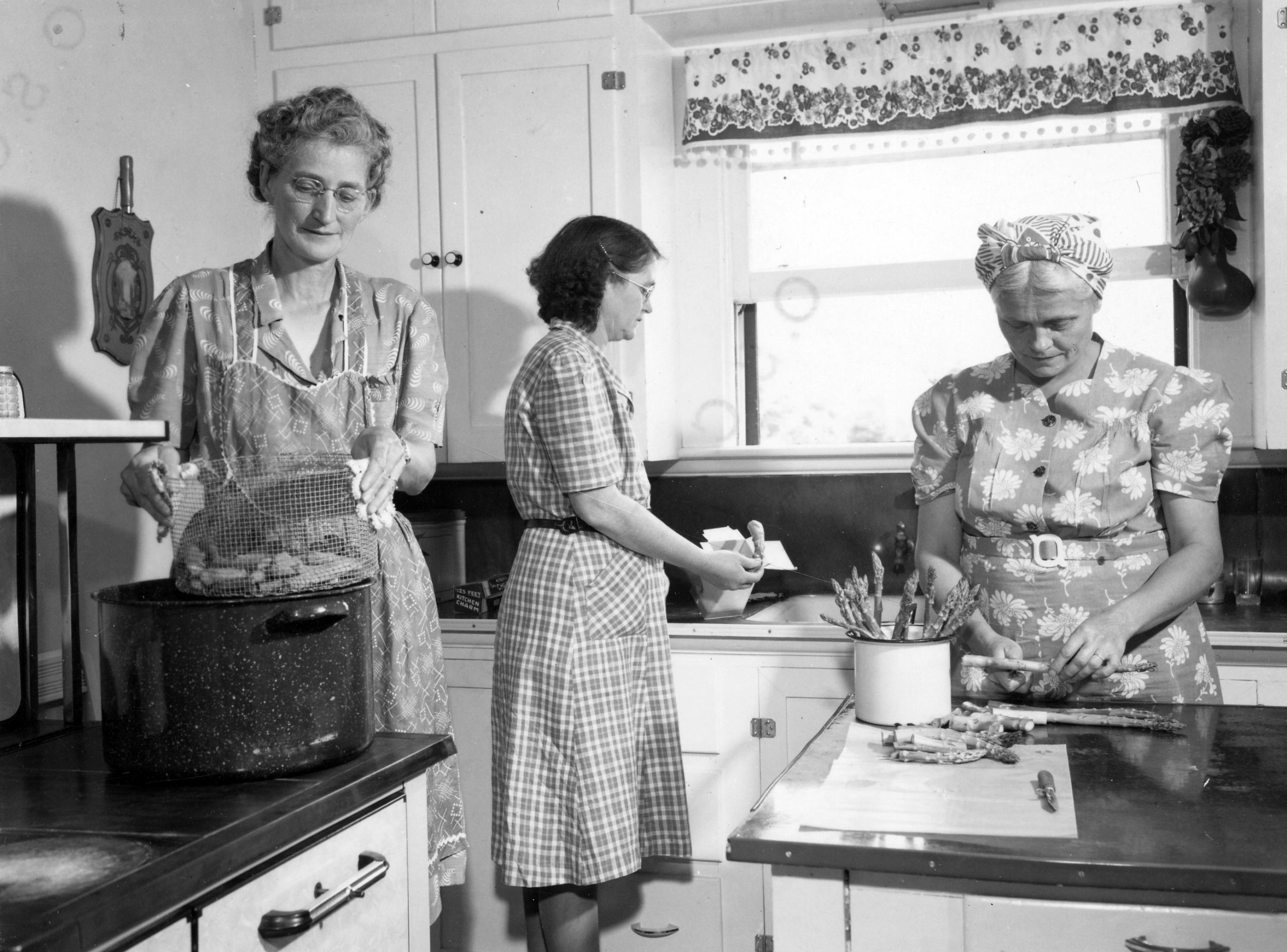
The state of a woman’s apron was read by anybody who saw her, and putting on a fresh one was a deliberate act.
Not applicable.
The garment was carrying information and that was understood on both sides. A clean apron in the afternoon says the work is done or has not started; a filthy one says it is in progress; a fresh one put on before a meal says something about how the household regards the occasion – and all of that was legible without comment.
11. Men Had Them Too and Called Them Something Else
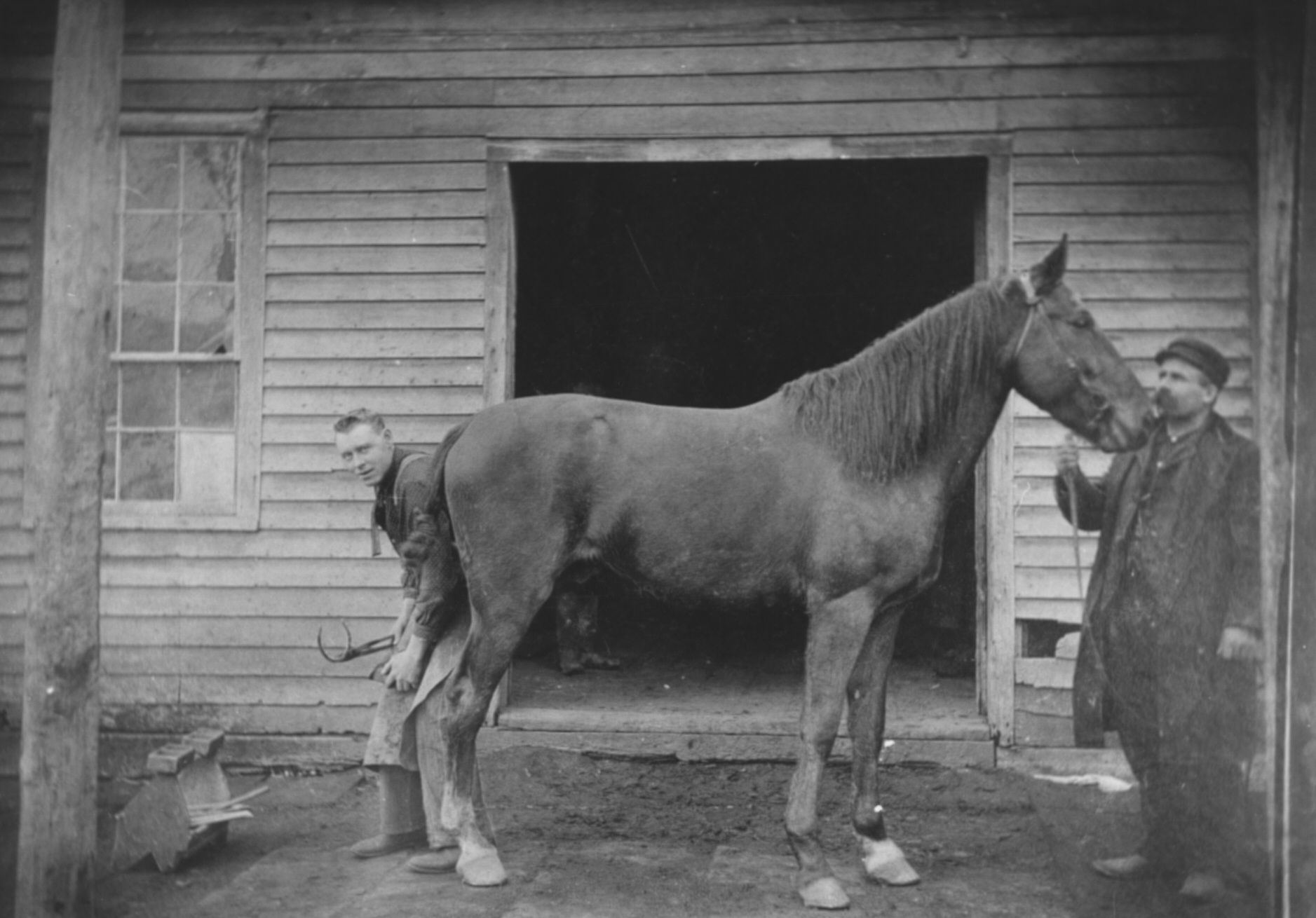
Smiths, carpenters, shopkeepers, barbers and anybody else working in dirt or at a bench wore equivalent garments, described as aprons without the domestic associations.
Standard occupational wear.
Naming the male version matters because it shows what the object is. The same garment on a man in a shop is unambiguously equipment and nobody reads anything else into it – while on a woman in a kitchen it acquired a whole social vocabulary that has nothing to do with protecting cloth.
12. The Housedress Was Trying to Replace It
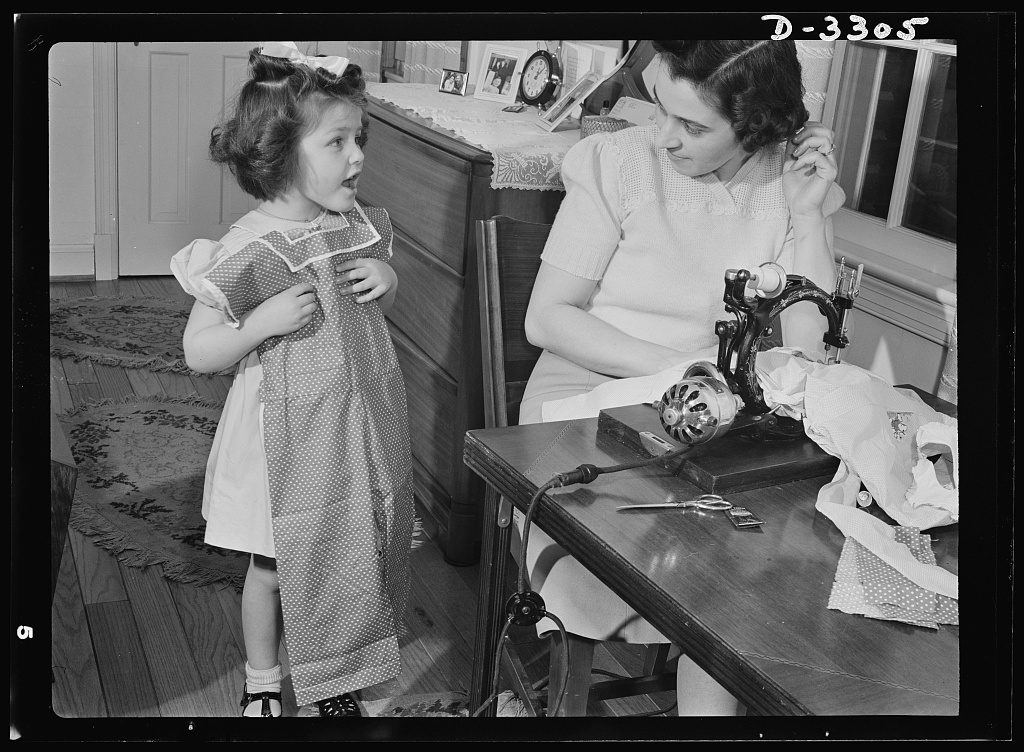
Cheap printed cotton dresses made for working in arrived as a single garment that needed no apron over it – washable, inexpensive and replaceable.
Universal in effect.
The housedress is the real competitor and the logic is sound. If the dress itself is cheap and washable, there is nothing left for an apron to protect – so the protective layer becomes redundant the moment the thing underneath stops being valuable.
13. Then the Washing Machine Removed the Reason
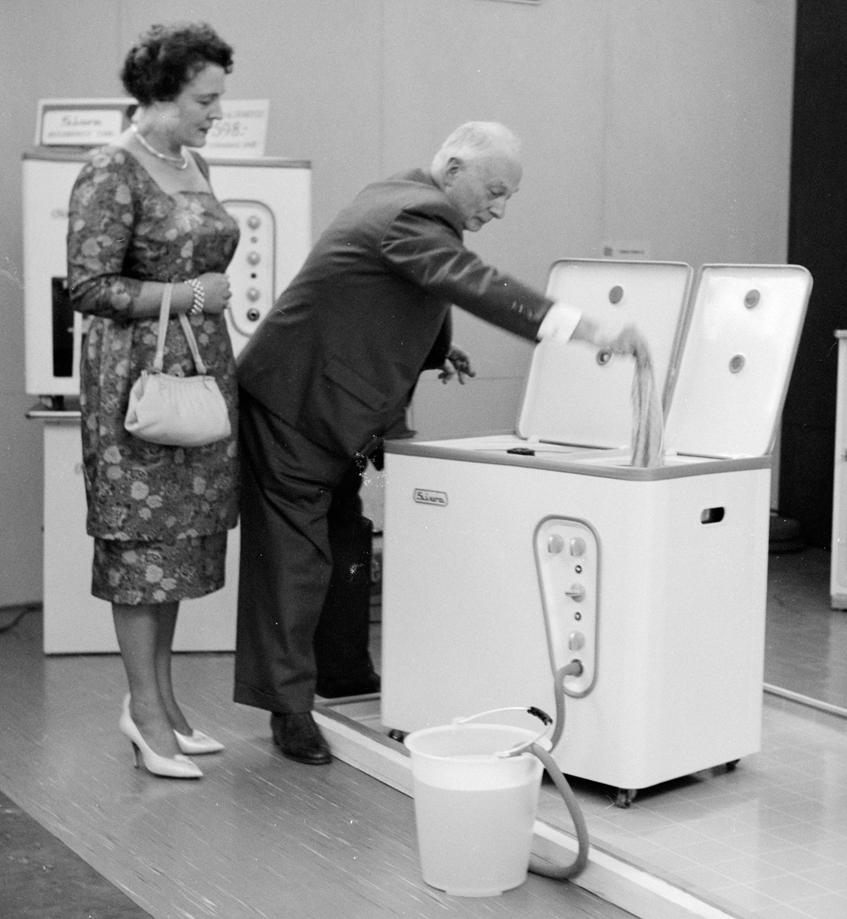
A machine that launders clothes cheaply and without labour destroys the entire case for sacrificing one garment to save another.
Universal.
This is the decisive change and it is not about fashion at all. The apron existed because washing a dress was expensive in labour; a machine makes washing nearly free, which means a dirty dress is no longer a problem worth preventing – and an object whose only purpose was preventing it has nothing left to do.
14. Then the Work Itself Changed
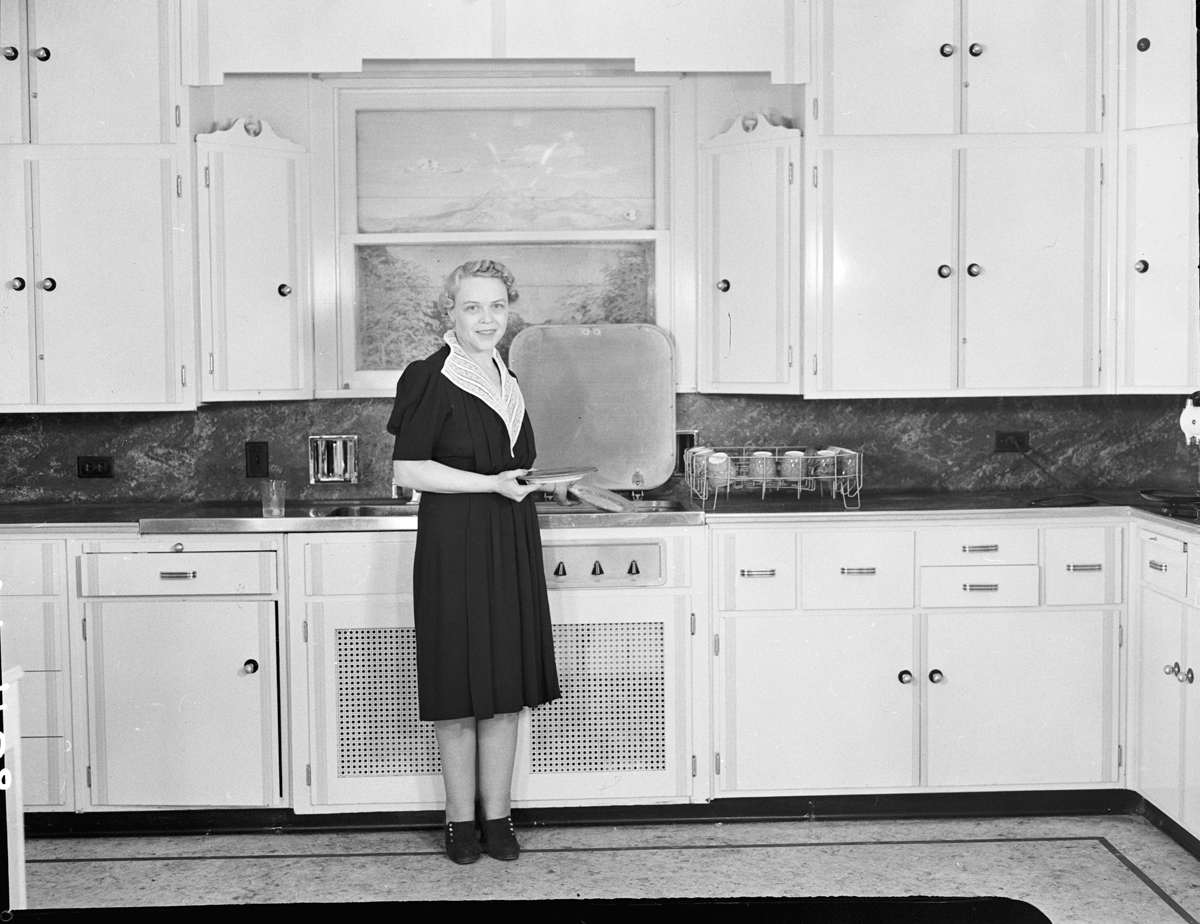
Bought food, packaged goods, piped water, gas and electric cooking and vacuum cleaners removed most of the jobs that made a woman dirty in the first place.
Universal.
The second half of the cause is that the mess went away. A household that no longer plucks, bakes, blacks a stove, hauls coal, scrubs floors on its knees or carries water does not generate the kind of dirt an apron was for – so the garment lost its reason twice over, from both ends at once.
15. Then It Became Decorative and Then a Costume
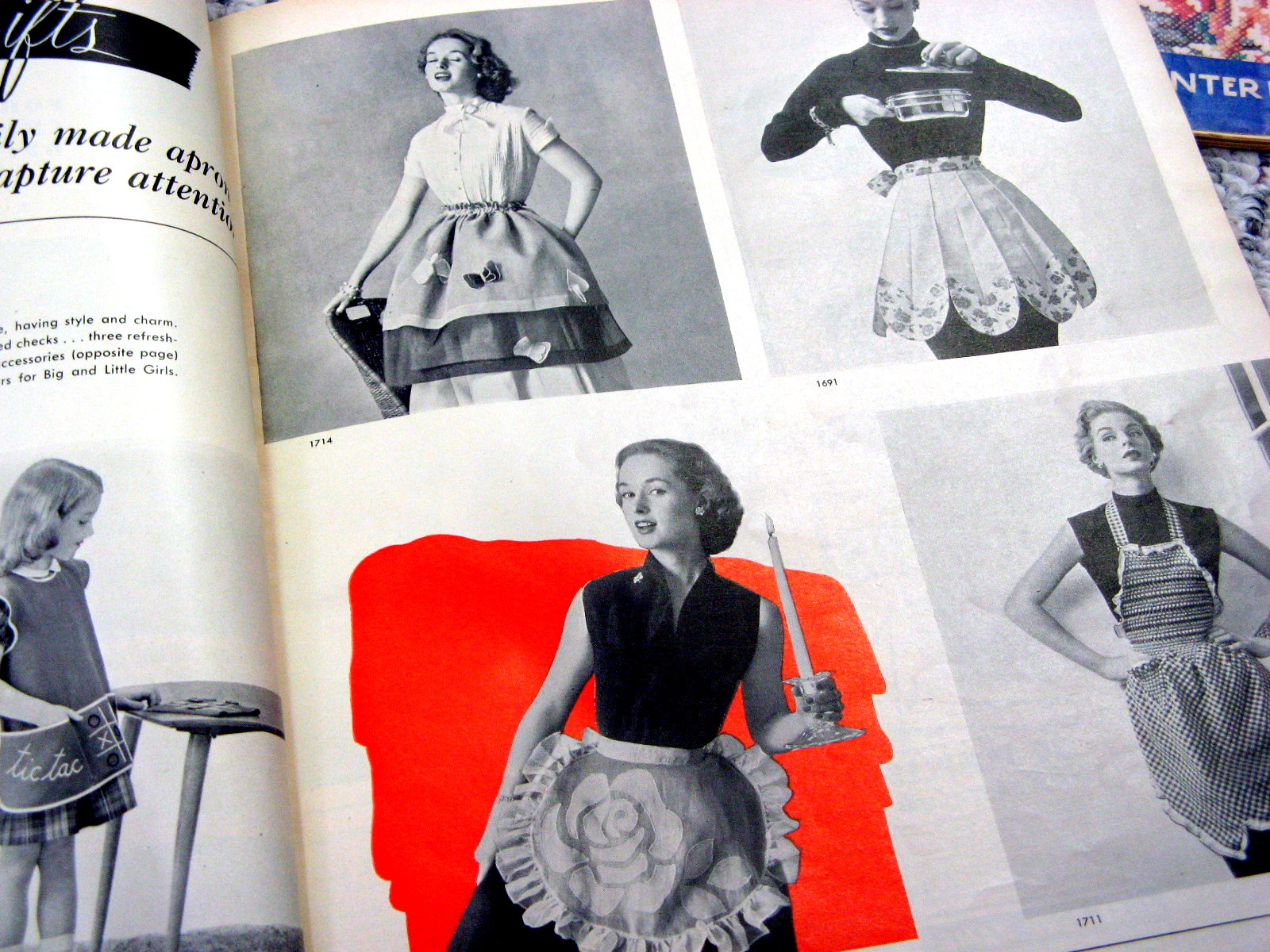
The apron survived as a thin, pretty, trimmed item worn for cooking and entertaining, and then as shorthand for a kind of housewife that it is now used to represent.
Chefs’ and craft aprons persist; the domestic one is mostly symbolic.
The afterlife is where the object got buried. An apron now reads instantly as a statement about women and domesticity, which has completely displaced what it originally was – and that reading makes it very hard to see the garment as what the people wearing it understood perfectly well it was.
16. And by 1964 It Was Half Equipment and Half Symbol
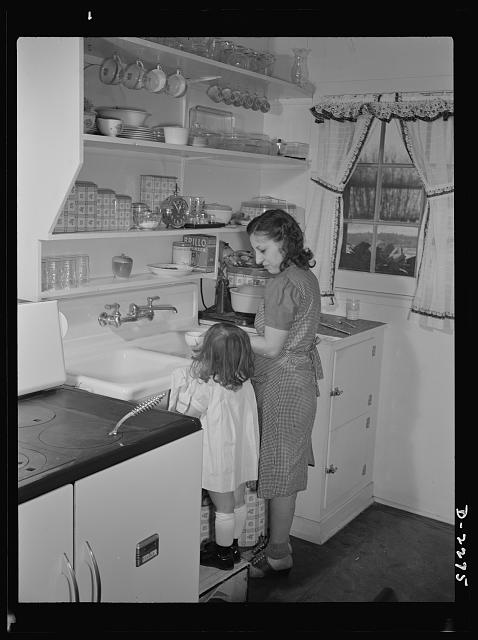
Plenty of American women still put one on every morning out of habit and practicality, while the garment was already being used in advertising and on television to mean something about them.
Mostly symbolic.
And what deserves the last word is that this was a tool, and a good one. It was made from salvage so it cost nothing and could be ruined without regret, it protected an expensive garment from a day of dirty work in a period when laundry was a day’s labour, it carried everything a woman needed in its pockets while she moved between a kitchen, a garden, a hen house and a line, it served as a basket, a towel and a potholder because it was simply there, it came in two grades so that she could signal which kind of work she was doing, and it came off at a knock. A washing machine made the dress cheap to clean, packaged food and piped water removed most of the dirt, and a cheap housedress removed the thing being protected – at which point the garment had no function left and became, instead, a picture of a woman that gets used to say things she never said.
It Was a Tool, and a Very Good One
The apron has been so thoroughly converted into a symbol that it is now genuinely difficult to see it as what it was, which is a well-designed piece of working equipment.
Start with the economics, which is the entire reason it existed. A woman owned very few dresses. Washing one was an enormous labour – heating water, a tub, a board, wringing, and drying. So a cheap washable layer went over the top and took the damage, because sacrificing something worth almost nothing to protect something worth real money is simply correct.
Which is also why it was made from salvage: flour and feed sacks, the sound parts of worn dresses, remnants, anything at hand. A garment that costs nothing can be ruined without thought, and that is precisely what allows it to be sacrificed. Something too precious to wreck cannot do this job.
Then the features, which make it equipment rather than a cover.
The pockets carried everything a woman needed through a day that moved between a kitchen, a garden, a hen house, a line and back – clothespins, matches, string, a knife, eggs, coins, a handkerchief. A wearable workbench, because she had no bag and no fixed station.
The skirt was a basket, a towel and a potholder. A large piece of cloth permanently attached to a person gets used for whatever a piece of cloth is needed for, which made it one of the most versatile objects in the house by accident.
There were two grades, and the distinction was the same as working boots against good shoes: heavy plain ones for dirty jobs, lighter and sometimes trimmed ones for cooking, serving and being seen. A woman changing from one to the other was changing what she was doing.
And there were two shapes for two different problems. A waist apron is quicker on and off and covers enough for most work; a bib apron with shoulder straps is needed for washing, for anything boiling and for feeding animals.
The garment also carried information, and everybody could read it. A clean apron in the afternoon says the work is done or has not started. A filthy one says it is in progress. A fresh one put on before a meal says something about how the household regards the occasion. None of that needed saying aloud.
Two things put the object in perspective.
Children wore them too – girls in pinafores, boys for messy work – which is the same arithmetic applied harder, since children ruin clothes faster and children’s clothes were handed down and had to survive several wearers.
And men wore the equivalent: smiths, carpenters, shopkeepers, barbers. The same garment on a man at a bench is unambiguously equipment and nobody reads anything else into it, while on a woman in a kitchen it acquired a whole social vocabulary that has nothing to do with protecting cloth. That comparison is the clearest evidence of what has happened to the object.
It was also the first thing a girl learned to sew, because it is rectangular, needs no fitting and uses very little fabric – so a beginner produces something genuinely usable on her first attempt, which is why so many households contain a first apron that somebody kept.
The end came from three directions at once.
The housedress removed the thing being protected: if the dress itself is cheap and washable, there is nothing left for an apron to guard. The washing machine removed the reason, because the apron existed only because laundering a dress was expensive in labour, and a machine makes that nearly free. And the work itself changed – bought food, packaged goods, piped water, gas and electric cooking and vacuum cleaners removed most of the jobs that made a woman dirty in the first place.
So the garment lost its purpose from both ends simultaneously, and what was left was the appearance.
Which is where it was buried. An apron now reads instantly as a statement about women and domesticity, and that reading has completely displaced the object – a tool made from salvage, costing nothing, protecting an expensive garment from a day of hard dirty work, carrying everything its wearer needed, serving as basket and towel and potholder, signalling which kind of work was being done, and coming off at a knock.
It is now mostly a picture of a woman, used to say things she never said.
If there is an apron in your family, check the pockets and the fabric.
Flour-sack cotton with deep pockets is a working apron. Trimmed and thin is the other kind.
Like our content? Follow us for more.