

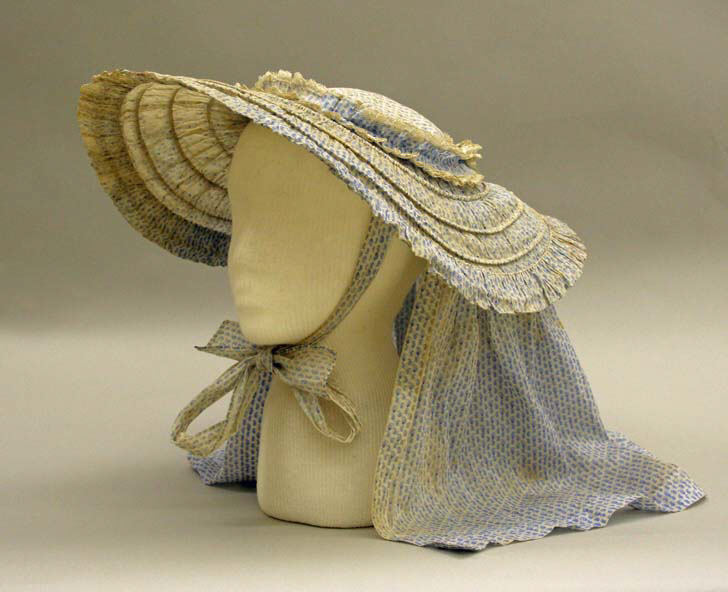
The bonnet in my great-grandmother’s things is not pretty. It is faded cotton, it has a brim like a tunnel with stiff slats sewn into it, and there is a long flat panel of fabric hanging off the back of it that looks like somebody forgot to finish the thing. I had assumed for years that it was a decorative item I simply did not have the taste for. It is not decorative at all. Every single feature of it is solving a problem, and the problem was being outdoors for ten hours.
It Was Equipment, Not Headwear
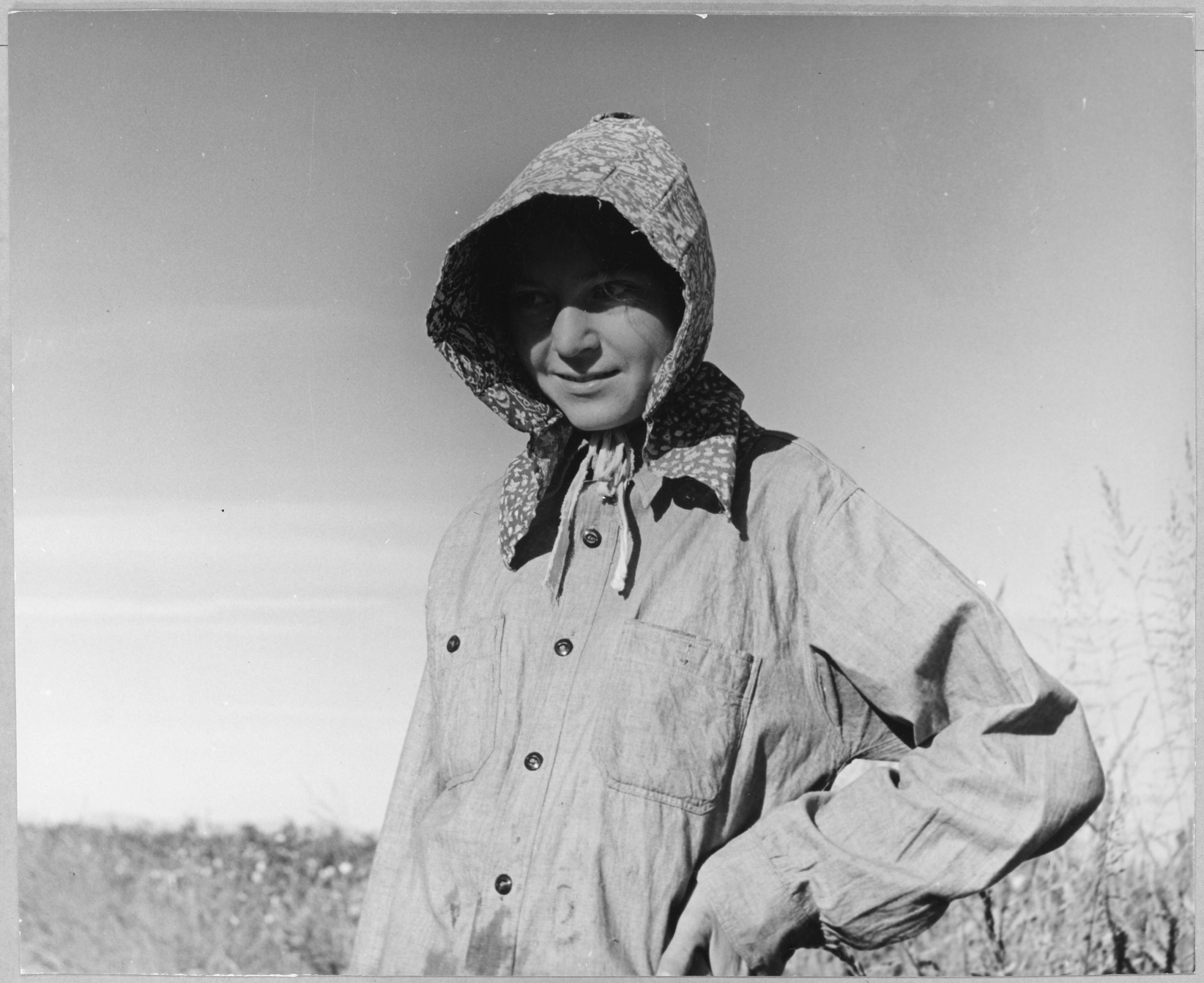
Start with the category, because that is where everybody goes wrong.
A hat is worn to town. A sunbonnet was worn to work – in a garden, a field, a yard, a hen house – by a woman who would be out in the sun for most of the daylight hours and had no option to go inside.
Which means it should be judged the way you would judge a pair of boots. Not on how it looks but on whether it does its job all day, survives being washed constantly, and costs almost nothing to replace.
Like our content? Follow us for more.
The Brim Was Deep Because the Sun Moves
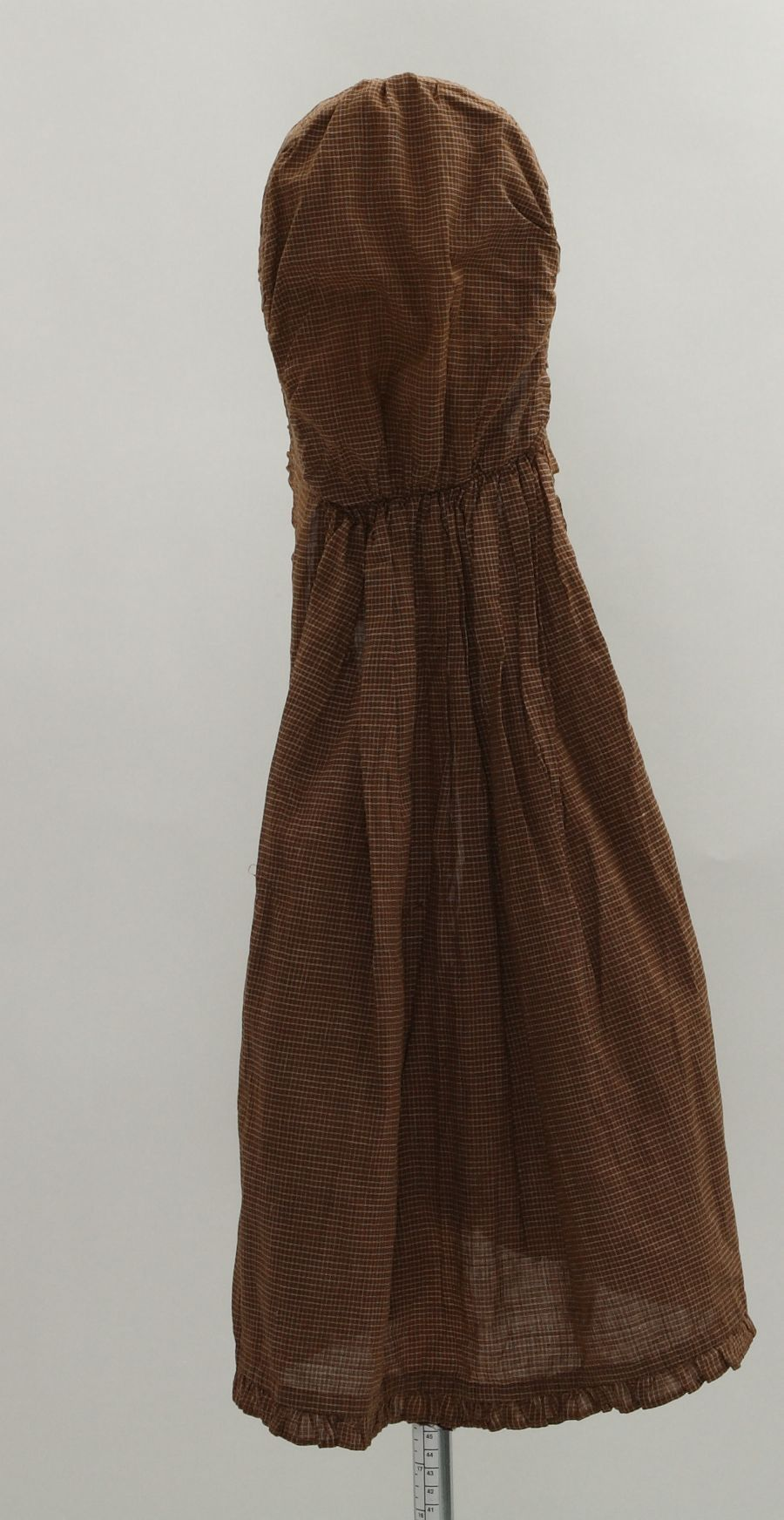
The tunnel shape is the part that looks absurd and is the most sensible feature.
A shallow brim shades the face only when the sun is directly overhead. Earlier and later in the day the light comes in at an angle and goes straight under it – which is precisely when a woman working outdoors is most likely to be out there, because the middle of the day was the hottest and the worst time to be bent over a row.
A deep brim projecting well forward of the face blocks light arriving at a low angle as well as a high one. It costs peripheral vision, which is a genuine nuisance, and it buys shade for the whole working day rather than for two hours of it.
The Slats Held the Shape Against Wind and Washing
Now the stiffening, which is the cleverest part.
A deep brim made of soft cotton collapses. It flops in wind, it folds against the face, and it comes out of the wash as a limp rag with no structure at all – which makes it useless, because a brim that is not projecting is not shading anything.
So channels were sewn across the brim and stiffeners were slid into them – strips of cardboard, pasteboard, split cane, or whatever was available. That holds the tunnel open.
And the stiffeners came out before washing and went back in afterwards. Which is the detail that makes the whole design work: a permanently stiffened brim could not be laundered, and a bonnet worn in a field every day has to be laundered constantly. Removable slats solve both requirements at once.
The Curtain Protected the Neck
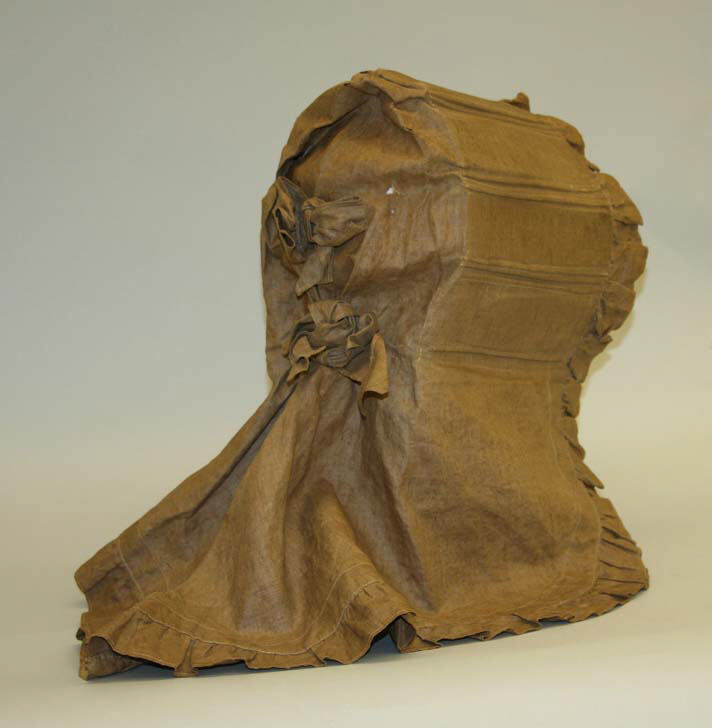
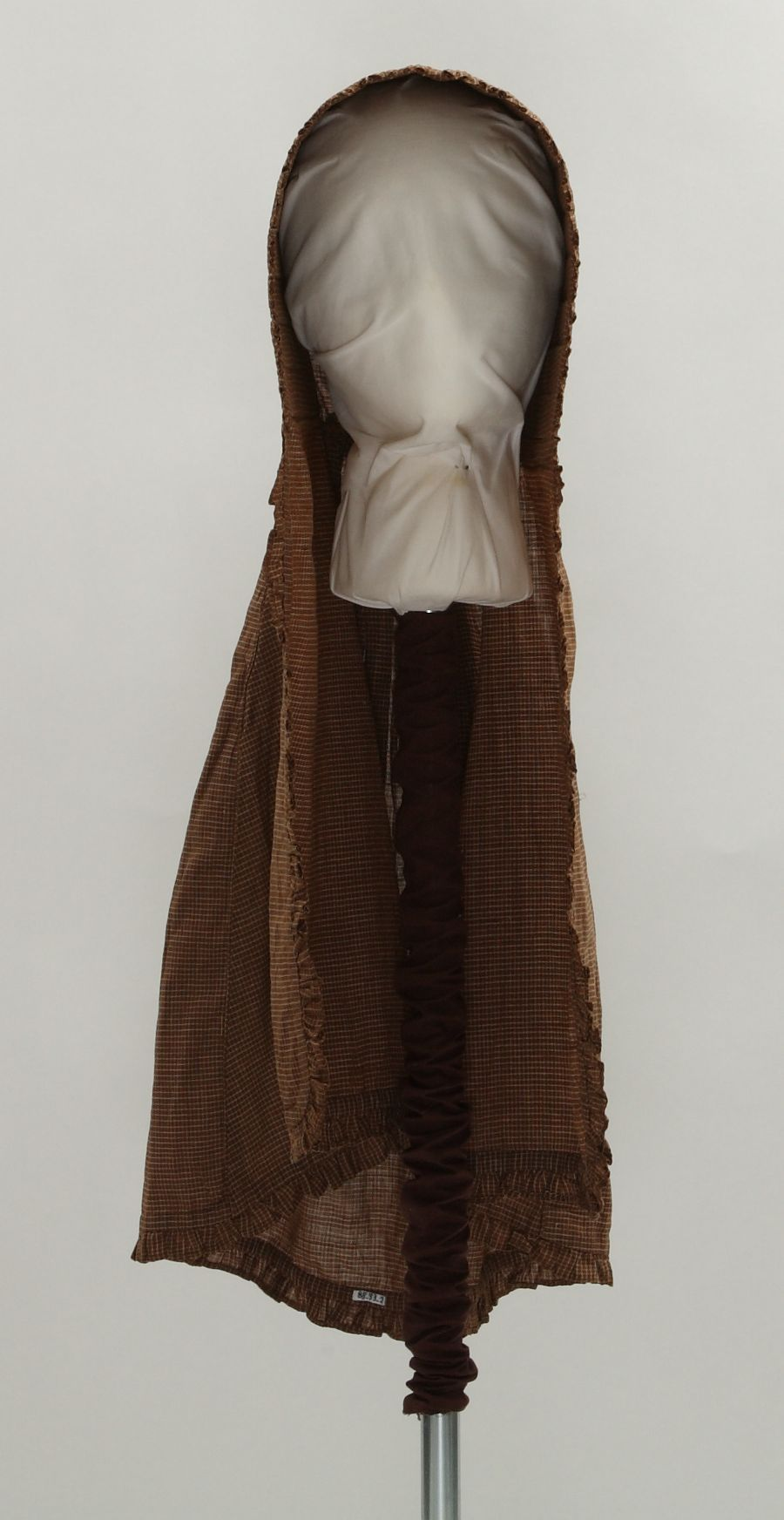
The panel hanging down the back is not an afterthought.
A woman bending over a row has the back of her neck presented directly to the sun for hours. That is one of the places people burn worst and fastest, and it is also exactly where a hat does nothing.
So the bonnet carries a long rectangle of fabric from the back of the crown down over the neck and shoulders. It hangs loose, it moves with the head, and it keeps that strip of skin covered no matter which way the wearer is facing.
Modern working headwear for hot climates has the same feature, arrived at independently, which is a reasonable indication that the solution is correct.
Loose Fabric Beats Tight Fabric in Heat
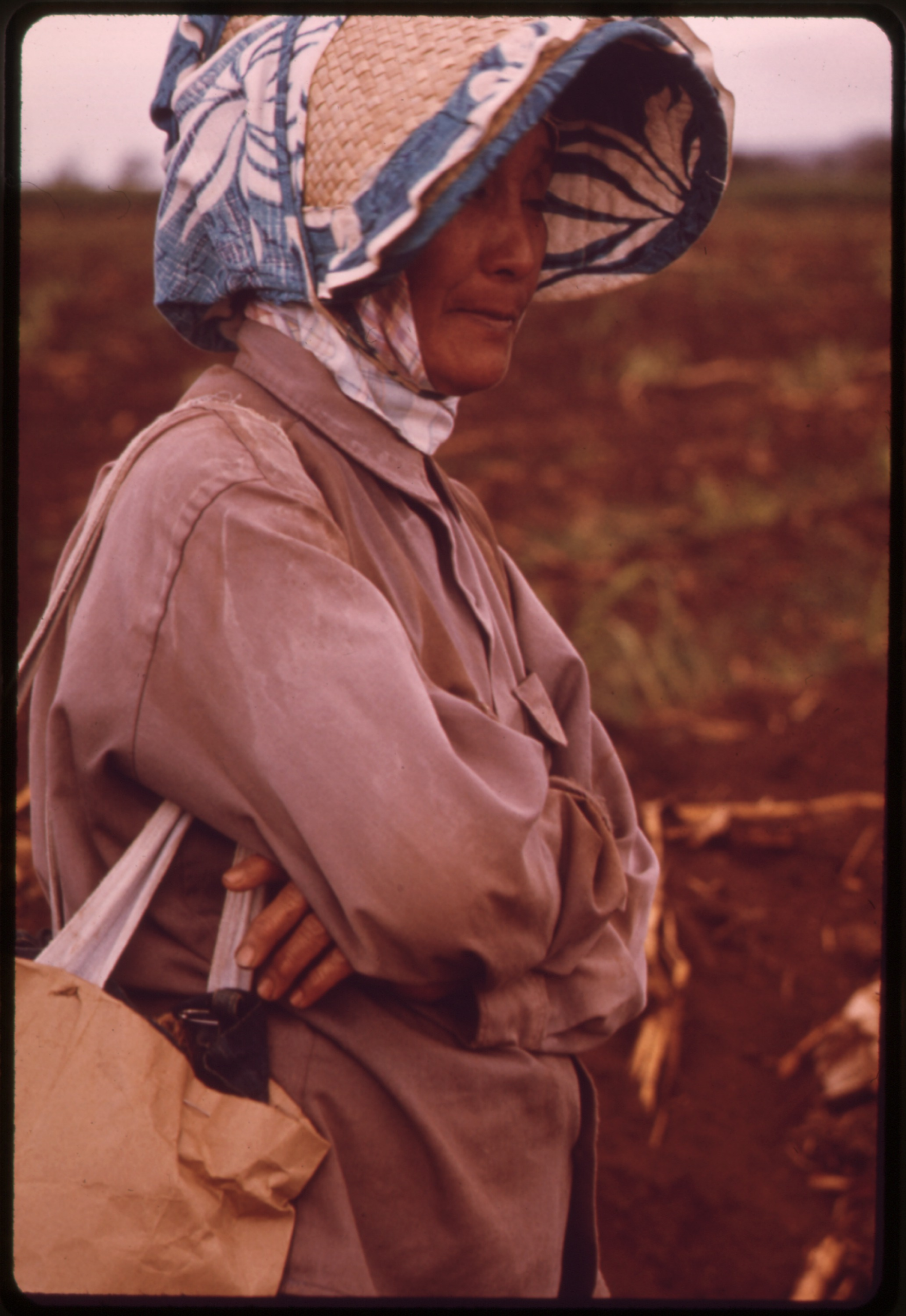
There is a thermal argument here too and it is worth stating.
Fabric held slightly away from the skin, with air able to move between the two, is cooler than fabric pressed against it – because the air gap insulates against radiant heat while still letting moisture evaporate.
The bonnet’s deep brim, loose crown and hanging curtain all keep cloth off the skin rather than on it. Which is why a bonnet is not as hot to wear as it looks, and why covering up in the sun was and is a better strategy than exposing skin to it.
The Ties Were Long for a Reason
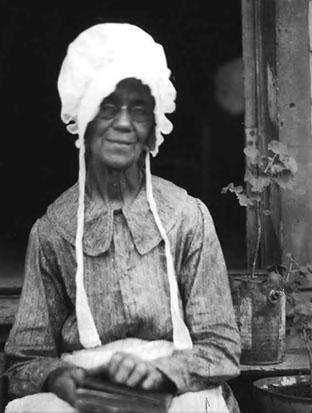
Bonnets were tied under the chin with long strings, and the length was practical.
A short tie is a strap. Long ties can be crossed behind the neck and brought round, or tied loosely so the bonnet can be pushed back off the head without being taken off, or knotted tight when the wind gets up.
That adjustability is what lets one object serve a whole working day – pushed back in the shade, pulled forward in the open, cinched down in weather – and it is also why the ties are always the first part to wear out.
It Was Made at Home Out of Almost Nothing
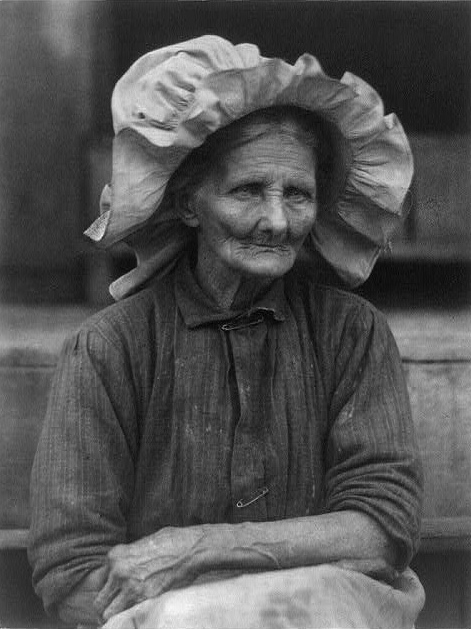
The economics are the reason these were universal.
A sunbonnet is a few pieces of plain cotton, some thread, and some stiffening. It can be cut from a flour sack or from the sound parts of a worn-out dress, it requires no fitting beyond the ties, and anybody who could sew a seam could make one.
So a household made several, wore them until they fell apart, and made more. They were not purchased objects and there was no reason for them to be – which also means almost no manufactured examples exist and almost everything surviving is homemade.
Pale Skin Was the Entire Point
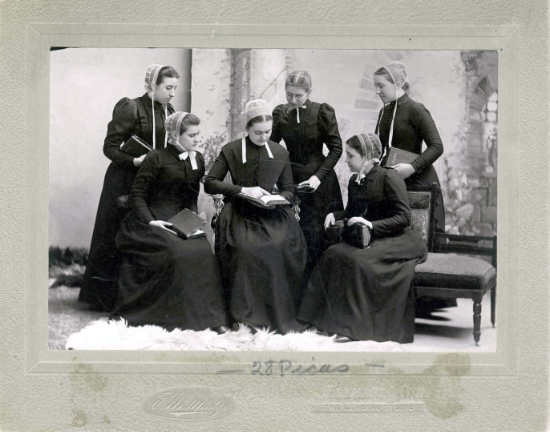
This has to be addressed directly, because the object does not make sense without it.
A tanned face marked a woman as somebody who worked outdoors, and in the social arithmetic of the period that was a mark of low status. Pale skin signalled that a woman did not have to be in a field, and was therefore something women who were in fields went to considerable trouble to protect.
So the bonnet was doing two jobs at once. It prevented sunburn, which is a straightforward physical benefit. And it preserved an appearance that mattered socially – which is why women wore a hot, awkward, vision-restricting object all day rather than simply accepting the sun.
It Was Also Privacy
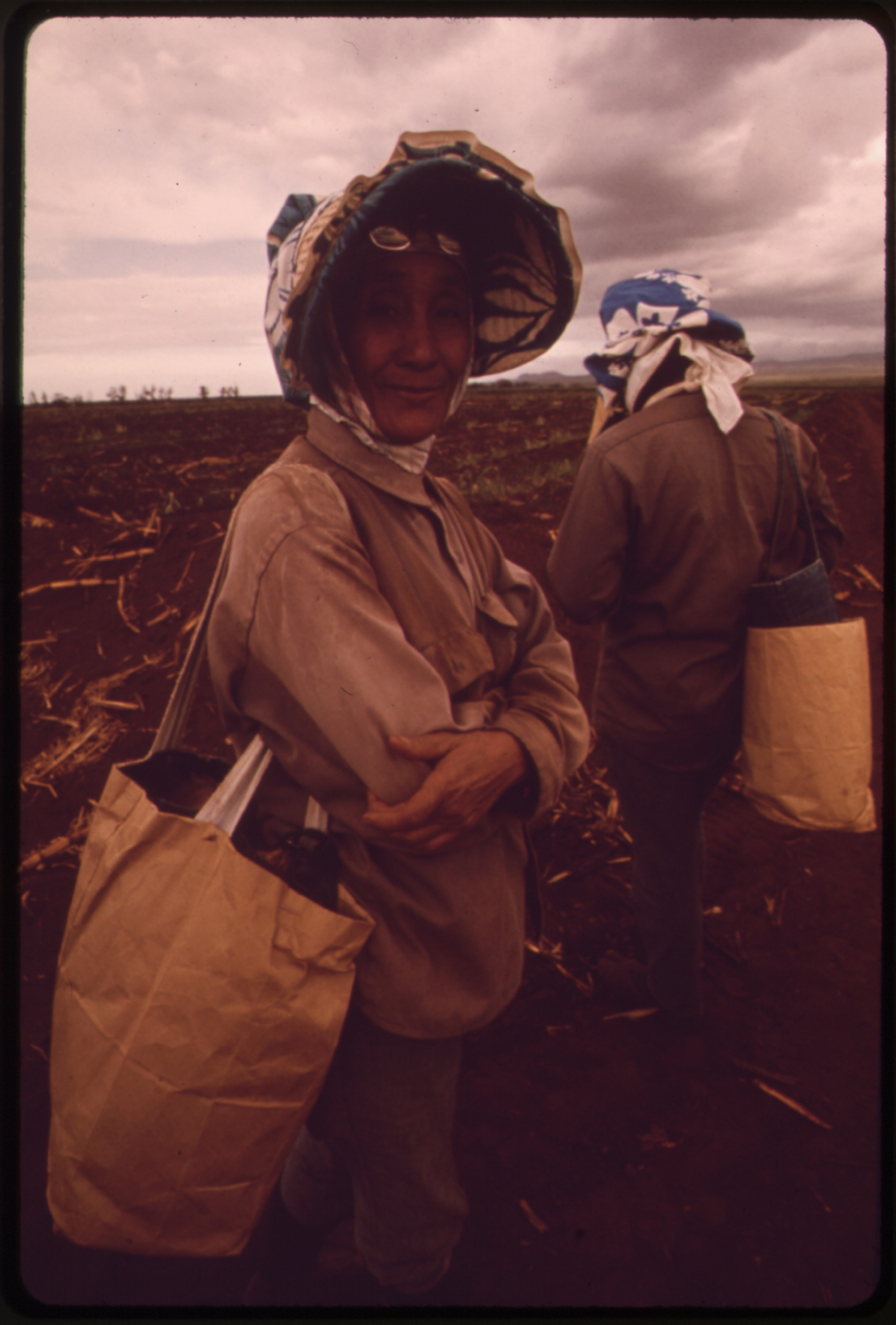
There is a third function that is easy to miss.
A deep brim projecting past the face means that from the side, nobody can see in. A woman in a sunbonnet is substantially out of view, which in a working situation with men around her – hired hands, neighbours, threshing crews – is not a trivial consideration.
Every account I have read of wearing one mentions the tunnel vision as a nuisance. Rather fewer mention the reverse, which is that the tunnel works in both directions.
There Was a Second Bonnet for Sunday
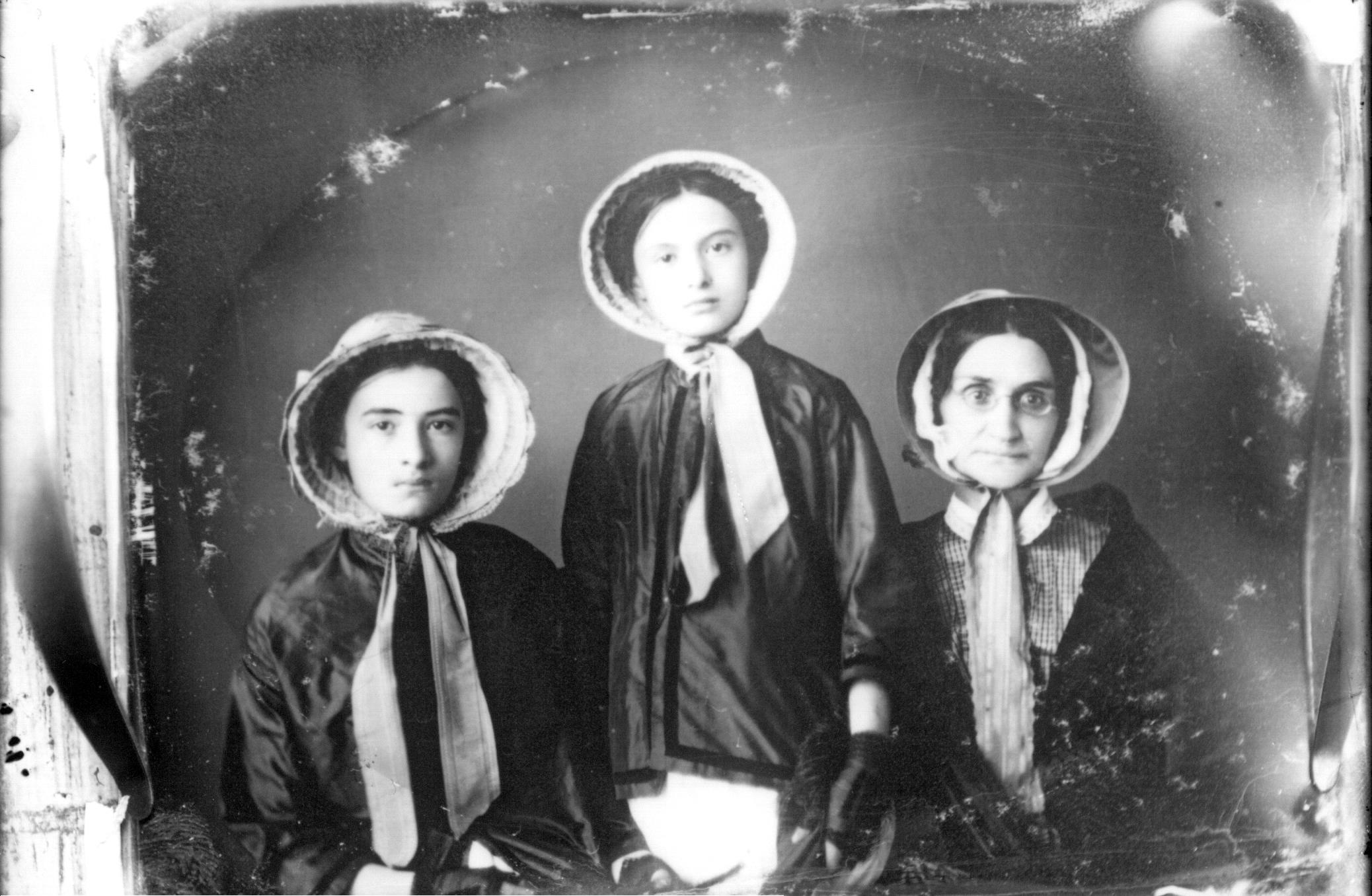
Households generally had two kinds and the distinction is worth drawing.
The working bonnet is the one in the box – plain cotton, heavy stiffening, long curtain, made for performance and washed constantly. Alongside it there was frequently a better one in finer fabric, more lightly stiffened, with a shorter curtain and some trimming, worn to town or to church.
That second bonnet was doing a different job. It still shaded a face, but it was not expected to survive ten hours in a field, so it could afford to be lighter, prettier and less practical – which is exactly the relationship between a working boot and a dress shoe.
And it is the better bonnets that mostly got photographed, which is a large part of why the surviving picture of the object is the pretty version rather than the tunnel-brimmed one with cardboard in it. The working bonnets wore out, and the ones that survived in good order are frequently the ones that were hardly used.
Men Had Nothing Equivalent, and That Is Revealing
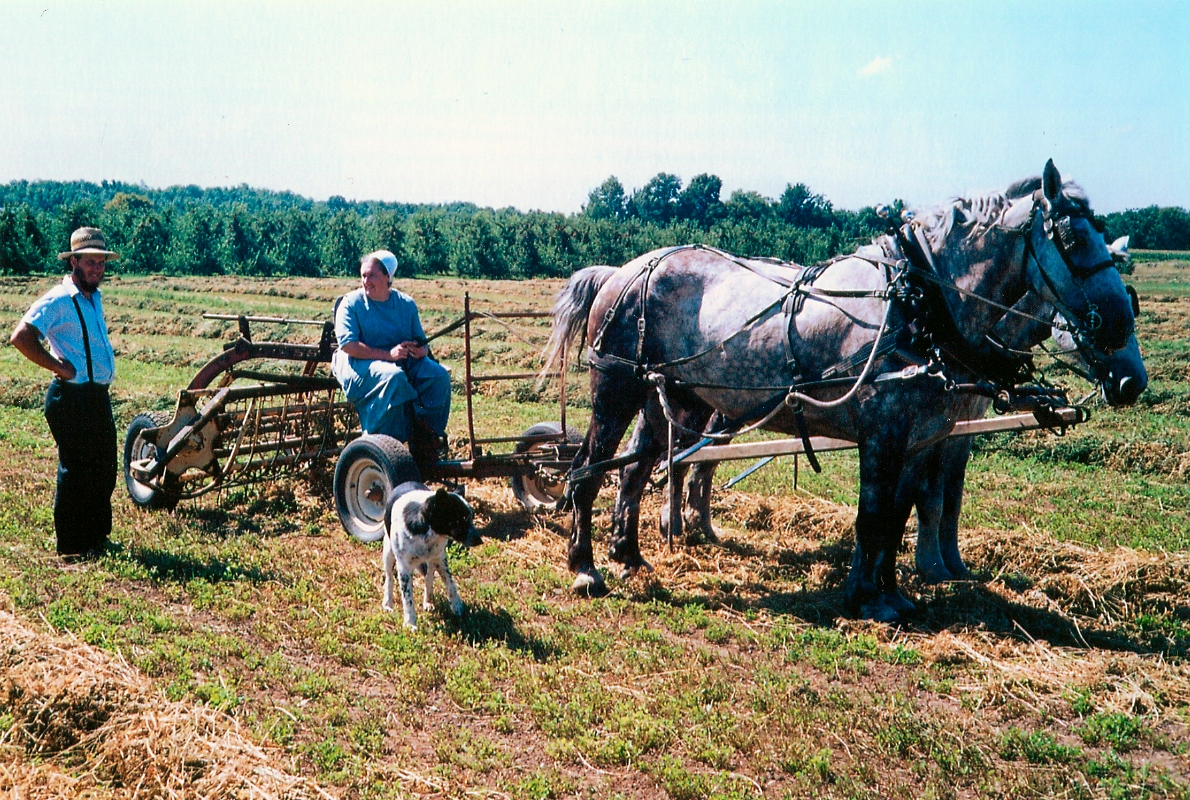
A man working in the same field wore a straw hat with a broad flat brim and nothing over his neck.
The straw hat is lighter, cooler, and far better ventilated, and it is noticeably worse at the job. It does not block low sun, it does not cover the neck, and it blows off. What it does is leave the face visible and the head unencumbered – which was acceptable for a man because a tanned face carried no penalty for him.
So two people working side by side in the same sun had completely different headwear, and the difference is not about the sun at all. It is about who was allowed to be seen to have been in it.
Then Everything About the Need Changed
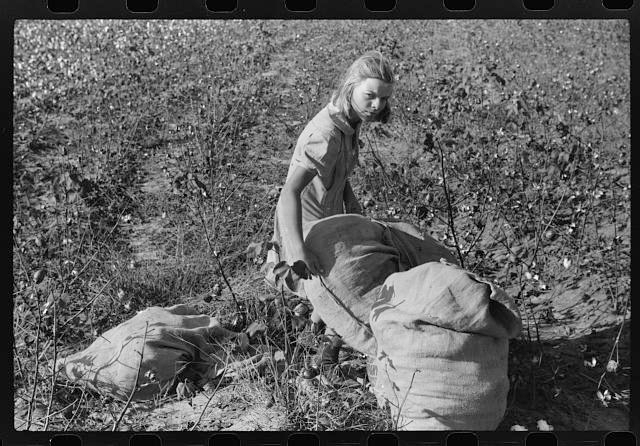
The end of it has several causes arriving together, and none of them is fashion.
Women’s field and garden work reduced enormously as farms mechanised and as households stopped producing their own food. A woman who is outdoors for two hours rather than ten does not need all-day protection.
The status arithmetic inverted completely. A tan stopped meaning farm labour and started meaning leisure, at which point an object whose purpose was preventing one became something nobody wanted.
And manufactured alternatives arrived – brimmed hats, scarves, visors, and eventually sunscreen – which do parts of the same job without looking like a bonnet.
Then It Became a Costume
Which is the last stage and the one that has buried the object.
The sunbonnet is now almost exclusively seen as period dress – in pageants, in illustrations, on dolls, in anything representing frontier or pioneer America. It reads as quaint, and that reading has entirely displaced the original one.
I find that genuinely unfortunate, because the thing in my great-grandmother’s box is not quaint. It is a piece of personal protective equipment, made at home for nothing, with a removable stiffening system so it could be washed, a neck curtain because that is where people burn, long adjustable ties, and a brim calculated for low sun. Somebody worked all of that out, and then wore it in a garden for forty years, and the only reason it survived is that nobody could bring themselves to throw it away.
Like our content? Follow us for more.
