

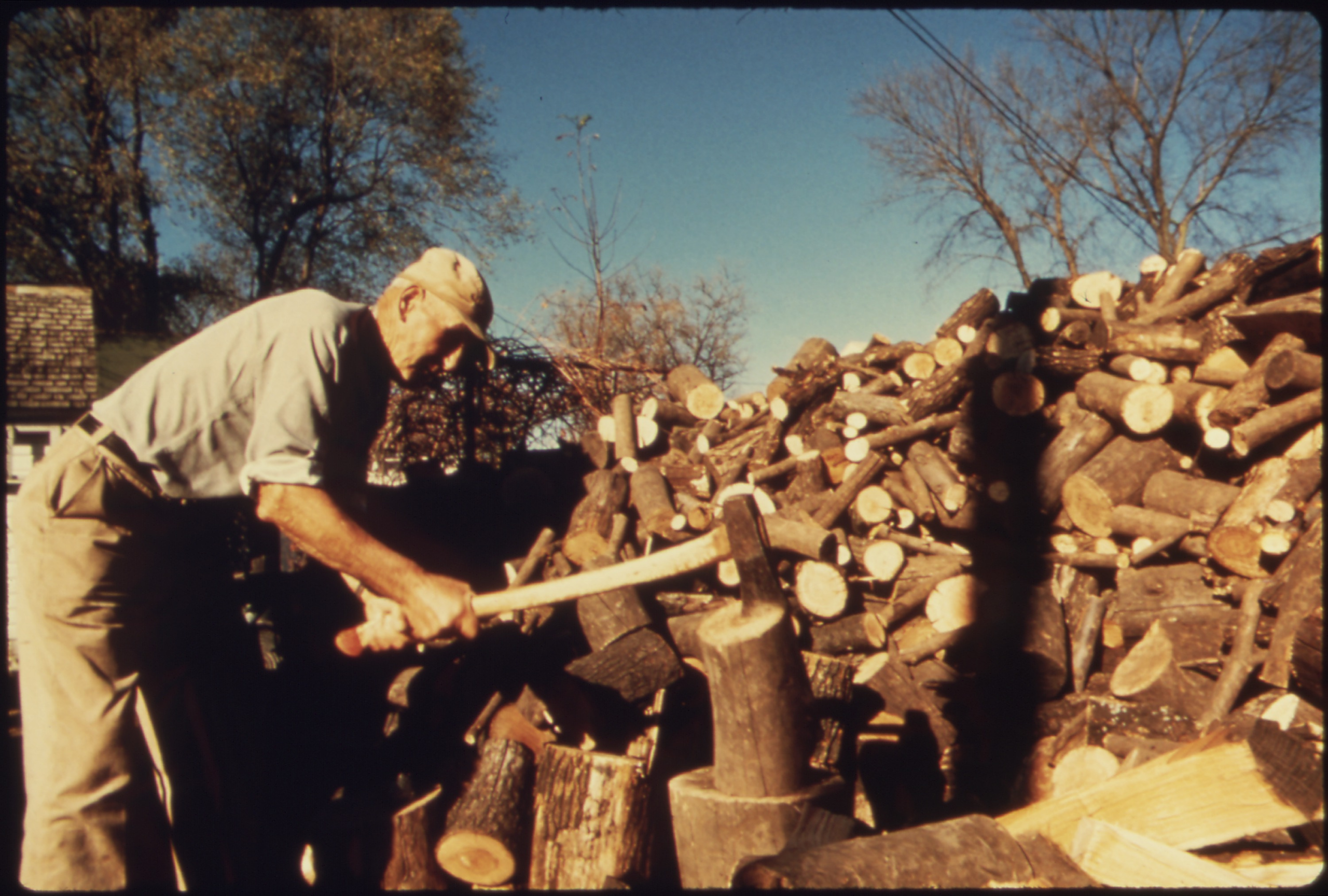
I spent an entire afternoon as a teenager failing to split a block of wood with a sharp axe, and an older relative came out, looked at it, turned it over, hit it once with something that looked like a sledgehammer and walked off. The block fell in half. It took me years to work out that almost everything I had been doing wrong came from thinking that splitting and chopping are the same job. They are opposite jobs, and the tools are shaped accordingly.
Cutting Goes Across the Fibres and Splitting Goes Along Them
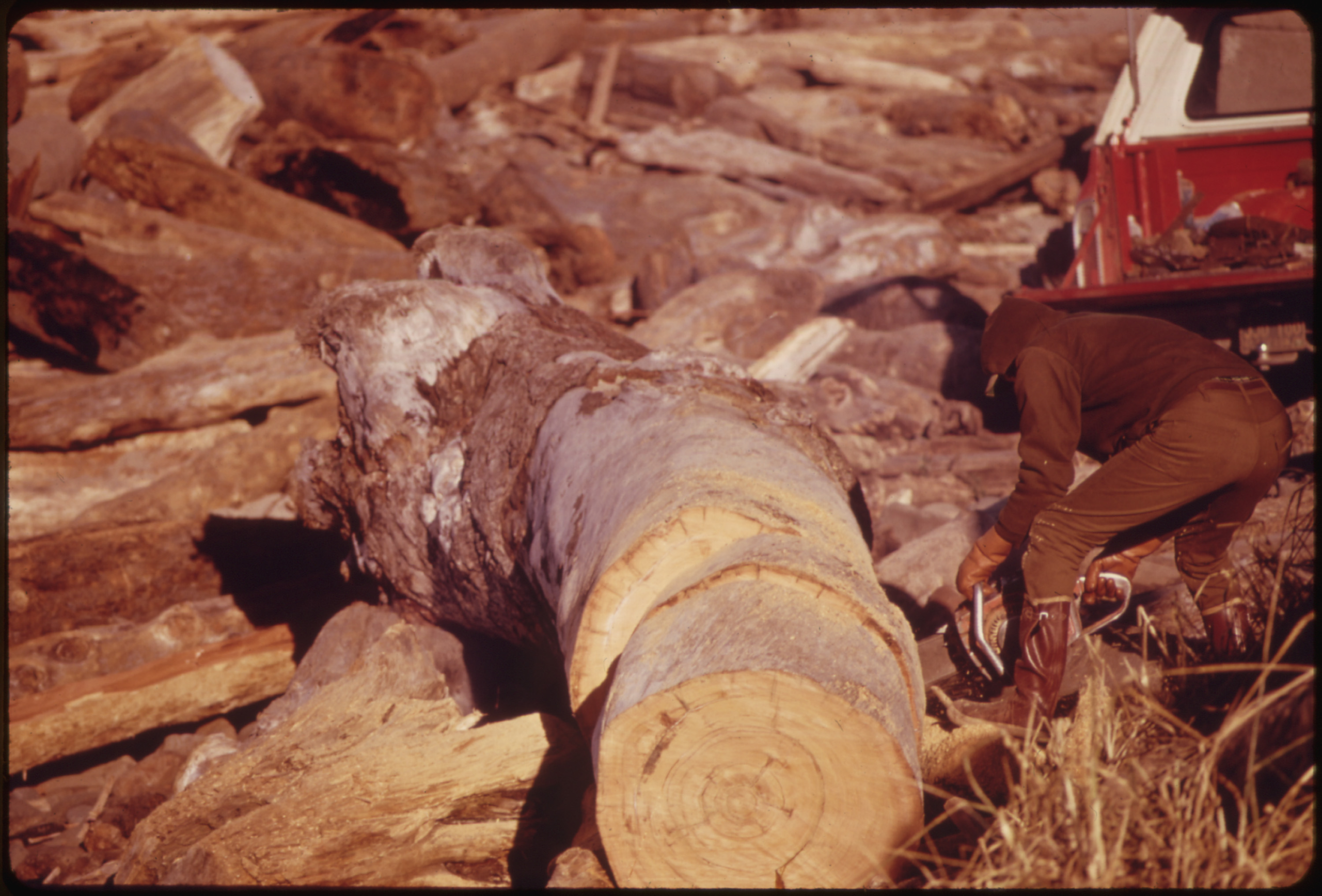
Start with the material, because wood is not a uniform solid.
A tree is built of long fibres running the length of the trunk, bound together side by side. Cutting a log to length means severing every one of those fibres across their length, which takes a thin sharp edge and a great deal of work – which is why sawing exists.
Splitting means separating those fibres from each other, lengthwise, along the lines where they are already merely glued together rather than continuous. That takes almost no cutting at all. It takes force applied in a way that pushes the two halves apart.
Like our content? Follow us for more.
Which Is Why a Splitting Tool Is Fat and an Axe Is Thin
Here is the design consequence and it is the whole point.
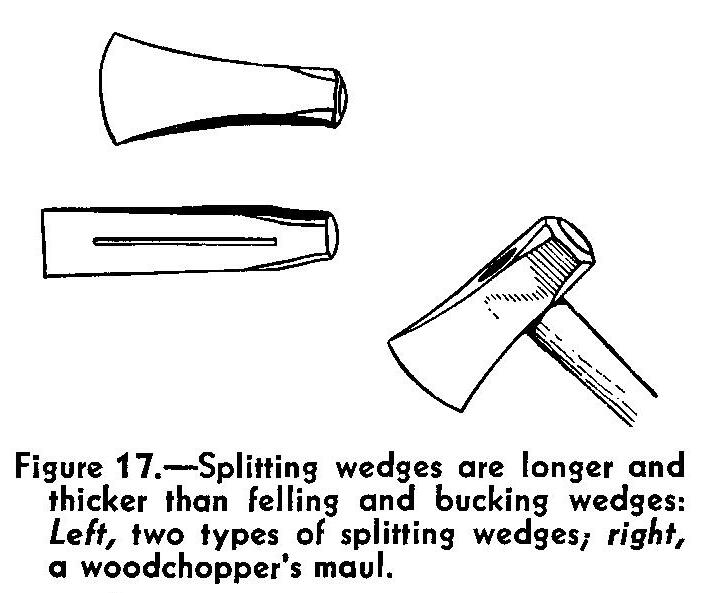
A felling or chopping axe has a thin blade and a narrow profile, because it is meant to penetrate and sever. Drive one into the end of a block and it does exactly that – it buries itself in the wood and sticks there, because nothing about its shape is pushing the sides apart.
A splitting maul has a blunt edge and a wide wedge-shaped head that gets rapidly thicker behind the edge. The edge only needs to start a crack. Once it is in, the expanding shape acts as a wedge and forces the halves apart, and the tool pops out of its own accord.
So a sharp thin axe is the wrong tool and a slightly blunt fat one is the right one, which is completely counterintuitive until you understand what each is doing.
Wedges Are for When the Maul Is Not Enough
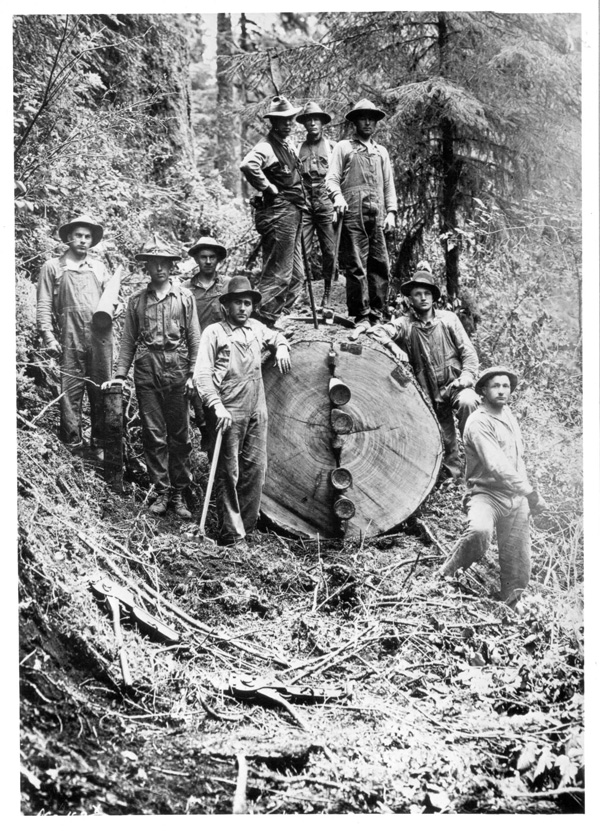
Some wood will not go with a single blow and that is what the steel wedges are for.
A wedge is driven into a started crack with a sledge, and it goes in progressively – each blow pushing it deeper and spreading the split wider. Two wedges leapfrogging along a long crack will open a block that no single swing would touch.
The wedge is mechanical advantage in its simplest form: a shallow angle converts a small movement along the axis into a large force sideways. Which is the same principle as the maul’s head, applied slowly instead of all at once.
Reading the Block Was the Actual Skill
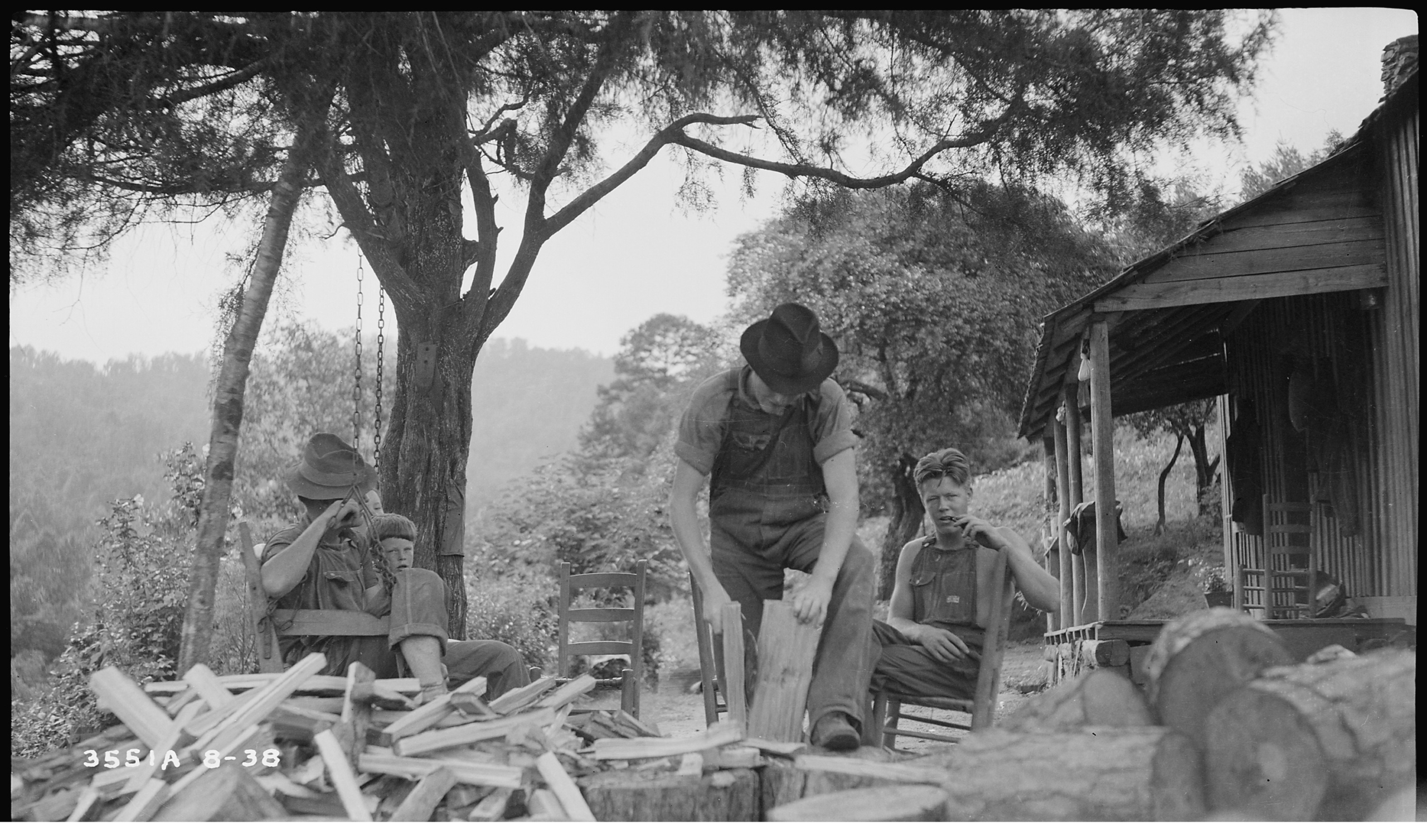
And this is what the relative who split my block in one blow was doing.
Wood splits most easily along existing weaknesses. A block already has cracks radiating from the centre as it dries, it has knots where branches grew, and it has a grain that may run straight or may twist round the trunk.
So the skill is in choosing where to hit. Aim at an existing crack and it opens. Aim between two knots rather than through one, because a knot is where fibres cross and interlock and is the strongest thing in the block. Turn the piece over and look at both ends, because the crack pattern frequently tells you where it wants to go.
An experienced person spends longer looking at a block than hitting it. That is the whole difference, and nobody ever explained it to me.
Knots Were Where the Afternoon Went
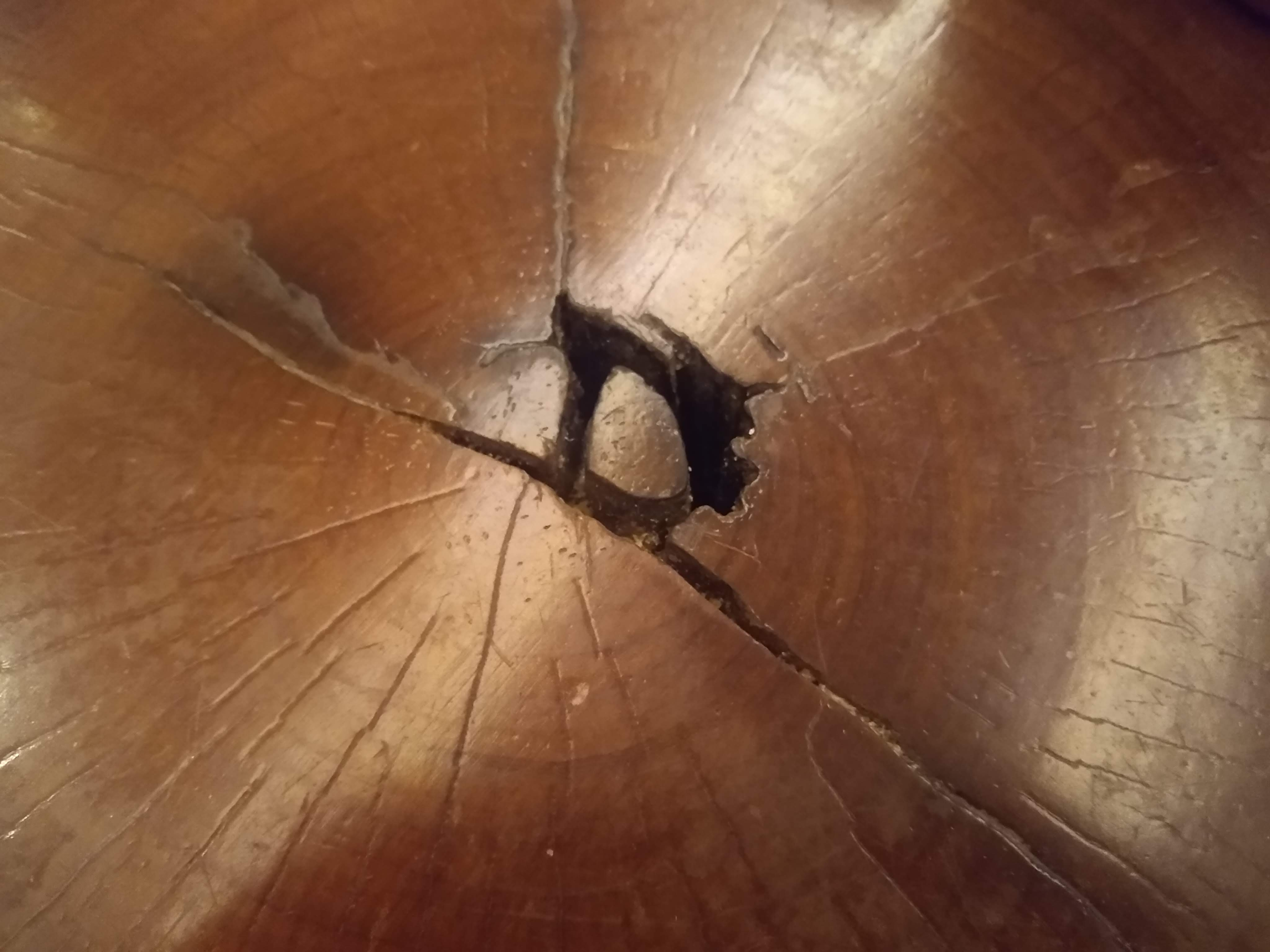
The exception to everything above.
A knot is the base of a branch embedded in the trunk, with its own grain running at right angles to the surrounding wood. There is no line of separation through it, which means a knot has to be cut rather than split.
So a block with a knot through the middle of it resists everything. People worked round them, split the clear wood off the sides first, or set the piece aside for a fire that did not need neat pieces – and every woodpile has a few lumps in it that nobody ever beat.
Green Wood and Frozen Wood Behave Differently
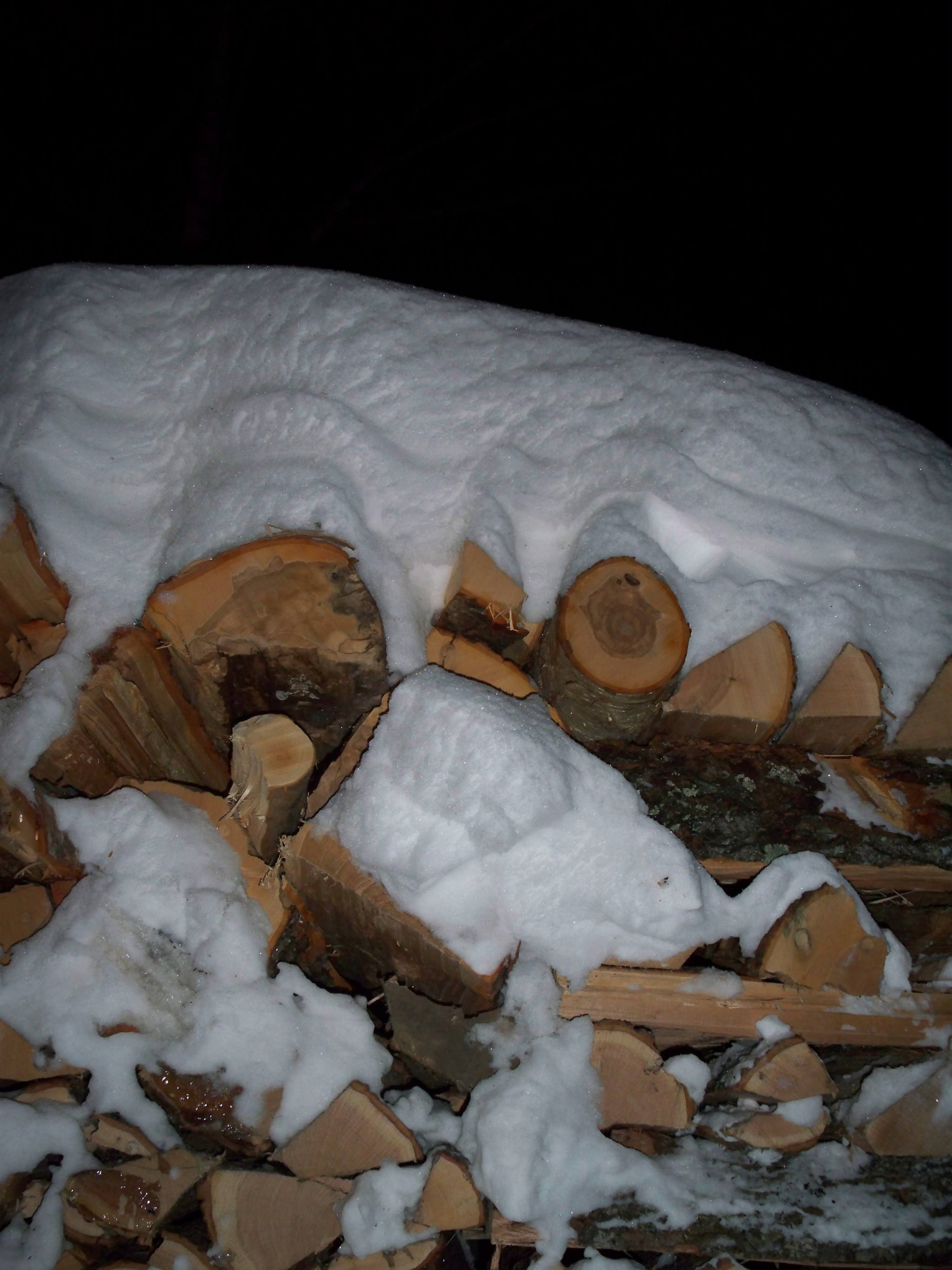
Two conditions worth knowing because they both help.
Freshly cut wood is full of water and tends to be tough and stringy – the fibres bend and tear rather than parting cleanly, so the halves stay attached by a hinge of fibre.
Frozen wood is the opposite. Water in the cells is solid, the whole block is brittle, and it splits with a crack rather than a tear. Which is why splitting was winter work in a great many households, and not only because that is when the fuel was needed.
Thoroughly dry wood splits well too, for a different reason – it has already cracked itself as it shrank, so the lines of separation are visible before you start.
The Block Underneath Mattered
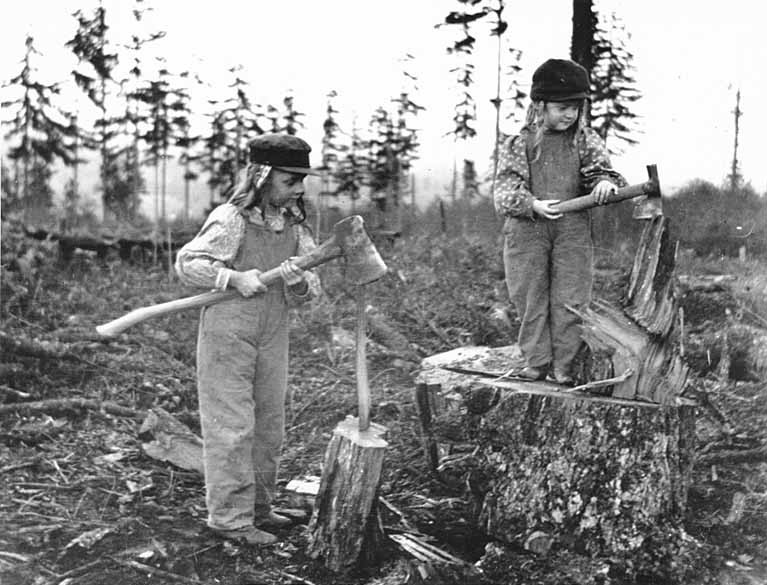
An easily overlooked component.
Splitting on the ground wastes most of the blow, because soft earth absorbs the impact that should be going into the wood. It also puts the edge of the tool into the dirt, which dulls it and throws grit.
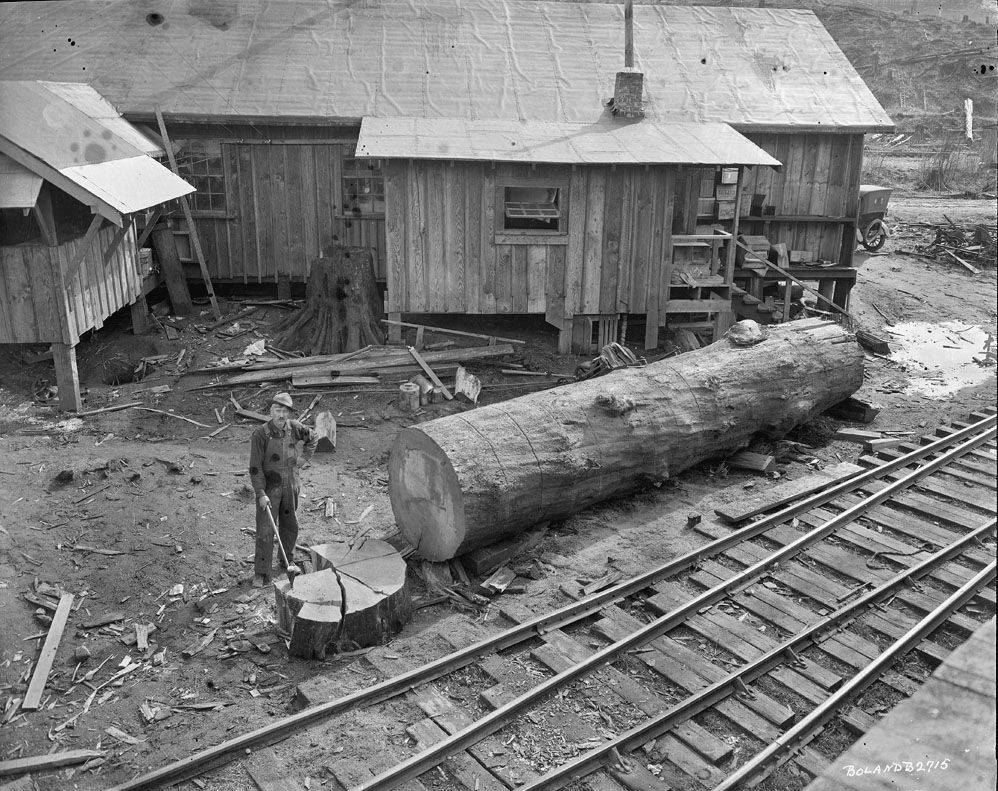
So the work was done on a chopping block – a large round of hard wood set upright, which is solid enough to resist the blow, soft enough not to damage the edge, and tall enough to keep the swing from reaching the ground. A good block was looked after and lasted years, and it was one of the few pieces of equipment in this whole business that cost nothing but could not be improvised.
You Split for the Fire You Had
Piece size was a decision rather than an accident.
A kitchen range has a small firebox and short grates, so it needs small, uniform, quick-burning pieces. A heating stove takes bigger. An open fireplace takes bigger again and does not care about neatness.
So a household splitting its own wood sorted as it went – kindling, cook wood, stove wood, fireplace wood – and the proportions were set by what the house actually burned. Which is why a woodpile from a house with a range in it looks completely different from one serving an open hearth.
The Noise Told the Neighbourhood What You Were Doing
A small observation that everybody who grew up with it recognises.
Splitting is loud and it carries, and the sound is distinctive – a sharp crack when a block goes cleanly, a dull thud when it does not, a ringing clang when somebody hits a wedge. A person could stand in a yard half a mile away and know not only that a neighbour was splitting wood but roughly how well it was going.
That is a kind of casual information about other households that no longer exists, and it was entirely incidental.
The Handle Was the Part That Broke
Everything about these tools is durable except the one component that takes the abuse.
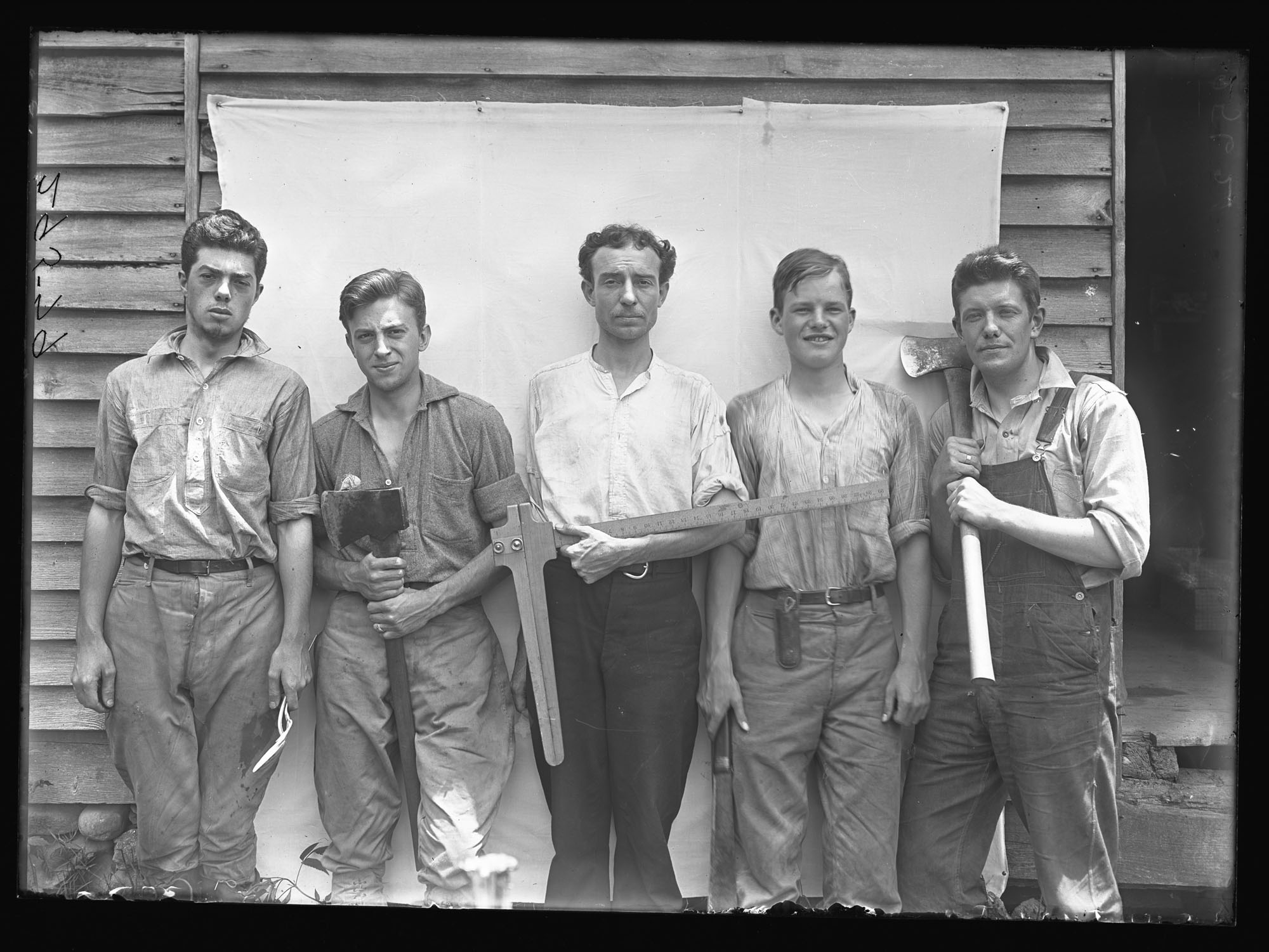
A maul head is a solid lump of steel that lasts generations. The handle is a piece of wood taking the full shock of every blow, and it fails in two ways: it breaks clean through just below the head when somebody overshoots and strikes the block with the shaft, and it works loose as the wood shrinks and the fit opens up.
So handles were replaced, repeatedly, over the life of a head. The old one was knocked or burned out, a new one fitted, and a wedge driven into the top to spread the end inside the eye and lock it. A household that used these tools had spare handles the way it had spare stovepipe sections.
And the overshoot failure is worth understanding because it tells you something about how people learned. Hitting the block with the handle instead of the head means the swing was aimed short, which is a beginner’s error – so a broken handle was both an expense and a public statement about who had been using the tool.
A Woodpile Was a Public Account of a Household
One last observation, because the finished product was visible to everybody.
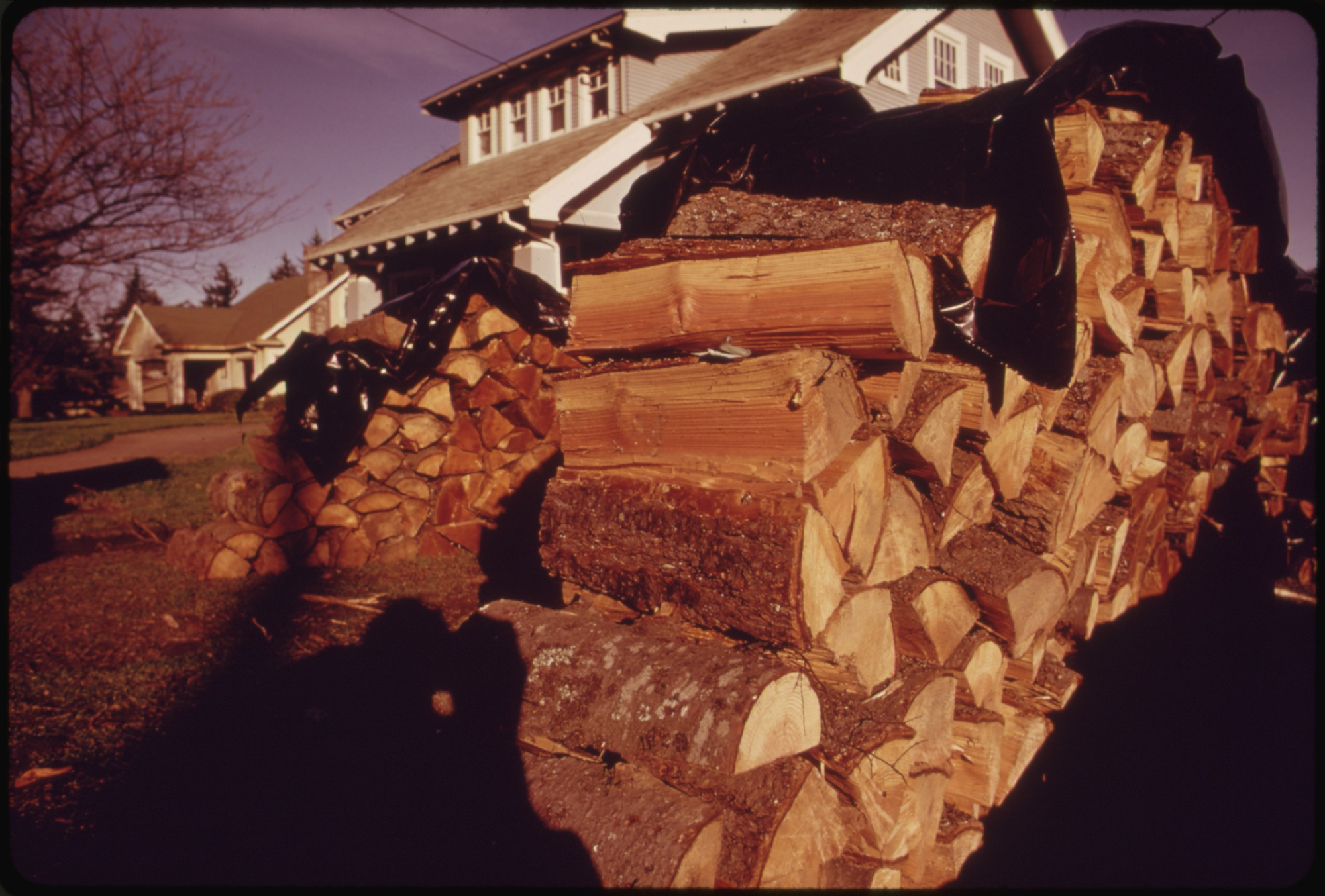
A split, stacked woodpile is a statement of how much work had been done, how far ahead the household was, and how well somebody understood the job. Neat courses with the pieces sized consistently and the stack standing square say one thing. A heap of unsplit rounds beside a stove in November says another.
And it was outdoors, in front of the house or beside the door, where anybody passing could see it. Which made the woodpile a measure a neighbourhood could read at a glance – of a household’s industry, its foresight and whether it was going to be cold.
Then the Hydraulic Splitter Removed the Skill
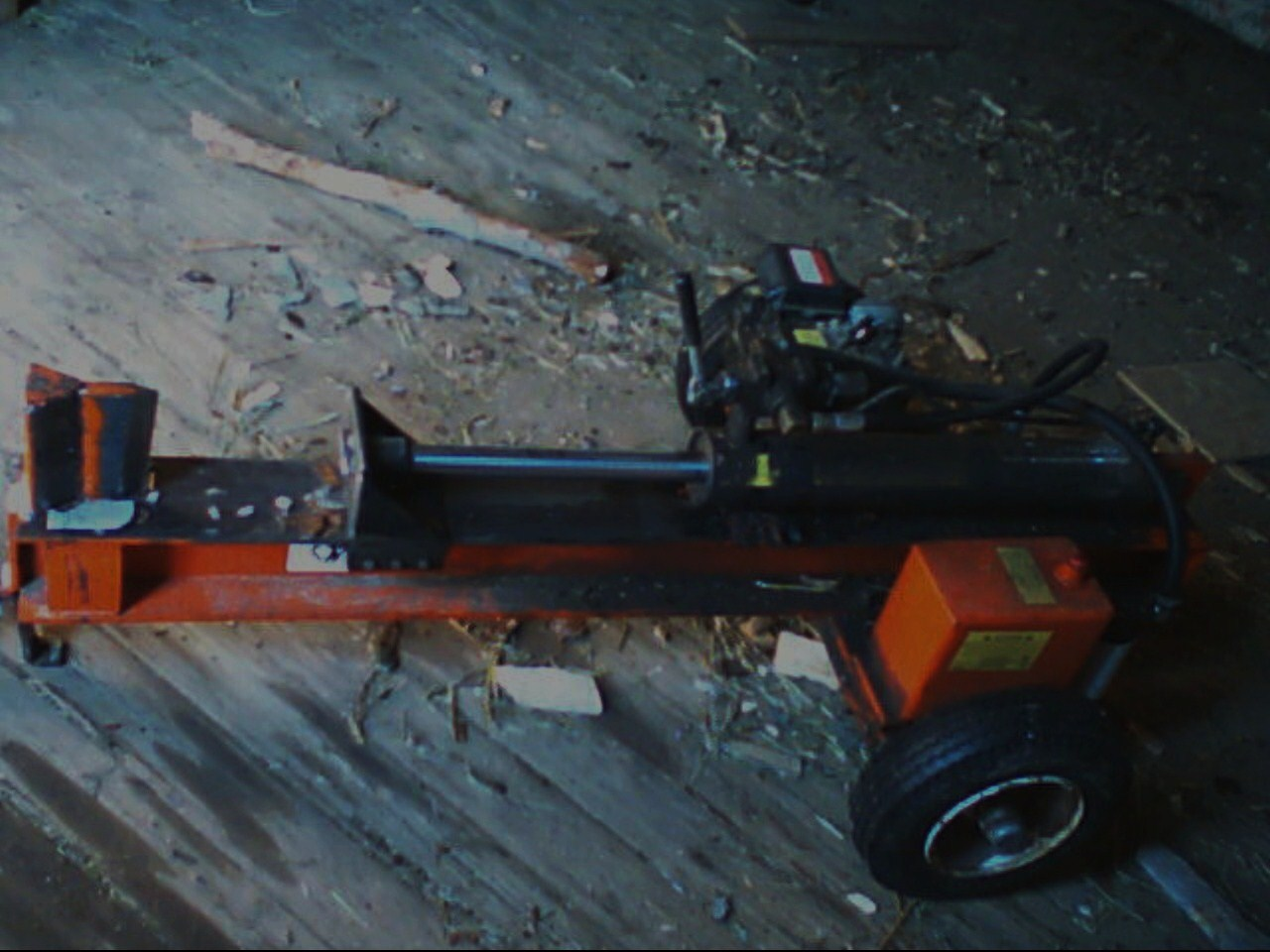
The replacement is a machine that pushes a log onto a fixed wedge with a ram.
It applies far more force than a person can, slowly and continuously, which means it does not care about knots, grain, moisture or where the existing cracks are. Every advantage that reading a block gave is irrelevant to a machine that can simply overpower the wood.
So the skill became unnecessary rather than being replaced by a better version of itself. Which is a genuine improvement for anybody with a lot of wood to process – and it means the knowledge of where to hit a block, which was the difference between an afternoon and a minute, is now held by hobbyists and by people who still do it by hand on purpose.
What He Was Actually Doing
I think about that one blow fairly often.
He turned the block over, which meant he was looking at both end grains for the crack pattern. He set it on the block rather than the ground. He chose a line that ran through an existing radial crack and missed the knots. He used a tool whose shape was designed to spread rather than penetrate. And he hit it once, hard, in the right place.
None of which looked like skill, because all of the skill happened in the ten seconds before the swing. That is the thing I have taken from it: most of what looks like strength in physical work of that period was actually somebody reading the material first, and the swing was just the part you could see.
Like our content? Follow us for more.
