Nobody in our neighbourhood had air conditioning in 1965, and the house was managed through the summer the way you’d manage a sailing boat – constantly, by hand, according to what the weather was doing. Windows went up and down at particular times, blinds came down on particular sides, doors were propped or shut, and somebody was always adjusting something. It was a daily operation, and it worked considerably better than people now assume.
The Whole Strategy Was Keeping the Night and Losing the Day
Start with the principle, because everything else is an application of it. Air outdoors is cool at dawn and hot by afternoon. A house is a container that takes hours to change temperature.
So the entire method is to fill the house with cool air overnight, then seal it against the hot air outside for as long as possible. Open at night, shut in the morning – which is the exact opposite of what instinct suggests when a room starts to feel warm.
Like our content? Follow us for more.
Shutting the Windows at Nine in the Morning Was the Hard Part
The counterintuitive move is closing up while it still feels pleasant, and this was the single most important habit in the house.
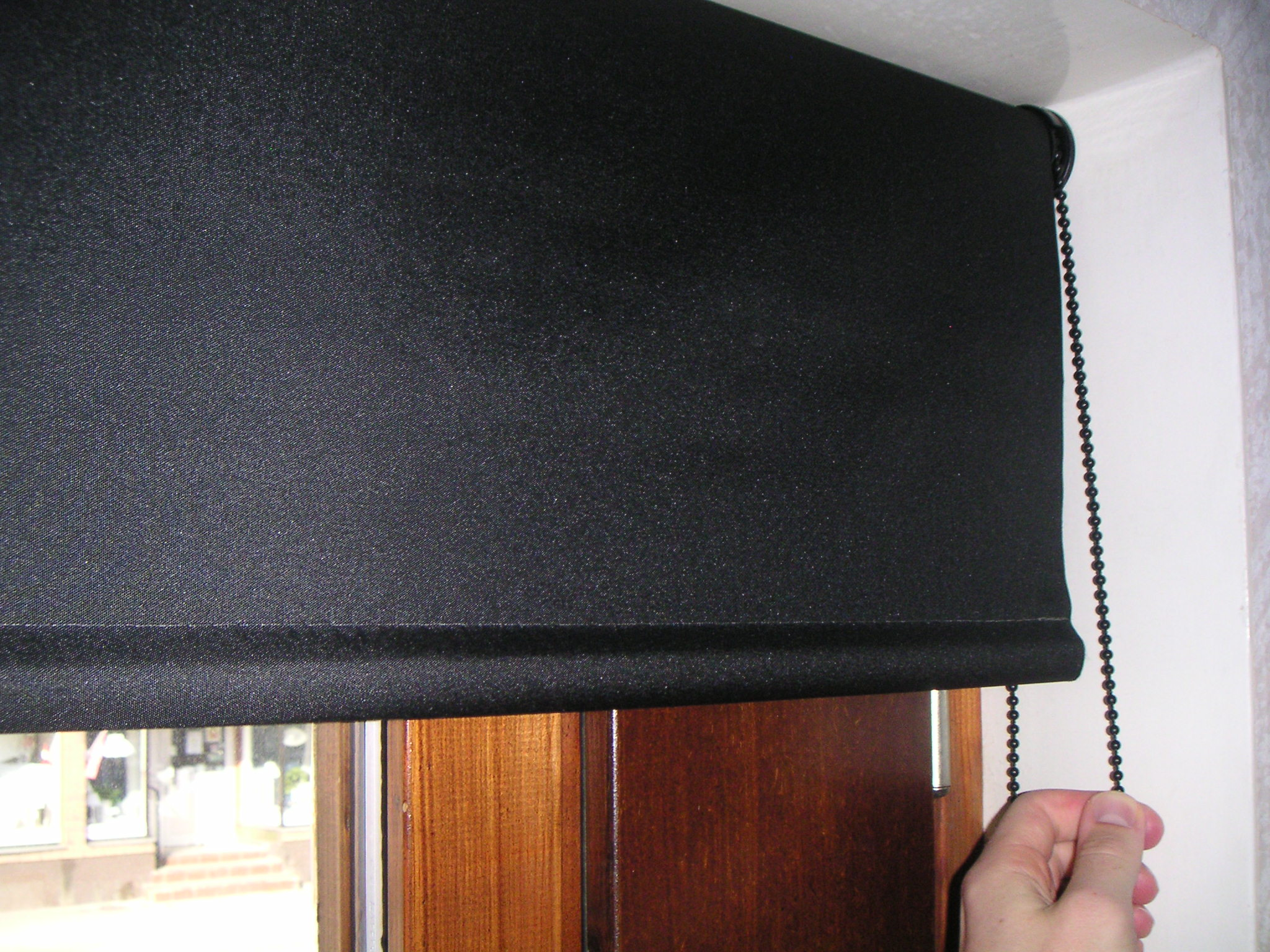
Once the outside air is warmer than the inside air, every open window is letting heat in. The temptation is to leave things open because fresh air feels good, and the household that resisted that – closing windows and drawing blinds on the sunny side before the day got going – stayed noticeably cooler until evening.
Which Windows You Opened Mattered More Than How Many
Opening everything is not a strategy. Air only moves if there is somewhere for it to go, which means an inlet and an outlet on opposite sides.
So a house was opened in pairs – low on the cool shaded side, high on the opposite side – to set up a flow through the rooms you actually occupied. A single open window produces almost nothing. Two, placed correctly, produce a draught you can feel across a room.
Hot Air Was Sent Up and Out at the Top
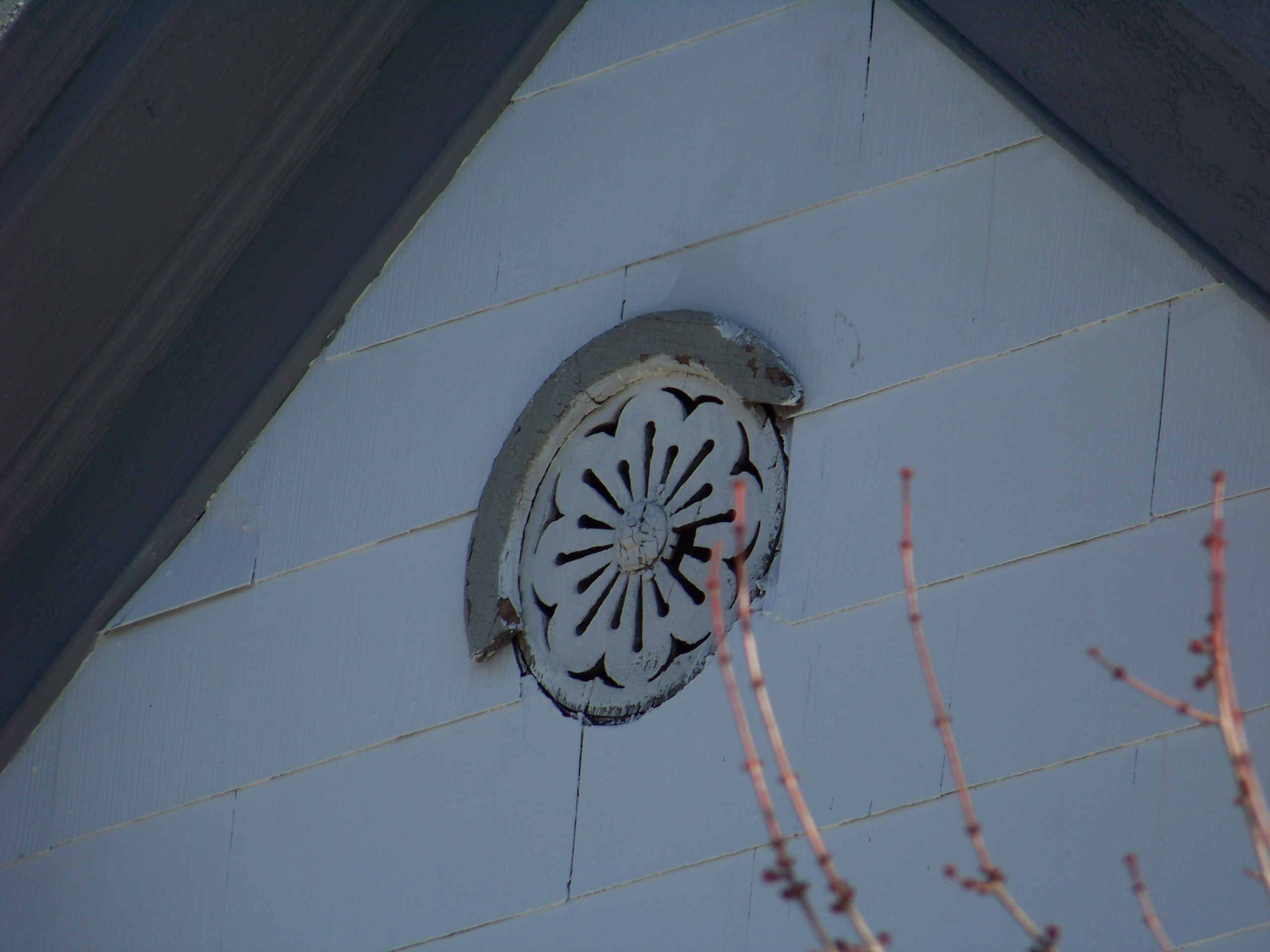
Warm air rises, so the top of the house is where the heat collects, and the best thing you can do with it is give it an exit.
An open attic window, a gable vent or a stair window left up at the top turns the whole house into a chimney – cool air drawn in low because hot air is leaving high. Which costs nothing, requires no equipment, and runs continuously by itself as long as the openings are right.
The Shaded Side of the House Was a Resource
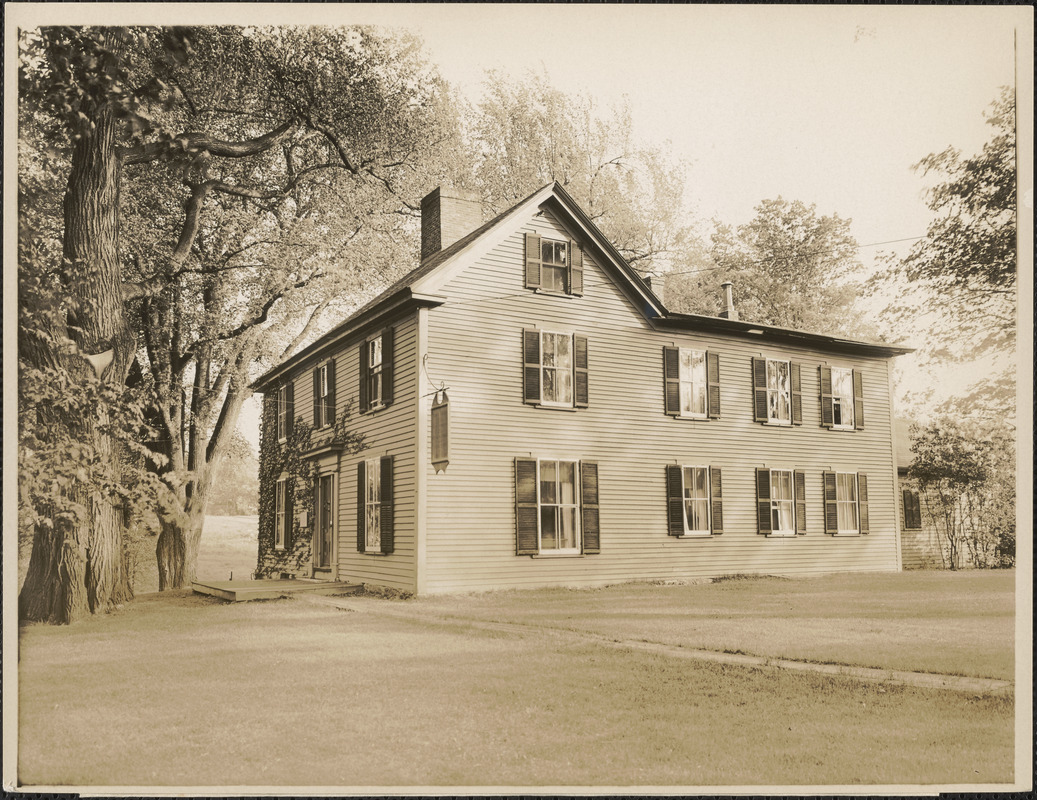
Sun on a wall heats the wall, which heats the room behind it for hours after the sun has moved on.
Which means the two sides of a house are not equivalent at any time of day, and households knew which rooms to use when. You sat on the east side in the afternoon and the west side in the morning, and the shaded side was where the cool air came in from – so the sun’s position through the day effectively rearranged which parts of the house were habitable.
Blinds and Shades Were Operated, Not Decorated
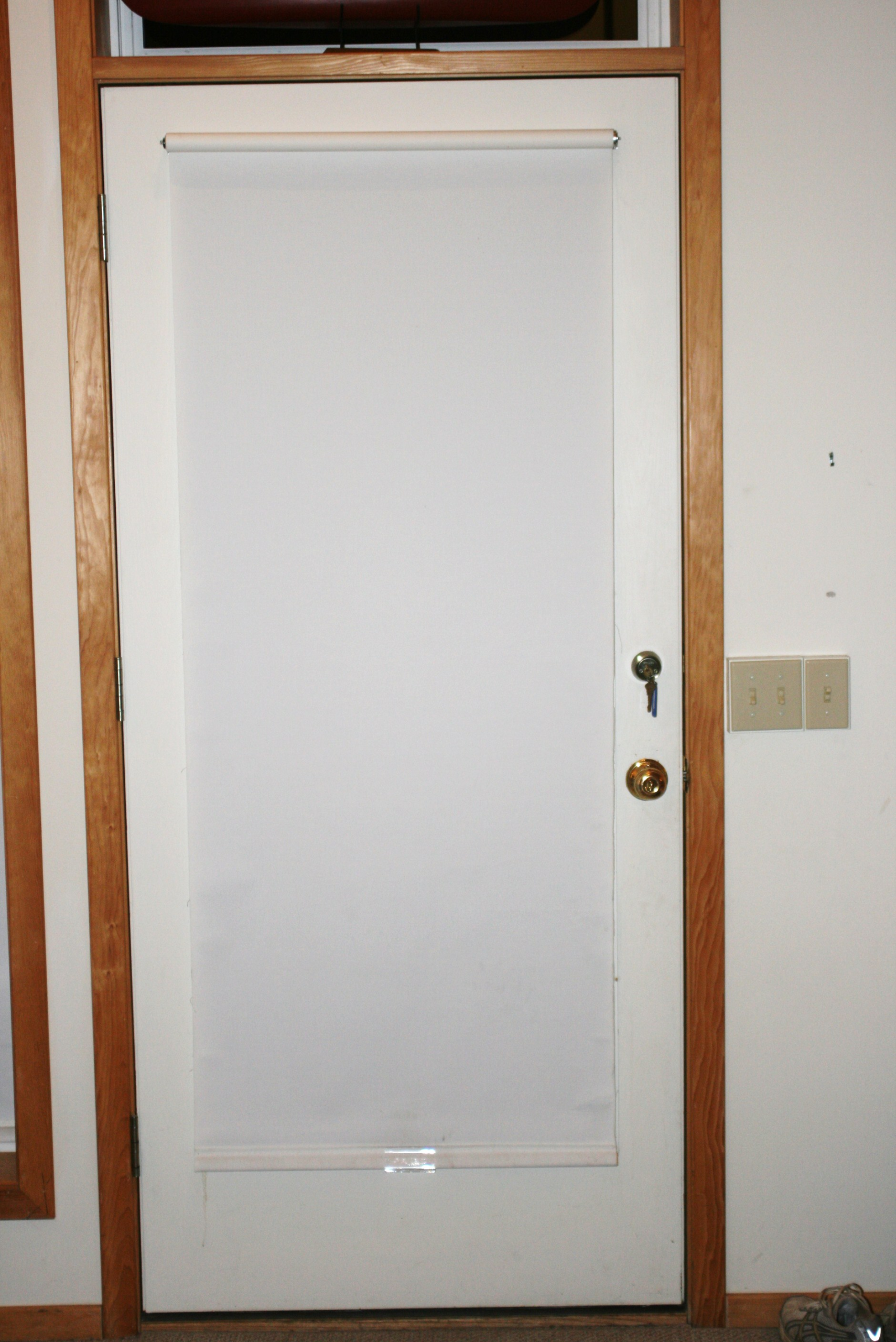
A window admits light and heat together, and most of the heat arrives as direct sun through the glass.
So shades came down on whichever side was taking sun, and went up again when it passed – which is two or three adjustments a day, every day, by whoever was home. People did this without thinking about it, and it is the single highest-return action available in a house with no cooling.
The Attic Fan Was the One Piece of Equipment Worth Having
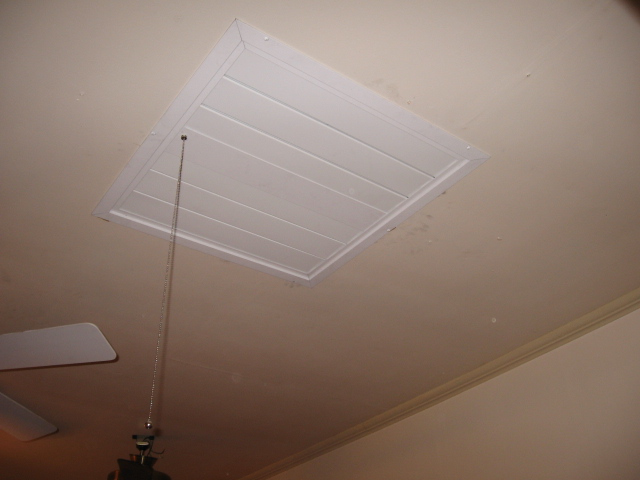
A large fan in the ceiling or the attic pulls air through the whole house rather than stirring it in one room, which is a completely different proposition from a desk fan.
Switch it on at dusk with the windows open and it replaces the house’s air with outside air in minutes instead of hours. That is why these were the single most effective thing short of refrigeration – they do not cool air at all, they simply move a great deal of it, at the one time of day when the outside air is the thing you want.
Moving Air Cools People Even When It Does Not Cool Rooms
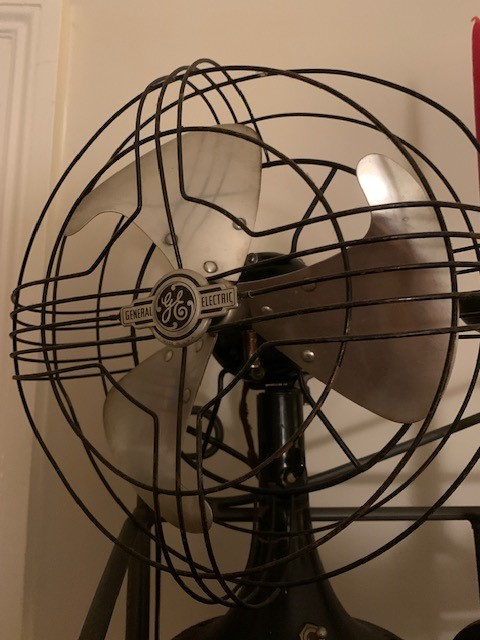
A fan adds heat to a room, strictly speaking. It still makes the room feel better, and the reason is evaporation off skin.
That distinction mattered in practice. You put a fan where people were rather than where the heat was, because its job was not to cool the house – the house was being handled by the windows – but to make a person sitting still in a chair comfortable.
The Porch Was Not Decoration, It Was the Cool Room
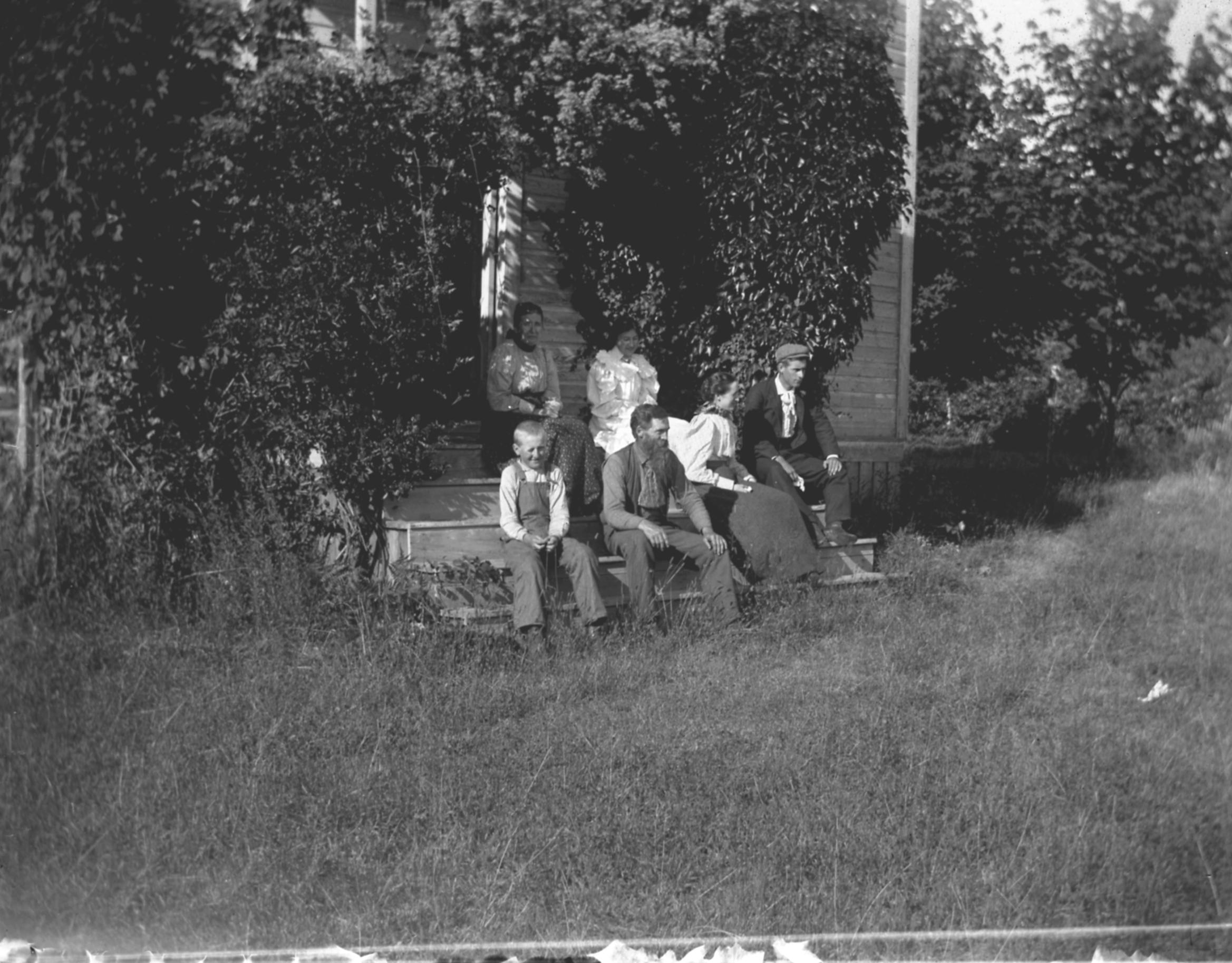
A roofed outdoor space on the shaded side, with air moving through it, is reliably cooler than any room indoors on a hot afternoon.
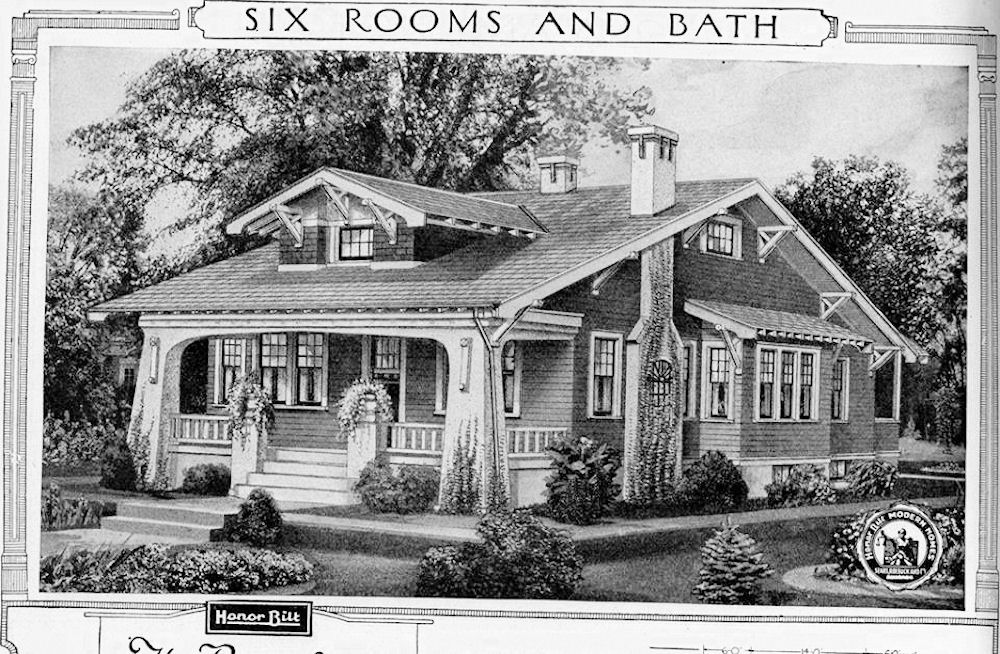
Which is why so much of life moved out there in summer. Meals, sitting, visiting, sewing, sleeping – the porch was functionally an additional room that the house gained in hot weather, and the architecture was built that way on purpose rather than for appearance.
People Slept Outside and Thought Nothing of It
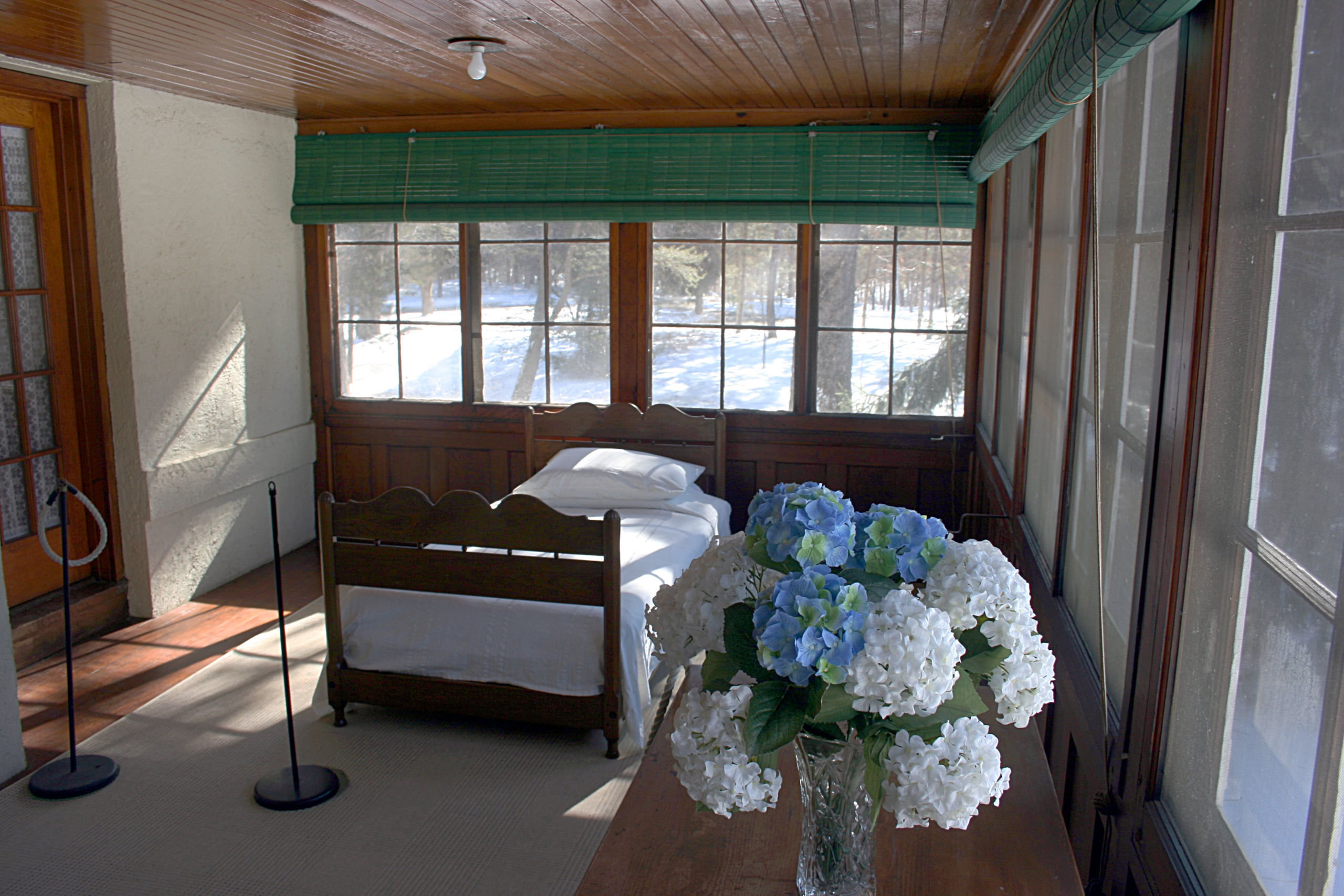
Sleeping porches, screened in and often upstairs, existed precisely so a household could spend the night in moving outdoor air.
And where there was no sleeping porch, people slept on the porch floor, in the yard, on a flat roof or by an open window with the bed moved across the room. Relocating to sleep was a normal seasonal adjustment rather than a hardship, and families did it every year.
The Basement Was the Emergency Option
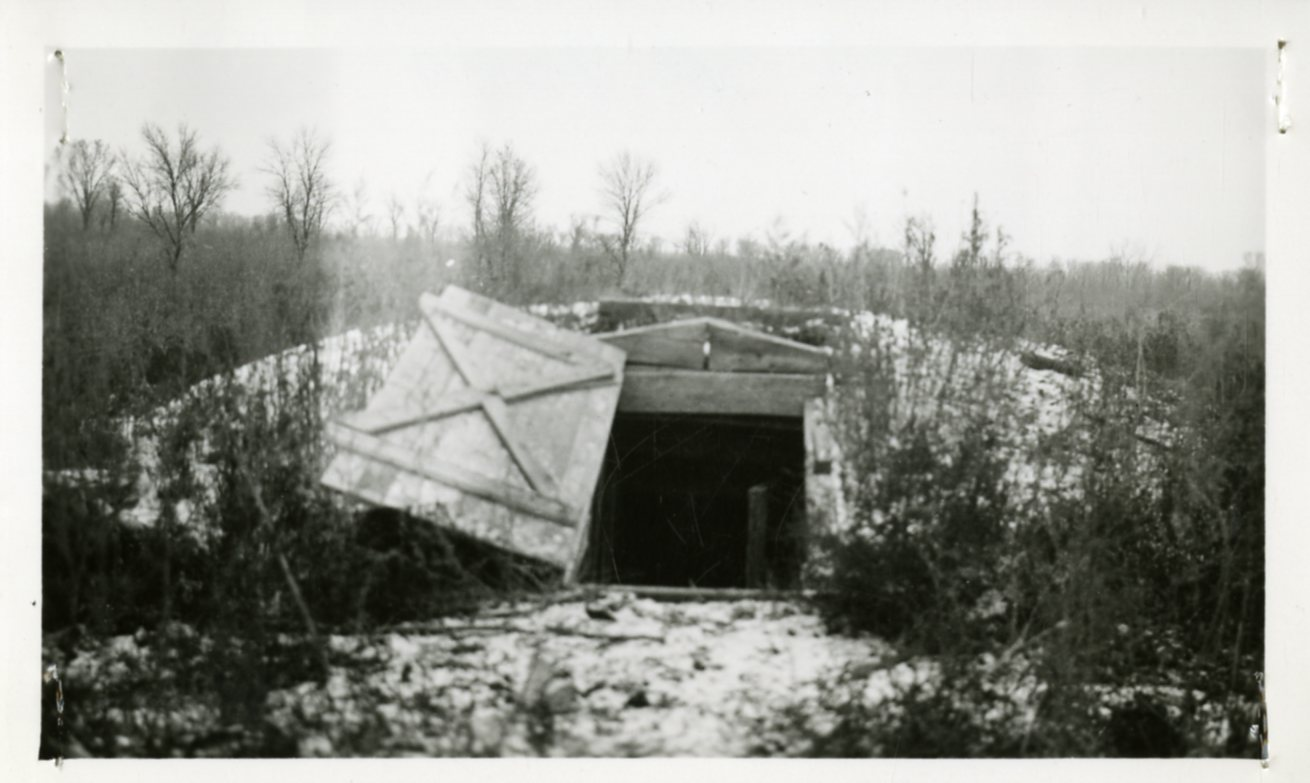
Below ground, the temperature barely changes with the season, which makes a cellar the coolest place a house contains by a wide margin.
So the hottest afternoons were spent down there. It is also why the household’s food, preserves and anything that suffered from heat lived in the same place – the cellar was doing two jobs with one property, and nobody had to do anything to maintain it.
Cooking Was Moved Out of the House
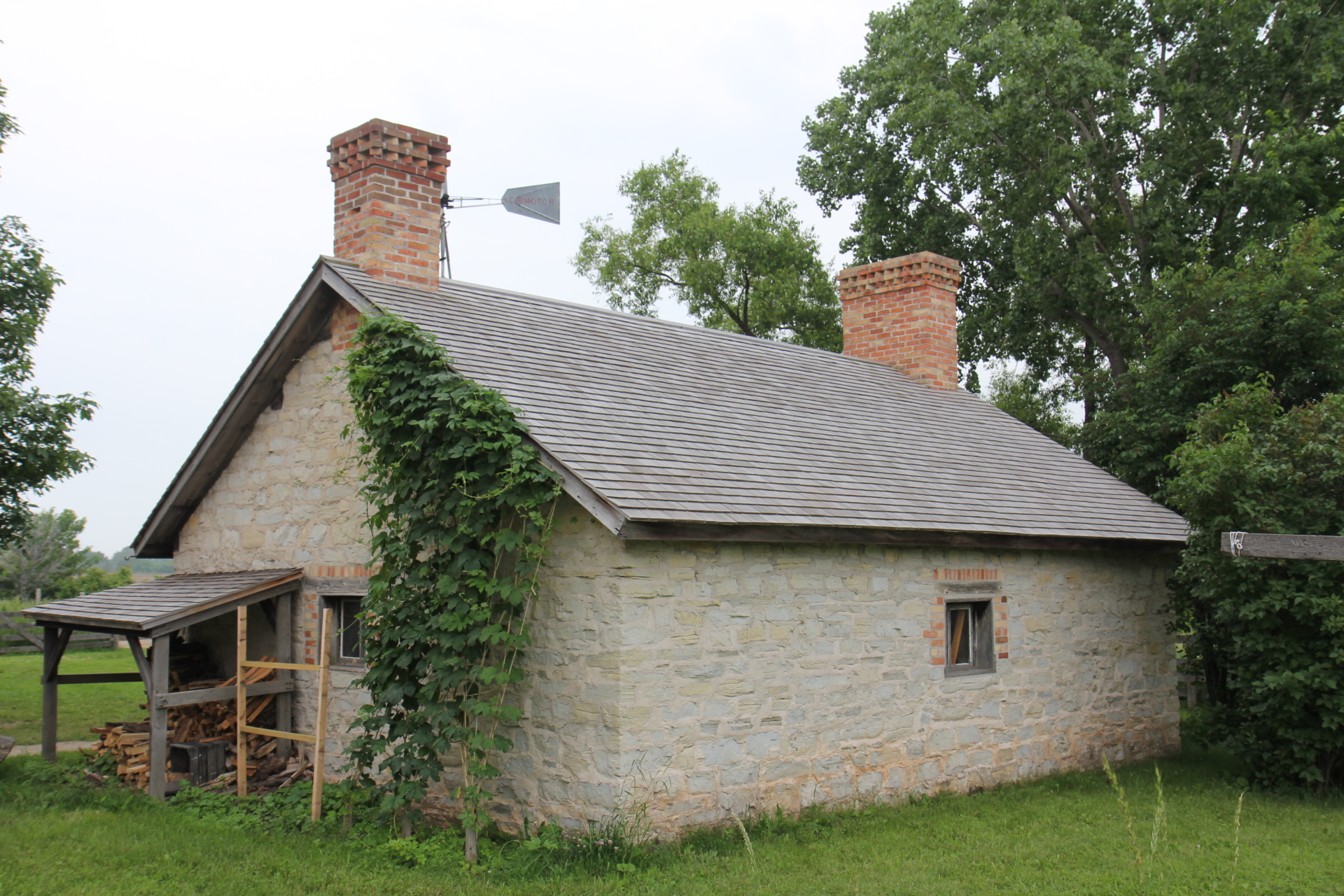
A stove in a closed kitchen in August undoes everything the windows achieved, which is why summer cooking happened somewhere else.
Summer kitchens, porches, outdoor fireplaces and simply cooking at dawn were all answers to the same problem. And it is the reason summer meals were structurally different – cold dishes, things that needed no oven, and whatever could be prepared in the cool of the morning and eaten later.
Trees Were Part of the Equipment
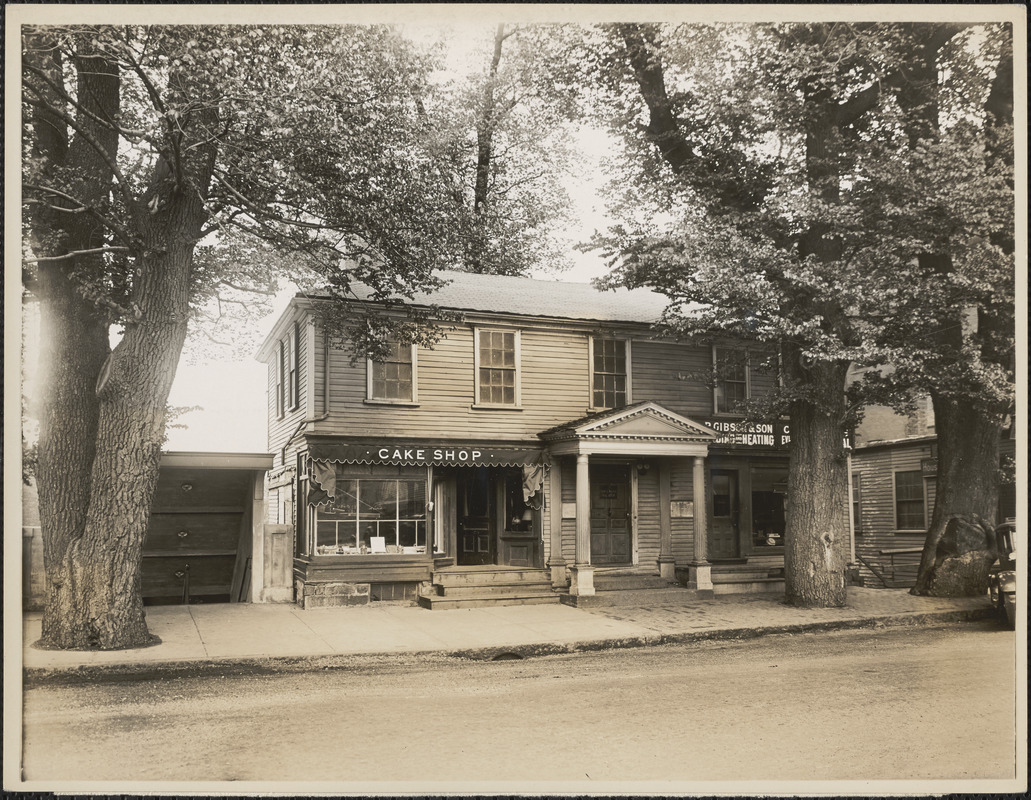
A shade tree on the sunny side of a house is doing the same job as a blind, on a much larger scale, and households planted them for exactly that reason.
The useful detail is which kind. A tree that loses its leaves shades the wall all summer and then lets the sun through in winter when the heat is wanted – which is a seasonal switch that operates itself, costs nothing to run and was understood perfectly well by people who had never heard the word efficiency. Anybody looking at an old house with large trees close to its west wall is looking at a deliberate decision.
Humidity Was the Thing That Defeated All of It
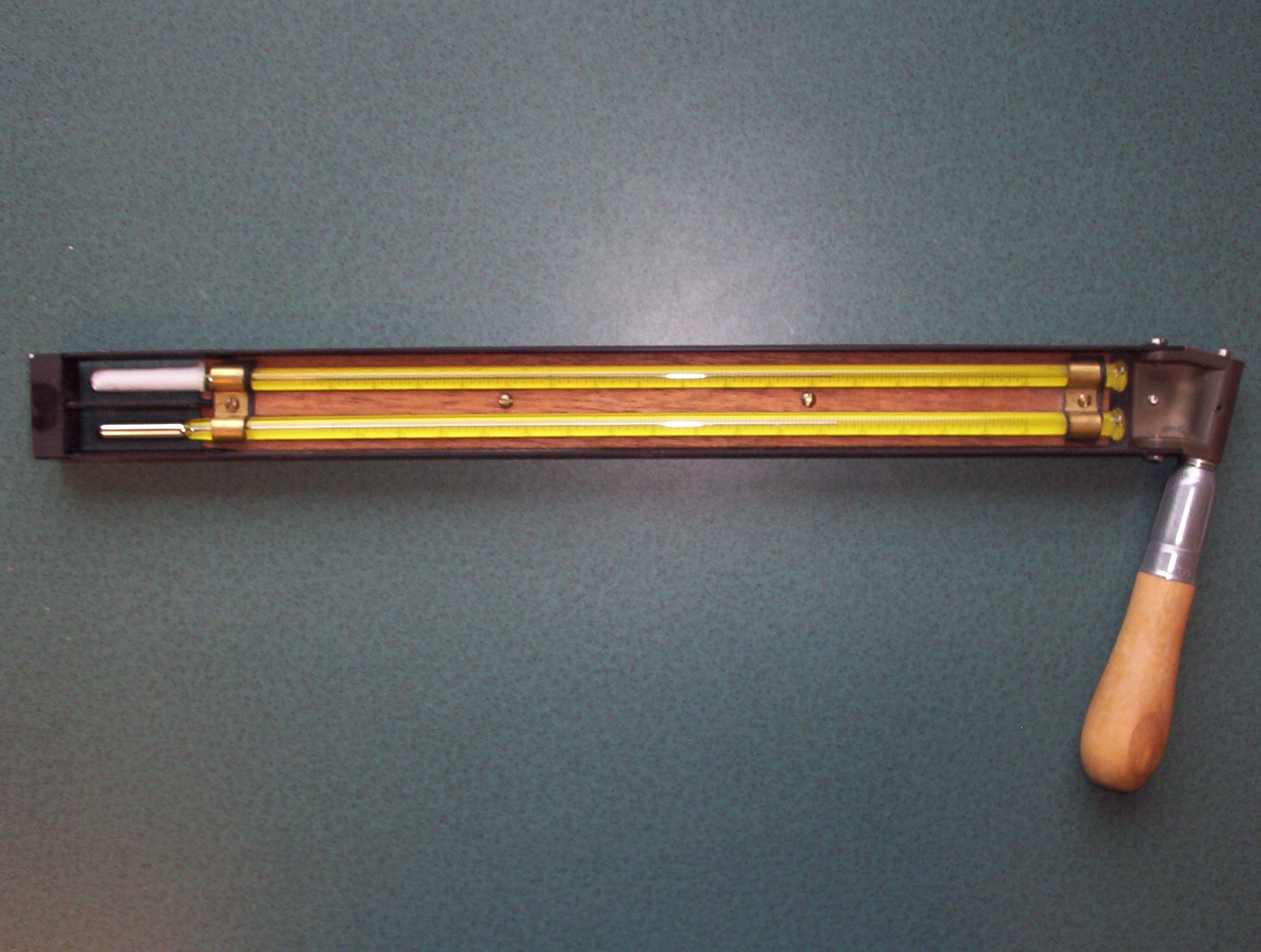
Every method above moves heat. None of them removes moisture, and in humid air evaporation off skin slows down, which is what makes heat unbearable rather than merely hot.
So a dry heat was manageable with windows and fans and a humid one was not, which is the honest limit of the whole system. Households in humid climates were doing everything right and still suffering, and that is the specific problem refrigeration solved that nothing else could.
Clothing and Routine Were Adjusted Too

The strategy extended past the building. Work was shifted to the early morning, the middle of the day was slowed down, lighter clothes came out of storage, and heavy bedding was swapped for sheets.
Which is worth noticing because it shows that comfort was being produced by behaviour rather than by equipment. The house, the schedule, the clothing and the food were all adjusted together – four systems managed at once, as a matter of routine, every summer.
Then Refrigerated Air Removed the Need to Do Any of It
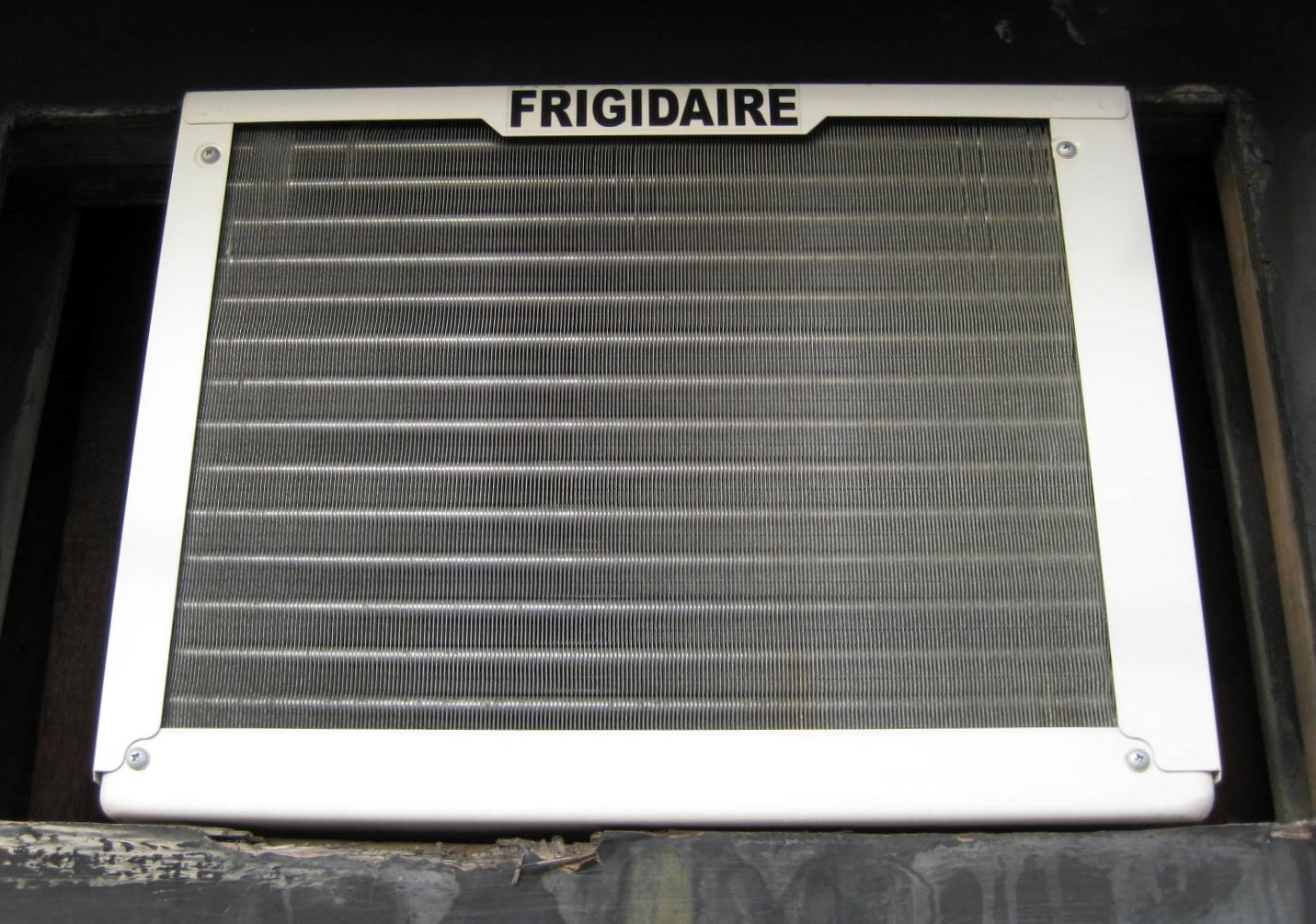
Air conditioning does not do what the old methods did faster. It does something they could not do at all: it removes moisture and holds a temperature regardless of what the weather is doing.
Which is why it swept everything aside so completely. A sealed, cooled house needs no window schedule, no shade management, no porch, no cellar retreat, no summer kitchen and no sleeping outside – and it works in humidity, which is exactly where every other method failed.
And the House Itself Was Redesigned Around Not Needing It
The last consequence is the one that cannot be undone, and it is why the old knowledge is hard to apply now.
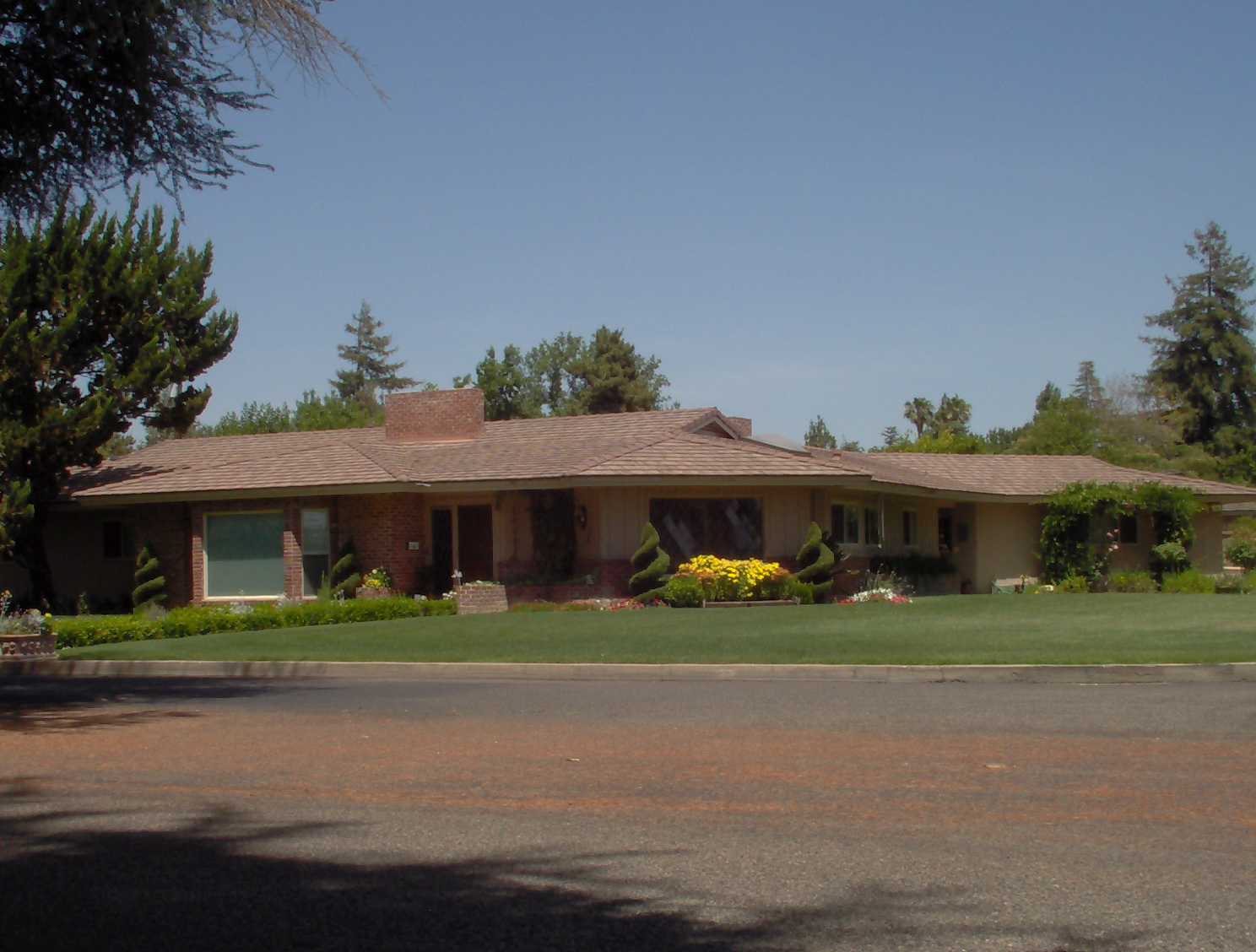
Houses built for summer had high ceilings, deep porches, cross-ventilation designed in, windows on opposite walls, operable transoms, attic vents and a shaded side that was genuinely used. Houses built after cooling became normal have none of that, because none of it was necessary – so a modern house in a power cut is not a house running the old system badly, it is a house with no system at all. The knowledge did not merely go out of use. The building it was designed to operate stopped being built.
Like our content? Follow us for more.