In 1960 the food went on the table, everybody sat down, and then nothing happened for about twenty seconds. The form of words was short, fixed and identical every night, the youngest child was frequently the one who said it, and no fork was lifted until it was finished. What that produced, before anything else, was a household that had to be assembled, seated and quiet at the same moment every single evening. Here are fifteen things every American family did before dinner in 1960, and why the practice outlasted the conviction behind it in a good many houses. Almost none of what is remembered about it concerns what anybody believed. What people recall is the mechanics: the fixed wording nobody ever varied, the small child standing in for the household, the two seconds of uncertainty when a guest was present, the discovery at somebody else’s table that other families held hands, the permanent low-grade argument about length, and the near-impossibility of recovering once somebody had started laughing. Those are the parts that survive, in households that kept the practice and households that abandoned it, because those are the parts that were happening to everybody in the room regardless of what they thought they were doing.
1. Nobody Started Eating Until It Was Done
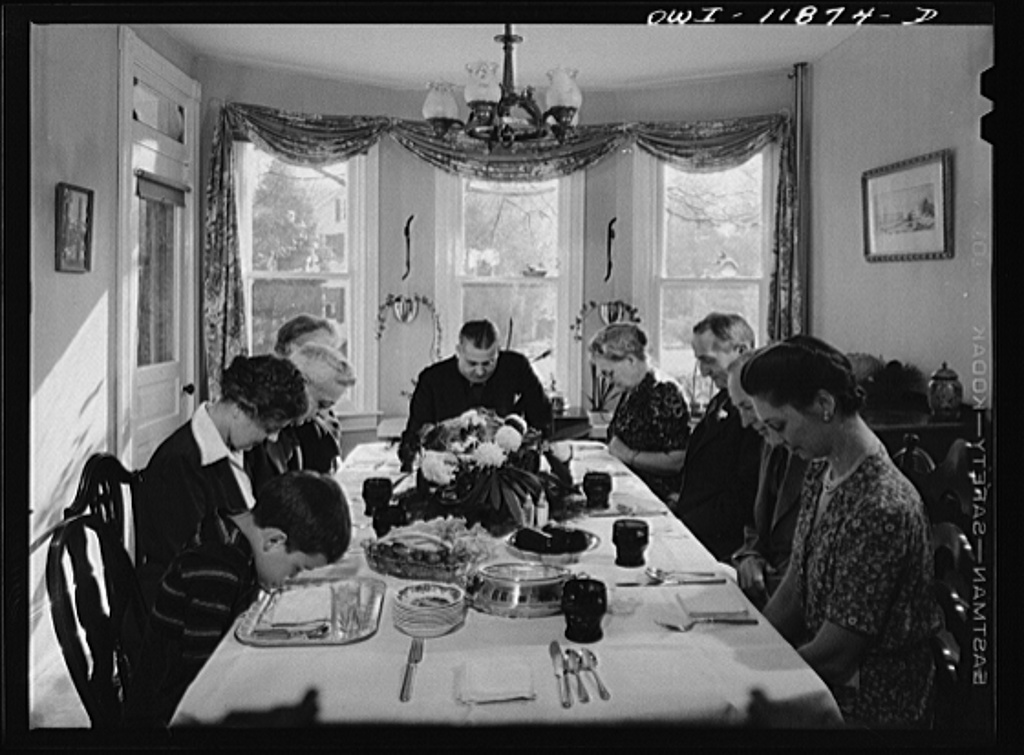
The food was on the table, everybody was seated, and there was a pause before anything was touched.
The pause is the part that mattered structurally, whatever anybody thought about its content. A household in which the meal cannot begin until a fixed signal has been given is a household in which everybody has to be present, seated and quiet at the same moment.
It also solved the arrival problem. Families do not naturally assemble at a table simultaneously, and a rule that nothing begins until everybody is there produces an assembly that would otherwise have to be enforced some other way.
Like our content? Follow us for more.
2. It Was the Same Words Every Night
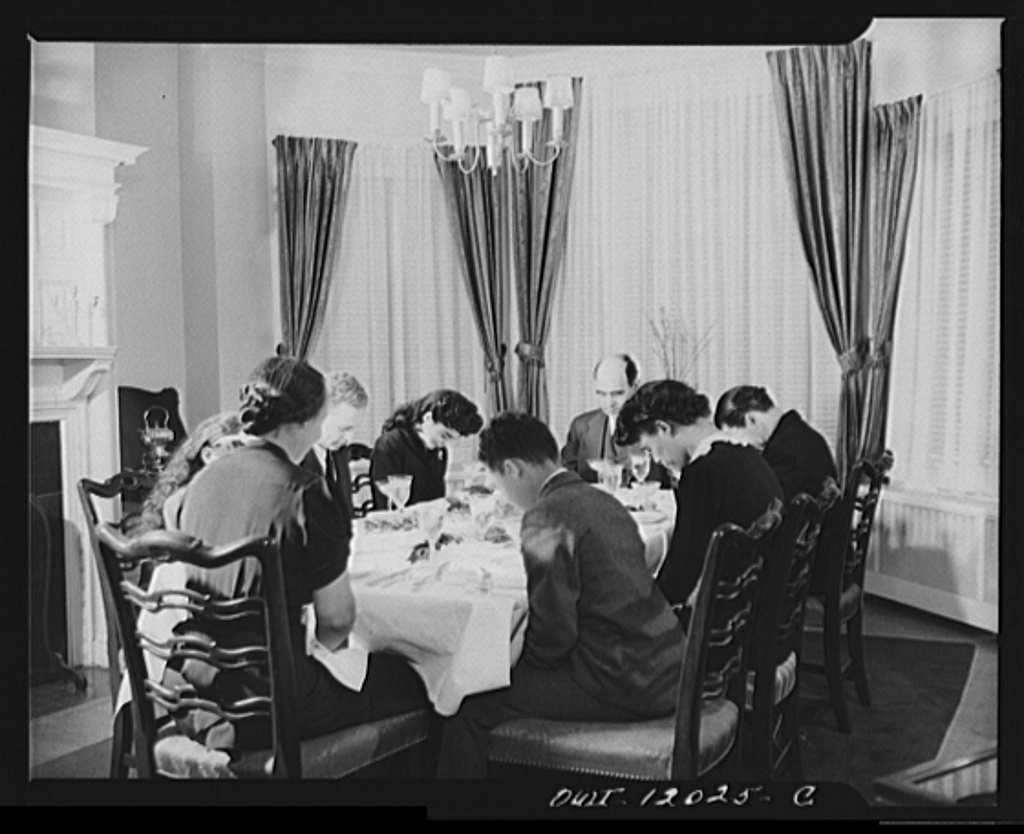
Most households used one short fixed form, repeated at every meal, for years without variation.
The repetition is why it is remembered so precisely by people who left the practice behind decades ago. A short text said several thousand times before the age of eighteen is not something anybody forgets, whatever their later view of it.
It also made it easy to join. A fixed form can be learned by a four-year-old by listening, which meant a small child became a full participant in a household ritual without anybody having to teach them anything.
3. The Youngest Was Often Given the Job
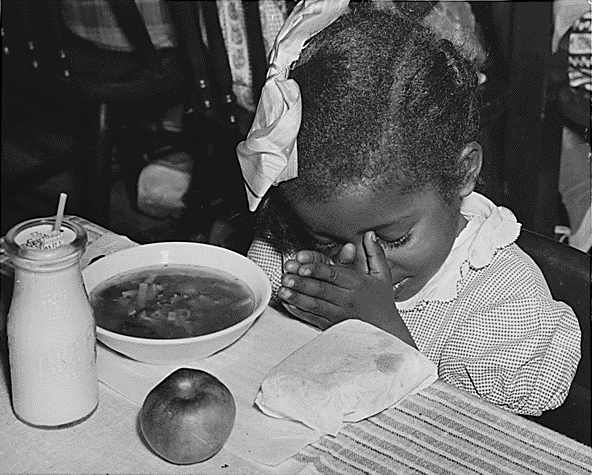
Handing the saying of it to a small child was extremely common and was usually their first public speaking of any kind.
The delegation was deliberate and worked on several levels. A child given a role at the table has a reason to be there and a reason to be quiet, and the role requires no ability beyond remembering a short piece of text.
It was also an audition of sorts. A child who could get through it clearly, at a reasonable speed, in front of the whole household was demonstrating something, and the performance was noticed and commented on.
4. Guests Changed the Entire Procedure
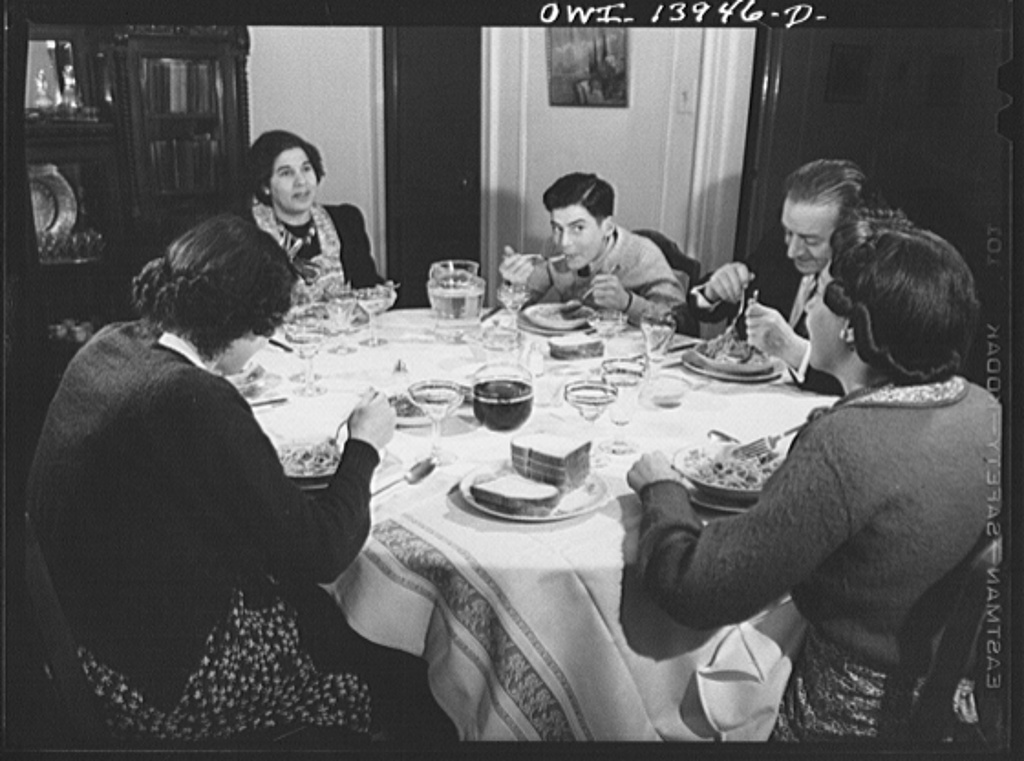
A visitor at the table produced immediate uncertainty about whose form would be used and who would say it.
The negotiation was conducted in about two seconds and was genuinely awkward. Households did it differently, the differences were not discussed in advance, and somebody had to decide on the spot how to proceed.
The usual solution was deference. The household did what it normally did and the guest followed, or the guest was invited to do whatever they preferred, and either way the moment passed quickly and nobody referred to it again.
5. Holding Hands Was a Household Variable
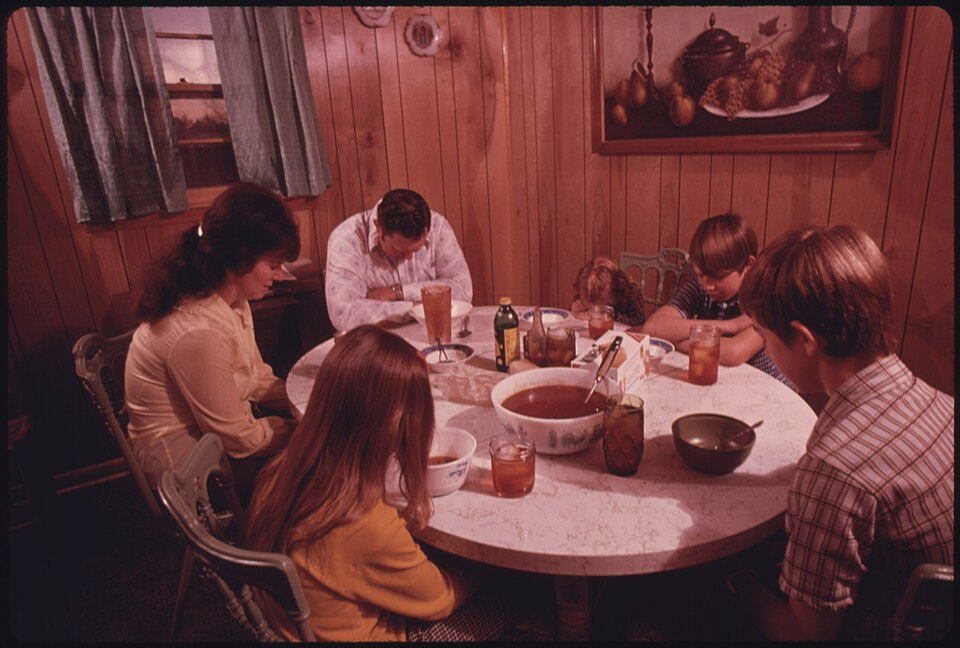
Some families joined hands around the table and others did not, and children discovered this by eating at friends’ houses.
The variation is one of the clearest examples of how much practice differed between households that would have described themselves identically. There was no standard, and nobody had ever thought to mention it.
The discovery was always slightly alarming. A child at an unfamiliar table who suddenly finds a hand extended towards them has to work out instantly what is expected, which is a small social emergency familiar to almost everybody.
6. Speed Was a Constant Low-Level Dispute
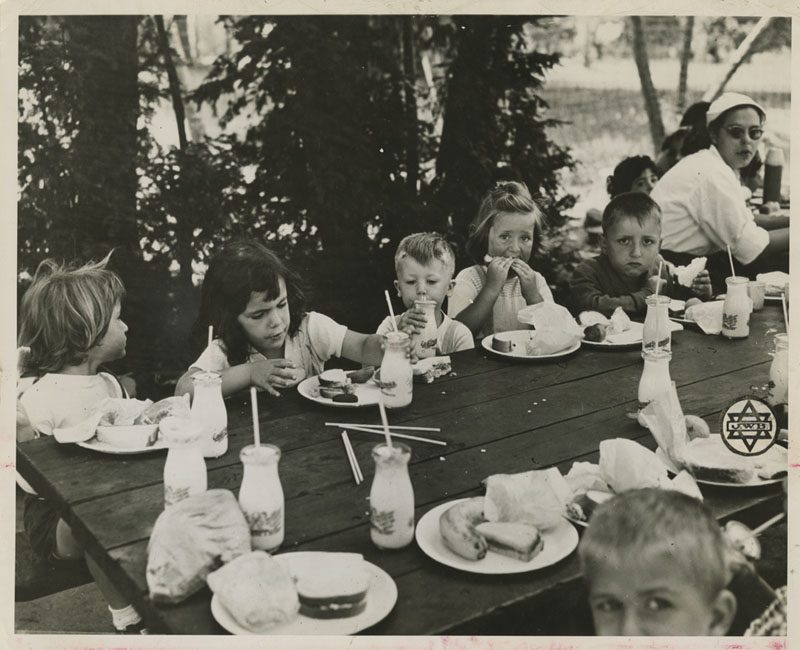
Somebody always wanted it shorter and somebody always thought it was being rushed.
The tension was permanent and good-natured in most households. The meal is in front of everybody, it is getting cold, and a form of words that takes thirty seconds feels considerably longer when you are nine and have been outside all afternoon.
An unusually long one was an event. A guest or a relative who extended it well beyond the household’s normal length produced a very specific collective reaction, conducted entirely in silence and with everybody’s eyes closed.
7. It Was Skipped Constantly and Nobody Admitted It
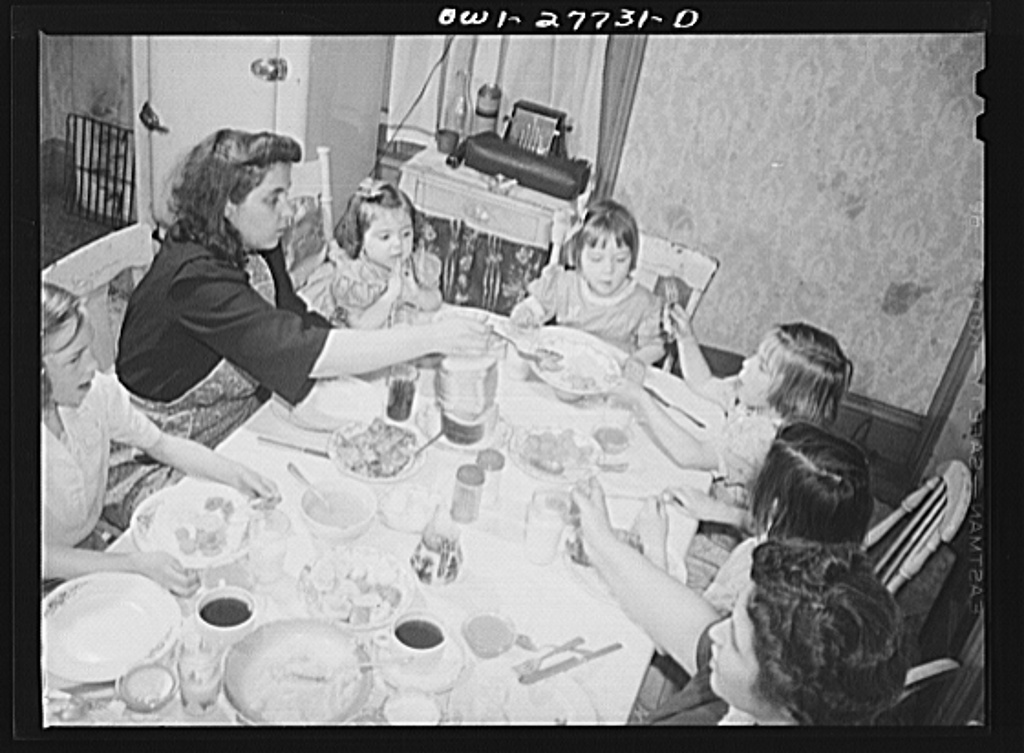
Rushed meals, meals eaten separately, meals in front of the television and meals when somebody was out went without it.
The gap between the stated practice and the actual practice was substantial. Households that would have described the ritual as invariable in fact omitted it regularly, and the omissions were not discussed.
Sunday was the exception. Whatever had happened during the week, the one meal where everybody was present and nobody was in a hurry had it reliably, which is probably the best evidence of what it was really marking.
8. The Television Was Turned Off For It
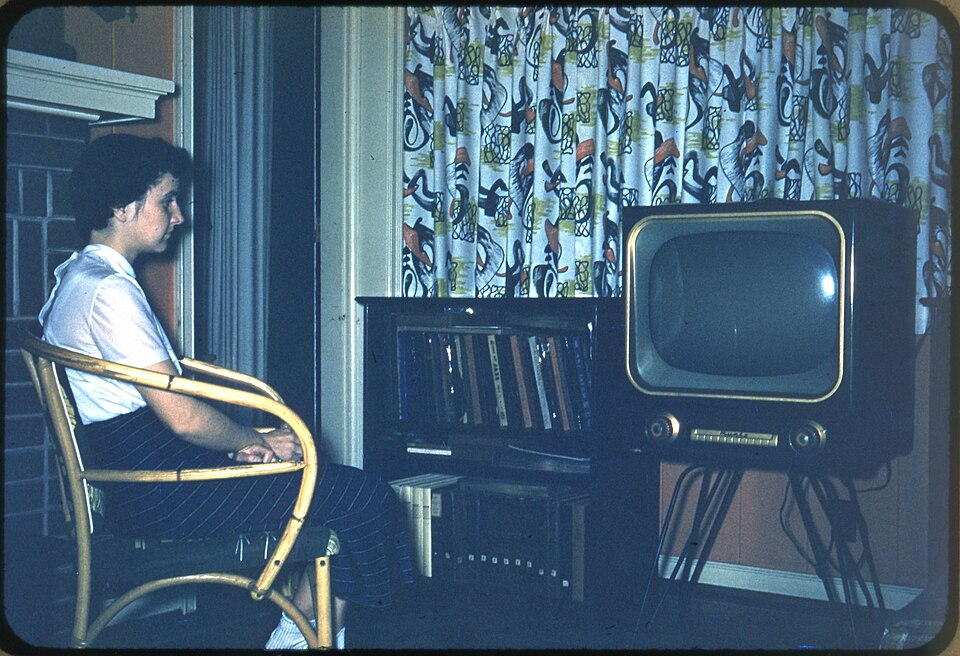
Even in households where the set was on during the meal, it was silenced or switched off for the duration.
The exception reveals the hierarchy. A household prepared to eat in front of a television was still not prepared to let it run through that particular thirty seconds, which places the ritual above the meal in the order of things.
It was also one of the last moments of imposed quiet in the day. A house with a set running most of the evening had very few periods of deliberate silence left in it, and this was one of them.
9. Children Watched Each Other Throughout
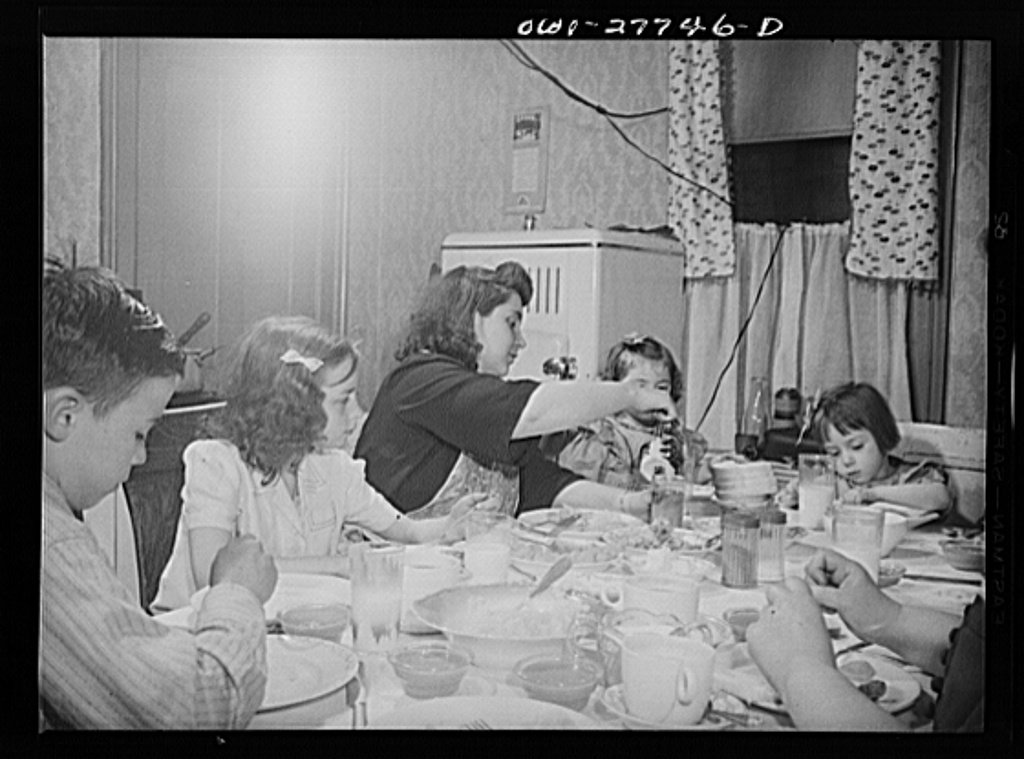
Eyes were supposed to be closed and a substantial proportion of them were not.
The surveillance was mutual and entirely pointless. A child looking to see whether another child is looking has already given themselves away, and the standoff was conducted silently at every meal for years.
Adults knew and generally said nothing. The ritual did not depend on anybody’s sincerity to perform its actual function, and an experienced parent had worked out that enforcing closed eyes would cost more than it gained.
10. Laughing Was the Great Risk
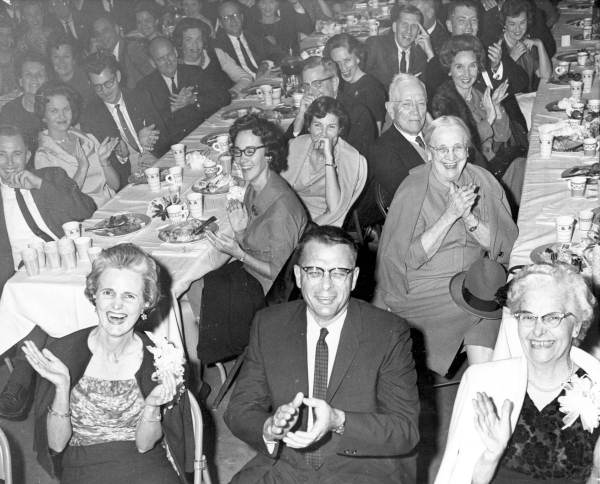
Something would set somebody off, and recovering before the end was almost impossible.
The conditions were ideal for it. A required silence, a fixed duration, several children and a strict prohibition on reacting is exactly the situation in which anything at all becomes unbearably funny.
The consequences varied enormously by household. Some took it entirely in good part and some did not, and a child who could not stop was in a situation with no good exit available to them.
11. It Was Said Over Food Nobody Was Happy About
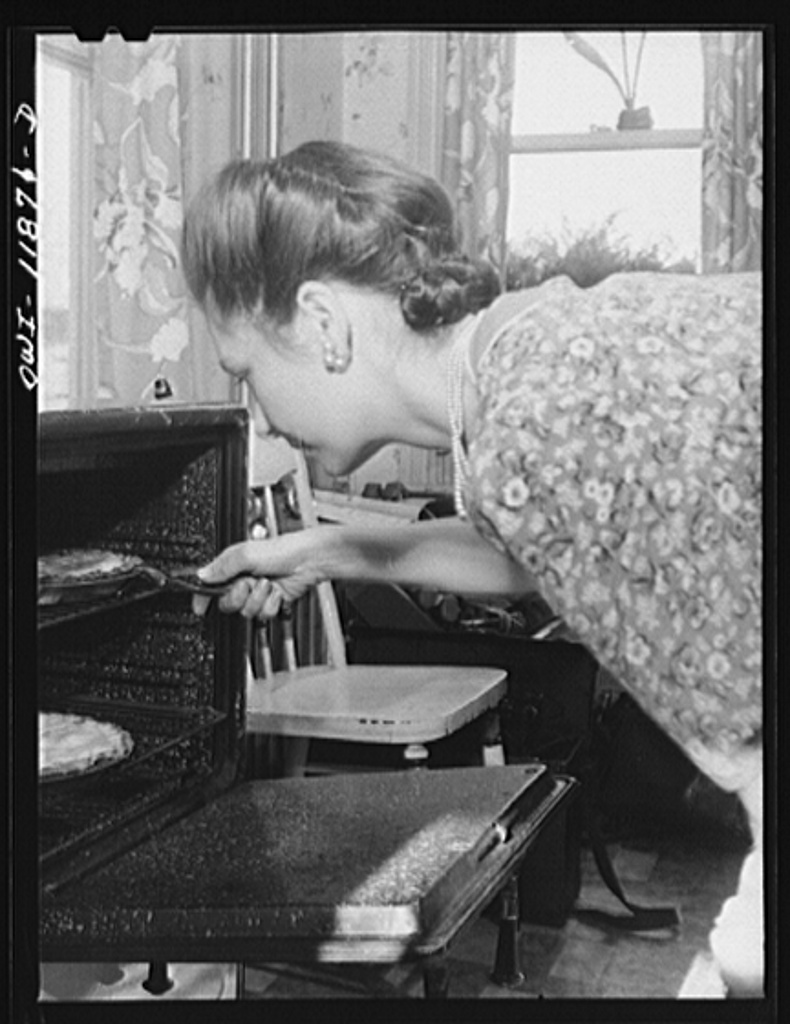
The same form was used for a meal somebody had worked on all day and a meal thrown together in ten minutes.
The indifference to the contents is the honest part. A ritual applied identically to every meal is not a response to any particular meal, which is why it was said over things people liked and things they did not with no adjustment at all.
Children noticed the mismatch. A child who had already seen what was for dinner and did not want it found the whole procedure a particularly slow preliminary to a disappointment they could see from where they were sitting.
12. It Marked the Beginning of a Fixed Event
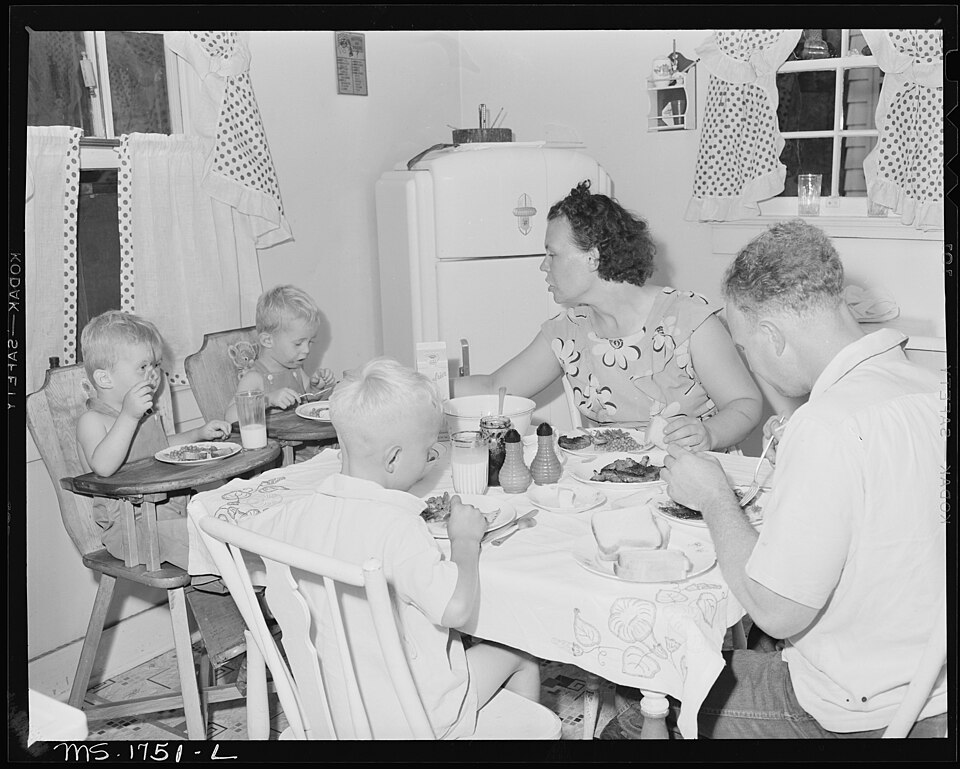
The meal had a defined start and, with it, a defined shape – people stayed until it was over.
The bracketing is what the ritual was doing in practical terms. A meal with a formal opening is an event rather than a period during which eating occurs, and an event has rules about leaving that an unmarked meal does not.
That is why it survived in households that had become indifferent to it. The practice persisted long after the conviction behind it had faded in some families, because it was holding a structure together that people wanted for other reasons.
13. Not Doing It Was Also a Statement
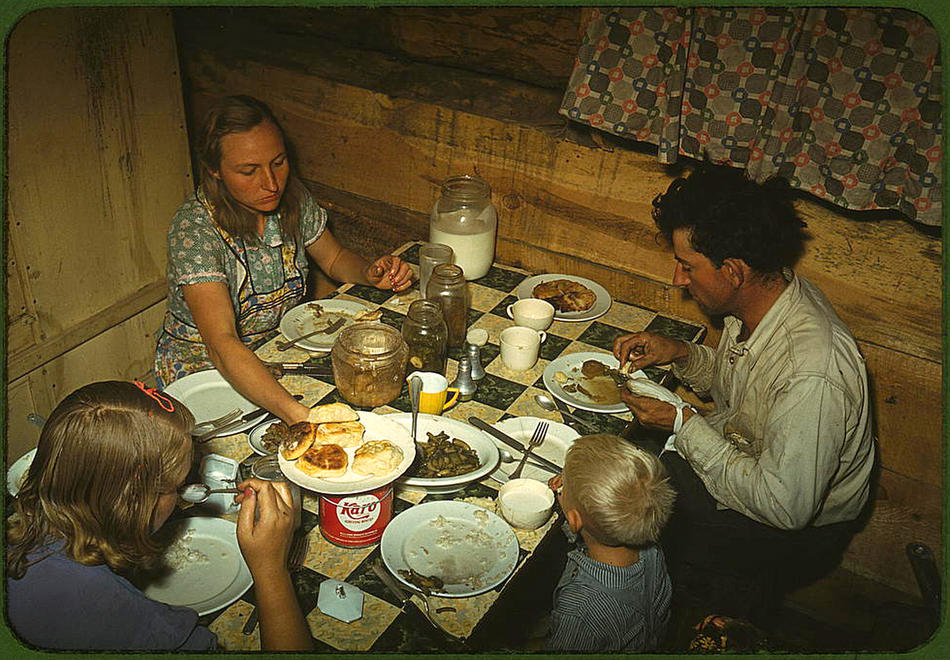
Households that did not were aware that most around them did, and children knew which category their family was in.
The visibility cut both ways and is worth stating plainly. A practice followed by most households in a street makes its absence noticeable, and children in households that did not observe it generally found out at somebody else’s table.
Neither position was remarked on directly. The overwhelming convention was that nobody commented on what another household did about this at all, which is a reasonably civilised way for a street to handle a difference of that kind.
14. Teenagers Were the Point of Failure
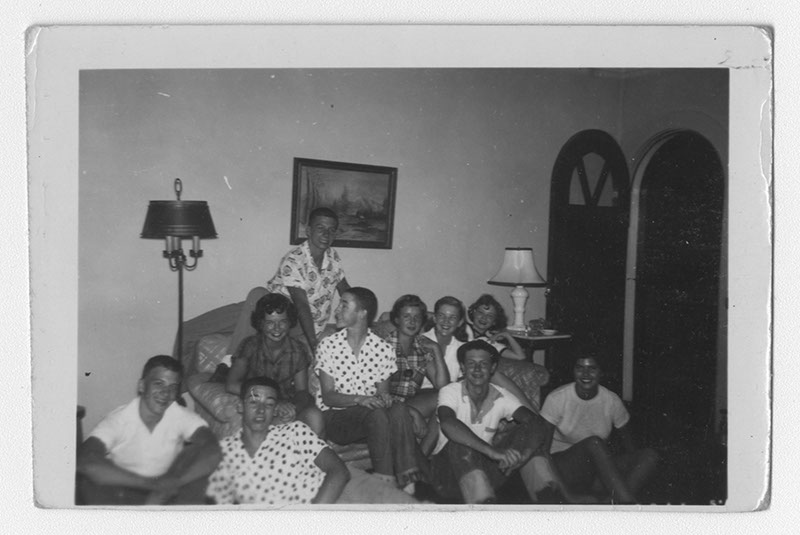
An adolescent who had decided they were finished with it created a genuine difficulty for the household.
The problem had no clean solution. Compelling participation produces resentment and resolves nothing, and permitting an exception visibly ends the practice as a household one rather than an individual one.
Most families fudged it. The usual outcome was a tacit arrangement in which the teenager was present and silent and nobody examined the matter further, which allowed everybody to continue without anybody conceding anything.
15. Then the Shared Meal Itself Became Occasional
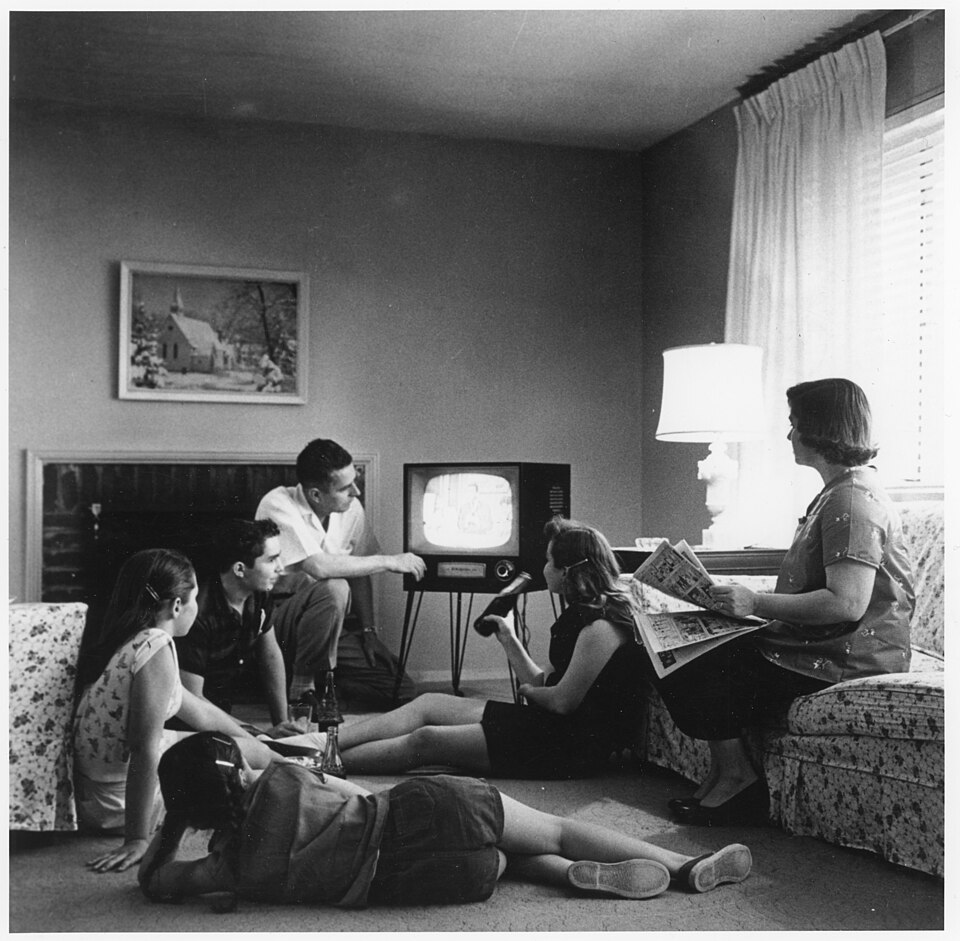
Different schedules, different hours, meals taken separately and food eaten in front of screens removed the thing the ritual was attached to.
The cause is the meal rather than the practice. A ritual that marks the start of a meal everybody attends cannot survive the meal everybody attends becoming rare, and it went wherever that went.
What is left is the Sunday version and the holiday version. The one meal of the year at which everybody is present, seated and waiting still frequently has it, and the people saying it are often using the exact words they learned at four by listening to somebody else say them.
What the Pause Was Holding Together
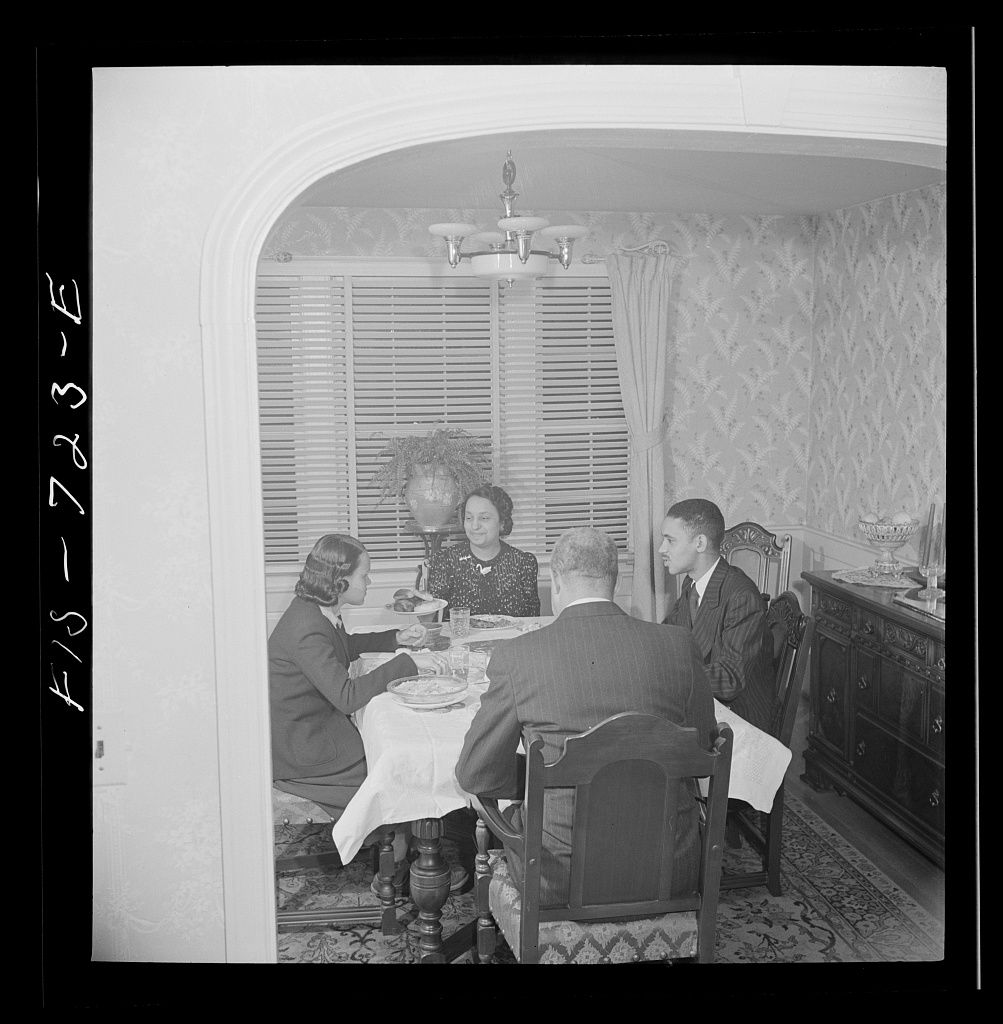
Read in order, the fifteen describe something doing two jobs at once, and only one of them is the stated one. Whatever a household believed, the practical effect was identical in every house that did it: the meal could not begin until everybody was present, seated and silent, which solved the assembly problem that families otherwise have no mechanism for solving. It gave the meal a formal opening, which turned it into an event with rules about leaving. It handed a small child a role requiring no ability and gave them a reason to be at the table. And it produced one of the last reliably quiet moments in a house that by 1960 had a television running most of the evening. That is why it persisted in families whose conviction had faded: it was holding a structure together that people wanted for entirely separate reasons. It is worth being equally clear about how inconsistently it was actually observed, because the stated practice and the real one were not the same thing. Households that would have described the ritual as invariable in fact dropped it whenever the meal was rushed, eaten separately, taken in front of a set or missing somebody – and nobody discussed the omissions. What survived every week, in almost every house that did it at all, was the one meal where everybody was present and nobody was in a hurry. That is the clearest available evidence of what the pause was really marking: not a meal, but the version of a meal in which the whole household was in the room at once.
The practice did not end on its own. It was attached to a meal at which the whole household sat down together at a fixed hour, and when that meal became occasional the thing attached to it had nothing left to open. What survives is the version at the one or two meals a year where everybody is still present, seated and waiting – and the words being used are very often the exact ones somebody learned at four years old by listening to the person next to them say them every night for a decade.
Like our content? Follow us for more.